Reviewed · SUMO EXPERIENCES
Tokyo: Visit Sumo Morning Practice with English Guide
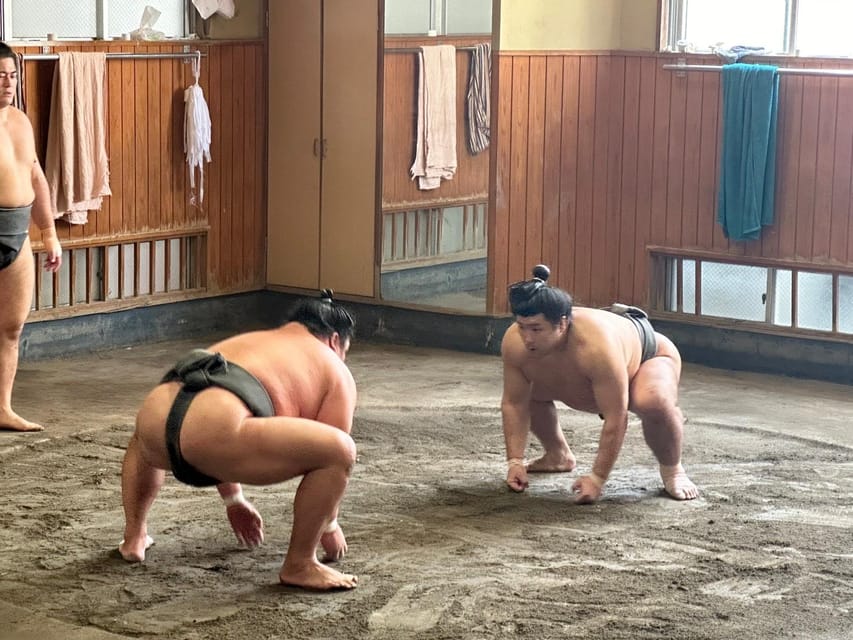
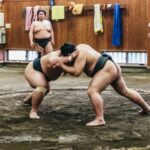
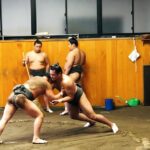
Tokyo’s sumo morning practice is not a staged show. At Takasago stable, wrestlers go through the hard, repetitive work that prepares them for competition: exercises, technique drills, and bouts carried out with serious focus. You sit close enough to notice the force of each movement, but you must remain quiet and let the wrestlers train.
In This Article
- Key points to know before you book
- Why Takasago stable makes this more than a photo stop
- Meeting at Ryogoku Station at 7:45
- Inside the stable: 90 to 120 minutes of real training
- The rules inside are part of the experience
- Seating, heat, and the practical comfort question
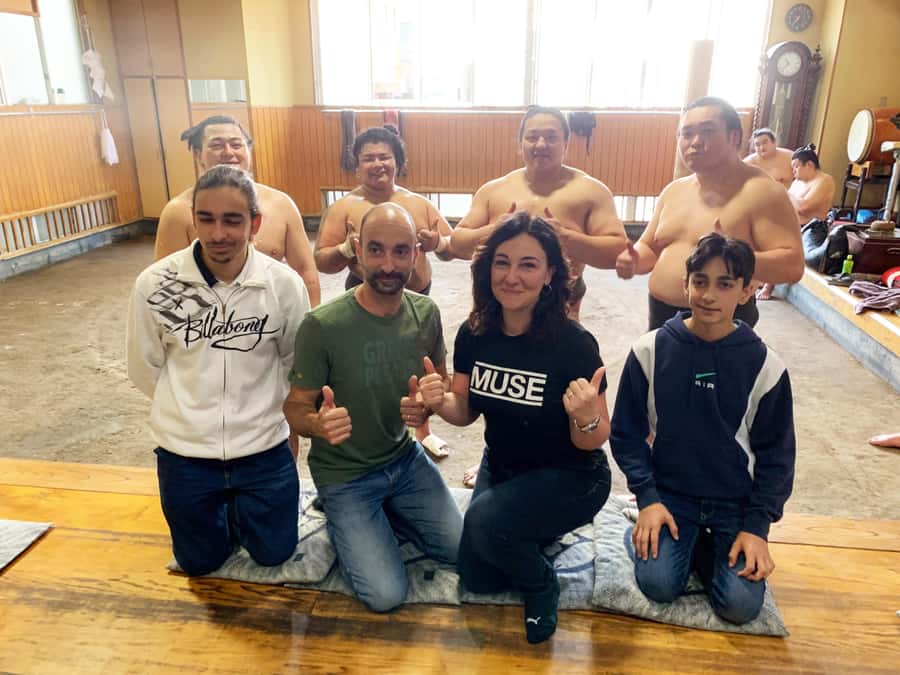
- The photo with rikishi is a nice finish
- Is $96 a fair price for two hours?
- Who will enjoy this most
- Booking details and timing
- My verdict on the Takasago morning practice
- FAQ
- Where does the sumo morning practice tour meet?
- How far is Takasago stable from the station?
- How long do I watch the morning practice?
- What time does the practice begin?
- Is the practice a performance for visitors?
- Can I take photos during practice?
- Can I take a photo with the wrestlers?
- Can children attend?
- What languages are available?
- What is the cancellation policy?
I like two things here. First, the access feels genuine: you are watching an ordinary practice session, not a performance made for tourists. Second, the English guide gives you a useful framework for what you are seeing, then arranges a photo with the wrestlers afterward. The main drawback is comfort. You may sit on a floor cushion or tiny stool for up to two hours, and the $96 price is high if you want only a quick look.
Key points to know before you book
- Takasago stable has an exceptional record: The stable has produced six yokozuna, the top sumo rank, and eight ozeki, the second-highest rank.
- The training is real, not choreographed: Wrestlers continue their normal morning work rather than stopping to entertain the group.
- The walk is simple: Meet at Ryogoku Station’s Toei Oedo Line A-3 elevator exit, then walk about 10 minutes.
- The guide sets the scene: Guides such as Keiko and Naomi have helped explain the exercises, rules, and stable etiquette in English.
- The photo comes after practice: You get a chance to pose with rikishi once the training ends, though you should carry cash in case a 1,000 yen contribution is requested.
- Sitting comfort matters: Take a small chair near the back if offered, especially if floor seating is difficult for you.
Why Takasago stable makes this more than a photo stop
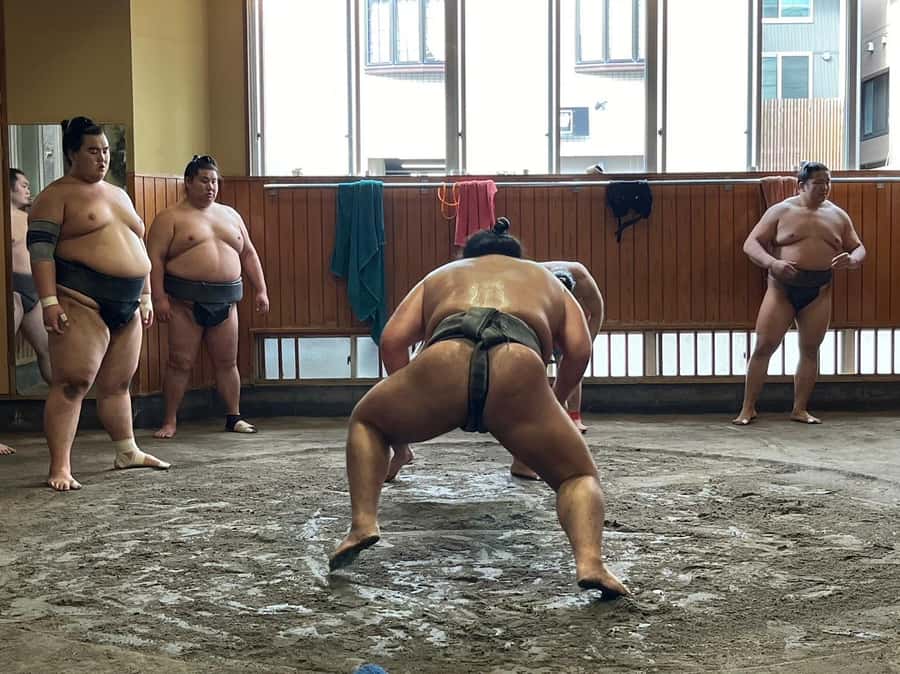
Sumo is often reduced to a few seconds of pushing and throwing. Morning practice shows you the work behind those brief matches. The wrestlers repeat movements, build strength, practice balance, and face each other in short, demanding bouts.
Takasago-beya is a particularly meaningful place to see this. Its record includes six yokozuna and eight ozeki. Those numbers give the stable weight within the sumo world, even if you know little about the sport before arriving.
I like that the experience begins with observation rather than a lecture. You do not need to understand every rule to appreciate the physical effort. The guide’s explanations and printed material help you notice the difference between warm-up exercises, technique practice, and sparring.
The atmosphere also matters. Sumo stables are working spaces, not theater stages. Wrestlers do not perform a special routine for your group. They train, rest, and continue with the session while you watch from the designated seating area. That restraint is part of the appeal.
A few more Tokyo tours and experiences worth a look
Meeting at Ryogoku Station at 7:45
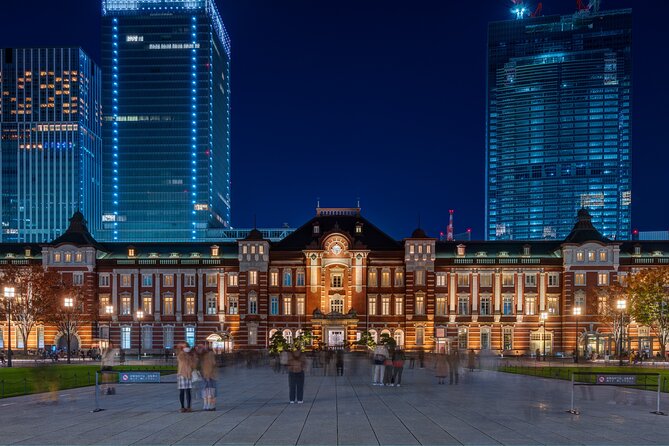
The early start is practical. You meet at 7:45 at Ryogoku Station, on the subway’s Toei Oedo Line. Staff wait at the A-3 elevator exit, which makes the meeting point easier to find than a vague station plaza.
Give yourself enough time to locate the correct exit. Tokyo stations can be confusing, and the tour depends on everyone reaching the stable together. A guide then leads the group on foot for about 10 minutes.
That short walk helps set the mood. Ryogoku is closely tied to sumo, so you are moving through the sport’s home district rather than riding across town to an isolated attraction. The walk is not difficult, but comfortable shoes are still sensible for an early morning on city streets.
The guide uses this time to explain what will happen inside. That briefing is important because silence during training is part of the stable’s etiquette. You will have a better experience if you understand the rules before entering instead of learning them after someone has asked the group to quiet down.
Inside the stable: 90 to 120 minutes of real training
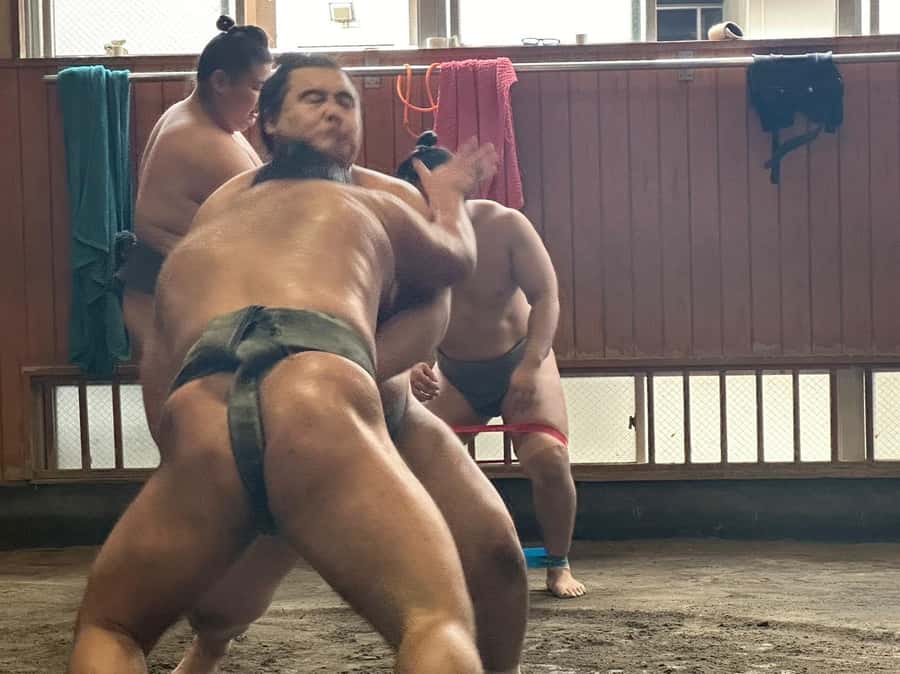
The practice usually begins around 8:00, after the guide’s introduction. The session lasts about 90 to 120 minutes, although the exact length depends on the wrestlers’ training schedule.
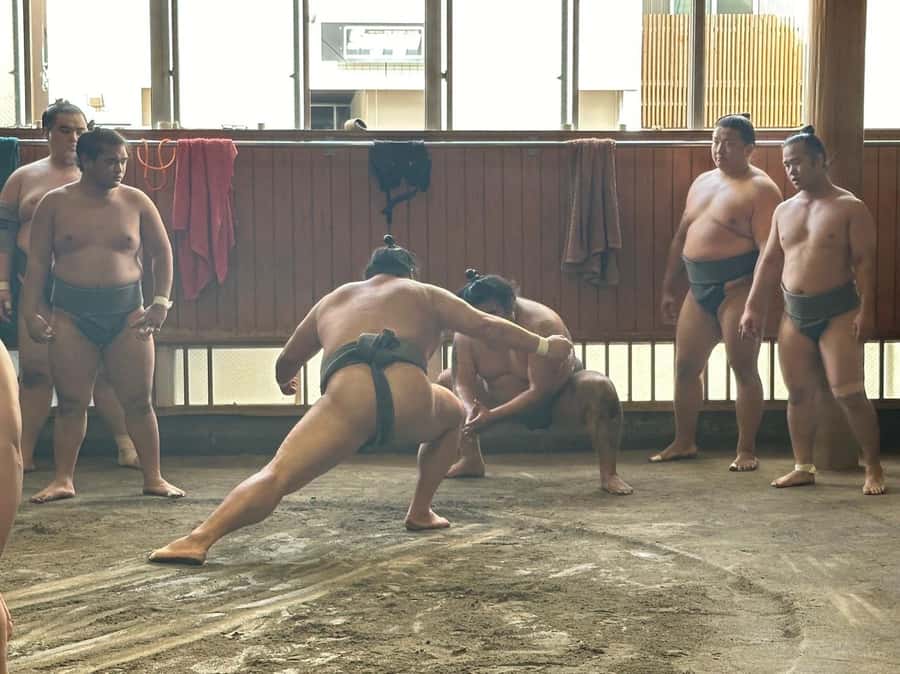
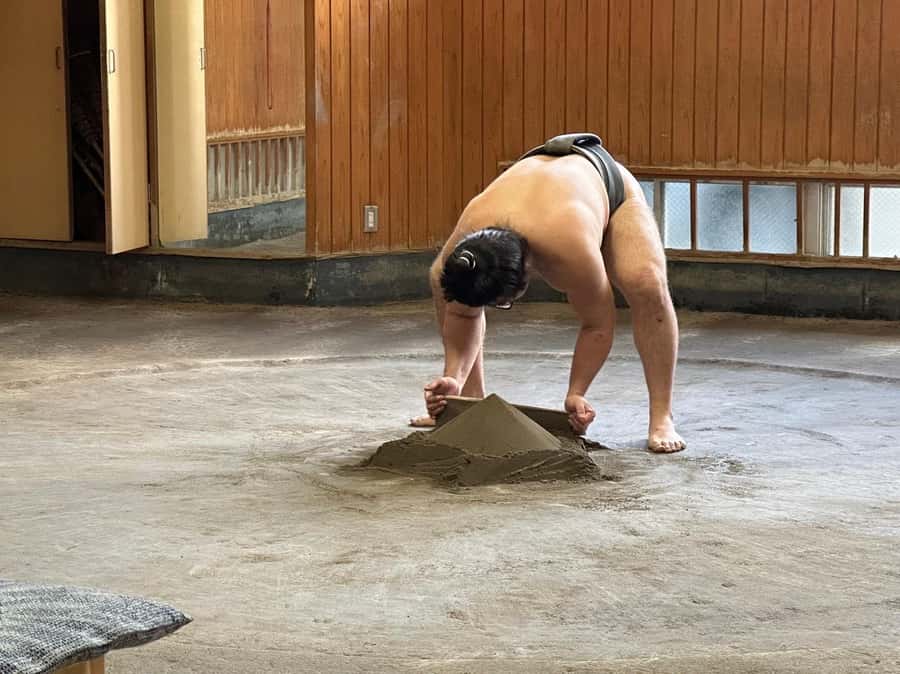
You may see a wide range of work. The supplied information refers to different exercises, sumo positions, technique practice, and sparring. The printed explanations can help you follow along, especially if this is your first contact with sumo.
The closer seating is one of the best reasons to choose this activity. You are not watching from the distant upper rows of a stadium. You can observe the wrestlers’ footwork, posture, breathing, and preparation at close range. The action can look slow and deliberate at first, then suddenly become explosive.
You should also expect quiet stretches. This is not a nonstop contest. Training has its own rhythm, with repeated exercises and pauses between bouts. I consider that a strength, because it gives you a clearer picture of daily discipline than a quick demonstration would.
Some guides provide more spoken explanation than others. Keiko and Naomi are specifically associated with warm, helpful English-language hosting, while another approach has been to hand out a thorough booklet rather than talk throughout the practice. That may suit you if you prefer to read at your own pace, but anyone wanting a detailed running commentary should keep expectations modest.
The rules inside are part of the experience
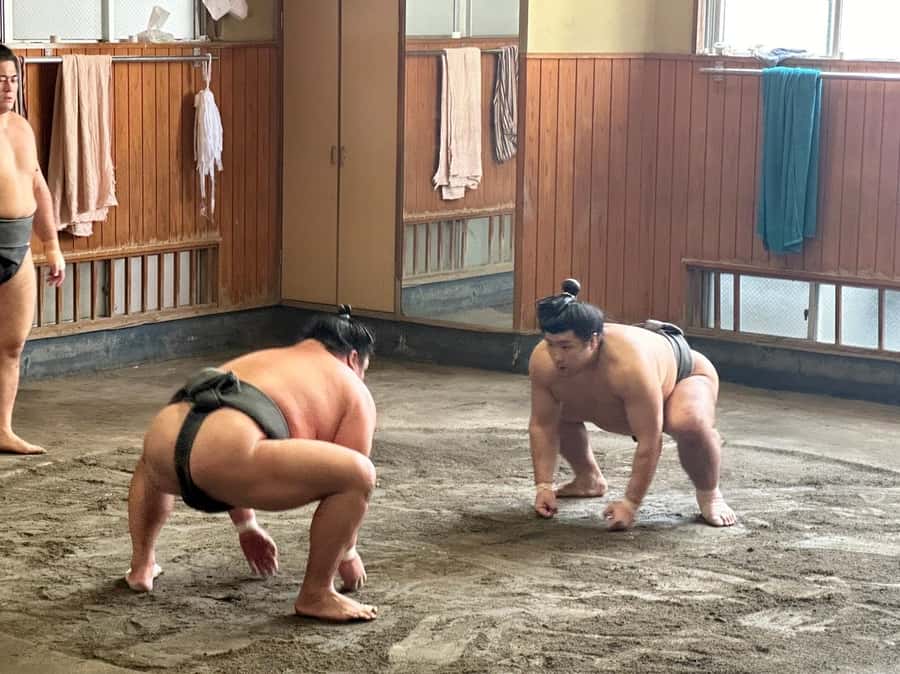
You are there to watch, not interfere. The wrestlers need to maintain concentration, and the group is expected to observe quietly. Children can attend if they can remain quiet, and the adult and child prices are the same.
The information supplied for this activity says cellphones are not allowed. At the same time, several recent accounts indicate that photos or videos were permitted during training when they did not interrupt practice. Since those instructions conflict, follow the guide and stable staff on the day. Do not assume that a phone camera is acceptable simply because someone else used one.
A safe approach is to keep your device put away until the guide clearly says photography is allowed. The commemorative photo at the end is arranged separately, so you do not need to spend the practice looking through a screen.
This is also a good place to remember that the wrestlers are working. They may not interact with the group during training, and that is exactly what you should want. The lack of crowd engagement keeps the session from turning into a tourist show.
Seating, heat, and the practical comfort question
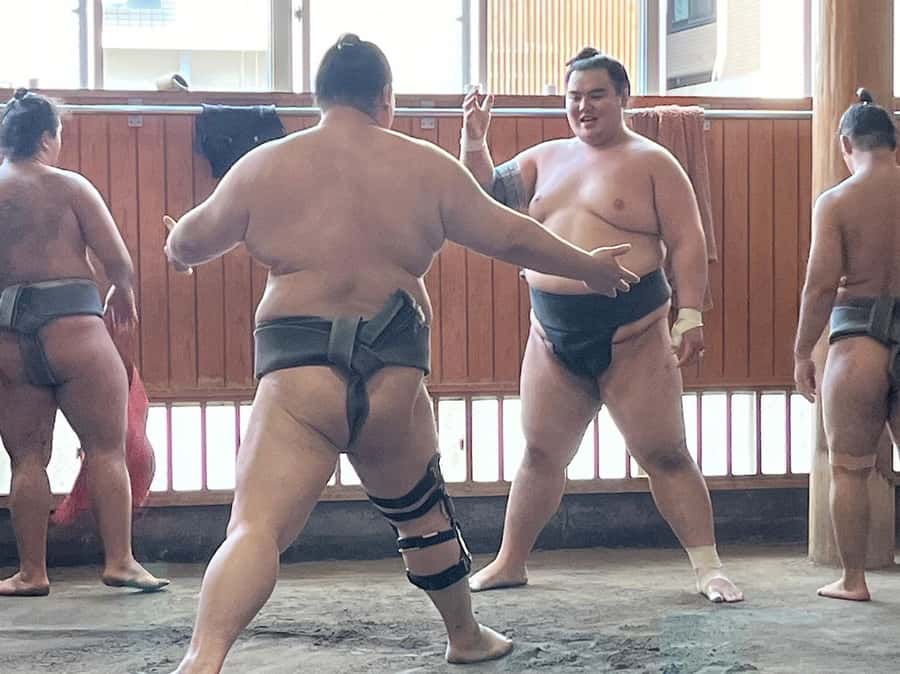
The biggest physical issue is sitting. You may be on a floor cushion or a tiny stool for most of the session. For some people, that is a manageable part of the traditional setting. For others, 90 minutes on the floor is much harder than expected.
If you have trouble sitting low, take one of the small seats near the back if the guide offers it. A seat may not provide a perfect view, but a sore hip or knee can distract you from the training. One account also noted that sitting near a fan helped, while chilled water was provided on that visit.
Conditions can vary. The stable may feel warm, and air-conditioned comfort has been reported, but you should not treat that as guaranteed. Wear light, comfortable clothing and bring water unless the guide tells you it will be supplied.
The final photo usually requires standing and waiting briefly after practice. This is when the group can relax a little, take pictures, and ask the guide remaining questions about sumo.
Other guided tours in Tokyo



The photo with rikishi is a nice finish
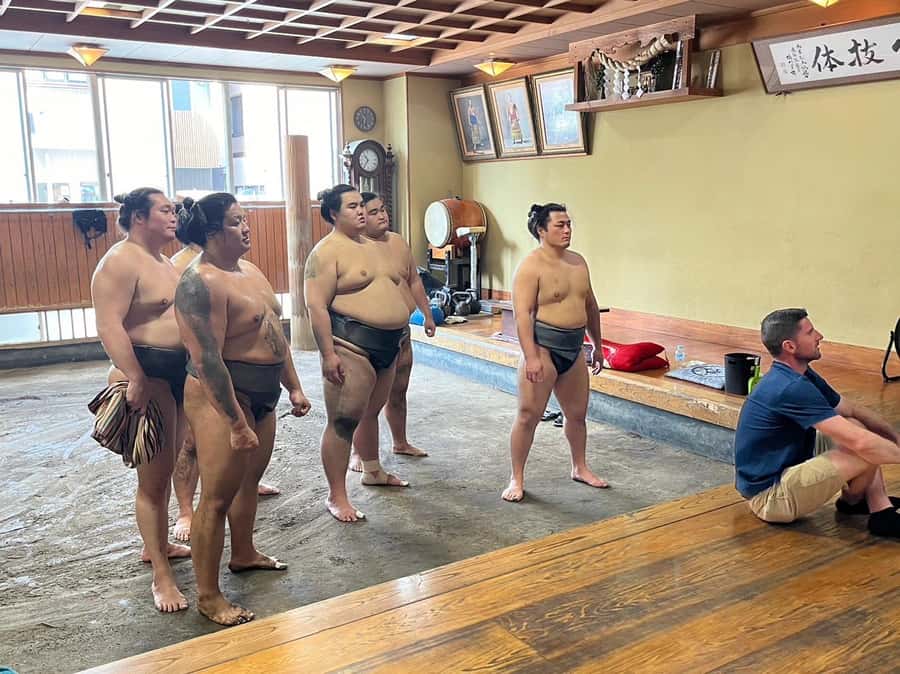
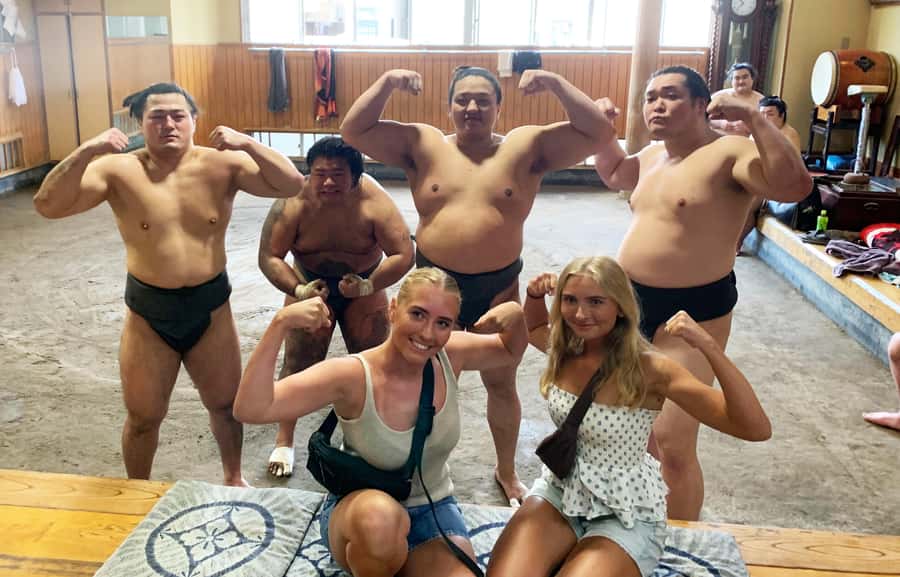
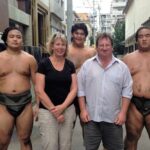
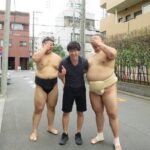
The photo is not the reason to book this on its own, but it adds a personal ending to a serious morning. After watching the wrestlers work, you get to stand with some of them for a commemorative picture.
The wrestlers have been described as friendly during this part, even though they remain focused and distant during practice. If you are feeling bold, one past participant suggested asking to be picked up by a wrestler, but treat that as a playful possibility, not a promised part of the activity.
Bring some Japanese yen. A 1,000 yen contribution for the photo has been requested on some occasions. This extra cost can surprise people because the admission already costs $96, so it is worth planning for it rather than arriving with no cash.
Photography rules may change according to the stable’s needs. Ask before taking pictures, and put the camera away immediately if practice begins or staff request it. A respectful photo is a better souvenir than a rushed one.
Is $96 a fair price for two hours?
At $96 per person, this is not a bargain-priced Tokyo activity. You are paying for access to a working stable, the guide’s coordination, English-language help, and the chance to see a practice session that is not normally open in the same way to casual passersby.
The value depends on your interest. If you already want to understand sumo, the close seating and printed explanations can make the cost reasonable. You may also find the visit useful before attending a tournament. One person who later went to a sumo competition said the stable visit made the live matches much easier to understand.
If you know almost nothing about sumo and mainly want a quick cultural photo, the price may feel steep. The actual guided commentary can be fairly light, and the main part of the activity is sitting quietly and watching. You are paying for access and atmosphere more than for a long lesson.
Compared with buying tournament tickets, it can also be a practical alternative. Tournament seats can be difficult to obtain, and a full match is not always easy to follow if you do not know the sport. This morning visit gives you a concentrated introduction without requiring a full day at the arena.
Who will enjoy this most
I would recommend it to anyone curious about how traditional sports are practiced away from the spotlight. It is especially good for:
- First-time sumo spectators who want the basics explained before seeing a tournament
- Visitors interested in Japanese customs and disciplined daily routines
- Families with children who can sit quietly
- Photographers, provided they follow the stable’s rules
- People who value access to a real working setting over a polished performance
I would hesitate if you dislike floor seating, need constant movement, or want a tour packed with continuous narration. The two hours can feel long if the physical setup is uncomfortable or if you expect a show with frequent interaction.
The activity also suits a morning in Ryogoku. You finish close to the station and can continue with other Tokyo plans. Guides have sometimes helped with directions afterward, which is useful if you are heading to another sight.
Booking details and timing
The listed duration is two hours, but the practice can run shorter or longer depending on the stable. Plan your morning around flexibility rather than scheduling a tight appointment immediately afterward.
Free cancellation is available up to 24 hours before the start time, and you can reserve while paying later. English and Japanese guiding are offered. These options are useful if your Tokyo schedule is still changing.
The meeting time is early enough that you should not treat this as a casual sleep-in morning. Arrive at 7:45 at the A-3 elevator exit, not simply at Ryogoku Station. The guide then walks the group to Takasago stable.
Because the stable is an active workplace, the exact practice you see cannot be promised. You may catch intense sparring, repeated drills, or a quieter section of the session. That uncertainty is normal for a real training visit, and it is also why the experience feels less manufactured.
My verdict on the Takasago morning practice
I like this activity because it gives you something a tournament cannot: a close look at the daily labor behind sumo. The strongest features are the stable access, the proximity to the wrestlers, the clear organization at Ryogoku Station, and the photo at the end.
The $96 cost is the main question. I think it is justified if you care about sumo or want a serious cultural experience rather than a quick attraction. If you are undecided, ask yourself whether you are happy to sit quietly for up to two hours to watch training that was not designed for an audience.
Book it if authenticity, close observation, and a small amount of English guidance matter to you. Skip it if you want a fully narrated tour, guaranteed air conditioning, or a comfortable chair throughout. For the right person, this is one of Tokyo’s more memorable mornings, with real discipline, real exertion, and no artificial showmanship.
FAQ
Where does the sumo morning practice tour meet?
It meets at 7:45 at Ryogoku Station on the Toei Oedo subway line. Staff wait at the A-3 elevator exit.
How far is Takasago stable from the station?
The guide leads the group on a walk of about 10 minutes from Ryogoku Station to Takasago stable.
How long do I watch the morning practice?
The observation usually lasts 90 to 120 minutes. It can be shorter or longer depending on the training schedule.
What time does the practice begin?
After the guide’s explanation, the morning training begins around 8:00.
Is the practice a performance for visitors?
No. You watch the wrestlers carry out their normal training, including exercises, technique work, and sparring.
Can I take photos during practice?
Photography is allowed only when it does not interfere with training, according to the activity information. However, the rules also state that cellphones are not allowed, so follow the guide’s instructions on the day.
Can I take a photo with the wrestlers?
Yes. After the practice, you have the opportunity to take a commemorative photo with sumo wrestlers.
Can children attend?
Children can attend if they are able to observe quietly. The listed fee is the same for children and adults.
What languages are available?
The live guide is available in English and Japanese.
What is the cancellation policy?
You can cancel up to 24 hours in advance for a full refund. A reserve-now, pay-later option is also available.
More Morning in Tokyo

More Guided Tours in Tokyo
More Sumo Experiences in Tokyo

More tours in Tokyo we've reviewed



Sumo Experiences, compared.
 ★ 4.8Tokyo: Sumo Show Experience with Chicken Hot Pot and a PhotoFrom $1032 hours
 ★ 4.8Tokyo: Sumo Show and Dining ExperienceFrom $7990 minutes - 2 hours
 ★ 5.0the SUMO showFrom $89
 ★ 5.0Tokyo Sumo Entertainment Show with Chicken Hot Pot and PhotoFrom $106
 ★ 4.6Tokyo: Sumo Tournament Tour with Chair Seat TicketsFrom $141
 ★ 5.0Tokyo Grand Sumo Tournament Viewing Tour with TicketsFrom $124