
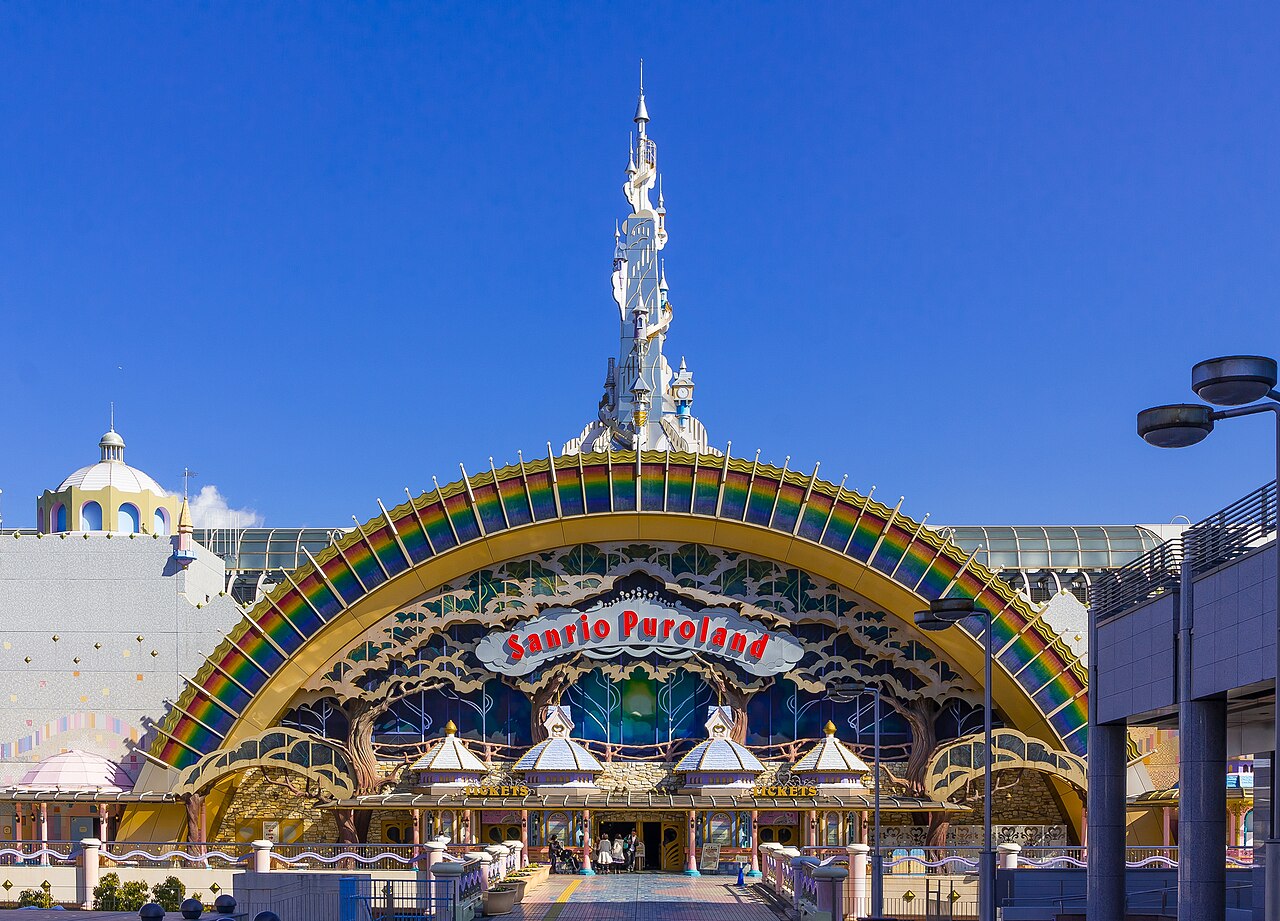
Sanrio Puroland is an indoor theme park in Tama, western Tokyo, dedicated to Sanrio’s cast of characters — Hello Kitty, My Melody, Kuromi, Cinnamoroll, Pompompurin, and a revolving cast of smaller cute-culture icons. It’s small by theme-park standards, intensely pink, and completely uncynical. If you have ever owned a Hello Kitty anything, this is the spiritual home.
In This Article
- Quick facts at a glance
- What is Sanrio Puroland, actually?
- What are the signature attractions?
- Sanrio Character Boat Ride
- My Melody & Kuromi: Mymeroad Drive
- Kawaii Kabuki — Hello Kitty
- Miracle Gift Parade
- Character Greetings
- Lady Kitty House
- When should you visit?
- How do you get to Sanrio Puroland?
- How much does it cost?
- Character Dining and Paid Greetings
- What should you bring?
- Where should you eat?
- Is Puroland worth it if you’re not a Sanrio fan?
- What about the Sanrio stores elsewhere in Tokyo?
- What characters should you know before you go?
- What’s the deal with the photo ops?
- How does Puroland compare to Tokyo Disney?
- Is Puroland family-friendly?
- Final verdict
It also happens to be a great rainy-day Tokyo destination with an unexpected level of production quality. The dark rides are well-made, the musical shows are polished, and the character greetings are the kind of thing that makes people cry. This guide covers what it actually is, what to prioritise, how to get there, and whether it’s worth the day trip.
Quick facts at a glance
- Location: Tama, western Tokyo (about 40 min from Shinjuku)
- Nearest station: Keio-Tama-Center Station (Keio Sagamihara Line, Odakyu Tama Line, Tama Toshi Monorail)
- Opened: 1990
- Type: Fully indoor theme park (not weather-dependent)
- Size: Small — 4-6 hours covers everything
- 1-day passport: ¥3,600–¥4,900 (dynamic pricing)
- Main characters: Hello Kitty, My Melody, Kuromi, Cinnamoroll, Pompompurin, Gudetama
- Best for: Sanrio fans, families with young kids, Japan kawaii-culture visitors
- Rainy day? Perfect — entirely indoors
What is Sanrio Puroland, actually?
Sanrio Company has been Japan’s dominant character-design company since the 1970s. Hello Kitty (introduced 1974) is the biggest single-character brand in history by licensing revenue — bigger than Mickey Mouse by revenue in most years of the 2000s and 2010s. Sanrio’s full character roster includes dozens of others with their own dedicated fan bases.
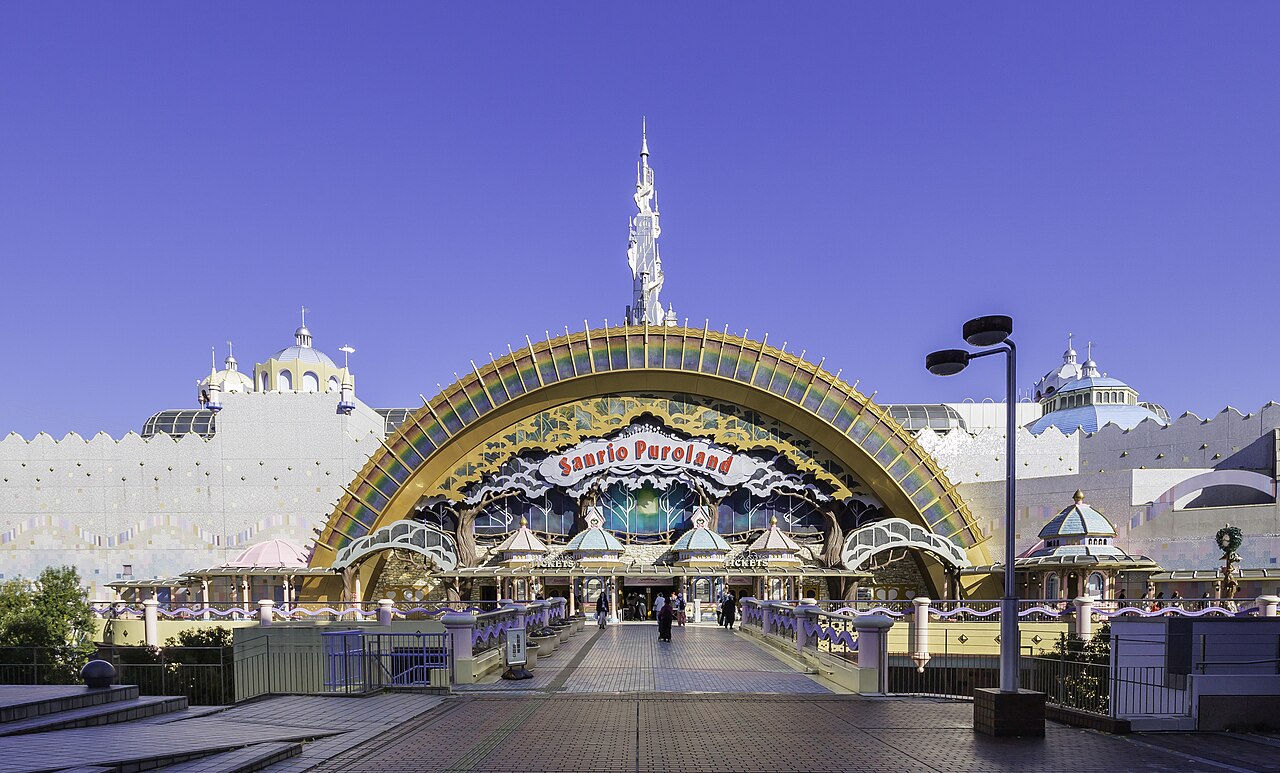
Sanrio Puroland is the brand’s flagship theme park, opened in 1990 as an indoor shopping-mall-plus-attractions complex. The decision to build it indoors was practical — the weather-controlled experience means it runs year-round without seasonal closures — but also aesthetic, since Sanrio’s characters are designed for the pastel-lit, controlled, kawaii environment indoor parks can create.
There’s a second park, Harmonyland, in Oita Prefecture (Kyushu), which is the outdoor sister property. Puroland is the one everyone means when they say “Sanrio park.”
What are the signature attractions?
Sanrio Character Boat Ride
Slow-moving boat ride through a tunnel of Sanrio characters in themed scenes. Short (~8 minutes), cute, genuinely well-made. The closest Puroland gets to a “classic dark ride.”
My Melody & Kuromi: Mymeroad Drive
Interactive vehicle ride with My Melody and Kuromi themes. Kids love it; adults enjoy it ironically.
Kawaii Kabuki — Hello Kitty
A live stage show with Hello Kitty and friends performing a kawaii-themed kabuki routine. Surprisingly well-choreographed. Runs several times daily; arrive 20 minutes early to get seats.
Miracle Gift Parade
Main parade through the central atrium. Characters, dancers, floats, music. The core Puroland experience and the reason many visitors come. Check showtimes on the day — usually twice daily, always packed.
Character Greetings
Multiple timed greeting areas throughout the park where you can meet specific characters, get photos, and (with paid add-ons) get character-signed goods. The Hello Kitty greeting specifically requires a reserved time slot booked through the app.
Lady Kitty House
A walk-through attraction styled as Hello Kitty’s Victorian mansion. Lots of photo ops. Hello Kitty herself makes appearances here for photos with visitors. Peak cute.
When should you visit?
Weekdays are dramatically less crowded than weekends. A Tuesday or Wednesday visit can feel almost empty in the morning hours; a Saturday visit will have you in queues for every attraction.
- Weekday mornings: The sweet spot. Arrive at opening (10am), cover the major attractions, be done by 2pm.
- Weekend afternoons: Busiest. 60+ minute queues for major attractions.
- Rainy days: Busier than fair-weather days because the park is a shelter option. Plan for higher queues if it’s pouring.
- School holidays: Peak crowds. Japanese summer break (mid-July to end of August) is particularly packed.
Seasonal events run throughout the year — Halloween (October), Christmas (November–December), and character birthday parties rotate through. Check the official Puroland website for the current schedule if a specific event matters to you.
How do you get to Sanrio Puroland?
From Shinjuku:
- Keio Line: From Shinjuku Station, take the Keio Line to Chofu, change to the Keio Sagamihara Line to Keio-Tama-Center. About 40 minutes, ¥370.
- Odakyu Line: Alternative route via Odakyu Line to Shin-Yurigaoka, change to Odakyu Tama Line to Odakyu-Tama-Center (5 min walk to Puroland). About 45 minutes, ¥390.
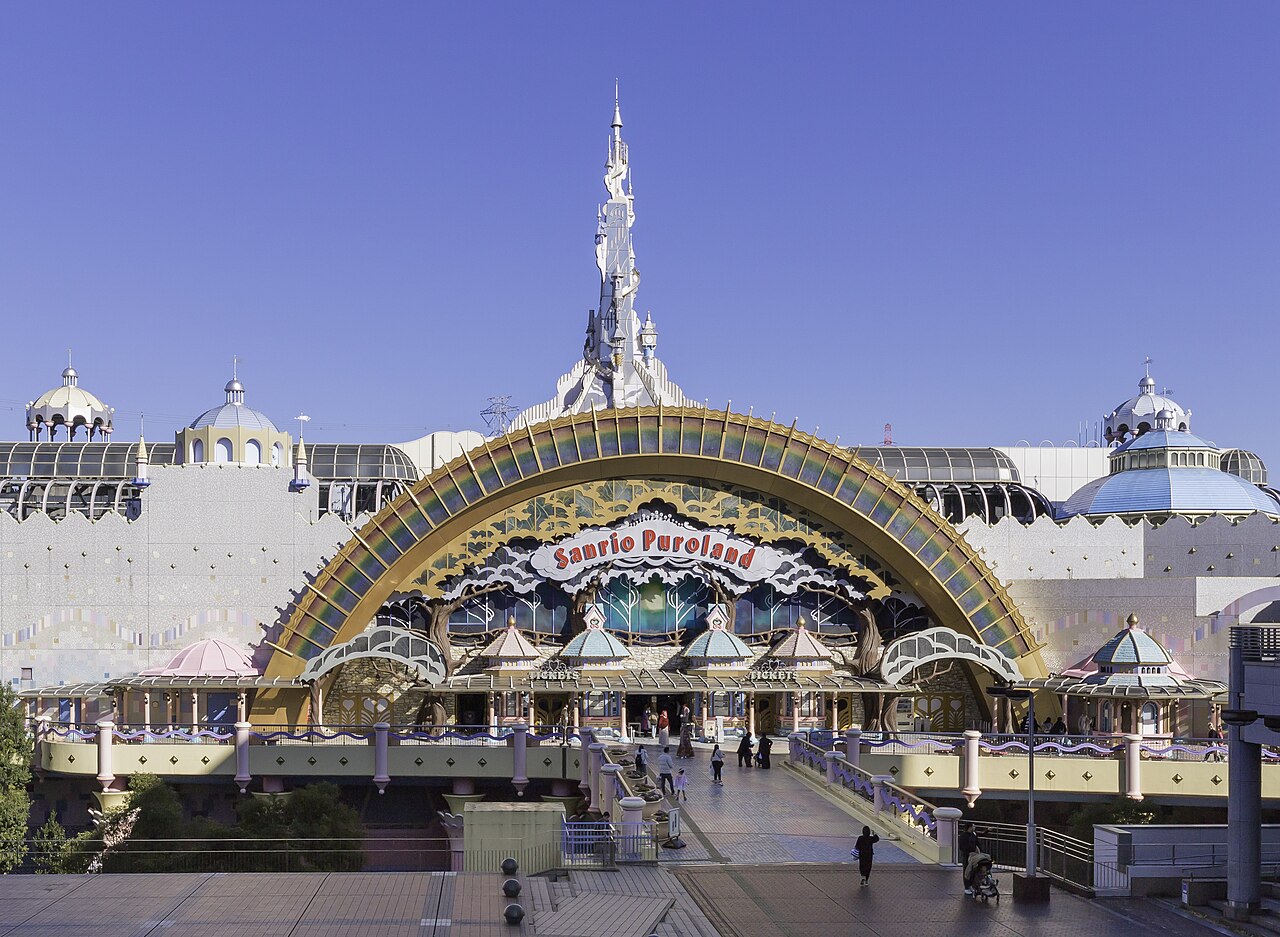
From Keio-Tama-Center Station, Puroland is a 5-minute walk on a signposted path. The path is lined with pink decorations — hard to get lost.
How much does it cost?
Ticket pricing is dynamic. Approximate ranges:
- Weekday 1-day passport: ¥3,600–¥4,500 adult
- Weekend/holiday: ¥4,000–¥4,900 adult
- Children (3–17): ¥2,500–¥3,800
- Seniors (60+): ¥2,500–¥3,800
- After 2pm discount: Available some days, ¥2,500–¥3,000
Tickets can be bought on the official website, at convenience stores (Lawson, FamilyMart), or at the gate (often sold out on busy days, so buy ahead).
Character Dining and Paid Greetings
On top of the basic ticket, there are two common add-ons:
- Character Dining: ¥3,500–¥5,000 per person. Themed restaurant meals where characters visit your table. Reservations required.
- Priority Greeting Passes: ¥500–¥1,500 per character. Skip the standby queue for specific character meet-and-greets.
If a specific character matters to your visit (Hello Kitty, Cinnamoroll, Kuromi are the most popular), book the priority greeting pass — the standby queues on weekends can exceed 90 minutes.
What should you bring?
A practical list:
- Cash. Food and souvenir stalls often take cash only. ¥10,000 per person covers lunch + some merch.
- Camera or good phone. Puroland is entirely about photo opportunities.
- Portable battery. You’ll use the app and camera heavily.
- Comfortable layers. The park is climate-controlled but varies zone to zone.
- Your cutest outfit, if you’re that kind of visitor. A significant fraction of visitors dress in matching pastel or character-themed outfits. The coordination is part of the experience.
Where should you eat?
In-park dining options:
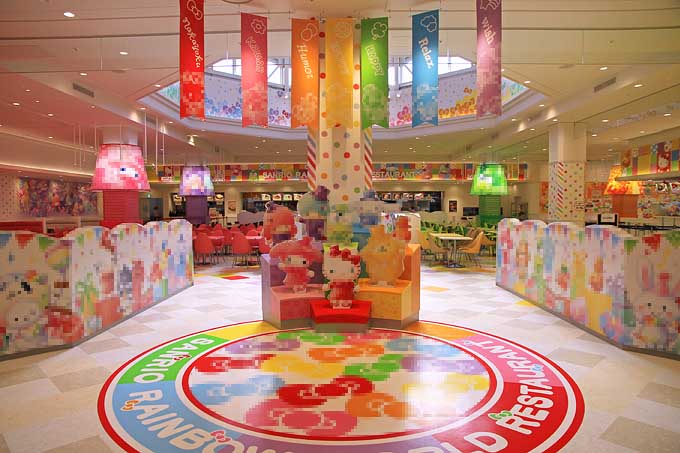
- Cinnamoroll Cafe: Cinnamoroll-themed plates, drinks, and desserts. Most food items are ¥1,500–¥2,500 and specifically designed to photograph well.
- Character Food Court: Faster service, character-themed rice dishes and burgers. ¥1,000–¥1,800 per meal.
- Hello Kitty Dining Rooms: Book ahead. Full character dining experience with appearances at your table.
- Pompompurin’s Pudding Shop: Pudding is Pompompurin’s entire personality. The pudding here is actually good; not just themed.
Food quality is theme-park standard but better than equivalent US parks. Portions are Japanese-sized — moderate.
Is Puroland worth it if you’re not a Sanrio fan?
Depends on your tolerance for relentless kawaii.
If you’re travelling with Sanrio-fan kids: absolutely essential. If you’re a casual visitor to Japan who wants to see a distinctive slice of kawaii culture without committing to a full Disney day: also worth it, probably a 4-hour afternoon rather than a full-day visit. If you actively dislike pastel aesthetics and pink everything: probably skip it — Puroland does not moderate its cuteness for any audience.
The park’s core strength is commitment to its aesthetic. Every corner is themed, every surface is pink or pastel, every background plays upbeat music, and every character actor is genuinely committed. There’s no winking cynicism anywhere. That’s either the best or worst thing about it depending on your tolerance.
What about the Sanrio stores elsewhere in Tokyo?
If you want Sanrio merchandise without the theme park:
- Sanrio Store Shibuya: Flagship store just outside Shibuya Station. Largest selection of merchandise in central Tokyo.
- Sanrio World Ginza: Upscale flagship with premium merchandise lines. 3 floors.
- Sanrio Gift Gate Ikebukuro: Character-themed concept store inside the Sunshine City complex.
- Kiddyland Harajuku: Not Sanrio-exclusive but has an entire floor of Sanrio merchandise, plus Studio Ghibli, Rilakkuma, and other major Japanese character brands.
For serious collectors: Shibuya is the best single-shop destination. For casual visitors: Kiddyland Harajuku is better because you get the full survey of Japanese character merchandise in one trip.
What characters should you know before you go?
A quick primer on the Sanrio cast — useful for knowing which character queues matter to you:
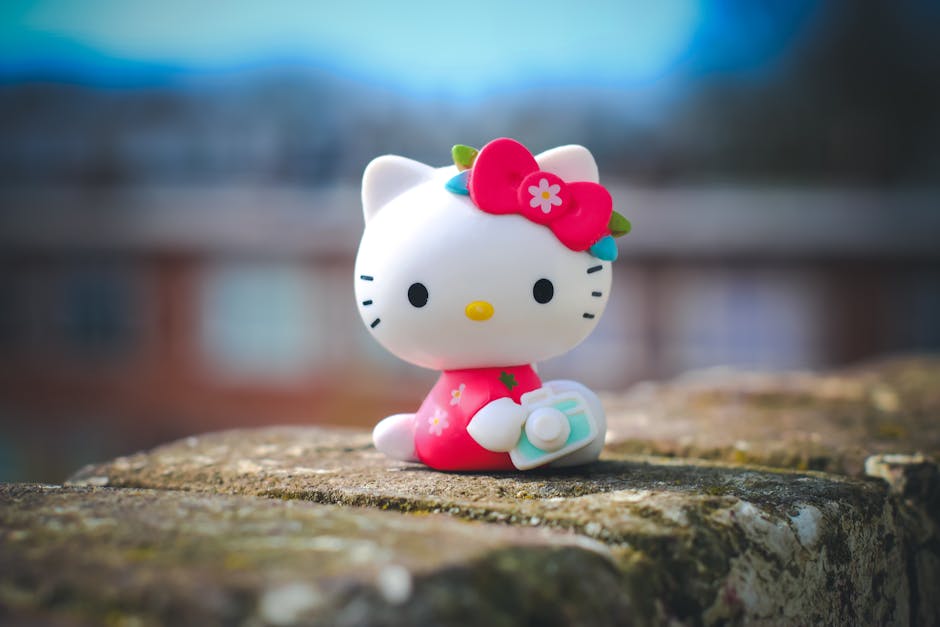
- Hello Kitty (introduced 1974): The flagship character. A bobtail cat in a red bow, globally licensed on everything. Her Puroland character is warmer and more interactive than the licensed merchandise suggests.
- My Melody (1975): A pink rabbit in a hood. The second-biggest Sanrio character and the “sweet” archetype.
- Kuromi (2005): The goth counterpart to My Melody — purple-and-black themed, skulls, punk aesthetic. The current cult favourite among older teenage fans. Kuromi merchandise has outsold My Melody in some years.
- Cinnamoroll (2001): A white puppy with long ears. Currently one of the most-popular Sanrio characters, especially in Southeast Asia.
- Pompompurin (1996): A golden retriever in a brown beret. Obsessed with pudding. Has his own cafe inside Puroland.
- Gudetama (2013): A lazy egg yolk. The cynical, tired, unmotivated character — a perfect foil to the rest of the Sanrio roster and the internet’s favourite.
- Pochacco, Tuxedosam, Little Twin Stars, Keroppi: Secondary characters with smaller fan bases but committed followings.
If you have a favourite, check the Puroland schedule for their specific greeting times and book priority passes if available. The core-character greetings (Hello Kitty, Kuromi, Cinnamoroll) are the ones that sell out on busy days.
What’s the deal with the photo ops?
Puroland is essentially a photo studio that happens to have rides attached. Every corner is designed to look good on Instagram. The official park app includes AR filters for specific photo zones.
Practical tips:
- Bring a phone camera, not a DSLR. The lighting is designed for phone cameras — warm, soft, flattering. DSLRs will often blow out the highlights.
- Morning light is best. The east-facing windows flood the main atrium with soft light around 10:30am.
- Photo ops reset on weekends. If the queue is long at the Lady Kitty House photo booth, come back in an hour — the 30-minute waits and 60-minute waits alternate through the day.
- Character photos: The official photographers at character greetings take better shots than you’ll get on your phone. The prints are ¥1,500–¥2,500 but they’re genuinely good.
How does Puroland compare to Tokyo Disney?
Different scale, different purpose.
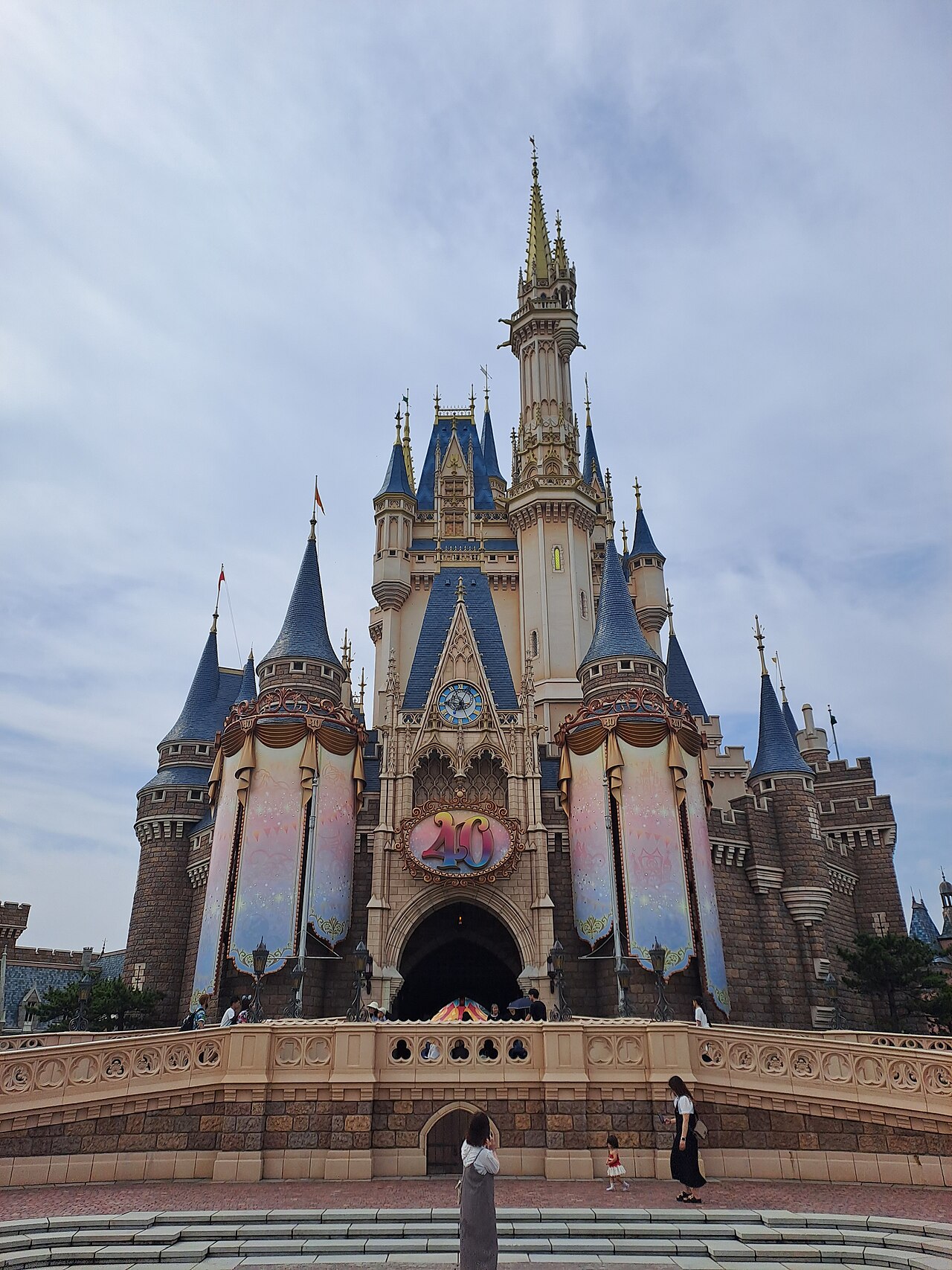
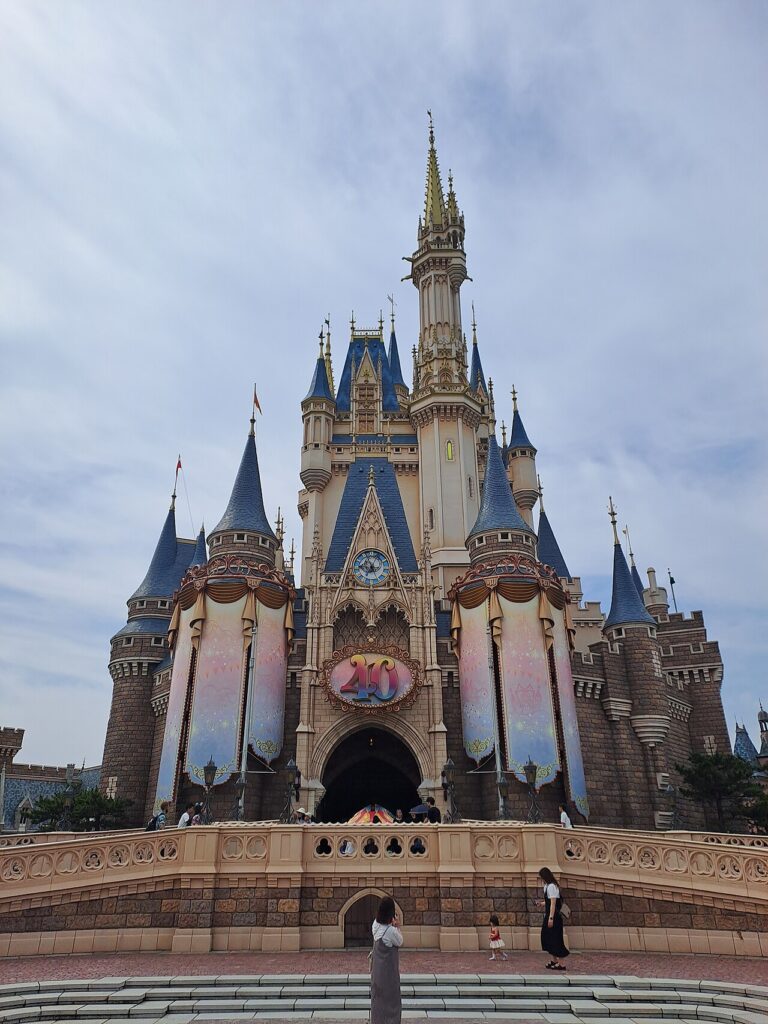
Tokyo Disney is a full-day, two-park resort with ambitious theme-park engineering, major roller-coasters, and an adult-friendly alternative (DisneySea). Sanrio Puroland is a small indoor park built around character-meet-and-photo experiences, with lower-thrill rides and a distinctly younger target audience.
Both are well-maintained and well-run. If you can only visit one in a Tokyo trip and you don’t have a strong Sanrio connection: Tokyo Disney. If you do have a Sanrio connection or you’re traveling with Sanrio-fan kids: Puroland earns a half-day easily. If you have serious time and want to do both: Disney on one day, Puroland on another (ideally a rainy one).
Is Puroland family-friendly?
The most family-friendly theme park in Japan. The entire experience is designed for families with young children. Stroller rental, baby-feeding rooms, quiet rooms, family restrooms, and a general “everything is soft and safe” ethos.
- Height restrictions: None on most attractions. The two small thrill rides have minimal height minimums.
- Stroller access: Full. Every attraction and dining area is stroller-friendly.
- Baby facilities: Multiple nursing rooms with warming stations for bottles.
- Shows are short: Most stage shows run 20–30 minutes. Manageable for kids.
Final verdict
Sanrio Puroland is a genuinely well-run theme park that commits entirely to its kawaii premise. If you or anyone in your travel group cares about Hello Kitty or the broader Sanrio universe, it’s an essential stop. If you’re just curious about Japanese kawaii culture, a 4-hour weekday afternoon visit is the right dose. If you’re skeptical of cute aesthetics generally, it’s not going to convert you.
Plan: go on a weekday morning, skip lunch in the park (it’s fine but overpriced), book a priority greeting for one character that matters to your visit, and budget for merchandise because you will buy something. The exit gift shop is where most Sanrio enthusiasts do real damage to their wallets.
For more Tokyo family planning, our Tokyo Disney Resort guide covers the full-scale theme park alternative, our Akihabara piece covers the wider pop-culture merchandise scene in central Tokyo, and our Ueno guide is the best traditional-culture pairing if you want to balance a kawaii day with something slower.

.jpg)
.jpg)
