
The US Embassy in Japan first issued a formal warning about drink-spiking in Kabukicho and Roppongi bars in 2014. The warning has been reissued roughly every year since. Other embassies — UK, Australia, Canada, most EU countries — have matched the advisory. Tokyo Metropolitan Police has run sustained anti-tout enforcement operations since the late 2010s. Despite all of this, the Kabukicho drink-spiking scam is still operating, still profitable, and still hitting foreign tourists on a steady weekly basis.
In This Article
- Quick facts at a glance
- How does the Kabukicho scam actually work?
- Step 1: The approach
- Step 2: The walk
- Step 3: The drink
- Step 4: The theft
- Step 5: The disappearance
- Who are the operators?
- Why can’t Japanese police shut it down?
- 1. Jurisdictional complexity
- 2. Immigration complications
- 3. Political sensitivity
- 4. Embassy-level response
- What are the warning signs?
- What if you’re already in a suspicious venue?
- What should you do if you’ve been a victim?
- How do you safely enjoy Kabukicho’s legitimate nightlife?
- How do drugging scams compare across districts?
- Is Kabukicho safe for women specifically?
- What about the positive side of Kabukicho?
- Final take
This guide walks through exactly how the scam works, what the signs are, what to do if it happens to you, why Japanese police can’t shut it down, and how to enjoy Kabukicho’s legitimate bar and nightlife scene — which is genuinely good — without becoming the next embassy statistic.
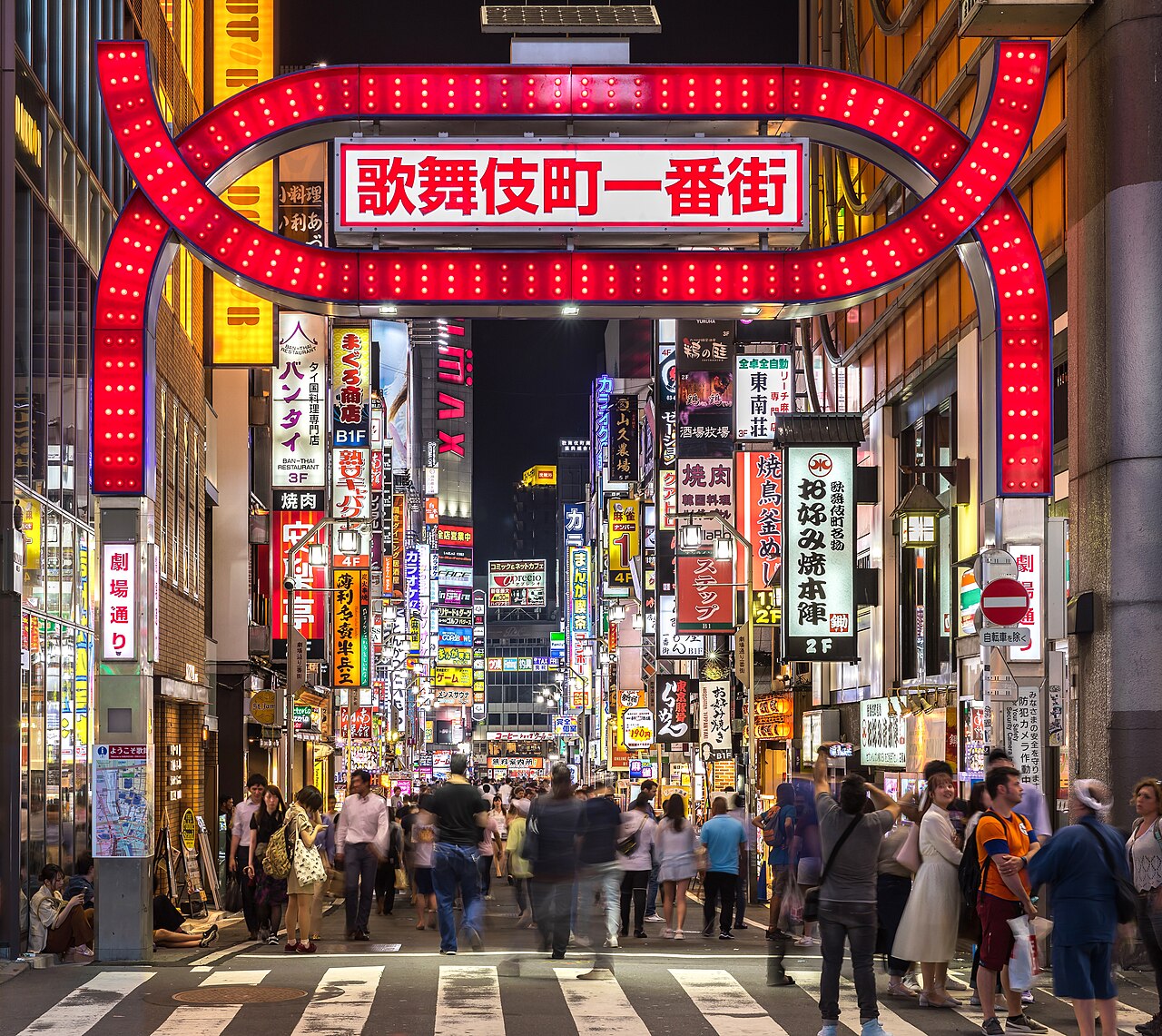
Quick facts at a glance
- Scam type: Drink-spiking followed by credit-card and cash theft while victim is unconscious
- Drug used: Typically benzodiazepines or GHB — fast-acting, causes memory loss, often no hangover
- Main target areas: Kabukicho (Shinjuku) and Roppongi. Smaller incidents in Shibuya and Ikebukuro.
- Main targets: Solo male tourists 20–50, usually on the first night in Tokyo
- Typical loss: ¥100,000–¥1,000,000 per victim (credit cards maxed out in hours)
- Embassy warnings: US, UK, Australia, Canada, Germany — all active as of 2026
- Police response: Limited — the operators move between venues; criminal prosecution is rare
- Worth going to Kabukicho? Yes, absolutely — just not the bars the touts lead you to
How does the Kabukicho scam actually work?
The operational sequence is consistent across hundreds of documented cases:
Step 1: The approach
A friendly English-speaking person — usually male, often Nigerian or Pakistani, sometimes Japanese — approaches you on a Kabukicho side street. They’re dressed casually. They start a conversation in fluent English. They are friendly, not aggressive. Common openers:
- “Hey man, where you from?”
- “First time in Tokyo? I know the best place.”
- “Looking for a bar? My friend has a cool place nearby, cheap drinks.”
- “You want to see some girls? Special Japanese show, not tourist-trap.”
The pitch is specifically built to sound like local insider knowledge rather than a commercial transaction. The friendly-face delivery is the key differentiator — you’re not being sold to, you’re being invited.
Step 2: The walk
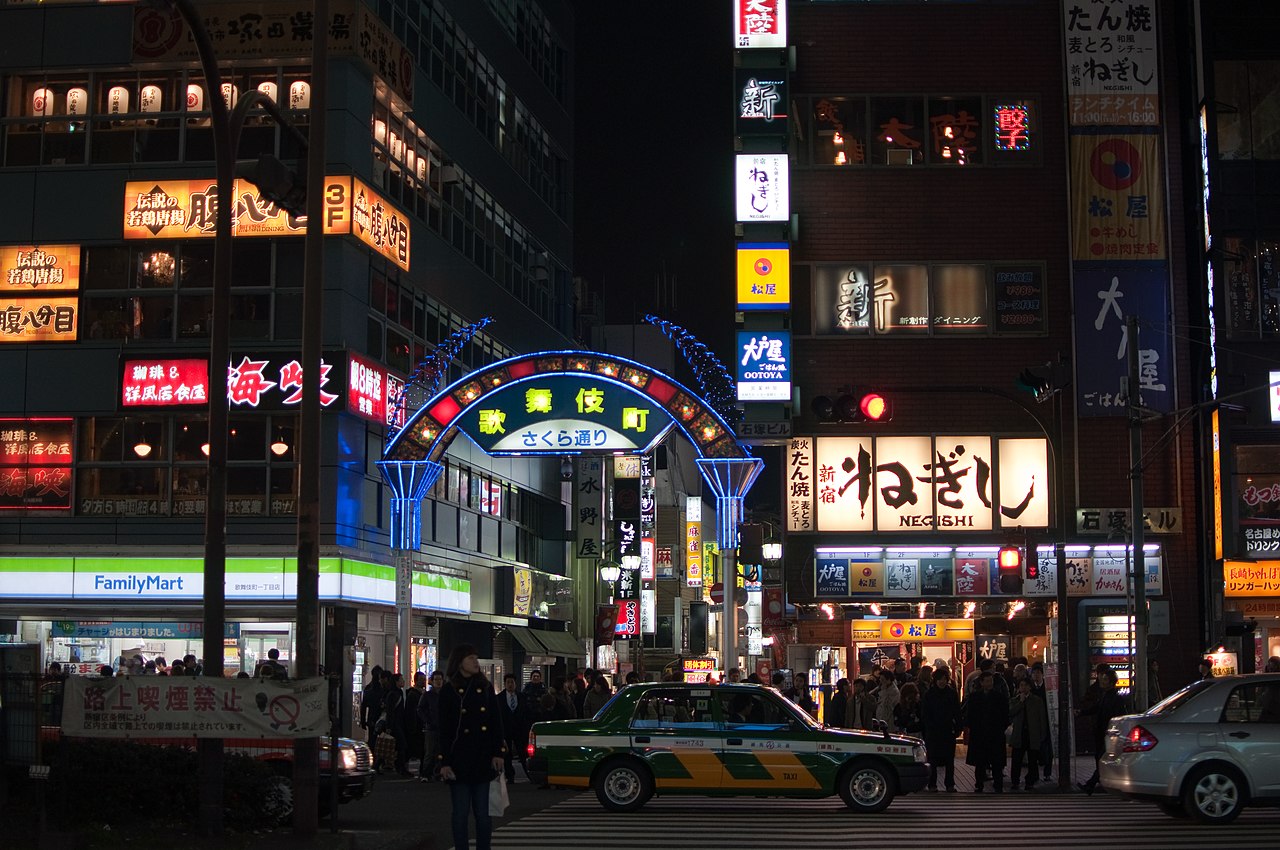
If you engage, the tout leads you down progressively quieter side streets. The destination is almost always a small bar on the 2nd, 3rd, or 4th floor of a building with multiple small venues. The building entrance is usually a narrow doorway with a small sign in Japanese and some in English. The lift inside is small, usually with space for two people. The bar itself has 6–12 seats.
Many buildings in Kabukicho contain multiple small bars layered vertically. This architectural pattern makes the scam operationally easy — the operators can rotate through different small venues as police attention shifts.
Step 3: The drink
Once seated, a friendly hostess or bartender greets you. Prices are often not immediately visible. The first drink appears — sometimes on the house, sometimes priced at a reasonable ¥1,000–¥2,000. You’re offered food snacks (otoshi, a cover charge disguised as a small appetizer).
The spiked drink is usually the second or third one. Common drugs used: triazolam (a fast-acting benzodiazepine), flunitrazepam, or GHB. All three are tasteless or nearly so, cause rapid sedation within 15–20 minutes, and produce anterograde amnesia (you don’t remember what happened).
Step 4: The theft
The victim reaches what feels like extreme sudden drunkenness. Staff take them to a back room or “take care of” them at the table. They retrieve the victim’s phone, credit cards, and wallet. PIN codes are often obtained by direct questioning (disguised as friendly conversation) or by watching the victim enter them on their phone. Credit cards are run through the venue’s payment terminal for series of large amounts — sometimes ¥200,000 or more per transaction.
The victim wakes hours later, either back in their hotel (if the scammers were considerate) or on a Kabukicho bench (if they weren’t). Phone is there. Wallet is there. Cards are there. The scam is specifically designed to leave no immediately-obvious theft. The victim discovers the losses only when credit card statements come through hours or days later.
Step 5: The disappearance
By the time the victim tries to find the bar again, they can’t. The address was never clear. The building had no obvious signage. The bar may have operated under a different name. The staff have changed. The card transactions show a Japanese company name that no longer exists or that’s a shell.
Attempting to press charges is typically unproductive. Japanese police require specific evidence, specific venues, specific operators. Scammers deliberately obscure all three. Credit card fraud claims are often successful, but prosecution of the perpetrators rarely is.
Who are the operators?
Tokyo Metropolitan Police identifies three overlapping operator categories:
- West African criminal networks: A significant portion of the touts on Kabukicho streets are Nigerian, Ghanaian, or other West African nationals operating in Japan. Enforcement against this category has increased since 2023 but the operations continue.
- South Asian networks: Pakistani and Bangladeshi operators run a parallel tier of venues, often with different drugging techniques but the same commercial model.
- Japanese operators: Domestic yakuza-linked venues also run the scam, typically at higher price points and with more elaborate venue staging. Japanese-run scams often target Japanese salarymen more than foreign tourists.
All three operate in partial cooperation through the building-ownership layer. Many Kabukicho mid-rise buildings are owned by holding companies with yakuza connections. Individual bars are rented out as operational licenses. The turnover in individual bar identity is fast — a scam bar on one floor this month might rebrand and relaunch next month at a different venue name, same staff, same basic operation.
Our yakuza history article covers the broader organised-crime context. Our Kabukicho nightlife industry piece covers the adjacent adult-entertainment economy that these venues sometimes intermingle with.
Why can’t Japanese police shut it down?
Several overlapping problems:
1. Jurisdictional complexity
Drink-spiking prosecution requires evidence of drug use (toxicology results from the victim), evidence of venue identification (specific name, specific address), and evidence of perpetrator identification (specific person, specific role). Scam operations deliberately fragment all three. The victim wakes hours later, often without memory of the venue. The venue name on the credit-card slip may be a shell. The staff who administered the drug have left shift by the time police arrive.
2. Immigration complications
Deporting foreign-national scammers is theoretically straightforward but operationally complex — the networks have established routes for replacement staff. Deport one tout, another arrives within weeks. Japanese courts require meaningful evidence for conviction, which is hard to assemble given the architecture of the scam.
3. Political sensitivity
Kabukicho is a major entertainment district generating billions of yen in annual revenue. Aggressive enforcement that would shut down dozens of venues overnight has political costs — affected landlords, affected employees, affected revenue. Enforcement historically cycles between sustained campaigns and quiet periods.
4. Embassy-level response
The most sustained pressure comes from foreign embassies. US, UK, Australian, and Canadian missions have all privately escalated specific cases to the Japanese foreign ministry. The response is typically a short burst of police activity followed by a quiet-period return to baseline. Structural change has been limited.
What are the warning signs?
Specific patterns that should trigger immediate suspicion:
- Anyone approaching you on the street with a “come to my bar” pitch. Legitimate Tokyo bars do not tout on the street. Full stop. Any tout is a scam tout until proven otherwise — and the proof threshold is very high.
- Fluent English with a warm, insider-friend delivery. This is the specific selection technique. A cold-call sales pitch would not work on foreign visitors; a “I live here, trust me” delivery does.
- Venue entry via an unsigned narrow doorway leading to upper floors. Walk away.
- Prices not visible on the door or at entry. Legitimate venues post prices. Opacity is a red flag.
- Free first drink or “special deal” framing. Nothing in Kabukicho is free. The free drink is either the scam itself or a loss-leader for bigger charges.
- Cover charge not disclosed up front. Some legitimate izakaya have otoshi (appetizer cover) but the amount is clearly displayed. If the cover is a surprise at bill time, you’re in the wrong place.
- Staff asking about your phone PIN, credit card PIN, or “taking photos for the wall.” All are specific patterns for subsequent theft.
- Pressure to drink faster or “try this special drink.” Specifically around drinks 2 and 3.
What if you’re already in a suspicious venue?
Concrete steps if you find yourself in a bar that feels wrong:
- Don’t drink anything you didn’t see poured. This is the single most-important rule. Watch the bottle, watch the pour, watch the glass arrive unmodified.
- Ask for the bill immediately. If the bill is dramatically higher than what you’d expect (e.g., ¥30,000 for 2 drinks), the situation is actively hostile and you need to leave.
- Pay with cash if possible. Credit card leaves you exposed to post-departure fraudulent charges. Keep your credit card out of staff hands.
- Don’t let your phone out of sight. Don’t hand it to staff. Don’t let anyone “help you find a photo.”
- Leave immediately if alarm bells go off. Your gut is smarter than your politeness. Walking out of a bar without finishing your drink is fine. Walking out of a bar while being drugged is not a choice you’ll have available.
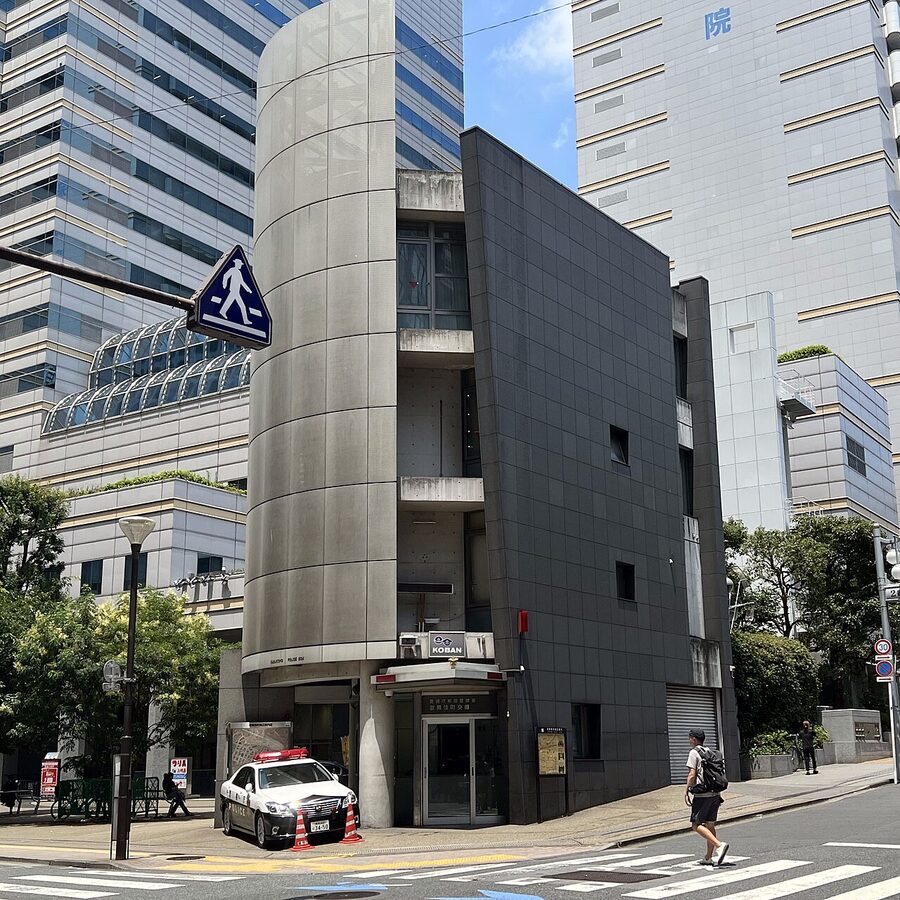
- If you feel suddenly drunk after 1 drink: Call or walk to the nearest police box (koban). Kabukicho has several. Tell them “I think my drink was spiked.” Japanese police take this seriously and will help.
What should you do if you’ve been a victim?
Immediate steps:
- Contact your credit card companies immediately. Most major banks can reverse fraudulent Tokyo charges if reported within 24–48 hours.
- Report to Tokyo Metropolitan Police. The nearest koban or the main Shinjuku police station (3-1-7 Shinjuku, Shinjuku-ku). Bring your phone, credit card statements, and anything else you remember.
- Contact your embassy. The US, UK, AU, CA embassies all have dedicated channels for criminal-incident reporting. They cannot prosecute but they can accompany you at police interactions and escalate.
- Get a medical check. Any 24-hour Tokyo hospital (Keio University Hospital, St. Luke’s International Hospital) can run toxicology tests that may document drug exposure and support prosecution.
- Document everything. Write down the street, the building, any staff names you remember, any approximate times. Details fade within 24 hours.
Recovery of stolen money depends on credit card fraud protections. Most major cards (Visa, Mastercard, Amex) will reverse the charges if reported promptly. Cash is usually gone for good. Emotional recovery takes longer — many victims report lasting suspicion of social interactions for months afterward.
How do you safely enjoy Kabukicho’s legitimate nightlife?
The neighbourhood has plenty of genuinely good bars, clubs, and restaurants. The short safety checklist:
- Book online, walk in to named venues. If it’s on Google Maps, has reviews, and you’re going there with a plan, you’re fine.
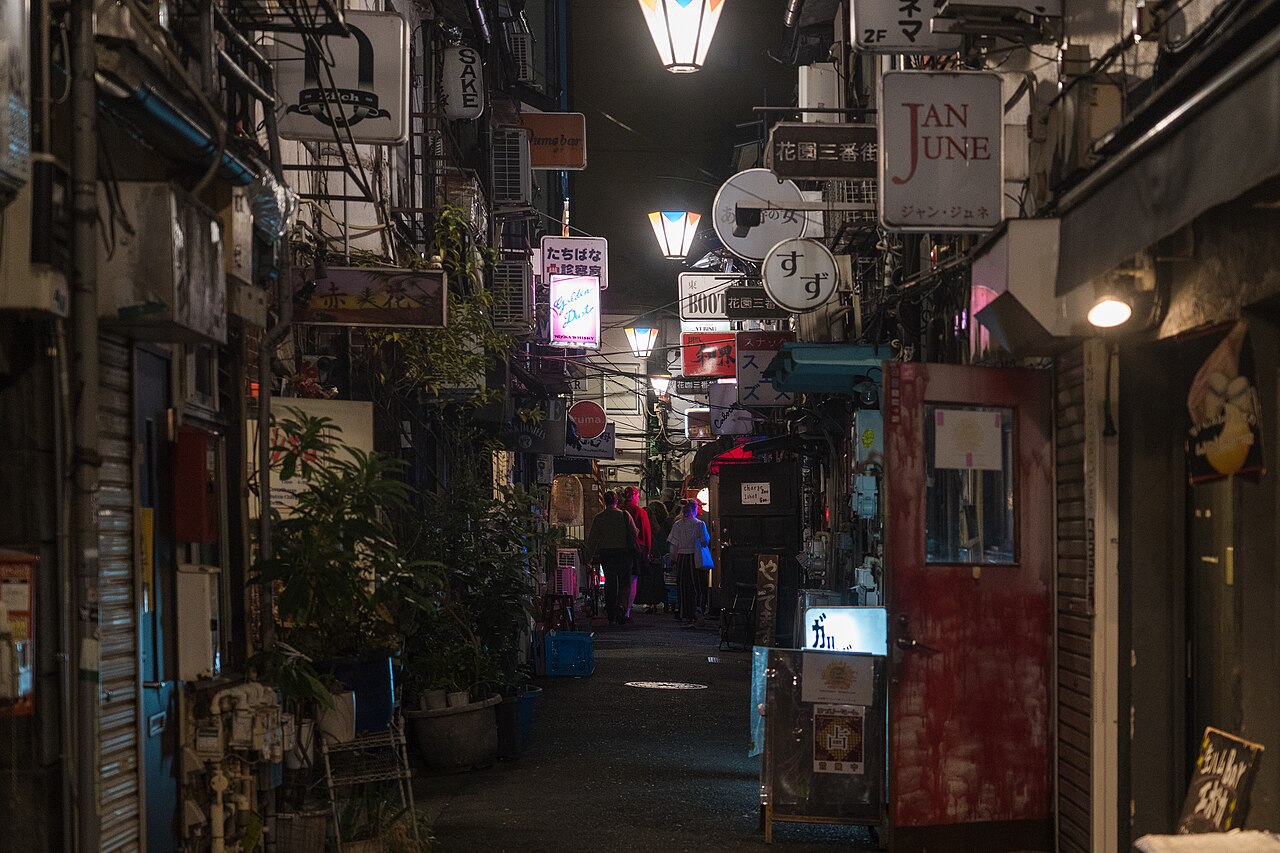
- Golden Gai is safe. The famous tiny-bar district east of Kabukicho has cover charges (¥500–¥1,500 typical) but they’re disclosed at the door. You pay, you drink, you leave. No touts, no scam structure.
- Omoide Yokocho is safe. The yakitori-alley district west of Shinjuku Station. Crowded, no English menus, but no scam structure either.
- Samurai Restaurant (formerly Robot Restaurant) is safe. Ticketed, well-policed, legitimate operation. See our Robot Restaurant article for details.
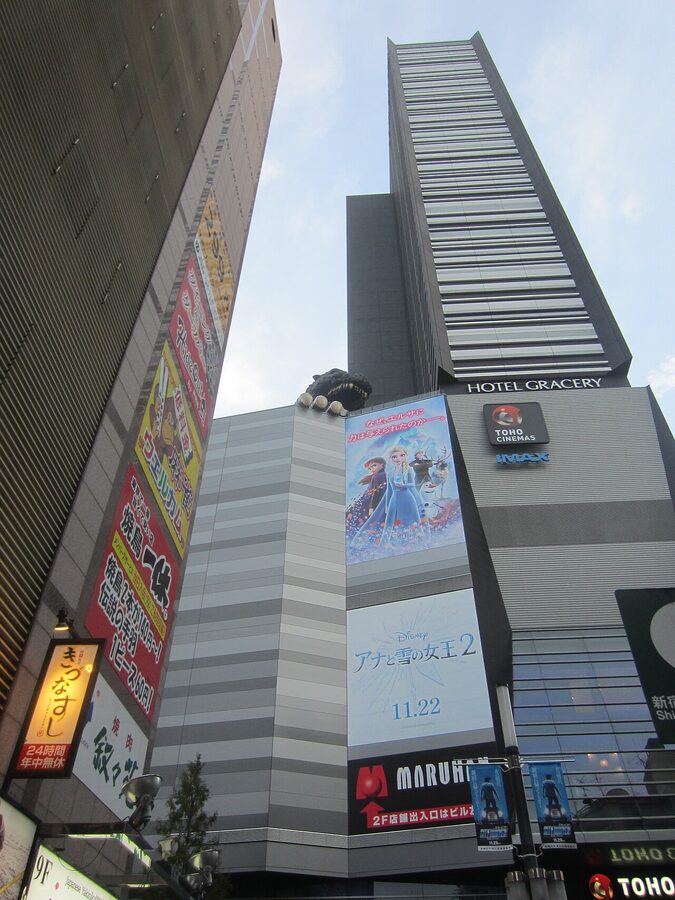
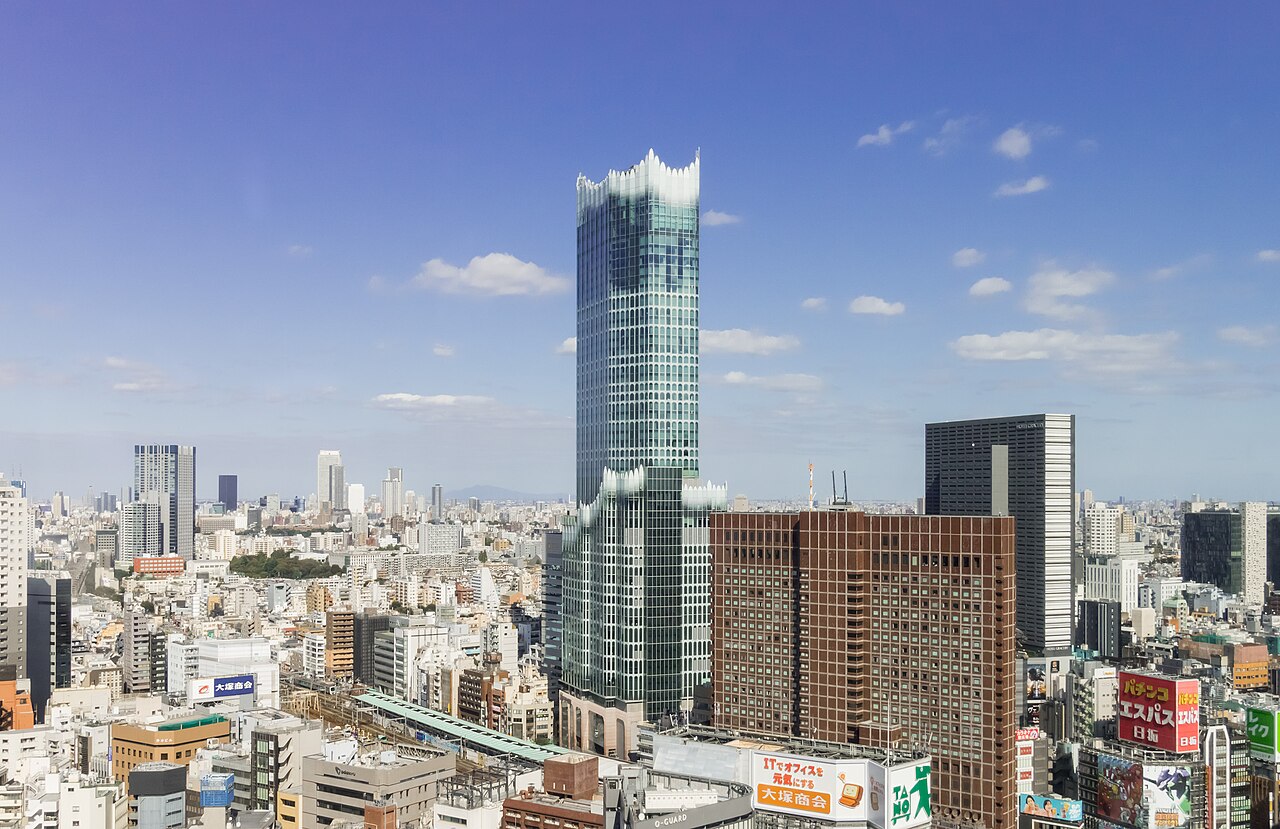
- Tokyu Kabukicho Tower is safe. The 2023 development has food, cinema, and entertainment in a mall-style environment. Our Tokyu Kabukicho Tower guide covers what’s there.
- Chain izakayas on main streets are safe. Torikizoku, Kinnokura, Watami — menu in English, prices clearly displayed.
- Hotel bars are safe. Park Hyatt, Keio Plaza, Shinjuku Granbell — all stationed on the west side of Shinjuku Station, walkable from Kabukicho but not inside the scam-prone side streets.
What you’re specifically avoiding: unmarked upstairs bars you’ve been led to by a stranger. That single behavioral rule closes off almost all the scam risk.
How do drugging scams compare across districts?
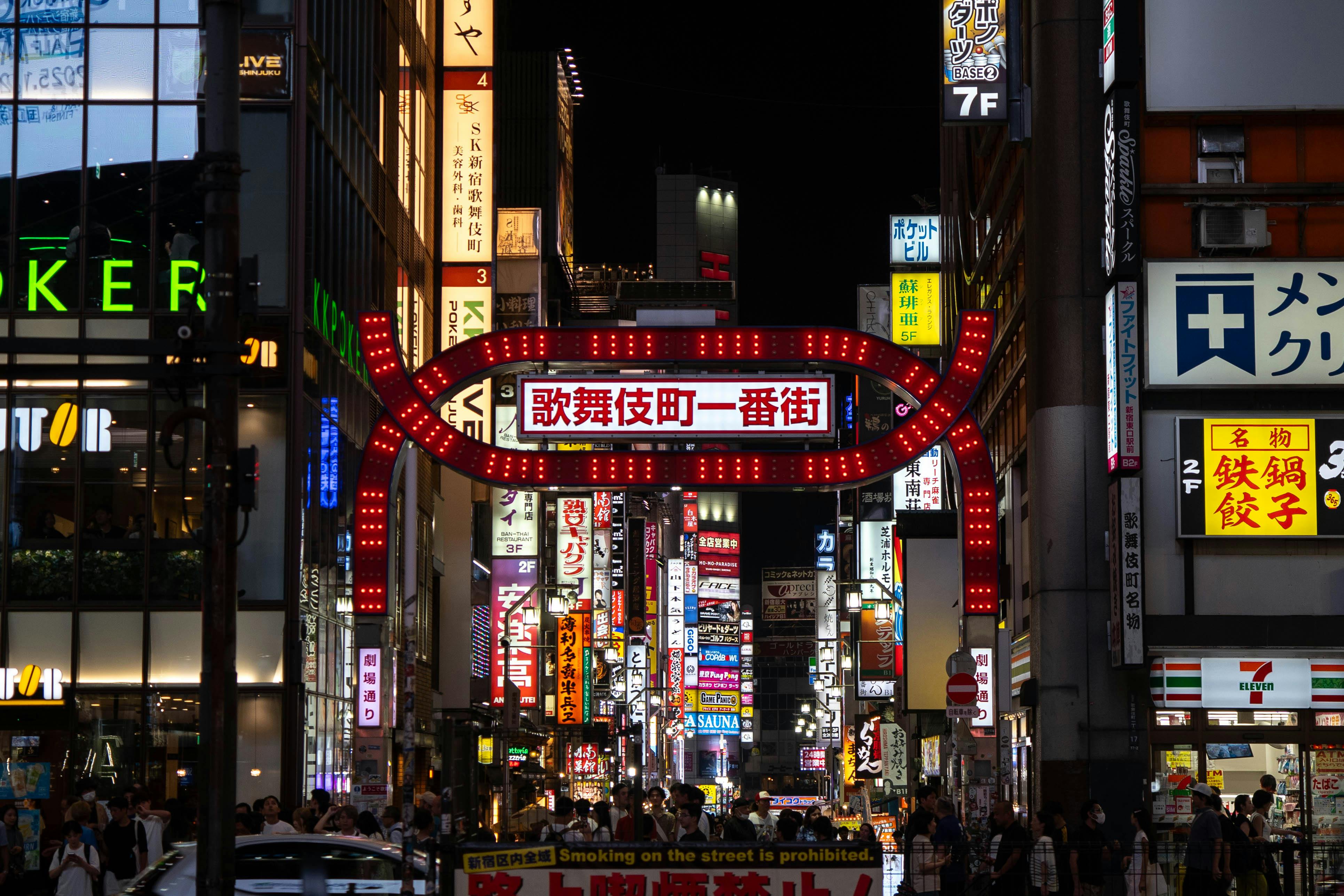
Kabukicho is not uniquely dangerous in Japan — it’s simply the district where the concentration is highest and the English-language tout presence is most developed. Roppongi is comparable, particularly on Gaien-Higashi-dori. Shibuya and Ikebukuro have smaller scam-bar populations. Other Tokyo areas (Asakusa, Ueno, Ebisu, Daikanyama) have essentially zero drink-spiking scam structure.
Internationally, the Kabukicho pattern is similar to Barcelona’s Sagrada Familia tourist traps, Bangkok’s Soi Cowboy scams, and London’s Soho clip-joints from the 1990s. The economic structure is common; the specific drugs and techniques vary.
Is Kabukicho safe for women specifically?
The scam pattern targets solo male tourists primarily because men are statistically more likely to follow a bar tout. Women face a different set of risks in Kabukicho:
- Reverse hostess scams: Women have been targeted by handsome Japanese touts offering “Japanese host club” experiences that follow the same drug-and-theft pattern.
- Walking harassment: The density of nightclub and hostess-club employment means some streets have a background level of verbal harassment that some women find uncomfortable.
- General safety: Tokyo’s background violent-crime rate is low enough that assault risk in Kabukicho is roughly comparable to any other Tokyo district. The primary risk category is scam-related, not physical.
Practical advice for women visitors: apply the same anti-tout rules as men do. Don’t follow strangers to bars. Don’t accept drinks you didn’t see poured. Use major chain venues and pre-booked reservations. These rules work for everyone.
What about the positive side of Kabukicho?
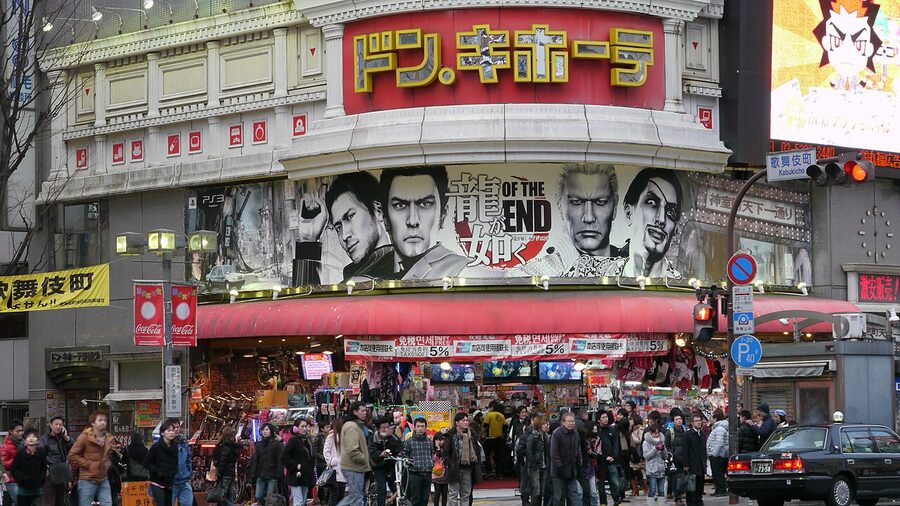
Despite the scam presence, Kabukicho has a legitimate cultural significance that shouldn’t be lost. The neighbourhood is home to:
- Major food and drink streets with genuine quality (Shin-Okubo Korean Town borders it)
- The Samurai Restaurant cabaret show, successor to the Robot Restaurant
- Theatre and live music venues with real cultural programming
- The Tokyu Kabukicho Tower 2023 development (food court, cinema, hotel, events)
- Traditional host-club and kyabakura culture that’s a genuine Tokyo cultural phenomenon
- The best late-night food scene in central Tokyo
The people who live and work here are the same people who run those legitimate businesses. Treating the whole district as dangerous is unfair to them and miss the genuinely rewarding aspects of visiting. Treating the whole district as safe is what gets people into specific unsigned upstairs bars.
The discrimination between “Kabukicho legitimate” and “Kabukicho scam” is specific and learnable. Once you’ve walked the neighbourhood for a few hours with the right frame, you can tell the difference between a chain izakaya with English menus and a suspicious upstairs bar you’re being led to. That frame is the single most-valuable piece of safety knowledge for visiting the area.
Final take
Kabukicho’s drink-spiking scam is the most-documented persistent tourist safety issue in Tokyo. It has existed in more or less its current form for over a decade. Japanese authorities have not been able to shut it down structurally, and embassy warnings have become essentially a permanent feature of traveller-safety information.
The single-rule summary: don’t follow a stranger to a bar. That one rule closes off most of the risk. The rest is common sense — don’t drink what you didn’t see poured, don’t let your phone out of sight, don’t pay with credit card at unknown venues.
If you apply those rules, Kabukicho is as safe as any other major Tokyo entertainment district. Use the main streets, use Google Maps reviews, use reservations, and the neighbourhood gives you a genuinely good night out. Deviate from that and you become a statistic.
For more Tokyo nightlife context, our Kabukicho and Tokyo nightlife industry piece covers the broader neighbourhood’s legitimate adult-entertainment economy, our Robot Restaurant / Samurai Restaurant article covers the major ticketed venue in the area, and our yakuza history piece covers the organised-crime structures that the scam bars operate within.


.jpg)