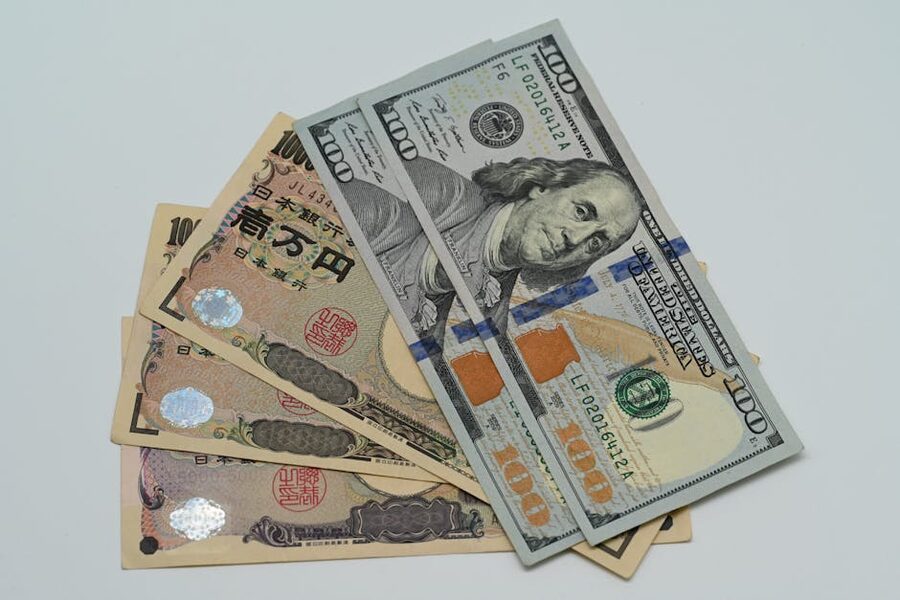
In January 2022, one US dollar bought you 115 Japanese yen. By October 2024, that same dollar bought you 160 yen — a 39% increase in purchasing power. For most of the post-war period, Japan was expensive. For the last three years, Japan has been cheap. That currency shift is the single largest driver of Japan’s tourism surge since the pandemic, and it is changing the character of travel here in ways that will outlast whatever the yen eventually does.
In This Article
- Quick facts at a glance
- Why is the yen weak?
- 1. Interest rate differential
- 2. Trade balance shift
- 3. Demographic headwinds
- 4. Political environment
- What does this actually feel like for visitors?
- Food and drink
- Accommodation
- Transport
- Entertainment
- How do Japanese residents experience this?
- What’s still expensive?
- How does this compare historically?
- What does “¥227,000 average visitor spend” actually mean?
- What are the best value opportunities for visitors now?
- High-end dining
- Premium ryokan stays
- Department store food floors
- Day trips and guided experiences
- High-end retail
- Where does the money go?
- What if the yen strengthens?
- Scenario A (yen to 130-140 per USD)
- Scenario B (yen to 110-120 per USD)
- Scenario C (yen to 90-100 per USD)
- How should you plan your trip?
- What should you NOT rush to do?
- How does this connect to longer-term Japan economics?
- Final take
This guide walks through how the weak yen actually happened, what it means practically for visitors, which services are now cheap versus still normal-priced, how Japanese residents are experiencing the same shift from the other side, and what might happen if the yen strengthens.
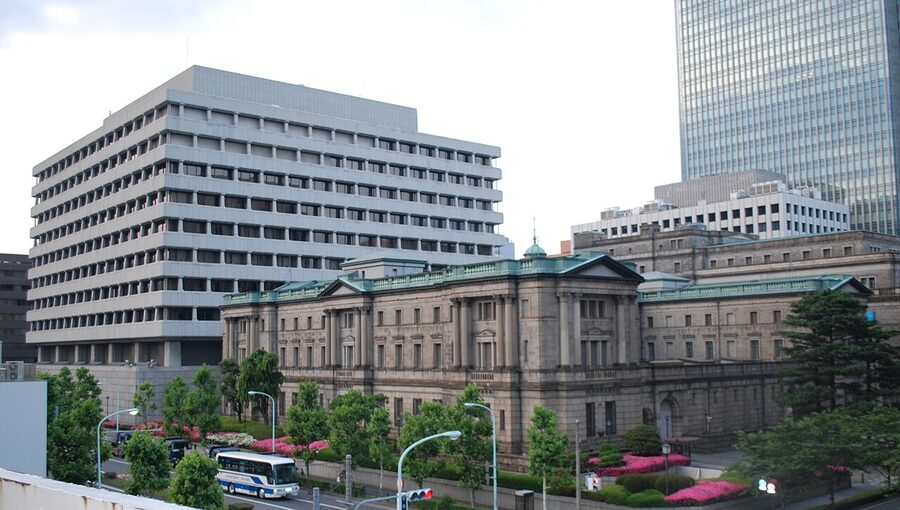
Quick facts at a glance
- Yen in 2020: ~105 per USD
- Yen in October 2024: ~160 per USD (worst level since 1986)
- Yen in early 2026: ~145-155 per USD (partial recovery, still weak by historical standards)
- Tourist numbers 2019 (pre-pandemic): 31.9 million
- Tourist numbers 2024: 36.9 million (all-time record)
- Average foreign-visitor spend: ¥227,000 per person in 2024, up from ¥159,000 in 2019
- Tourism contribution to GDP: ~7% in 2024 vs 4.5% in 2019
- What stays cheap: Restaurants, public transport, most ordinary shopping
- What doesn’t: High-end hotels, imported goods, some electronics
Why is the yen weak?
Several interacting factors:
1. Interest rate differential
The Bank of Japan held its policy rate at -0.1% through early 2024 while the US Federal Reserve aggressively raised rates to 5.25-5.5%. Capital flows toward higher-yielding currencies, so money left the yen for the dollar. The resulting yen weakness was primarily a function of this rate gap.
In March 2024, the Bank of Japan ended its negative-interest-rate policy for the first time since 2007 — but the new rate was still only 0.25%, far below the US. The yen weakened further through 2024 before partial recovery in 2025.
2. Trade balance shift
Japan’s structural trade surplus has narrowed dramatically since 2011 (when Fukushima forced energy import changes) and flipped to deficit several years in the 2020s. Weak trade balance means less natural demand for yen.
3. Demographic headwinds
Japan’s ageing population and shrinking workforce create long-term structural questions about Japanese asset demand. Capital flows reflect this.
4. Political environment
Prime Minister Ishiba’s cabinet (from 2024) has been mildly tolerant of yen weakness as supporting tourism and export industries. No aggressive currency intervention during the 2024 peak weakness.
What does this actually feel like for visitors?
The practical effect: everything priced in yen feels significantly cheaper than you’d expect based on American, European, or Australian restaurant benchmarks.
Food and drink
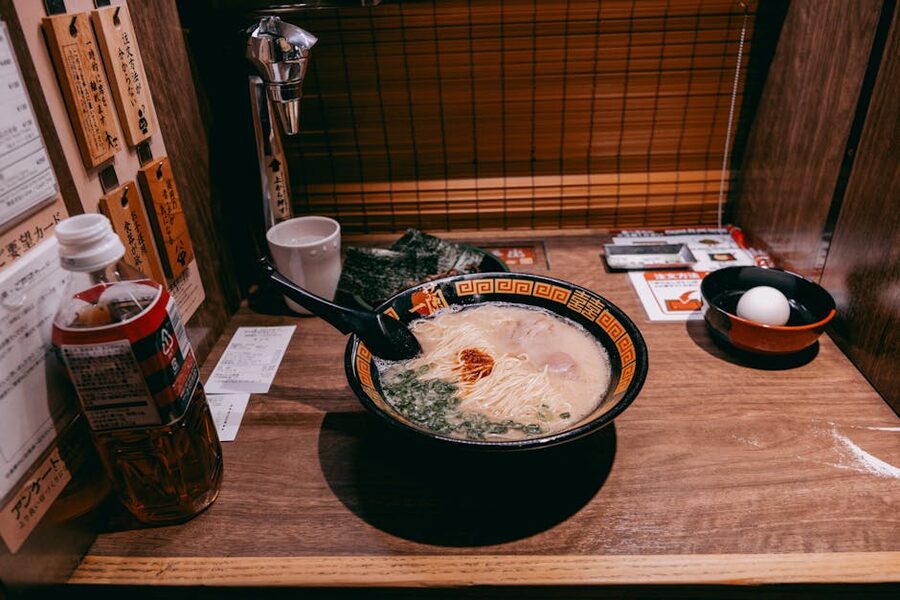
- A good ramen bowl: ¥1,100 (~$7 USD). In New York or London, $18–$25 for comparable quality.
- A premium omakase sushi dinner at a mid-tier Michelin venue: ¥15,000–¥25,000 (~$100-$170 USD). In New York, $300–$500 for a roughly comparable meal.
- Beer at an izakaya: ¥500–¥700 (~$3-$5 USD). In most major Western cities, $8–$12.
- Good coffee at a specialty cafe: ¥400–¥600 (~$3-$4 USD). In New York or London, $5–$7.
Accommodation
- Mid-tier business hotel: ¥15,000–¥25,000 per night (~$100-$170). In equivalent Western cities, $180–$300.
- Nice boutique hotel: ¥30,000–¥60,000 (~$200-$400). In London or New York, $350–$600.
- Luxury 5-star hotel: ¥60,000–¥250,000+ (~$400-$1,700). In New York, $500-$2,000. The gap closes at the high end.
Transport
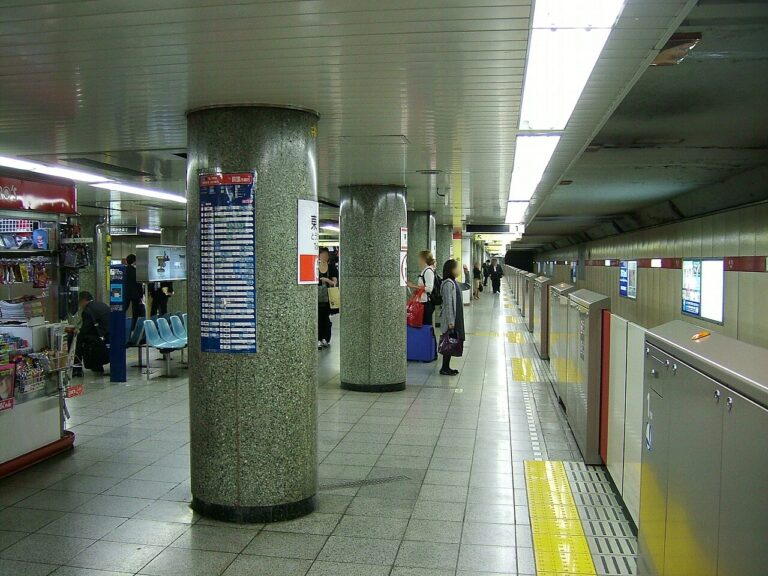
- Tokyo Metro single ride: ¥180-¥310 (~$1-$2). Genuinely cheap.
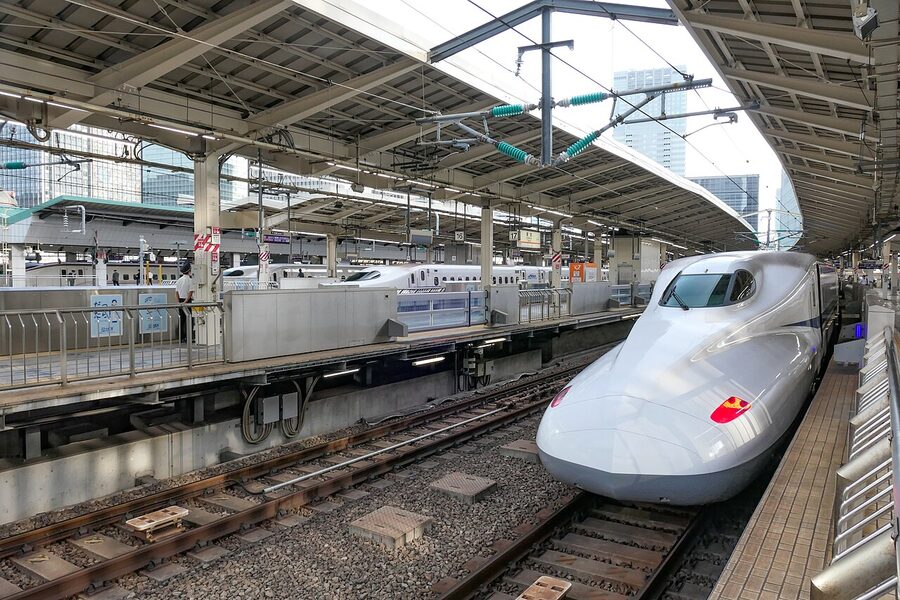
- Shinkansen Tokyo to Kyoto return: ¥28,000 (~$180-200). Expensive absolutely, cheap vs European high-speed rail.
- Airport to city transport: ¥400-¥2,000 (~$3-13). Very cheap by international standards.
Entertainment
- TeamLab ticket: ¥4,000-¥5,500 (~$27-$37). Mid-range vs global immersive-art pricing.
- Sumo tournament upper seat: ¥4,000 (~$27). Exceptional value.
- Tokyo Disney 1-day ticket: ¥7,900-10,900 (~$55-$73). Significantly cheaper than Anaheim or Orlando Disney ($150+).
- Cinema ticket at regular theatre: ¥2,000 (~$13). Similar to US, cheaper than London.
Our dual pricing article covers how this has prompted some venues to introduce differential pricing for foreign versus domestic customers.
How do Japanese residents experience this?
Differently. For domestic residents:
- Domestic wages have barely grown. Japanese salaries in yen terms are roughly flat since 2000. The buying power of Japanese residents abroad has collapsed.
- Tokyo hotels are harder to afford. Weekend hotel rates in Shibuya or Shinjuku have roughly doubled since 2019 as foreign-visitor demand has pushed prices up. Japanese domestic travellers are priced out.
- Restaurant prices are rising. Popular restaurants that used to be accessible to salarymen now cost ¥8,000–¥15,000 for meals that would have been ¥3,000–¥5,000 a decade ago.
- International travel is expensive. A European trip that cost ¥500,000 for a Japanese family in 2019 now costs ¥800,000 for the same trip.
- Imported goods cost more. Everything from electronics to wine to foreign-brand skincare has risen 20–40% in yen terms since 2022.
The result: a specific asymmetry where Japan feels cheap to visitors and expensive to residents. This creates the underlying tension that drives much of the overtourism debate (our Mt Fuji overtourism piece) and the anti-tourism politics (our anti-tourism politics article).
What’s still expensive?
Not everything got cheap. Some categories resist the exchange-rate shift:
- Imported luxury goods: Louis Vuitton, Gucci, high-end skincare brands all price in euros or dollars and don’t discount for yen weakness.
- High-end hotels at peak periods: Aman Tokyo, Park Hyatt Tokyo, Four Seasons all command global-luxury pricing regardless of yen.
- Specific high-end restaurants: Michelin 3-star venues that serve mostly foreign tourists have raised prices to match global peer rates.
- Apple products: iPhones, iPads, and MacBooks are sometimes more expensive in Japan than in the US due to Apple’s Japan-specific pricing.
- Gasoline and cars: Fuel prices remain high by US standards, though not particularly expensive for Japanese residents (public transport is universal).
- High-end electronics: Cameras, lenses, and audio gear are sometimes priced similarly to US retail due to tax-free shopping offsets.
The general rule: anything sold globally at a fixed dollar price is now expensive in Japan. Anything priced in yen by Japanese businesses feels cheap.
How does this compare historically?
Japan has been through similar cycles before:
- 1985-1995 (strong yen): After the Plaza Accord, yen went from 250 per USD to 80 per USD. Japan was extremely expensive. Japanese tourists flooded overseas shopping destinations. Incoming tourism was small.
- 1998-2007 (weak yen, Asian crisis): Yen weakened to 130–145 per USD. Some incoming tourism growth.
- 2012-2020 (Abenomics weak yen): BoJ aggressive monetary policy pushed yen from 80 to 105 per USD. This period saw Japan’s first major incoming-tourism surge (from 8M in 2010 to 31.9M in 2019).
- 2022-2024 (post-pandemic weak yen): Rate differential pushed yen to 160 per USD. Record-breaking incoming tourism despite limited supply increases.
The 1985-1995 strong-yen period is the historical counterexample. If the yen returns to that level (85-100 per USD), Japan becomes expensive again and incoming tourism likely flattens or declines. Most current analysts don’t expect this to happen quickly, but it’s not impossible.
What does “¥227,000 average visitor spend” actually mean?
The Japan Tourism Agency’s headline number for 2024 was ¥227,000 average spend per foreign visitor during the trip — roughly $1,500 at then-current exchange rates. This broke down roughly as:
- Lodging (40%): ~¥91,000 per trip on accommodation
- Food and beverage (23%): ~¥52,000 on restaurants and meals
- Shopping (19%): ~¥43,000 on purchases
- Transport within Japan (11%): ~¥25,000 on domestic travel
- Entertainment and activities (7%): ~¥16,000 on attractions
For context, the 2019 average was ¥159,000 per visitor. The 2024 figure represents a roughly 43% increase in per-person spending, outpacing the cost-of-living changes in Japan over the same period.
The practical implication: tourists are spending more per trip despite yen weakness. Part of this is longer stays (average trip length increased from 9 to 11 days), part is higher-spend visitors, part is inflation.
What are the best value opportunities for visitors now?
High-end dining
The Michelin-level Japanese dining experience is the clearest value. A 3-star kaiseki dinner that would cost $500+ in New York is ¥30,000–¥50,000 in Tokyo (~$200-350). Book 2–3 months ahead for the famous restaurants.
Premium ryokan stays
A night at a classic ryokan (traditional inn) with multi-course dinner and breakfast is ¥40,000–¥80,000 per person (~$270-540). Comparable experiences in Europe or the US would cost significantly more and often be less distinctive.
Department store food floors
Tokyo’s depachika (department store food basements) offer some of the best takeaway food in the world. A sophisticated bento box, premium fruit, or a good dessert runs ¥1,500–¥3,500. Similar quality elsewhere would be 2-3x the price.
Day trips and guided experiences
Guided Tokyo walking tours, specialty experiences (sake brewery visits, samurai sword experiences, geisha-viewing tours), and well-organised day trips are much more reasonably priced than European or American equivalents.
High-end retail
Japanese-designed luxury goods (denim, kitchenware, traditional crafts) are significantly cheaper to buy in Japan than to import elsewhere. Denim brands like Momotaro and Studio D’Artisan are roughly half the export price.
Where does the money go?
The tourism surge has had specific economic effects:
- Retail employment: Hotel and restaurant employment has grown 20%+ since 2022, though wages remain low by international standards.
- Real estate: Tokyo central commercial property values have risen 30-40% since 2020, driven partly by tourism-related investment.
- Hotel construction: Japan is in the middle of the largest hotel-construction boom in its post-war history, with major new openings in Tokyo, Kyoto, and Osaka.
- Small local businesses: Have benefited variably. Some small restaurants are overwhelmed; others are priced out of their own neighbourhoods by tourist-oriented competition.
- Traditional industries: Some struggling traditional crafts have found new export markets through tourism exposure. Others continue to decline.
What if the yen strengthens?
Several scenarios if the exchange rate moves:
Scenario A (yen to 130-140 per USD)
Still weak by historical standards. Tourism likely stays strong. Some reduction in price-sensitive travellers but core market stays strong.
Scenario B (yen to 110-120 per USD)
Normalising. Tourism growth flattens. Japan becomes more expensive for casual visitors. Higher-spend luxury travellers still find value but mass-market tourism slows.
Scenario C (yen to 90-100 per USD)
Japan becomes expensive again. Incoming tourism likely drops 20-30%. Many tourism-focused businesses forced to adjust or close. Japanese domestic spending power improves.
Current analyst expectations (as of early 2026): Scenario A is most likely, with slow partial recovery but sustained weakness by historical standards. Scenario C is possible in a global financial crisis but not the base case.
How should you plan your trip?
Given the current environment:
- Book accommodation early. Hotel prices continue to climb; 2-3 months ahead gets better rates than last-minute.
- Budget more than guidebooks suggest. 2022-era budget guidance is now outdated.
- Prioritise experiences over shopping. The meal at Sukiyabashi Jiro, the ryokan stay, the private guide — these are the things that are remarkable-value and create lasting memories.
- Use tax-free shopping. The 10% consumption tax exemption effectively gives you a further 10% off retail. Combined with tax-free pricing and the yen weakness, luxury goods buying in Tokyo can be 30%+ cheaper than home markets.
- Stay longer. The marginal cost of an extra night in Japan is modest; the marginal cost of an extra flight back is severe. Consider 10–14 days rather than 7.
What should you NOT rush to do?
- Don’t buy Japanese real estate. Yen weakness has made it look cheap to foreigners; but Japanese property is complex (taxes, inheritance, rental regulations) and the market is unlikely to appreciate much.
- Don’t treat everything as unconditionally cheap. Some categories (luxury hotels, imported goods) are still expensive.
- Don’t assume this will last forever. Currency rates move. The 2024-2025 environment may not be the 2026-2027 environment.
- Don’t disregard the local reality. Your cheap Tokyo meal is your Japanese waiter’s difficult month. Tip appropriately where tipping is accepted. Respect local prices and service.
How does this connect to longer-term Japan economics?
The weak yen is one symptom of broader Japanese economic challenges:
- Demographic decline: Population peaked 2008, shrinking since. Structural demand for yen assets weakens as population ages.
- Deflation legacy: Three decades of flat-to-declining prices shape current monetary policy. Unlike other central banks, the BoJ has been slow to raise rates.
- Public debt: Japan has the highest government debt-to-GDP ratio in the developed world (250%+). Higher interest rates would make debt servicing significantly more expensive, which constrains BoJ policy.
- Export dependence: Manufacturing exports benefit from weak yen. Reversing this has political costs.
The combination means Japan is structurally set up for continued yen weakness, even if the short-term level fluctuates. The 2022–2024 peak weakness may moderate but the post-1990s “strong yen” era is unlikely to return in full.
Final take
The weak yen has made Japan one of the best-value premium travel destinations in the developed world. This is a specific, transient historical moment — the combination of a world-class tourism infrastructure, high-quality service, extraordinary food, and dollar-priced affordability is unusual.
Visit now while this lasts — worth timing a premium trip to take advantage. Skip if you don’t care about value and want a quieter Japan experience; this is peak tourist-crowd season. Book high-end experiences that would be unaffordable at home. Try the ryokan. Eat at the Michelin-starred restaurant. Stay at the luxury hotel you couldn’t justify in Paris. The currency conversion means all of these are within reach in ways they aren’t in other premium destinations.
At the same time, acknowledge the underlying tension. Your cheap trip is expensive for Japanese residents. The pricing asymmetry is driving the overtourism politics that may eventually make future trips harder or more expensive. Enjoy it, respect it, tip the service staff, and understand you’re living through a specific moment rather than a new normal.
For related reading, our Mt Fuji overtourism piece covers the specific flashpoint, our anti-tourism politics article covers the political response, and our dual pricing debate piece covers how some venues are responding to the price asymmetry.