Japanese martial arts are older than the country itself in their earliest forms, and younger than your grandparents in their modern competitive versions. The arc from battlefield combat techniques of the 12th-century samurai to the Olympic judo events of the 20th century covers 800+ years of continuous evolution, much of it centered in what became Tokyo.
In This Article
- Quick facts at a glance
- Where do Japanese martial arts come from?
- 1. Battlefield arts (c. 1100–1600)
- 2. Peacetime arts (1600–1868)
- What are the major traditional martial arts?
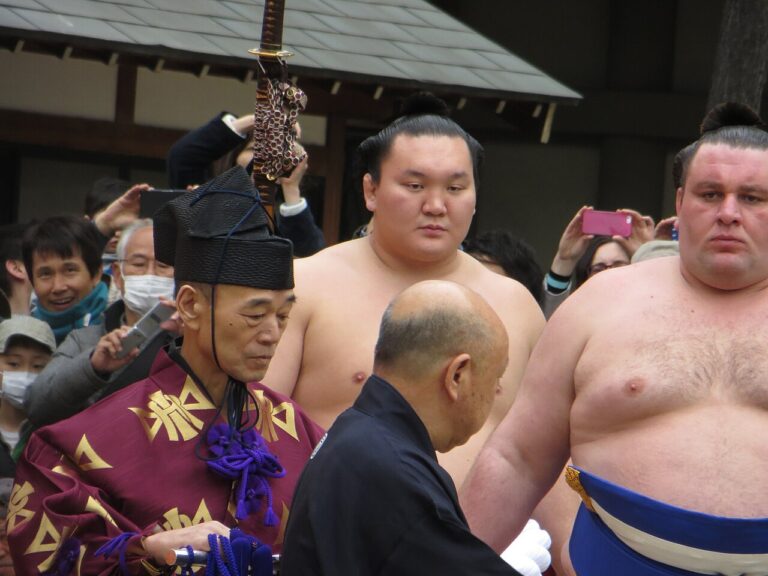
- Sumo
- Kenjutsu / Kendo
- Kyudo
- Jujutsu
- Naginata
- Iaido
- What are the modern (20th century) martial arts?
- Judo
- Karate
- Aikido
- Kendo
- Shorinji Kempo
- Where can you see martial arts in Tokyo?
- Ryogoku Kokugikan (sumo)
- Morning practice at sumo stables
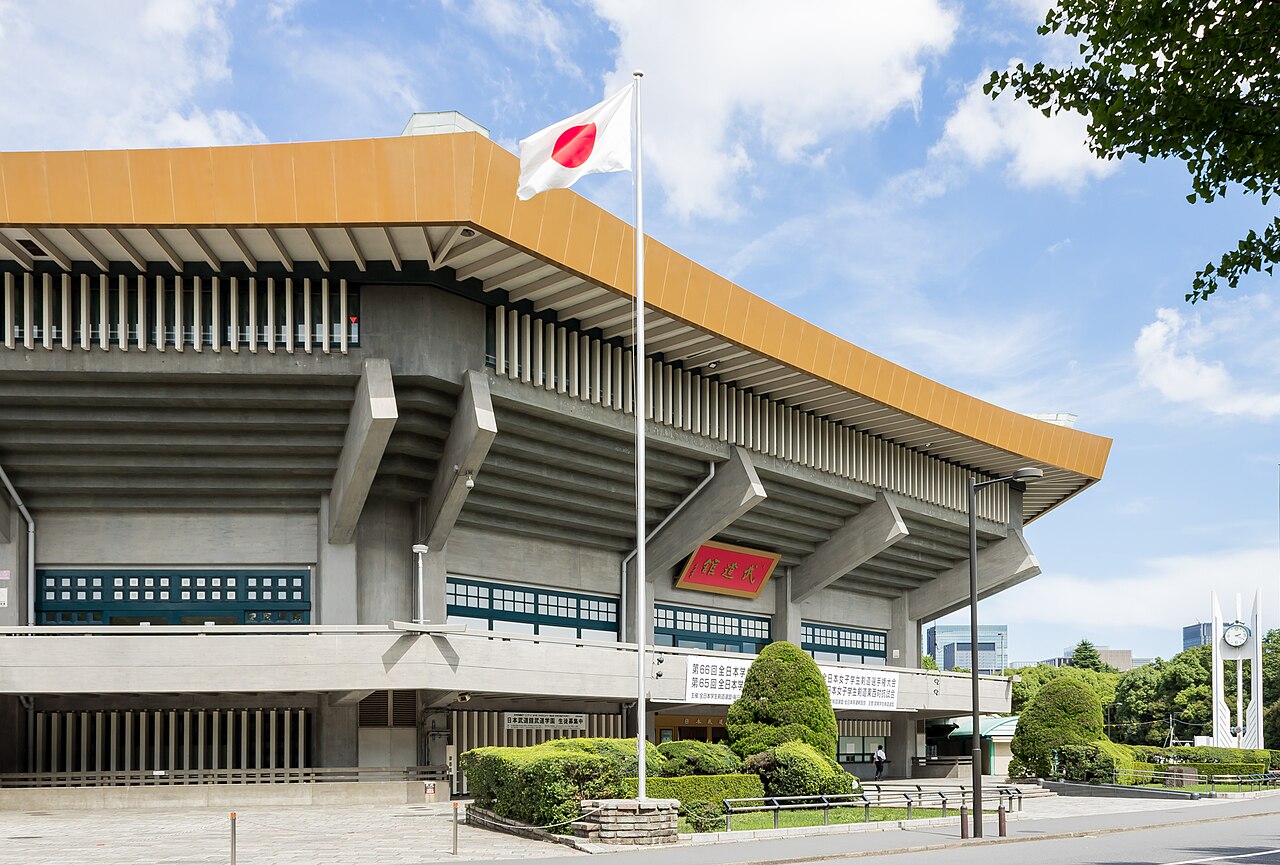
- Nippon Budokan
- Kodokan (judo)
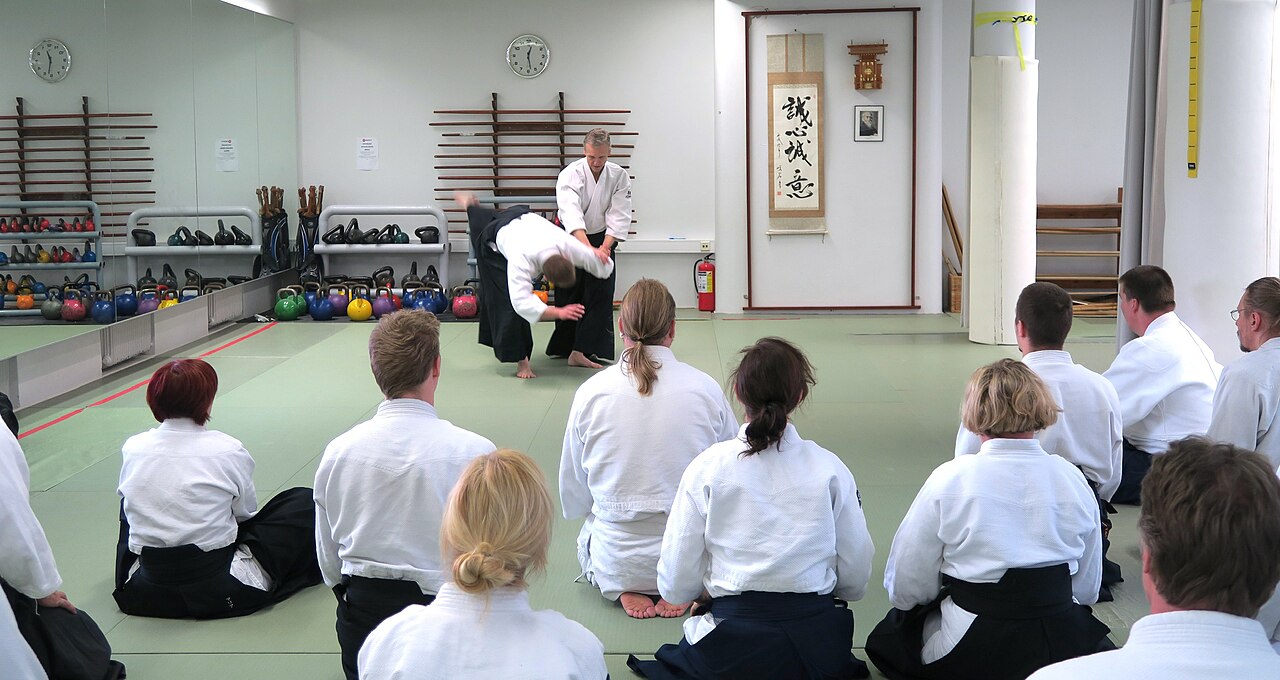
- Aikikai Hombu Dojo
- Yasukuni Shrine kyudo grounds
- Can visitors actually train?
- Drop-in classes at established dojos
- Tourist martial arts experiences
- What about the philosophical side?
- What about manga and pop-culture martial arts?
- How does martial arts intersect with modern Japan?
- What’s the connection to samurai culture?
- Should you care about Japanese martial arts?
- Final notes
This guide walks through the genuine history — the military origins of what became sport, the Edo-era schools that codified everything, the Meiji-era modernisation that produced judo and aikido, and the 20th-century export that made karate a global brand. It also covers where to see, train, and learn about Japanese martial arts in Tokyo today.
Quick facts at a glance
- Major traditional arts: Sumo, jujutsu, kenjutsu, kyudo, naginata, iaido
- Modern (Meiji-era) arts: Judo (1882), kendo (standardised 1920s), karate-do (1930s adoption in Japan), aikido (1942)
- Oldest continuous school: Tenshin Shoden Katori Shinto-ryu, founded ~1447, still practised
- The mega-institution: Kodokan (judo HQ, Tokyo) and Nippon Budokan (the national martial arts hall, Tokyo)
- Global reach: Karate + judo have tens of millions of non-Japanese practitioners
- Olympic status: Judo (since 1964), karate (2020 one-off)
- Best for Tokyo visitors: Nippon Budokan, Kodokan, sumo stable morning practice, Yasukuni Shrine’s kyudo grounds
Where do Japanese martial arts come from?
The origin story splits into two overlapping streams:
1. Battlefield arts (c. 1100–1600)
The classical Japanese martial arts — kenjutsu (sword), kyudo (bow), jujutsu (grappling), sojutsu (spear), naginata (glaive) — developed among the emerging samurai warrior class during the Heian and Kamakura periods. These were not sports; they were battlefield combat techniques taught within military clans and, later, in formal ryuha (schools).
The oldest documented ryuha still active is Tenshin Shoden Katori Shinto-ryu, founded around 1447 in what is now Chiba Prefecture. It remains a functioning school with direct teacher-to-student transmission across 22 generations. A handful of other Edo-period schools have similarly continuous lineages.
2. Peacetime arts (1600–1868)
When the Tokugawa shogunate unified Japan in 1600 and then enforced 250 years of internal peace, the battlefield application of martial arts disappeared, but the schools continued. The Edo period saw martial arts codified, aestheticised, and formalised into systems of ranked instruction. Many of the elaborate uniforms, rituals, and philosophical frameworks we now associate with Japanese martial arts are Edo-era inventions, not ancient ones.
The same period produced the connection between martial arts and Zen Buddhism. Swordsmen like Yagyu Munenori (1571–1646) wrote explicitly Zen-informed treatises linking swordsmanship to spiritual development. This cross-pollination became the characteristic Japanese martial-arts framing — combat as path, path as meditation.
What are the major traditional martial arts?
Sumo
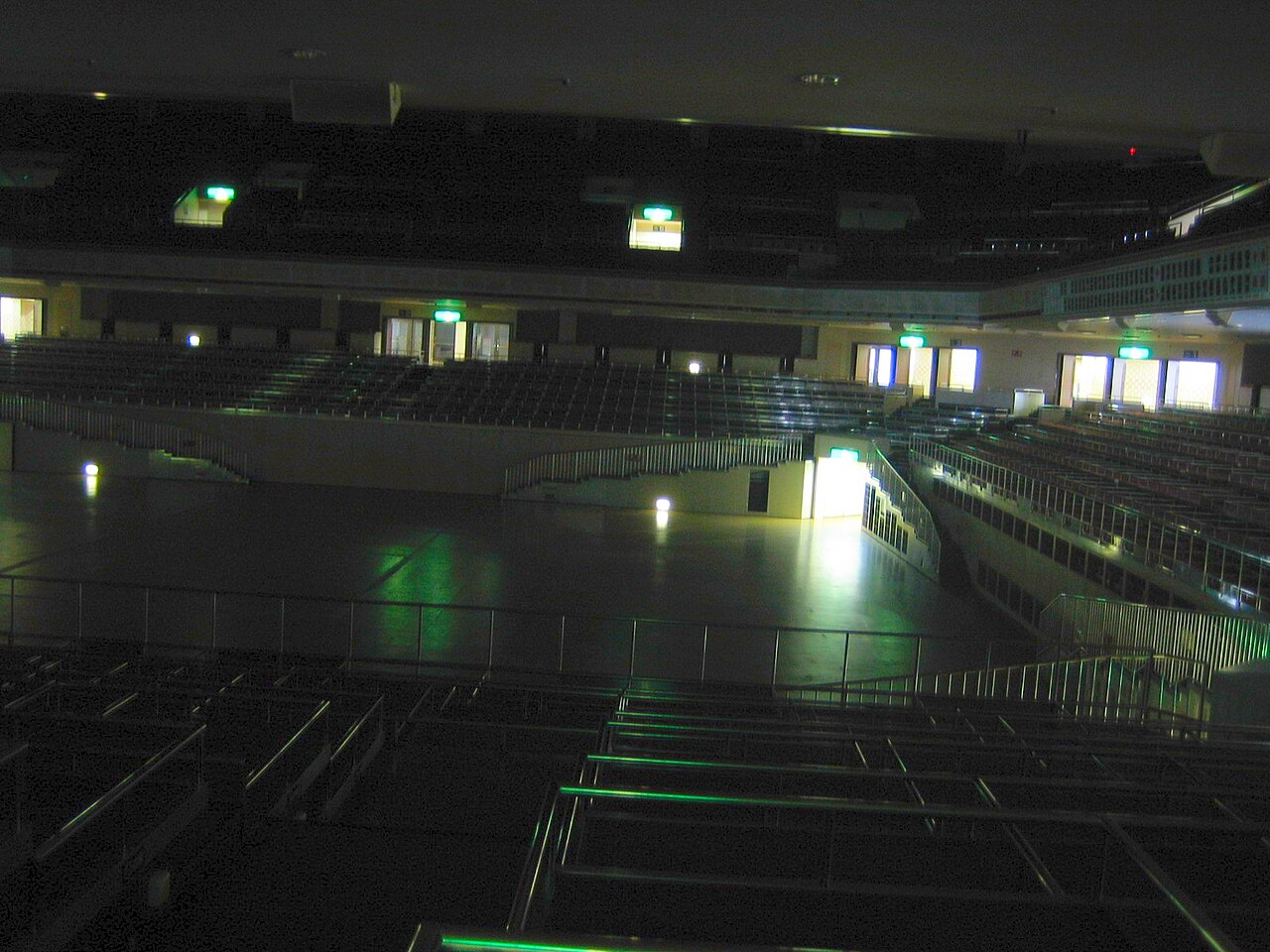
Japan’s national sport and the oldest continuously-practised organised wrestling form in the world. Sumo has Shinto ritual origins dating back at least 1,500 years and has existed in its recognisable modern form since the 17th century. The Japan Sumo Association runs six major tournaments (honbasho) per year, three in Tokyo at Ryogoku Kokugikan.
Sumo is specifically different from all other martial arts on this list in that it has never split into a competitive-sport version and a traditional-art version. The ritual and the sport are the same thing.
Kenjutsu / Kendo
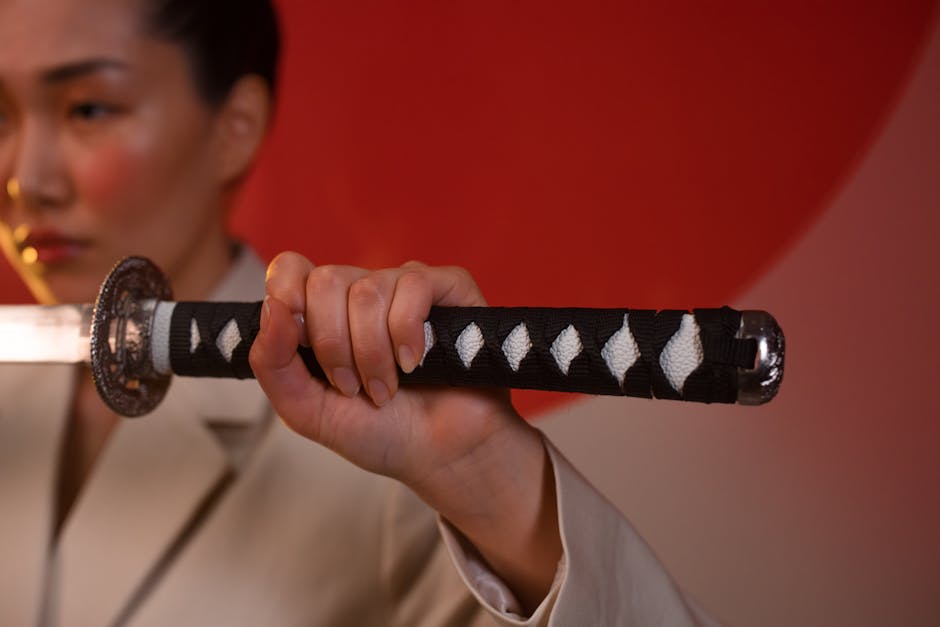
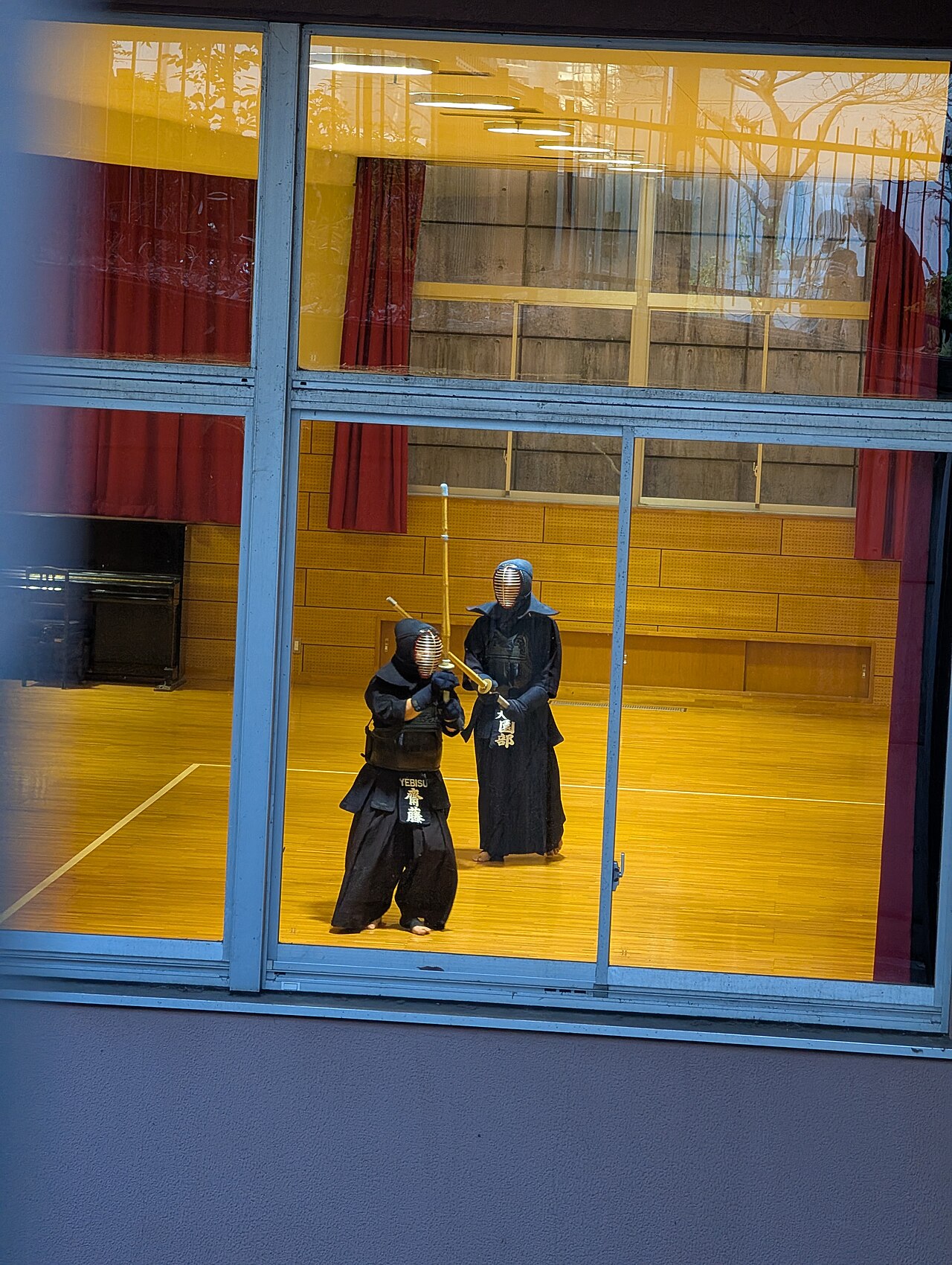
Kenjutsu is the classical sword art of the samurai; kendo is the modern sport version with bamboo swords (shinai) and protective armour (bogu), standardised in the 1920s. Both still exist. Kendo is what you’ll see in Japanese high school PE classes; kenjutsu is what you’ll see in traditional koryu (old-school) dojos.
Kyudo
Japanese archery, with longbows ~2 metres tall fired from a standing or seated position. Kyudo emphasises ritual, form, and meditation rather than target accuracy alone — though accuracy matters. There are kyudo grounds (kyudojo) at major shrines and at most Japanese universities.
Jujutsu
Unarmed grappling and throwing techniques derived from samurai close-combat needs. Many different schools existed in the Edo period with varying emphases. Modern judo, aikido, and Brazilian jiu-jitsu all descend from jujutsu.
Naginata
Glaive-style weapon with a curved blade on a long pole. Historically associated with samurai women defending households, though also used by men in various contexts. Modern naginata-do is practised primarily by women in Japan today.
Iaido
The art of drawing the sword from its sheath with a single cutting motion, originally for surprise-defence situations. Highly ritualised in its modern form, practised as a moving meditation.
What are the modern (20th century) martial arts?
Judo
Founded by Kano Jigoro in 1882, judo modernised jujutsu by stripping out the most dangerous techniques, adding a standardised ranking system (the now-universal coloured-belt progression), and reframing the art as education and sport rather than combat. Kano explicitly positioned judo as “the maximum-efficient use of energy” rather than martial skill.
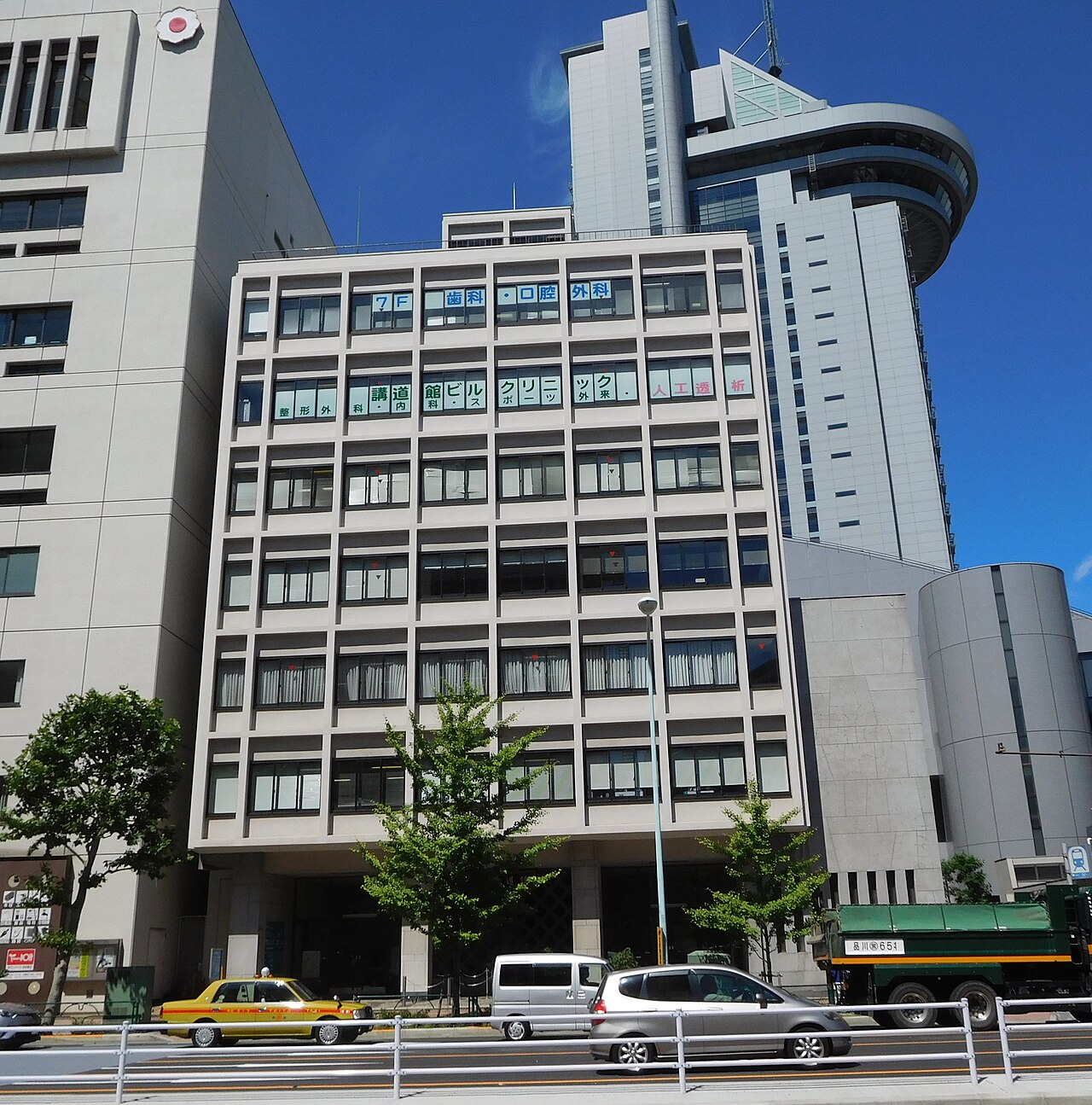
Judo became the first Japanese martial art to achieve international mass adoption and has been a Summer Olympics sport since 1964 (the Tokyo Games). The Kodokan in Bunkyo Ward, Tokyo, is the global judo headquarters and still functions as an active teaching and research institution.
Karate
Karate came from Okinawa, not mainland Japan, and was only fully integrated into Japanese martial arts culture in the 1920s and 1930s when Funakoshi Gichin brought it to Tokyo. The modern Japanese karate styles (Shotokan, Shito-ryu, Goju-ryu, Wado-ryu) all date to this integration period.
Karate is now the most globally-practised of the Japanese martial arts. Tens of millions of non-Japanese people hold karate ranks. The Japan Karatedo Federation oversees the domestic hierarchy; the World Karate Federation handles international competition.
Aikido
Founded by Ueshiba Morihei in the 1920s–1940s (formally named aikido in 1942), aikido distils jujutsu into a defensive-redirection system emphasising harmonising with an attacker’s energy rather than opposing it. The art has an explicit spiritual-philosophical component influenced by Ueshiba’s Omoto-kyo religious beliefs.
The Aikikai Hombu Dojo in Shinjuku, Tokyo, is the global aikido headquarters. Ueshiba’s grandson currently heads the organisation.
Kendo
The modern sport version of kenjutsu was standardised in the 1920s as a physical education activity for Japanese schools. After WWII, kendo was briefly banned as militaristic, then re-authorised in 1952 with a revised curriculum emphasising sport rather than combat.
Shorinji Kempo
A post-WWII martial art founded by So Doshin in 1947, combining Chinese kung-fu influences with Japanese framing. One of the more distinct Japanese arts because of its explicit spiritual-philosophical curriculum.
Where can you see martial arts in Tokyo?
Ryogoku Kokugikan (sumo)
The primary sumo arena. Hosts three of the six annual honbasho tournaments (January, May, September). Tickets for tournament days range from ¥4,000 (cheap upper seats) to ¥45,000+ (box seats). Tournament tickets sell out fast; book through the official sumo website as soon as they go on sale (about 1 month before each tournament).
Outside tournament season, the Kokugikan is closed to sumo. The Sumo Museum on site is open weekdays and has a small but excellent collection of sumo history artefacts.
Morning practice at sumo stables
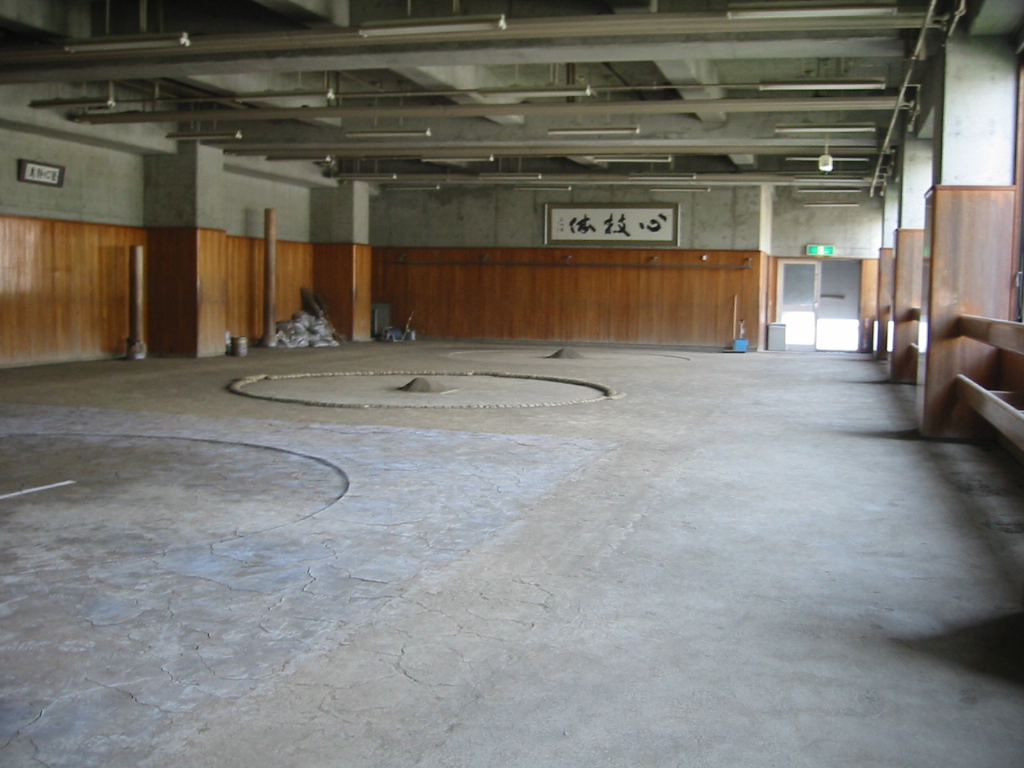
The 40+ sumo stables (heya) in Tokyo allow the public to watch morning training (keiko) at certain times, though most require advance arrangement through a tour operator or connection. Arashio-beya and Hakkaku-beya are two stables that have historically been more accessible to visitors.
The experience of watching 140 kg wrestlers train in silence at 7am is unlike anything else in Tokyo. Bookings should be made 2–4 weeks ahead.
Nippon Budokan
The national martial arts hall, opened in 1964 for the Tokyo Olympics as the judo venue. Located in Kitanomaru Park near the Imperial Palace. The Budokan hosts major martial arts events year-round — national kendo championships, aikido demonstrations, karate tournaments.
The building is also famous as a music venue (The Beatles famously played there in 1966), and most events are indoor concerts rather than martial arts now. But when martial arts events happen, they happen here. Check the venue schedule before visiting Tokyo.
Kodokan (judo)
The Kodokan in Bunkyo Ward is the world headquarters of judo, established by Kano Jigoro in 1882. The main dojo is on the 7th floor of the modern Kodokan building. Visitors can observe training sessions from a public viewing gallery — free, no reservation needed for casual viewing.
The Kodokan Museum on the second floor has a small but well-chosen collection of judo history including Kano’s own belts and early-era judo equipment. Free entry.
Aikikai Hombu Dojo
Global aikido headquarters, Shinjuku Ward. Less publicly-accessible than the Kodokan but visitors interested in watching aikido can arrange dojo visits through the Aikikai website.
Yasukuni Shrine kyudo grounds
The kyudo range (Shiseikan) at Yasukuni Shrine hosts regular archery practice sessions visible to shrine visitors. The shooting is traditional-style — long bow, standing position, ritual protocol — and visually spectacular.
Yasukuni itself is politically controversial (it enshrines Class-A war criminals alongside other war dead), which deserves mentioning but shouldn’t stop you visiting the shrine grounds. The martial arts and traditional arts components of the shrine are worth seeing regardless of the broader political context.
Can visitors actually train?
Yes. Tokyo has dozens of dojos that accept short-term foreign visitors. Two useful pathways:
Drop-in classes at established dojos
Several major Tokyo dojos have formal drop-in programs for foreign visitors with some martial arts background. The Kodokan runs a month-long international course multiple times per year that’s open to registered judoka of any nationality. The Aikikai Hombu Dojo accepts visiting aikidoka from recognised branch schools.
Tourist martial arts experiences
A growing industry of 60–90 minute tourist-focused martial arts classes runs in Tokyo. Samurai sword lessons (iaido/kenjutsu), ninja training experiences, karate basics classes, and sumo demonstration meals (chankonabe with retired wrestlers) all exist.
These are performance experiences, not serious training, but they’re well-run and appropriately priced (¥5,000–¥15,000 per person). If you want to sample a martial art without committing to actual instruction, these are the easy answer. Worth a try for any curious visitor; skip them if you already train seriously — they won’t satisfy you.
What about the philosophical side?
Japanese martial arts carry an explicit spiritual-philosophical framework that makes them distinct from pure-sport versions elsewhere. The framework involves concepts like:
- Do (道): “Way” or “path.” Judo, kendo, karate-do, aikido, iaido all carry this suffix. It marks the activity as a discipline for self-cultivation, not just combat.
- Bushido (武士道): “Way of the warrior” — the Edo-era ethical code for samurai emphasising loyalty, courage, honour, integrity. Bushido as a codified system is partly a Meiji-era reconstruction but has roots in earlier samurai writing.
- Zanshin (残心): “Remaining mind” — continued awareness after a technique is executed, the opposite of switching off after a strike.
- Kiai (気合): The shout accompanying a technique, bringing breath and intent together.
- Shoshin (初心): “Beginner’s mind” — the disposition of openness and humility. The concept has leaked into general-purpose self-improvement literature.
Whether these philosophical layers genuinely shape daily practice varies dramatically by art, teacher, and student. Competitive judo at an Olympic level has relatively little spiritual content; iaido at a traditional koryu school is essentially moving meditation. Both are valid expressions of the tradition.
What about manga and pop-culture martial arts?
Japanese manga and anime have popularised martial arts worldwide, often in hybrid or invented forms. Yawara! (judo), Baki the Grappler (mixed), Dragon Ball (invented), and Rurouni Kenshin (swordsmanship) all have distinct relationships to real Japanese martial arts.
For a Tokyo visitor, the short version: what you’ve seen in anime is not what actual dojo training looks like, but the underlying culture those manga and anime draw on is real. The dojo etiquette, the sensei-student relationship, the ritual before and after training, the long-term apprenticeship model — these are accurately depicted even when the techniques and dramatic fight scenes are invented.
How does martial arts intersect with modern Japan?
Martial arts in Japan today exist in three overlapping frames:
- School PE: Kendo and judo are taught in Japanese junior high schools as part of the mandatory PE curriculum. Most Japanese adults have at least basic exposure to one.
- Club sport: University martial arts clubs are major organisations. Karate and judo clubs at Waseda, Keio, and Tokyo University are competitive at a national level.
- Traditional preservation: Koryu schools maintaining pre-Meiji arts still exist but are small and specialised. These are where you find the most technically authentic versions of classical martial arts today.
A small professional sport sector — pro sumo, pro judo, pro MMA — also exists, but it’s a minority of the overall martial arts ecosystem.
What’s the connection to samurai culture?
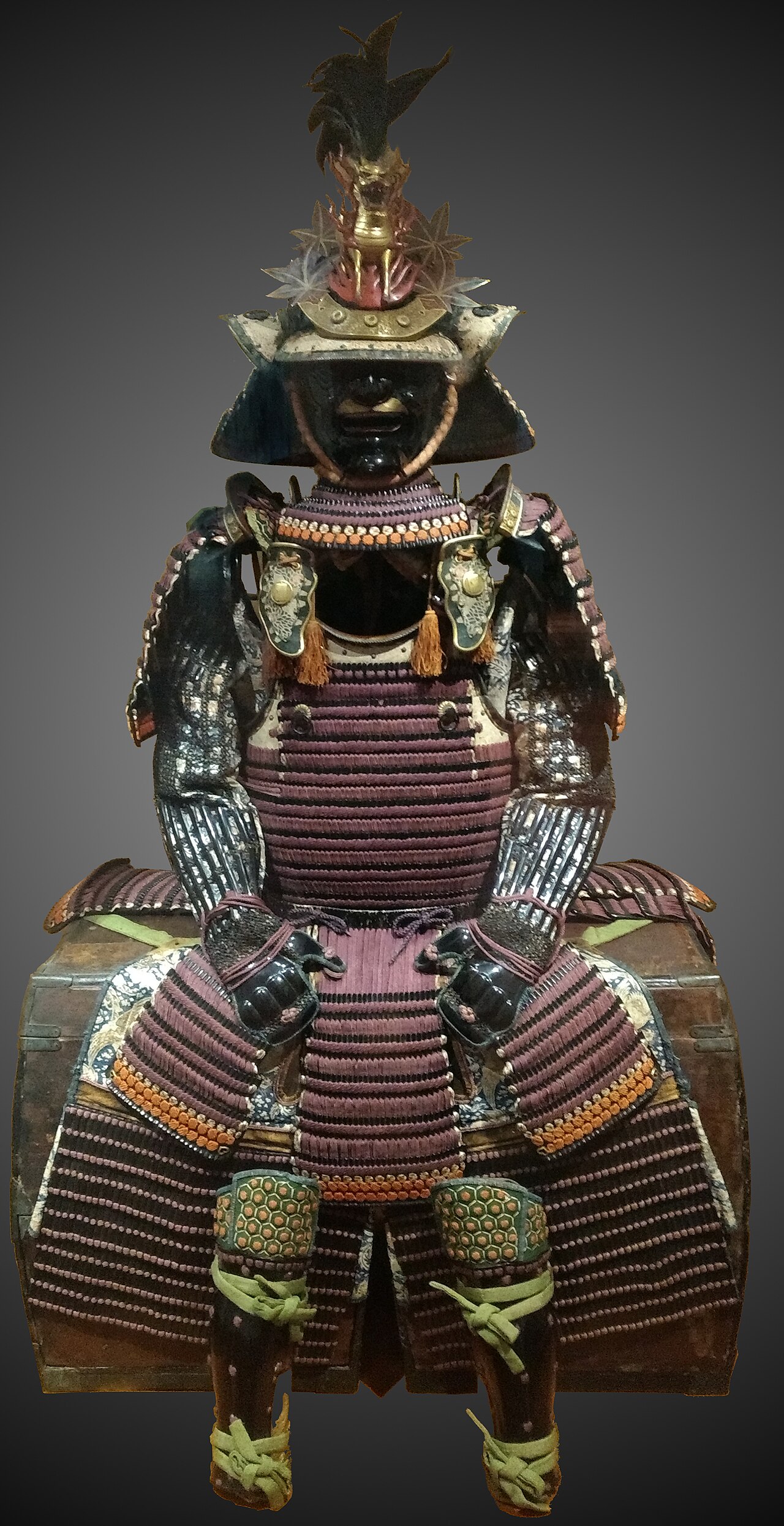
Samurai existed as an actual warrior class from roughly the late Heian period (c. 1100) through the Meiji Restoration (1868), so just under 800 years. The martial arts we associate with samurai mostly developed in the latter half of that period. When the samurai class was formally abolished in 1876, many samurai families shifted into related professions — judo founder Kano Jigoro was from a minor samurai background, as were many early martial arts reformers.
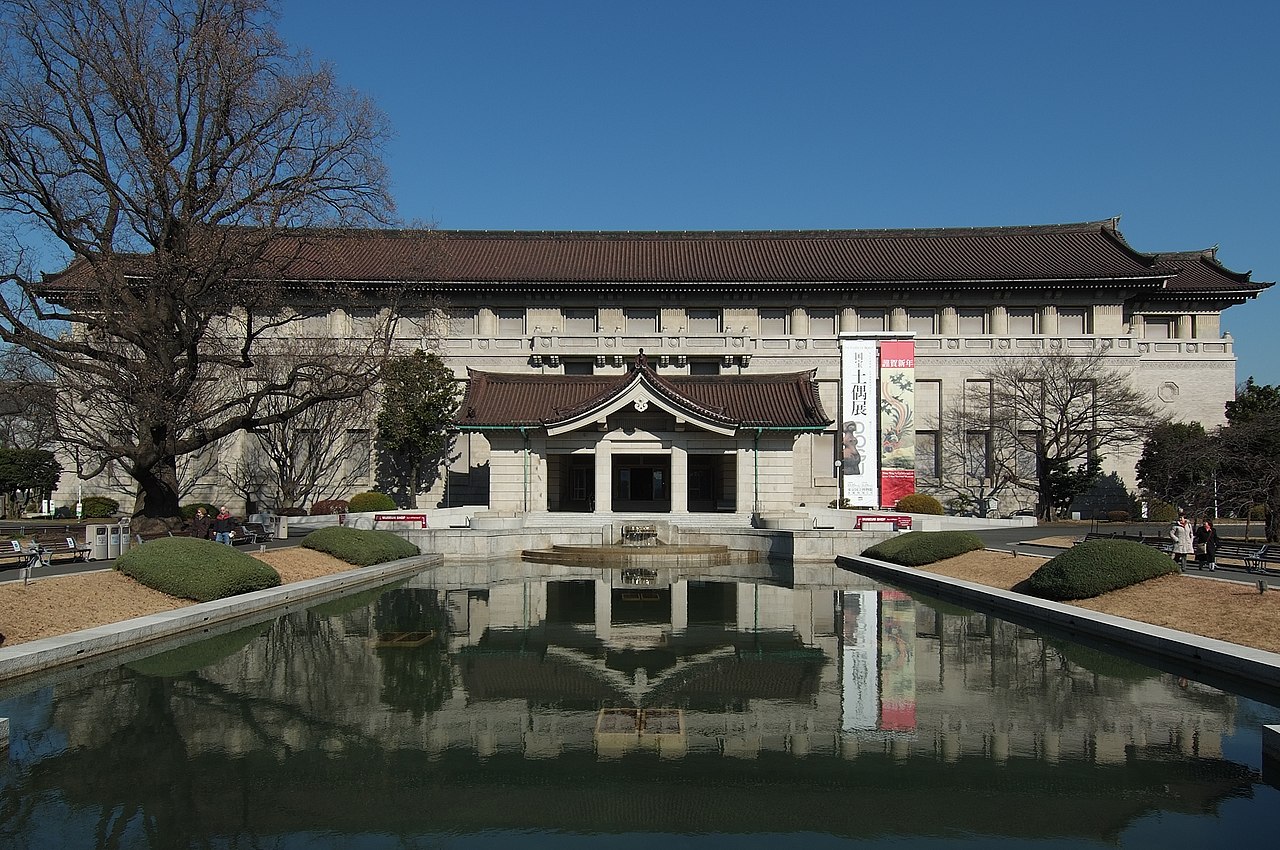
If you want to see samurai-era material culture directly, the Tokyo National Museum in Ueno has one of the best samurai armour and sword collections anywhere in the world. Visit the Honkan building and dedicate a full hour to the samurai gallery on the first floor.
Should you care about Japanese martial arts?
If you train in any martial art: absolutely. Tokyo is the global headquarters of judo, aikido, karate, sumo, and kendo, and spending time in the source-country dojos is a genuinely different experience. Plan specific visits around the Kodokan, Aikikai, or Nippon Budokan based on your discipline.
If you’re a curious Tokyo visitor without martial arts background: a sumo tournament (if you’re visiting in January, May, or September) is one of the best single cultural experiences Tokyo offers. Even a budget ¥4,000 upper-level seat gives you the full atmosphere — salt-throwing, referee calls, pre-match rituals, the crowd, the sheer physicality. Strongly recommended.
If you care about Japanese culture more broadly: the martial arts frame informs a surprising amount of daily Japanese life — the emphasis on form, the respect for teachers and seniors, the discipline expectations, the idea that physical practice is spiritual practice. Understanding the martial arts frame gives you a better read on the rest of Tokyo.
Final notes
The most surprising thing about Japanese martial arts for a first-time observer is how quiet they are. A major judo shiai at the Kodokan is not a loud event. A traditional iaido practice is almost silent. Even sumo, with its crowd atmosphere, is punctuated by long quiet periods where the wrestlers prepare. The intensity is internal.
For more Tokyo cultural reading, our irezumi tattoo tradition piece covers a parallel history of Japanese craft that interweaves with samurai-era visual culture, our yakuza history article covers the modern inheritors of samurai martial culture in their underworld form, and our Ueno guide is the best practical route to see samurai-era weapons and armour in person.