
Christmas in Japan is, culturally, completely different from Christmas in the West. It is not a religious holiday in any meaningful sense — fewer than 1% of Japanese identify as Christian. Christmas Day is not a public holiday. Schools and offices stay open. Most families do not gather or exchange gifts.
In This Article
- Quick facts at a glance
- Why is Christmas in Japan so different?
- What happens in Tokyo during Christmas?
- Illuminations
- Seasonal shopping and department stores
- Christmas Eve couples’ night
- Where are the best Tokyo illuminations?
- 1. Marunouchi Illumination
- 2. Roppongi Hills and Tokyo Midtown
- 3. Caretta Shiodome
- 4. Meguro River Winter Lights
- 5. Tokyo Dome City
- 6. Shibuya Blue Cave
- 7. Tokyo Skytree and Tokyo Tower
- Where do you eat on Christmas Eve in Tokyo?
- KFC
- Western restaurant Christmas courses
- Hotel dinner packages
- What’s the deal with strawberry shortcake?
- What about Christmas markets?
- What do Japanese people actually do on Christmas Day (December 25)?
- What about New Year (正月, Oshogatsu)?
- Where should you stay in Tokyo in December?
- Does it snow in Tokyo at Christmas?
- Is Christmas worth visiting Tokyo for?
What Japan has instead is a very specific Christmas Eve tradition built around couples, illuminations, KFC, and strawberry shortcake. Christmas Eve is essentially a romantic date night. The day of Christmas itself is a working Thursday. It is one of the most interesting cultural adaptations of a Western holiday anywhere in the world, and Tokyo is where you see it most concentrated.
This guide walks through what Japanese Christmas actually looks like, where to see the best illuminations, where the Christmas Eve dinner reservations happen, and how to make sense of the whole KFC thing.
Quick facts at a glance
- Public holiday? No. Schools and offices are open on December 25.
- What it is: Couples’ date night on December 24 (Christmas Eve). Not a family holiday.
- Core traditions: Illuminations (light displays), KFC dinner (yes, really), strawberry shortcake, romantic dates
- Not traditions: Church services, family gatherings, large-scale gift exchanges, trees in most homes
- Best for: Anyone visiting Tokyo in December who wants seasonal atmosphere without the Western holiday pressure
- Reservations: Christmas Eve restaurant reservations in Tokyo book out 6–8 weeks in advance
- Weather: Cold (3–12°C), often clear, rare snow in central Tokyo
Why is Christmas in Japan so different?
Christianity arrived in Japan in 1549 via Jesuit missionaries and was aggressively suppressed from the late 1500s onwards. Christians went underground for about 250 years until the late 19th century, when religious freedom was restored. Even with tolerance, Christianity never caught on in large numbers — Shinto and Buddhism were, and remain, the dominant religious frameworks.
Western-style Christmas started appearing commercially in Japan in the late 1800s but didn’t achieve mass-market penetration until the 1970s. The version that stuck is carefully stripped of religious content and built entirely around commercial and romantic markers: decorated trees in department stores, illumination displays, special dinner menus, novel seasonal desserts, and a specific couples-oriented framing that treats Christmas Eve as the year’s most important romantic date night.
The KFC tradition specifically dates to 1974, when KFC Japan ran the “Kentucky for Christmas” marketing campaign in response to foreign residents asking where to get turkey. The campaign worked catastrophically well. By the mid-1980s, KFC on Christmas Eve was a genuine mass tradition. Today, KFC Japan takes about a third of its annual revenue in the week around December 24.
What happens in Tokyo during Christmas?
Three overlapping things:
Illuminations
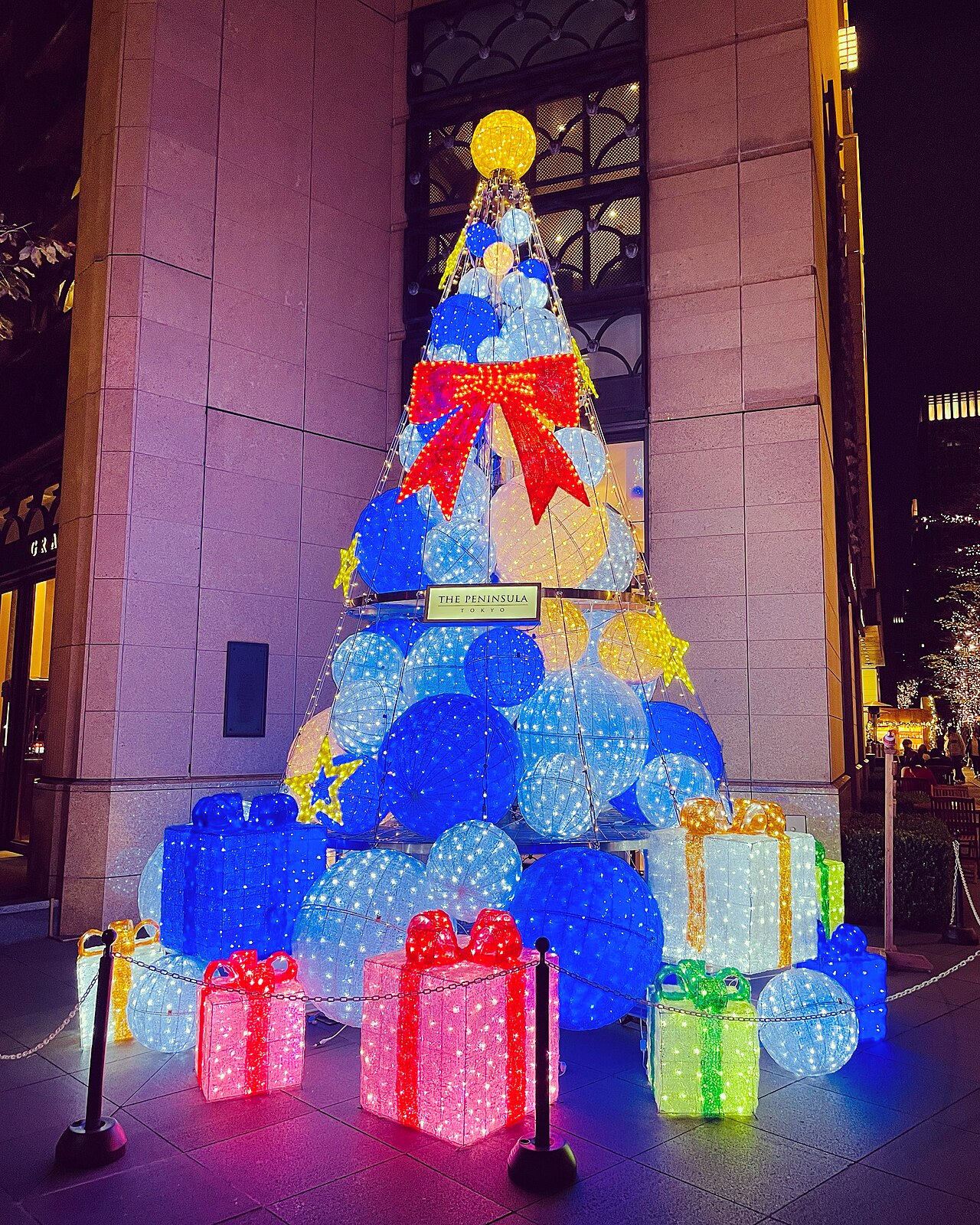
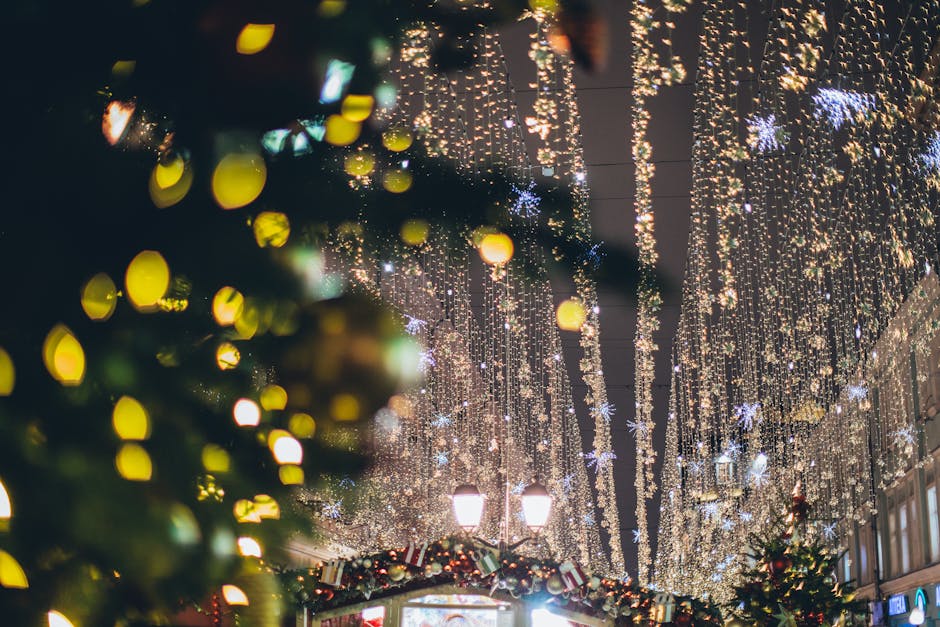
From mid-November through late December (some into January), most major Tokyo shopping districts install elaborate light displays. These range from modest storefront decorations to massive ticketed light-festival installations in parks. Illuminations are the single most visible part of Japanese Christmas and they are genuinely world-class.
Seasonal shopping and department stores
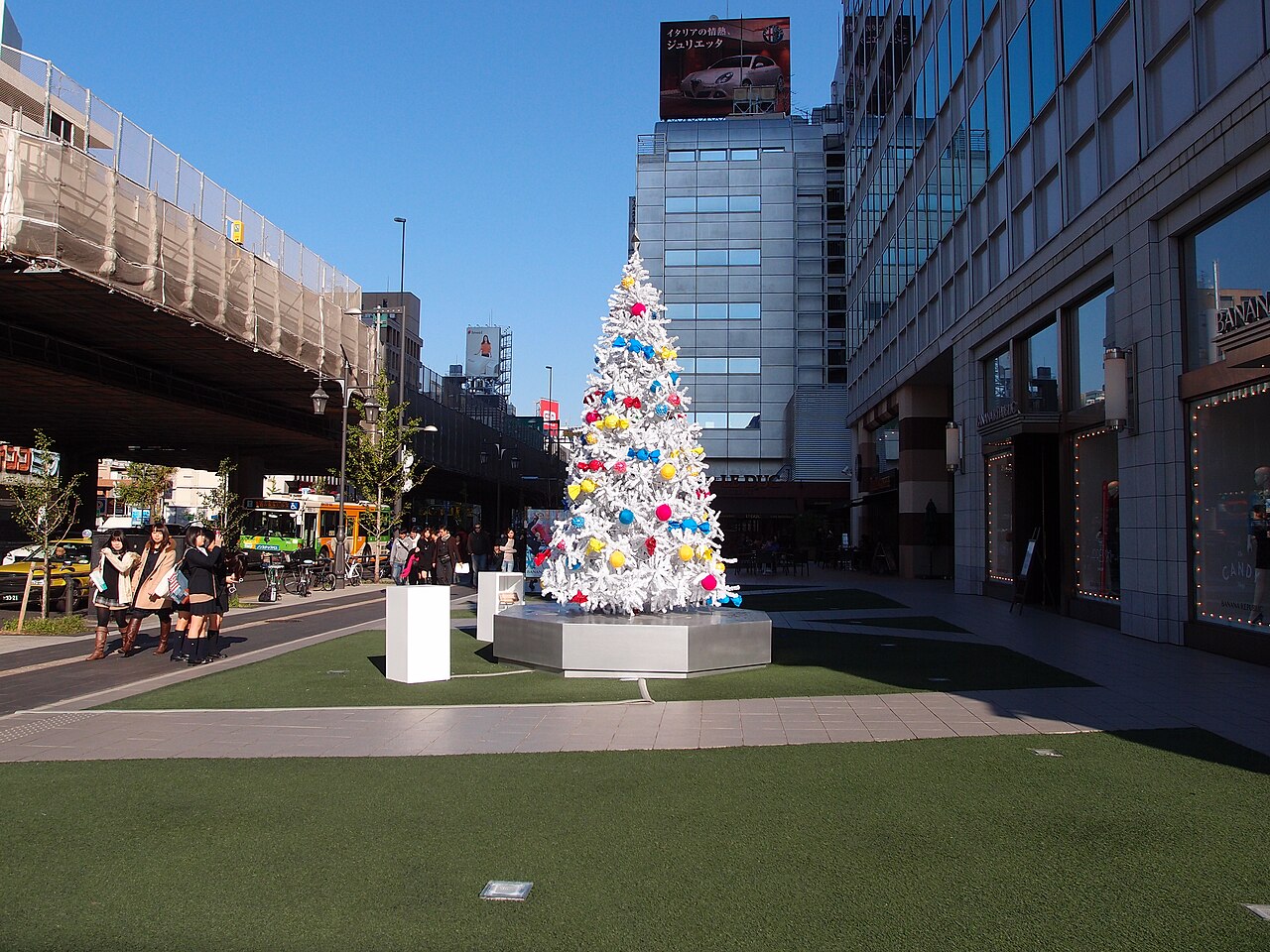
Tokyo’s department stores (Isetan, Mitsukoshi, Takashimaya, Tokyu, Matsuya) go full Christmas from mid-November. Full-height themed trees in the main atriums, holiday windows at street level, seasonal food floors with specialty items, and Christmas concerts in the lobbies. It’s extremely commercial but also beautifully executed.
Christmas Eve couples’ night
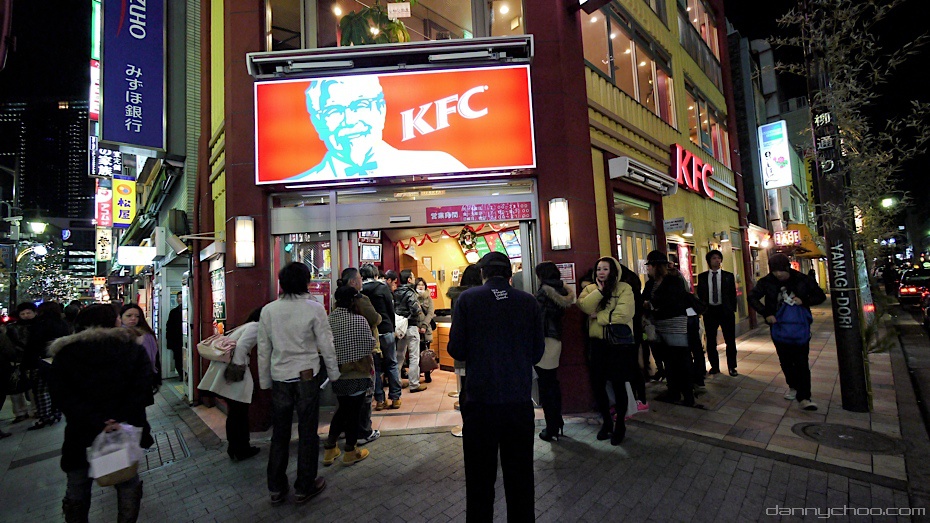
December 24 is the romantic peak. Restaurants run special “Christmas Eve dinner” courses at 2–3x normal prices. Hotels sell “Christmas Eve packages” with dinner + overnight stay. Couples take photos at the illuminations. KFC queues stretch around the block. It’s the closest Japan gets to a Western-style Valentine’s Day.
Where are the best Tokyo illuminations?
A ranked list based on quality and accessibility:
1. Marunouchi Illumination
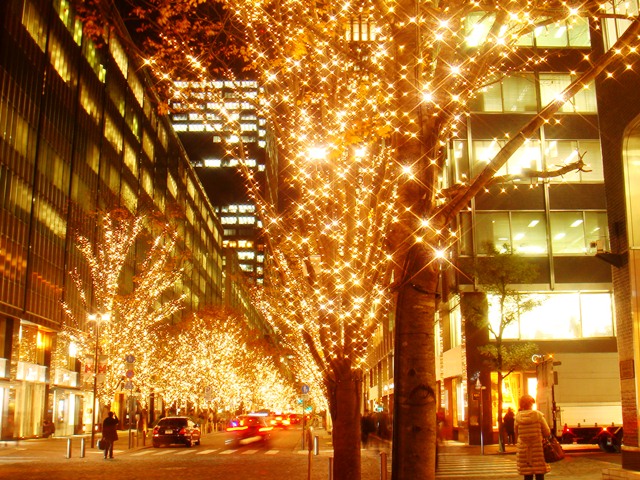
The Marunouchi business district between Tokyo Station and the Imperial Palace runs a deliberately understated, classy illumination along its main boulevard (Nakadori). Champagne-gold LED lights on the trees from mid-November through mid-February, the longest run of any Tokyo illumination. Free, open access, easy to walk.
- Nearest station: Tokyo Station (JR, Marunouchi line)
- Runs: Mid-November to mid-February
- Cost: Free
2. Roppongi Hills and Tokyo Midtown
The twin Roppongi complexes each run major illuminations. Roppongi Hills’ Keyakizaka-dori is a classic — blue and white lights on the ginkgo trees leading down to Tokyo Tower in the distance. Tokyo Midtown’s Midtown Garden does a more ambitious installation with themed light shows.
- Nearest station: Roppongi (Oedo, Hibiya lines)
- Runs: Mid-November to late December
- Cost: Free to walk through, some garden installations ¥2,000+
3. Caretta Shiodome
Annual themed illumination show at the Caretta Shiodome plaza. Changes theme each year (recent years: Disney, Aladdin, Frozen). The show runs every 20 minutes, about 12 minutes long. Highly choreographed with music and lighting effects. Genuinely spectacular but very crowded.
- Nearest station: Shiodome (Oedo line)
- Runs: Mid-November to mid-February
- Cost: Free
4. Meguro River Winter Lights
The cherry-blossom-famous Meguro River gets a winter light installation that turns the cherry trees into glowing pink structures along a 2 km stretch. Feels magical, especially near Nakameguro Station. Best paired with dinner in the Nakameguro cafes.
5. Tokyo Dome City
Large-scale winter illumination at the Tokyo Dome complex with millions of LED bulbs. Family-friendly, crowded, very bright, kid-approved.
6. Shibuya Blue Cave
The Yoyogi Park and Shibuya Public Hall side installation. Blue lights covering 800+ metres of tree-lined avenue. Short run (typically December 1–25) but spectacular. Gets extremely crowded on weekends.
7. Tokyo Skytree and Tokyo Tower
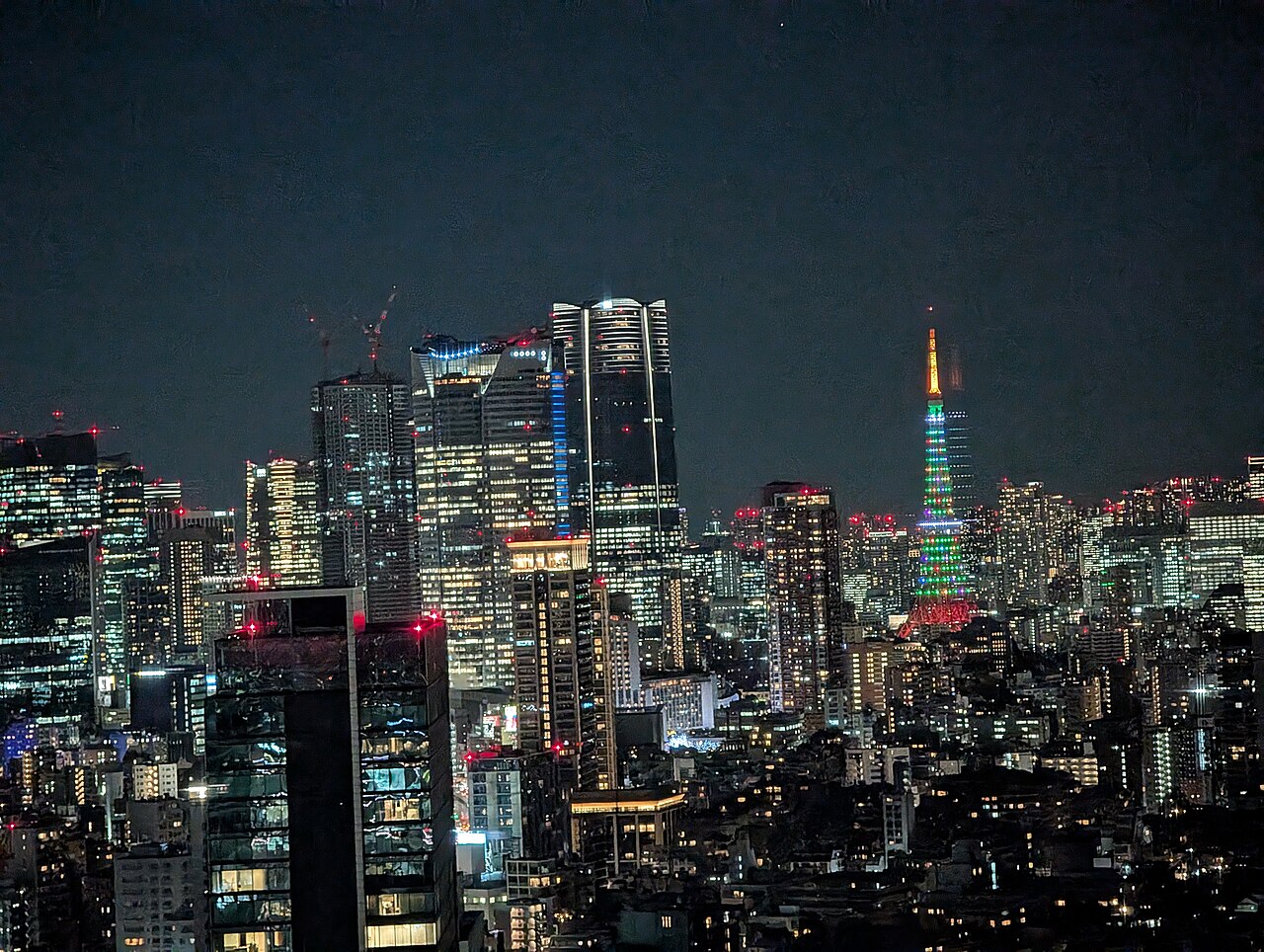
Both broadcast towers run themed Christmas lighting. Tokyo Tower specifically does a big illuminated red-and-white tree at its base. Both towers are worth seeing lit from a distance rather than queuing to go up on a Christmas Eve.
Where do you eat on Christmas Eve in Tokyo?
This requires planning. Christmas Eve is the single most-booked restaurant night in Tokyo — more so than New Year’s Eve or Valentine’s Day.
Three categories:
KFC
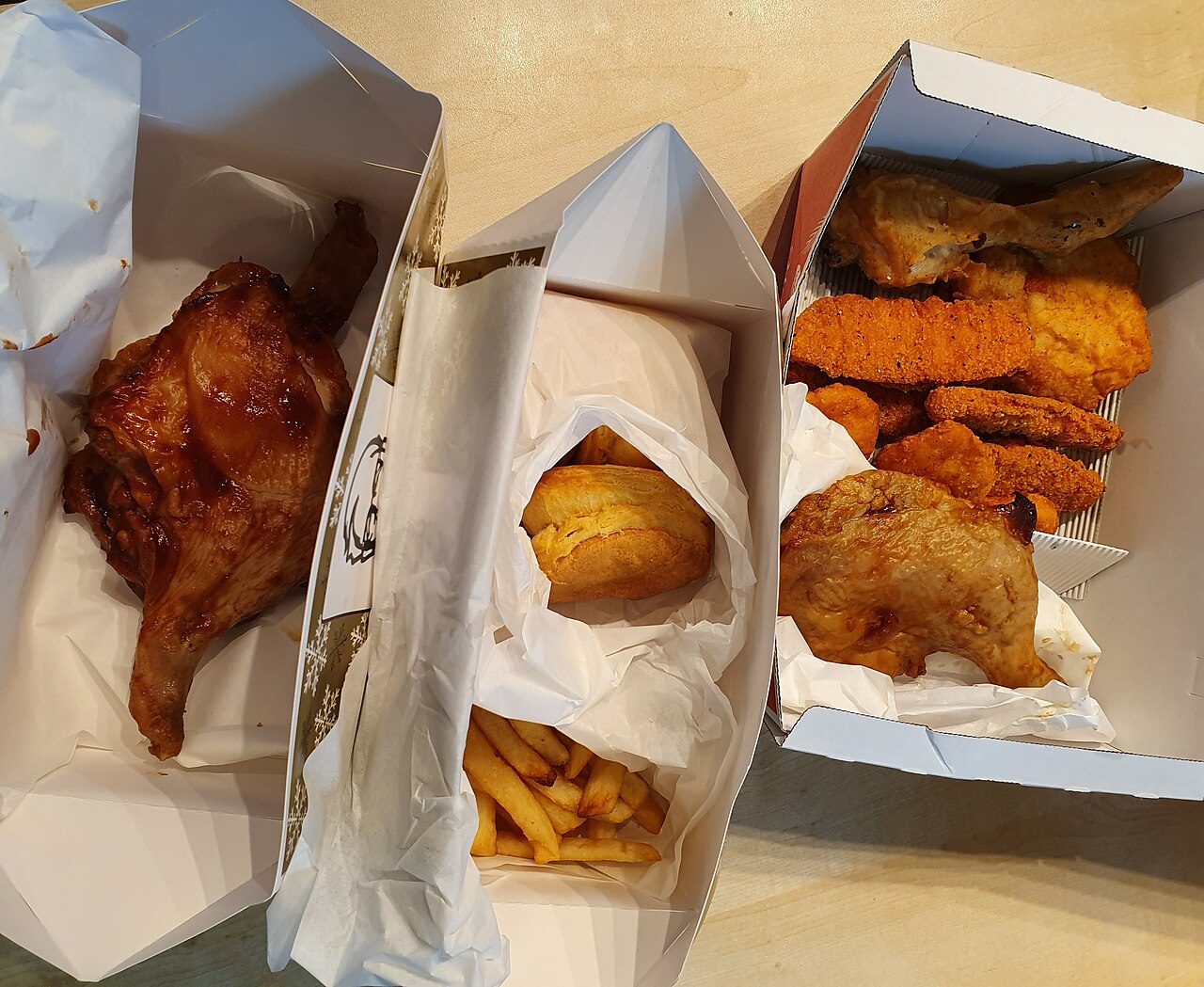
The genuine Japanese Christmas tradition. KFC Japan sells “Christmas Barrel” sets that cost ¥4,000–¥7,000 and include fried chicken, cake, and sides. Reservations open around November 1 and sell out by early December. Walk-up buckets are also available but require queuing for 60–90 minutes on the actual day. Most Japanese families book the reservation.
If you want the authentic experience: book through the KFC Japan website 4+ weeks before Christmas. Pick up the barrel at your nearest store. Enjoy chicken and strawberry shortcake with your partner or family. It is, in its own way, kind of perfect.
Western restaurant Christmas courses
High-end French, Italian, and hotel restaurants run Christmas Eve prix-fixe courses from ¥15,000 to ¥50,000 per person. These book 6–8 weeks in advance at the top venues. Michelin-starred restaurants book their Christmas Eve slots the day they go on sale.
Hotel dinner packages
Luxury hotels (Park Hyatt Tokyo, Mandarin Oriental Tokyo, Aman Tokyo, Imperial Hotel) sell “Christmas Eve dinner + overnight” packages from ¥60,000 to ¥200,000+ per couple. This is the premium version of the Japanese Christmas tradition.
Pro tip: If you’re visiting Tokyo in late December and want to experience Christmas Eve dinner, book at least 4 weeks ahead. Regular restaurants (not Christmas-special menus) are also packed on the 24th; reserve anywhere you care about.
What’s the deal with strawberry shortcake?
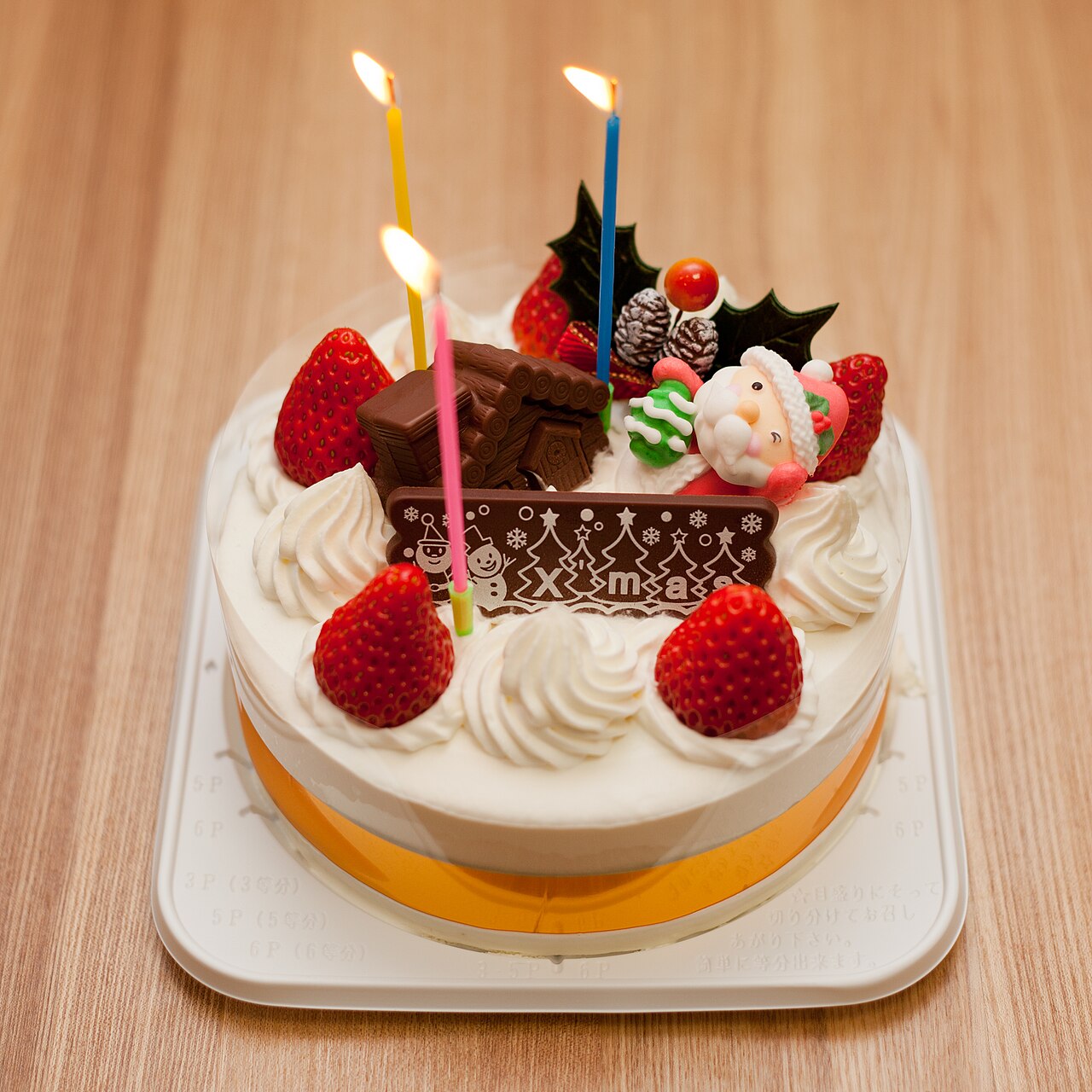
Japanese Christmas cake (クリスマスケーキ, kurisumasu keki) is a white sponge cake with whipped cream and strawberries. The combination dates to the early 20th century — strawberries were a luxury winter fruit, white cream represented snow, and the whole assembly became commercially associated with Christmas through the 1950s and 1960s.
Today the Christmas cake is essentially mandatory if you’re celebrating. Convenience stores (Lawson, 7-Eleven, FamilyMart) take pre-orders from early November. Bakeries, department store food floors, and the Japanese patisserie chains all sell Christmas-specific versions. Prices range from ¥1,500 for a convenience store cake to ¥8,000+ for a top-bakery version.
The strawberry shortcake has nothing religious or historical about it — it’s a pure Showa-era commercial invention that has since become genuinely beloved. If you’re in Tokyo between December 20 and 24, pick one up from a Ginza department store and see what the fuss is about. They are actually excellent.
What about Christmas markets?
Tokyo has several German-style Christmas markets that run from late November through Christmas Day. These are small by European standards but atmospheric:
- Roppongi Hills Christmas Market: The largest and most-famous. Stalls selling German mulled wine (gluhwein), bratwurst, pretzels, and Christmas crafts. Open mid-November through Christmas Day.
- Hibiya Park Christmas Market: Midtown location with a more park-like atmosphere. Generally less crowded than Roppongi.
- Yokohama Red Brick Warehouse Christmas Market: The best-regarded Christmas market in the Kanto region, if you’re willing to travel 30 minutes to Yokohama. Actual German vendors, strong food offering.
These markets are fun but they are clearly imports — the underlying Japanese Christmas tradition doesn’t include markets at all. Treat them as bonus content on top of the main illumination-and-dinner experience.
What do Japanese people actually do on Christmas Day (December 25)?
Work. Mostly.
December 25 is a regular working Thursday in Japan. Schools have classes. Offices hold meetings. Government offices are open. If you want to see the difference between Japanese Christmas and Western Christmas, December 25 is the day to look at it — because the dramatic Christmas Eve has ended the night before and the streets are quieter than on a normal Wednesday.
Some couples extend the Christmas Eve celebration into Christmas Day with lunch plans or a day trip, but this is optional rather than expected. Most people are back at work by morning.
Children receive presents from Santa (サンタ, Santa-san) — usually a single gift left by the bed overnight. But it’s a low-key version of the Western tradition, with no large-scale family present-exchange and no all-day family gathering.
What about New Year (正月, Oshogatsu)?
New Year is the Japanese equivalent of Western Christmas — the family holiday, the time of big gatherings, the peak travel period. December 29 through January 3 is when everything closes, everyone goes home to their family, and the pace of life dramatically slows.
If you’re visiting Tokyo across the Christmas/New Year boundary:
- December 24–25: Peak Christmas Eve buzz, illuminations at their most-attended, restaurants packed.
- December 26–28: Regular operating days. Office party (忘年会, bonenkai) season ongoing, restaurants busy in the evening.
- December 29–January 3: Many businesses closed, train stations quieter in daytime (people have gone home), shrines mobbed at midnight on the 31st/1st.
- January 4 onwards: Life resumes normally.
If you want to see both holidays, plan a 10-day Tokyo trip covering December 22 through January 2. You’ll see the Christmas Eve peak and the New Year’s Eve shrine visits (hatsumode), which are the two most culturally distinctive Tokyo moments of the year.
Where should you stay in Tokyo in December?
Central Tokyo hotels near Roppongi, Marunouchi, Ginza, and Shibuya are ideally placed for Christmas illuminations. Roppongi specifically has the densest concentration of major illuminations within walking distance.
- Roppongi / Akasaka: Best for illuminations. Plenty of hotel options at all budgets.
- Ginza / Marunouchi: Great for department-store Christmas atmosphere and Marunouchi illumination. Close to Tokyo Station.
- Shibuya / Harajuku: Trendy, good for younger travellers, Shibuya Blue Cave nearby, lots of restaurants.
- Asakusa / Ueno: Traditional atmosphere, cheaper hotels, less Christmas-focused but very convenient for the New Year shrine visits.
Does it snow in Tokyo at Christmas?
Rarely. Central Tokyo gets snow on about 3–5 days per winter on average, almost always in January or February. December snow is possible but unusual. A “white Christmas” in central Tokyo is a weather-lottery event that happens maybe once every 5–7 years.
Temperatures in December range from 3°C (overnight low) to 12°C (daytime high). Cold but rarely freezing. Dry sunny days are common. Bring a warm coat, gloves, and a hat if you’re doing evening illumination tours.
Is Christmas worth visiting Tokyo for?
If you enjoy seasonal atmosphere, Japanese urban aesthetics, and the concept of a culture that treats Christmas as a low-pressure date-night celebration: yes, absolutely. Tokyo in December is beautiful, the illuminations are world-class, and the whole experience is low-pressure in ways that Western Christmas often isn’t.
If you specifically want a religious Christmas or a family-oriented Christmas: Japan is not the right destination. The cultural register is different and pretending otherwise will leave you confused and vaguely homesick.
Practical recommendation: visit Tokyo between December 20 and January 3 to see both Christmas and New Year traditions. Stay near Roppongi for the illuminations. Book at least one serious Christmas Eve dinner in advance. Eat a KFC Christmas Barrel on December 24 just for the cultural experience. Buy a strawberry shortcake from a Ginza department store. Do hatsumode at Meiji Shrine at midnight on December 31.
You’ll come home with a better sense of how Japan adapts foreign traditions than any guidebook can give you.
For more Tokyo seasonal planning, our Tokyo Metro guide will help you navigate the packed illumination-hunting crowds, our Ueno guide covers the best daytime option during the holiday week, and our Akihabara piece has a post-Christmas practical angle since the pop-culture district runs normal hours straight through the season.

.jpg)


