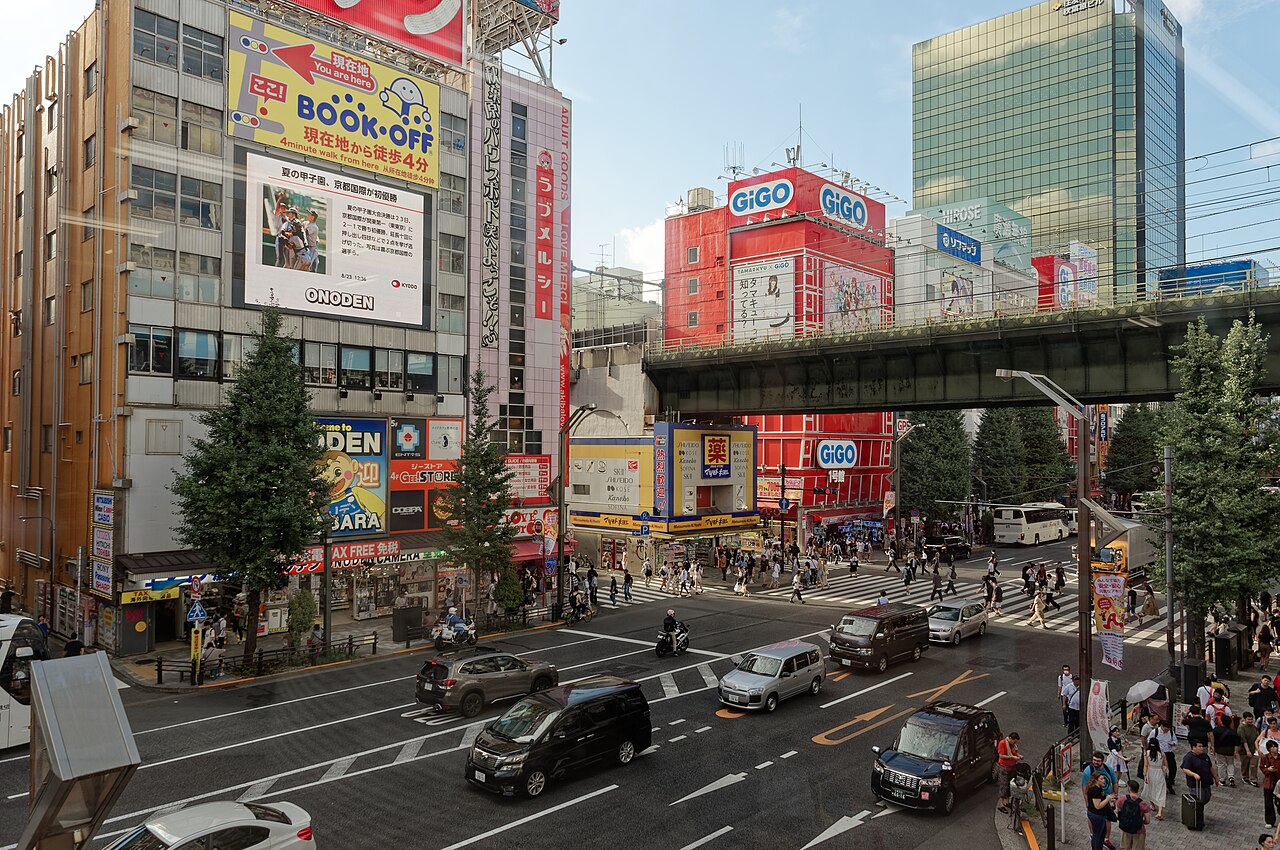
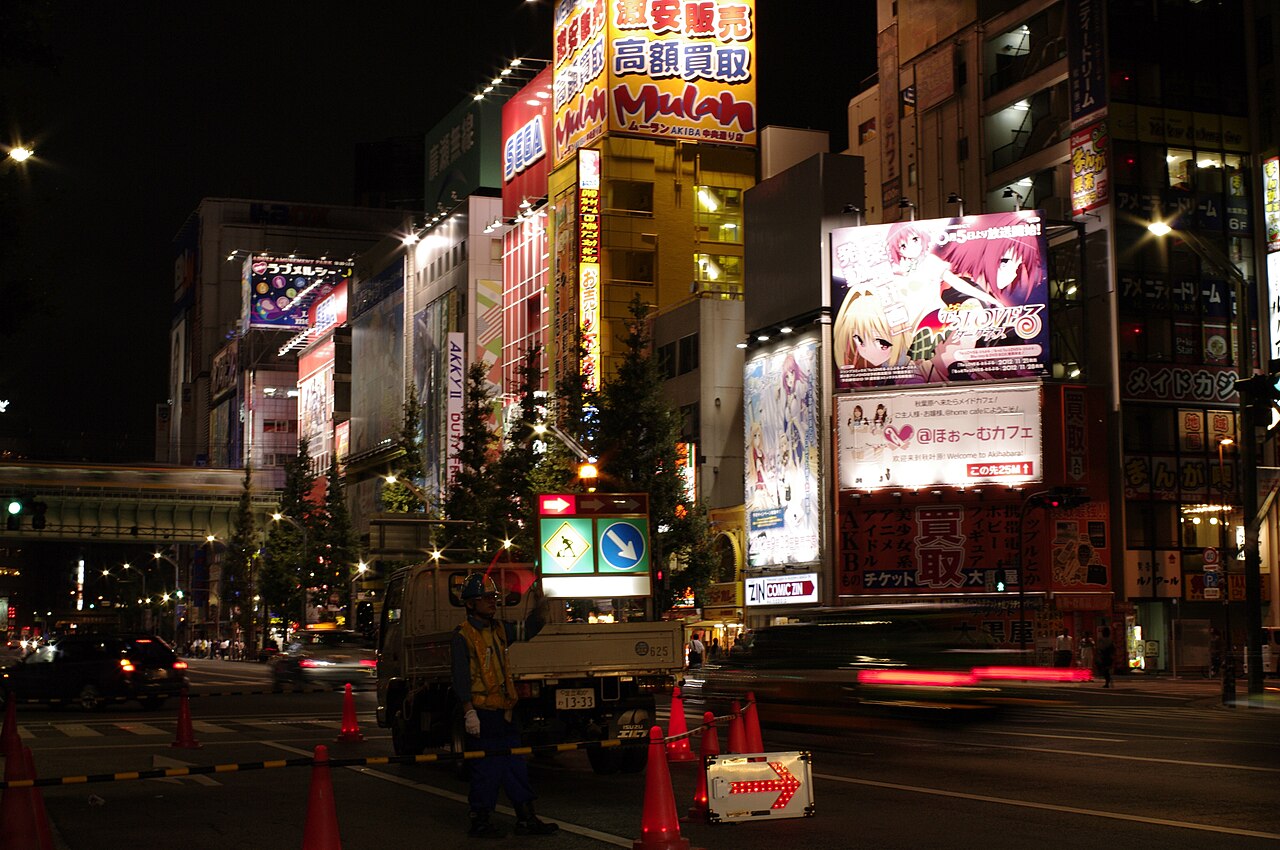
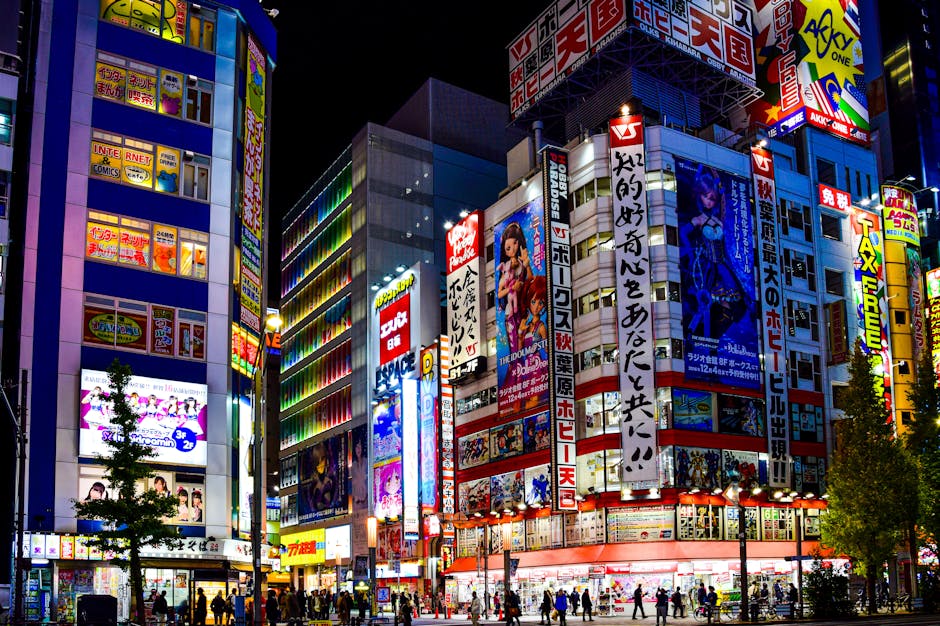
Akihabara — the neighbourhood east of Tokyo Station that everyone calls “Akiba” — is the most densely concentrated slice of Japanese pop culture on the planet. Walk three blocks from the station exit and you are surrounded by six-storey anime stores, retro-game arcades, second-hand manga emporiums, maid cafes, computer-parts shops, and a small but insistent population of idol groups advertising street performances.
In This Article
- Quick facts at a glance
- What is Akihabara, actually?
- What should you actually do in Akihabara?
- 1. Yodobashi Camera Akiba (the electronics flagship)
- 2. The retro game shops on Chuo-dori
- 3. Animate Akihabara (anime flagship)
- 4. Mandarake Complex
- 5. Radio Kaikan
- 6. Don Quijote Akihabara
- 7. A maid cafe (choose carefully)
- When should you visit?
- How do you get to Akihabara?
- Where should you eat in Akihabara?
- Is Akihabara family-friendly?
- Is Akihabara safe?
- What about Kanda Myojin Shrine?
- How does Akihabara fit into the rest of a Tokyo trip?
- What has changed recently in Akihabara?
- 1. The pandemic weakened the maid cafe ecosystem
- 2. The retail scene is consolidating
- 3. The tourist demographic is shifting
- Is Akihabara still worth visiting?
It is also not quite the Akihabara that English-language guidebooks from 2015 describe. The neighbourhood has been shifting since the pandemic: certain famous stores have closed, the maid-cafe density has thinned, some of the rougher edges have been sanded off. This guide walks through what Akihabara is now, what to actually do there, where to go for each specific interest, and the assessment of whether it is worth a full day of your trip or just an afternoon.
Quick facts at a glance
- Official name: Akihabara Electric Town (秋葉原電気街, Akihabara Denkigai)
- Location: Eastern Taito Ward, Tokyo — about 4 km east of Shinjuku, 5 min from Tokyo Station on the JR Yamanote Line
- Nearest station: Akihabara Station (JR Yamanote, Keihin-Tohoku, Sobu, Tokyo Metro Hibiya, Tsukuba Express)
- Known for: Anime, manga, idols, maid cafes, retro gaming, computer parts, electronics
- Best for: Anyone interested in Japanese pop culture, anime fans, gamers, hobbyists
- Time needed: Half day minimum, full day for enthusiasts
- Best day: Sunday (pedestrian-only main street from 1–5pm April–September)
- Worth it? Yes if you’re interested in any of the above. Otherwise a quick 90-minute walkthrough is sufficient.
What is Akihabara, actually?
Akihabara started life as a post-war black-market district for radio and electronics components. The name “Akiba” comes from the Akiba Shrine that once stood in the area. Through the 1960s, 70s, and 80s the neighbourhood specialised in consumer electronics — cameras, stereos, computers, home appliances — and earned the nickname “Electric Town.” If you wanted a Sony Walkman or a new television, Akihabara was the first place you went.
The transformation into an anime and manga hub happened gradually through the 1990s and 2000s, driven by three overlapping trends: the rise of PC gaming and the need for specialty parts shops, the explosion of anime home video releases, and the emergence of the otaku cultural identity with its associated shopping habits. By 2005 the neighbourhood was unmistakably anime-first. Electronics became the secondary story.
Today Akihabara sits at a specific equilibrium: the big-box electronics retailers (Yodobashi Camera, Bic Camera) still dominate the area around the main station; the anime, manga, and game specialty shops spread out from Chuo-dori Street; the maid cafes and idol venues operate in the side streets; and a growing number of themed cafes and pop-up events run on whatever brand IP is hot that month.
What should you actually do in Akihabara?
The ranked list, based on what visitors get genuine value from:
1. Yodobashi Camera Akiba (the electronics flagship)
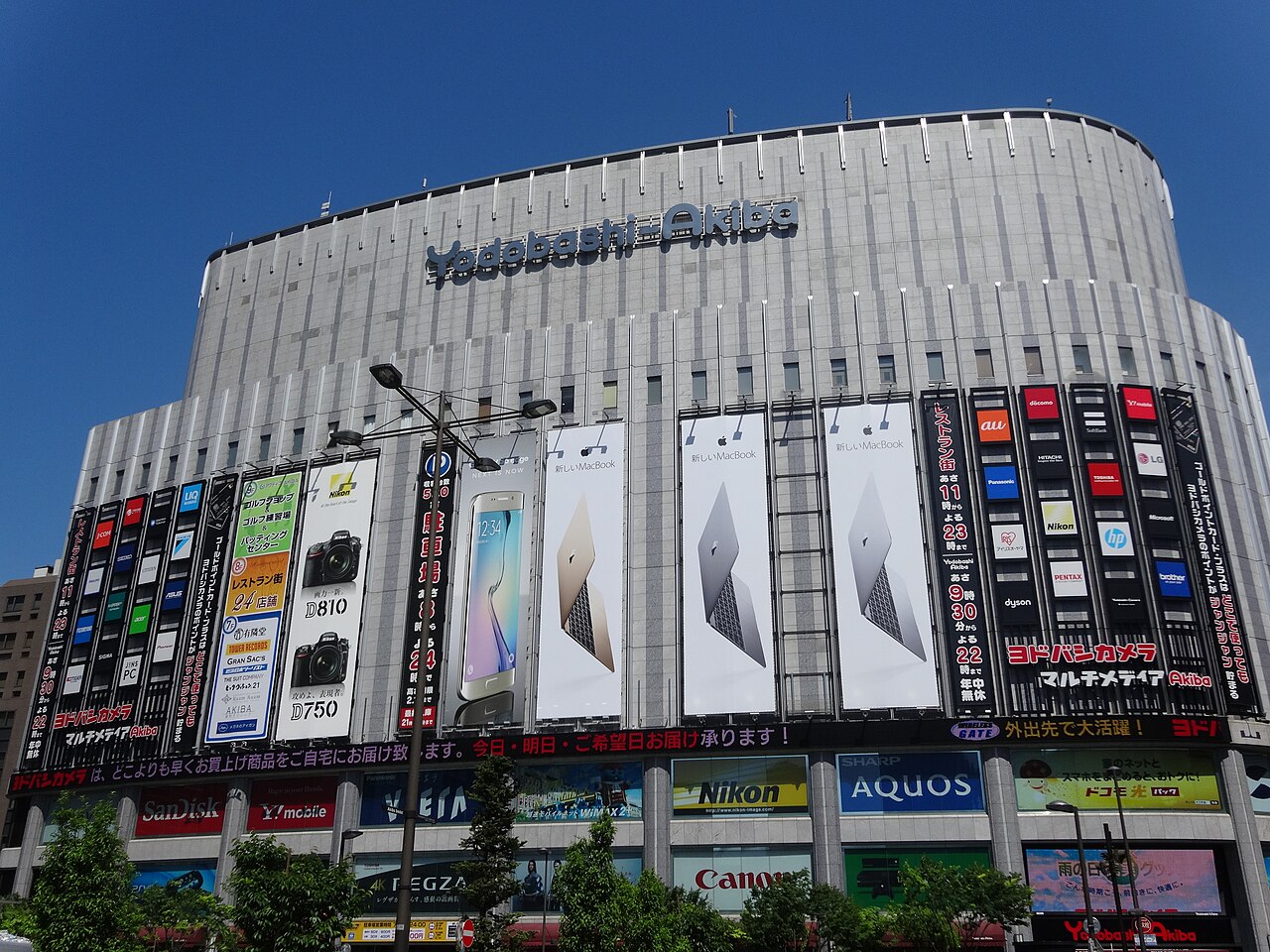
Right across from the JR Yodobashi exit, this nine-storey megastore is one of the largest electronics retailers in the world. Cameras, computers, headphones, appliances, bicycles, toys, model kits, and an entire floor dedicated to plastic hobby models. Even if you’re not buying, the hobby and toy floors are a cultural experience. Tax-free shopping is available for tourists on purchases over ¥5,000.
2. The retro game shops on Chuo-dori
Super Potato is the famous one — a multi-floor retro gaming shop with SNES, PlayStation, Game Boy, and everything in between. Prices have risen sharply since 2020 as retro gaming became globally collectible, so don’t expect 2015-era bargains. Mandarake’s gaming section (second-hand) often has better prices. Book Off and Trader are the two cheap-option chains worth visiting for any actual purchase.
3. Animate Akihabara (anime flagship)
Seven floors of current-season anime merchandise, manga, light novels, and character goods. The basement is usually dedicated to the biggest current franchise. If you have a favourite show, this is where you find the official merchandise at regular prices (not inflated).
4. Mandarake Complex
Seven floors of second-hand anime, manga, cosplay gear, models, and vintage collectibles. This is where serious collectors spend entire afternoons. If you’re looking for a specific out-of-print item, check Mandarake first — they have it more often than you’d expect.
5. Radio Kaikan
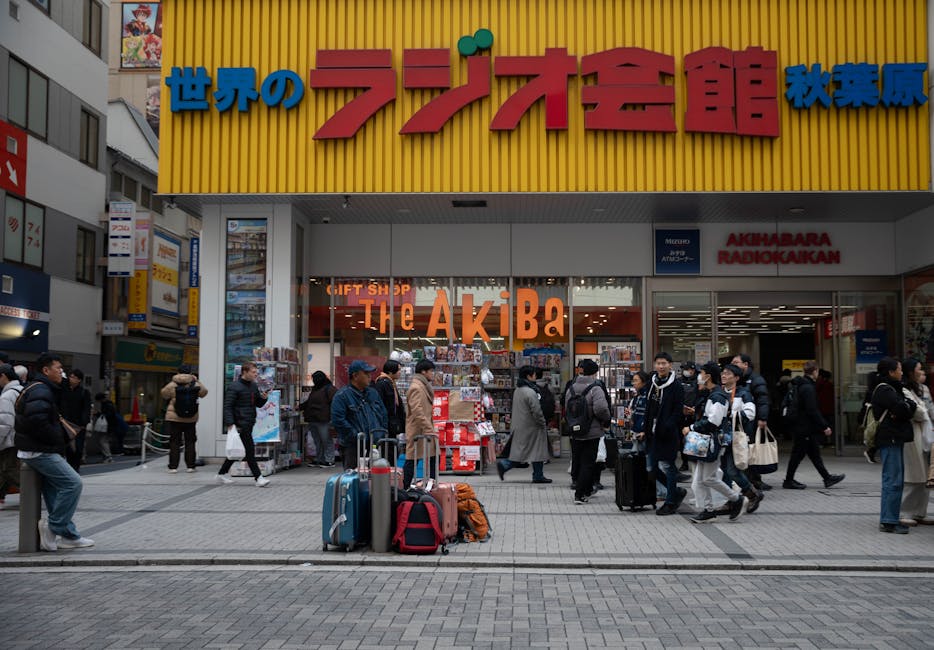
A ten-floor building packed with specialty shops: trading card games, figure shops, model kits, and the flagship Kaiyodo (the legendary figure manufacturer). Good for browsing even without specific purchase intent.
6. Don Quijote Akihabara
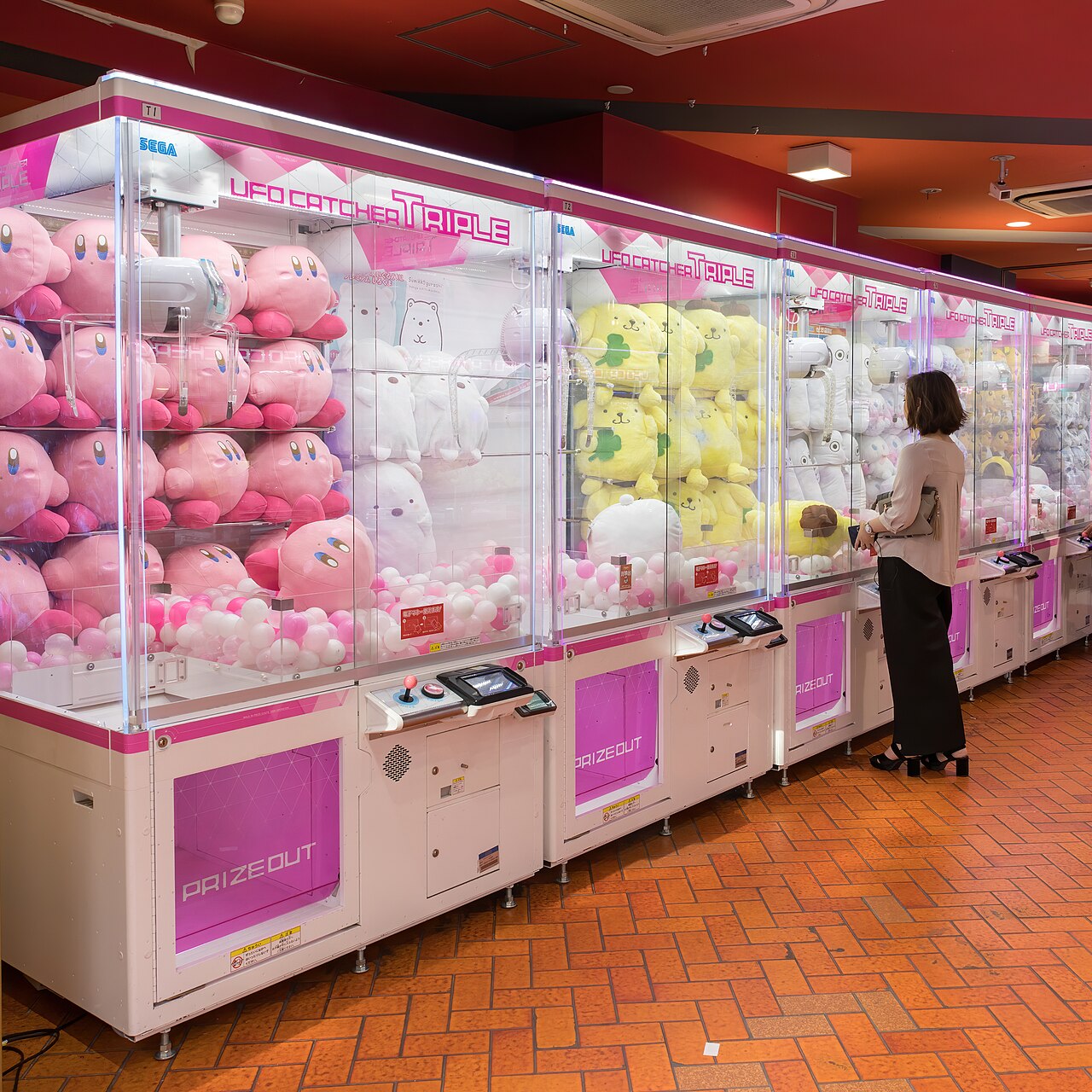
The famous discount chain has a special Akihabara branch that doubles as an entertainment venue. AKB48 Theater is on the 8th floor, which means the store itself attracts idol fans in addition to bargain hunters. Cheap souvenirs, cosmetics, snacks, and a weirdly good selection of novelty items.
7. A maid cafe (choose carefully)
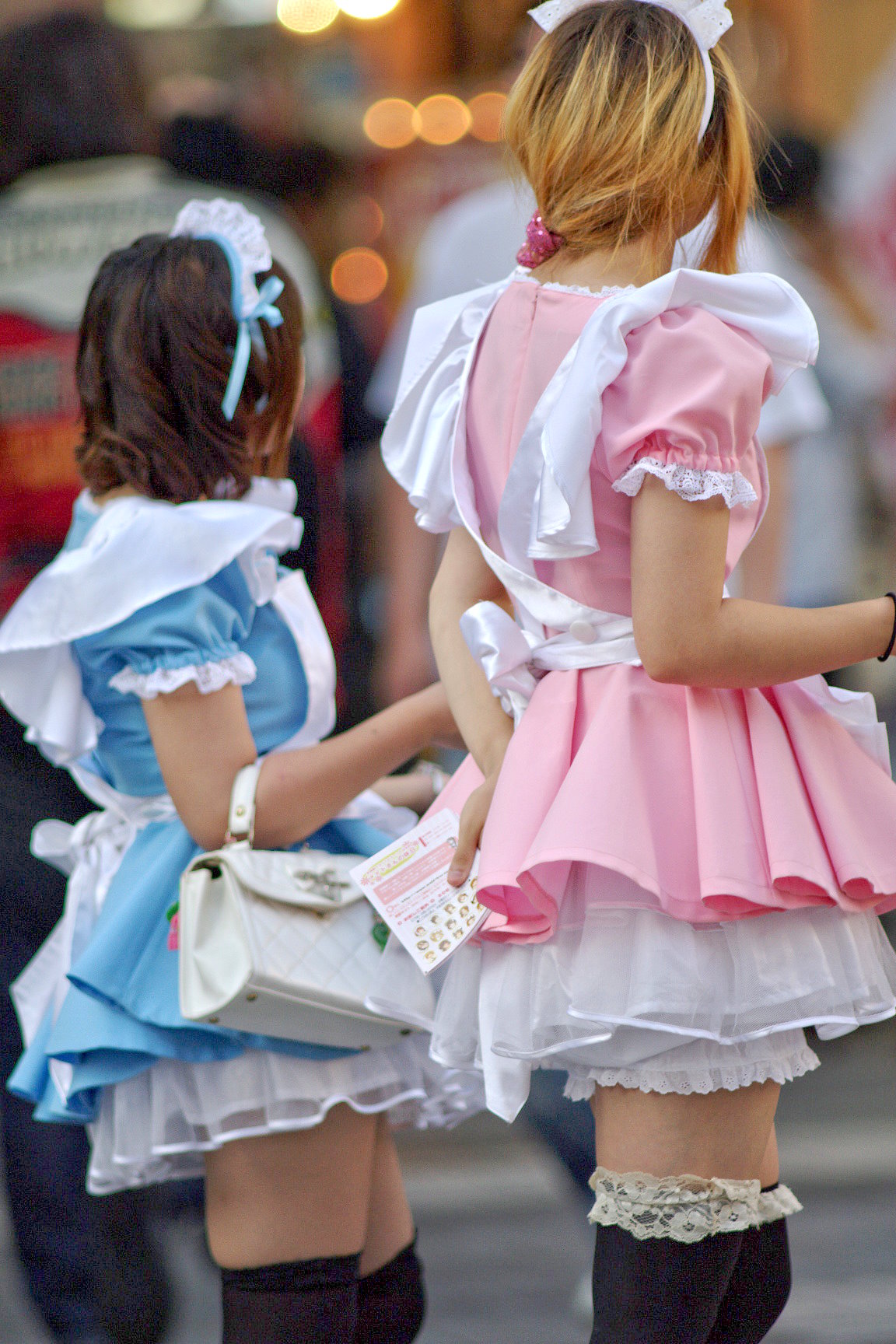
The maid cafe phenomenon is specifically an Akihabara thing. Waitresses dressed in Victorian-maid-style uniforms treat you as the “master” or “mistress” of the house, with in-character service and ritualistic interactions. It is either delightful or deeply uncomfortable depending on your tolerance for performative cuteness.
- @home cafe (¥900 cover + food): The biggest chain. Family-friendly, English-speaking staff, the default “first maid cafe” experience.
- Maidreamin (¥800 cover): Similar vibe to @home, slightly louder and more idol-concert-like.
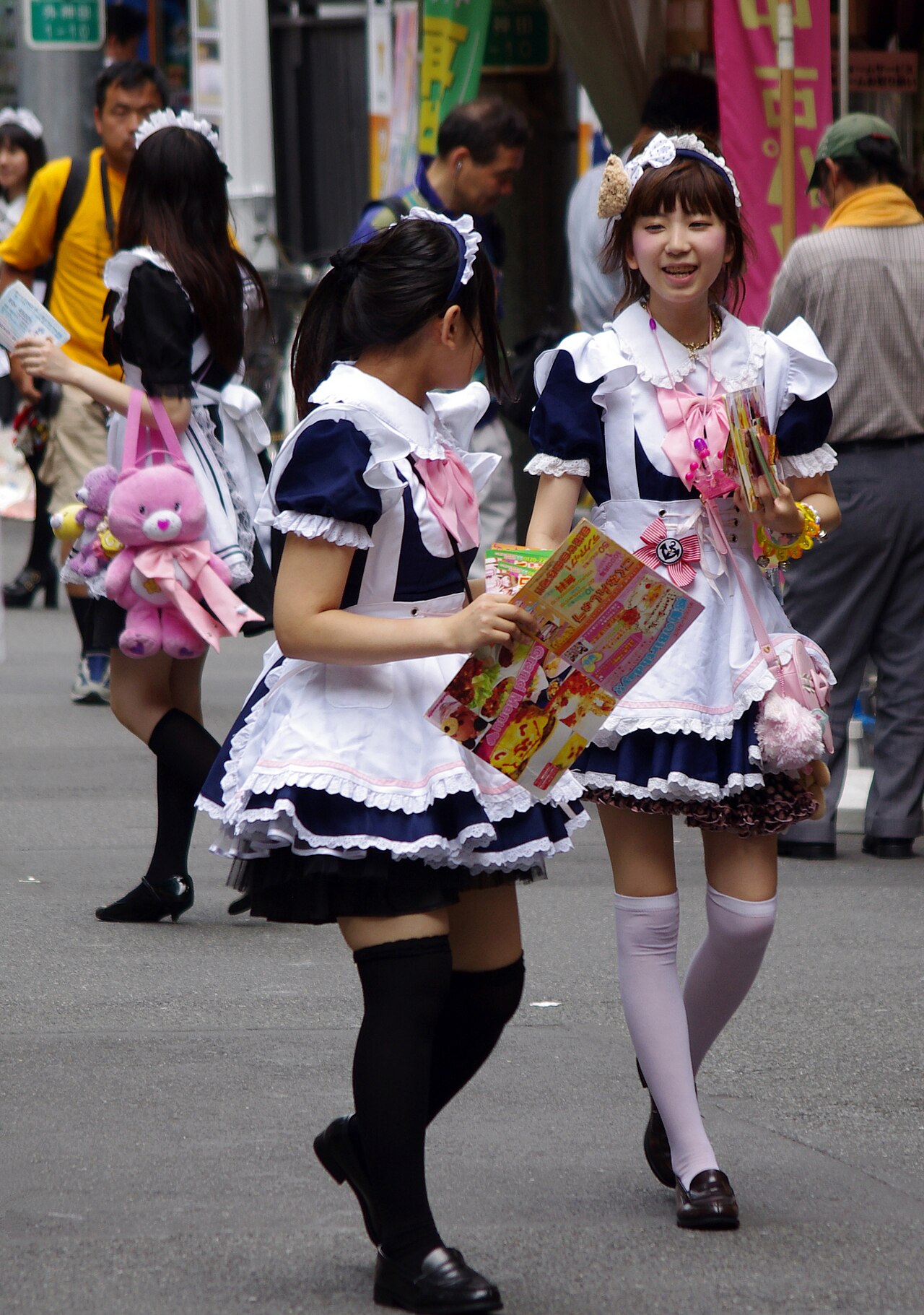
- Avoid street touts. Girls in maid outfits outside the big stores will try to guide you to small places with surprise bills at the end.
The verdict: go once if you’re curious, and go to @home or Maidreamin. Neither is as “authentic” as smaller places, but neither is a scam either.
When should you visit?
Sunday afternoon is the default answer. The main Chuo-dori street becomes pedestrian-only from 1pm to 5pm from April to September (exact dates shift weather-dependent), and the whole neighbourhood takes on a street-festival atmosphere. Street performers come out, cosplayers pose for photos, and the pavement is wide enough to actually walk without dodging other tourists.
Weekdays are quieter but most stores are open full hours (10am–8pm typical). Mid-afternoon weekdays are genuinely pleasant. Evening weekdays get busy with after-work crowds from the surrounding office districts.
Avoid: Friday and Saturday evenings if you can. These are the peak crowds. Also avoid visiting during major anime expo events like Comiket (held twice yearly in Tokyo Big Sight, not Akihabara, but the overflow crowds show up here).
How do you get to Akihabara?
Akihabara Station is a multi-operator hub:
- JR Yamanote Line (green): 4 min from Tokyo Station, 22 min from Shinjuku.
- JR Keihin-Tohoku Line (blue): parallel to Yamanote, faster for trips north or south.
- JR Sobu Line (yellow): east-west route, useful if you’re coming from Chiba or western Tokyo.
- Tokyo Metro Hibiya Line (silver): connects to Roppongi, Ginza, Tsukiji.
- Tsukuba Express: separate station a 5-minute walk away, runs up to Tsukuba.
The JR Electric Town Exit (電気街口, denkigai-guchi) puts you in the heart of the neighbourhood. The Central Exit (中央口, chuo-guchi) is closer to Yodobashi Camera. Both are fine first arrivals.
Where should you eat in Akihabara?
Food in Akihabara has improved significantly in the last decade. The old “anime-themed cafes serving mediocre food” archetype still exists, but there are now genuinely good restaurants operating alongside them.
- Gogyo Akihabara (ramen): Charcoal-style broth, regarded as one of the top 5 ramen shops in central Tokyo.
- Kanda Matsuya (soba): Long-running soba specialist about 8 minutes walk southwest — worth the short trip.
- Kyushu Jangara (tonkotsu ramen): Small chain with a good Akihabara branch. ¥1,000–¥1,200 per bowl.
- Yodobashi Akiba 8F restaurants: Top floor of the Yodobashi building has a proper food court with a dozen options. Not world-class but reliable.
- Pop-up themed cafes: Tie-in cafes for current anime franchises rotate constantly. These can be expensive (¥3,000–¥5,000 per person) and the food is usually ordinary. Go for the experience if you’re a fan of the specific franchise, skip otherwise.
Pro tip: Don’t eat at the maid cafes for the food. The food at @home and Maidreamin is functional at best. Eat elsewhere, go to a maid cafe purely for the show, order a drink, tip out.
Is Akihabara family-friendly?
Mostly yes. The electronics stores, gaming shops, anime merchandise, and even most of the maid cafes are fine for kids. The @home cafe chain specifically markets itself as family-friendly.
Exceptions:
- Adult-oriented stores. Some anime shops have upper floors or back sections dedicated to 18+ content. These are clearly labeled and segregated; children are turned away at the door. Parents should just avoid venturing up to 6F/7F of most shops if travelling with kids.
- Certain side streets. A few of the side alleys west of Chuo-dori have adult-entertainment venues. The main Chuo-dori corridor and the immediate side streets of the big stores are completely fine.
- Late evening. After 9pm the neighbourhood shifts slightly. Not dangerous, but the clientele changes. Daytime is family time.
Is Akihabara safe?
Yes. Tokyo is one of the safest major cities in the world and Akihabara is no exception. There is one specific safety episode worth knowing about: in 2008, Tomohiro Kato killed seven people in a mass stabbing on Chuo-dori. The event led to the temporary suspension of the Sunday pedestrian street, which was reinstated in 2011 after security measures were added. The neighbourhood has not seen anything comparable since, and crime statistics are no higher than central Tokyo averages.
The more realistic concern for tourists is scams, not violence. Street touts in maid outfits trying to guide you to high-cover-charge clubs; shop staff aggressively upselling you on anime merchandise; second-hand game shops pricing items opportunistically. None of these will cost you a lot, but they can add up.
Pro tip: If someone in a costume approaches you on the street offering to show you a “secret” cafe or bar, decline politely and walk on. Legit venues have signs and reviews — they don’t recruit from the sidewalk.
What about Kanda Myojin Shrine?
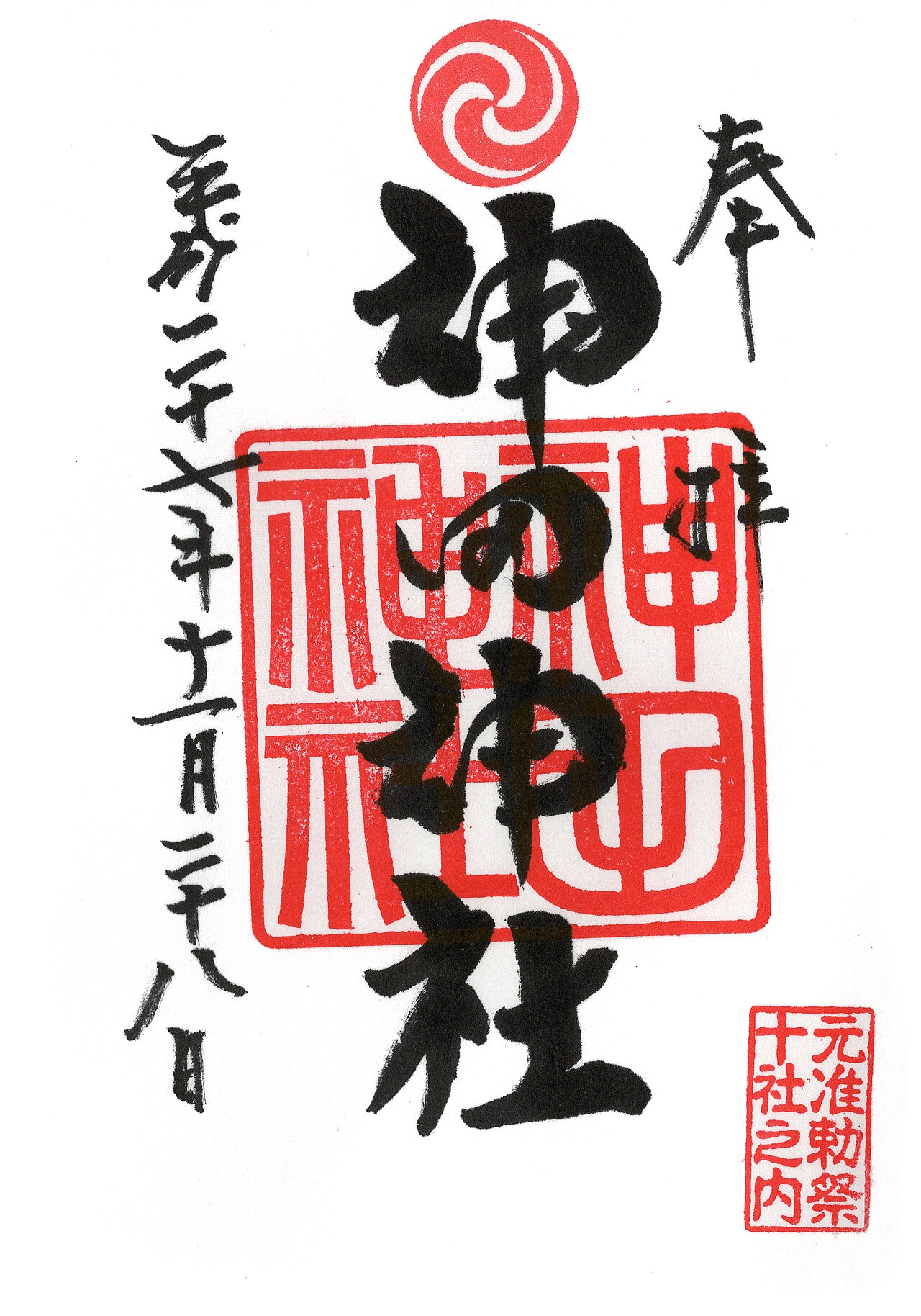
Often missed by visitors who only come for the anime. Kanda Myojin is a working Shinto shrine about 10 minutes walk from Akihabara Station. It has a 1,270-year history and is the traditional guardian shrine for the surrounding neighbourhood — including, now, the Akihabara electronics and IT industry. It is, genuinely, the Shinto shrine where IT workers go to pray for successful product launches, and the shop sells charms specifically for data safety and system stability.
The shrine has leaned into the otaku connection. Recent years have seen official tie-ins with anime like Love Live! (which is partially set in the area) and collaborations with software companies for IT-blessing charms. The combination of 8th-century religious tradition and 21st-century IT culture is one of Tokyo’s most specific cultural artefacts. Worth an hour if you are already in Akihabara.
How does Akihabara fit into the rest of a Tokyo trip?
Akihabara pairs naturally with a few other east-Tokyo destinations:
- Ueno Park (15 min walk north): Major museums, the zoo, spring cherry blossoms, cheaper eats around Ameya-Yokocho market.
- Asakusa (20 min walk or 10 min by train): Senso-ji Temple, Nakamise shopping street, traditional Tokyo atmosphere.
- Jimbocho (15 min walk west): Book district with hundreds of second-hand bookstores. Pairs well with Akihabara for a “print-and-digital” day.
- Okachimachi (5 min walk north): Cheap restaurants, izakaya, and the Ameya-Yokocho market. Good dinner spot after an Akihabara afternoon.
A reasonable day itinerary: morning at Ueno Park and its museums, lunch at Ameya-Yokocho, afternoon in Akihabara, dinner in Okachimachi. That covers one of the most culturally dense areas of Tokyo in about 10 hours of moderate walking.
What has changed recently in Akihabara?
Three shifts worth knowing about:
1. The pandemic weakened the maid cafe ecosystem
A significant number of smaller maid cafes closed permanently during 2020–2022 and did not reopen. The big chains (@home, Maidreamin) are fine. The hyper-local independent cafes are rarer. If you had an old guidebook recommendation for a specific small maid cafe, check online before walking there.
2. The retail scene is consolidating
Several famous independent stores closed in the 2020s: Laox, the legendary electronics chain, is now much smaller. Many smaller anime specialty shops have merged into larger operators. The overall neighbourhood still has enormous density, but the number of distinctive small-shop experiences is down.
3. The tourist demographic is shifting
Pre-2020 Akihabara tourism was disproportionately Chinese, Korean, and other east Asian. Post-pandemic reopening has brought a much larger European and American visitor share. Some stores have responded with better English-language support. A few have gone the opposite direction and stripped out English signage because it’s now assumed tourists will use phone translation apps anyway.
Is Akihabara still worth visiting?
Yes — with one caveat.
If you are interested in anime, manga, games, electronics, idol culture, or any adjacent hobby: absolutely worth a full day. The density of specialty shops is unmatched anywhere else in the world. Even with the recent closures, nothing comes close.
If you have a mild curiosity about “weird Japanese culture” but aren’t specifically a fan of any of the above: a 2–3 hour walk through the main shopping streets, one maid cafe visit, and Yodobashi Camera will cover it. You don’t need to build a day around it.
If you’re exclusively interested in traditional Japanese culture and don’t care about pop culture at all: skip. Akihabara is not going to convert you, and there are better neighbourhoods for your interests.
For related Tokyo reading, our contemporary Japanese graphic design piece covers the parallel visual-culture ecosystem in Ginza and Roppongi, our Robot Restaurant guide covers Tokyo’s other big “weird fun” destination in Shinjuku, and our ganguro fashion guide covers the adjacent Shibuya street-fashion subculture from the same era that Akihabara’s otaku identity solidified.
Bring cash. You will spend more than you planned. Everyone does.