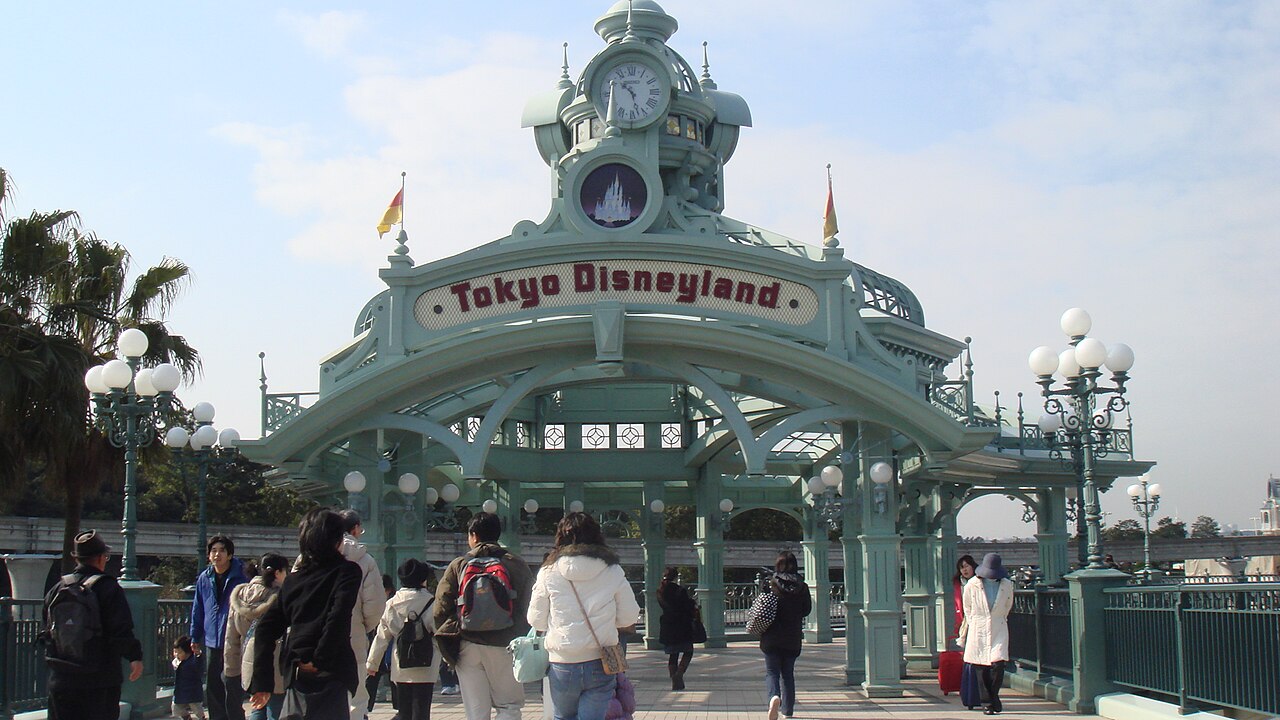
Tokyo Disney Resort is two theme parks sitting next to each other in Urayasu, Chiba Prefecture — about 15 kilometres east of Tokyo Station. Together they consistently rank among the most-visited theme parks in the world, and serious Disney fans will tell you Tokyo is the best Disney experience on the planet. Both claims have some truth to them.
In This Article
- Quick facts at a glance
- What is the Tokyo Disney Resort, actually?
- Tokyo Disneyland vs Tokyo DisneySea — which should you choose?
- Pick Tokyo DisneySea if…
- Pick Tokyo Disneyland if…
- What are the signature rides you should actually prioritise?
- Tokyo DisneySea signature rides
- Tokyo Disneyland signature rides
- How do you get to Tokyo Disney Resort?
- How do tickets and pricing work?
- Premier Access (paid fast pass)
- Standby Pass and 40th Anniversary Priority Pass
- When should you visit?
- Where should you stay?
- Disney-owned hotels (top tier)
- Official Hotels (mid tier)
- Partner Hotels and nearby Maihama hotels (budget)
- What about food at Tokyo Disney?
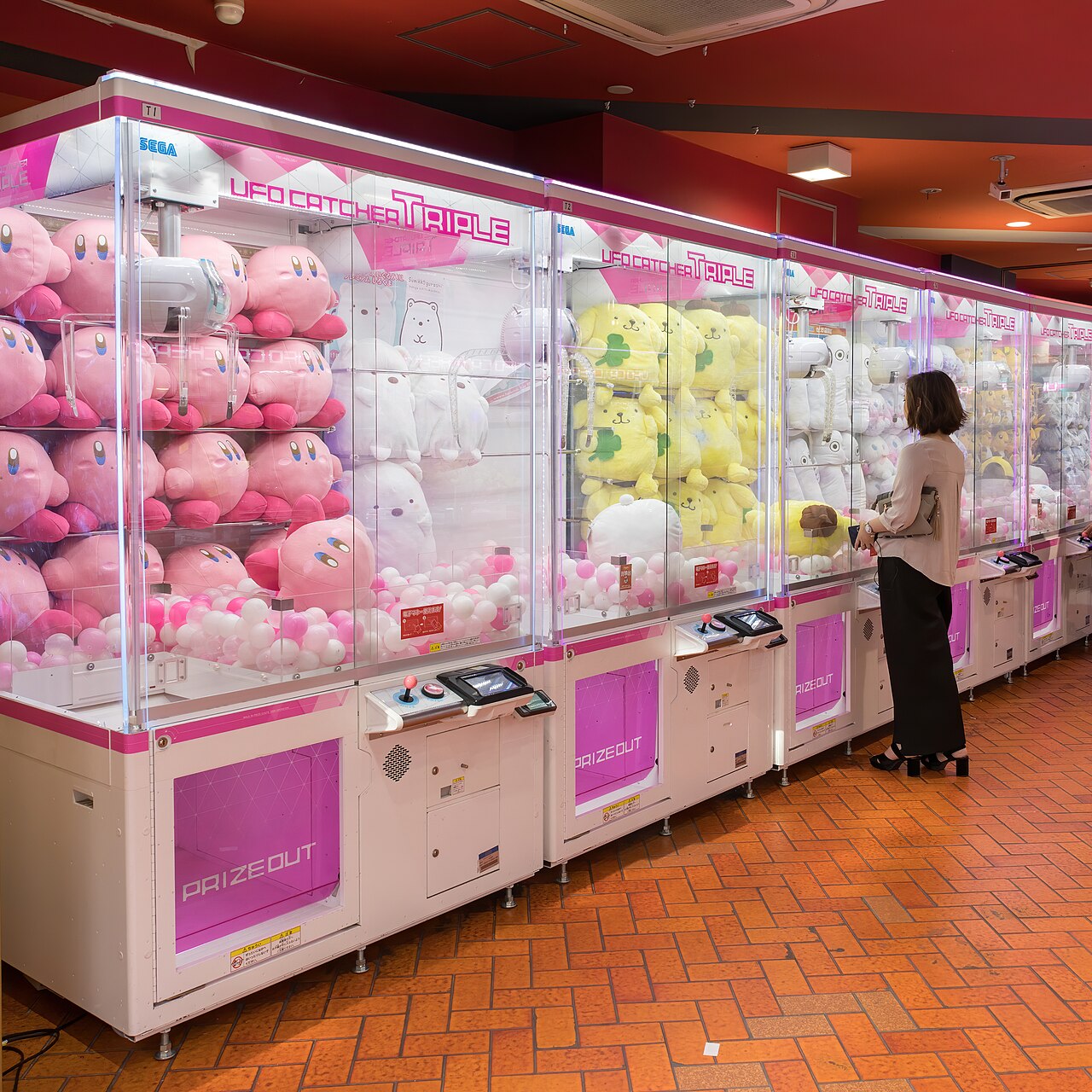
- What about merchandise?
- What’s the deal with the 2024 Fantasy Springs expansion?
- Is Tokyo Disney family-friendly?
- How do you survive a Tokyo Disney day?
- Is Tokyo Disney worth it if you’ve been to other Disney parks?
- Final verdict
What makes Tokyo different from the other Disney parks is a combination of factors: obsessively good maintenance, a local culture that genuinely adores the parks, uniquely high food and merchandise quality, and one park (Tokyo DisneySea) that literally does not exist anywhere else. This guide walks through how to plan, what to prioritise, how to avoid the worst queues, and whether it is actually worth giving two days of your Tokyo trip to.
Quick facts at a glance
- What it is: Two-park resort — Tokyo Disneyland (opened 1983) and Tokyo DisneySea (opened 2001)
- Location: Urayasu, Chiba Prefecture — not technically in Tokyo but 15 min by train from Tokyo Station
- Operator: Oriental Land Company (licensed from Disney)
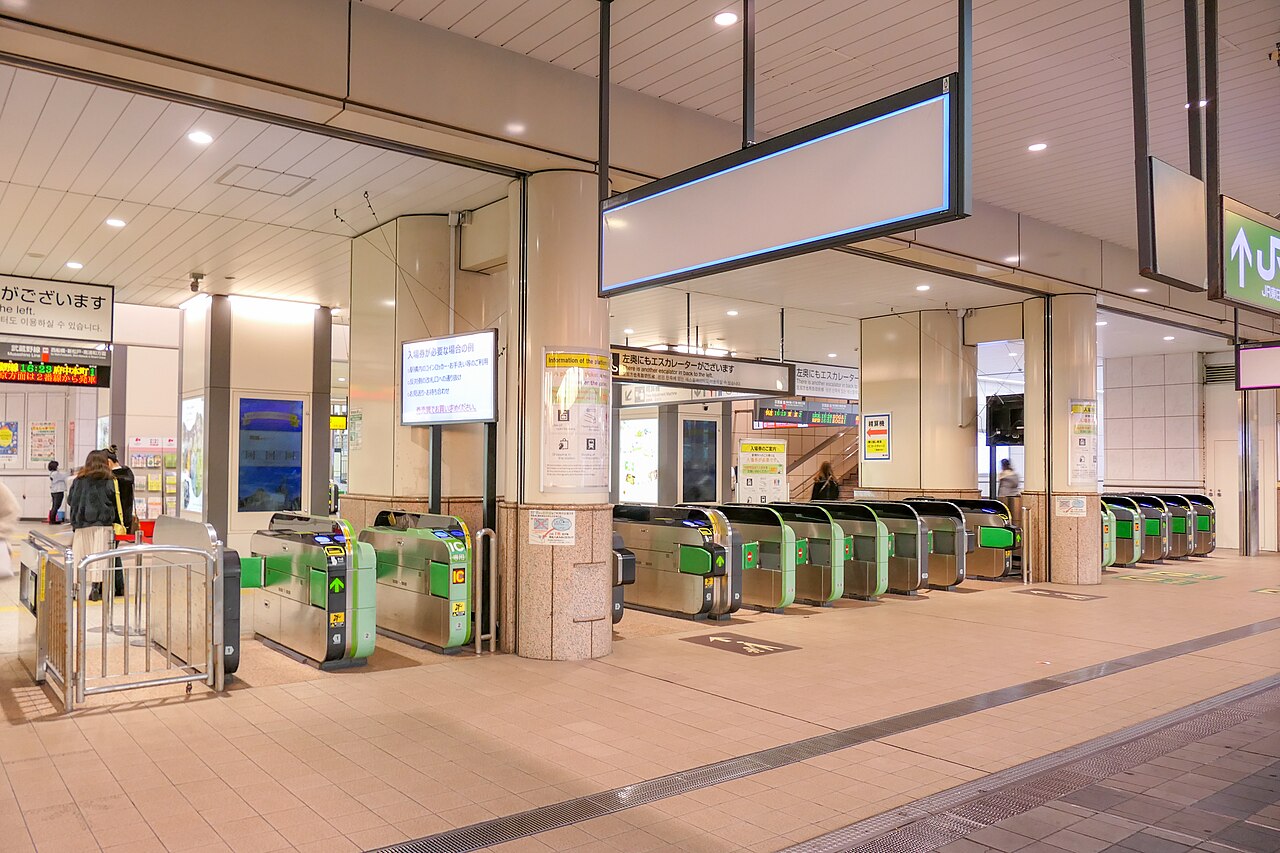
- Nearest station: JR Maihama Station on the Keiyo Line and Musashino Line
- 1-day ticket: ¥7,900–¥10,900 per adult depending on dynamic pricing
- Time needed: One full day minimum per park, two days total for both
- Best park: Tokyo DisneySea for adults and first-timers; Tokyo Disneyland for younger kids and Disney completionists
- 2024 headline: Fantasy Springs expansion opened at DisneySea (Frozen, Peter Pan, Tangled areas)
- Worth it? Yes — probably the best single theme park experience in Asia
What is the Tokyo Disney Resort, actually?
Tokyo Disney Resort is the two-park complex operated by Oriental Land Company under license from The Walt Disney Company. Oriental Land owns the real estate, runs daily operations, and pays Disney for the IP. The arrangement is unique — every other major Disney park is owned outright by Disney. The result is that Tokyo Disney is run with a level of local-market sensitivity and detail-obsession that the US parks can’t match.
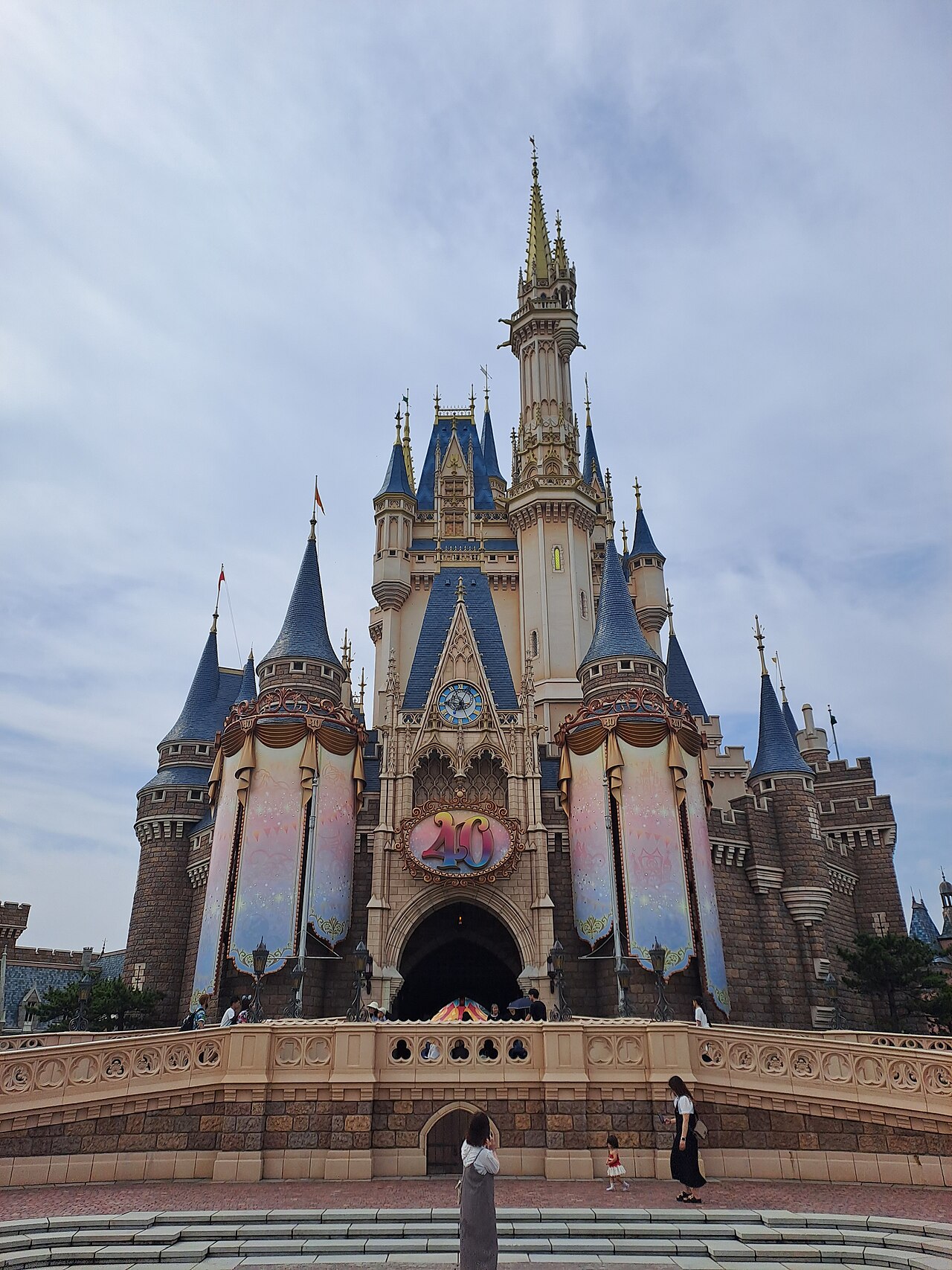
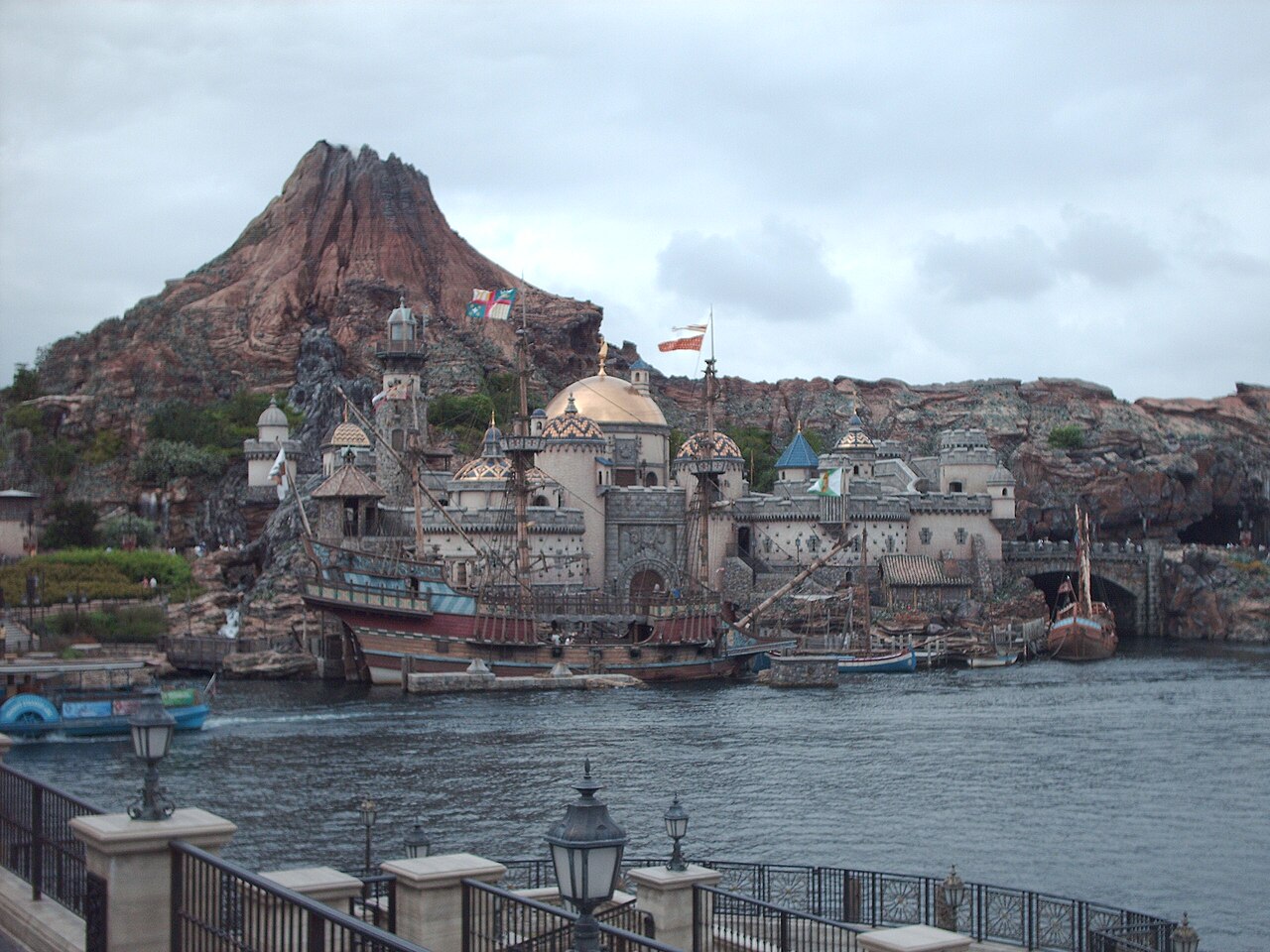
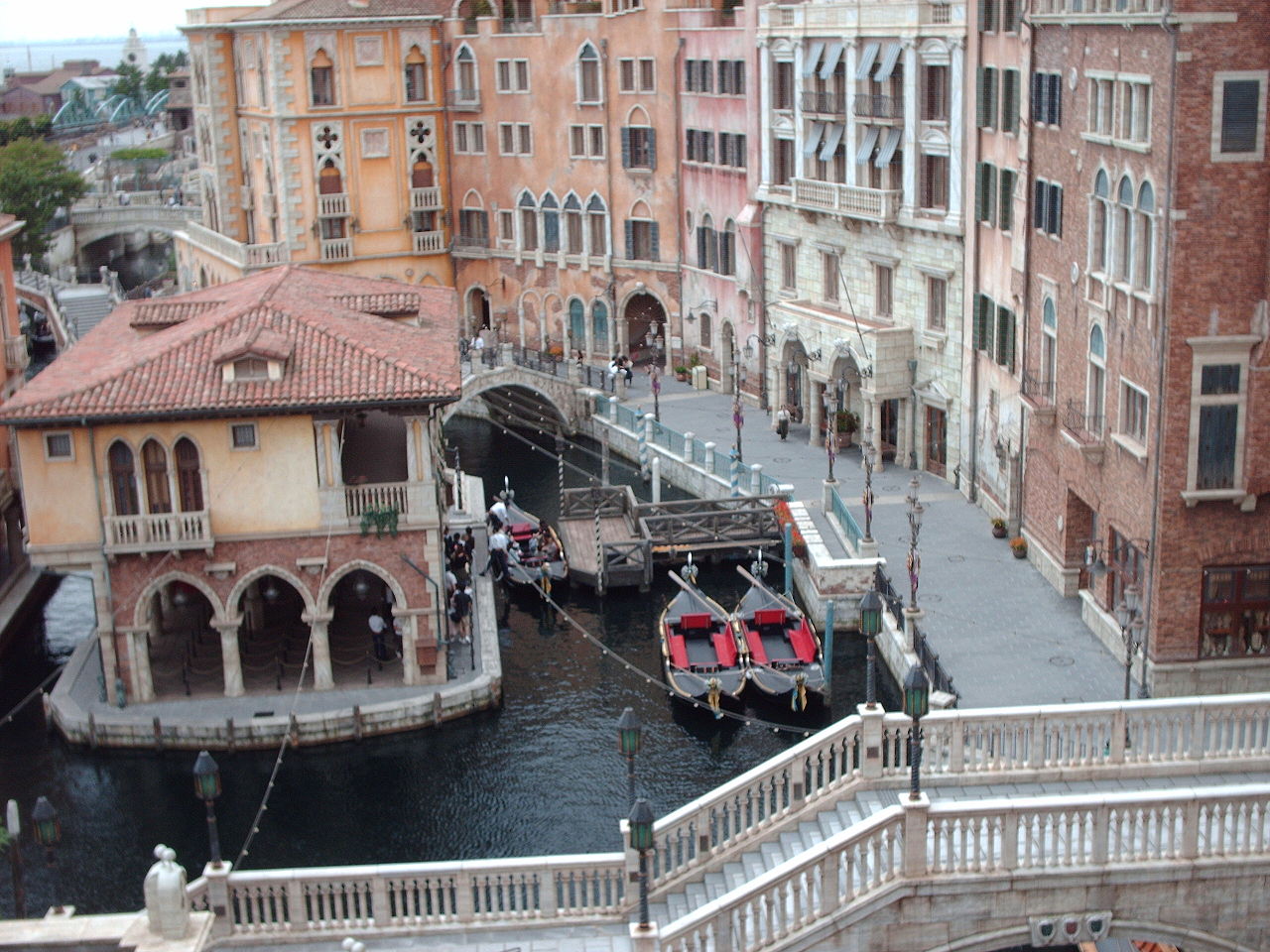
Tokyo Disneyland opened in 1983 as the first Disney park outside the United States. The park is heavily modelled on the US Disneyland layout — Main Street USA, Fantasyland, Tomorrowland — with Japan-specific adaptations. Tokyo DisneySea opened in 2001 and is the only DisneySea in the world. It’s set around a series of themed harbours rather than traditional Disney lands, and has a distinctive adult-friendly aesthetic with alcohol served at restaurants and a darker, more theatrical tone.
The two parks sit next to each other and are connected by the Disney Resort Line — a Disney-themed monorail that circles the resort. A single ticket is valid for one park on any given day. For most visitors, two days (one per park) is the right amount of time.
Tokyo Disneyland vs Tokyo DisneySea — which should you choose?
If you can only visit one, here’s the split:
Pick Tokyo DisneySea if…
- You’re an adult travelling without young kids
- You want the best theme-park dining experience Disney has ever made
- You’ve been to another Disney park before and want something genuinely different
- The Fantasy Springs expansion (2024, covering Frozen, Peter Pan, Tangled) is on your wishlist
- You want to try the signature rides — Journey to the Center of the Earth, Tower of Terror, Soaring: Fantastic Flight
Pick Tokyo Disneyland if…
- You’re travelling with young children (the park is more kid-friendly overall)
- You want the classic Disney castle, parade, and fireworks experience
- You’re a fan of classic Disney characters and specifically want the Tokyo versions
- You’ve already done Tokyo DisneySea on a previous trip
The split in practice: most first-time adult visitors prefer DisneySea. Most families with kids under 8 prefer Disneyland. Both are excellent.
What are the signature rides you should actually prioritise?
Tokyo DisneySea signature rides
- Journey to the Center of the Earth: An Oriental-Land-developed ride that doesn’t exist anywhere else. Dark ride with a launch element. Consistently rated the best dark ride in any Disney park.
- Tower of Terror: The Tokyo version has a completely unique storyline (the Hightower Hotel) distinct from the US Tower of Terror. The drop sequence is randomised.
- Soaring: Fantastic Flight: The Tokyo version of Soarin’, with a unique Italian-Renaissance-inflected story wrapper and its own flight sequence.
- Indiana Jones Adventure: Temple of the Crystal Skull — similar to the Anaheim original but set in a different Indy storyline.
- Sinbad’s Storybook Voyage: Slow-moving boat ride, bright and musical, underrated but beloved. Good for a queue break.
- Anna and Elsa’s Frozen Journey (Fantasy Springs, 2024): The Frozen-themed boat dark ride in the new area.
- Peter Pan’s Never Land Adventure (Fantasy Springs, 2024): Motion-simulator + trackless dark ride hybrid.
Tokyo Disneyland signature rides
- Pooh’s Hunny Hunt: Trackless dark ride with moving honey-pot vehicles. Unique to Tokyo, widely considered one of Disney’s best dark rides ever.
- Monsters Inc. Ride & Go Seek: Unique to Tokyo Disneyland. Interactive shoot-the-targets ride with Monsters Inc. characters. Fun for all ages.
- Big Thunder Mountain: The Tokyo version is the most-maintained of any Big Thunder.
- Haunted Mansion: Transforms into Haunted Mansion Holiday (Nightmare Before Christmas overlay) from September through December each year.
- Beauty and the Beast: Enchanted Tale (2020): Advanced trackless dark ride. Long queues but justified.
Pro tip: On arrival, go immediately to the most popular ride on your list. The first 90 minutes of park opening are your best chance for short waits.
How do you get to Tokyo Disney Resort?
Getting to Maihama Station from central Tokyo is straightforward:
- From Tokyo Station: JR Keiyo Line (~15 min, ¥230)
- From Shinjuku: JR Sobu/Chuo Line to Tokyo Station, transfer to Keiyo (~35 min total)
- From Haneda Airport: Direct Limousine Bus (~45 min, ¥900) or two-transfer train route
- From Narita Airport: Direct Limousine Bus (~60 min, ¥2,000)
- Taxi: Possible but expensive (¥8,000–¥15,000 from central Tokyo)
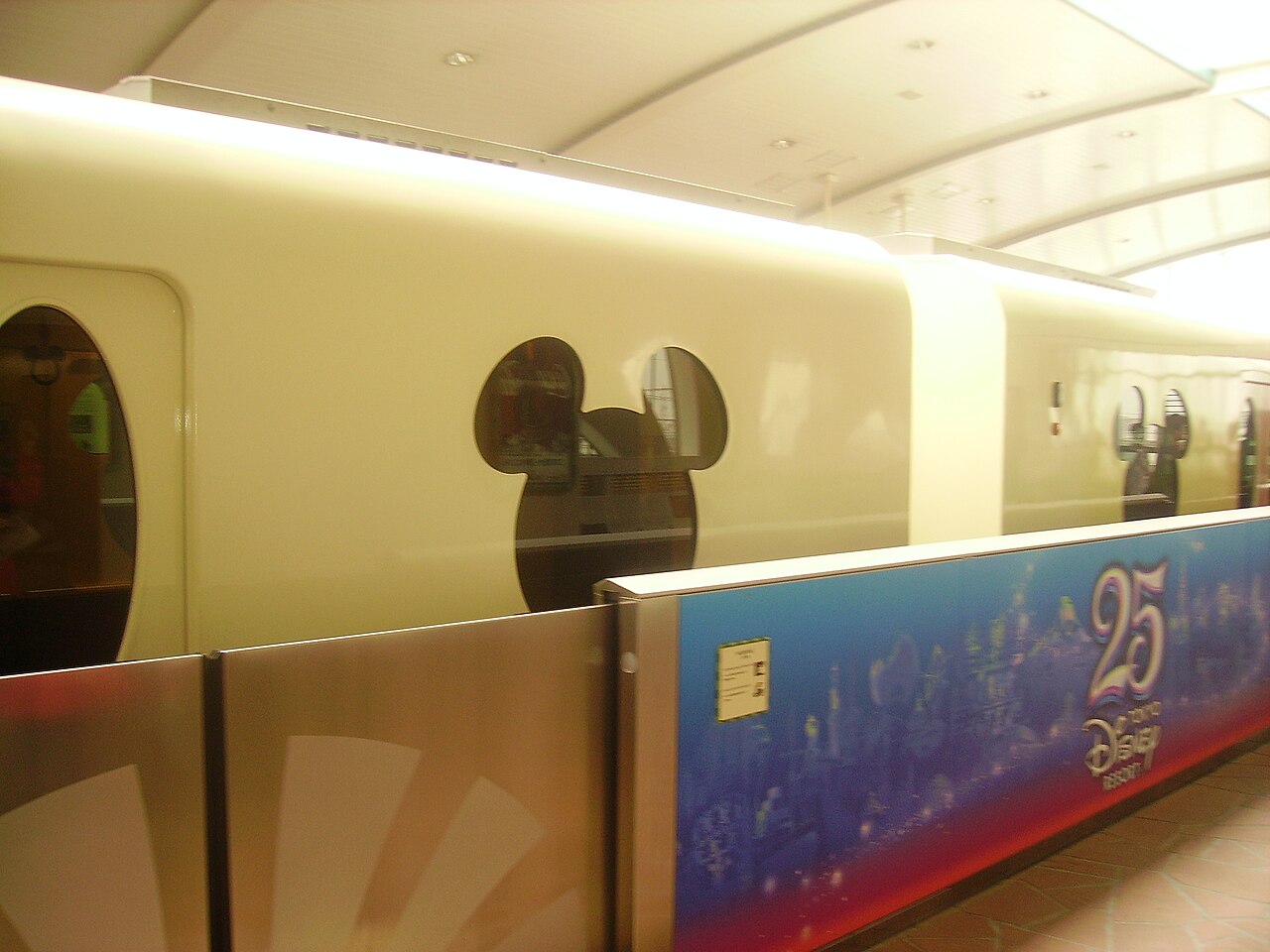
At Maihama Station, the parks are a 5-minute walk to Tokyo Disneyland, or a 10-minute monorail ride (Disney Resort Line, ¥260 single) to Tokyo DisneySea.
Pro tip: The first train from Tokyo Station on the Keiyo Line is around 5:30am. If you’re trying to be first in line on a busy day, catch it. You’ll be at the park gates by 6am for a typical 8am or 9am opening.
How do tickets and pricing work?
Tokyo Disney Resort uses dynamic pricing. A 1-day park ticket costs anywhere from ¥7,900 on a quiet weekday to ¥10,900 on a peak weekend. Multi-day tickets offer modest discounts.
- 1-day passport: ¥7,900–¥10,900 (adult). Single park only.
- 2-day passport: ¥14,800–¥19,800. One park per day.
- Starlight passport: ¥5,000–¥7,500. Valid from 3pm on weekends and 5pm weekdays.
- Park-hopping: Technically not offered. A single ticket is single-park only.
Tickets should be bought in advance through the official Tokyo Disney Resort website or app. Walk-up same-day tickets are often unavailable on busy days. Buying the physical ticket at the gate is discouraged and often impossible.
Premier Access (paid fast pass)
Premier Access is Tokyo Disney’s paid priority queue system. Cost is ¥1,500–¥2,500 per ride depending on the ride. Available via the Tokyo Disney Resort app during your park day. Not every ride offers Premier Access — check the list before you arrive.
Verdict: Premier Access is worth it for the absolute top-tier rides (Fantasy Springs attractions, Tower of Terror, Journey to the Center of the Earth) on busy days. For most visitors on most days, standby queues are workable with careful morning planning.
Standby Pass and 40th Anniversary Priority Pass
Some rides require a free Standby Pass booked through the app — essentially a timed reservation for the standby queue. This is used for the most-overcrowded attractions and is independent of Premier Access. The system changes frequently; check the Tokyo Disney Resort app on the day of your visit.
When should you visit?
Peak season and off-season attendance varies dramatically:
- Avoid: Late March through early May (Japanese Golden Week + cherry blossom + school holidays). July–August (summer break). Late December (Christmas and New Year). All weekends year-round are busier than weekdays.
- Best: Mid-January through mid-February (post-New Year lull). Mid-June (between rainy season and summer break). Early November (between autumn school breaks).
- Weekday mornings generally: Any weekday outside the peak periods is significantly less crowded than a weekend.
Tokyo Disney crowd calendars (tdrexplorer.com, tokyodisneyresort.jp) publish daily crowd predictions months in advance. Consult them before booking. The same ride might be a 20-minute wait on Wednesday and a 180-minute wait on Saturday.
Where should you stay?
Three tiers of hotel accommodation:
Disney-owned hotels (top tier)
- Tokyo Disneyland Hotel: Directly across from the Disneyland main gate. Victorian themed. The most premium option. ¥60,000+ per night.
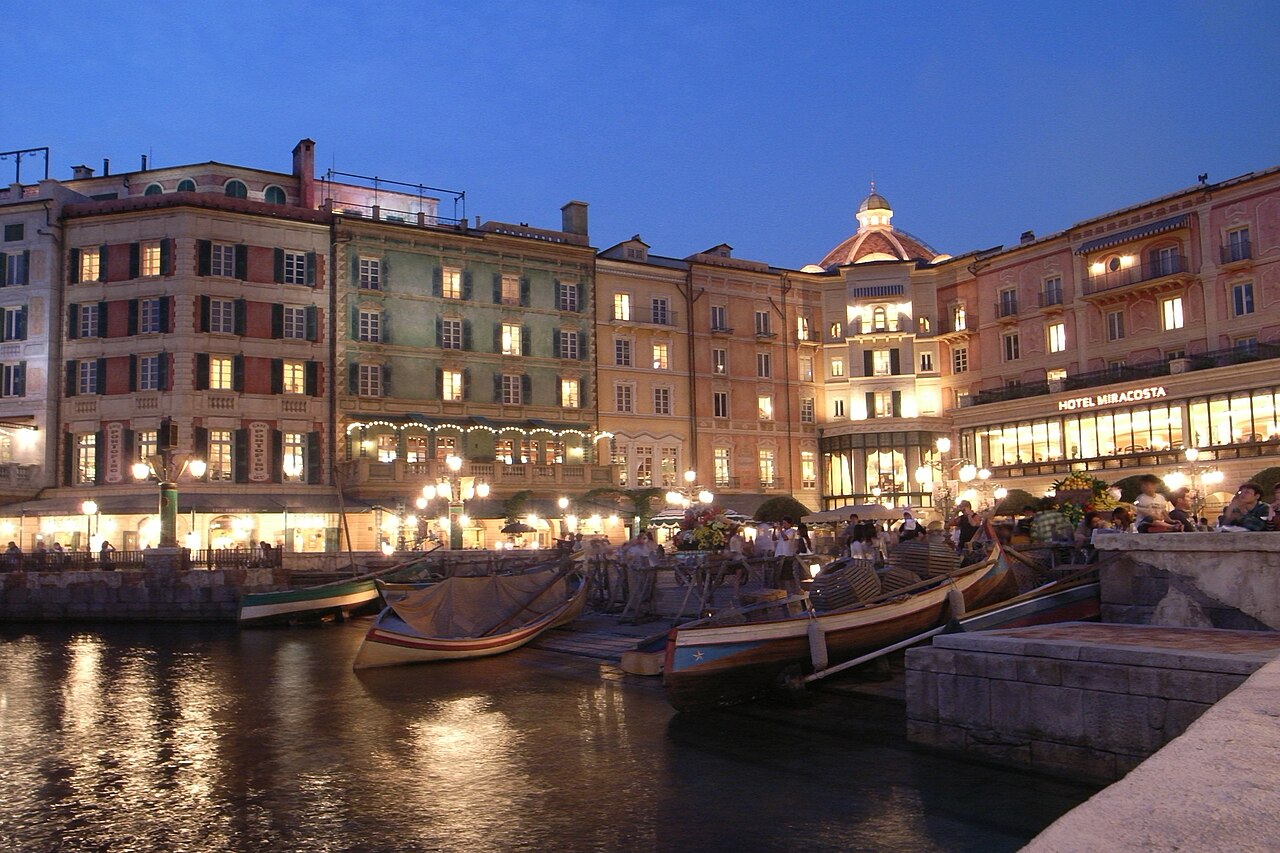
- Tokyo DisneySea Hotel MiraCosta: Inside Tokyo DisneySea with rooms overlooking the Mediterranean harbor. The most famous Disney hotel in the world. ¥70,000+ per night.
- Disney Ambassador Hotel: Between the two parks. Art Deco themed. ¥40,000+ per night.
- Tokyo Disney Celebration Hotel: Shuttle-bus distance from the parks. More budget-friendly at ¥20,000–¥30,000.
- Toy Story Hotel: Newest Disney hotel (2022). Fun themed rooms, shuttle to parks.
Official Hotels (mid tier)
The Official Hotels are six partner hotels connected to the parks by shuttle bus. These include Sheraton Grande Tokyo Bay, Hilton Tokyo Bay, and Tokyo Bay Maihama Hotel Club Resort. Prices ¥25,000–¥60,000 per night. Not Disney-themed but convenient.
Partner Hotels and nearby Maihama hotels (budget)
Several non-Disney hotels in walking distance of Maihama Station offer the cheapest rates — ¥12,000–¥25,000 per night in peak season, cheaper off-peak. No Disney theming, no monorail access included, but shuttle bus access to the parks.
For most visitors: stay at the Disney Celebration Hotel (good value) or one of the Official Hotels (convenience) if it’s in your budget; otherwise pick any Maihama-area business hotel for the cheapest decent rooms.
What about food at Tokyo Disney?
Food at Tokyo Disney is, genuinely, the best theme park food in the world. The fact that this surprises Western visitors is a commentary on how bad most Disney food is elsewhere.
Highlights:
- Popcorn: The flavoured popcorn at Tokyo Disney is a cultural institution. Curry, soy sauce and butter, honey, strawberry, milk chocolate, caramel, salt, garlic shrimp — 8+ flavours rotating across the parks. The buckets themselves are collectible — limited-edition designs sell out within days of release.
- Gyoza dogs: A Tokyo Disney original. Gyoza filling in a bun shape. Far better than it has any right to be.
- Mickey-shaped nearly everything: Mickey pancakes, Mickey waffles, Mickey ice cream, Mickey ham and cheese. The shaping is a running joke that never stops being funny.
- Restaurant dining: Tokyo DisneySea’s Magellan’s (fine dining with alcohol service) and Blue Bayou (Pirates of the Caribbean themed) are proper sit-down restaurants with real food. Reservations essential.
- Alcoholic drinks: DisneySea serves beer, wine, and cocktails. Disneyland does not — it’s officially a family park, and the alcohol-only distinction is one of the most-quoted differences between the two parks.
Pro tip: Make restaurant reservations through the Tokyo Disney Resort app the moment your 1-month booking window opens. Popular restaurants book out within hours.
What about merchandise?
Tokyo Disney merchandise is famously better than anywhere else. Exclusive popcorn buckets, character headbands (matching sets are genuinely cute), seasonal-exclusive plush, limited-edition art prints, and collaborative-brand items with Japanese fashion houses.
Popular items sell out fast. Popcorn buckets in particular are released in limited runs and can resell on secondary markets for 5–10 times retail price. The Tokyo Disney Resort online shop has some items but the majority are park-exclusive.
Pro tip: Hit the merchandise stores during park open or during the evening parade — crowds are thinnest then. Popcorn buckets usually sell out within the first 2 hours of park opening on release days.
What’s the deal with the 2024 Fantasy Springs expansion?
Fantasy Springs opened at Tokyo DisneySea in June 2024 as a major new themed area covering three Disney IPs: Frozen, Peter Pan, and Tangled. The expansion cost Oriental Land Company reportedly over $2 billion USD and added four new attractions, multiple restaurants, a luxury hotel (Fantasy Springs Hotel), and new shops.
It is the single largest expansion in Tokyo Disney Resort history, and the ride quality is excellent — the Peter Pan and Frozen attractions are both genuinely state-of-the-art dark rides. The theming is obsessive even by Tokyo Disney standards.
Visiting Fantasy Springs requires a Standby Pass reservation through the app for entry into the area. Walk-up access is blocked on most days. Book your Standby Pass the moment you enter the park gates — slots run out within 30–60 minutes.
Is Tokyo Disney family-friendly?
Yes, extraordinarily so. Both parks are set up for young children with stroller rental, baby centres, family restrooms, and a culturally-ingrained expectation that children are welcome everywhere. Japanese families with infants and toddlers are common park visitors; you will not feel out of place.
- Stroller rental: Available at both parks entry. ¥1,000 per day.
- Baby centres: Indoor nursing rooms with changing tables, microwaves for warming food, and hot water for formula.
- Height requirements: Most rides are accessible for kids over 81cm or 102cm depending on the ride. The Kiddie Ride section at Disneyland has no height requirements.
- Disabled access: Tokyo Disney has a well-developed accessibility system including a Disability Access Service (DAS) equivalent. Contact Guest Relations on arrival.
How do you survive a Tokyo Disney day?
Practical tips from the working playbook:
- Arrive 30 minutes before park opening. The queue to get in forms well before the gates open. Arriving late on a busy day can cost you 60 minutes of early-morning low-queue time.
- Get the Tokyo Disney Resort app before you arrive. It handles tickets, Premier Access, Standby Pass, restaurant reservations, and the park map. Offline map mode works for navigation.
- Portable battery: You will use the app constantly. Bring a power bank with you.
- Wear comfortable shoes. 20,000+ steps a day is typical. Do not wear new shoes.
- Water bottle: Refill stations are available. Save ¥200 per refill.
- Plan your rides in rough order: Go to the most-popular ride first (which is probably Fantasy Springs or Tower of Terror), then work through your list anticipating that queues will build through the morning.
- Take lunch at 11am or 2pm: The noon–1pm restaurant peak is worth avoiding. An earlier or later lunch saves 30+ minutes of queue time.
- Parade and fireworks: Good spots fill up 90 minutes in advance on busy days. Decide whether you care enough to camp a spot.
Is Tokyo Disney worth it if you’ve been to other Disney parks?
Yes, especially DisneySea.
The core Tokyo Disneyland experience overlaps significantly with US Disneyland and Paris Disneyland — same castle, similar rides, familiar characters. You can enjoy it but there’s less novelty.
Tokyo DisneySea is another matter. It doesn’t exist anywhere else. The layout, the themed harbours, the adult-friendly tone, the unique rides, the Fantasy Springs 2024 expansion — none of this has a counterpart at other Disney resorts. Even diehard Disneyphiles who’ve been to every other Disney park rate DisneySea as a distinct experience.
If you have one day: DisneySea. If you have two days: one at each park. If you’re a Disney super-fan with unlimited time: three or four days covers everything including Fantasy Springs, the evening shows at both parks, and proper restaurant dining.
Final verdict
Tokyo Disney Resort is the best theme park experience in Asia and, depending on who you ask, the best theme park experience in the world. It’s expensive (¥30,000+ per person per day including transport, tickets, food, and merchandise) and logistically demanding, but the quality justifies the investment.
The single best move you can make is to visit DisneySea specifically. The Fantasy Springs expansion is a genuinely great piece of theme park design, Journey to the Center of the Earth and Tower of Terror are among the best dark rides in any Disney park, and the adult-friendly tone makes for a more varied day than the classic US-style Disneyland experience.
Plan at least two weeks in advance for tickets, hotels, and restaurant reservations. Arrive at park opening. Accept that some queues will be long and make peace with it. The rest sorts itself out.
For more Tokyo trip planning, our Haneda Airport guide covers the arrival logistics (Limousine Bus goes directly to the Disney hotels), our Tokyo Metro guide will help you reach Maihama Station from your central Tokyo hotel, and our Ueno guide is a solid half-day option if you want to see traditional Tokyo before or after your Disney visit.