
In July 2025, a political party that most observers had dismissed as a YouTube fringe movement won meaningful seats in Japan’s upper house election. Sanseito (参政党), founded in 2020 with a “Japan First” slogan, broke from a handful of lawmakers into a national political force on the back of anti-immigration and anti-foreigner rhetoric that would have seemed impossible in Japanese politics five years earlier.
In This Article
- Quick facts at a glance
- What is Sanseito?
- What are Sanseito’s actual policies on foreigners?
- On immigration
- On foreign-born crime
- On tourism specifically
- On agricultural self-sufficiency
- Why is this happening now?
- 1. Record tourism pressure
- 2. Weak yen and visitor spending asymmetry
- 3. Immigration growth beyond tourist visas
- 4. Social-media amplification
- What does the mainstream political response look like?
- Tourist tax increases
- Accommodation tax expansion
- Foreign-driver-licence restrictions
- Dual-pricing formalisation
- Tour-bus and tour-group channeling
- What does this mean for the broader political picture?
- 1. Japan’s political centre has shifted
- 2. Anti-foreigner rhetoric has become electorally viable
- 3. The split isn’t yet racial-coded
- How is this playing in urban vs rural Japan?
- What does this mean for tourists specifically?
- Short term (2025-2026)
- Medium term (2026-2028)
- Long term (2028+)
- How should visitors respond?
- 1. Respect the host-country politics
- 2. Don’t pre-emptively change plans
- What are the parallel movements to watch?
- What could go wrong?
- What’s the cultural context here?
- Final take
The result was a specific kind of political earthquake. Japan’s political establishment — Liberal Democratic Party (LDP) plus Komeito coalition, opposition parties including Constitutional Democrats and Japan Innovation Party — has largely avoided nationalist-populist rhetoric for most of the post-war period. Sanseito’s rise indicates that template is breaking. This guide walks through what’s happening, how it connects to overtourism and foreign-worker issues, and what it might mean for visitors to Japan in the coming years.
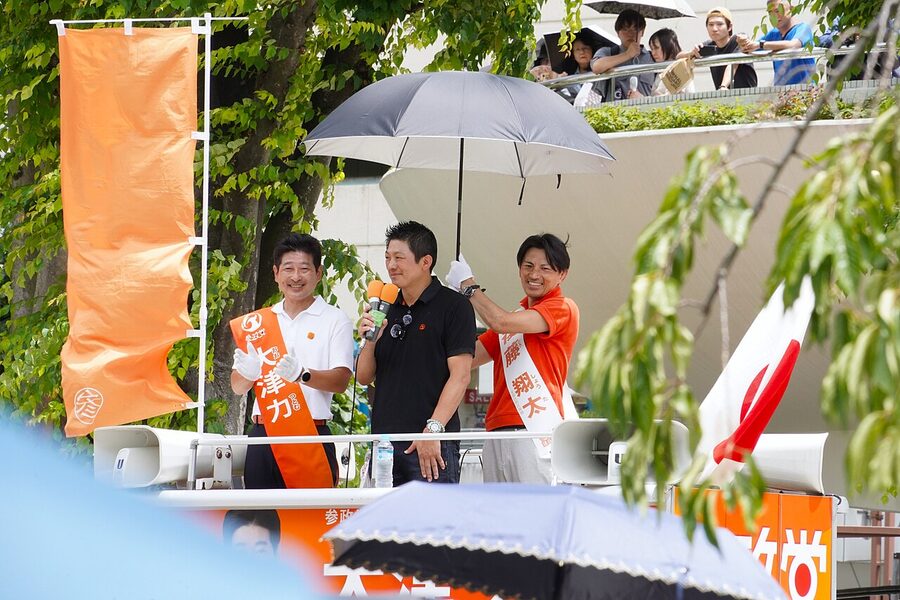
Quick facts at a glance
- Party: Sanseito (参政党), founded 2020
- Leader: Kamiya Sohei
- Core slogan: “Japan First” (日本第一主義, Nihon Daiichi Shugi)
- Core policies: Anti-immigration, anti-globalization, agricultural self-sufficiency, traditional-culture preservation, anti-vaccine, anti-LGBT, anti-nuclear
- Demographics: Polls strongest with men 30–50, heavy social media presence
- Pre-2025 seats: 5 lawmakers in the Diet (mostly via defection from other parties)
- July 2025 upper house election: Significant gains — specifics below
- Tourism impact: Rhetorical rather than concrete so far, but mainstream parties are responding
- What to watch: Tourism tax increases, visa policy changes, dual-pricing formalisation, rural foreign-worker restrictions
What is Sanseito?
Sanseito (literally “The Party for Citizens Participating in Politics”) launched in 2020 as a YouTube-based political movement. The party built its initial audience through online videos covering anti-globalist themes, vaccine skepticism, traditional-Japan cultural preservation, and opposition to the LDP-Komeito establishment. For three years the party had essentially zero mainstream visibility and single-digit polling numbers.
By 2023 the party had recruited enough defecting lawmakers from other parties to reach five Diet seats. By 2024 the social-media audience had grown substantially. By the July 2025 upper house election, the party was polling ahead of several established opposition parties and running candidates nationwide.
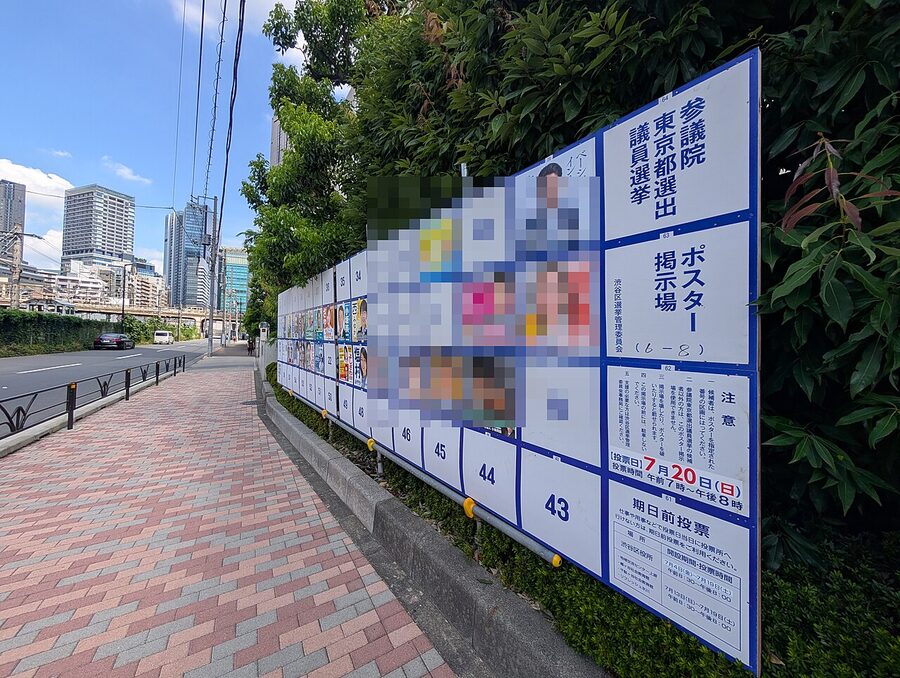
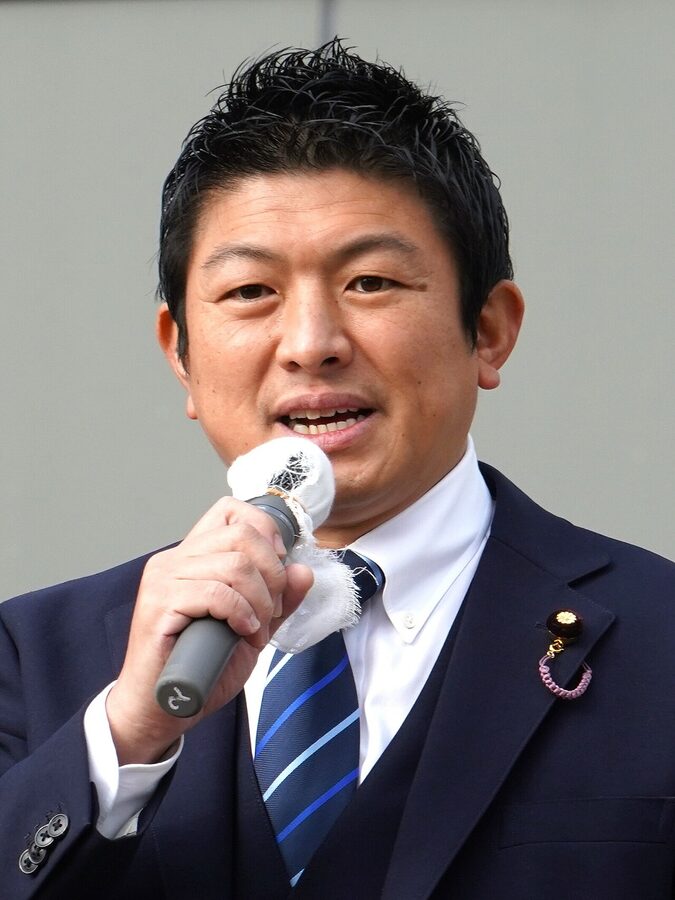
The party leader, Kamiya Sohei, has become a recognisable political figure through Foreign Correspondents Club of Japan press events, TV panel appearances, and a sustained YouTube content operation. Thisanka Siripala at The Diplomat covered the party’s July 2025 campaign in detail, documenting Kamiya’s public positioning on immigration, agriculture, and the LDP’s perceived failures.
What are Sanseito’s actual policies on foreigners?
The party’s positions have shifted somewhat as it has grown — early rhetoric was more openly exclusionary, later-2025 framing emphasised “legal foreigners welcome, illegal foreigners restricted” distinctions. The core elements:
On immigration
Sanseito opposes increased immigration as a response to Japan’s demographic challenges. Kamiya has argued that Japan’s falling birthrate should be addressed through robotics, automation, and AI investment rather than through foreign-labour imports. The party specifically opposes the current Specified Skilled Worker (SSW) and Technical Intern Training (TITP) programs that bring tens of thousands of foreign workers annually into Japan’s agriculture, construction, nursing, and hospitality sectors.
On foreign-born crime
The party has made public statements linking foreign residents to criminal concerns — specifically, claims that foreign workers leaving assigned workplaces turn to pickpocketing, theft, or organized crime. Kamiya stated at the July 3, 2025 FCCJ press conference that Japan needs “tougher policing and regulation” of foreigners. Japanese crime statistics actually show foreign-born residents committing crime at rates slightly below the general population, but the narrative has taken hold politically regardless.
On tourism specifically
Sanseito has been less specific on tourism policy than on immigration policy. The party’s rhetoric about “protecting Japan” has been picked up by parts of the tourism industry debate — tourist tax increases, dual-pricing debates, and foreign-driver-licence restrictions have all been discussed in terms that align with Sanseito framing, even when Sanseito itself hasn’t proposed them directly.
On agricultural self-sufficiency
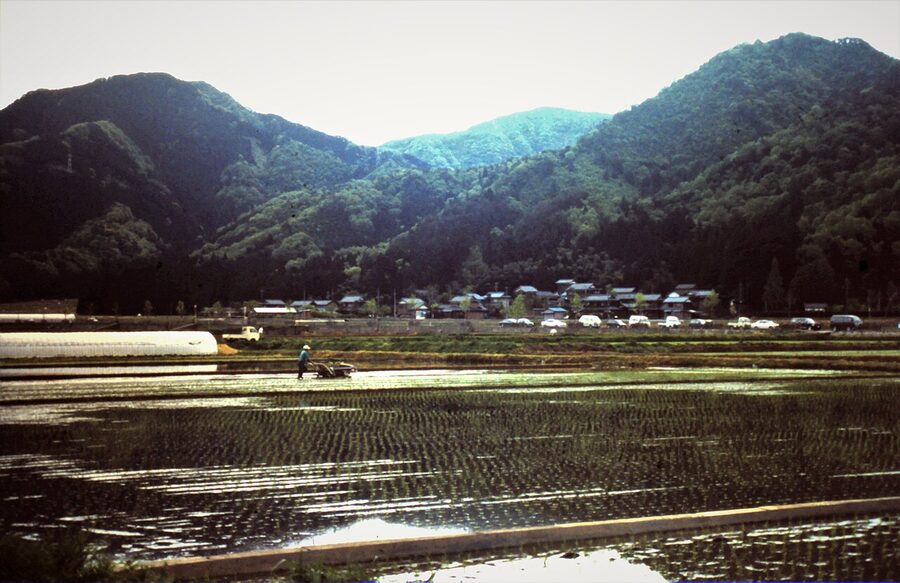
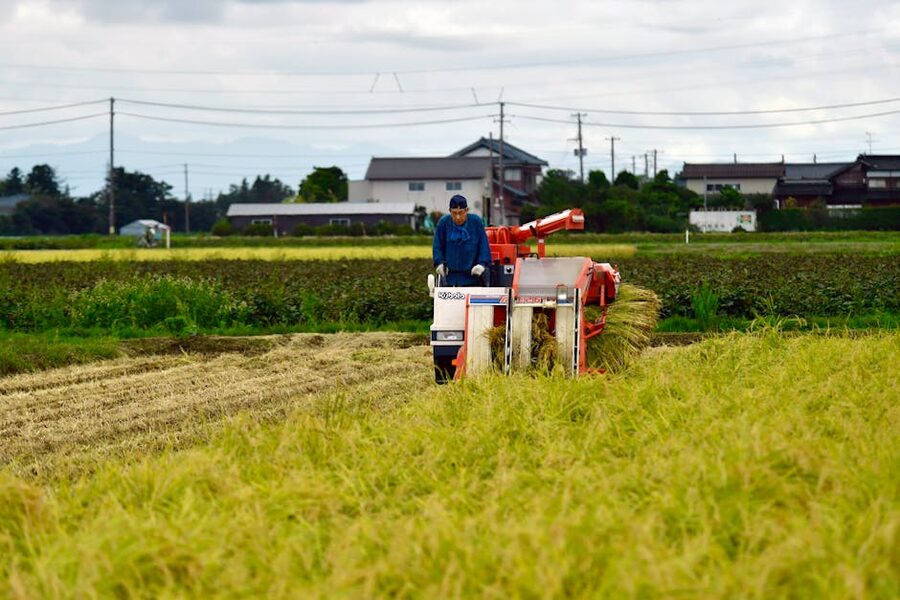
A signature policy: a proposed 10 trillion yen investment over 10 years to double Japan’s food self-sufficiency rate, which is currently 38% — one of the lowest in the OECD. Farmers would be reclassified as public-sector workers. Every municipality would maintain a year-long emergency food reserve by 2030. Organic farming expanded. Traditional cuisine integrated into school lunches. This isn’t directly a foreigner policy but it’s framed as reducing dependence on external inputs — a form of national-autonomy politics.
Why is this happening now?
Four overlapping factors:
1. Record tourism pressure
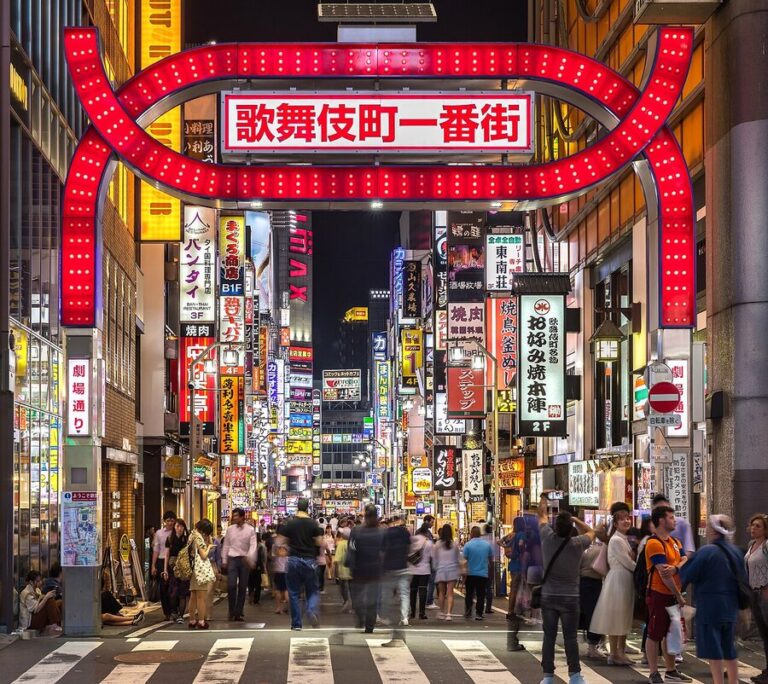
Japan’s 2024 visitor count of 36.9 million was an all-time high. The 2025 numbers have continued to climb. Specific locations — Kyoto, Mt Fuji, central Tokyo — are visibly stressed. Our Mt Fuji overtourism piece covers one specific flashpoint; the political narrative generalises from examples like the Fuji Lawson fence.
2. Weak yen and visitor spending asymmetry
The yen has weakened substantially against the US dollar and Euro over 2022–2025. Foreign visitors now get significantly more for their currency than they did five years ago. Japanese residents experience this as foreigners buying up hotel rooms, restaurant seats, and train tickets at prices locals increasingly can’t afford. Our weak yen tourism surge article covers the economic context.
3. Immigration growth beyond tourist visas
Japan’s foreign-resident population has grown from 2.3 million (2015) to roughly 3.7 million (2024) — the fastest growth in post-war history. The Specified Skilled Worker program alone brought in nearly 250,000 foreign workers between 2019 and 2024. For a country where foreign-born residents were historically around 1.5% of the population, the shift to 3%+ is genuinely visible in daily life, particularly in rural areas that had almost no foreign residents before.
4. Social-media amplification
Specific tourist incidents — viral videos of foreigners behaving badly, viral photos of overcrowded viewpoints, viral news stories about the Fuji Lawson fence — have circulated heavily on Japanese Twitter and TikTok. The media ecosystem rewards the most dramatic examples, which amplifies the political narrative beyond the base-rate reality.
What does the mainstream political response look like?
The LDP and other established parties have responded to Sanseito’s rise by absorbing some of its framings while distancing themselves from the more extreme rhetoric. Specific policy directions now under active consideration:
Tourist tax increases
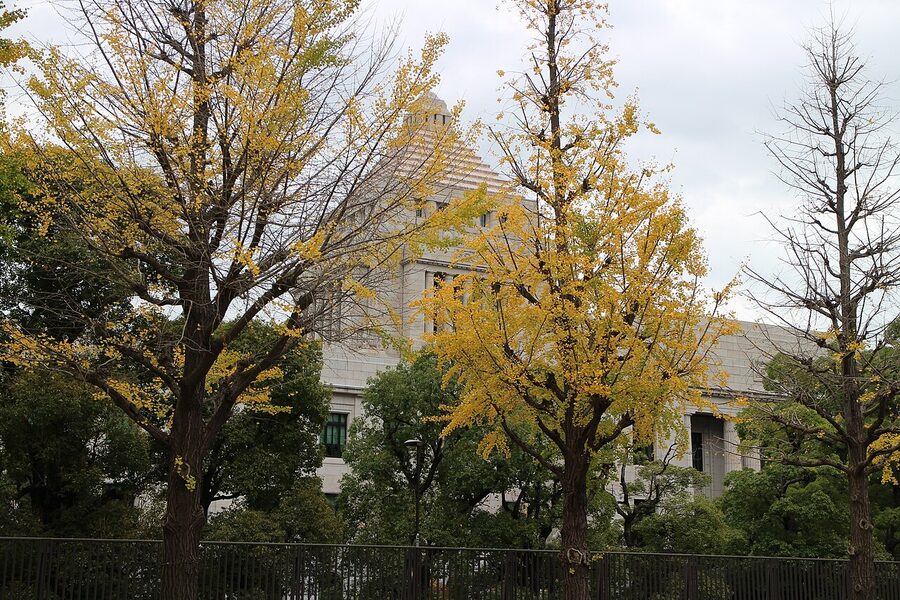
The existing departure tax (International Tourist Tax, ¥1,000 per person since 2019) is under review. Proposals range from ¥3,000 to ¥5,000 per departure, with revenue earmarked for tourism infrastructure and local-government payments to affected communities. Timing: possible introduction 2026-2027.
Accommodation tax expansion
Currently local prefectures can levy accommodation taxes at their discretion. Tokyo’s is ¥200 per night for hotels ¥10,000+. Kyoto introduced a graduated tax in 2018 and raised it in 2024. Osaka is considering a new tax. The trend is toward normalisation of per-night accommodation taxes at ¥200–¥1,000 depending on price tier.
Foreign-driver-licence restrictions
In 2025, Japan’s National Police Agency announced changes to the foreign-driving-licence conversion process, making it more difficult for short-term residents to get Japanese licences. Rental car usage by foreign tourists has been subject to increased regulatory friction. Specific details continue to shift.
Dual-pricing formalisation
Some attractions, restaurants, and ryokan already charge different prices for Japanese residents versus foreigners. Our dual pricing debate piece covers this in detail. Political pressure for formalising dual pricing nationally has increased but the government has been cautious given the precedent it would set.
Tour-bus and tour-group channeling
Some popular destinations are considering channeling foreign tour groups to specific routes, times, or parking areas to reduce their impact on residents. Kyoto has experimented with this. National-level frameworks are under discussion.
What does this mean for the broader political picture?
Three observations:
1. Japan’s political centre has shifted
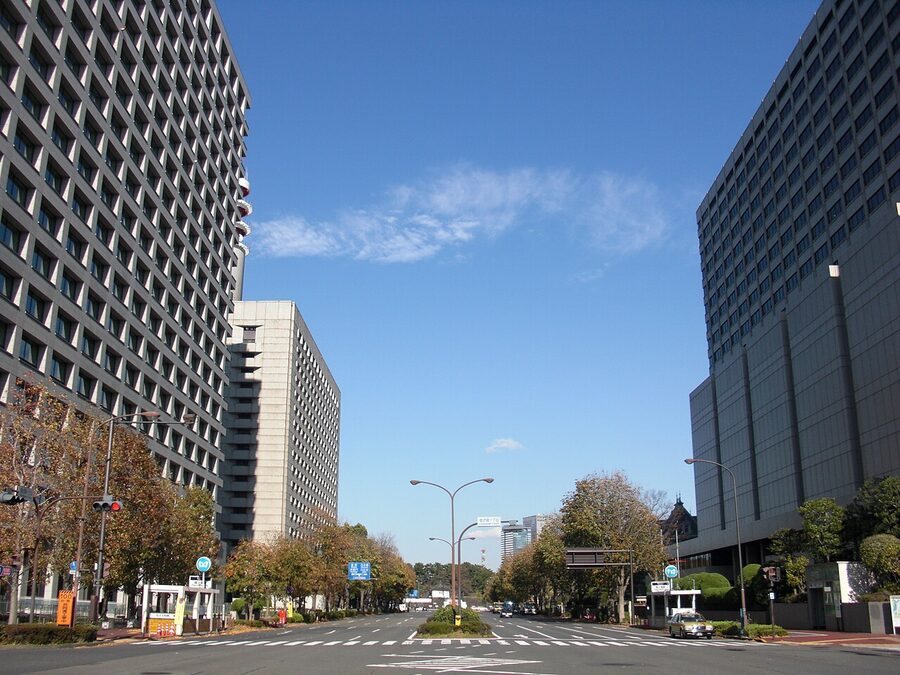
The LDP under Prime Minister Ishiba (as of 2025) is now discussing policies that would have been considered far-right five years ago. Visible acknowledgment of “foreign problems” from mainstream politicians is now politically safe in a way it wasn’t before Sanseito’s rise.
2. Anti-foreigner rhetoric has become electorally viable
Sanseito’s 2025 election results demonstrated that a party can win meaningful Japanese votes on explicitly anti-immigration platforms. This electoral fact is more important than any specific Sanseito policy — because it changes how every other party approaches the issue in the next election cycle.
3. The split isn’t yet racial-coded
Japanese anti-foreigner politics is currently coded as anti-foreign-resident and anti-foreign-worker rather than anti-specific-ethnicity. Sanseito’s rhetoric largely targets “foreigners in Japan” as a category rather than specific groups. This is different from European or North American analogues where anti-immigration politics has often been racially-specific from the start.
How is this playing in urban vs rural Japan?
Divergent. Urban Tokyo, Osaka, and Kyoto residents have daily contact with foreigners and tend toward “managed tolerance” rather than outright opposition. Rural prefectures with rising foreign-worker populations often show stronger Sanseito support — places where the demographic shift is more visible and the cultural adjustment is more difficult.
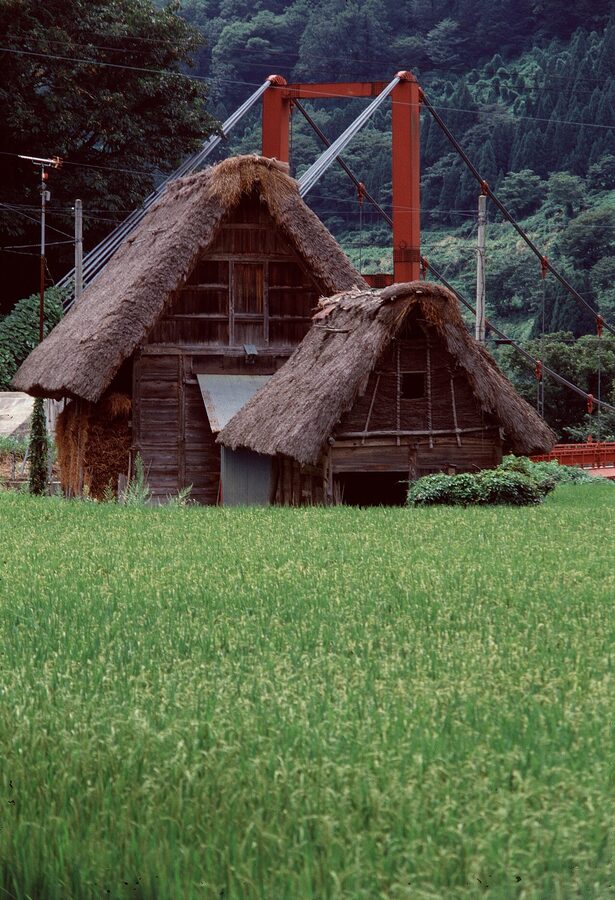
The specific Sanseito strongholds in the July 2025 election were regional seats in central Japan rather than metropolitan Tokyo constituencies. This matches the European pattern where nationalist-populist parties build strength in areas with recent immigration growth and economic insecurity, not in the cosmopolitan centres that have been multicultural for generations.
What does this mean for tourists specifically?
Practical effects on current tourism:
Short term (2025-2026)
- Tourist tax increases: Expect the departure tax to increase from ¥1,000 to ¥3,000–¥5,000 within 2–3 years.
- Accommodation tax increases: Tokyo, Kyoto, Osaka all likely to raise per-night taxes.
- Overtourism management: More fences, caps, and restrictions at specific flashpoint locations (Mt Fuji, Kyoto Gion, Tsukiji Outer Market).
- Driver-licence friction: Renting a car in Japan is becoming marginally harder for short-term visitors.
Medium term (2026-2028)
- Possible visa policy tightening: Short-stay visa-free access for Western passports has been stable for decades but is now politically reviewable.
- Dual-pricing normalisation: More attractions likely to formalise different prices for foreigners vs residents.
- Tour-group restrictions: Specific destinations may require guided-tour channeling for foreign groups.
Long term (2028+)
- Structural: depends on politics. If Sanseito’s electoral gains continue, harder restrictions become possible. If the party plateaus or fades, the mainstream absorption of some of its framings is likely the permanent legacy.
How should visitors respond?
Two ways to look at this:
1. Respect the host-country politics
Japan is going through a specific political debate about how much tourism and immigration it wants. As visitors, we’re guests in that debate. The respectful response is to behave well, follow local rules, spend money in ways that benefit the communities you visit, and not treat Japan as a cheap playground.
2. Don’t pre-emptively change plans
Despite the political rhetoric, the actual tourist experience in Japan remains extremely welcoming. The overwhelming majority of Japanese residents still welcome visitors. Service staff remain exceptionally helpful. Hotels, restaurants, and transport systems have not changed their welcome. The rhetorical shift has not yet translated into operational hostility.
If you’re travelling to Japan in 2026, you’ll notice essentially no difference in treatment from 2019. Some prices may be higher. Some attractions may have booking restrictions. Some neighbourhoods will feel more managed. But the base-level warmth of Japanese hospitality remains.
What are the parallel movements to watch?
Related political and cultural trends that may affect visitors:
- Rural tourism promotion: The government is actively pushing visitors toward under-visited prefectures. Regional discount schemes, lesser-known destinations, and off-peak promotions are all part of this.
- “Quality tourism” framing: Tourism ministry language has shifted from volume-focused to spend-per-visitor focused. Policies encouraging longer stays and higher spend per traveller are priority.
- Foreign worker restrictions: Separately from tourism, specific industries (agriculture, nursing, construction) are debating whether and how to restrict foreign worker intake. Restaurants and retail have been largely exempted from restriction discussions.
- LGBT rights: Sanseito’s anti-LGBT positioning has contrasted with LDP moves toward limited same-sex partnership recognition. For LGBT tourists the situation remains low-risk in major cities, but the political framework is more contested than it used to be.
What could go wrong?
Realistic scenarios for how the political situation might worsen:
- Individual incidents triggering policy: A high-profile crime involving a foreign perpetrator could accelerate visa or tourism policy changes significantly.
- Currency-driven hostility: If the yen strengthens significantly, tourism economics change and the political case for restrictions weakens. If the yen stays weak or weakens further, pressure will continue building.
- Electoral mathematics: If Sanseito combines with other parties or if the LDP loses meaningful seats, anti-foreigner policies become coalition requirements rather than fringe positions.
- Regional specific backlash: Specific prefectures could introduce restrictions that national politics can’t. Kyoto, Yamanashi (Fuji), Okinawa all have local political dynamics that could produce harder measures independently.
What’s the cultural context here?
Japan’s approach to outsiders has historically alternated between deep openness (Meiji-era westernisation, post-war reconstruction) and selective closure (Edo-era sakoku, pre-war nationalism). The current moment fits a recognisable historical cycle: rapid external-facing growth followed by domestic pushback about cultural preservation.
What’s different this time is the speed and scale. Japan went from 8 million international visitors (2010) to 36.9 million (2024) — a 4.6x increase in 14 years. The cultural adjustment challenge is genuinely large. Sanseito’s political success reflects real tensions, even if specific policy responses may be excessive.
Final take
Sanseito’s 2025 rise is a specific political data point that Japan’s relationship with tourism and immigration is under active negotiation. The next 3–5 years will show whether the party becomes a permanent fixture of Japanese politics or a specific-moment phenomenon. Either way, the policies being adopted in response (tourist taxes, overtourism management, foreign-worker restrictions) will likely outlast the specific political context that prompted them.
For individual visitors: none of this makes Japan less welcoming in practice. The cultural welcome remains genuine. The political rhetoric is happening in a different register than day-to-day hospitality. Book your trip, respect local rules, spend money in ways that benefit residents, and you’ll have an excellent visit.
The longer-term implications for tourism planning — specifically, whether Japan becomes harder or more expensive to visit over the next decade — depend on political trajectories that are currently unclear even to close observers. Watch the 2028 Diet election. Watch specific overtourism destinations. Watch the yen. These three variables will largely determine where this goes.
For related reading, our Mt Fuji overtourism piece covers the specific flashpoint driving much of the political debate, our dual pricing debate piece covers the most-visible economic manifestation, and our weak yen tourism surge article covers the economic context that created the current pressure.
.jpg)
_(cropped).jpg)


