The yakuza are the Japanese organisation most foreign visitors have heard of and the one they are least likely to actually see. That gap — between the cinematic version and the thing that still exists in 2026 — is the story of this article.
In This Article
- The collapse in numbers
- Where it started: a Kobe dockworkers’ union, 1915
- The Taoka era
- Tadamasa Goto and the UCLA transplant
- The 2015 split that broke the back of the organisation
- The Kizuna-kai and the Ikeda-gumi
- The official end of the war, April 2025
- What the Yamaguchi-gumi actually does for money in 2026
- Why they are really fading: the boryokudan laws
- The Kobe headquarters that nobody can shift
- The tattoos, and what happens when nobody gets them anymore
- What travelers actually encounter
- The cultural afterlife
- Further reading
For most of the 20th century the Yamaguchi-gumi was Japan’s largest and most powerful crime syndicate. It is still the largest. It is also a fraction of what it used to be, and the reasons it has shrunk are more interesting than the reasons it once grew.
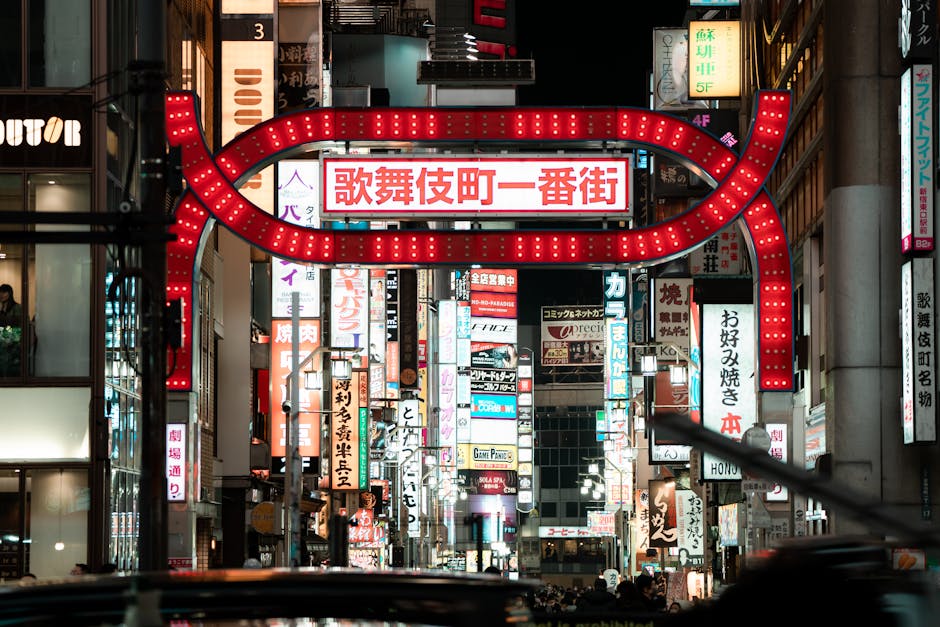
No neon-lit fight scenes. No honour-bound brotherhood. Just a long bureaucratic decline that began in the early 2010s and ended, depending on how you count it, in April 2025. If you came here hoping to read that yakuza still run Kabukicho — they do not run Kabukicho.
The collapse in numbers
The decline is easier to see in data than in narrative. Japan’s National Police Agency has been publishing membership estimates for designated crime syndicates since 1958. In the early 1960s the total yakuza population peaked at more than 184,000 men across all groups.
By 2011 the figure was 86,000. The Yamaguchi-gumi accounted for roughly 55,000 of those — larger than most national militaries.
By 2014, after the first wave of anti-gang legislation, the Yamaguchi-gumi had dropped to 23,400. By 2020 the combined yakuza population across every designated group had fallen below 25,000.
The most recent numbers come from the Asahi Shimbun. In an October 2025 report by Kai Nemoto, the paper’s count put the main Yamaguchi-gumi at 3,300 formal members and 3,800 associates — 7,100 in total, down from 55,000 in fifteen years.
That is a collapse. Not a decline. The Yamaguchi-gumi has lost more than four-fifths of its peak strength in a generation. Japanese police never managed that with enforcement alone.
The South China Morning Post’s Tokyo correspondent Julian Ryall, in his April 2025 dispatch on the end of the gang war, quoted figures of “at least 90 dead” over the decade of internal fighting — a body count that sounds extreme until you put it against the organisation’s historical size. By 2020, even those numbers were unsustainable.
Where it started: a Kobe dockworkers’ union, 1915
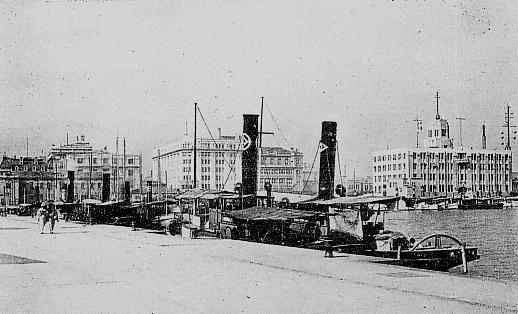
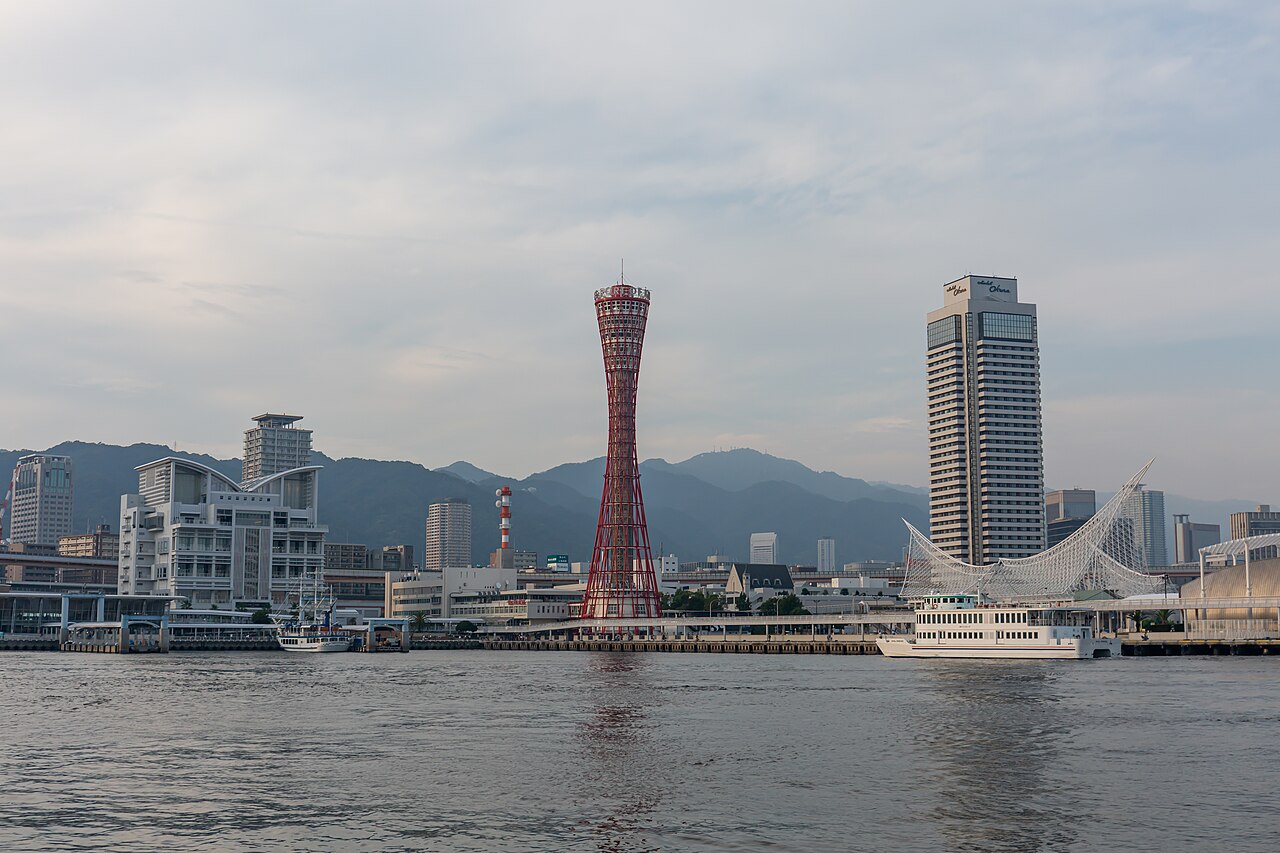
Harukichi Yamaguchi founded the group in 1915 as a labour union for fishermen and dockworkers at Kobe port. This is not a cover story. It is the documented origin.
The yakuza trace their lineage to two older streams of late Edo-period Japanese society: the tekiya (itinerant market traders) and the bakuto (professional gamblers). The Yamaguchi-gumi specifically grew out of dock labour contracting, which in Kobe of the 1910s meant wrangling stevedores and organising which crews got work on which ships.

Harukichi fought in the Russo-Japanese War of 1904-05, returned to Kobe as a fisherman and port labourer, and made enough of a name for himself through sheer physical strength that he could gather 50 stevedores under a formal banner. He died in 1925. His son Noboru ran the group through the Second World War with only modest ambition and was killed in 1942 in a conflict with the rival Kagotora-gumi.
The real transformation came after the war.
The Taoka era
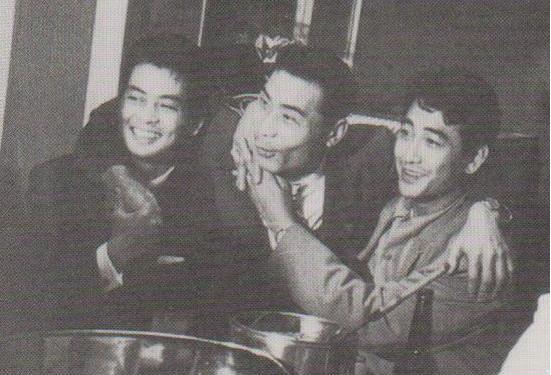
Kazuo Taoka — an ex-boxer known in his own circles as “The Bear” — took over a leaderless and financially ruined organisation in 1946. He was 33 years old. He rebuilt the Yamaguchi-gumi over the next 35 years.
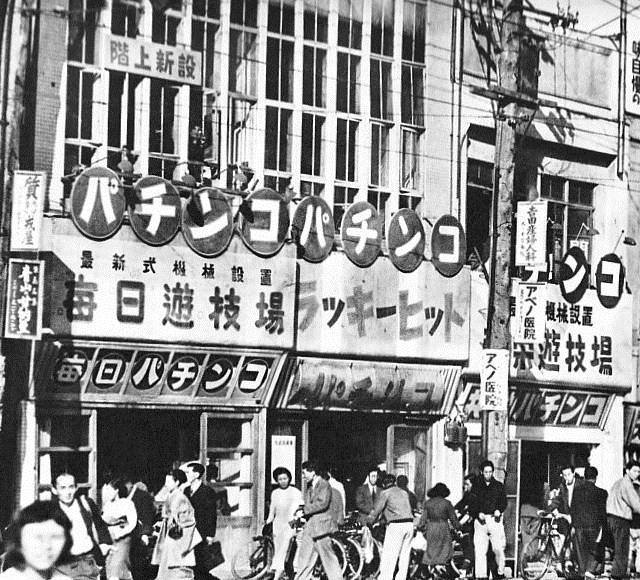
According to Encyclopedia Britannica’s biography of Taoka, his first priority was restoring order in Kobe’s post-war black markets, where rival Korean and Chinese street groups (sankokujin) were then operating. His second priority was getting Yamaguchi-gumi members into legitimate-looking businesses — construction, entertainment promotion, labour contracting — as a hedge against police crackdowns.
He also banned amphetamine dealing. Taoka founded an anti-drug organisation in the late 1950s, publicised it, and made amphetamines a formal expulsion offence.
How serious the ban really was is contested. Chris Matthews, writing in Fortune in September 2014, described drug trafficking as the Yamaguchi-gumi’s largest single revenue source. Fortune also ranked the organisation second in the world by criminal revenue, at $6.6 billion annually. Both things can be true: the ban is public, the trafficking happens through affiliated kumi that are at arm’s length.
Tadamasa Goto and the UCLA transplant
If you want one story that captures how the 20th-century Yamaguchi-gumi actually operated, it is Tadamasa Goto’s liver.
Goto founded the Goto-gumi, a Shizuoka-based family affiliated to the Yamaguchi-gumi. US federal law enforcement called him “the John Gotti of Japan”. Peter Hessler’s long profile of Goto in The New Yorker in January 2012 — a piece called “All Due Respect” — remains the authoritative English-language account of the man’s career.
Hessler’s reporting laid out the essentials. By the late 1990s Goto was dying of liver disease. Japan has almost no organ donation culture. Goto looked overseas, but his criminal record made the US off-limits under normal circumstances.
He got around that by doing a deal with the FBI — a visa in exchange for information on yakuza operations.
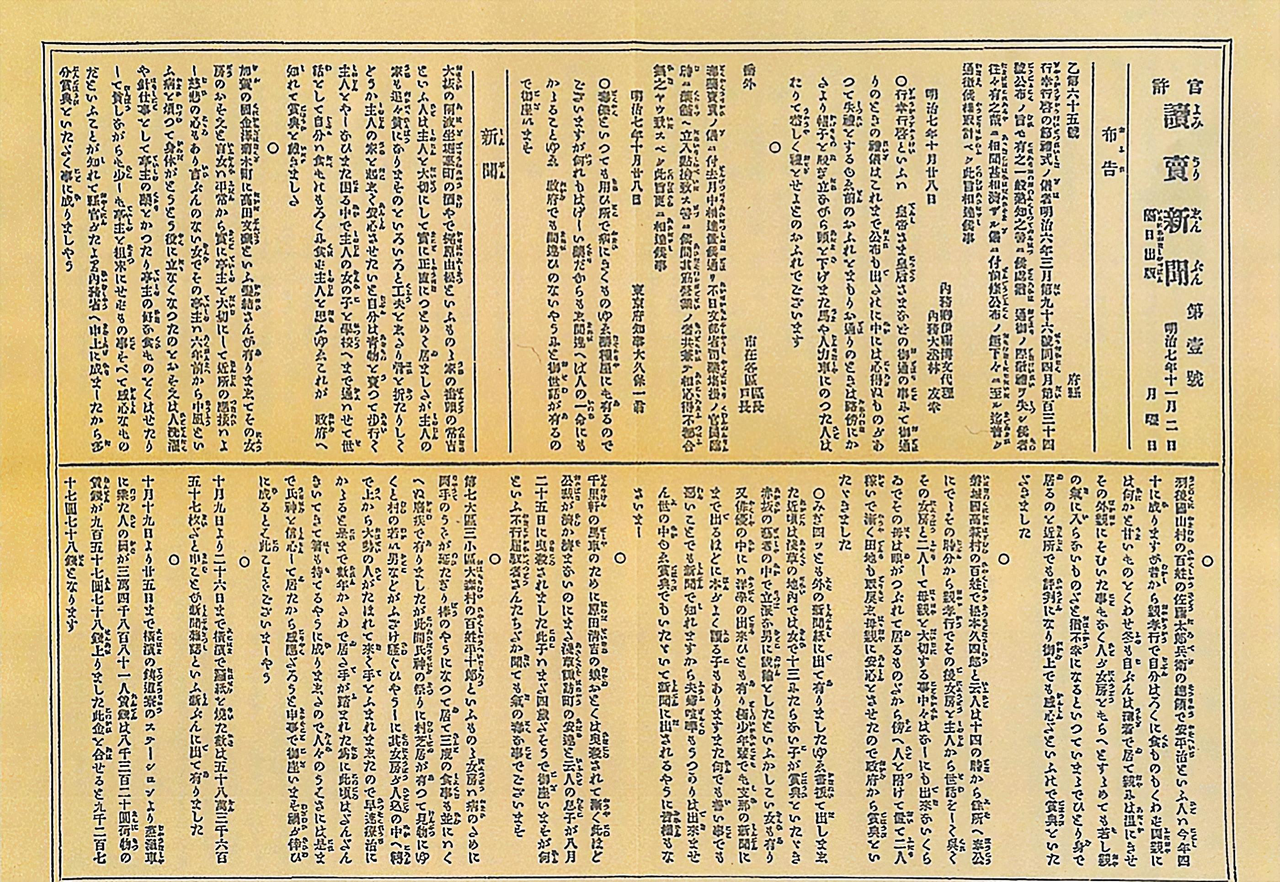
Goto and three other ailing gangsters donated hundreds of thousands of dollars to UCLA Medical Center. The standard US wait for a liver transplant ran into years. Goto waited six weeks.
He returned to Japan with the new liver, almost certainly gave the FBI far less useful information than he had promised, and ran the Goto-gumi until his formal retirement in 2008. The scandal was broken by Jake Adelstein in The Yomiuri Shimbun that same year. Leonard Doyle of The Independent followed up in May 2008, confirming the FBI agreement from US sources.
Adelstein now lives under protective custody in Tokyo. Goto published a memoir after his retirement — Habakarinagara, roughly “With all due respect” — which contains a veiled threat against Adelstein on page 248.
The Goto affair is the 20th-century Yamaguchi-gumi in miniature: a violent operator running an empire through fronts, buying his way out of a problem that would kill a civilian, using the state against itself, and writing his memoirs in retirement. The organisation the Japanese public knew in the 1990s looked like Goto. It does not look like that anymore, and the turning point was 2015.
The 2015 split that broke the back of the organisation
Shinobu Tsukasa — also known as Kenichi Shinoda — became the sixth kumicho of the Yamaguchi-gumi in 2005. He is still in post. For the first decade of his leadership he pushed an expansionist line: more Tokyo activity, more overseas reach, and steadily increased centralisation of revenue through the Kodo-kai, a Nagoya-based affiliate he had personally founded in 1984.
The Kodo-kai was loyal to Tsukasa and benefited disproportionately from his rise. The old Kobe-centred families — the ones that had paid the bills for most of the Yamaguchi-gumi’s 20th-century history — watched their influence shrink.
In August 2015 the argument broke into the open. Justin McCurry of The Guardian filed the first English-language report on 28 August, two days after the split. Thirteen affiliated families formally left the Yamaguchi-gumi and declared themselves the Kobe Yamaguchi-gumi, under the leadership of Kunio Inoue — the kumicho of the Yamaken-gumi, one of the most powerful subordinate families.
Roughly 3,000 men walked out in the initial split. McCurry reported that police immediately placed both groups on alert.
The police were right to prepare. Between 2015 and 2022, at least forty violent incidents were logged — shootings, arson, stabbings — most targeting low-ranking affiliates but including several senior bosses. The Yamaguchi-gumi cancelled its annual Halloween trick-or-treat event in Kobe in 2015 because authorities could not guarantee the safety of children attending.
That detail, reported in The Japan Times on 21 October 2015, contains one of those moments that is almost too bleak to be funny: the yakuza used to run a Halloween children’s event as a community-relations exercise, and they cancelled it because they were worried about being shot.
The Kizuna-kai and the Ikeda-gumi
The Kobe Yamaguchi-gumi did not hold together. In 2017 a faction broke away under Yoshinori Oda and named itself Ninkyo-dantai Yamaguchi-gumi, later rebranded as the Kizuna-kai. The specific grievance was, of all things, membership dues.
In 2020 a third breakaway — the Ikeda-gumi, based in Okayama — split from the Kobe Yamaguchi-gumi. By the end of 2020 the senior Yamaguchi-gumi membership was fragmented across four rival organisations, all of them shrinking.
Police formally designated the conflict a “turf war” in 2020, a classification that gave them powers to physically bar members from entering their own offices.
The official end of the war, April 2025
The conflict dragged on for almost a decade. By the time it ended, all four organisations were running skeleton crews.
On 11 April 2025, three senior members of the Yamaguchi-gumi walked into the Hyogo Prefectural Police headquarters and delivered a letter. The contents were reported by CNN’s Junko Ogura and Helen Regan that afternoon. The Yamaguchi-gumi pledged to “end all internal fighting” and to “never cause any trouble”.
They also requested the lifting of the “designated violent conflict group” classification.
Julian Ryall at SCMP, writing the day before, had already called the declaration a “symbolic end” to the gang war. He quoted Jake Adelstein, who by 2025 had been on the yakuza beat for more than two decades:
“This has been coming for some time as the Kobe Yamaguchi-gumi lost ground and the fight became very one-sided. It got to the point where they had no power to push back.”
Adelstein added that Kunio Inoue — the Kobe Yamaguchi-gumi founder — had “been living in fear of his life for some time now and probably sees this as an opportunity to escape from that threat with some pride left intact.”
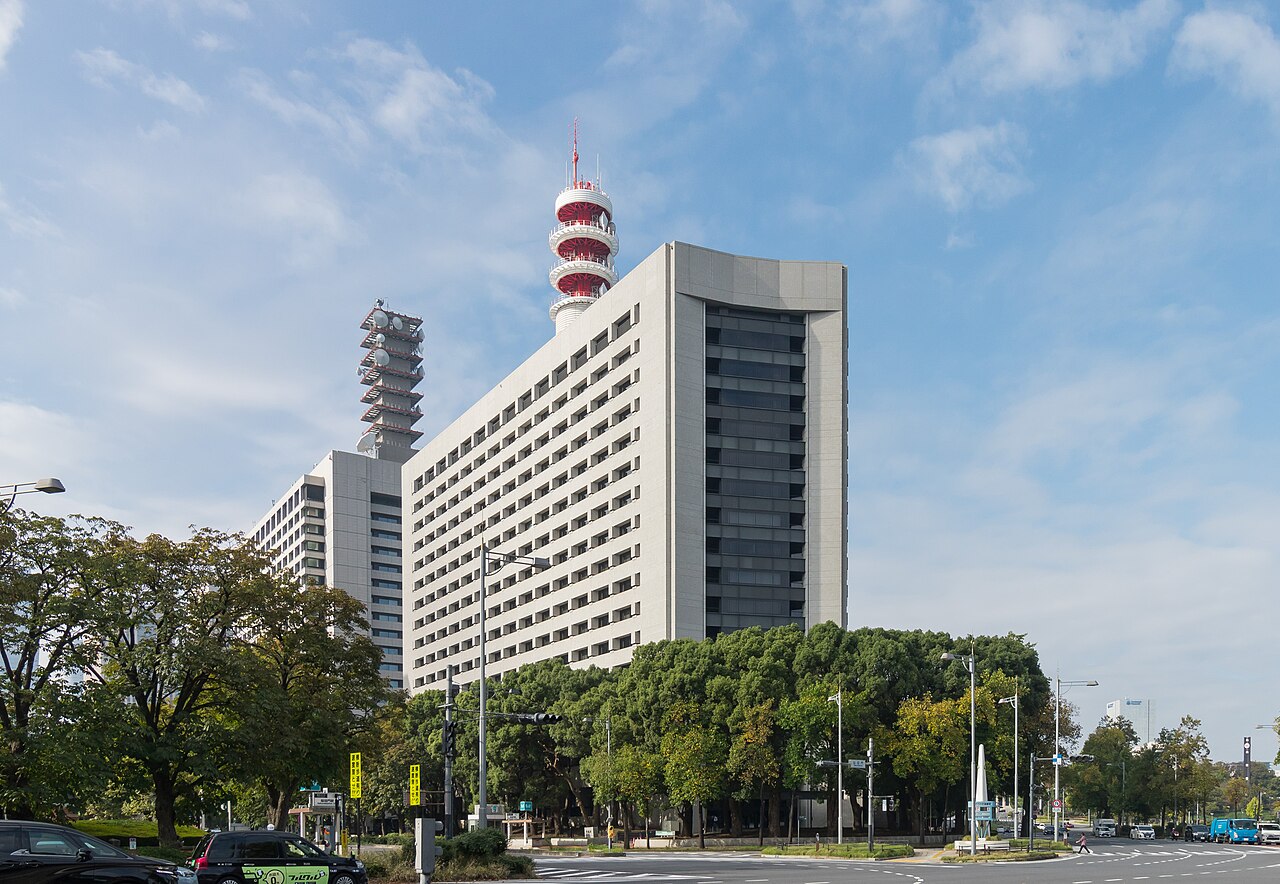
The surrender numbers tell the story of why. At the start of 2025, the main Yamaguchi-gumi had 3,300 formal members plus 3,800 associates — a combined 7,100. The Kobe Yamaguchi-gumi, which had walked out with 3,000 men in 2015, was down to 120. The Kizuna-kai and Ikeda-gumi were smaller still.
Criminal organisations that cannot sustain their own internal conflicts tend to be in structural trouble.
What the Yamaguchi-gumi actually does for money in 2026

One strange consequence of the collapse is that the surviving Yamaguchi-gumi is, on paper, weirder than it used to be.
When you have 55,000 men spread across a national footprint, you can sustain the old diversified model — extortion, gambling, loansharking, protection, sex industry, construction kickbacks. Each is labour-intensive and you have labour to spare.
When you have 3,300 members, the rackets that still pay are the ones that don’t need many people.
Reconstructed from the last few years of Japanese reporting, US Department of Justice indictments, and Fortune‘s organised-crime coverage, the modern revenue picture looks like this:
- Stock market manipulation. The Tokyo Stock Exchange has flagged organised crime in more than a dozen pump-and-dump cases since 2018.
- Construction kickbacks. Tohoku earthquake reconstruction projects (2011 onward) and Osaka’s Expo 2025 build have both been the subject of ongoing police investigations.
- Drug trafficking. Still the largest revenue category despite the internal ban. Police admit this openly now.
- Nuclear materials smuggling. This sounds made up. It is not. A 2024 US DOJ case in New York federal court convicted Yamaguchi-gumi-adjacent intermediaries moving nuclear-grade material through Southeast Asia. Prosecutors described the operation as poorly run.
- Private military contracting. Since 2017, documented interest from Yamaguchi-gumi-affiliated actors in establishing PMC ventures, usually in partnership with shadier post-Soviet operators. Nothing has scaled. The interest is there.
- Call-centre fraud. The fastest-growing racket by volume. Targets elderly Japanese victims, requires a dozen people rather than thousands, and fits the current organisation’s shape.
What is notable here is how much of the revenue stream is now white-collar. Stock manipulation, construction fraud, call-centre scams — these require lawyers, accountants, and computer operators. Not foot soldiers.
The visible cinematic yakuza — the muscle on the street in a suit, pinky missing, tattooed to the wrist — is economically redundant. The rackets that still work do not need him.
Why they are really fading: the boryokudan laws
A common Western assumption is that the Japanese government has always been soft on yakuza because of some historical tolerance, or an informal agreement stretching back to the post-war period. That was broadly true until about 1992 and has been progressively less true since.
The first real legislative shift was the 1992 Boryokudan Countermeasures Law, which created the legal category of “designated violent group” (shitei bōryokudan). Membership of a designated group was not, strictly, a crime. But it allowed the state to regulate members’ behaviour in ways it could not regulate regular citizens.
The law has been progressively strengthened ever since.
The real turning point was the 2011 wave of Boryokudan Exclusion Ordinances (bōryokudan haijo jōrei), rolled out prefecture by prefecture until every prefecture in Japan had one. The ordinances made it illegal for civilians and corporations to do business with known yakuza members.
A designated member in 2026 cannot:
- Open or hold a bank account at most Japanese banks
- Rent an apartment through a standard agency
- Take out a mortgage or a business loan
- Obtain a credit card
- Register a mobile phone contract in their own name
- Hold most forms of insurance
- Book a hotel room at most major chains
- Legally employ other known members
Membership is still not a crime. But the ordinances have made it economically unworkable.
You cannot run a criminal enterprise and also be unable to open a bank account.
The effect has been to push the surviving membership into two camps: older men who joined when the environment was different and have no alternative, and a much smaller cohort of young entrants — mostly drawn from the margins of Japanese society. Dropouts, former street-gang members, immigrants with few legal options.
The Kobe headquarters that nobody can shift
One revealing footnote, from Asahi Shimbun‘s Kai Nemoto in October 2025: the Yamaguchi-gumi’s main headquarters is still a large detached house in Kobe’s Nada Ward, in the Shinohara-Honmachi district, about a twenty-minute drive from the city centre.
The building was originally Kazuo Taoka’s home. It is now walled, surveilled, and — according to Nemoto’s reporting — largely ignored by neighbours.
A man in his 70s who had lived next door his whole life told Nemoto he “did not care if the building is here or not.” Another local added: “I’m not saying I want them there, but I’m worried about who will come once they are gone.”
That is the sentence that tells you where the yakuza have landed in 2026. Even the neighbours have moved past fear. The remaining anxiety is about what replaces them.
The tattoos, and what happens when nobody gets them anymore
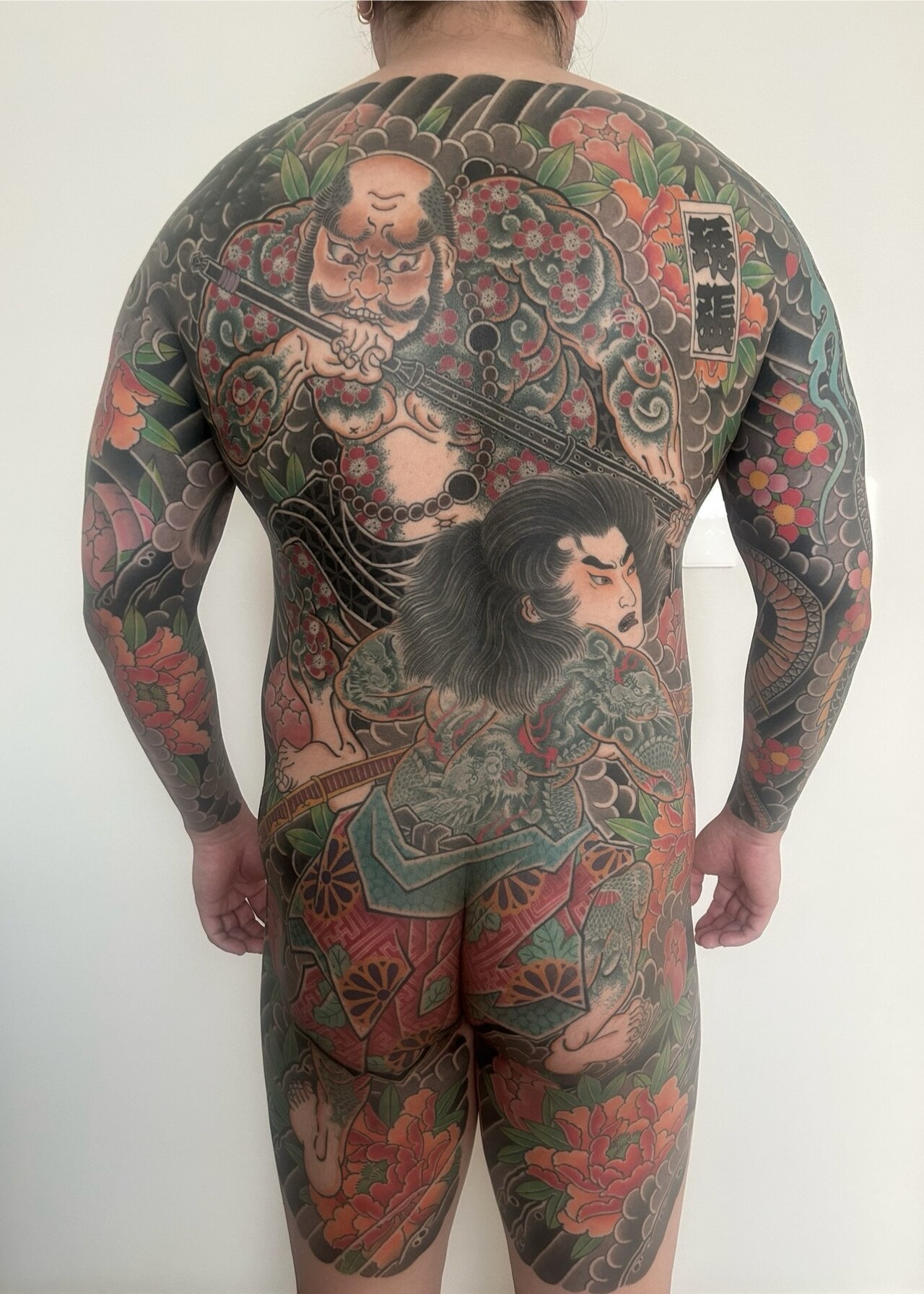
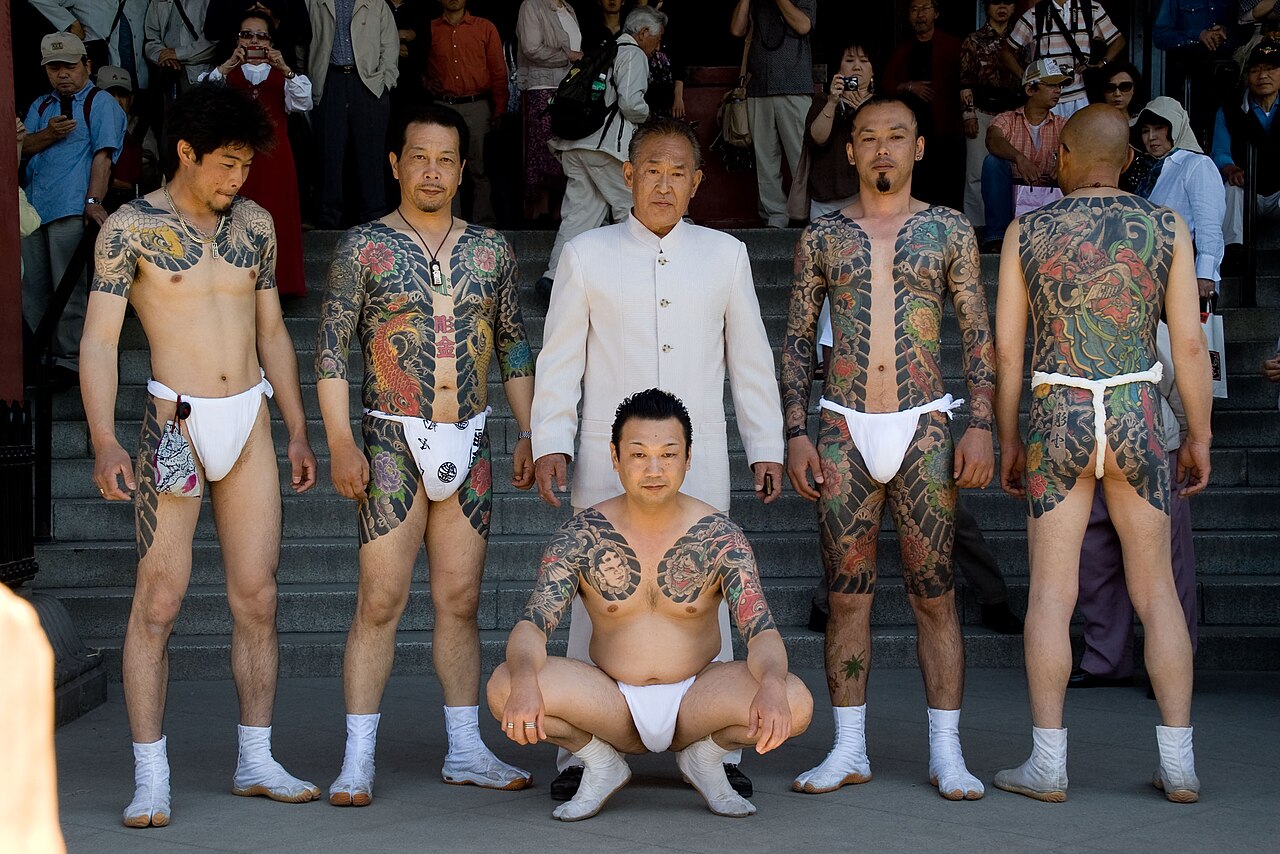
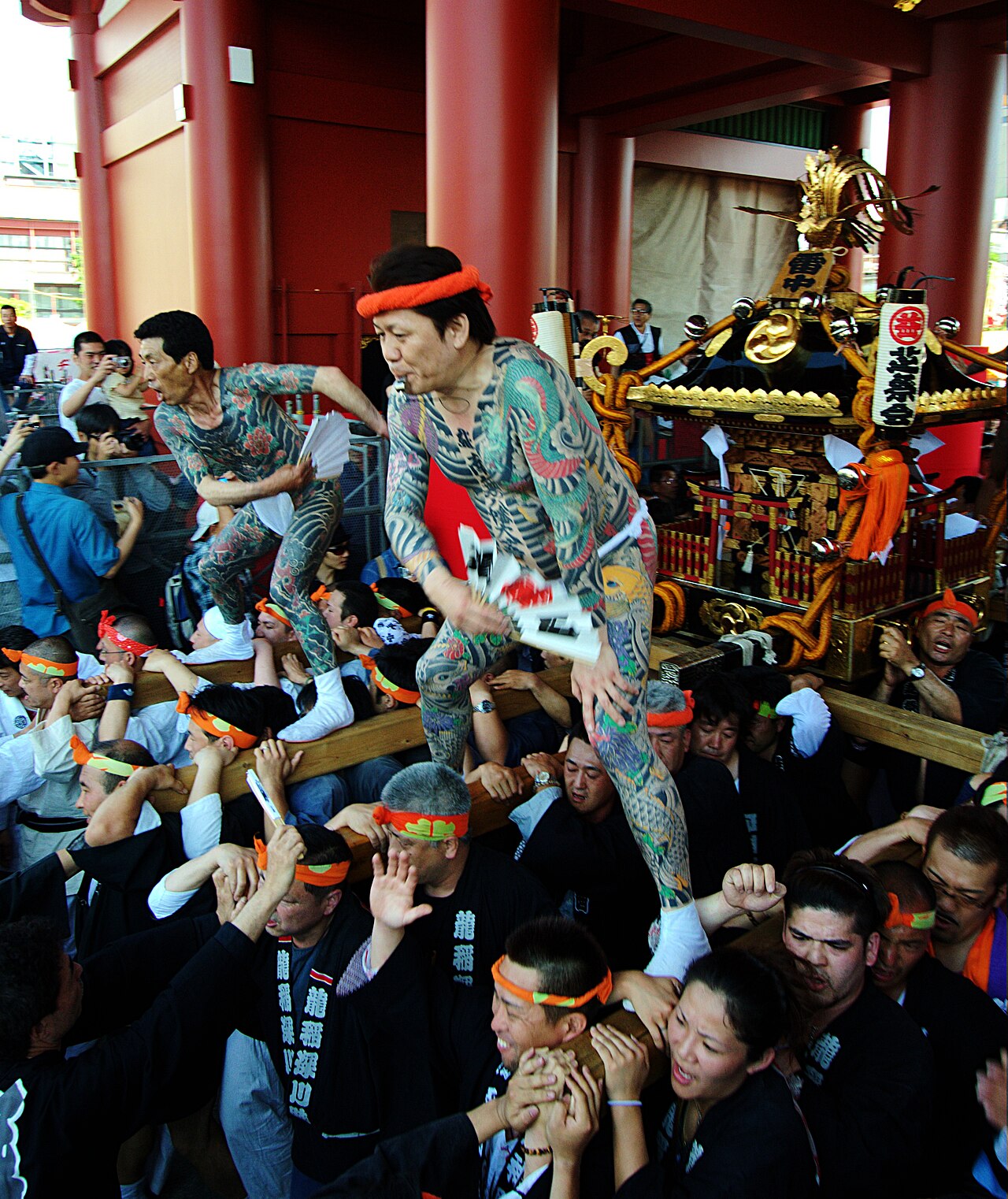
Japanese tattoo culture (irezumi) predates the yakuza by centuries. The full-body suit — koi, peonies, Buddhist deities, waves — was historically worn by firemen, palanquin bearers, labourers, and eventually by bakuto gamblers and tekiya market traders whose lineage runs into the modern yakuza.
Somewhere in the late 19th century the style became specifically associated with organised crime. The Meiji government criminalised it for a period. Since the post-war years it has been tolerated but tainted.
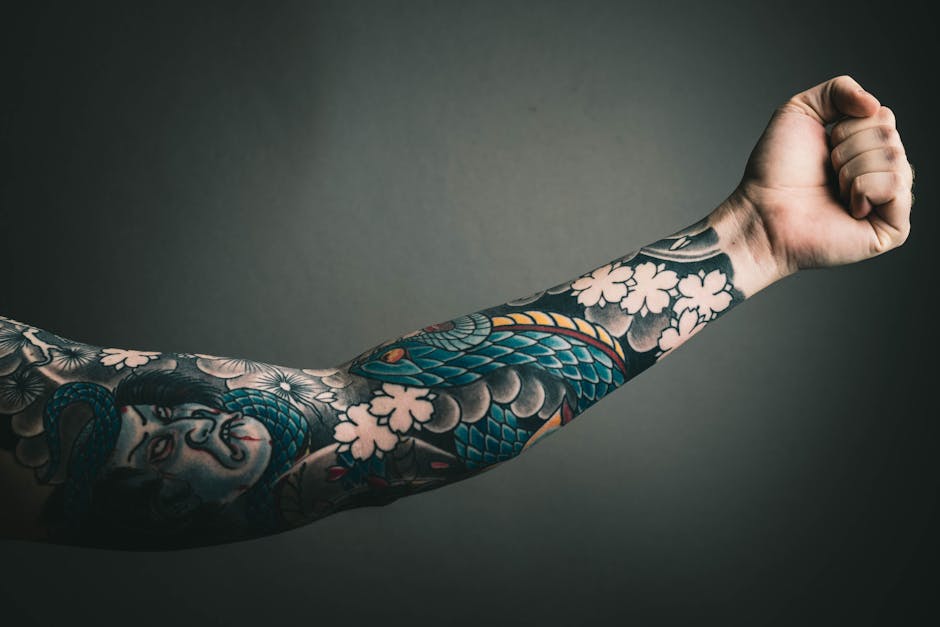
The association between irezumi and criminality is why so many onsen and public baths still refuse entry to tattooed visitors. Staff are not making individual judgements. They are applying a rule that existed because, for most of the 20th century, a visible tattoo was strong evidence of yakuza affiliation.
In 2026 this increasingly trips up foreign tourists who have a single wrist piece from a holiday in Thailand. But the rule persists because changing it at speed would mean confronting a cultural history most onsen owners would rather not discuss.
There is now a second, quieter story happening in parallel. Active yakuza are increasingly not getting tattooed.
The visible irezumi is a liability in a world of boryokudan ordinances, CCTV, and smartphone cameras. You cannot keep a low profile with a full sleeve.
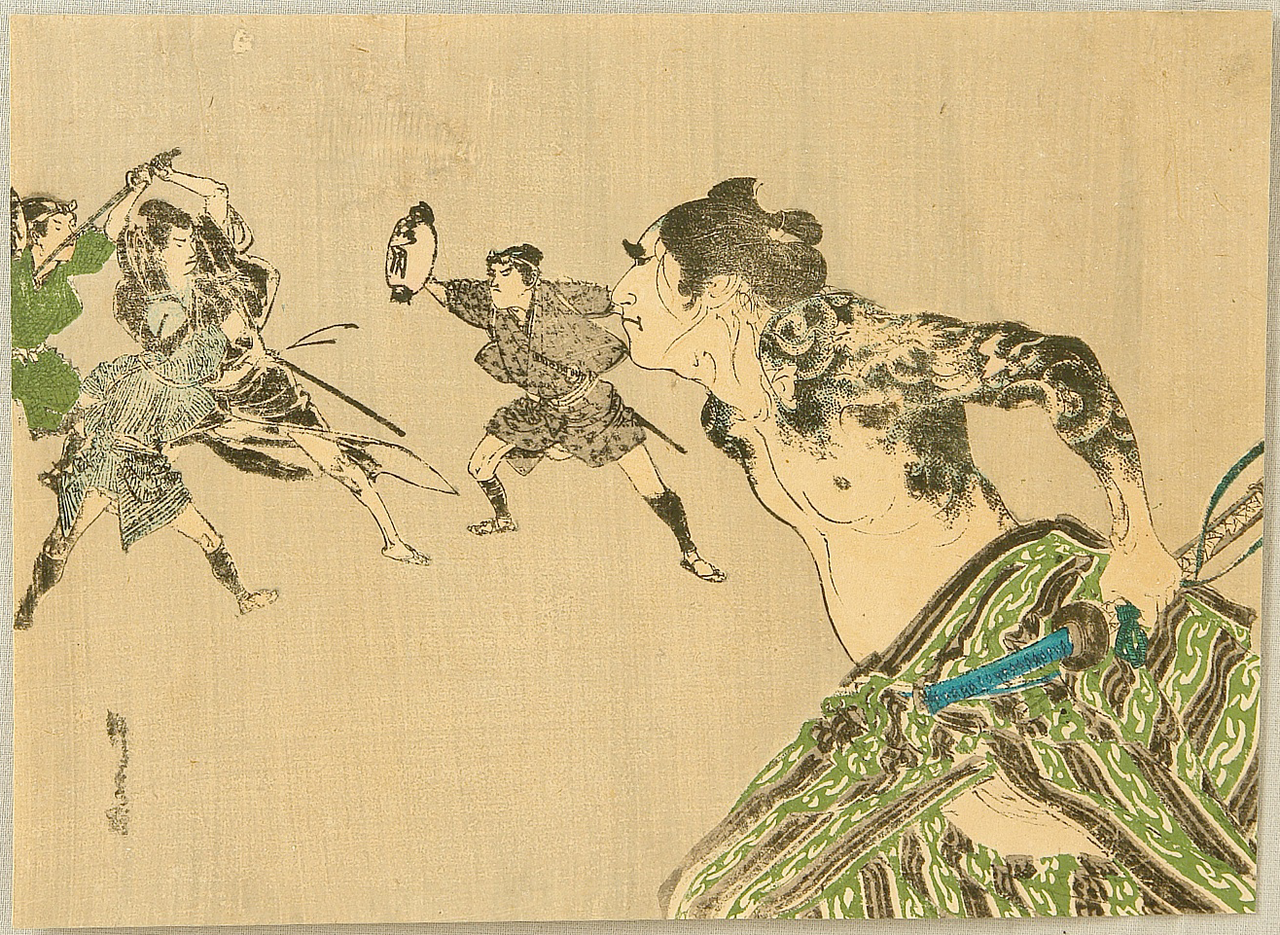
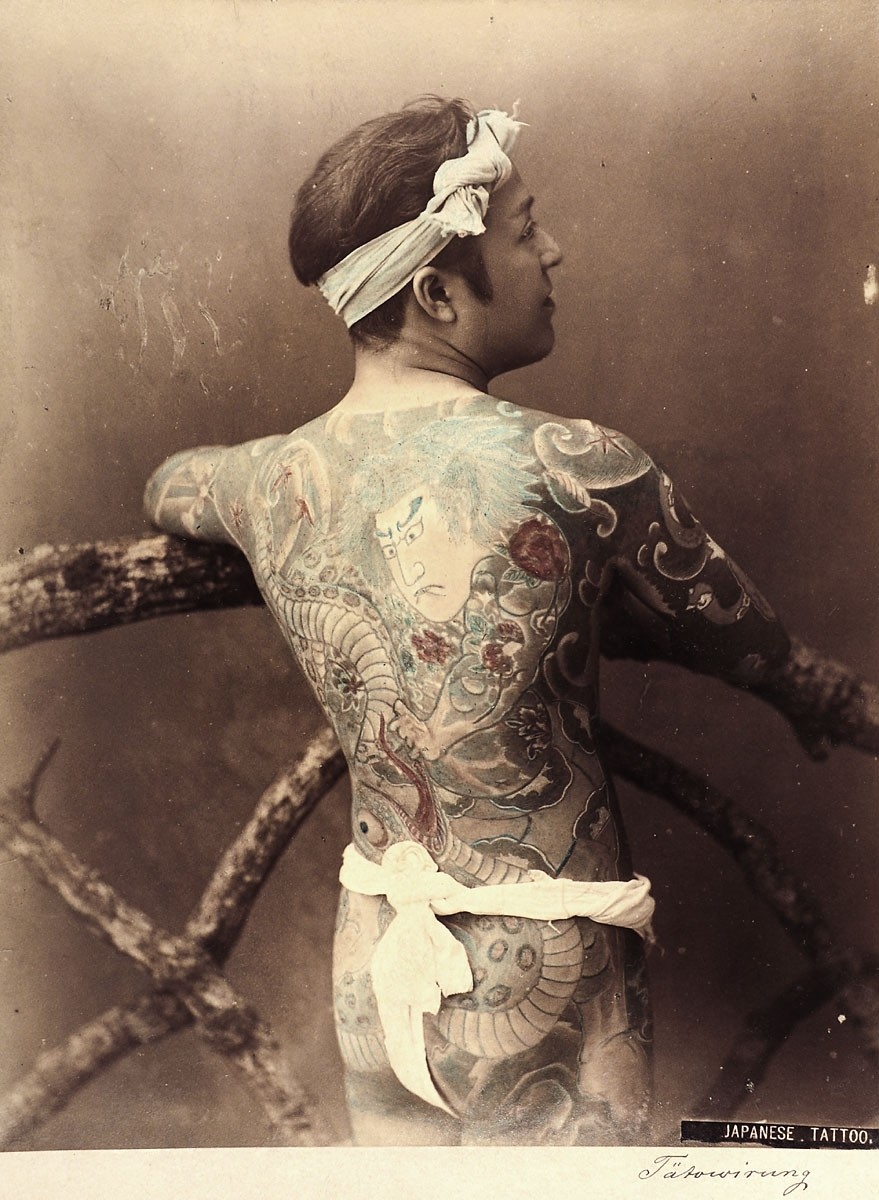
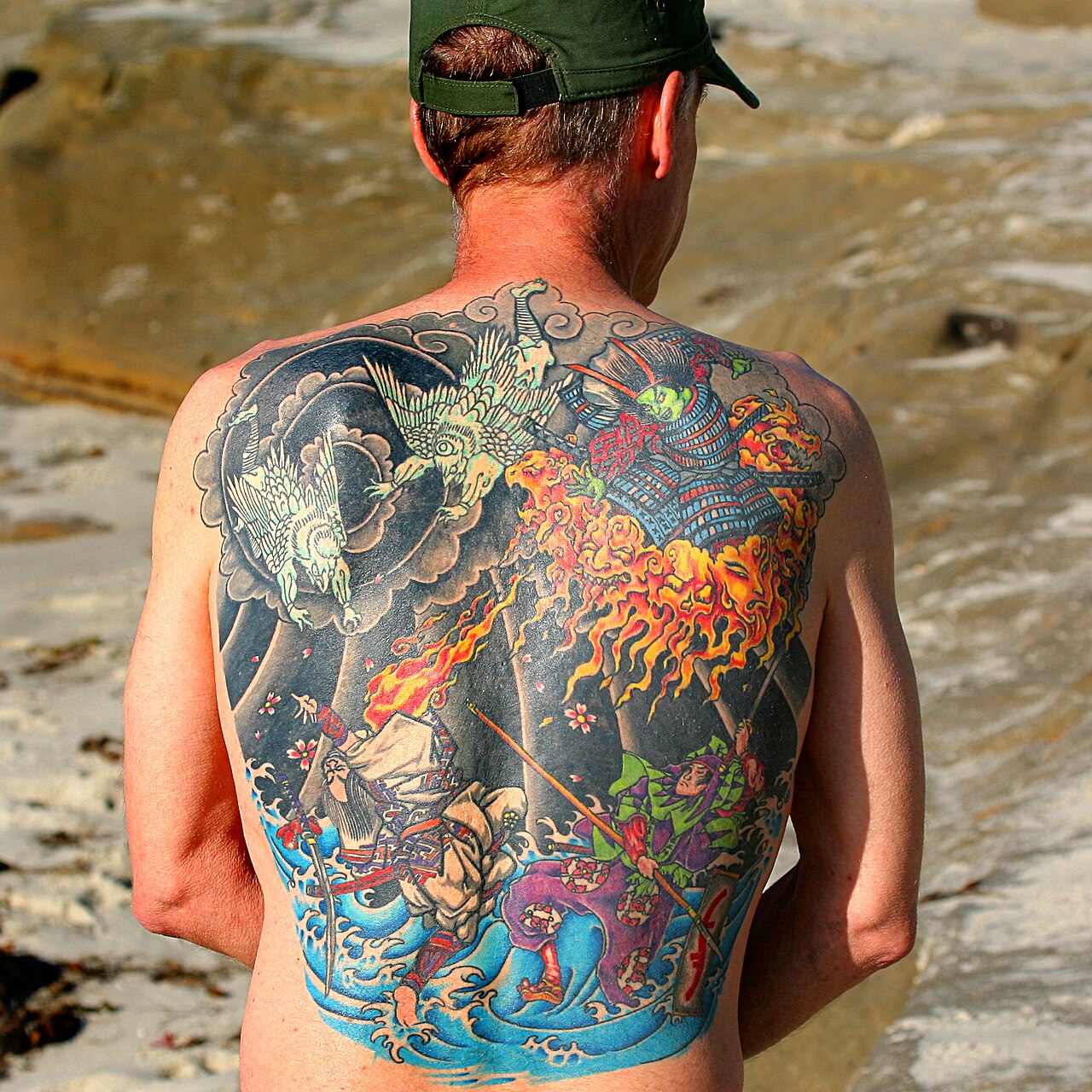
Traditional tattoo studios that used to specialise in the yakuza market — hand-poked work over a period of years, paid in cash, booked through referrals — have almost all shifted to foreign tourists and younger domestic clients with no criminal affiliation. The old generation of tebori artists is ageing out. The irezumi itself is becoming decoupled from the organisation that made it notorious.
What travelers actually encounter
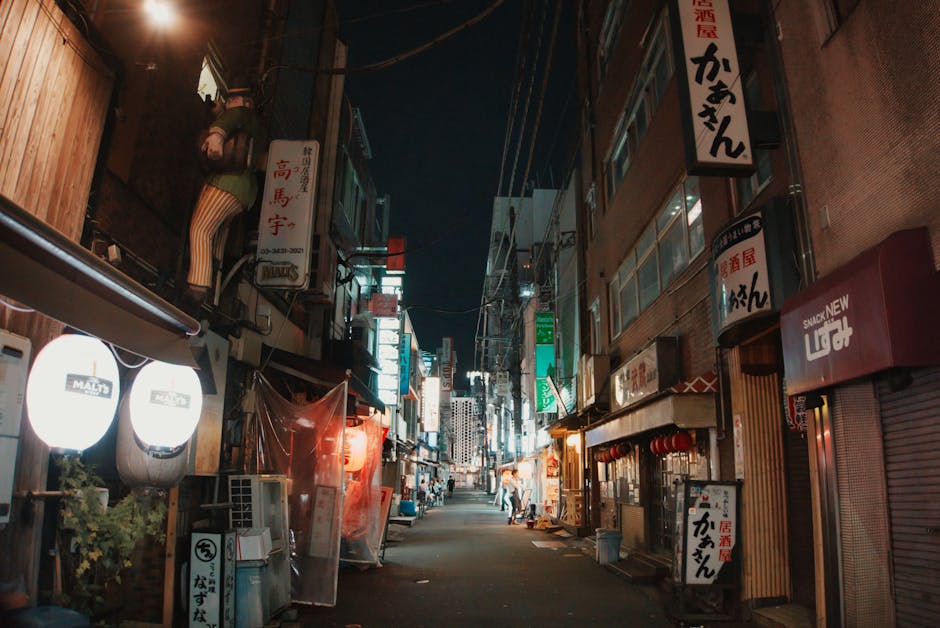
Almost nothing. I have lived in and out of Tokyo for long enough to have spent many nights in the neighbourhoods most associated with yakuza activity — Kabukicho, Roppongi, parts of Ueno, the area around Kamagasaki in Osaka — and my direct encounters with organised crime in two decades amount to one afternoon conversation with a retired kumiin at a small bar in Asakusa, who spent most of the hour talking about his garden.
There are good structural reasons you will not see them.
A yakuza in 2026 has very strong incentives not to be identified. The boryokudan ordinances punish visibility. Foreign tourists are the worst marks they could possibly approach, because any incident involving a tourist gets police resources and international press in a way that an incident involving a local does not.
The economic centre of gravity for what remains of the organisation is not on the streets at all. It is in specific rackets (stock manipulation, construction kickbacks, some sectors of the entertainment industry) that do not require street presence.
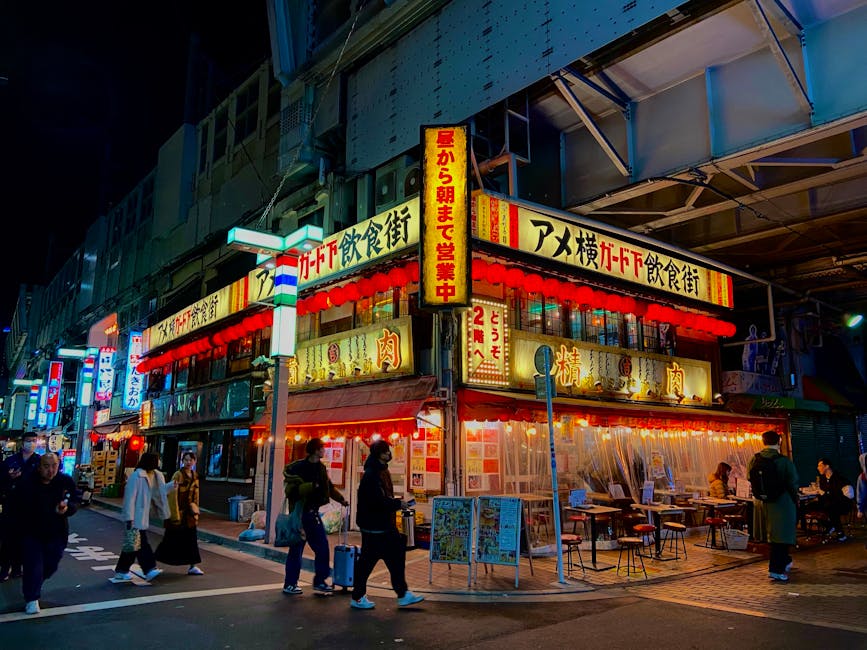
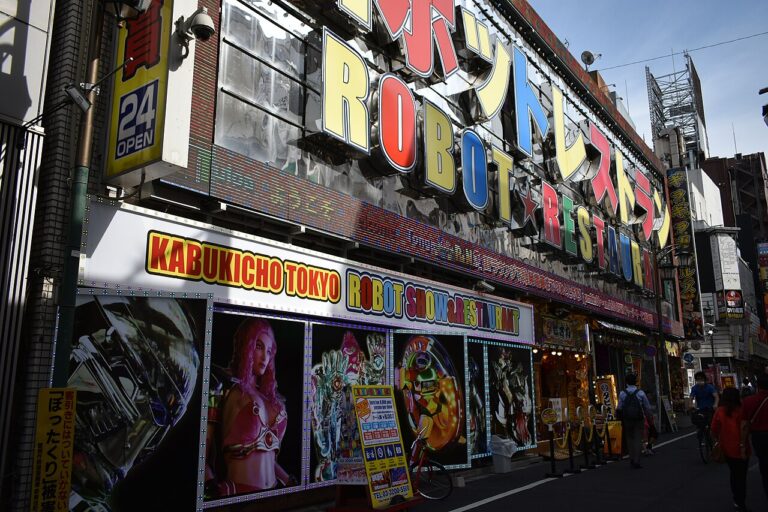
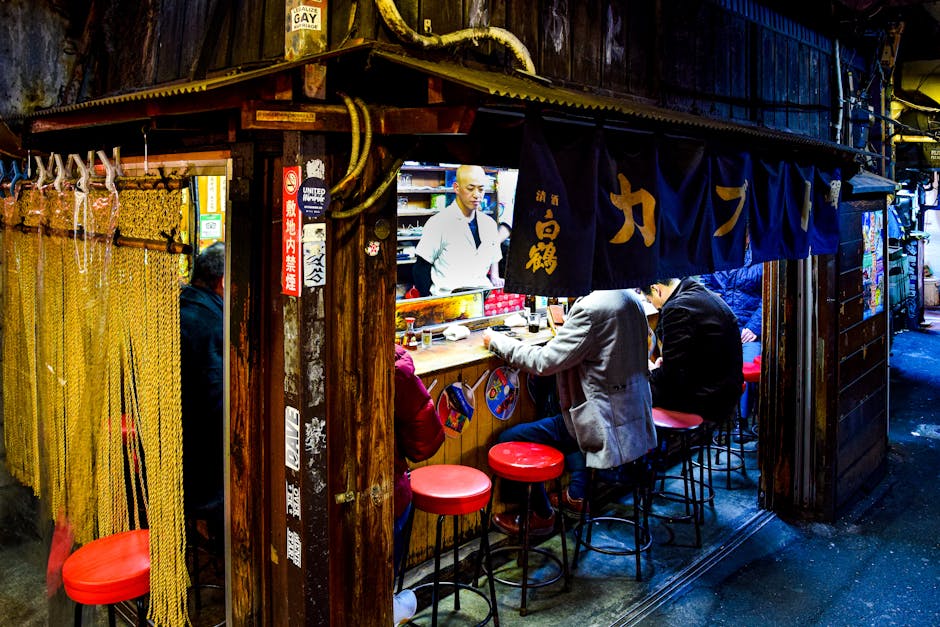
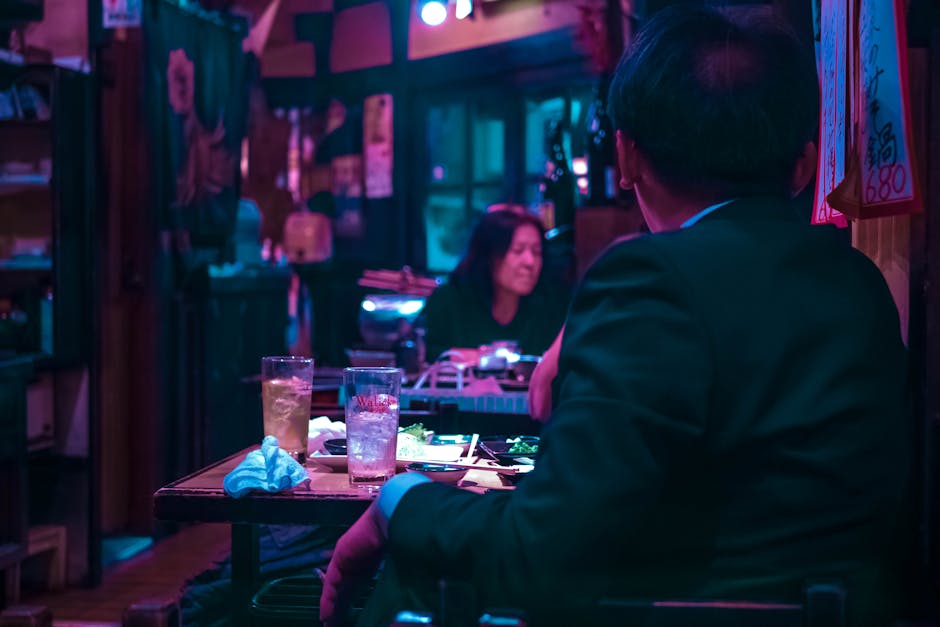
What you will encounter in Kabukicho or Ueno or the wrong end of Shinjuku’s Memory Lane is not yakuza. It is a mixed population of petty scammers, tout-bar operators, semi-legal sex-industry workers, and opportunist street hustlers — some of whom like to dress in a way that evokes the old Goto-era aesthetic.
If someone is aggressively soliciting you to visit an upstairs bar in Kabukicho, the person standing behind them is almost certainly not a kumiin. They are a middle manager for a company registered in a different name two prefectures away, and the worst thing that will happen to you is a ¥40,000 bill for two beers.
The practical travel advice is the same advice that applies to any busy nightlife district in any large city. Do not follow strangers into unmarked doorways. Do not hand over your credit card at a venue you did not walk into deliberately.
If you want to see the aesthetic, watch a Takeshi Kitano film. The actual organisation will not be troubling you.
The cultural afterlife
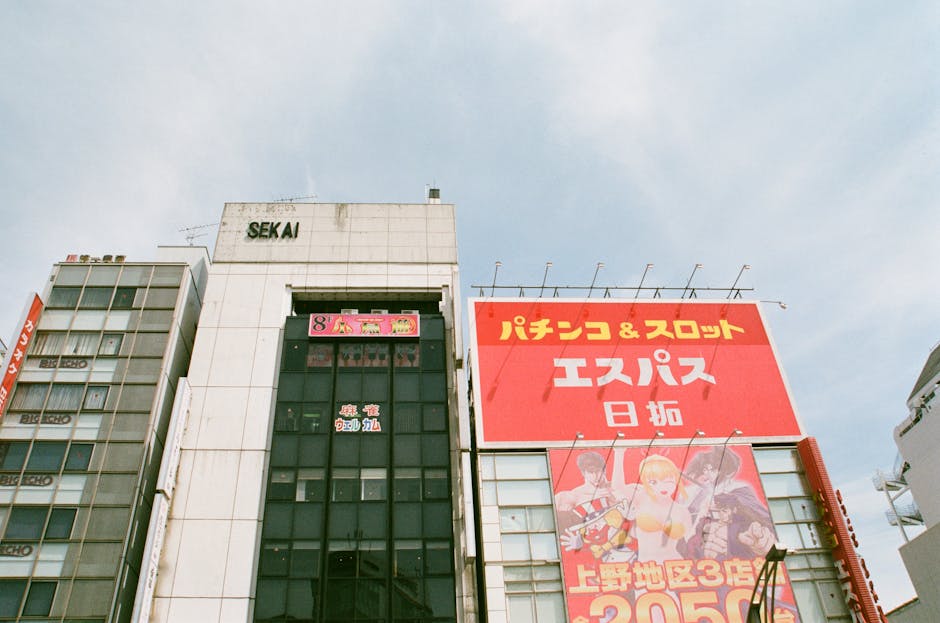
What the yakuza have left is an iconography.
Sega’s video-game series Ryu ga Gotoku — released in English as Yakuza, then rebranded Like a Dragon — has sold more than 25 million copies worldwide. It has taught a generation of international gamers that Kamurocho (a lightly fictionalised Kabukicho) is the place you go to get into fights with street criminals.
The Takeshi Kitano films — Sonatine, Hana-bi, Outrage — defined the slow, stylish, nihilistic version of the yakuza that most foreign arthouse cinema fans have in their heads. Takashi Miike filled in the violent noir side. More recently, the Netflix series The Naked Director and HBO’s Tokyo Vice (the latter based directly on Adelstein’s 2009 memoir) have pushed the aesthetic back into circulation.
None of these are documentaries. They are variations on a cultural theme that is increasingly disconnected from the thing itself.
The Yamaguchi-gumi you watch on Netflix is closer to the yakuza of 1985 than the yakuza of 2026. Which is fine — the Western genre of mafia fiction is similarly disconnected from the actual state of the American Cosa Nostra, and nobody thinks that is a problem.
But it does mean that a large share of what foreign visitors think they know about Japanese organised crime is a period piece.
If you come to Tokyo looking for the world of Goto and Taoka, you are looking for something that has been over for a decade. The remaining yakuza are older, fewer, quieter, and — if anything — more legally constrained than most foreign tourists realise. The iconography will outlast the organisation by at least a generation. It may already have.
Further reading
If you want a deeper dive from people who actually know this world:
- Jake Adelstein’s memoir Tokyo Vice: An American Reporter on the Police Beat in Japan (2009) and his 2023 follow-up The Last Yakuza remain the definitive English-language reporting for the 1990s–2020s period.
- Peter Hessler, “All Due Respect” (The New Yorker, 9 January 2012) is the best long-form piece ever written on Tadamasa Goto.
- David Kaplan and Alec Dubro, Yakuza: Japan’s Criminal Underworld (originally 1986, revised 2012) is the academic-grade history.
- The Japan Times crime desk has covered the yakuza continuously since the 1990s and is the best running English-language news source.
- Nippon.com’s 2015 analysis of the split is the clearest short summary of how the modern Yamaguchi-gumi actually broke.
- For the other side of the Kabukicho story — the economics of what replaced the yakuza — Hiroko Tabuchi’s New York Times reporting on tout bars and host culture is essential.
If you are in Tokyo and want to visit the neighbourhoods that feature in this story, see our Akihabara guide, our Ueno district guide, or our longer arrival guide at Haneda. They will describe a Tokyo that is both more interesting and less dangerous than the one you probably have in your head.