
Stand on the south side of Yasukuni-dori in the 1960s and you’d be looking at three theatres stacked next to each other: Shinjuku Odeon (opened 1956), Shinjuku Theatre (1956), and Milano-za (also 1956) — the Milano-za named after the Italian city because its opening year was the height of Italian cinema’s global moment. On the parallel street a block east stood the Shinjuku Koma Theater, opened the same year, designed specifically to host kabuki-style revue shows for post-war Tokyo audiences. This was the entertainment heart of Kabukicho for half a century.
In This Article
- Quick facts at a glance
- What was on this site before?
- The Koma Theater (1956–2008)
- The Milano-za cinemas (1956–2014)
- The gap years (2014–2023)
- Why does the building look like that?
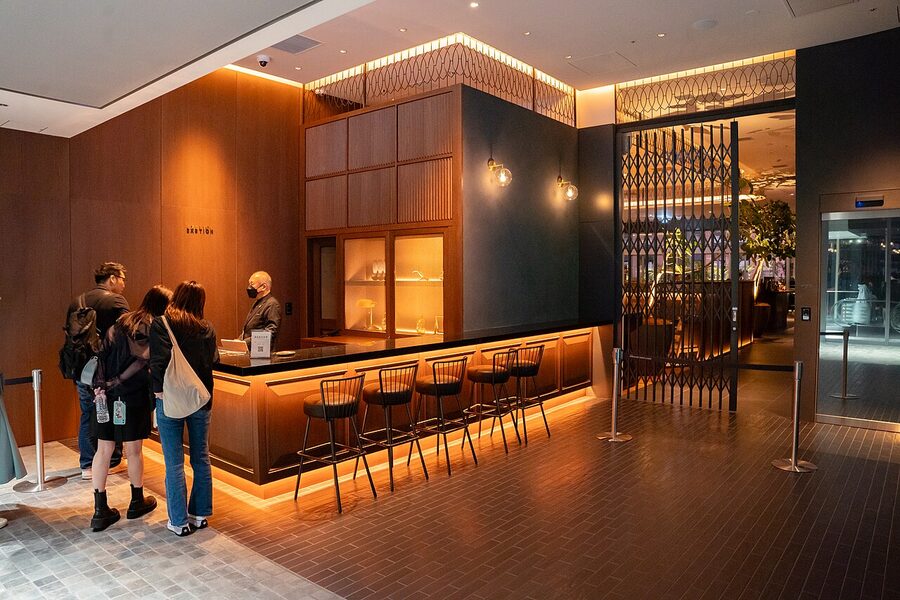
- What’s actually inside the building?
- Hotels (floors 18-47)
- Entertainment venues (floors 5-10)
- Food and retail (basement to floor 3)
- What should you actually do there?
- Shinjuku Kabuki Hall food court (first priority for most visitors)
- A concert at Zepp Shinjuku
- NAMCO Tokyo arcade
- Starbucks Reserve coffee
- A movie at 109 Cinemas Premium
- Drinks at the Bellustar sky lounge
- What’s NOT worth visiting?
- How does the Tower fit the new Kabukicho?
- How do you get there?
- What about the neighbouring landmarks?
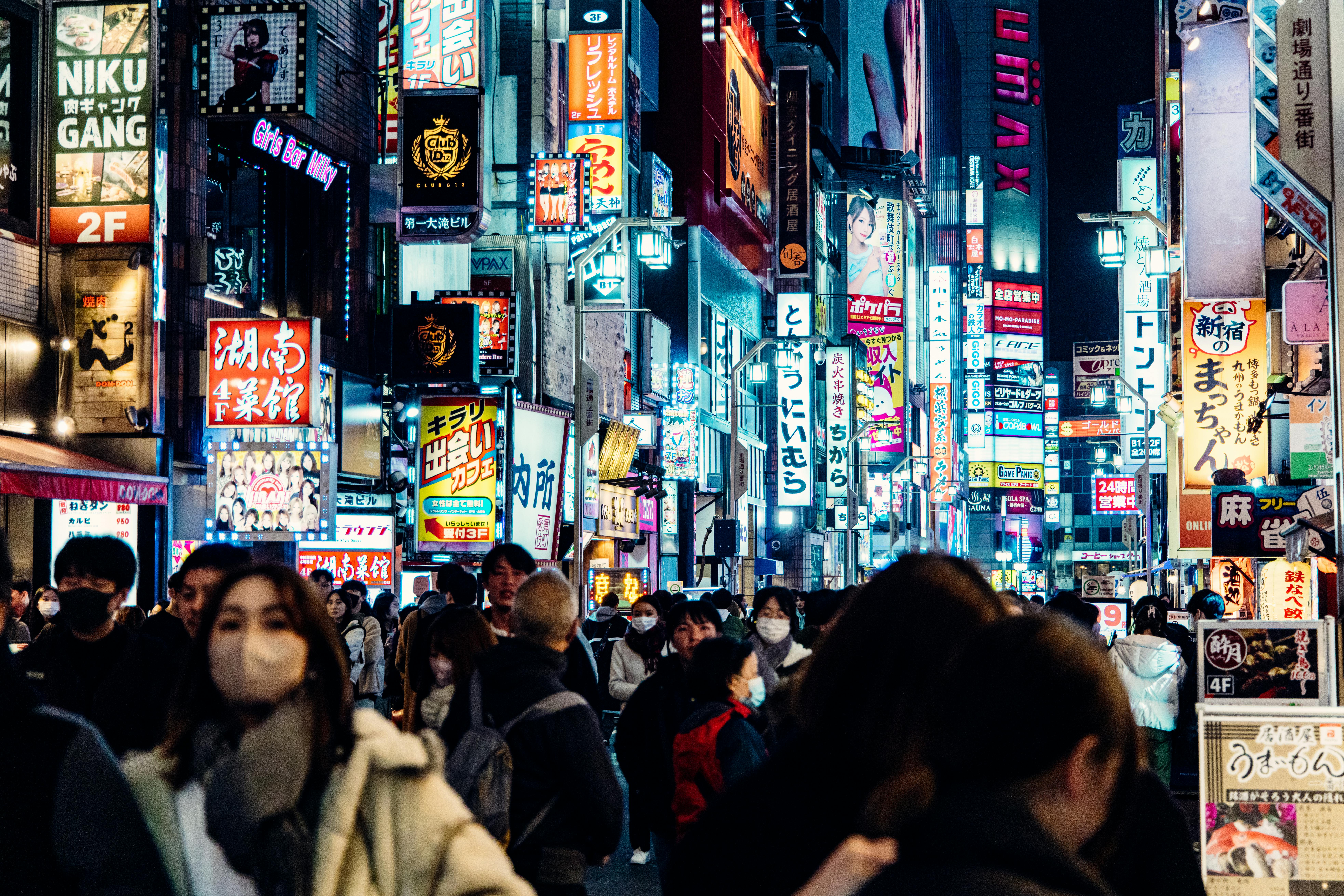
- Has the Tower changed Kabukicho?
- What’s the history precedent?
- Sky lobby view — what you actually see
- How does it fit a Tokyo itinerary?
- Final take
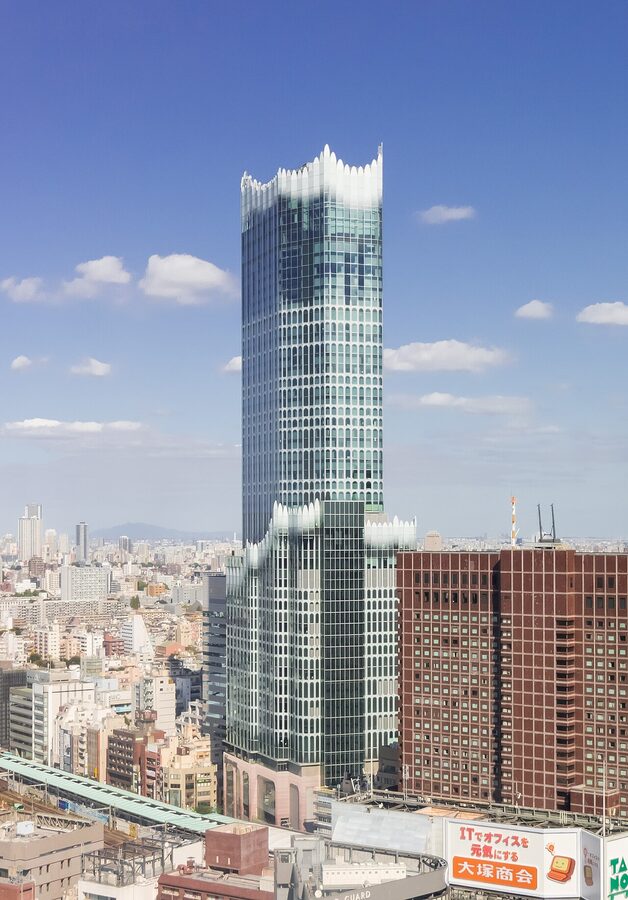
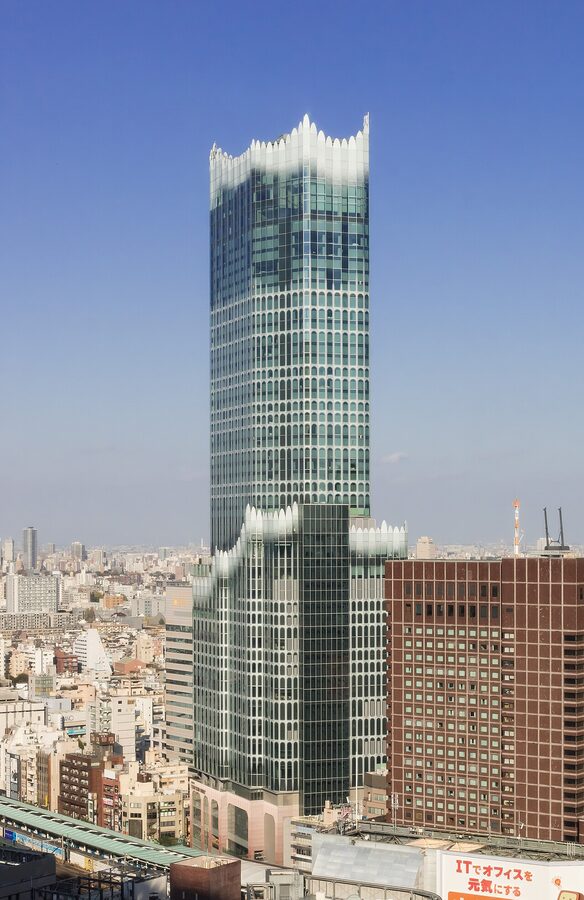
All of those buildings are gone. The Tokyu Kabukicho Tower that opened in April 2023 now stands on the combined footprint — 225 metres tall, 48 floors, wrapped in a curved facade that explicitly references the maku stage curtain used in traditional kabuki theatre. The building is simultaneously the newest and the oldest thing in Kabukicho: a brand-new 2023 development that sits exactly on top of the site’s 70-year theatrical history.
This guide walks through what’s actually in the Tower, but also why it exists where it does, what it replaced, and how its architecture references the neighbourhood’s past. The history is half the reason the building matters.
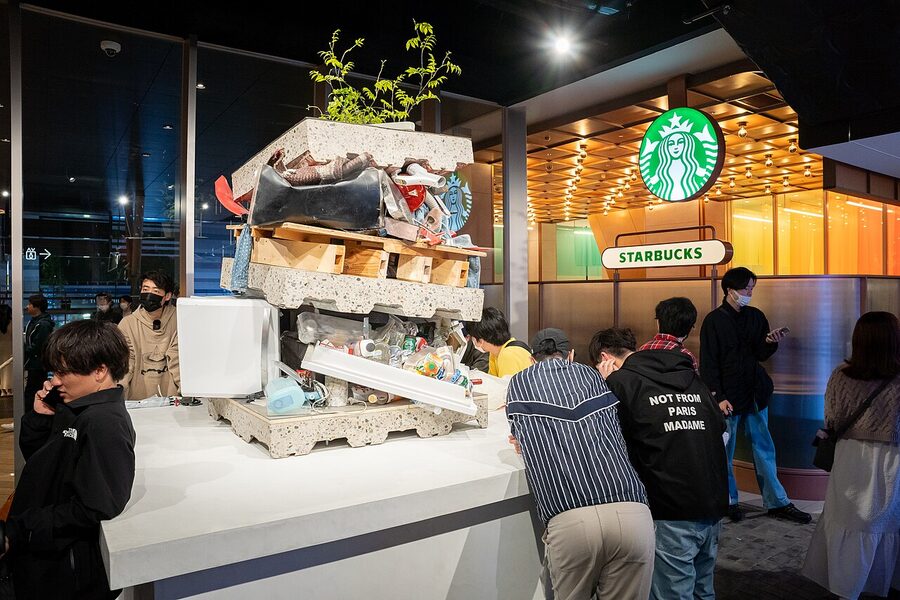
Quick facts at a glance
- Height: 225 m across 48 floors above ground plus 5 basements
- Opened: April 14, 2023
- Site history: Shinjuku Koma Theater (1956–2008), Milano-za cinema (1956–2014), demolished 2014–2022, Tower construction 2019–2023
- Developed by: Tokyu Corporation + Tokyu Recreation
- Total cost: Approximately 76 billion yen ($500M+ USD)
- Architect: Yuko Nagayama & Associates (facade) + Kume Sekkei (structure)
- Facade concept: Maku kabuki stage curtain — visible tricolour gradient on the glass
- Location: Next to Seibu-Shinjuku Station, 7 min walk from JR Shinjuku
- Key features: Two hotels, cinema, 900-seat theatre, Zepp live-music venue, food court, NAMCO arcade, idol theatre
- Worth visiting? Yes as a half-day stop; yes for a dedicated trip if you have a theatre ticket or hotel booking
What was on this site before?
Understanding Kabukicho Tower means understanding the 60-year entertainment cluster it replaced. The specific site has a remarkable theatrical history.
The Koma Theater (1956–2008)
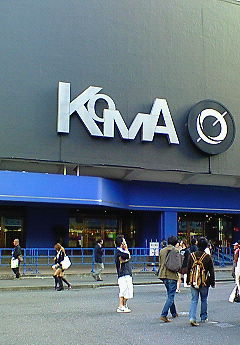
Opened December 1956 as a specifically kabuki-style revue theatre, the Shinjuku Koma Theater (新宿コマ劇場) became one of the most recognisable buildings in Kabukicho for over half a century. Its distinctive octagonal stage, rotating floor, and flower-walk (hanamichi) were features inherited directly from traditional kabuki theatres. The Koma hosted Hibari Misora, Kei Hibari, and most of the major Japanese showbusiness talent of the 1960s and 1970s.
By 2000, the theatre’s audience had aged dramatically. Younger Tokyo residents preferred the newer Shibuya and Roppongi entertainment options. The Koma closed in December 2008, demolition finished 2009, and the site sat as a gravel parking lot for over a decade.
The Milano-za cinemas (1956–2014)
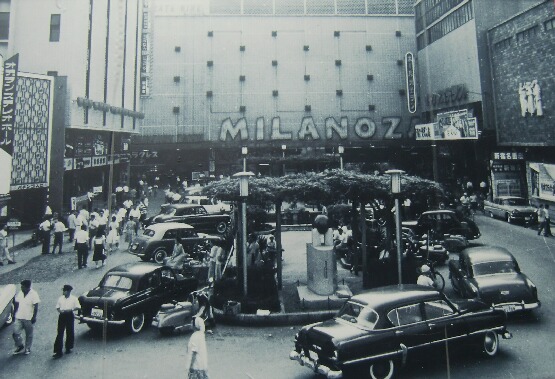
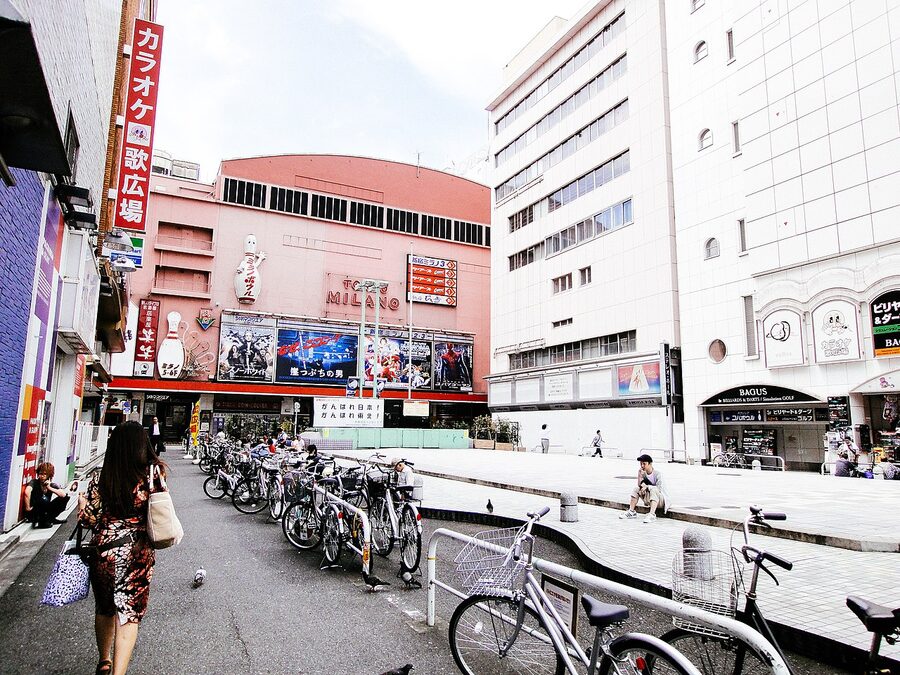
On the adjacent plot, Shinjuku Odeon, Shinjuku Theatre, and Milano-za opened together in 1956 as a cluster of major cinema venues. Milano-za was the flagship — 1,288 seats, the largest single-screen cinema in Tokyo for most of its existence. The name referred to Italy’s golden age of cinema (this was the era of Fellini and De Sica) and positioned the venue as a premium European-film-focused destination.
By the 1990s, multiplex-style cinemas had hollowed out demand for single-screen venues. Milano-za cycled through Italian, Hollywood, and Japanese programming before closing in December 2014. The surrounding Shinjuku Theatre and Odeon had already closed. The Tokyu Milano-za building was demolished 2014–2015.
The gap years (2014–2023)
For most of a decade, the combined site sat empty or under construction hoarding. Tokyu Corporation acquired and consolidated the plot through 2015–2018. Planning permission went through in 2019. Construction ran 2019–2022. The soft opening was January 2023; the grand opening April 14, 2023.
For Kabukicho residents who remembered the 1970s and 1980s, watching the Tower rise was an unusual experience — a concrete replacement for a set of buildings that had defined the neighbourhood’s visual identity for three generations.
Why does the building look like that?
The Tower’s most-photographed feature is the curved coloured glass facade. This isn’t decorative — it’s a specific architectural reference to the kabukimaku, the traditional kabuki theatre curtain with its distinctive black/orange/green vertical stripe pattern. Architect Yuko Nagayama’s facade design applies that stripe logic to a curved building envelope, with the colour gradient shifting across the 48-floor height.
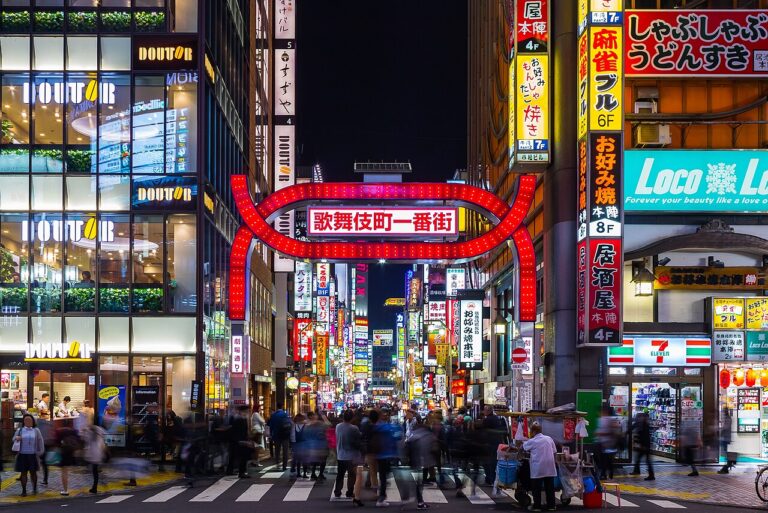
The pattern is subtle at ground level but clear from the Kabukicho Ichibangai gate area and from any of the upper-floor observation vantages around west Shinjuku. At night the facade is lit to emphasise the kabuki-curtain reference.
The curve is also functionally significant. By bowing the building outward rather than using a straight wall, Nagayama created varied floor-plate shapes that reduce the sense of uniform office-tower mass — the building feels more like an entertainment venue than a corporate skyscraper.
What’s actually inside the building?
By floor category, from top to bottom:
Hotels (floors 18-47)
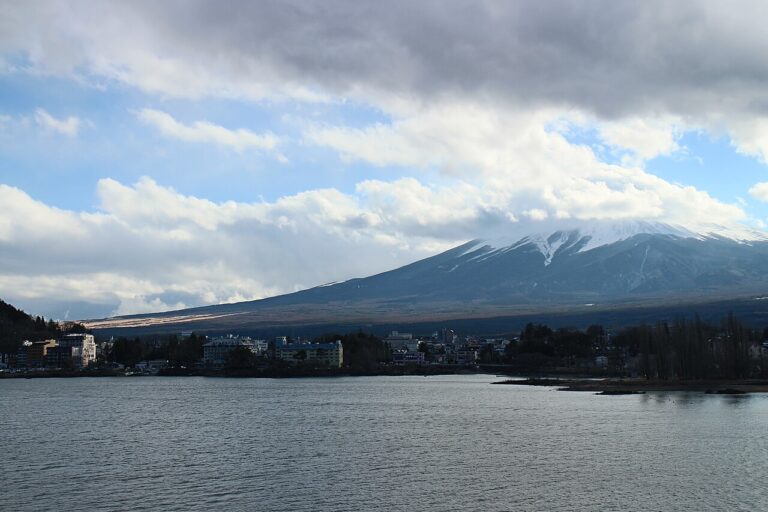
- Bellustar Tokyo (floors 39-47): Luxury hotel, rooms from ¥70,000/night. Sky lobby on floor 45 with an excellent view over west Tokyo. On clear winter mornings Mt Fuji is visible from the west-facing lobby.
- Hotel Groove Shinjuku (floors 18-38): Mid-tier lifestyle hotel, rooms from ¥30,000/night. Themed interiors with music and art design focus — different floor categories have different theming (classic music, rock, electronic, etc).
Both hotels have their own restaurants, bars, and lounges. The Bellustar sky lounge is open to non-guests for drinks (reservations recommended); the Hotel Groove bar on floor 17 accepts walk-ins.
Entertainment venues (floors 5-10)
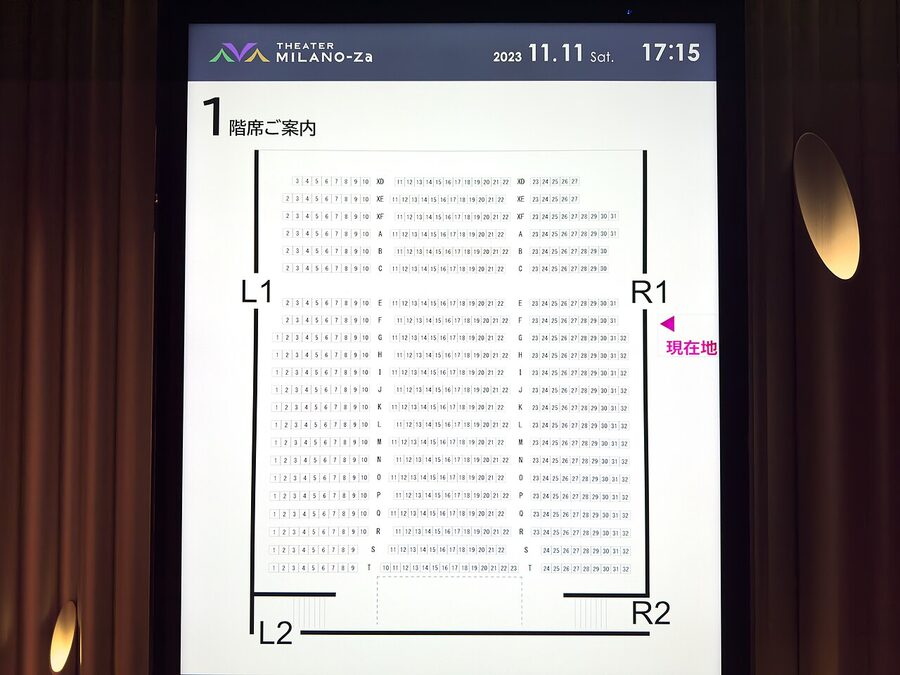
- THEATER MILANO-Za (floors 6-8): 900-seat multi-purpose theatre, the direct successor to the original Milano-za cinema. Hosts musical theatre, concerts, idol-group lives, Japanese traditional performances.
- Zepp Shinjuku (floor 5): 1,500-capacity live-music venue. One of Tokyo’s major concert venues for rock, pop, and indie shows.
- 109 Cinemas Premium Shinjuku (floors 9-10): Luxury cinema complex with 8 screens, premium seating, and full-service food delivery to seat.
- Kabukicho Bokujo (basement idol theatre): Underground idol-group live venue.
Food and retail (basement to floor 3)
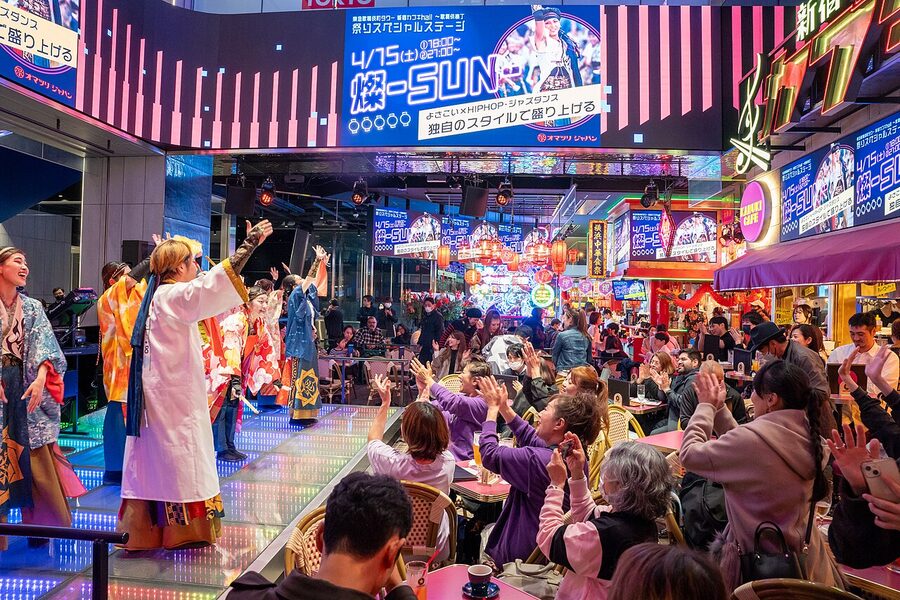
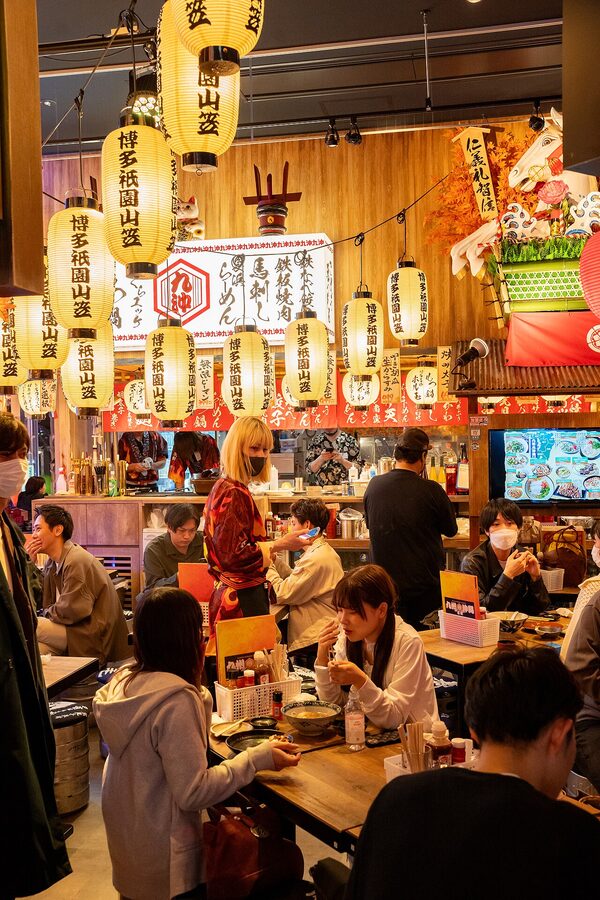
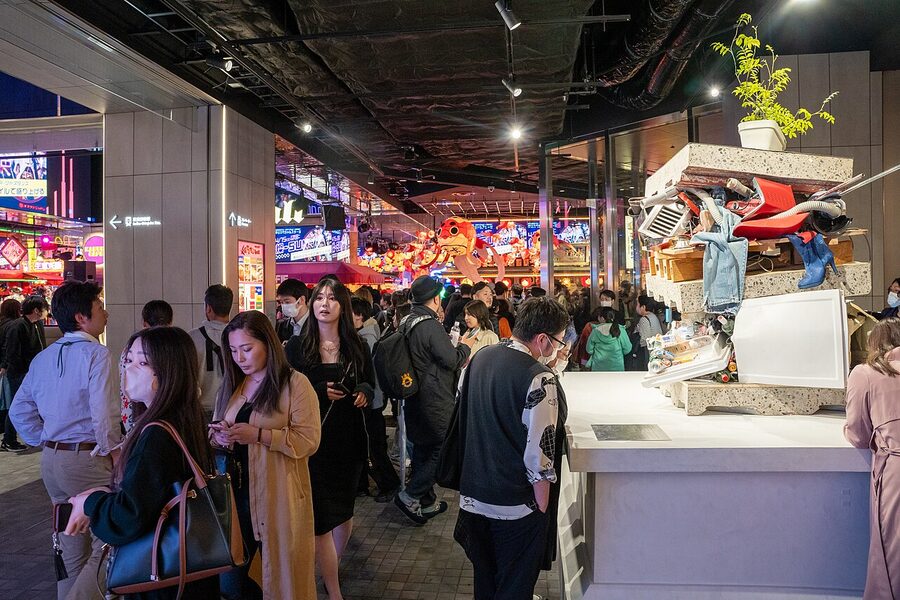
- Shinjuku Kabuki Hall / Kabuki Yokocho (basement 1): Multi-vendor food court themed around Japanese regional specialties. Takoyaki, gyoza, ramen, yakitori, okonomiyaki, wagyu. The styling specifically references festival-stall and yokocho-alley aesthetics rather than standard mall food-court design.
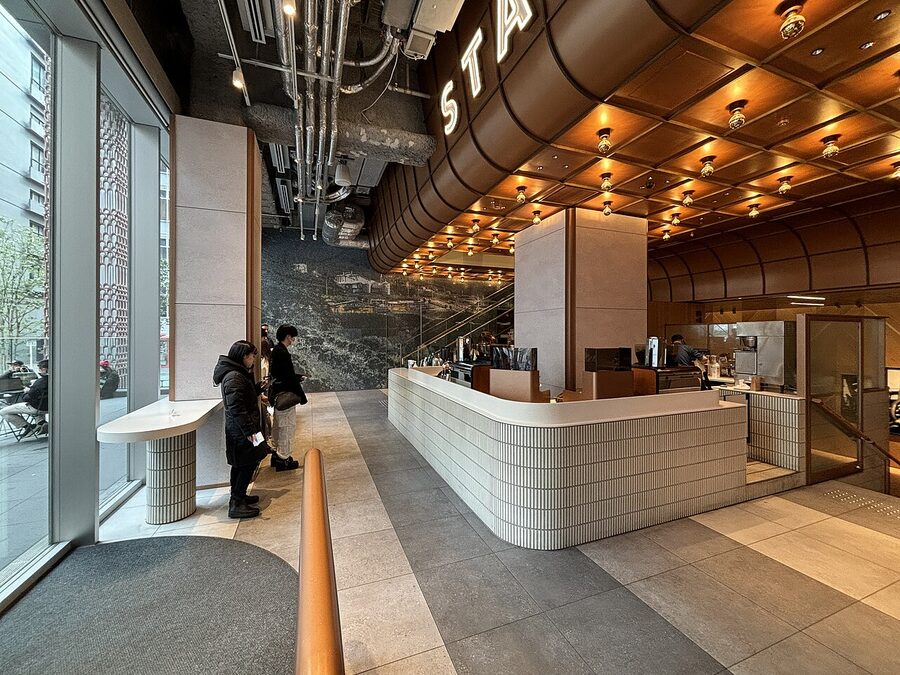
- Starbucks Reserve (floor 1): A premium Starbucks location with the reserve coffee program. Reasonably quiet, good for a pre-movie coffee.
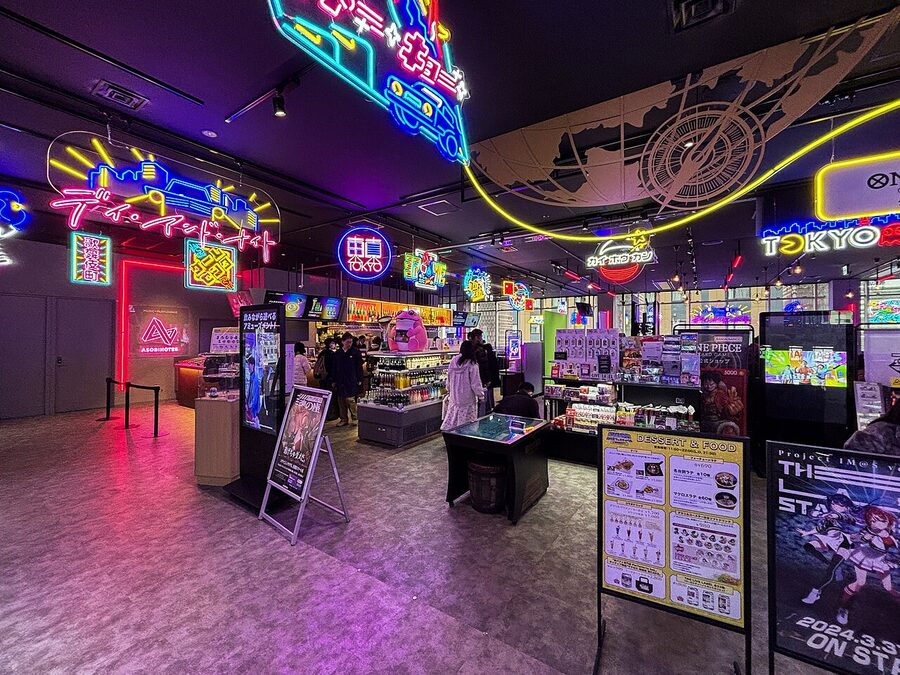
- NAMCO Tokyo (floors 2-3): Large arcade complex. Claw games, VR experiences, traditional arcade games. The Namco Tokyo space is specifically designed for international visitors, with higher English-language signage than typical Japanese arcades.
- Shop floors (1-3): Japanese character merchandise, anime-themed stores, fashion retail.
What should you actually do there?
A priority-ordered list for different types of visitor:
Shinjuku Kabuki Hall food court (first priority for most visitors)
The basement food court is the single best reason to visit if you’re not staying at the hotels. Multi-vendor layout styled to reference traditional Japanese festival food stalls, with quality that significantly exceeds typical Tokyo mall food courts. Takoyaki Doraku, Yakiniku Pub, and Gyoza Factory are standouts. Open late — good late-night option when other Kabukicho dining has closed.
A concert at Zepp Shinjuku
If you’re a fan of any Japanese indie, pop, or rock act, check the Zepp Shinjuku schedule. 1,500-capacity makes it intimate enough to matter but large enough that significant acts tour through. Ticket availability is often limited — book 2–4 weeks ahead for popular shows. Zepp is specifically the Tokyo venue that J-pop/J-rock fans fly in for.
NAMCO Tokyo arcade
The 2nd and 3rd floor arcade is specifically-designed to appeal to international visitors. Claw games are the main draw — Japan’s claw-game culture is its own category, and NAMCO Tokyo has a dense selection of prize offerings (character plush, figurines, seasonal snacks). Budget ¥1,000-2,000 to actually win anything; the machines are notoriously tight.
Starbucks Reserve coffee
The ground-floor Starbucks is a Reserve-programme location — specialty single-origin beans, reserve brewing methods, pour-over and siphon options. Reasonably quiet even during peak Kabukicho hours. Good pre-movie or pre-concert caffeine stop.
A movie at 109 Cinemas Premium
The luxury cinema on floors 9–10 is genuinely distinctive. Full reclining chairs, food and drink delivery to seat, better sound than most regular theatres. Ticket premium (¥3,000–¥6,000 vs ¥2,000 at regular cinema) is justified if you’re doing cinema as a Tokyo experience rather than a quick-movie watch.
Drinks at the Bellustar sky lounge
Floor 45, open to non-guests with reservation. Cocktails ¥2,000–¥3,500. Views over west Tokyo including the government buildings, Mt Fuji on clear winter mornings, and Tokyo Skytree in the distance. Cheaper than the Park Hyatt New York Bar equivalent and the views from this angle are different from what you’d get at the more famous Roppongi Hills or Tokyo Tower observation options.
What’s NOT worth visiting?
- The retail floors (1-3) beyond NAMCO. Generic mid-tier Tokyo retail. Shibuya Parco or Ikebukuro Sunshine City offer equivalent shopping more conveniently.
- THEATER MILANO-Za for tourists without Japanese. Mostly Japanese-language programming. Concerts and musical theatre need language competence to fully appreciate.
- Hotels as casual walk-through. Without a room booking or lounge reservation, you’re just looking at hotel lift doors.
How does the Tower fit the new Kabukicho?
The Tower is explicitly positioned as the “safe” Kabukicho entry point — mall-format, family-friendly, internationally-branded. The older Kabukicho drinking and hostess-club economy operates two blocks east, largely unaffected by the Tower’s arrival.
Our Kabukicho scams article covers what to avoid in the older parts of the neighbourhood. The Tower is the specific opposite — ticketed, professionally-managed, with clear signage and named operators at every venue. You can spend an entire day inside the Tower without engaging with the older Kabukicho ecosystem at all.
How do you get there?
The Tower is on the west side of Kabukicho, immediately next to Seibu-Shinjuku Station.
- From JR Shinjuku Station (East Exit): 7 minutes walk northeast.
- From Seibu-Shinjuku Station: Directly adjacent, 1 minute walk.
- From Tokyo Metro Shinjuku-Nishiguchi: 5 minutes east.
- From Kabukicho Ichibangai gate: 3 minutes northwest.
If you’re already walking through Kabukicho, the Tower is essentially unmissable — look up.
What about the neighbouring landmarks?
A short walk from the Tower brings you to several other Kabukicho landmarks worth knowing:
- Hotel Gracery Shinjuku (3 min north): The hotel with the famous Godzilla head on its 8th-floor terrace. Visible from ground level; hotel guests can book the “Godzilla Room” with a view.
- Golden Gai (5 min east): The tiny-bar alley district. Completely different scale and atmosphere; legitimate and recommended.
- Omoide Yokocho (10 min west, across the station): Traditional yakitori alley. Our broader Tokyo guide includes it in the food context.
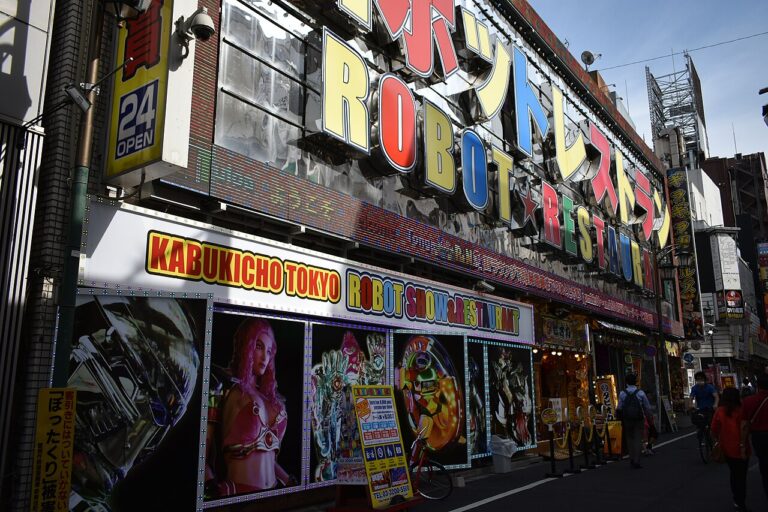
- Samurai Restaurant Time (5 min north): The cabaret show that replaced the Robot Restaurant. See our Robot Restaurant article.
- Kabukicho Ichibangai gate (3 min south): The iconic red entrance gate.
Has the Tower changed Kabukicho?
Three years in, observable effects:
- More daytime foot traffic. The Tower attracts families and international visitors during daytime hours when the older Kabukicho economy was quieter. Morning weekday crowds have grown.
- Property value increases. Nearby building prices have risen 20-30% since the Tower opened, matching what happened around Tokyo Midtown in the 2000s.
- Small-venue pressure. Some small independent venues in the immediate vicinity have faced rent pressure. A few have closed. The Tower hasn’t displaced the scam bars (which operate on side streets two blocks away) but it has affected the mid-tier of legitimate small businesses.
- Celebrity visitor uplift. The Bellustar hotel has attracted a specific slice of international celebrity and luxury-travel bookings that weren’t going to Kabukicho before.
What’s the history precedent?
The Tower’s development fits a specific Tokyo pattern: an old entertainment district gets a single large mall-format replacement that preserves some historical reference but fundamentally re-commercialises the space. Precedents:
- Roppongi Hills (opened 2003): Mori-developed complex replacing older mid-rise Roppongi. Similar template, more upscale audience.
- Tokyo Midtown (2007): Replaces former defence agency ministerial housing. Design-focused audience.
- Shibuya Scramble Square (2019): New destination at the Hachiko crossing. Different functional mix (observation deck focus).
- Azabudai Hills (2023): Same year as Kabukicho Tower. Houses TeamLab Borderless (see our TeamLab piece). Different audience (premium design).
The Kabukicho Tower is the specifically-Kabukicho version of this template: leans into the neighbourhood’s entertainment heritage, maintains the “Tokyu” and “Milano” nameplate references, but fundamentally replaces a half-century of small-venue ecosystem with a single vertical mall.
Sky lobby view — what you actually see
Bellustar’s sky lobby on floor 45 has a 270-degree view covering west Tokyo.
- South-west: Mt Fuji on clear winter mornings (about 100 days/year)
- West: Shinjuku government-building cluster including the twin-tower Tokyo Metropolitan Government Building
- North-west: The Nishi-Shinjuku skyscraper district including the Park Hyatt Tokyo
- North: Shinjuku Gyoen park (visible on clear days)
- East: Distant Tokyo Skytree on the horizon
Practical access: the sky lobby is available to Bellustar hotel guests and to non-guests with restaurant or bar reservations. The sky lobby itself is not a standalone ticketed observation deck — you need to be paying for food or drinks to access it.
How does it fit a Tokyo itinerary?
Good pairings by theme:
- Film-and-entertainment day: Morning movie at 109 Cinemas Premium, lunch at Kabuki Hall, afternoon concert at Zepp Shinjuku or Samurai Restaurant (see our Robot Restaurant piece), dinner at Golden Gai.
- Shopping + dining: NAMCO Tokyo arcade, NAMCO prize hunting, lunch at Kabuki Hall, afternoon shopping in Shinjuku proper, dinner back at a Kabuki Hall vendor.
- Hotel staycation: Book Hotel Groove or Bellustar, use the Tower as your base for a two-night Shinjuku weekend.
- Kabukicho cultural tour: Start at the Ichibangai gate, walk through to Tokyu Tower, lunch at Kabuki Hall, afternoon at Samurai Restaurant, dinner at Golden Gai. Full day covers all the major neighbourhood landmarks.
Final take
The Tokyu Kabukicho Tower is the newest 225-metre building in Kabukicho and the latest iteration of a site that has been central to Tokyo entertainment since 1956. The historical continuity — Koma Theater, Milano-za cinemas, now THEATER MILANO-Za and Zepp Shinjuku — is the underrated part. The food court is the practical day-visit answer. The hotels are the premium stay answer. The concert venue is the reason repeat visitors return.
Worth a stop if you’re in the neighbourhood; worth a dedicated trip if you have theatre tickets, a hotel booking, or a specific arcade or movie plan. Skip the retail floors and the walk-through hotel lobbies if you’re just browsing.
For related reading, our Robot Restaurant / Samurai Restaurant piece covers the iconic neighbouring cabaret show, our Kabukicho bar scams article covers what to avoid in the older parts of the neighbourhood, and our Kabukicho nightlife industry piece gives the full neighbourhood context.
.jpg)


.jpg)
.jpg)
.jpg)
.jpg)


.jpg)

