Reviewed · SUMO EXPERIENCES
the SUMO show
The best part of this Tokyo experience is that sumo does not stay on the stage. You learn the basic moves, watch retired wrestlers demonstrate them, then get the chance to put on a sumo costume and challenge one yourself. It turns a sport that can seem mysterious into something you can understand and laugh about.
In This Article
- Key points to know before booking
- Meeting retired wrestlers in Sumida
- Learning the rules before the action
- Watching the sparring demonstrations
- Your turn in the sumo ring
- Eating tonkatsu and chanko soup
- Photos, costumes, and family fun
- Is $89.54 a fair price?
- Who will enjoy this sumo show most?
- Booking, timing, and cancellation tips
- Should you book the SUMO show?
- FAQ
- Where does the SUMO show take place?
- What time does the experience start?
- How long does the SUMO show last?
- Where does the activity end?
- What food is included?
- Are drinks included?
- Can I participate in a sumo bout?
- Do I need to provide dietary information in advance?
- Can I cancel for a refund?
- How many people can join the activity?
I like the small-audience feel reported by many visitors, since it gives you a clear view and a real chance to interact. I also like the food: tonkatsu and chanko soup are more than a token lunch, and the meal helps explain how wrestlers eat and train.
The main consideration is the price, about $89.54 per person, for a 90-minute activity. Drinks cost extra, and the serving size may not satisfy a very hungry adult, especially if you expect a huge bowl of soup or a full sumo-sized meal.
Key points to know before booking
- You can challenge a retired wrestler: Participation is encouraged but not forced, so you can wrestle, watch, or do a little of both.
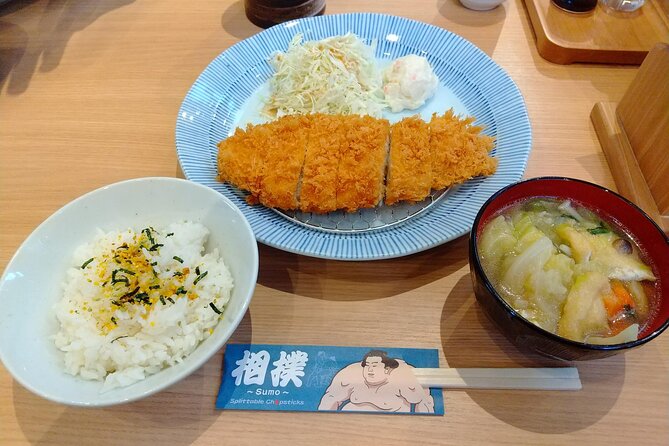
- The meal is part of the cultural lesson: Tonkatsu and chanko soup give you a taste of the food associated with sumo life.
- The show is made for families: The explanations are simple, the tone is playful, and children have plenty to watch and do.
- The location is in Sumida: You make your own way to Yokozuna Tonkatsu, at 3-chōme-1-11 Tatekawa.
- The activity lasts about 90 minutes: It is a compact introduction rather than a full afternoon devoted to sumo.
- Dietary requests need advance notice: Add allergies or restrictions when booking, ideally at least five days before the date.
Meeting retired wrestlers in Sumida
Your meeting point is Yokozuna Tonkatsu, a restaurant and sumo show venue in Tokyo’s Sumida City. The activity begins at 1:00 pm and ends at the same place, so you do not need to arrange a second pickup or find your way across town afterward.
The host introduces you to the retired sumo wrestlers and explains how the session will work. The exact host names are not provided, but the format is clear: part demonstration, part cultural lesson, part lunch, with plenty of audience participation.
The venue is near public transportation, though the meeting point is not in Tokyo’s most familiar sightseeing core. That is not a serious problem if you are comfortable using trains, but leave enough time to find 3-chōme-1-11 Tatekawa and arrive without rushing. Your confirmation provides the location details after booking.
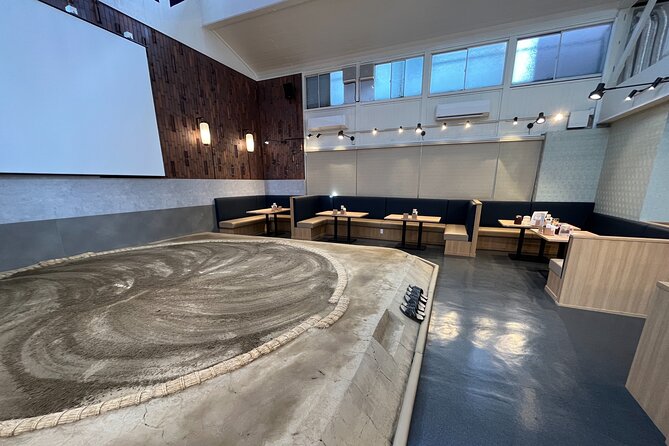
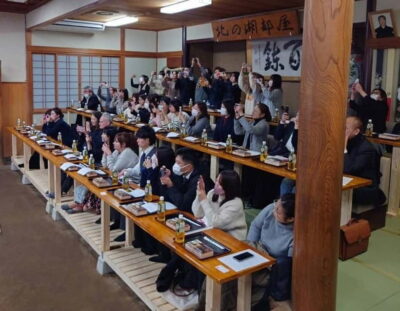
Group size can reach 60 people. That sounds large, though the experience may feel more intimate when attendance is lighter. Seating is assigned according to the order reservations are received, and arriving early does not guarantee a better seat. Some tables can be farther from the dohyo, or sumo ring, so you may need to stand at times for a clearer view.
You may also share a table with another party. For a large family or group, everyone may not fit at one table. This is worth knowing if you picture a private meal with your own party.
A few more Tokyo tours and experiences worth a look
Learning the rules before the action
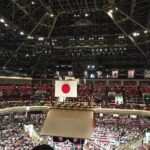
Sumo has a thick layer of ritual and rules, and the first part of the show gives you a practical introduction. The wrestlers explain the sport’s background, training rituals, and basic techniques before showing how the movements work.
This is not a long academic lecture. The tone is light, with demonstrations and jokes helping you follow along. That balance works well for visitors who know little about sumo. You do not need to understand Japanese wrestling before arriving, and you are given enough information to make the later demonstrations meaningful.
The format is especially useful for families. Children can see the physical action right away, while adults get a short explanation of why sumo wrestlers move, bow, push, and prepare in particular ways. The result is a better sense of the sport than you would get from watching a few random clips online.
You should keep your expectations sensible. This is a lively introduction, not a detailed course in sumo history or a full tournament-day experience. The history and rules are covered at a broad level, which suits a 90-minute lunch show but may feel brief if sumo is your main reason for visiting Japan.
One practical tip: during a video or spoken explanation, it can be hard to hear every word if other sound is playing. Sit where you can see the ring, and pay attention when the host is speaking. The session moves at a friendly pace, but you will get more from it if you listen closely and ask questions.
Watching the sparring demonstrations
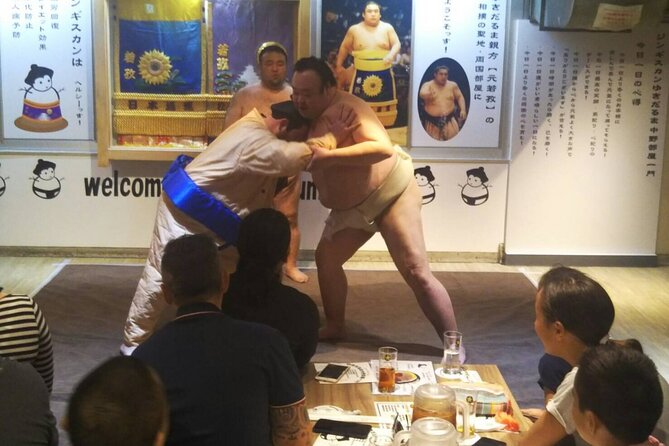
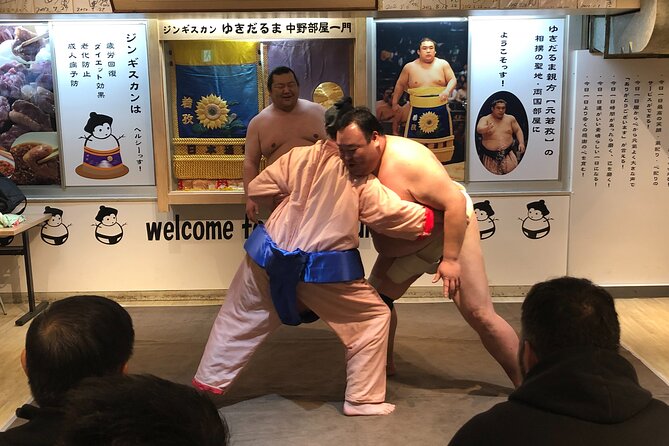
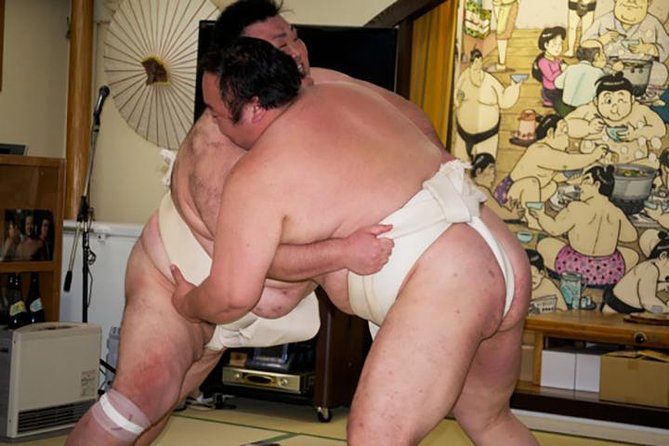
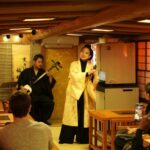
The retired wrestlers then show you sumo techniques and exercises in action. This is where the scale and force of the sport become easier to grasp. Even a short demonstration helps you see that sumo is not simply two large people pushing until one gives way.
You will watch sparring and see how a wrestler uses balance, timing, position, and technique. The performers also explain what they are doing, so the action has context rather than becoming a noisy wrestling skit.
The mood is deliberately friendly. The wrestlers are described as funny, approachable, and willing to spend time with each table. Staff members keep the pace moving and involve the whole room, which helps prevent the show from becoming a passive performance viewed from a distance.
Sightlines depend on your table. Some seating is close enough for an excellent view, while tables farther from the dohyo may require you to stand now and then. If you want the clearest possible view, do not assume that arriving early will change your assigned seat. The seating system is set by booking order.
Your turn in the sumo ring
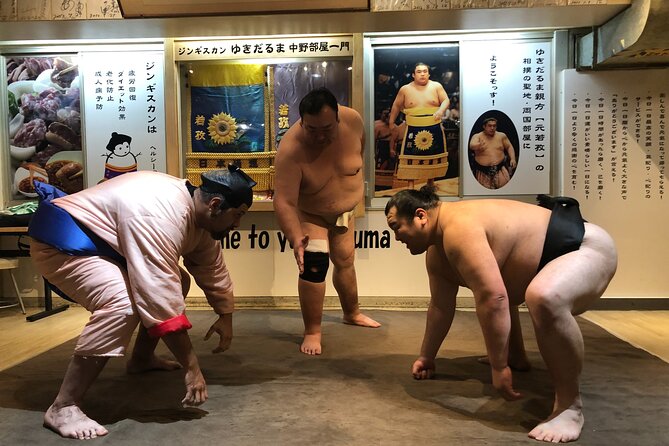
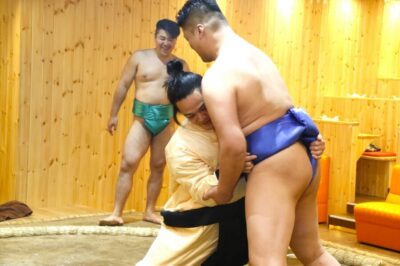
The interactive bout is the part many people remember. You can put on a traditional sumo costume and challenge a retired wrestler in a friendly match. The language around participation is important: you can join in if you feel brave, but you are not required to wrestle.
This makes the experience work for mixed groups. One person can step into the ring while others take photos and cheer. Children may enjoy the costume and the ceremony as much as the actual pushing match, and adults often find the chance to test a sumo technique too amusing to refuse.
Do not expect to overpower a retired wrestler with strength. The fun comes from trying the movements, using the techniques you have just seen, and discovering how difficult it is to shift someone who knows the sport. A little humility helps here.
The staff asks everyone to follow instructions and use good judgment. If someone causes trouble, they may be asked to leave without a refund. That rule is fair for a physical activity, especially when several dozen people share the venue, so listen carefully before you step into the ring.
If you have mobility concerns or simply do not want physical contact, watching is a perfectly reasonable choice. The program is designed so you can take part as much or as little as you like. The available information says most people can participate, but it does not promise that every physical condition will suit the bout.
Eating tonkatsu and chanko soup
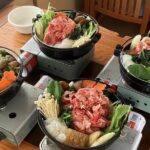
Lunch is built into the experience, not added as an afterthought. You receive tonkatsu and chanko soup, two dishes that connect naturally to the sumo theme.
Tonkatsu is breaded pork cutlet, and it gives the meal a familiar, satisfying center. The chanko soup is the more distinctive part for many visitors. It is associated with the communal cooking and hearty eating of sumo stables, and several people found the soup particularly tasty.
The food receives some of the strongest praise attached to this experience. It is described as surprisingly good, and the meal adds real value to the show. You are not only watching a performance, you are sitting down to food prepared in a venue tied directly to the sumo presentation.
Still, do not assume that the portions match the appetite of a professional wrestler. One visitor found the dinner serving a little small and left hungry. Another wished for a large bowl of chanko instead of the tonkatsu because the soup was so good. Portion size can be a deciding factor if you are booking this as your main meal of the day.
Drinks are not included, so budget extra for them. Vegetarian meals and other dietary accommodations are available on request, but you must place those details in the special notes when booking. Requests made less than five days before the event may not be answered, so this is not something to leave until the morning of the show.
A few more Tokyo tours and experiences worth a look


Photos, costumes, and family fun
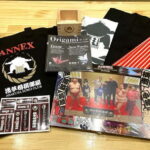
There is time for photographs with the wrestlers before you leave. The traditional sumo costume makes the pictures more memorable than a standard group snapshot, and the wrestlers interact with each table rather than disappearing immediately after the performance.
This photo time matters if you are visiting with children. The show has a clear family focus, and the combination of costumes, large personalities, food, and friendly competition gives younger visitors several ways to enjoy the afternoon.
The atmosphere is also suitable for adults who are not serious sports fans. The explanations make the sport easier to follow, but the humor keeps the session from feeling like a lesson. You can come for a cultural activity, a family outing, or simply something different from temples and shopping streets.
A special-needs child was described as having a particularly good time, which suggests the warm staff approach can work well for families seeking an inclusive group activity. That said, the available details do not provide specific information about wheelchair access, so contact the provider before booking if you need particular physical accommodations.
Is $89.54 a fair price?
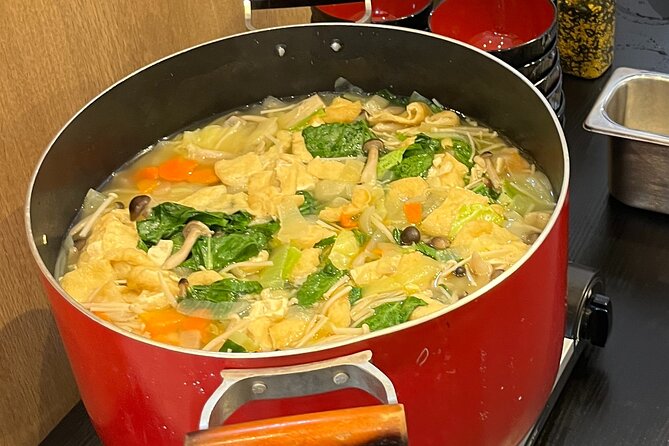
At about $89.54 per person, this is not a cheap lunch. You are paying for a hosted cultural activity, a live demonstration by retired wrestlers, audience participation, photographs, and a meal in one package.
I think the value is strongest if you plan to take part. The friendly bout, costume, and direct interaction make the experience feel more substantial than a simple stage performance. The value is also better for families, since several people can share the same activity without arranging separate entertainment for children and adults.
The price is harder to justify if you only want to watch sumo. You could find less expensive meals and cultural presentations elsewhere, and the show lasts only about an hour and a half. Visitors seeking detailed technical instruction or a full tournament atmosphere may find the program too short and broad.
The 4.9 rating from 1,960 reviews and 98 percent recommendation figure point to a consistently well-received experience, but those numbers should not hide the practical limits. Food portions vary in how satisfying they feel, drinks cost extra, seating is not fully flexible, and the activity can accommodate up to 60 people.
For me, the strongest reason to book is the combination of real retired wrestlers and hands-on participation. You are not just being told about sumo. You get to see the movements up close and try them under supervision.
Who will enjoy this sumo show most?
This is a strong choice for families with school-age children. The show is easy to follow, the wrestlers are playful, and everyone gets a chance to participate or take pictures. It also suits adults looking for a cultural activity that does not require prior knowledge of sumo.
It is a good fit for first-time visitors to Tokyo who want a compact introduction to a Japanese tradition. The 1:00 pm start leaves the rest of the day open, and the activity returns you to its starting point instead of ending in an unfamiliar district.
You should think twice if you dislike group participation, physical comedy, or shared tables. You can sit out the bout, but the show is built around audience involvement. It may also disappoint serious sumo followers who want a long discussion of the sport, detailed strategy, or live tournament competition.
I would also avoid treating it as a guaranteed full meal for a large appetite. Enjoy the tonkatsu and chanko soup, then keep room in your plans for another snack if needed.
Booking, timing, and cancellation tips
Confirmation arrives within 48 hours of booking, subject to availability. The activity runs at a maximum of 60 people, and seating is assigned by reservation order, so book early if your schedule is fixed, but do not count on early arrival producing a better table.
Free cancellation is available until 24 hours before the local start time. Cancelling later means losing the amount paid, and changes made within 24 hours are not accepted. Date changes are also not allowed within three days of the experience, and flight delays or illness during that period are treated as cancellations.
That policy makes travel insurance or a careful schedule worth considering. Do not book this directly against a tight flight connection or another fixed appointment. Arrive with time to find the venue, especially if you are navigating Tokyo’s train system with children.
Should you book the SUMO show?
Book it if you want an entertaining, family-friendly look at sumo with a meal and a real chance to step into the ring. The retired wrestlers, clear explanations, good humor, photographs, and chanko soup give the 90 minutes a satisfying shape.
Skip it if you want an in-depth study of sumo, a tournament match, or a private dining experience. The venue can be busy, tables may be shared, some seats are farther from the ring, and the food may not be enough for a very large appetite.
For most first-time visitors, I see this as a worthwhile Tokyo activity, especially for families and anyone who likes learning by doing. Bring an open mind, follow the staff’s instructions, and take the opportunity to try the bout. That is where the experience earns its price.
FAQ
Where does the SUMO show take place?
The meeting point is Yokozuna Tonkatsu, at 3-chōme-1-11 Tatekawa, Sumida City, Tokyo 130-0023, Japan.
What time does the experience start?
The activity starts at 1:00 pm.
How long does the SUMO show last?
The demonstration and meal take about 1 hour and 30 minutes.
Where does the activity end?
The experience ends back at the meeting point at Yokozuna Tonkatsu.
What food is included?
Tonkatsu and chanko soup are included.
Are drinks included?
No. Drinks are not included in the listed price.
Can I participate in a sumo bout?
Yes. You may challenge a retired sumo wrestler in a friendly bout, but participation is optional.
Do I need to provide dietary information in advance?
Yes. Add allergies or dietary restrictions in the special notes when booking. Requests made less than five days before the event may not receive a response.
Can I cancel for a refund?
You can cancel for a full refund up to 24 hours before the local start time. Cancellations made less than 24 hours before the start are not refunded.
How many people can join the activity?
The maximum group size is 60 people. You may be asked to share a table, and large groups may not all fit at one table.
More Shows & Entertainment in Tokyo
More Shows & Performances in Tokyo
More Sumo Experiences in Tokyo
More tours in Tokyo we've reviewed












Sumo Experiences, compared.
 ★ 4.8Tokyo: Sumo Show Experience with Chicken Hot Pot and a PhotoFrom $1032 hours
 ★ 4.8Tokyo: Sumo Show and Dining ExperienceFrom $7990 minutes - 2 hours
 ★ 5.0Tokyo Sumo Entertainment Show with Chicken Hot Pot and PhotoFrom $106
 ★ 4.6Tokyo: Sumo Tournament Tour with Chair Seat TicketsFrom $141
 ★ 5.0Tokyo Grand Sumo Tournament Viewing Tour with TicketsFrom $124
 ★ 5.0Tokyo Sumo Wrestling Tournament ExperienceFrom $124