Reviewed · SUMO EXPERIENCES
Tokyo Sumo Experience: Chanko & Mochi with a Former Pro
The best part of this Ryogoku sumo experience is the close contact. You sit beside the dohyo while former professional wrestlers demonstrate their strength, explain basic techniques, and invite you to try them yourself. It is sumo as a lively cultural show, not a quiet morning training session.
In This Article
- Key points to know before you book
- Why Ryogoku is the right place for a sumo introduction
- Taking your seat beside the dohyo
- Chanko nabe: the meal behind the muscle
- Watching real sumo demonstrations up close
- Pounding mochi with the wrestlers
- Your turn on the sumo ring
- Seating, children, and practical limits
- What the $103 price buys you
- Who will enjoy this most
- How to make the most of your two hours
- Should you book the Tokyo Sumo Experience?
- FAQ
- Where does the Tokyo Sumo Experience take place?
- How long does the experience last?
- What food is included?
- Can vegetarian, vegan, or gluten-free meals be arranged?
- Can halal meals be provided?
- Can children participate?
- Is the experience wheelchair accessible?
I like two things especially. First, the chanko nabe is prepared under the supervision of wrestlers from an actual stable, so lunch or dinner comes with useful context about the food behind the sport. Second, the mochi pounding and wrestling activities give you something to do, rather than leaving you to watch from a distance.
The main consideration is that this is designed for entertainment and family participation, not for observing serious professional training. Seats are assigned by the venue, and wheelchair users cannot take part. If you want a polished, interactive introduction to sumo, though, the format works very well.
Key points to know before you book
- Former professionals lead the action: You see demonstrations up close and learn about sumo techniques, training, diet, and daily life.
- Chanko nabe is part of the experience: The hot pot is wrestler-supervised and is described as filling, fresh, healthy, and flavorful.
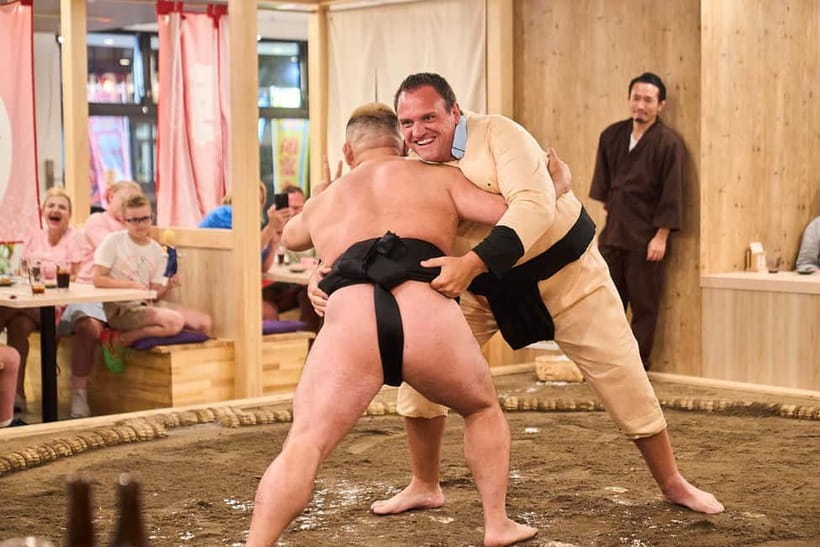
- You can step onto the dohyo: Adults and children can try sumo techniques and take part in a friendly match with the wrestlers.
- Mochi is both a demonstration and dessert: You watch the traditional pounding process, help make mochi, then eat it sweetened.
- Ryogoku makes a useful Tokyo base: The venue is a short walk from Ryogoku Station, near Asakusa, Akihabara, Nihonbashi, and Tokyo Skytree.
- Plan seating carefully: Seats are assigned, exact numbers are required for standard seating, and holding a child on your lap is only permitted in the box seats.
Why Ryogoku is the right place for a sumo introduction
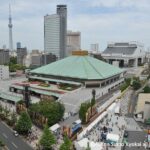
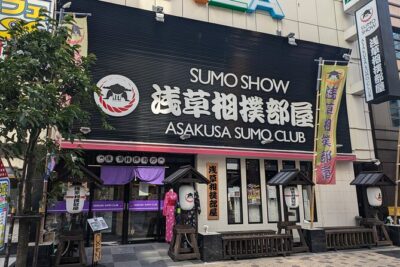
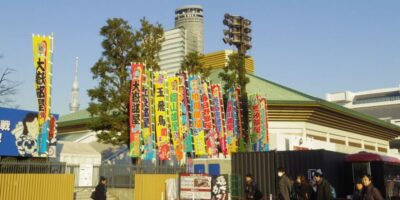
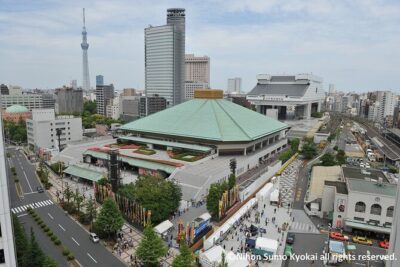
Ryogoku is Tokyo’s sumo neighborhood, so the setting adds meaning before the activity even begins. The venue sits on the first floor, a short walk from Ryogoku Station, and is marked by a large sumo wrestler sign and flags. That makes it fairly easy to spot, though one useful tip is to allow extra time if you are unfamiliar with the station area.
The location also fits neatly into a day of sightseeing. You can pair the activity with Asakusa, Akihabara, Nihonbashi, or Tokyo Skytree. Since the experience lasts two hours, it is short enough to fit into a busy Tokyo schedule without taking over the whole day.
I would treat this as a cultural activity with a meal, not simply a performance. You get a basic look at the sport, some direct contact with former wrestlers, and a taste of the food associated with a sumo stable. That combination gives the neighborhood context a practical purpose.
A few more Tokyo tours and experiences worth a look
Taking your seat beside the dohyo
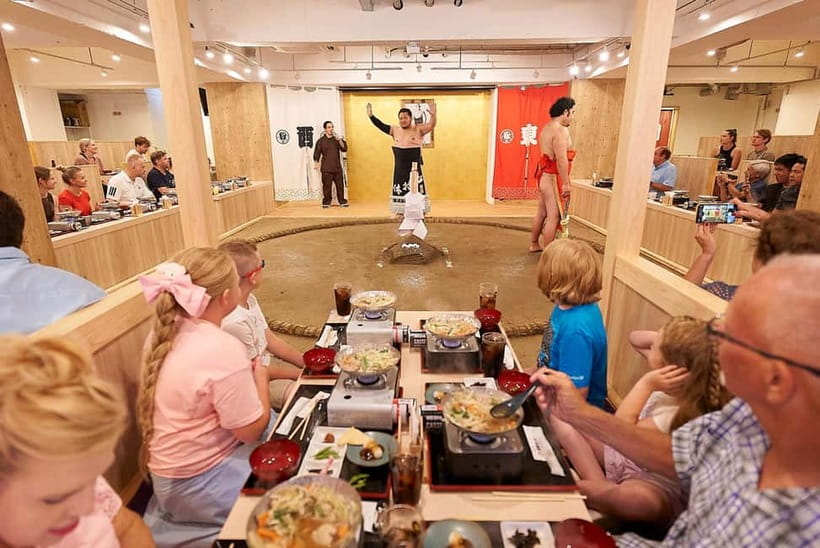
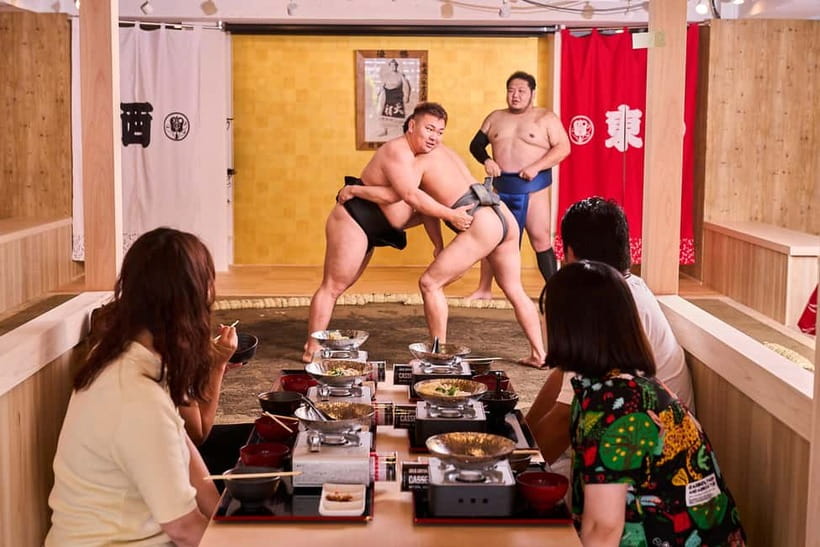
The activity begins with you settling into a seat around the dohyo, the raised sumo ring. This arrangement matters. You are not watching tiny figures from the back of a large arena. The wrestlers perform directly in front of you, close enough for you to see the force behind their movements.
The demonstrations cover sumo techniques and training. You can expect an explanation of how wrestlers prepare, what they eat, and how the sport works. The presentation is conducted in English and Japanese, with a host helping guide the event and encourage participation.
The tone is friendly and controlled. Children can follow the action, and adults do not need any prior knowledge of sumo. The activity is built to make the sport understandable through movement and humor, rather than through a long lecture.
One point to keep clear: this is not a serious morning training visit at a working stable. You are seeing an entertaining presentation created for adults and children. That makes it easier and more welcoming for families, but it will not satisfy someone hoping to quietly observe the demanding routine of active wrestlers.
Chanko nabe: the meal behind the muscle
Chanko nabe is the central food experience. This hot pot is associated with the diet of sumo wrestlers, and here its flavor is supervised by wrestlers from an actual stable. That gives the dish more weight than a standard restaurant hot pot served beside a show.
The meal is described as fresh, healthy, delicious, and filling. That last point is useful if you are planning to eat afterward or if you have children with you. The food is not just a small sample included to justify the ticket. It forms a substantial part of the two-hour program.
I like the way the meal connects the spectacle to everyday life. Sumo is not only about the match itself. Food, training, and routine are part of how wrestlers build their bodies and prepare for competition. Chanko nabe gives you a simple way to understand that link.
Dietary requests need advance notice. Vegetarian, vegan, and gluten-free meals can be provided if requested at least two days before your reservation date. Halal meals cannot be provided, although you may bring your own food. If you have an allergy, including an alcohol allergy, ask about drinks and ingredients before ordering. One person specifically could not drink the complimentary sour plum drink because of an alcohol allergy.
Watching real sumo demonstrations up close
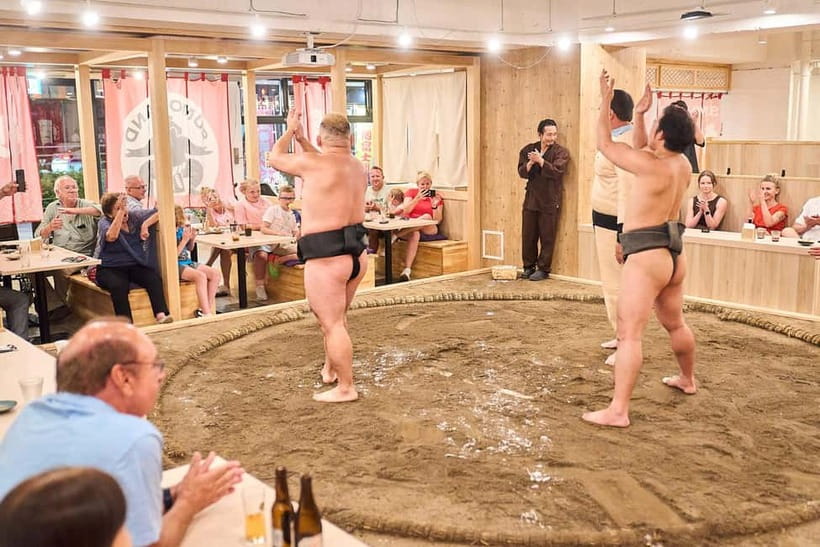
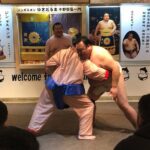
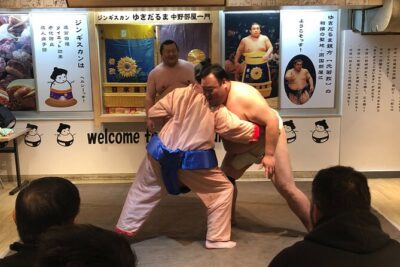
The wrestling demonstrations are the visual centerpiece. You see several rounds of sumo, including technique demonstrations and more serious-looking sample matches. The close seating lets you appreciate the sudden impact, balance, and footwork that can be hard to understand from television alone.
The wrestlers also explain what they are doing. That turns the show into a short lesson. You learn why a wrestler uses a particular stance or movement, then see the idea put into action immediately.
The demonstrations are impressive without being presented as a full tournament. You should expect an accessible sample of the sport rather than a formal competition. The host keeps the mood light, and the wrestlers are encouraged to interact with the audience.
That mix works well for first-time visitors. If you already follow professional sumo closely, you may want more technical depth or a longer look at the sport. For most people visiting Tokyo, the demonstrations provide enough action to make the rules and physical demands easier to grasp.
Pounding mochi with the wrestlers
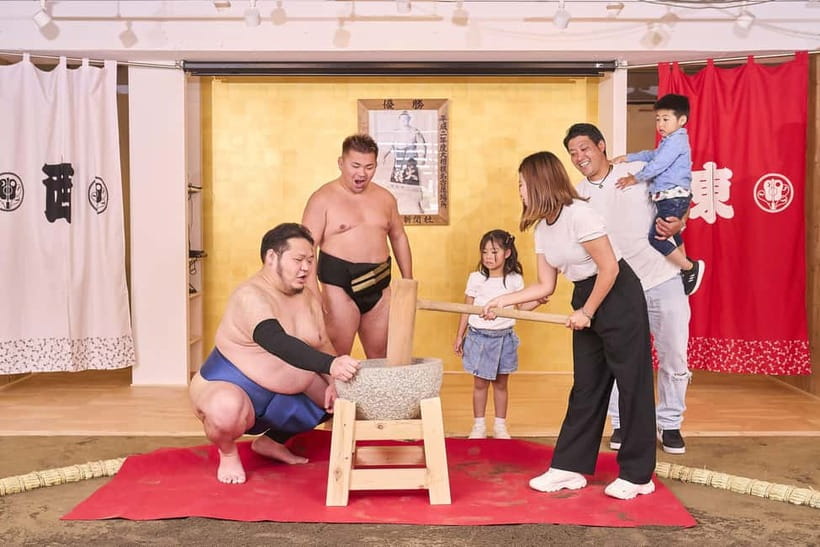
The mochi segment adds a different kind of participation. You watch the traditional process of pounding cooked rice, then have the chance to help make mochi with the wrestlers. Afterward, you eat sweet mochi for dessert.
This is one of the most memorable parts for children, but adults enjoy it too. The activity is physical, visual, and easy to understand even if you do not speak much Japanese. It also gives you a break from sitting and watching.
The demonstration shows that mochi is not simply a packaged sweet. The pounding process requires timing and coordination, and the wrestlers bring plenty of energy to it. You get a small look at a traditional food practice while still enjoying the cheerful pace of the event.
Bring a camera, since the mochi segment and the sumo demonstrations offer strong photo opportunities. Comfortable clothing is the sensible choice, especially if you plan to take part in wrestling or other activities.




Your turn on the sumo ring
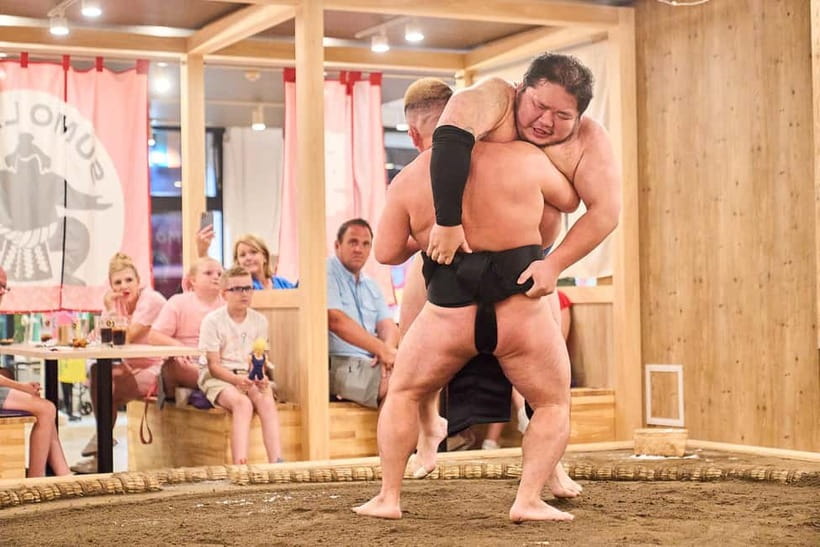
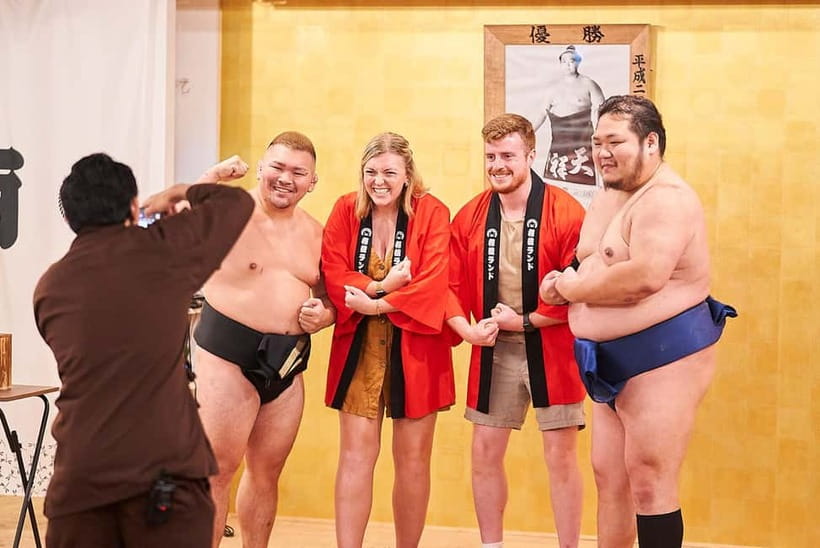
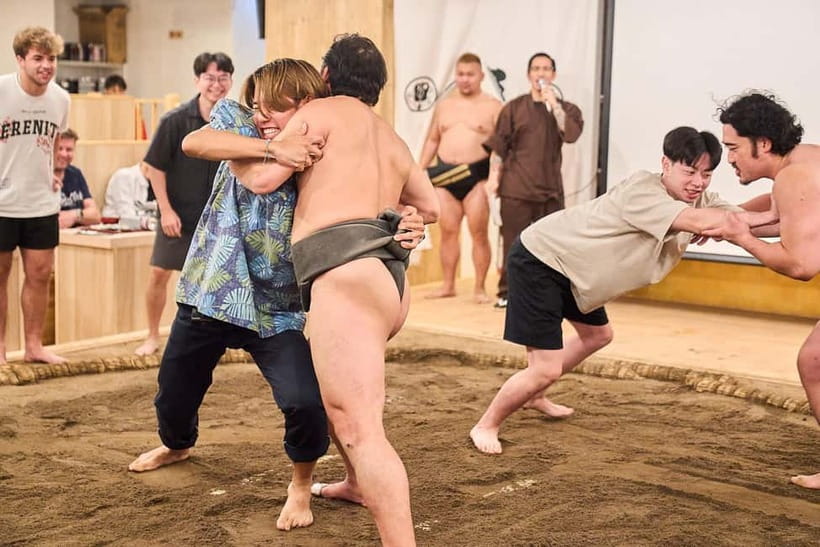
The most unusual feature is the chance to step onto the dohyo and try sumo with the wrestlers. You can practice techniques and, if you wish, test your strength in a friendly match. Children and adults are invited to participate.
You do not need to be athletic to enjoy this part. The wrestlers control the activity and make it approachable, encouraging people to join rather than turning it into a serious contest. The emphasis is on laughter, contact, and trying something you normally could not do in Tokyo.
Participation is not compulsory. You can remain in your seat and watch, which helps if your group includes someone who is shy, tired, or not comfortable wrestling. Still, I think the experience offers better value if at least one person in your party joins in.
Families are especially well served. Children as young as six have enjoyed the food and activities, and older children and teenagers can take part in both mochi making and wrestling. Adults traveling without children should not assume the program is only for families. The demonstrations, meal, and chance to test a technique work just as well for couples, friends, and work groups.
Seating, children, and practical limits
The venue assigns seating, so you cannot choose or request a specific location. If sitting close to the dohyo matters to you, keep that limitation in mind when comparing this activity with other sumo options.
Standard seats require a reservation for the exact number of people. Holding a child on your lap in standard seating is considered dangerous. Box seats are safer, can accommodate up to six people, and permit a child to sit on a parent’s lap. If your party includes a small child, this seating distinction is important.
The activity is not suitable for wheelchair users. Smoking is not allowed. Comfortable clothing is recommended, especially for anyone planning to join the sumo or mochi activities.
The experience lasts two hours, with starting times available according to the date. English and Japanese support is provided. The meeting point is near Ryogoku Station, on the first floor, with a large sumo sign and flags to help you find it.
What the $103 price buys you
At $103 per person, this is not a cheap meal or a quick photo stop. The value comes from combining several separate Tokyo experiences into one organized visit: a sumo presentation, explanations from former professionals, chanko nabe, mochi making, dessert, and audience participation.
I think the price is reasonable if you want a structured cultural activity and plan to join in. You would otherwise need to arrange food, find a sumo-related presentation, and hope for some form of personal interaction. Here, the program is contained within two hours and includes the main food and activities.
The value is weaker if you only want to watch serious sumo. This event is intentionally theatrical and welcoming. It does not replace attending a tournament or observing authentic morning practice. It is best understood as an introduction that makes the sport approachable.
The strong point is the amount of content packed into the time. You do not spend two hours on one demonstration. You move from explanation to food, wrestling, mochi, and more demonstrations. That variety also helps families and mixed-age groups stay engaged.
Who will enjoy this most
I would recommend this activity to first-time visitors who want to understand sumo without committing to a full tournament visit. It is also a good choice if your Tokyo dates do not match a major sumo tournament, since you can still see the sport in its home neighborhood.
Families are a natural fit, especially those with children old enough to follow instructions and interested in trying something new. The activity also works well for groups of friends or coworkers because the participation creates easy shared laughs.
Food-focused visitors have a reason to book, too. Chanko nabe is more meaningful when you learn how it relates to wrestler life, and the mochi segment adds a traditional dessert with a hands-on element.
I would be more cautious if you need a wheelchair-accessible activity, require halal food, or strongly prefer a quiet, formal cultural presentation. You should also look elsewhere if a specific seat is important to you, since the venue assigns locations.
How to make the most of your two hours
Arrive early enough to find the first-floor venue without rushing. The sumo sign and flags help, but the area around a major Tokyo station can still slow you down.
Wear clothes that let you move comfortably. Bring a camera, but keep it ready rather than spending the whole time behind a screen. The point of the event is seeing the wrestlers close by and taking part when invited.
If you want a dietary adjustment, give notice at least two days before the reservation. For a child on your lap, reserve box seating rather than assuming standard seating will work.
Most important, decide before you arrive who wants to participate. You can watch everything, but the activity offers its best value when you try the mochi pounding or step onto the dohyo. The wrestlers and host make participation friendly, not intimidating.
Should you book the Tokyo Sumo Experience?
Book it if you want a fun, well-organized introduction to sumo with real food and plenty of audience participation. The close demonstrations, wrestler-supervised chanko nabe, mochi making, and friendly wrestling match create a full two-hour outing rather than a single staged show.
Skip it if your priority is serious training, tournament-level competition, or guaranteed seating in a particular place. For everyone else, especially families and first-time visitors, $103 buys a practical look at sumo culture with enough action, food, and hands-on time to justify the cost.
FAQ
Where does the Tokyo Sumo Experience take place?
The venue is on the first floor, a short walk from Ryogoku Station in Tokyo’s sumo district. It is marked by a large sumo wrestler sign and flags.
How long does the experience last?
The activity lasts two hours. Starting times depend on availability for your selected date.
What food is included?
A chanko nabe hot pot meal and sweet mochi dessert are included. The chanko nabe is prepared with supervision from sumo wrestlers connected to an actual stable.
Can vegetarian, vegan, or gluten-free meals be arranged?
Yes. Vegetarian, vegan, and gluten-free meals can be provided if you notify the venue at least two days before the reservation date.
Can halal meals be provided?
No. Halal meals cannot be provided, but you are allowed to bring your own food.
Can children participate?
Yes. The activity is designed for both adults and children, and children can take part in mochi making and the sumo activities. For standard seats, reserve the exact number of people because holding a child on your lap is considered dangerous. Box seats can hold up to six people and allow a child to sit on a parent’s lap.
Is the experience wheelchair accessible?
No. The activity is not suitable for wheelchair users.
More Sumo Experiences in Tokyo
More tours in Tokyo we've reviewed












Sumo Experiences, compared.
 ★ 4.8Tokyo: Sumo Show Experience with Chicken Hot Pot and a PhotoFrom $1032 hours
 ★ 4.8Tokyo: Sumo Show and Dining ExperienceFrom $7990 minutes - 2 hours
 ★ 5.0the SUMO showFrom $89
 ★ 5.0Tokyo Sumo Entertainment Show with Chicken Hot Pot and PhotoFrom $106
 ★ 4.6Tokyo: Sumo Tournament Tour with Chair Seat TicketsFrom $141
 ★ 5.0Tokyo Grand Sumo Tournament Viewing Tour with TicketsFrom $124