Reviewed · MT FUJI DAY TRIPS
Tokyo: Mt. Fuji Tour, Hakone Ropeway, Owakudani, Lake Ashi
Mt. Fuji is the star, but this 10-hour day trip gives you much more than a quick mountain photo. You move from the sacred red Torii gate of Hakone Shrine to a volcanic valley, a ropeway above Lake Ashi, and the clear ponds of Oshino Hakkai.
In This Article
- Key points to know before booking
- What this $54 Mt. Fuji day trip really offers
- Meeting in Tokyo and settling into the coach
- Hakone Shrine and the red Torii on Lake Ashi
- Lake Ashi’s pirate ships and the extra fare
- Riding the Hakone Ropeway above volcanic terrain
- Owakudani, black eggs, and the smell of the earth
- Swan Lake Shore at Lake Yamanaka
- Lunch timing and what to bring
- Oshino Hakkai and the clearest water of the day
- The guides make a practical difference
- Who should book this day trip?
- Should you book it?
- FAQ
- How long does the Mt. Fuji and Hakone tour last?
- Is the Hakone Pirate Ship Cruise included?
- Is the Hakone Ropeway included in the price?
- Is lunch included?
- Is Mt. Fuji guaranteed to be visible?
- Where does the tour meet and what should I bring?
I like the range of scenery and the easy transport from Tokyo. I also like that guides such as Jack, Kousei, Tom, and Sato have been praised for keeping large groups informed and on schedule. The main drawback is the length: lunch can come late, and traffic or queues may leave only a few minutes at the final stop.
Key points to know before booking
- Hakone Shrine and Lake Ashi: Visit the lakeside shrine and its famous red Torii gate, with around 40 minutes set aside for the shrine area.
- Optional pirate ship: Cruise Lake Ashi aboard the Royal II, Victory, or Queen Ashinoko for about 25 minutes, but pay the 1,700 JPY fare yourself.
- Hakone Ropeway included: The ropeway ride is covered in the tour price and takes about 30 minutes, though bad weather or maintenance can close it.
- Owakudani’s volcanic valley: See steaming geothermal ground and try black eggs boiled in volcanic spring water.
- Oshino Hakkai ponds: End the sightseeing portion among eight clear ponds fed by Mt. Fuji’s snowmelt.
- Weather matters: Mt. Fuji may be hidden by cloud, and the itinerary can change with traffic, weather, queues, or driving-hour limits.
What this $54 Mt. Fuji day trip really offers
At $54 per person, this is a strong value if you want to cover several places in one day without working out a complicated mix of buses, boats, and ropeways. The price includes an air-conditioned coach, driver, guide, parking, and the Hakone Ropeway fare.
The optional cruise costs about 1,700 JPY extra. Food and drinks are also separate, so the headline price is not the final cost if you choose the ship and buy lunch along the way. Even so, the included transport makes this a practical choice for a first visit from Tokyo.
You should think of the tour as a broad introduction rather than a slow, intimate look at Hakone and the Fuji area. You see two different sides of Mt. Fuji: Hakone around Lake Ashi, then the Fuji Five Lakes area near Oshino. That variety is the main reason I would choose it over a simple viewpoint excursion.
The tour normally takes about 10 hours from the morning meeting to the evening return. Do not schedule a train reservation, show, or dinner that cannot be moved. Tokyo traffic can stretch the day, especially during busy seasons.
A few more Tokyo tours and experiences worth a look
Meeting in Tokyo and settling into the coach
You meet at one of two designated Tokyo departure areas, listed as Tokyo Station or Shinjuku Station depending on the option you book. The specific meeting point may be given as STAND T, near Tokyo Mode Gakuen. Check the final instructions carefully, arrive at least 15 minutes early, and look for staff wearing yellow vests.
Several tour groups may gather in the same area, so the meeting can feel hectic. I would arrive with your booking details ready and avoid cutting it close. The guide and driver meeting information is sent the evening before, and it is worth checking your spam folder if the message is not in your main inbox.
The coach ride to Hakone takes about two hours. You cannot smoke or eat inside the vehicle, so eat breakfast before departure and carry water and a small snack for later. One useful lesson from the day is simple: if you leave Tokyo hungry, you may wait until the afternoon meal stop.
The coach is air-conditioned, but comfort can vary on a long shared ride. Solo passengers may be seated beside someone else, and the bus can feel tight when the tour is full. Comfortable shoes and weather-ready clothing matter more than dressing up.
Hakone Shrine and the red Torii on Lake Ashi
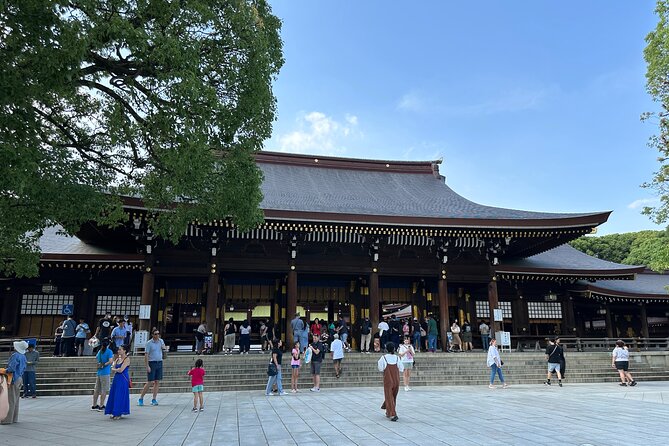
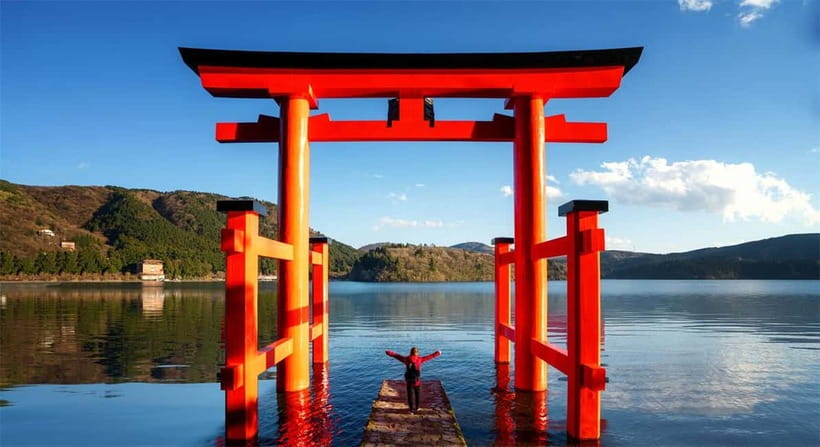
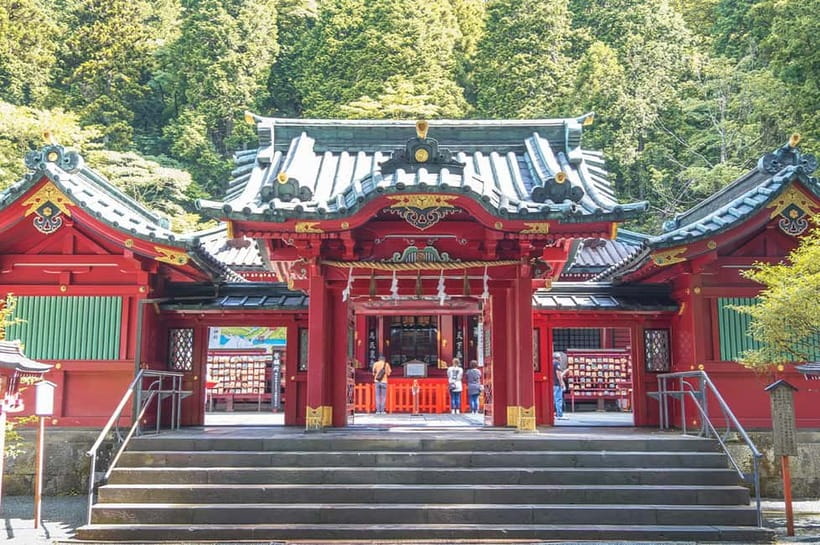
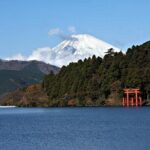
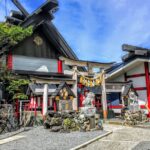
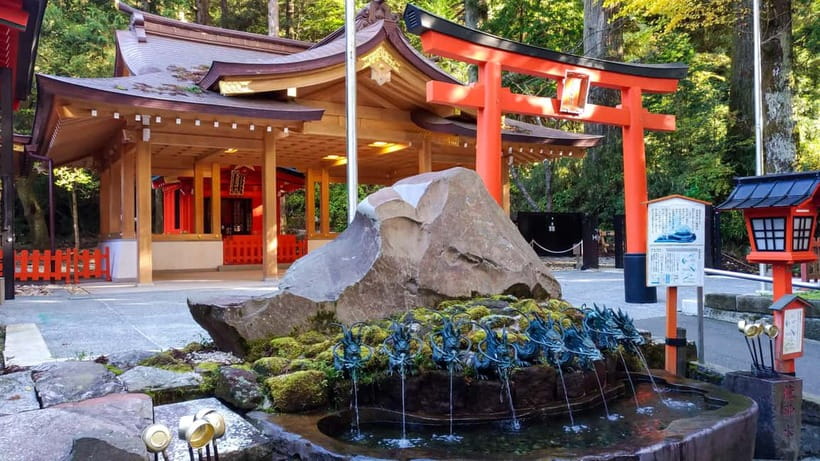
The first major stop is Hakone Shrine, founded in 757. Its most famous feature is the red Torii gate standing in Lake Ashi, known as Heiwa no Torii. The gate, dark water, forested slopes, and mountain setting give you one of the day’s strongest photo scenes.
The schedule allows about 20 minutes at Heiwa no Torii and another 20 minutes at the shrine. That is enough to see the main area and take photos, but not enough for a long, unhurried visit. A line can form for the classic gate photograph, so move with purpose and listen closely for the meeting time.
The shrine adds meaning to what might otherwise be just a scenic stop. You are seeing a place of worship as well as a famous image. Keep your voice low around the shrine buildings and treat the gate area as a sacred site, not only a photo platform.
There is one important seasonal warning. The Torii gate is scheduled to be closed from December 28 through February 10, 2026. If your visit falls in that period, confirm what access or substitute viewing point will be available before you book.
Lake Ashi’s pirate ships and the extra fare
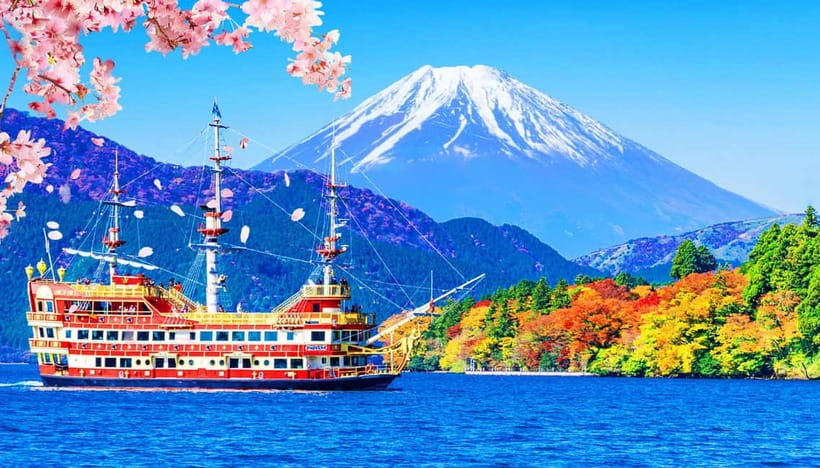
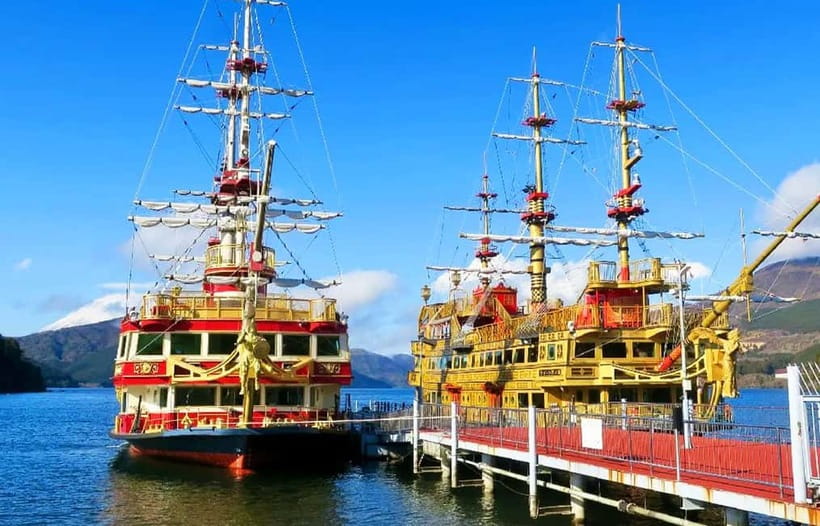
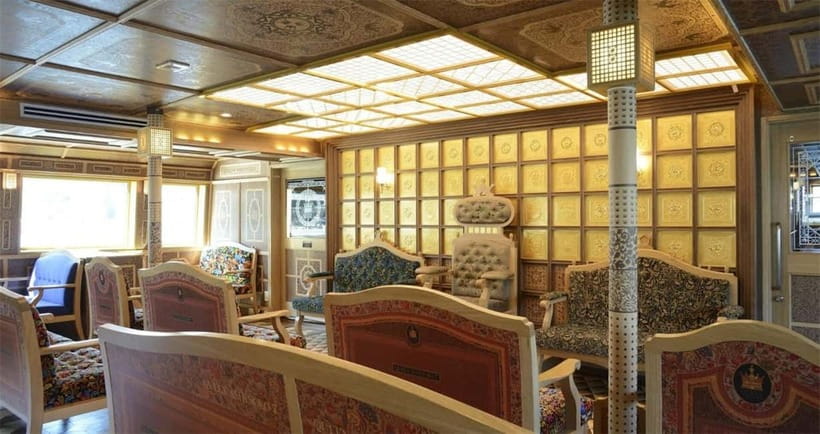
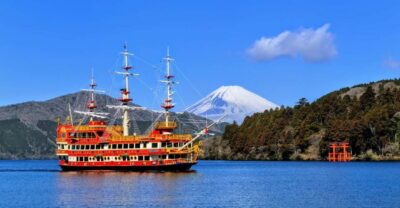
After the shrine, you may take a short cruise on Lake Ashi. The ship is optional and costs about 1,700 JPY, paid separately. The vessels have a playful pirate theme, with names such as Royal II, Victory, and Queen Ashinoko.
The cruise lasts roughly 25 minutes. From the water, you can look back toward the Torii gate and across the lake toward Mt. Fuji when the air is clear. I think the boat is worth considering because it changes your viewpoint and gives the day a pleasant break from the coach.
Still, do not treat it as an essential purchase in poor weather. Mt. Fuji visibility is never guaranteed, and a cloudy or rainy day can reduce the payoff. One passenger found the cruise disappointing in bad weather and felt the fare should not have been collected under those conditions. That is a fair concern, so ask about current conditions before paying if the lake is covered in cloud.
If you skip the boat, the group may travel by vehicle to Togendai Ropeway Station. This makes the optional activity genuinely optional, rather than a required extra.
Riding the Hakone Ropeway above volcanic terrain
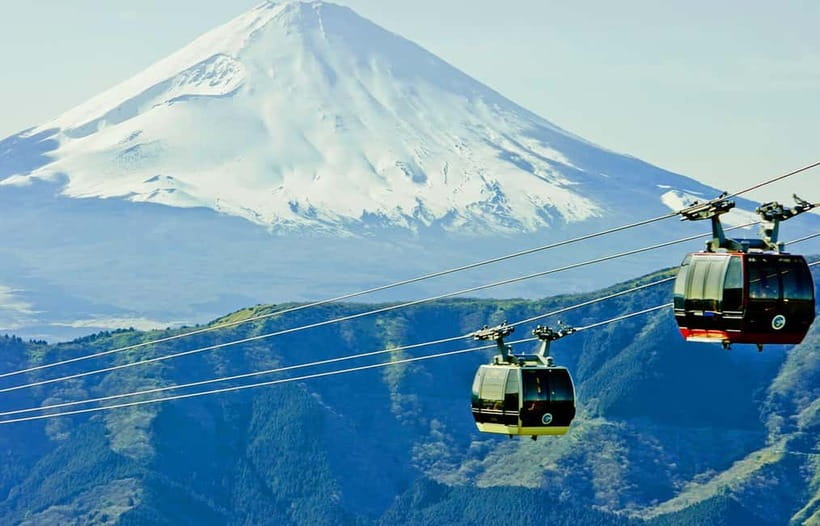
The Hakone Ropeway is included in the tour price, which improves the value considerably. The ride takes about 30 minutes and connects the Hakone area with Owakudani, giving you broad views of Lake Ashi and, on a clear day, Mt. Fuji.
This is one of the day’s most memorable changes of pace. Instead of looking across the lake from shore level, you rise above the trees and volcanic terrain. Have your camera ready, but keep your expectations tied to the weather. Clouds can erase the mountain view even when the rest of the ride remains worthwhile.
The ropeway can close because of bad weather or maintenance. If that happens, the supplied information says you can contact the operator about a 1,000 JPY per-person ticket refund. The guide may also adjust the route, so do not assume every part will operate exactly as planned.
Queues are possible at popular attractions, especially on busy days. Guides such as Leonard and Kousei have been praised for explaining timing clearly and helping groups move through crowded stops. That organization matters here because a missed boarding time can affect the rest of the schedule.
A few more Tokyo tours and experiences worth a look
Owakudani, black eggs, and the smell of the earth
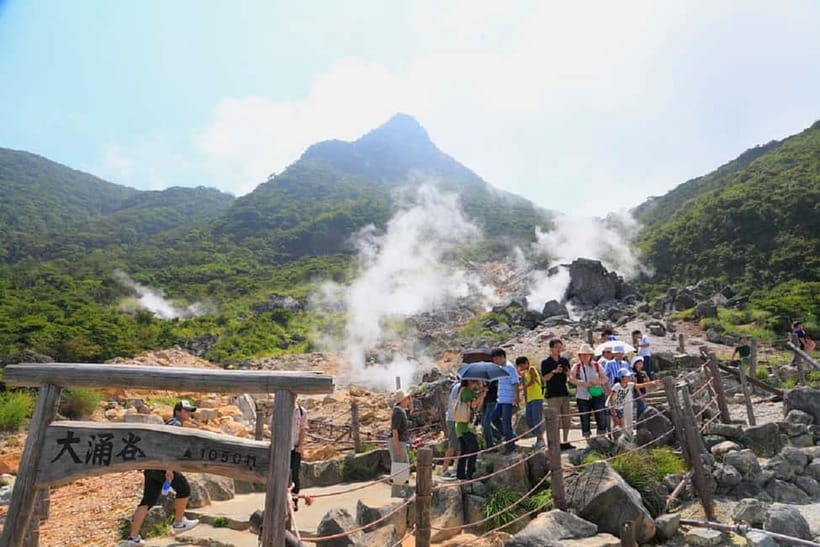
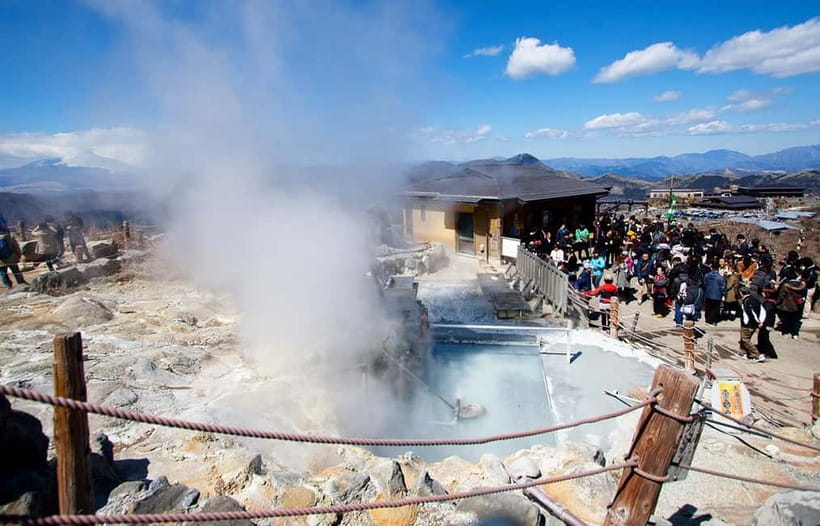
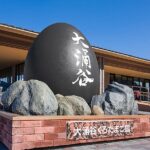
Owakudani is a volcanic valley formed after a huge eruption of Mt. Hakone about 4,000 years ago. The area has steaming vents, sulfurous air, and dark volcanic ground. It feels very different from the quiet shrine and lake.
You have around 50 minutes here, including guidance and free time. The local specialty is the black egg, boiled in volcanic spring water. Its shell turns dark during cooking, and trying one is an easy way to connect the food to the geology around you.
People with respiratory issues should note that this tour is not considered suitable for them. The volcanic environment and sulfur smell may be uncomfortable. Mobility can also be a problem because the day includes several stops, walking, queues, and transfers, and the tour is not suitable for people with mobility impairments.
Owakudani is not simply a place to buy a snack and rush back to the bus. Look around at the steaming ground and listen to the guide’s explanation of how the valley formed. The stop is brief, but it gives the day real geographic context.
Swan Lake Shore at Lake Yamanaka
The next stop is 白鳥浜, or Swan Lake Shore, on Lake Yamanaka, one of the Fuji Five Lakes. You get about 20 minutes for photographs and free time. Swans gather here, and the shore offers a chance to frame them with Mt. Fuji behind them.
This stop depends heavily on visibility. On a clear day, the combination of swans, water, and snow-capped Fuji can produce one of your best photographs. On a cloudy day, it is a quieter lakeside pause rather than a major highlight.
The schedule is tight, and this is one of the places that may be shortened if the group runs behind. Some departures have skipped swan feeding or reduced the stop to keep within the driver’s legal 10-hour working limit. That rule can affect the itinerary after traffic delays, so avoid assuming every photo stop will receive its full scheduled time.
Lunch timing and what to bring
Lunch is not included. The schedule lists about 40 minutes at a local restaurant, but the actual timing can be late. One departure did not reach lunch until after 2:15 p.m., while another passenger specifically wished the meal stop had come sooner.
Bring breakfast, water, and snacks. You can buy food at the attractions or eat at a restaurant suggested by the guide. You cannot eat on the bus, so pack something that will hold up in your day bag and eat before boarding in the morning.
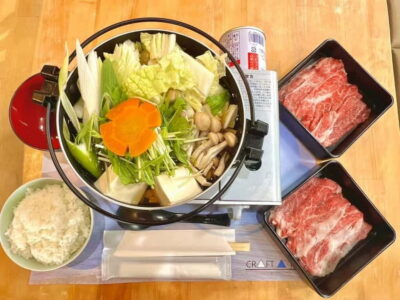
Some people have enjoyed the suggested meal, including a Wagyu beef option, but you should not assume that a particular menu or restaurant is included. If you care strongly about lunch, ask the guide about the available choice and price when the stop is announced.
The late meal is a real drawback for families, people with dietary needs, and anyone who gets hungry quickly. It is also why I would not skip breakfast just because the tour description includes a lunch break.
Oshino Hakkai and the clearest water of the day
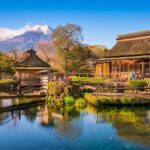
Oshino Hakkai is a small scenic area with eight clear ponds fed by snowmelt from Mt. Fuji. The water reflects the mountain and gives you a final chance to see Fuji from a different setting.
You have about 40 minutes here. Compared with the ropeway and Owakudani, the mood is calmer. The ponds make good close-up photographs, while the mountain view gives the stop its wider appeal.
This is also the stop most vulnerable to a delayed schedule. One person had only about five minutes at the final stop because other members of the group did not keep to the timetable. You should stay aware of the meeting time and return to the designated point early. A shared tour can only move as fast as its slowest latecomers.
Oshino Hakkai works well as the closing scene because it brings together the day’s main themes: Mt. Fuji’s snow, volcanic geology, clean water, and traditional rural scenery. I would not count on a long village visit, but 40 minutes is enough to see the ponds and take photographs if the group stays on time.
The guides make a practical difference
The guide is central to this tour because the route has many moving parts. Guides named in recent departures include Jack, Kousei, Tom, Sato, Andrew, Wanting, and Leonard, though your guide will depend on the date and language option.
Jack has been praised for clear English, local explanations, and practical help, including calling a passenger who was difficult to find at the crowded meeting area. Kousei has been noted for taking photos, offering useful advice, and keeping a large group organized. Tom has been described as friendly and attentive, while Sato has been singled out for positive energy and care with the group.
Those details tell you what to value: clear instructions, patience, and time management. This is not a private tour, so the guide cannot give every person unlimited attention. The activity is shared and multilingual, with Chinese, English, and Japanese listed, and Korean also noted among the guide options in the supplied details.
Language ability can vary by departure. Most feedback about English guidance is positive, but one person found the English less clear. If you need detailed explanations at every stop, confirm the language option when booking and stay near the guide during walking portions.
Who should book this day trip?
I would choose this tour if you are staying in Tokyo and want a broad first look at Mt. Fuji, Hakone, and the Fuji Five Lakes without arranging several separate tickets. It suits you if you value convenience, scenic variety, and a guide who keeps the day moving.
It is especially useful for first-time visitors. You see a shrine, lake, boat, ropeway, volcano, swans, and ponds in one long outing. The tradeoff is limited time at each place and less control over meals and pacing.
I would think twice if you dislike early starts, shared coaches, long rides, queues, or fixed schedules. I would also avoid it if your main goal is a guaranteed view of Mt. Fuji. The mountain may be hidden, and no guide can change the weather.
Cancellation is free up to 24 hours before departure, and you can reserve now and pay later. That flexibility helps if the forecast is uncertain, though it does not guarantee a clear summit on the day itself.
Should you book it?
Book this tour if you want the best sightseeing coverage for a modest price and accept a long, tightly timed day. The included ropeway, coach transport, parking, guide, and several major stops make $54 a sensible deal, even after adding lunch and perhaps the 1,700 JPY cruise fare.
Skip it if you want a quiet Hakone visit, a relaxed meal, or a guaranteed Fuji photograph. For everyone else, this is an efficient country escape from Tokyo, with enough variety to feel like a full day rather than a single viewpoint stop. Eat breakfast, carry snacks, arrive early, watch the weather, and keep your watch on during every photo stop.
FAQ
How long does the Mt. Fuji and Hakone tour last?
The tour lasts about 10 hours, including the coach journeys from Tokyo and the return trip. Traffic, weather, peak-season crowds, and other delays can change the final return time.
Is the Hakone Pirate Ship Cruise included?
No. The cruise is optional and costs around 1,700 JPY, paid separately. You may instead travel by vehicle to Togendai Ropeway Station.
Is the Hakone Ropeway included in the price?
Yes. The Hakone Ropeway fare is included. If the ropeway closes because of bad weather or maintenance, a 1,000 JPY per-person ticket refund may be available by contacting the operator.
Is lunch included?
No. Food and drinks are not included. You may bring snacks, buy food at the attractions, or eat at a restaurant suggested by the guide. The meal stop can be late, so eat breakfast before departure.
Is Mt. Fuji guaranteed to be visible?
No. Mt. Fuji visibility depends on the weather and is not guaranteed. The views from Lake Ashi, the ropeway, Swan Lake Shore, and Oshino Hakkai can all change with cloud cover.
Where does the tour meet and what should I bring?
The meeting point depends on the option booked and may be at Tokyo Station or Shinjuku Station, including the listed STAND T area near Tokyo Mode Gakuen. Arrive at least 15 minutes early and bring comfortable shoes, water, snacks, a camera, and weather-appropriate clothing.
More Hakone Day Trips in Tokyo
More Mt Fuji Day Trips in Tokyo

More tours in Tokyo we've reviewed












Mt Fuji Day Trips, compared.
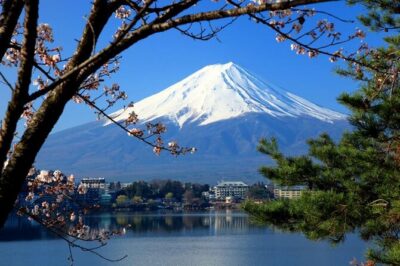 ★ 5.0Mt Fuji and Hakone 1-Day Bus Tour Return by Bullet TrainFrom $163
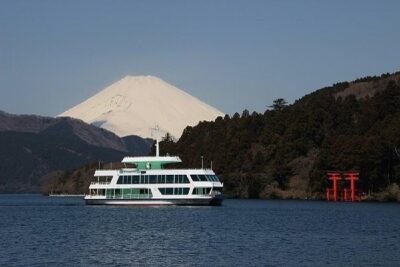 ★ 4.0Mt Fuji & Hakone Cruise, Drum Show Bullet Train 1 Day from TokyoFrom $149
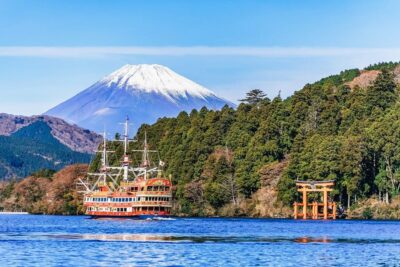 ★ 4.4Tokyo Mt Fuji 5th St & Hakone Cruise Bus Tour w/Bullet TrainFrom $15410 hours
 ★ 4.5From Tokyo: Mount Fuji Full-Day Sightseeing TripFrom $6810 hours
 ★ 4.4Tokyo:Mt.Fuji,Kawaguchiko Oishi Park,Arakurayama Sengen ParkFrom $5410 hours
 ★ 4.2Tokyo: Mt. Fuji 5th Station & Hakone Cruise 1-Day Bus TourFrom $12911 hours