Reviewed · SUSHI MAKING CLASSES
Sushi Making Tokyo Roll and Authentic Japanese Sushi Class
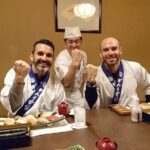
Making sushi is a better Tokyo souvenir than another photo of a temple gate. In this hands-on Asakusa class, you learn to prepare maki rolls and nigiri, then eat your work for lunch. I like the clear demonstrations and the chance to ask for help at the table.
In This Article
- Key points
- Sushi class near Senso-ji Temple
- What the 1-hour-40-minute class covers
- Learning maki rolls without the usual fuss
- Forming nigiri and understanding sushi culture
- A family activity that does not feel like homework
- How the $59.69 price works out
- Making the class part of your Asakusa day
- The teaching style and what to expect
- Who should book this experience
- Booking, cancellation, and small practical points
- Should you book the Tokyo sushi class?
- FAQ
- How long does the sushi-making class last?
- Where does the activity start?
- Where does the activity end?
- Is the class taught in English?
- Are ingredients and the meal included?
- How many people can join the class?
I also like the setting, just steps from Senso-ji Temple, and the friendly English-speaking team. Instructors including Moe, Kazu, Ken, Arisa, and others bring plenty of energy, and the class works well for families. The main drawback is that this is a polished tourist activity rather than a formal sushi apprenticeship, and the meeting place can be tricky to find.
Key points
- Make both maki and nigiri: You practice rolled sushi and hand-formed sushi, not just one easy recipe.
- Learn beside Senso-ji: The class fits neatly before or after exploring Asakusa.
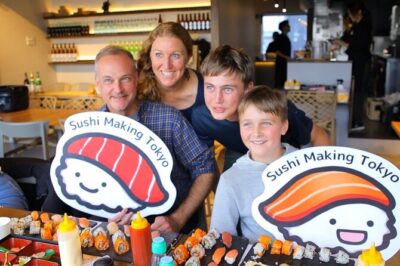
- Suitable for children: Families with children as young as six and older teens have found the pace manageable.
- English instruction: Clear demonstrations, visuals, and step-by-step guidance keep the process approachable.
- Eat a full meal: The ingredients are included, and you sit down to enjoy the sushi you prepare.
- Allow extra arrival time: The address is near public transportation, but the venue may take a little finding.
Sushi class near Senso-ji Temple
Tokyo gives you endless ways to eat sushi. This experience gives you a reason to slow down and understand what is on the plate.
The class takes place at 2-chōme-17-9 Kaminarimon, in Asakusa, one of Tokyo’s most traditional neighborhoods. That location matters. You can visit Senso-ji, walk through the surrounding streets, and then spend about 100 minutes learning a dish closely tied to Japanese food culture.
I like the pairing of sightseeing and cooking. You are not sent across the city for an isolated activity. The class sits in an area already worth visiting, so it can serve as a useful morning or afternoon anchor in your Tokyo plans.
The meeting point is near public transportation, though the exact venue can be a little confusing to locate. I would arrive about 15 minutes early, especially if you are traveling with children or have a temple visit planned afterward.
A few more Tokyo tours and experiences worth a look
What the 1-hour-40-minute class covers
The format is designed for beginners. You do not need cooking experience, and the teaching follows a clear progression rather than expecting you to know Japanese techniques already.
You begin with an introduction to sushi and its place in Japanese food culture. The class includes background on how sushi is made, along with practical terms that can help you during the rest of your time in Japan. One useful touch is the inclusion of simple Japanese words, giving you a bit more confidence when ordering or talking about food.
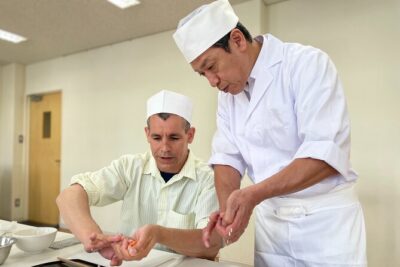
The instruction then moves into preparation. Your instructor demonstrates each step, often using visuals or a presentation as well as hands-on guidance. You follow along at your station, with help available when you need it.
The class covers two main styles:
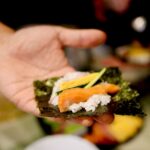
- Maki rolls: You learn to place fillings and rice, then roll the ingredients into a neat shape.
- Nigiri: You practice forming rice and placing fish on top, a technique that looks simple but benefits from careful instruction.
The pace is intentionally friendly rather than intense. Families with children, couples, and mixed-age groups can take part together. Instructors such as Moe, Kazu, Ken, and Arisa have been praised for clear explanations, patience, and an upbeat approach.
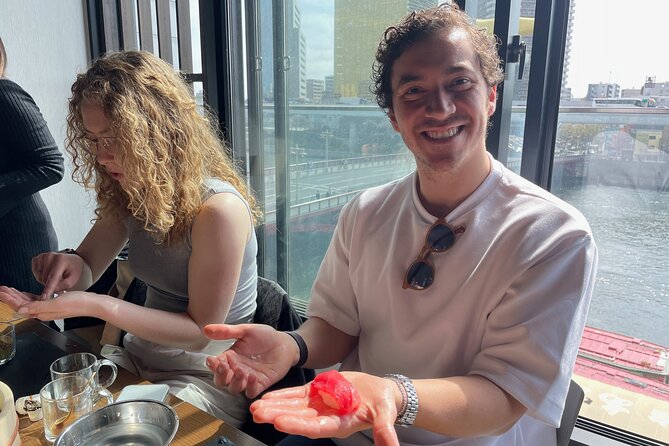
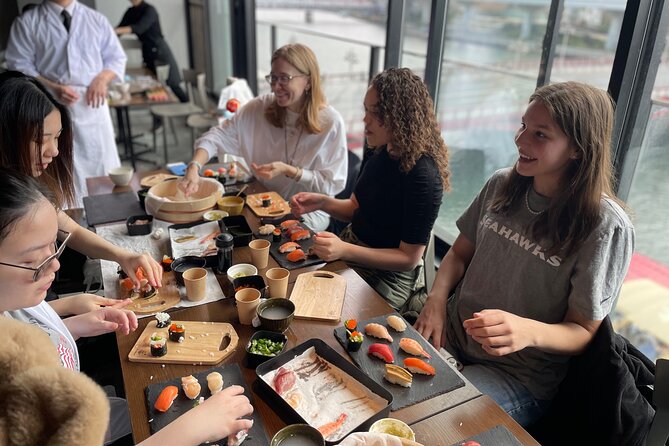
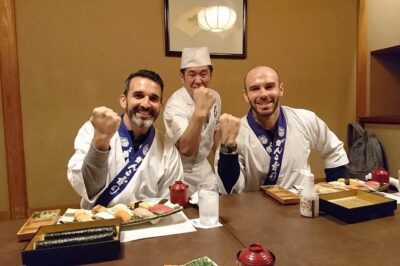
At the end, you sit down and eat the sushi you made. This is not a demonstration where someone else prepares lunch while you watch. The meal is part of the activity, and the quantity of ingredients is intended to make a proper lunch rather than a tiny sample.
Learning maki rolls without the usual fuss
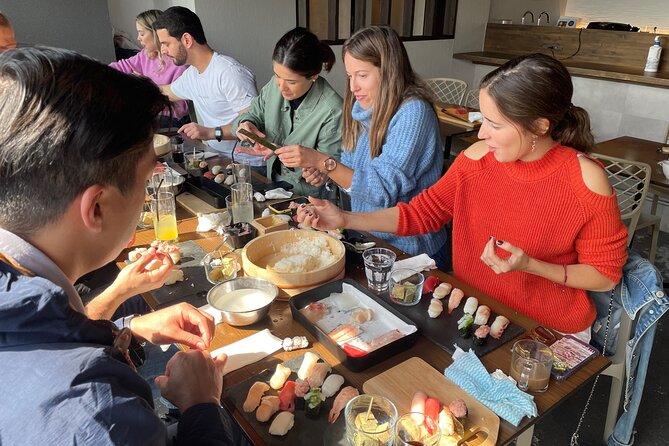
Rolled sushi is the most immediately approachable part of the class. You work with the basic structure of rice, fillings, and seaweed, then learn how to bring everything together without scattering the contents across the table.
That sounds easy until you try it. The amount of rice, the placement of fillings, and the pressure used while rolling all affect the final result. The instructor’s demonstration gives you a model to copy, while table-side help lets you correct mistakes before the roll is finished.
I like this part because it gives you a skill you can repeat at home. You are not simply decorating food for a photograph. You learn a process that becomes less intimidating once you have tried it with someone showing you the movements.
The class is not presented as an advanced professional course. You should expect useful home-cooking instruction, not training for work behind a sushi counter. That distinction is important. If you want a serious look at knife work, fish aging, or the demanding apprenticeship system of high-end sushi restaurants, this is not the right format.
For a first lesson, though, the balance is sensible. You get enough instruction to understand the method, but the class keeps the mood social and relaxed.
Forming nigiri and understanding sushi culture
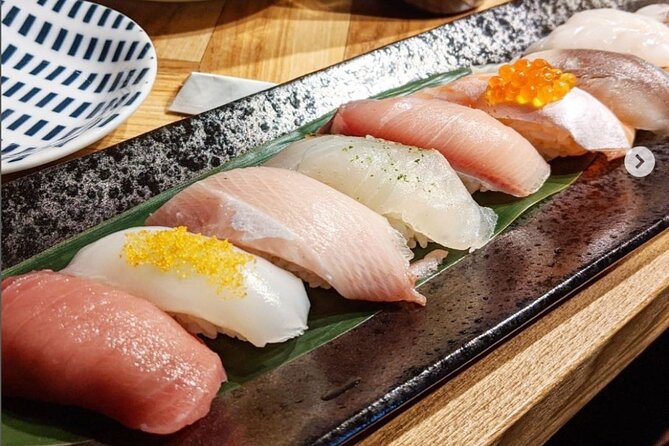
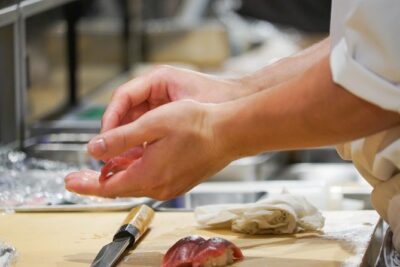
Nigiri gives the lesson a different challenge. Instead of rolling ingredients inside seaweed, you shape rice and combine it with fish on top. The technique calls for a lighter touch, and the instructor shows how to handle the pieces without crushing the rice.
The food itself is an important part of the experience. The class uses fish and rice that have been described as fresh and high quality, and the ingredients are included in the cost. That makes the lesson feel more complete than a class built around inexpensive practice materials.
The cultural introduction adds useful context. You learn that sushi is not simply raw fish, and the class explains the preparation process and the role sushi plays in Japanese food culture. Some instructors also share information about Tokyo and their own food backgrounds. One particularly lively teaching style includes an Osaka food fan who uses the playful hoi, hoi, hoi refrain while guiding the group.
The teaching varies slightly by instructor, but the overall pattern is consistent: explain, demonstrate, let you try, then help you adjust. English-speaking staff make the class easy to follow for international visitors.
A family activity that does not feel like homework
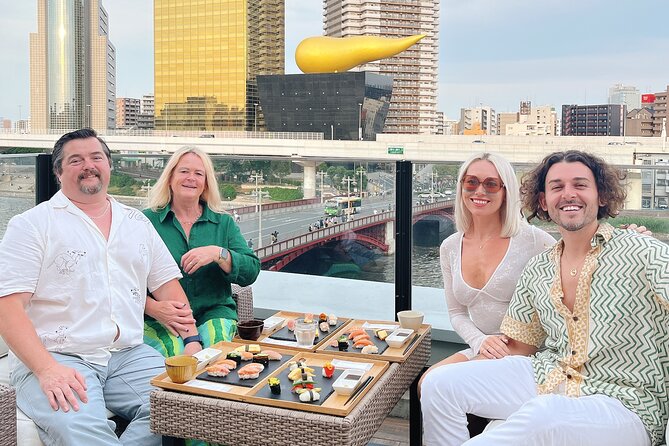
This class is a strong choice for families. Children around school age can take part, and older children and teenagers have enjoyed the interactive format. The practical work gives them something to do with their hands, while the cultural information keeps the activity from becoming only a meal.
The instructors can adjust their pace for families. That matters when one child is eager to move ahead and another needs more help with rolling or shaping rice. The class also gives parents and children a shared task, which is often more memorable than simply taking everyone to another restaurant.
I would still set expectations clearly. Sushi preparation involves handling food carefully and following instructions, so very young children may need close help from an adult. The provided information confirms that service animals are allowed, but it does not give detailed information about wheelchair access, child seating, allergies, or dietary substitutions. Ask before booking if any of those points affect your plans.
Couples also fit the format well. The activity gives you something to do together, and the meal afterward makes it feel like a small date rather than a lecture. A sake flight may be available as an added option, but it is not part of the basic price.
A few more Tokyo tours and experiences worth a look


How the $59.69 price works out
At $59.69 per person, the class costs more than simply buying a convenience-store sushi tray or ordering a casual lunch. That comparison misses the point. You are paying for instruction, an English-speaking teacher, ingredients, cultural background, and a meal.
The value is strongest if you want an activity as well as food. You leave with a better sense of how maki and nigiri are put together, plus a practical method you can try at home. The class also fills a useful 100-minute slot in a sightseeing day without requiring a long journey.
The price is less compelling if you only want the cheapest sushi lunch in Asakusa. Tokyo offers many ways to eat for less, and this class is not meant to compete with them. Its value comes from participation and personal guidance.
The group can include up to 30 people. That is a fairly large maximum, so do not book expecting an intimate lesson with one chef devoted only to your party. The instructors provide demonstrations and hands-on help, and several teaching staff may assist, but the experience remains a group class.
One positive sign is the strong overall response attached to the activity, with a 5.0 rating from 3,971 ratings and a 99 percent recommendation figure. Those numbers cannot tell you if the schedule fits your day, but they do suggest that the basic formula works consistently for families, couples, and first-time cooks.
Making the class part of your Asakusa day
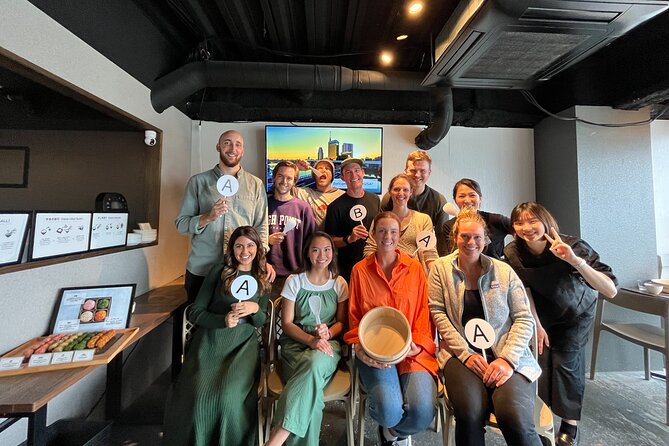
The easiest plan is to combine the lesson with Senso-ji and Kaminarimon Gate. Since the class begins on Kaminarimon in Taito City and ends at the same meeting point, you do not need to arrange a separate return transfer.
You might schedule the class before exploring the temple area, then continue sightseeing with lunch already taken care of. Or visit Senso-ji first and attend a later session. Check the exact start time when booking, since the supplied details give the duration but not a full daily timetable.
Do not count on hotel pickup or drop-off. You make your own way to the starting point, and the activity finishes there. That is simple if you are already staying in or visiting Asakusa, but it requires planning if you are coming from another part of Tokyo.
A mobile ticket makes the booking easy to carry on your phone. I would still save the address and allow a little time for navigation. The nearby streets can be busy, and one specific piece of practical advice is to arrive 15 minutes early because the venue may not be obvious at first.
The teaching style and what to expect
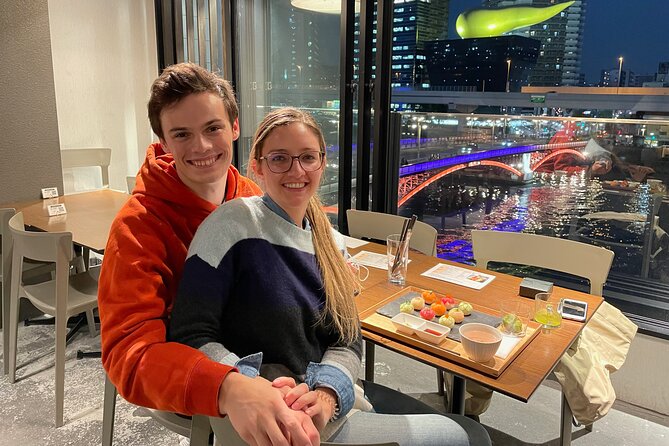
The instructors are the heart of the experience. Their approach is friendly, energetic, and built around showing rather than lecturing. Names that come up in the teaching team include Moe, Kazu, Ken, Arisa, Kyuto, Kazu, Jun, Kaori, and others, so your instructor may vary by session.
Several elements help international visitors:
- Clear English explanations
- Visual demonstrations and, in some sessions, a presentation
- Step-by-step preparation
- Help while you work
- Basic cultural and historical information
- Time to photograph the finished sushi
The tone is light. You will hear encouragement, simple jokes, and plenty of interaction. That works well for people who are nervous about handling sushi for the first time.
The trade-off is that the class is made for a broad audience. The teaching is intentionally accessible, so experienced home cooks may find some steps familiar. You can still pick up useful details about rolling, shaping, and presentation, but you should not expect a highly technical masterclass.
Who should book this experience
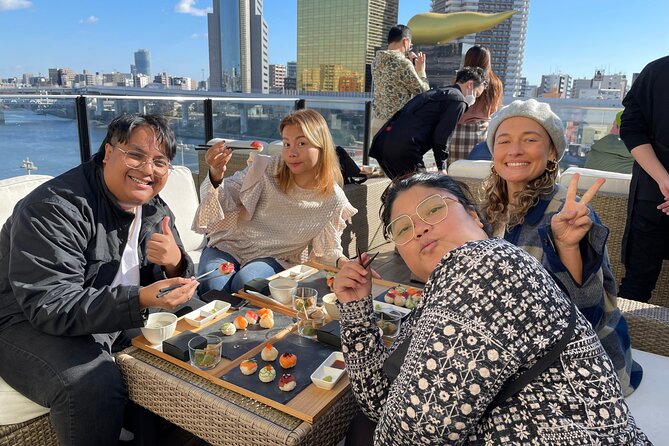
I would recommend it most strongly to four groups.
Families: Children and teens can participate, and the class gives everyone a shared project. The meal at the end is a clear reward for staying focused.
First-time sushi makers: You get enough guidance to make the food feel possible at home. The instructors break down techniques that can look mysterious when you only see the finished plate.
Couples and friends: The activity encourages conversation and cooperation. It is a pleasant alternative to another passive sightseeing stop.
Sushi fans who want context: You will not become a restaurant chef in 100 minutes, but you will understand more about the preparation and culture behind the food you are already eating.
I would look elsewhere if your priority is an advanced culinary course, a private lesson, or a deep focus on knife skills and fish sourcing. The group size can reach 30, and the class favors fun, clarity, and a complete meal over specialized training.
Booking, cancellation, and small practical points
Confirmation is provided when you book, and cancellation is free if you cancel at least 24 hours before the start time. Canceling later, or making changes within 24 hours, does not qualify for a refund. The cut-off follows Tokyo local time, so check the clock carefully if you are changing plans from another time zone.
The price includes the English-speaking instructor, cooking-class ingredients, and the meal you prepare. Hotel transportation is not included. Service animals are allowed, and the meeting point is near public transportation.
The activity ends where it starts, which makes it easy to continue with Asakusa sightseeing. Since the exact venue can be difficult to spot, keep the address ready and avoid arriving at the last second.
Should you book the Tokyo sushi class?
Book it if you want more than a meal and prefer an activity that gives you something to remember and repeat. The location beside Senso-ji, the English instruction, the family-friendly pace, and the included lunch make the $59.69 fee reasonable for a first sushi lesson.
Go in expecting a lively group class, not an elite sushi apprenticeship. If that suits you, this is one of the more useful food activities to add to an Asakusa day. You learn maki, nigiri, a little Japanese food culture, and a practical skill you can take home.
FAQ
How long does the sushi-making class last?
The experience lasts approximately 1 hour and 40 minutes.
Where does the activity start?
It starts at 2-chōme-17-9 Kaminarimon, Taito City, Tokyo 111-0034, Japan, near Senso-ji Temple in Asakusa.
Where does the activity end?
The class ends back at the meeting point.
Is the class taught in English?
Yes. An English-speaking instructor leads the class.
Are ingredients and the meal included?
Yes. The cooking-class ingredients and the sushi meal you prepare are included.
How many people can join the class?
The activity can have a maximum of 30 participants.
More Workshops & Classes in Tokyo
More Sushi Making Classes in Tokyo
More tours in Tokyo we've reviewed



Sushi Making Classes, compared.
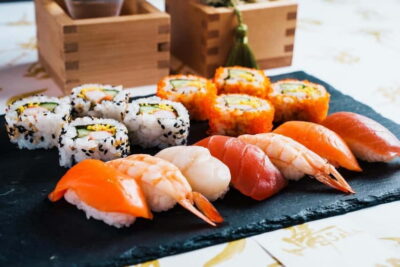 ★ 4.9Tokyo: Roll and Authentic Sushi Making Class in AsakusaFrom $581h 40m
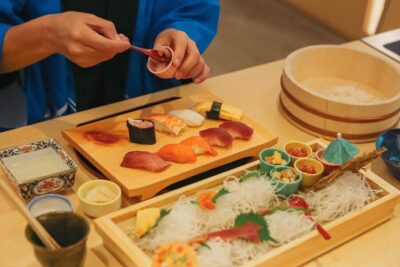 ★ 4.9Tokyo: Sushi Making Class in a Happi Coat near a Famous SpotFrom $421h 30m
 ★ 5.0Sushi Making Tokyo! Popular Maki Sushi & Japanese Sushi(+Recipe!)From $63
 ★ 5.0Tokyo Sushi Making Class in Tsukiji with Professional ChefFrom $49
 ★ 5.0Tokyo Night Foodie Tour in Shinjuku – Seasonal Sushi, Wagyu BeefFrom $111
 ★ 5.0Tsukiji Fish Market Guided Tour and Sushi Making with Pro ChefFrom $104