Reviewed · TOKYO
Experience local life in Yoyogi Uehara
Yoyogi Uehara gives you a useful change of pace from Tokyo’s famous crossings and department stores. In two hours, you walk quiet residential lanes, visit a shrine, sample local food, and see a public bath where everyday Tokyo life still carries on. The neighborhood sits close to Shibuya and Shinjuku, yet feels like a small town.
In This Article
- Key points to know before you book
- Why Yoyogi Uehara makes a good Tokyo walking stop
- Starting at Yoyogi Uehara Station
- Starting with snacks, coffee, and local food
- Haritts and the appeal of a popular doughnut stop
- Yoyogihachimangu and the quieter side of Tokyo
- Daikokuyu and the role of a neighborhood bath
- A flexible route instead of a fixed checklist
- How the English guidance affects the experience
- Is $36.43 a fair price?
- Who should book this walk?
- Should you book the Yoyogi Uehara experience?
- FAQ
- Where does the tour meet?
- How long does the tour last?
- What is the price?
- Is transportation included?
- Is the tour offered in English?
- How many people can join?
- Are snacks and drinks included?
- Will I visit Haritts doughnut shop?
- Will I take a bath at Daikokuyu?
- Can the itinerary change?
I like the small group limit of eight, which should make it easier to ask questions and keep the walk personal. I also like the food-first format: snacks, coffee, or tea come before much of the walking, a smart touch if you have just arrived from a long flight or skipped lunch.
The main thing to check is the meeting information. The tour description says to meet at Yoyogi Uehara Station, but the additional listing information gives Shinagawa as the start location. Confirm the exact meeting point with ELLISTA Inc. before you set out.
Key points to know before you book
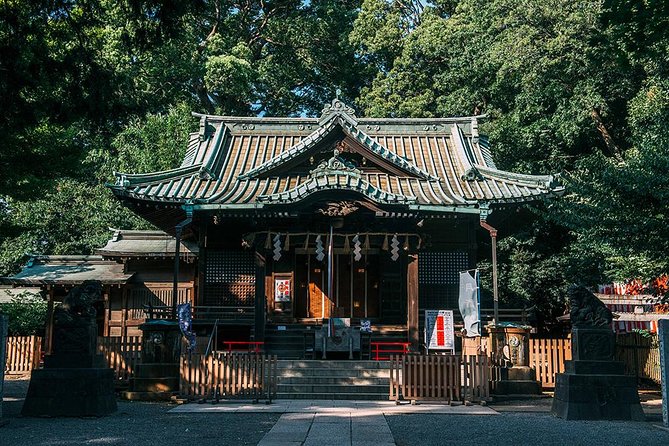
- Yoyogihachimangu shrine: Visit a popular sacred site and try a fortune-telling paper draw.
- Haritts doughnuts: Stop at a well-known local doughnut shop, though a line is possible.
- Daikokuyu public bath: See a neighborhood bathhouse linked with local residents, celebrities, and television workers.
- Food before walking: Snacks and coffee or tea are included, helping you start the tour comfortably.
- English-speaking guidance: Guides such as Harumi explain local customs and neighborhood history in clear English.
- Eight-person maximum: The small group suits anyone who prefers conversation over a large guided procession.
Why Yoyogi Uehara makes a good Tokyo walking stop
Tokyo can feel like a city of grand sights. You move from Shibuya’s giant video screens to Shinjuku’s towers, then wonder where ordinary life fits in. Yoyogi Uehara answers that question with tofu shops, cafés, older storefronts, residential streets, and familiar neighborhood institutions.
The area is close to the action, but it does not try to compete with it. You are not coming here for a famous skyline or a major museum. You are coming to notice the smaller details of the city: where people buy breakfast, how a shrine fits into a modern neighborhood, and why a public bath can remain important in a city full of private bathrooms.
I find that a local district like this can explain Tokyo better than another busy shopping street. You get a sense of how old and new buildings sit side by side, and how a fashionable area can still keep links to its downtown past.
The tour lasts about two hours, so it offers a focused introduction rather than an exhausting full-day outing. That makes it easy to fit between other Tokyo plans. It also means the guide must make good choices, and the flexible route is useful here. The listed stops are examples, not a promise that every walk will follow the same order.
If you're still narrowing it down, here are other tours in Tokyo we've reviewed.



Starting at Yoyogi Uehara Station
The planned meeting time is 2:00 pm at Yoyogi Uehara Station, by the ticket gate. Your guide should be holding a banner, making the meeting easier to spot in the busy station environment.
There is one important practical wrinkle. The supplied meeting-point details also name Shinagawa, Shinagawa, Tokyo, as the start location. That does not match the Yoyogi Uehara meeting description. Do not guess on the day. Ask ELLISTA Inc. to confirm the station and ticket-gate meeting point after booking.
Once you meet the guide, the walk begins in a convenient central Tokyo district. Transportation to and from the station is not included, so you pay for your own journey. The tour price is listed as $36.43 per person, and the mobile ticket makes it easy to keep the booking on your phone.
A maximum of eight people is a real advantage in a neighborhood walk. You can hear explanations more easily than you would in a large group, and the guide has a better chance to adjust the conversation to your interests. The small size also matters in narrow local streets and at food shops with limited space.
Starting with snacks, coffee, and local food
The food element gives this walk its shape. Snacks and drinks are included, with coffee and tea listed among the refreshments. One useful feature is the timing: the food comes before most of the walking, so you are not trying to keep up while hungry.
The food stops can include a local patisserie, a tofu shop, and Haritts doughnuts. The exact choices can change, but the point is to look at everyday food rather than build the tour around expensive restaurant dining.
A tofu shop may seem modest beside Tokyo’s famous food halls, but that is exactly why it fits this experience. Tofu is part of the quiet, practical side of Japanese food culture. A local shop also shows you how a neighborhood serves regular customers, not only people passing through with cameras.
The patisserie adds another layer. Yoyogi Uehara has old downtown touches, but it also attracts newer cafés and stylish food businesses. That mix helps explain the district better than a simple old-versus-new story. You can find traditional local shops and modern food culture within the same walk.
The included snack and drink do not amount to a full meal. Think of them as a pleasant tasting introduction. If you need lunch or expect to be hungry after the walk, plan another meal separately.
Haritts and the appeal of a popular doughnut stop
Haritts is one of the tour’s most distinctive food stops. It is known among doughnut lovers and is described as one of Tokyo’s five best doughnut shops. The stop gives the walk a clear payoff, especially if you enjoy small specialty food businesses.
There is a practical catch: you may need to wait. A line is possible, and the pace of the tour can be affected by the shop’s conditions. That is not necessarily a problem, but you should not book this as a tightly timed sightseeing transfer.
The doughnut stop also shows why a guide adds value here. A shop tucked into a residential area can be easy to miss if you do not know where to look. The guide handles the local orientation, points out places you might pass, and gives the food stop context instead of treating it as a random sugar break.
If you have dietary restrictions, ask about them before booking. The available information does not give ingredient details or promise alternatives. The same applies to the snacks and drinks generally.
Yoyogihachimangu and the quieter side of Tokyo
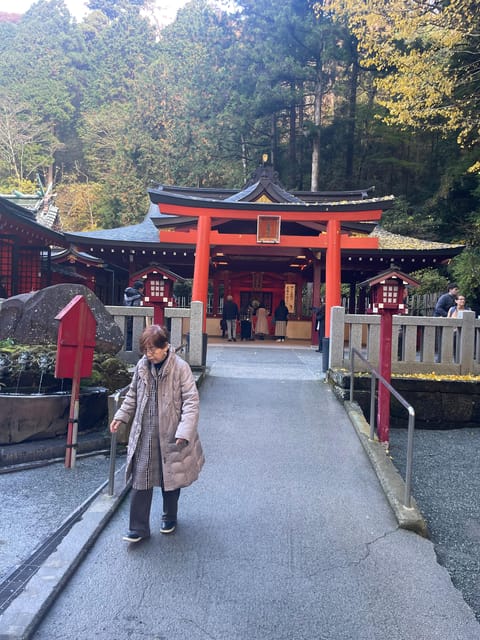
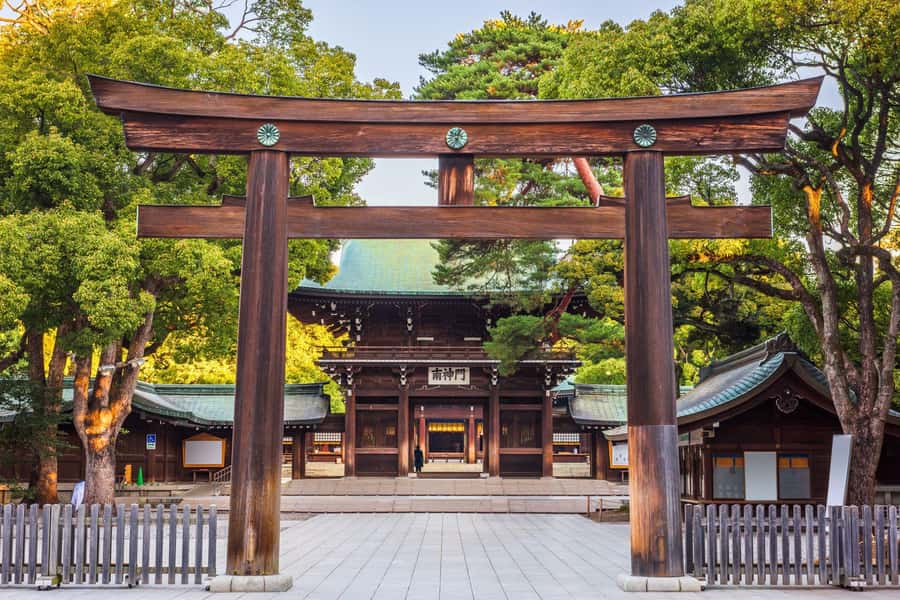
Yoyogihachimangu is a popular shrine and a sacred site sometimes described as a power spot. You can also try a fortune-telling paper draw there. This gives the walk a cultural stop with a simple activity, rather than only an explanation from the guide.
A shrine visit works especially well in this neighborhood because the setting connects religious practice with ordinary city life. You are not being taken to an isolated monument. You are walking through a central residential district and then reaching a place that has been part of local life for generations.
Your guide can explain how to approach the shrine and what to notice, but the tour details do not promise a formal religious ceremony or a private visit. Treat the stop as an introduction to the site and its role in the area.
The shrine is also one reason to wear sensible shoes. The tour involves walking, and the operator asks for a moderate level of physical fitness. No exact distance or detailed accessibility information is provided, so you should contact the organizer if stairs, uneven ground, or extended walking could be difficult for you.




Daikokuyu and the role of a neighborhood bath
Daikokuyu is another strong stop because it points to a part of Japanese life that many short Tokyo itineraries miss. Public baths have served local communities for generations, and this one is loved by local residents. People from the celebrity and television industries are also said to visit.
The tour does not say that you will take a bath, and admission or bathing is not listed as included. You should expect to see and learn about the bathhouse as part of the walk, not assume that a bathing session forms part of the booking.
That distinction matters. If you have already experienced a sento, Daikokuyu gives you another look at the tradition. If you have not, the guide can help you understand why a public bath is more than a place to wash. It can be a neighborhood institution and a familiar part of life.
The bathhouse also adds balance to the food stops and shrine visit. Together, the stops show three different sides of the district: what people eat, where they maintain spiritual traditions, and where community routines continue.
A flexible route instead of a fixed checklist
The three named stops are samples. Your guide may take you to other places that show Yoyogi Uehara’s local character. That flexibility is helpful because small shops and facilities can change their hours, close temporarily, or respond to weather.
It also means you should not book this expecting a guaranteed checklist of every attraction. The guide may adjust the walk according to conditions at Haritts, Daikokuyu, or other facilities. Weather can also change the itinerary.
I like this format for a neighborhood tour. A fixed route can feel artificial when the purpose is to see how a district really works. A flexible guide can spend more time on a shop, street, or question that interests the group.
The tradeoff is certainty. If Haritts is your only reason for booking, ask how the route handles closures or long lines. If your goal is a wider look at Yoyogi Uehara, the changing route should be less of a concern.
At the end, around 4:00 pm, the guide can suggest other places based on your interests. That follow-up advice may be useful if you want to continue exploring independently, though the provided information does not specify which places will be recommended.
How the English guidance affects the experience
The tour includes an English-speaking guide, and Harumi is one guide associated with the experience. Harumi studied in Ireland and speaks very strong English, which should help if you want more than a few memorized facts.
The strongest part of a walk like this is often the conversation. You can ask why a shop matters, how a public bath fits into modern life, or what makes Yoyogi Uehara different from the nearby major districts. A guide who can explain clearly makes the quiet streets more rewarding.
The route is also suitable for Japanese participants who want a fresh look at a familiar area. The experience is not limited to first-time international visitors. If you already know Shibuya or Shinjuku, Yoyogi Uehara offers a different angle close by.
The tour is not presented as a formal academic lecture. Expect a friendly walk with food, local observations, and cultural explanation. That suits you if you prefer a relaxed exchange. If you want a detailed museum-style history tour, this may feel too informal.
Is $36.43 a fair price?
At $36.43 per person, the price is reasonable if you value a small group, an English-speaking guide, and included snacks and drinks. You are paying for local orientation and access to places that are easy to overlook, not for major admission tickets or a long sightseeing program.
The two-hour length keeps the cost from becoming a large part of your Tokyo budget. You also avoid committing half a day to an experience that may not match your interests. On the other hand, the price will feel less attractive if you mainly want to walk around on your own and buy a single doughnut.
The value depends on how comfortable you are navigating local neighborhoods. Independent explorers can reach Yoyogi Uehara and find cafés or shops without a guide, but they may not know which places matter locally or how to connect the shrine, bathhouse, food shops, and residential streets into one story.
Snacks, coffee, or tea improve the calculation, though they are not a substitute for a meal. Transportation to the station is extra, and the listing does not include public bath admission or other personal purchases.
Who should book this walk?
I would choose this tour for a first or second visit to Tokyo when you want a break from headline attractions. It also suits you if you like food stops, quiet streets, and cultural details more than packed sightseeing schedules.
The small group should work well for solo visitors, couples, and friends who want to ask questions. It may also suit Japanese residents or repeat Tokyo visitors, since the route focuses on neighborhood character rather than basic introductions to the city.
Families should consider the walking requirement and the two-hour pace. No child-specific details are provided, so ask the organizer about age suitability if you are booking for young children.
You should think twice if you dislike flexible itineraries, cannot walk at a moderate level, or need guaranteed access to specific shops. The experience depends on local conditions, and the listed stops may change.
Free cancellation is available if you cancel at least 24 hours before the 2:00 pm start time. Cancellations made later are not refunded, and changes made within that period are not accepted.
Should you book the Yoyogi Uehara experience?
Book it if you want to see Tokyo as a lived-in city rather than a series of famous sights. The combination of Haritts doughnuts, Yoyogihachimangu, and Daikokuyu gives the walk variety, while the guide helps connect those stops to local routines.
The best reason to go is the setting. Yoyogi Uehara is close to Shibuya and Shinjuku but offers a slower, more personal afternoon. Just confirm the meeting location, keep your plans flexible, and wear comfortable shoes. If that sounds like your kind of Tokyo, this is a good-value neighborhood introduction.
FAQ
Where does the tour meet?
The tour description says to meet at Yoyogi Uehara Station by the ticket gate at 2:00 pm. The additional meeting information names Shinagawa, so you should confirm the exact location with ELLISTA Inc. before the tour.
How long does the tour last?
The experience lasts about two hours, from approximately 2:00 pm until 4:00 pm.
What is the price?
The listed price is $36.43 per person.
Is transportation included?
No. Transportation to and from Yoyogi Uehara Station is not included.
Is the tour offered in English?
Yes. An English-speaking guide is included. Harumi is one guide associated with the experience.
How many people can join?
The tour has a maximum of eight travelers.
Are snacks and drinks included?
Yes. Snacks and drinks are included, with coffee and tea listed among the refreshments.
Will I visit Haritts doughnut shop?
Haritts is one of the sample stops, but the route can change. A line may also be possible at the shop.
Will I take a bath at Daikokuyu?
The information describes Daikokuyu as a tour stop but does not say that bathing is included. Admission or bathing is not listed as part of the tour.
Can the itinerary change?
Yes. The route may change because of weather or the operating conditions of the facilities.
More tours in Tokyo we've reviewed












Tokyo, compared.
 ★ 5.0Mt Fuji and Hakone 1-Day Bus Tour Return by Bullet TrainFrom $163
 ★ 5.01-Day Tokyo Bus TourFrom $129
 ★ 4.6Tokyo: teamLab Planets TOKYO Digital Art Museum Entry TicketFrom $251 day
 ★ 4.0Mt Fuji & Hakone Cruise, Drum Show Bullet Train 1 Day from TokyoFrom $149
 ★ 5.0Tokyo: Shinjuku Food Tour (13 Dishes at 4 Local Eateries)From $86
 ★ 4.4Tokyo Mt Fuji 5th St & Hakone Cruise Bus Tour w/Bullet TrainFrom $15410 hours