Reviewed · HISTORICAL TOURS
Modern Japanese History Tour in Tokyo
Tokyo’s modern war history is not tucked away in a single museum. It is concentrated around Yasukuni Shrine, where remembrance, military tradition, and political debate meet. This three-hour private tour gives you a guide to help explain what you are seeing, including the difficult story of Japan’s wartime dead and kamikaze pilots.
In This Article
- Key points to know before booking
- Why this small tour matters in Tokyo
- Meeting at Kudanshita Station at 9:00
- Yasukuni Shrine, remembrance in a peaceful setting
- Yushukan Museum and Japan’s military story
- Showa-kan and the civilian experience
- How the guide changes the experience
- Price, value, and who should book
- Timing and booking details to keep in mind
- Is this Modern Japanese History Tour worth booking?
- FAQ
- How long does the Modern Japanese History Tour in Tokyo last?
- Where does the tour begin?
- Is this a private tour?
- Are museum admission fees included?
- Who guides the tour?
- Is the subject matter sensitive?
I like the small private format, since you can ask direct questions without waiting for a large group to catch up. I also like the pairing of Yushukan’s military displays with Showa-kan’s account of civilian life, including hunger and the strain of everyday living during and after World War II.
The main drawback is that much of the museum material is in Japanese. That makes a good guide especially useful, but it also means the experience depends heavily on who leads your visit. The subject is serious and, for some people, emotionally or politically sensitive.
Key points to know before booking
- Two museums, two viewpoints: Yushukan focuses on Japan’s military past, while Showa-kan presents civilian life during and after World War II.
- A private English-speaking guide: Your group has its own history guide, with past guides including Shun, Yasuhiro Suzuki, Hiro, and Izumi.
- A compact three-hour route: All three stops are in the Kudanshita and Yasukuni area, so the schedule is focused rather than spread across Tokyo.
- Kamikaze history is treated directly: You learn about tokotai pilots, their military role, and what they wrote or said to family before their missions.
- Admission fees are included: Entrance to Yushukan and Showa-kan is covered, with food, drinks, souvenirs, and gratuities extra.
- A serious, sensitive subject: The tour asks you to listen with an open mind and treat the guide and historical material respectfully.
Why this small tour matters in Tokyo
Many Tokyo visitors see shrines, gardens, shopping districts, and temples. Fewer spend time with Japan’s modern military past. This experience is designed for that gap.
The focus is Japan from the Meiji period through World War II and into more recent memory. You are not simply shown old weapons or told a timeline. The tour looks at how Japan commemorates people who died in war, how civilians coped with shortages, how soldiers understood their duty, and why kamikaze attacks became part of Japan’s military policy.
That combination makes the tour more useful than a quick museum visit on your own. The subject carries political and emotional weight, and the same display can be read in different ways. A guide can explain the setting, translate museum text, and help you separate historical evidence from official commemoration.
The private arrangement is important here. Only your group takes part, so you can ask why a certain object is displayed, how a memorial is understood, or what a Japanese term means. You are not forced to keep pace with strangers, and a three-hour schedule gives the guide room to respond to your interests.
Still, this is not a light morning outing. If you want a cheerful introduction to Tokyo, choose something else. If you want to understand one of the city’s most debated historical sites, this is a useful way to begin.
Other historical tours in Tokyo

Meeting at Kudanshita Station at 9:00
You meet your guide at Kudanshita Station at 9:00 am. The tour ends back at the meeting point, which makes it easy to continue sightseeing in central Tokyo afterward.
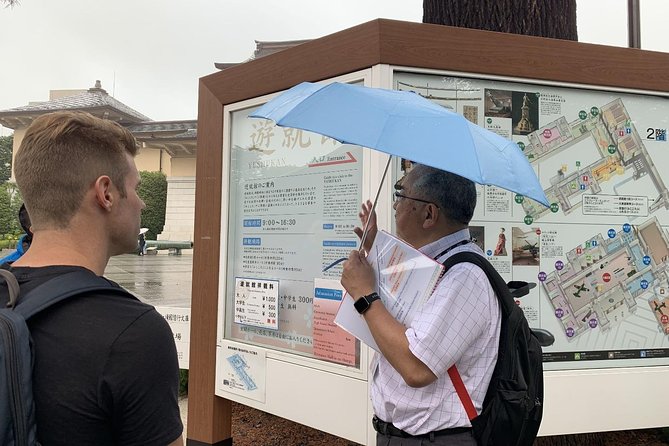
The meeting address is 1-chōme-13-19 Kudankita, Chiyoda City. Since the tour begins at a station, give yourself enough time to find the correct exit and reach the meeting spot without rushing. Hotel pickup and drop-off are not included, so you make your own way there and back.
The route is compact, with about 30 minutes at Yasukuni Shrine, 90 minutes at Yushukan Museum, and one hour at Showa-kan. That timing is sensible. You get the outdoor setting first, then the military museum, and finally the civilian story.
A private group also means the pace can be more personal. You can spend longer on a particular exhibit if the guide agrees, though the scheduled times are approximate rather than unlimited.
Yasukuni Shrine, remembrance in a peaceful setting
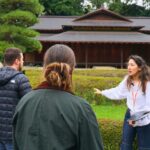
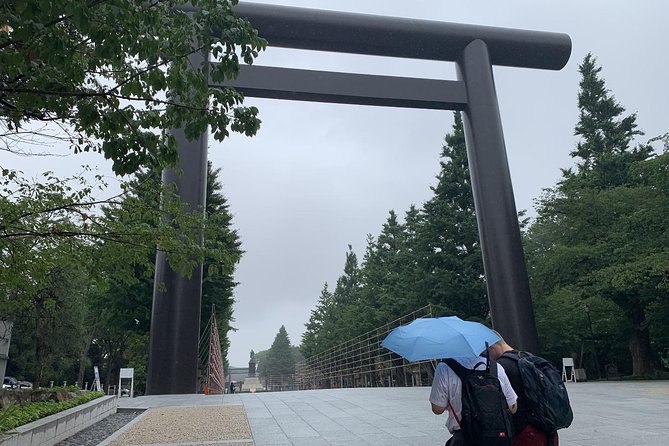
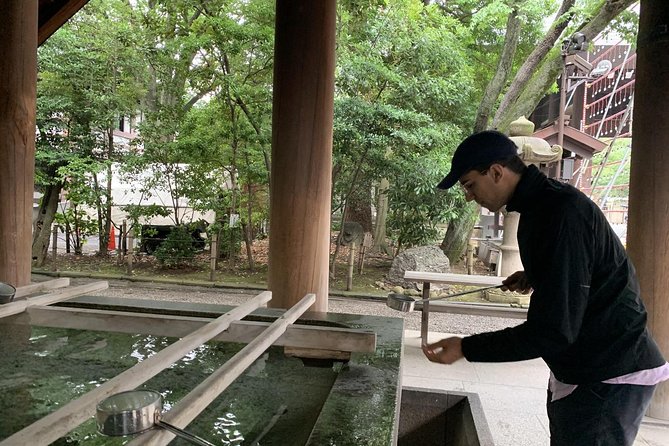
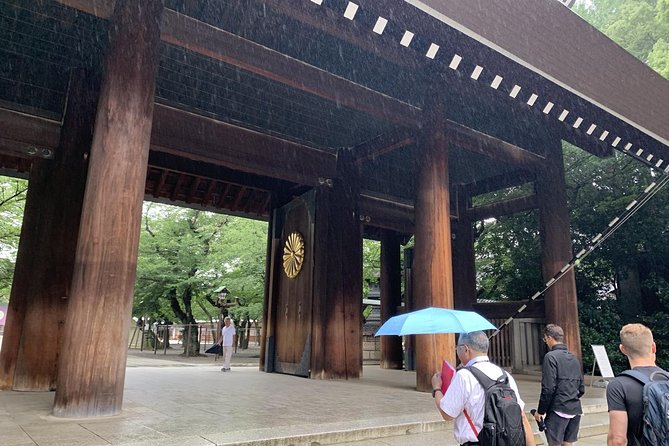
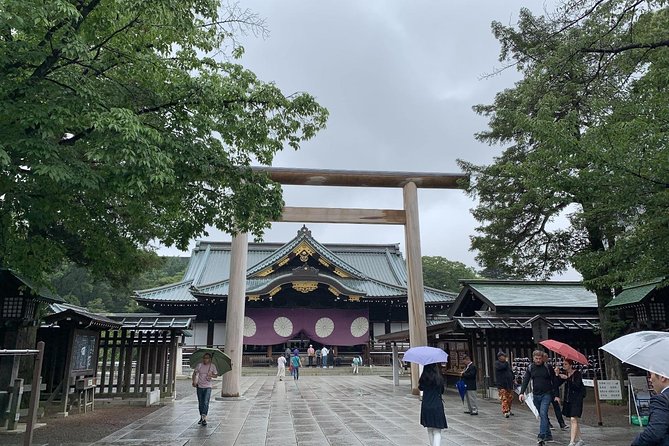
The first stop is Yasukuni Shrine, a traditional Shinto site with broad grounds, formal architecture, and a quiet atmosphere. You have about 30 minutes here, enough to take in the grounds and understand why this place matters before entering the museum.
Yasukuni honors Japan’s war dead from conflicts beginning in 1869. That long span is important. The site is not concerned only with World War II. It reflects Japan’s military history from the Meiji era onward and the way the country has chosen to remember those who died.
The shrine’s calm setting can make the subject feel deceptively simple. It is peaceful, but the meaning of the site is not simple. Yasukuni has long been a sensitive place because it commemorates Japan’s war dead, including figures connected with wartime leadership. The tour’s purpose is to explain Japanese remembrance and historical attitudes, not to turn the visit into a political argument.
You will have time for photographs, one of the listed features of the experience, but this is a place for respectful observation. The guide helps connect the architecture and rituals to the larger questions of national memory.
I would not expect a long religious tour here. The shrine visit is a short introduction, and the museums carry most of the historical detail. That is a strength for people with limited time. You see the setting, then move quickly to the exhibits.
Yushukan Museum and Japan’s military story
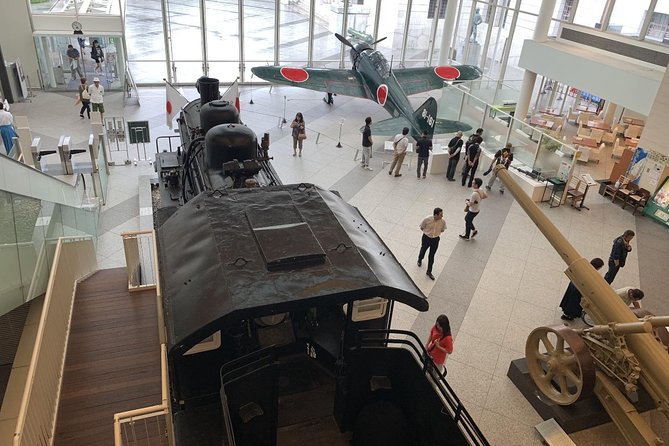
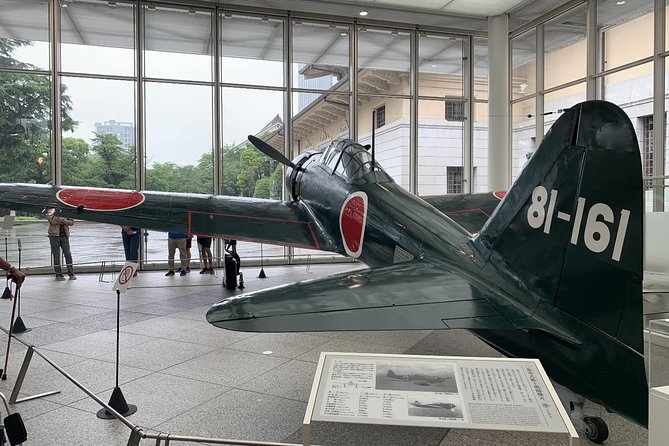
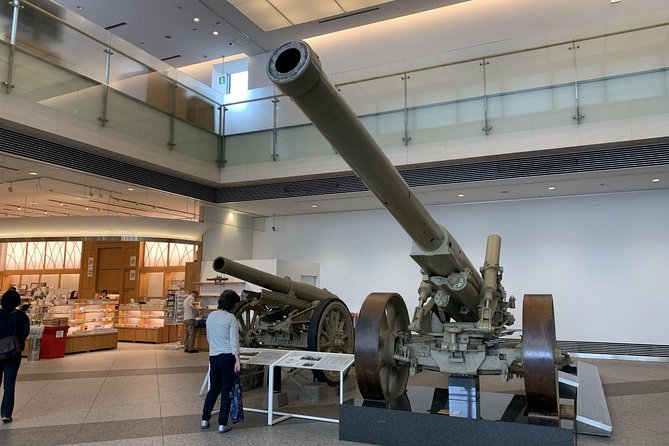
Yushukan receives the longest visit, about 90 minutes. It is located on the Yasukuni Shrine grounds and presents Japan’s military history through artifacts, documents, equipment, and related displays.
This is the section most likely to interest anyone curious about Japan’s armed forces, the Meiji period, World War II, or kamikaze attacks. You learn how military practices developed and why tokotai missions became part of Japan’s wartime policy. The guide also explains the human side of those missions, including what soldiers communicated to their families before leaving.
That personal element matters. Military history can become a list of battles, dates, and machines. Here, the tour also considers the feelings and pressures surrounding soldiers who knew they were unlikely to return. You may find the material moving, unsettling, or difficult, depending on your own background.
The museum is not designed chiefly for English-speaking independent visitors. Much of the material is in Japanese, so the guide’s interpretation is not a minor convenience. It is central to the visit. Izumi, Hiro, Shun, and Yasuhiro Suzuki have each led versions of this experience, and the guide’s ability to explain terms and context can shape your morning.
You should also understand that Yushukan presents its own perspective. No museum can show every side of a conflict in equal measure. Your guide can help you recognize the difference between military commemoration, historical evidence, and the wider international record of Japan’s wartime actions.
That is one reason I would choose a private tour over wandering through the museum alone. You can ask direct questions and hear explanations in English as you move through the rooms. Without that help, the museum may feel difficult to follow, even if you have a strong interest in the subject.
Showa-kan and the civilian experience
The final stop is the National Showa Memorial Museum, usually called Showa-kan, with about one hour inside. Its focus shifts from soldiers and military institutions to ordinary Japanese people during and after World War II.
This change in viewpoint is the tour’s strongest feature. You see how war affected households, not just governments and armies. Exhibits use personal objects, photographs, and other material connected with daily life. The subjects include shortages, starvation, family hardship, and the period after the war.
Showa-kan also helps explain the years that followed. Japan’s postwar recovery and later economic growth did not erase the pain of the war years. Looking at household items and personal records can make that transition easier to understand than a simple account of economic progress.
The museum is valuable because it gives the tour a human scale. Yushukan asks how soldiers served and died. Showa-kan asks how families ate, worked, waited, and rebuilt their lives. Together, the museums give you two distinct views of the same broad period.
Again, English signage may be limited. A guide who can interpret the exhibits makes a real difference. One hour is enough for a guided survey, but not enough to examine every display in detail. If you enjoy museums and want a slow, independent reading experience, you may wish you had longer.
For most people, though, the time is well judged. The tour covers a serious amount of material without taking an entire day from your Tokyo plans.
How the guide changes the experience
The guides are the heart of this activity. The English-speaking leaders named in past bookings include Shun, Yasuhiro Suzuki, Hiro, and Izumi. Each has been described as thoughtful, personable, patient, and able to answer questions. Those qualities matter more here than a polished performance.
You need someone who can explain museum material without flattening its meaning. You also need someone who can handle questions about kamikaze attacks, the war dead, civilian suffering, and national memory with care.
The private format gives you room to set the emphasis. You might want more military detail, more discussion of civilian life, or more help with Japanese terms. The activity is advertised with a history expert, but the exact guide is not guaranteed in the information provided, so I would treat the named guides as examples rather than promises.
The guide is also useful because the two museums do not especially cater to non-Japanese speakers. Without translation and explanation, important displays may pass you by. With a guide, you can understand why an object matters rather than simply looking at it.
Price, value, and who should book
The cost is $204.58 per person, with group discounts available. That is a high price for a three-hour activity, especially for a solo visitor. The value improves if you are sharing the private tour with several people, since the guide and the focused interpretation are being reserved for your group alone.
Entrance fees to the scheduled museums are included. You also receive a private English-speaking guide and time for photographs. Food, drinks, souvenirs, gratuities, transportation, and any extra attractions are not included.
I would judge the price by the quality of the explanation, not by the number of sights. You are paying for access to a specialist who can connect a shrine, two museums, Japanese terms, and a painful period of history in a short morning. If you would otherwise struggle with Japanese-only displays, that service has real value.
The tour suits you best if:
- You have a serious interest in modern Japanese or military history.
- You want context for Yasukuni Shrine rather than a quick photograph outside.
- You prefer a private guide and the chance to ask many questions.
- You want both military and civilian viewpoints.
- You are comfortable discussing war, death, nationalism, and historical disagreement.
It may not suit you if you want a broad first look at Tokyo, dislike museum visits, or prefer to avoid wartime subjects. Families should also consider the age and temperament of children, since the material concerns death, starvation, and suicide missions.
Most travelers can participate, according to the activity details, but no special accessibility information is provided. If you have mobility or other access needs, ask before booking rather than assuming the route will fit.
Timing and booking details to keep in mind
The tour lasts about three hours and starts at 9:00 am. It is commonly reserved well ahead, with an average booking time of 99 days before the visit, so early planning is sensible if this is important to your itinerary.
The experience is listed as private, meaning only your group participates. Group discounts are available, but the exact discount depends on the booking details.
The cancellation terms are strict. The information describes the experience as non-refundable and not changeable for any reason, while also listing cancellation charges of 25 percent within 20 days, 50 percent within 14 days, and 100 percent within seven days. Because those statements do not fit neatly together, read the final terms shown at checkout before paying.
Confirmation is normally received at booking. If you book within seven days of the tour, confirmation may arrive within 48 hours and remains subject to availability.
Is this Modern Japanese History Tour worth booking?
I would book this tour if you want a focused, guided look at Japan’s wartime memory and have enough interest to spend three serious hours with the subject. The pairing of Yushukan and Showa-kan is excellent: one explains the military world, while the other shows what war did to ordinary households.
The strongest reason to book is the guide. English interpretation is especially useful in these museums, and the private format lets you ask the questions that matter to you. The best guides for this subject are tactful, patient, and willing to explain competing viewpoints without turning the morning into a lecture.
I would skip it if you are looking for easy sightseeing or if the price feels too high for a short activity. This is not a casual shrine stop. It is a concentrated history lesson in a politically sensitive setting. For the right reader, though, it offers a side of Tokyo that most standard itineraries leave out.
FAQ
How long does the Modern Japanese History Tour in Tokyo last?
The tour lasts approximately three hours. The planned schedule includes 30 minutes at Yasukuni Shrine, 1 hour and 30 minutes at Yushukan Museum, and one hour at Showa-kan.
Where does the tour begin?
You meet your English-speaking guide at Kudanshita Station in Chiyoda City, Tokyo, at 9:00 am. The tour ends back at the meeting point.
Is this a private tour?
Yes. Only your group participates in the activity.
Are museum admission fees included?
Yes. Entrance fees to Yushukan War Museum and the National Showa Memorial Museum are included. Food, drinks, souvenirs, gratuities, and extra attractions are not included.
Who guides the tour?
The activity includes a private English-speaking history guide. Guides who have led this experience include Shun, Yasuhiro Suzuki, Hiro, and Izumi, though the exact guide for a particular booking is not specified.
Is the subject matter sensitive?
Yes. The tour discusses Japan’s war dead, civilian hardship, starvation, Japanese military history, and kamikaze, also called tokotai, attacks. The activity asks participants to keep an open mind and treat the guide respectfully.
More Historical Tours in Tokyo
More tours in Tokyo we've reviewed












Historical Tours, compared.
 ★ 4.9Tokyo: Imperial Palace Japanese History Walking TourFrom $32
 ★ 5.0Tokyo: Shinjuku Historical Walking Tour & Secret BackstreetsFrom $25
 ★ 5.0Yanaka Walking Tour: Historic and Traditional District of TokyoFrom $72
 ★ 4.5Mt. Fuji Heritage Tour: Traditional Villages, Lakes & ShrineFrom $5010 hours
 ★ 4.9Tokyo: The Best of Izakaya in Shinjuku Food & Cultural TourFrom $1293 hours
 ★ 5.0Yanaka Historical Walking Tour in Tokyo’s Old TownFrom $81