Reviewed · TOKYO FOOD TOURS
Shibuya Foodie Walk: Explore & Savor
Shibuya is more than giant screens and crossing crowds. This food walk takes you from the Hachiko statue and Shibuya Crossing to Miyashita Park and the department-store food halls, adding sushi, yakiniku, snacks, and local context along the way. I like the small group of no more than 10 and the personal attention offered by guides such as Marin, Mari-san, and Hiko. I also like that dinner and snacks are included, so you can focus on tasting instead of watching the bill mount at every stop.
In This Article
- Key points to know before booking
- Why this Shibuya food walk works
- Starting at Hachiko and Shibuya Crossing
- Miyashita Park: a pause from the station crowds
- Tokyu Food Show and the department-store food tradition
- Sushi, yakiniku, and what dinner includes
- The guides are a major part of the value
- Timing, meeting point, and group size
- Who should book this experience
- Is the $250 price fair?
- Final verdict: a personal food introduction to Shibuya
- FAQ
- How long does the Shibuya Foodie Walk last?
- How much does the tour cost?
- What food is included?
- What are the main stops?
- Where does the tour start?
- Where does the tour end?
- How large is the group?
- Can I cancel for a full refund?
The main consideration is the $250 price. That is a serious cost for a three to four-hour walk, especially since the listed sightseeing stops have no admission fees. You are paying for the guide, food, local restaurant choices, and a more personal introduction to Shibuya, not for major attractions or transportation.
Key points to know before booking
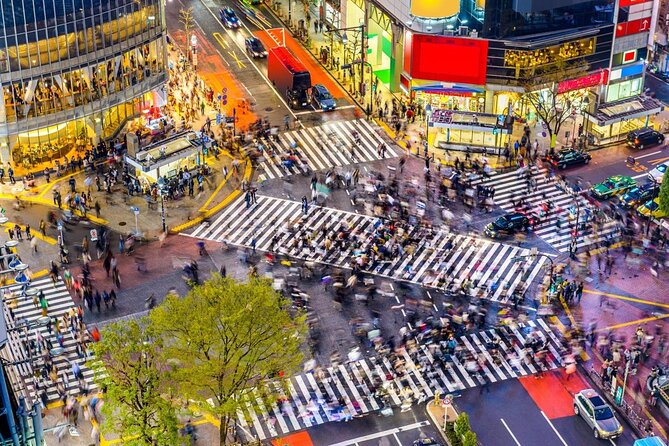
- Sushi and yakiniku are part of the food experience, with dinner and snacks included.
- The group is capped at 10 people, allowing more room for questions and food preferences.
- Guides including Marin, Mari-san, and Hiko have been praised for being friendly, flexible, and personal.
- The route combines famous sights with food shopping, from Hachiko and Shibuya Crossing to Tokyu Food Show.
- The tour lasts about 3 to 4 hours, making it a useful first-evening introduction to Shibuya.
- You start and finish at SHIBU HACHI BOX, with no hotel pickup or drop-off.
Why this Shibuya food walk works
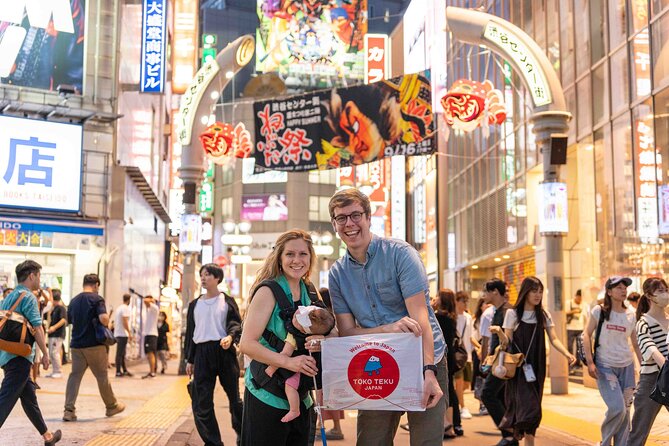
This experience blends two sides of Shibuya. One is the Tokyo you already know from photographs: the Hachiko statue, giant pedestrian crossing, bright streets, and dense urban energy. The other is found in restaurants and department-store food halls, where Japanese food culture becomes easier to understand one dish at a time.
I like this combination because food tours work best when they provide a sense of place. You are not simply taken to a restaurant and sent home. You first get oriented in one of Tokyo’s best-known districts, then move into the eating culture that gives the neighborhood much of its character.
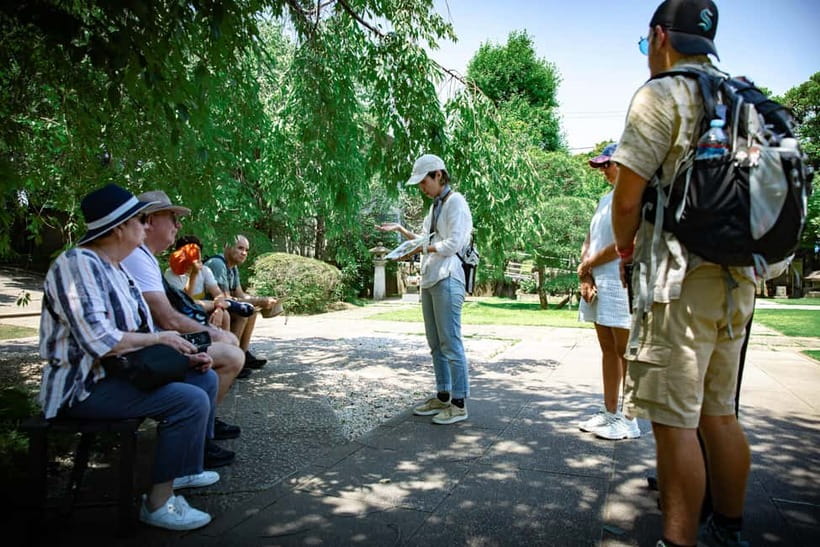
The small-group format matters here. With a maximum of 10 people, the guide has a better chance of answering questions and checking that the pace and food choices suit the group. One guide, Marin, is described as checking in during the walk and adjusting the experience when needed. That kind of flexibility can make a big difference if you are unsure about Japanese menus or want more explanation.
Past guide names connected with this experience include Marin, Mari-san, and Hiko. The feedback is especially warm about their friendliness, recommendations, and ability to create a more local-feeling outing. Keep in mind that your assigned guide may not be one of these three, but their approach gives you a useful idea of the personal style to expect.
A few more Tokyo tours and experiences worth a look

Starting at Hachiko and Shibuya Crossing
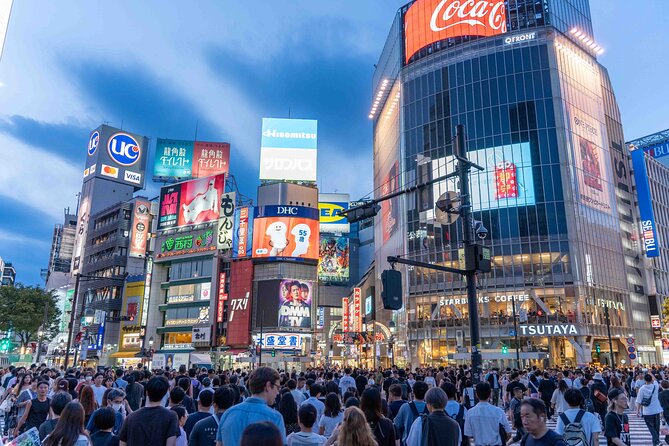
The meeting point is SHIBU HACHI BOX at 2-chōme-1-1 Dōgenzaka. The first two stops are Hachiko and Shibuya Crossing, each planned for about 30 minutes.
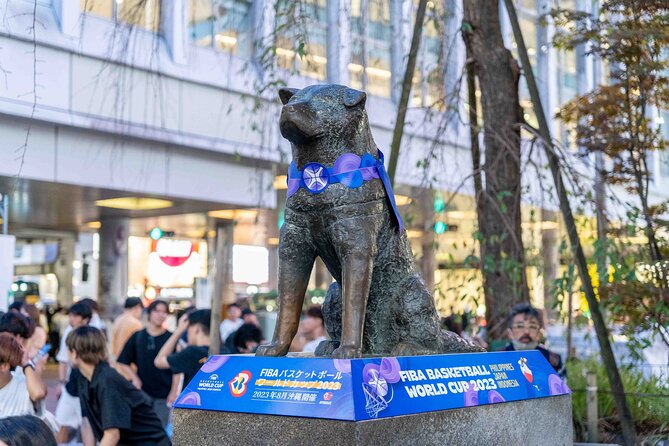
Hachiko is a practical place to begin. The bronze statue honors the loyal dog whose story has become part of Shibuya’s identity, and the statue has been a local symbol for more than 80 years. It is also a useful orientation point in an area where streets, station exits, signs, and crowds can quickly become confusing.
You should expect Hachiko to be popular and busy. The stop is free, but it is not a quiet memorial visit. Your guide can provide the local setting and help you understand why this small statue is such a common meeting place.
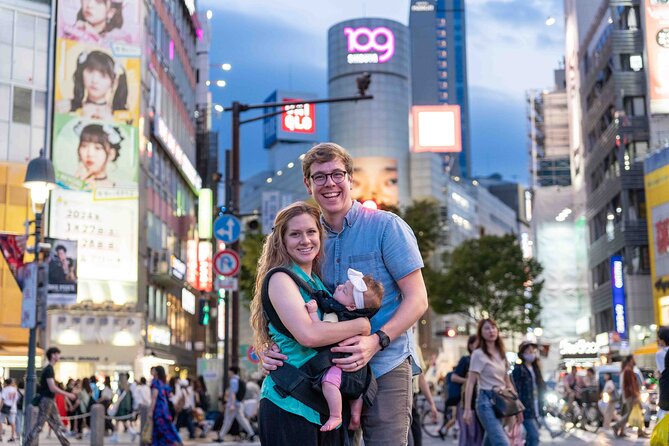
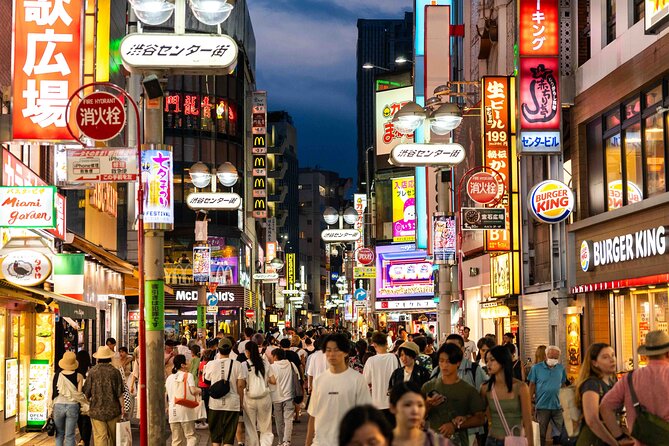
From there, the walk continues to Shibuya Scramble Crossing. Every few minutes, people move across the intersection from several directions at once. It is a simple public street crossing, but the scale and rhythm make it one of Tokyo’s most recognizable scenes.
I would not book this tour only for the crossing. You can see it without paying for a food walk. Its value here is that the guide places the scene at the front of a larger neighborhood experience, then moves you toward the food stops rather than leaving you to navigate Shibuya alone.
The two opening stops also create a clear tradeoff. If you have already spent several days in Shibuya, Hachiko and the crossing may feel familiar. If this is your first visit, the introduction is useful and gives the rest of the tour a strong sense of location.
Miyashita Park: a pause from the station crowds
The third stop is Miyashita Park, with about an hour assigned to the area. This modern urban park combines green space, shopping, and dining in the middle of Shibuya.
That mix makes it a good transition between sightseeing and food. Shibuya can feel intense, particularly around the station and crossing. Miyashita Park offers a different setting where you can slow down, look around, and continue the conversation with your guide.
The word park can give the wrong impression if you expect a large traditional garden. This is a modern city space, with commercial areas as well as open areas. You are visiting an urban meeting point, not a peaceful historic retreat.
The hour here gives the tour some breathing room. It also helps prevent the experience from becoming a quick march between restaurants. Your guide may use this part of the walk to explain the area, point out dining choices, or help connect Shibuya’s modern design with its food culture. The exact balance depends on the group and the guide.
Because no admission fees are listed for the stop, the value is in access, organization, and explanation rather than a paid attraction. If you prefer a tour packed with tastings every few minutes, this portion may feel less food-focused. If you appreciate a little time to absorb the district, it is a sensible part of the route.
Tokyu Food Show and the department-store food tradition
The final listed stop is Shibuya Tokyu Food Show, with about an hour planned for exploring. This is an important part of the experience because Japanese department stores often contain elaborate food halls below street level.
Here you can find local Japanese treats alongside international foods, presented in a polished setting. The food hall gives you a broad look at how food is bought, displayed, packaged, and given as gifts in Japan. It is not the same as eating at a small neighborhood restaurant, but it adds useful context to the meal stops.
I especially like this stop for visitors who want to try Japanese food but feel cautious about ordering in an unfamiliar restaurant. A food hall lets you see what is available before deciding. Your guide can help explain items and point you toward snacks you might otherwise pass by.
The hour also makes the stop more than a quick shopping detour. You have time to look at the displays and connect the products with the dishes eaten earlier in the evening. Since snacks are included, this is one of the places where the food portion of the tour can extend beyond a formal dinner.
There is a practical limitation. Tokyu Food Show is a public commercial space, so it may feel less personal than a family-run restaurant. You are getting a broad sample of Japanese food culture rather than one focused culinary story. That variety is useful, but it is not the same as spending the whole evening in a single specialist neighborhood.
Sushi, yakiniku, and what dinner includes
The central promise of the walk is food. Dinner and snacks are included, with sushi and yakiniku specifically highlighted as traditional Japanese dishes you can expect to encounter.
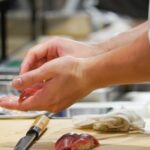
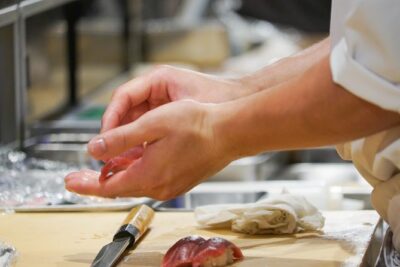
Sushi gives the tour a chance to introduce one of Japan’s best-known foods in a local setting. Yakiniku offers a different experience, centered on grilling meat at the table. One guide was specifically praised for taking the group to good sushi and wagyu restaurants, followed by a satisfying dessert. The details can change by guide and availability, so you should treat that as a strong example rather than a fixed menu.
This is where the price needs careful thought. At $250 per person, the tour is not a cheap way to get dinner. If you simply want sushi and yakiniku, you could likely spend less by choosing your own restaurants. The value is in having a guide make the choices, explain the food, handle the neighborhood navigation, and connect several tastings into one evening.
The included food also makes budgeting simpler. You will not be paying separately for every listed tasting, though the provided information does not specify the exact number of dishes, portion sizes, restaurant names, or drink arrangements. If those details matter to you, ask before booking.
The group size helps with restaurant logistics. A party of up to 10 is large enough to create a social evening but still smaller than a full coach excursion. It also gives the guide a reasonable chance to discuss dishes and offer suggestions.
A few more Tokyo tours and experiences worth a look


The guides are a major part of the value
Food is only half the experience. The guide determines how smoothly the evening works and how much you learn.
Marin is described as calm, flexible, and attentive to the group’s expectations. That is valuable in a food tour because preferences can vary. Some people want familiar dishes, while others want a stronger push toward local choices. A guide who checks in can adjust the tone without losing the purpose of the walk.
Mari-san is also praised for being personable and for introducing several local restaurants, each with a different taste of Tokyo. That suggests a food-first style with room for conversation rather than a scripted march through a fixed list.
Hiko received especially strong credit for making the experience memorable. You should not assume every guide will offer the same personality or exact restaurant lineup, but the repeated emphasis on friendly, personal guidance is a good reason to consider this tour over a larger group food excursion.
I would use the first few minutes to tell your guide what you want. Explain if you are most interested in sushi, wagyu, sweets, snacks, or cultural background. The more clearly you describe your priorities, the more useful the guide’s recommendations can be.
Timing, meeting point, and group size
The experience lasts approximately three to four hours. That is long enough for several stops and a full meal, but short enough to fit into an evening with other plans.
The tour starts and ends at SHIBU HACHI BOX in Shibuya. There is no hotel pickup or drop-off, so you need to reach the meeting point yourself and arrange your own way back afterward. The area is near public transportation, which makes the start and finish practical, but you should still allow time to locate the exact meeting point.
A mobile ticket is provided, which is convenient when you are moving around Tokyo without a printed voucher. Confirmation is sent within 48 hours of booking, subject to availability. For that reason, do not assume your place is final until confirmation arrives.
The group maximum is 10 people. Most people can participate, according to the supplied details, but the experience still involves walking through a major city district and spending time in public dining areas. Specific accessibility arrangements are not provided, so ask the operator directly if you need assistance.
Cancellation is flexible up to 24 hours before the local start time, when you can receive a full refund. Changes or cancellations made less than 24 hours ahead are not accepted for a refund.
Who should book this experience
I would recommend this walk to first-time Tokyo visitors who want an organized introduction to Shibuya without giving up local food. It is also a good fit if you feel unsure about Japanese menus or want a guide to make restaurant choices easier.
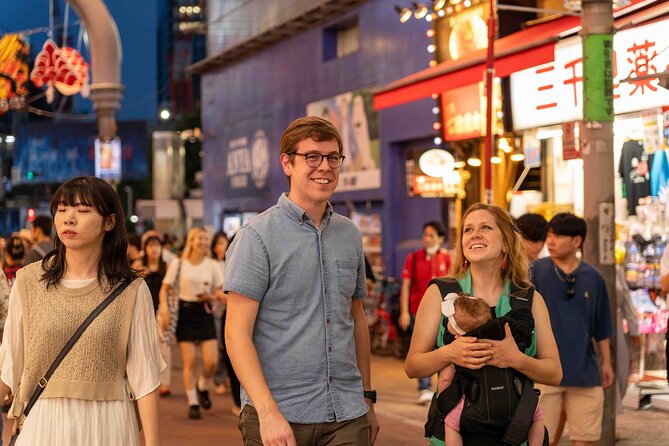
Couples, solo visitors, and small groups can all benefit from the limited group size. The guide-led format gives solo participants company, while couples and friends get a ready-made evening plan.
The tour is less suited to people who want a bargain dinner, a long specialist food crawl, or a tightly defined menu. The exact restaurants and dishes are not listed, and the sightseeing stops are free. You are paying for guidance and access to a planned food experience, not for admission to major attractions.
It may also be less useful if you already know Shibuya well and have strong restaurant plans. In that case, the included walk around Hachiko, the crossing, Miyashita Park, and Tokyu Food Show may repeat places you have seen.
Is the $250 price fair?
The answer depends on how much help you want. The fee includes dinner and snacks, a three to four-hour guided walk, and a small group capped at 10. It also covers the benefit of having someone explain the area and make food choices in a city where menus and restaurant customs can sometimes feel difficult to read.
Still, the sightseeing stops themselves are free, and hotel transportation is not included. The price is best justified if the guide delivers a personal evening with several worthwhile food stops, useful recommendations, and cultural explanation.
Before booking, confirm what the dinner includes, how many tastings are planned, and whether drinks cost extra. Those details will help you decide if the experience matches your appetite and budget.
Final verdict: a personal food introduction to Shibuya
I would book this tour if I wanted an easy first taste of Shibuya’s food culture and valued a friendly guide more than the lowest possible dinner cost. The combination of sushi, yakiniku, snacks, Miyashita Park, and Tokyu Food Show gives the evening variety, while the small group keeps it more personal.
The strongest reason to choose it is the guide-led experience. Marin, Mari-san, and Hiko are associated with a style that is attentive, flexible, and focused on local restaurant choices. The main reason to hesitate is the cost, especially if you already know where you want to eat.
For a first or early evening in Tokyo, this is a useful way to get your bearings, taste several Japanese favorites, and leave with ideas for the rest of your stay. Just book it for the guidance and food planning, not simply for access to Hachiko or Shibuya Crossing.
FAQ
How long does the Shibuya Foodie Walk last?
The experience lasts approximately 3 to 4 hours.
How much does the tour cost?
The listed price is $250 per person.
What food is included?
Dinner and snacks are included. Sushi and yakiniku are among the Japanese dishes highlighted for the experience.
What are the main stops?
The route includes the Hachiko statue, Shibuya Crossing, Miyashita Park, and Shibuya Tokyu Food Show.
Where does the tour start?
The meeting point is SHIBU HACHI BOX at 2-chōme-1-1 Dōgenzaka, Shibuya, Tokyo 150-0043, Japan.
Where does the tour end?
The activity ends back at the meeting point.
How large is the group?
The tour accepts a maximum of 10 travelers.
Can I cancel for a full refund?
Yes. You can cancel at least 24 hours before the local start time for a full refund. Cancellations or changes made less than 24 hours before the start time are not accepted for a refund.
More Walking Tours in Tokyo
More Tokyo Food Tours in Tokyo
More Shibuya Tours in Tokyo
More tours in Tokyo we've reviewed



Tokyo Food Tours, compared.
 ★ 5.0Tokyo: Shinjuku Food Tour (13 Dishes at 4 Local Eateries)From $86
 ★ 4.9Tokyo: Shinjuku Food Tour (13 Dishes and 4 Eateries)From $97
 ★ 5.0Tokyo Night Foodie Tour in Shinjuku – Seasonal Sushi, Wagyu BeefFrom $111
 ★ 5.0Eat and Drink Like a Local: Tokyo Ueno Food Tour-Taverns&RamenFrom $95
 ★ 5.0Tokyo: Shibuya Food Tour (13 dishes and 4 Eateries)From $77
Tokyo: Shinjuku Food Tour – 15 Dishes, 3 Drinks, 4 EateriesFrom $723 hours