Reviewed · TOKYO FOOD TOURS
Tokyo: Shinjuku Food Tour (13 Dishes and 4 Eateries)
Shinjuku is easiest to understand after dark, when tiny drinking alleys, glowing signs, food stalls, and narrow restaurant doors begin to tell their stories. This three-hour walk gives you a useful introduction, pairing 13 Japanese dishes at four eateries with stops in Golden Gai, Omoide Yokocho, and Kabukicho.
In This Article
- Key points to know before booking
- Starting at Shinjuku Nishiguchi
- Golden Gai: a short lesson in tiny bars
- Omoide Yokocho and the food-stall atmosphere
- Kabukicho: food, nightlife, and local context
- Four eateries, four styles of eating
- What the food means for a first visit to Japan
- The guides make a real difference
- Is $97 good value?
- Who will enjoy this Shinjuku evening?
- Practical tips for a smoother night
- Should you book the Shinjuku Food Tour?
- FAQ
- How long does the Shinjuku food tour last?
- Where does the tour begin and end?
- How many dishes and drinks are included?
- Which foods might be served?
- Is the tour conducted in English?
- What should I do about food allergies or restrictions?
I like the way the tour mixes food with place. You are not simply carried from one restaurant to the next. Your guide explains local customs, points out photo spots, and gives you context for the neighborhood. I also like the small group, limited to 10 people, since it makes conversation and ordering help much easier.
The main thing to consider is appetite. The portions vary, but several people found themselves full well before the final stop, while one person felt the food was more of a sampling meal than a full dinner. If you want to try many Japanese foods without working out where to go, the $97 price is reasonable. If you want one large, polished meal, it may not be the best match.
Key points to know before booking
- Four very different food stops: You visit a food stall, an izakaya, a traditional eatery, and a gastrobar.
- Thirteen dishes in three hours: Typical foods can include sashimi, sake, tonkatsu, yakitori, and takoyaki, though the menu can change.
- A proper Shinjuku orientation: The route includes Golden Gai, Omoide Yokocho, and Kabukicho, not just restaurant interiors.
- Small-group setting: The maximum of 10 people suits solo visitors and couples who want an easier social evening.
- Guides shape the experience: Sara, Jun, Lloyd, Yin, Sanako, Maria, Yota, and others have been praised for friendliness, humor, area knowledge, and care with dietary needs.
- Come ready to eat: The food may be plentiful enough to fill you by the second stop, so avoid a large meal beforehand.
Starting at Shinjuku Nishiguchi
The meeting point is in front of Starbucks Coffee at Shinjuku Nishiguchi, at 1 Chome-12-1 Nishishinjuku. This is a practical place to begin because Shinjuku Station is enormous, and the word Nishiguchi matters. Give yourself extra time to find the correct station exit and street-level meeting point.
The tour ends back at the same Starbucks. That helps if you are still learning Tokyo’s train system, though you will want to keep your phone charged for directions and communication. The guide contacts you through WhatsApp, so download the app before the tour and check that you can receive messages.
The starting time depends on availability, but the experience is designed around Shinjuku nightlife. An evening departure makes sense here. The area changes character as office workers leave, restaurants fill, and the signs around Kabukicho switch on.
The group limit of 10 is important. A food tour can become awkward when everyone has to crowd around a tiny table or wait for one person to translate a menu. With a smaller group, you have a better chance to ask questions, meet other diners, and hear the guide while walking through busy streets.
A few more Tokyo tours and experiences worth a look
Golden Gai: a short lesson in tiny bars
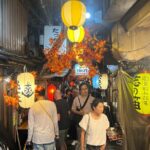
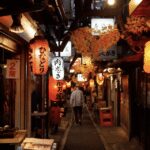
Golden Gai receives about 15 minutes of guided attention. That is not long enough for a full meal or a detailed look at every lane, but it is enough to introduce one of Shinjuku’s most distinctive areas.
The appeal here is the scale. The lanes are packed with small bars and restaurants, many with only a handful of seats. Your guide can explain how these narrow spaces fit into Shinjuku’s nightlife and why they feel so different from the large department stores and station concourses nearby.
Think of this as a walking orientation rather than a drinking stop. You are likely to learn what makes the area special, how to read the mood of a small bar, and where the lanes sit in relation to the rest of Kabukicho.
Golden Gai can also be visually intense. It is a good place for photographs, but the lanes are tight, and the group needs to keep moving carefully. The tour does not promise a drink here, so do not book it expecting a bar crawl.
Omoide Yokocho and the food-stall atmosphere
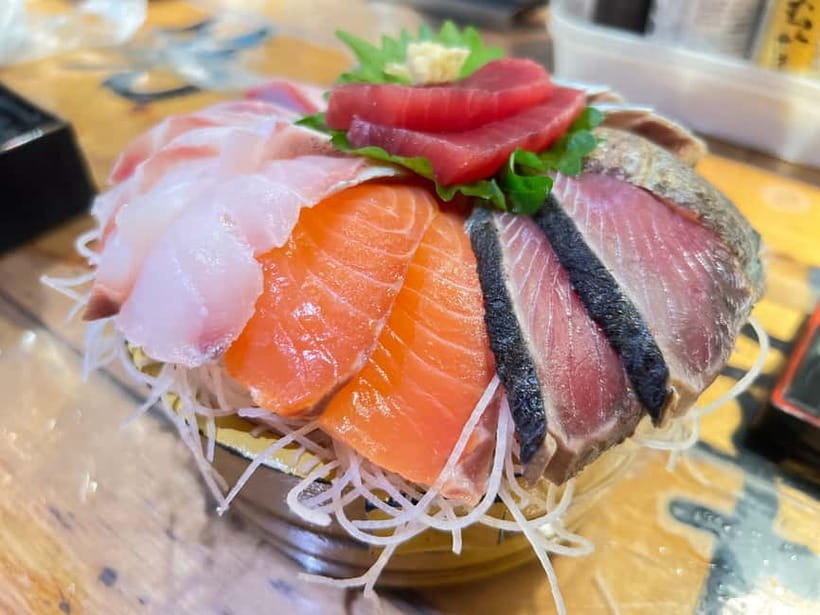
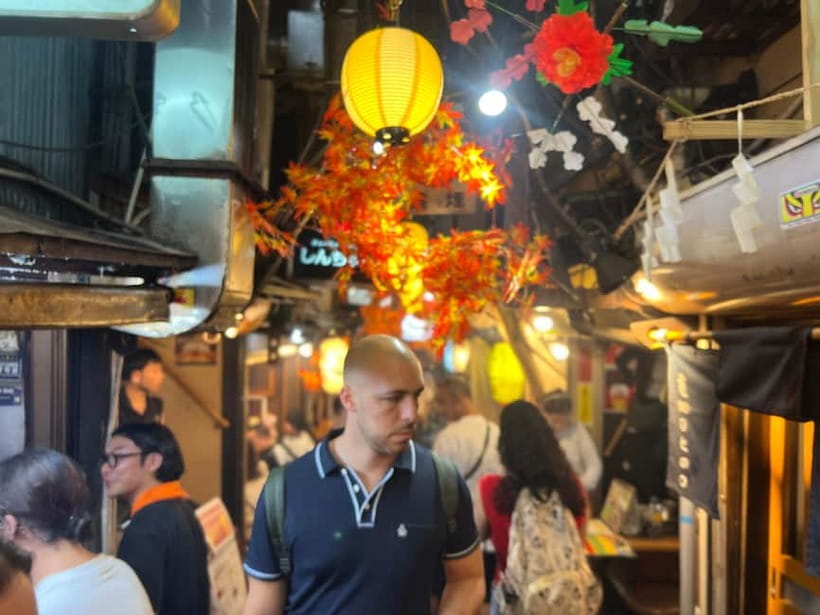
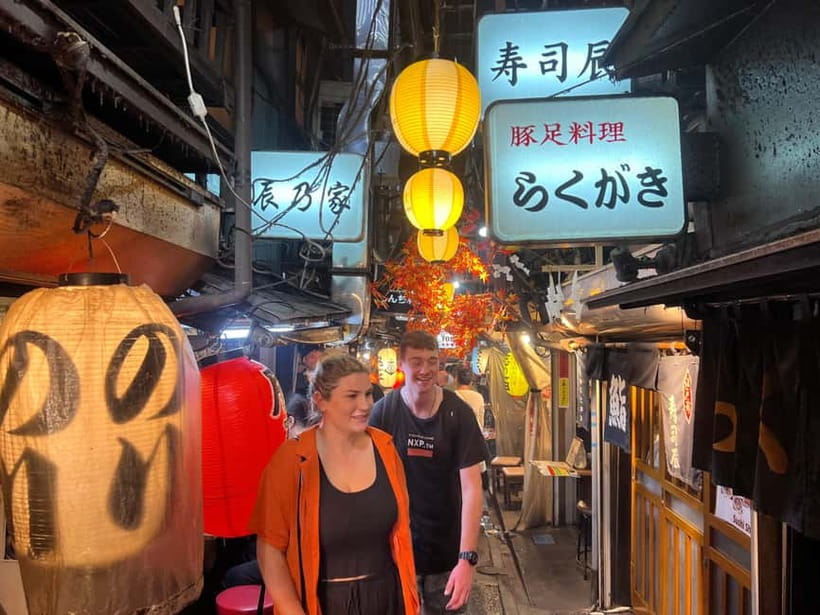
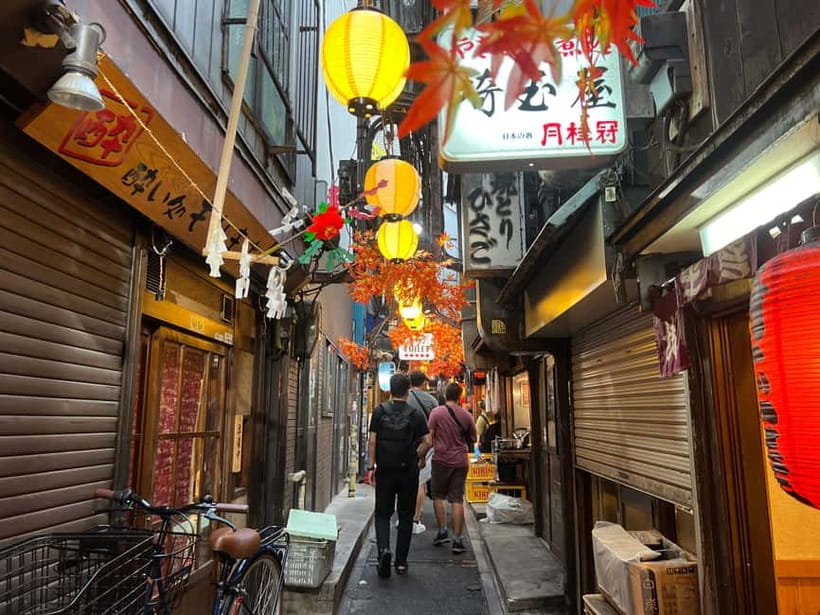
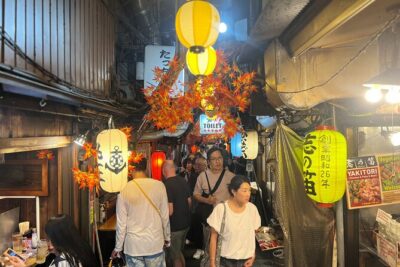
The next extended area is Omoide Yokocho, explored for roughly 30 minutes. Its narrow passageways are lined with small restaurants and stalls, creating a more immediate food setting than the short Golden Gai stop.
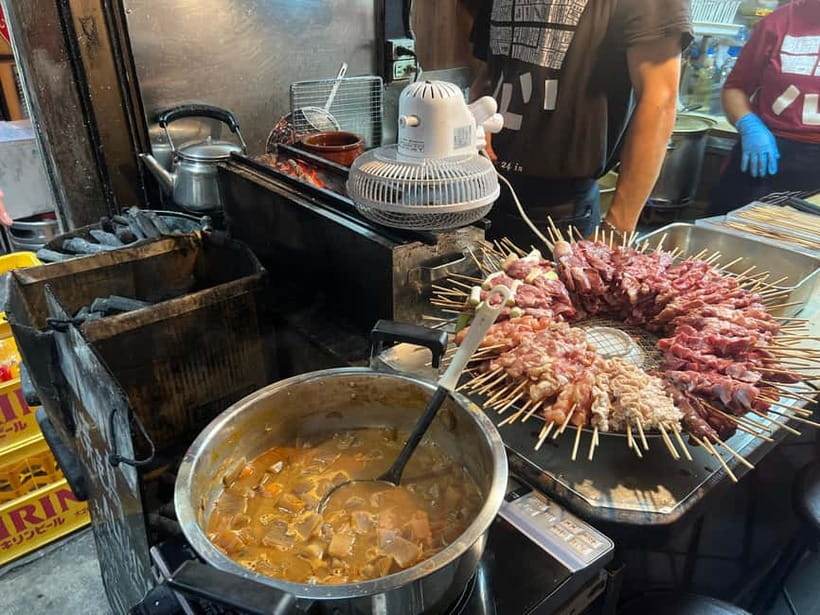
This is where the tour’s focus on ordinary comfort food becomes clear. The experience includes food at one stall, and this setting gives you a chance to see how compact Japanese dining can be. Instead of a formal restaurant and a long menu, you get a close look at quick, focused cooking in a tight neighborhood setting.
The exact dishes depend on season and availability. Yakitori may appear, and takoyaki is listed among the possible foods, but the menu is not fixed. That flexibility is useful in Japan, where the best choice can depend on what a restaurant has that day. It also means you should not treat the advertised dish list as a guarantee of every single item.
Omoide Yokocho is a strong part of the route for first-time visitors because it gives you a clear sense of Shinjuku’s older, more compact food culture. At the same time, a narrow stall is not ideal for everyone. Seating can be limited, and the group may not linger long.
Kabukicho: food, nightlife, and local context
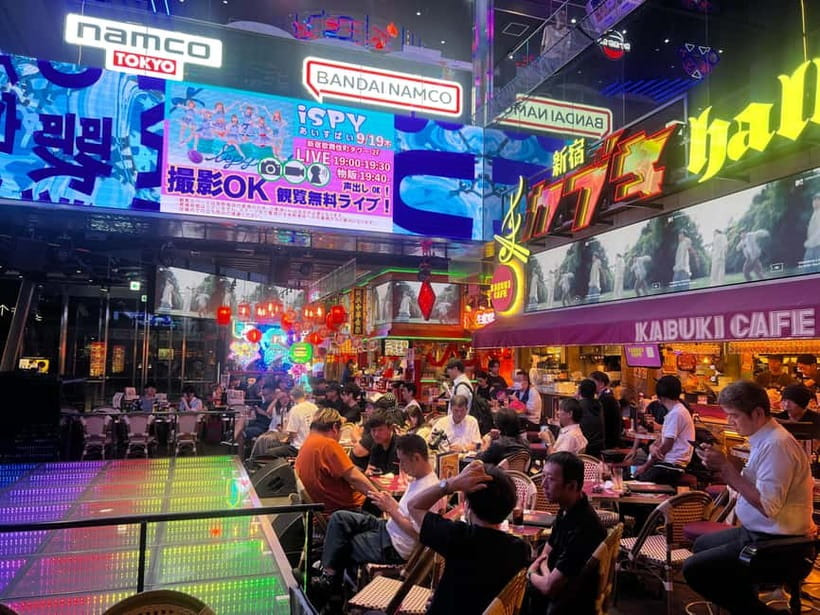
About an hour is set aside for guided exploration in Kabukicho. This is the longest named sightseeing portion of the route, and it gives the guide room to talk about the district rather than simply pointing out restaurants.
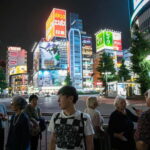
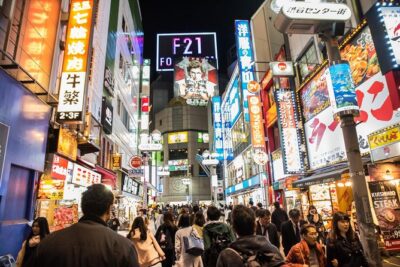
Kabukicho is famous for its nighttime energy, signs, entertainment venues, restaurants, and dense pedestrian streets. You will see a very different side of Tokyo from the quiet temple grounds and polished shopping districts found elsewhere in the city.
The value of having a guide here is practical. A local can explain what you are seeing, help you understand the layout, and steer the group through the area without leaving you to guess which side street is worth entering. Guides such as Sara, Maria, Darren, and Sanako have been praised for adding stories about the neighborhood and answering questions beyond the food itself.
The tour is not presented as a serious historical lecture, so expect useful stories and cultural explanation rather than a long academic timeline. The pace is generally described as comfortable, with enough walking to see the district but not so much that the food stops become an afterthought.
Four eateries, four styles of eating
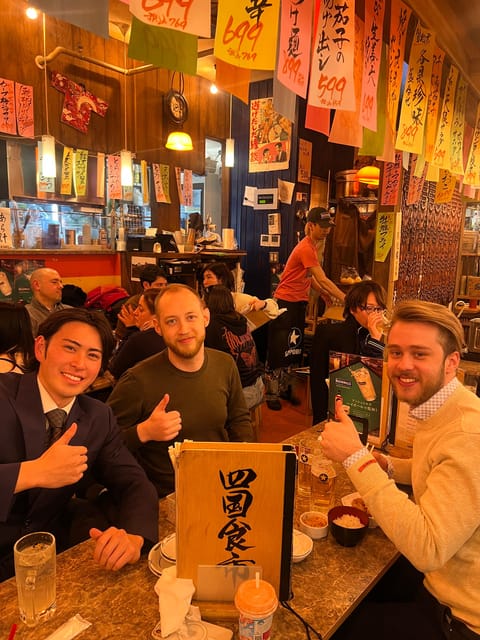
The food portion is spread across four types of venue:
- A food stall
- An izakaya
- A traditional Japanese eatery
- A gastrobar
That variety is one of the strongest reasons to book. An izakaya shows you the casual shared-dish style associated with Japanese drinking and dining. A traditional eatery gives you another setting and another way of presenting familiar foods. The gastrobar provides a more modern stop, while the stall keeps the route connected to quick, informal street food.
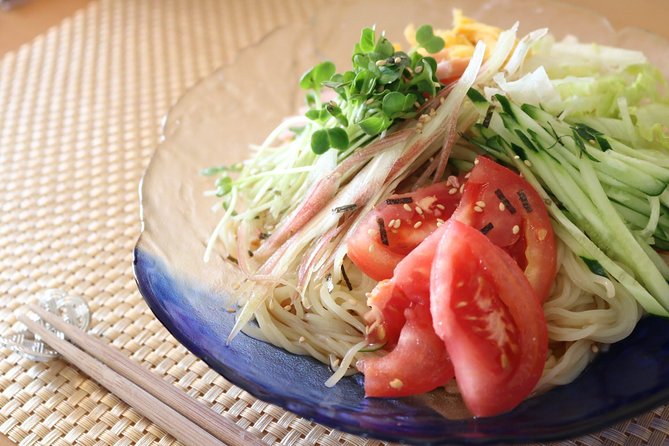
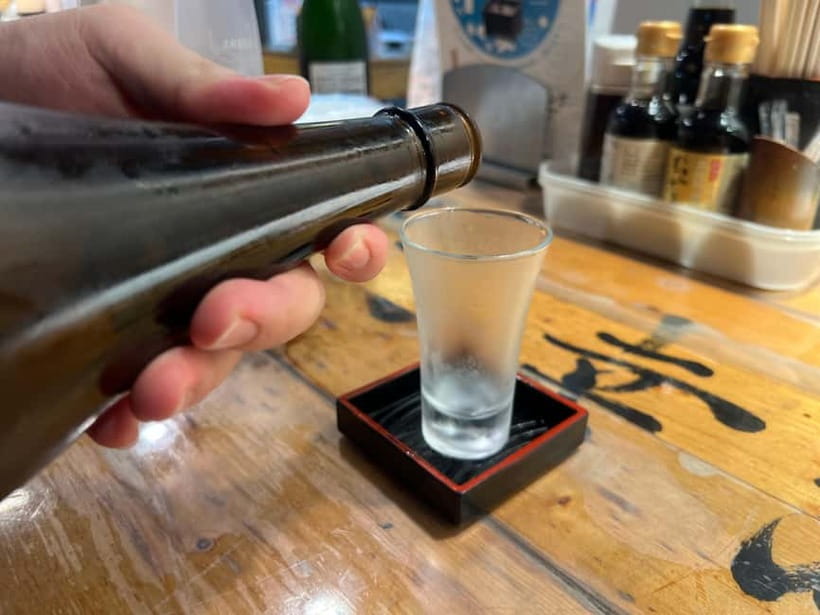
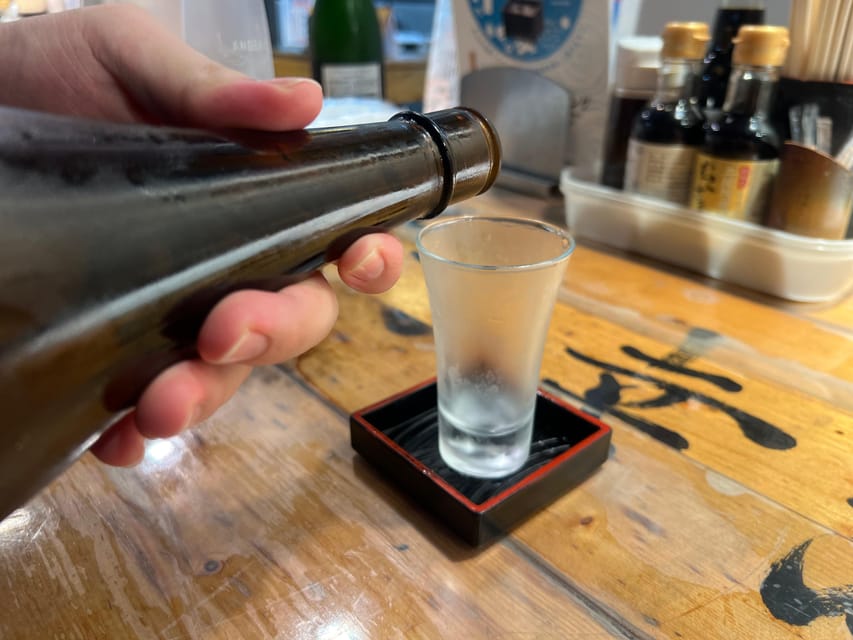
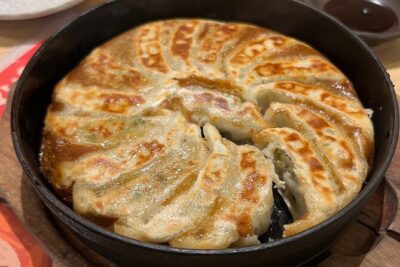
The menu can include sashimi, Japanese sake, tonkatsu, yakitori, and takoyaki, among other dishes. You receive up to 13 distinct items, plus two complimentary drinks, with alcoholic and non-alcoholic choices included.
The phrase up to 13 matters. Dishes can change with the season, restaurant schedules, and availability. You should see this as a broad tasting route, not a locked menu. That is common sense in a city where many small restaurants work with daily supplies, but it is worth knowing before you book.
The portions also seem to vary by stop. Some people were comfortably full by the second restaurant, while others described the meal as a good introduction but not quite enough for a full dinner. My practical advice is simple: eat a light lunch or early snack, then arrive hungry without assuming you will receive 13 full-size entrees.
A few more Tokyo tours and experiences worth a look


What the food means for a first visit to Japan
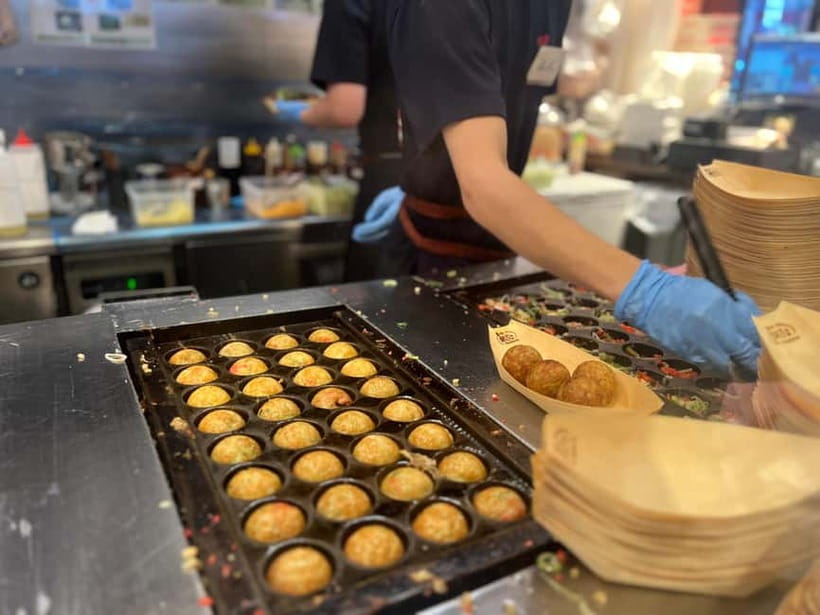
For a first night in Tokyo, this tour has a useful advantage: it removes the pressure of choosing a restaurant when you may still be learning how Japanese menus work.
You can taste several familiar and unfamiliar foods in a single evening. Sashimi introduces raw fish in a straightforward way. Tonkatsu offers a hearty fried pork cutlet. Yakitori gives you grilled chicken skewers, while takoyaki brings a hot snack with a different texture and presentation. Sake adds a drink with cultural importance, although a non-alcoholic option is available.
You also learn how dishes fit into social eating. Japanese meals are often built around sharing, small plates, and several stops rather than one giant main course. The guide can explain the customs and ingredients as you go, which is especially helpful if you are unsure how to order or what a dish contains.
This format works better than a long list of isolated samples. You see the food in its setting, then walk through the district between meals. That connection between dish and neighborhood is what gives the evening its shape.
Still, do not expect every plate to be a personal favorite. One person found a later dish too peppery, and another felt the food was tasty but not extraordinary. That is a fair trade-off for a menu built around variety. You are sampling a wide range, not ordering only your safest favorites.
The guides make a real difference
The tour is led in English, and the guide’s personality appears to have a major effect on the evening. Names associated with especially strong experiences include Sara, Jun, Lloyd, Yin, Sanako, Maria, Yota, Alma, Darren, Kane, Matt, Haydn, Dai, Ali, and Nao.
The praise is not limited to food knowledge. Guides have been appreciated for humor, friendliness, clear English, local stories, a relaxed pace, and the ability to help a group get acquainted. That matters on a small-group night tour, especially if you are traveling alone.
Yota was particularly careful with food allergies, while Haydn was noted for accommodating food restrictions. You still need to advise the operator about restrictions in advance. Do not assume every ingredient can be removed or replaced, but raising the issue early gives the guide a better chance to help.
The guide can also give advice for the rest of your stay. Use that opportunity. Ask about areas to eat, foods to try, and how to approach places that look intimidating. A good three-hour orientation can save you time and make the next few evenings easier.
Is $97 good value?
At $97 per person, this is not a cheap walk with a few token samples. The price includes a three-hour English-speaking guide, four dining stops, 13 dishes, two drinks, and a neighborhood tour.
You are also paying for access and confidence. Without a guide, you could certainly walk through Golden Gai, Omoide Yokocho, and Kabukicho yourself. The harder part is knowing which small eateries welcome visitors, how to order, and how to fit several stops into one evening without wasting time.
The value is strongest for first-time visitors, solo diners, and people who want dinner plus orientation. It is less compelling for an experienced Tokyo diner who already knows Shinjuku and prefers to spend $97 on one carefully selected restaurant.
The mixed appetite reports are worth keeping in mind. Some people found there was plenty of food for the money, even feeling stuffed by the end. Others did not feel fully fed. Since the menu and portions can change, consider the tour a substantial tasting dinner rather than a guaranteed feast.
Free cancellation up to 24 hours before the start and the reserve-now, pay-later option also make the booking less rigid. Check the available departure times before making plans around it.
Who will enjoy this Shinjuku evening?
I would recommend the tour most strongly to:
- First-time visitors who want an easy introduction to Japanese food
- Solo visitors who would like company at dinner
- Couples who want nightlife without planning every stop
- People curious about izakaya dining and small food stalls
- Anyone who wants local context along with dinner
- Diners who enjoy tasting many dishes rather than ordering one large meal
It may be less suitable if you need a strictly fixed menu, dislike raw fish, want a quiet fine-dining experience, or have serious dietary restrictions that require complete ingredient control. Ask about restrictions before booking, and remember that the dish selection depends on availability.
The three-hour length is another strength. It is long enough to cover several areas and eateries, but short enough to fit into a wider Tokyo itinerary. One useful plan is to take it early in your stay, then use the guide’s suggestions for later meals.
Practical tips for a smoother night
Wear comfortable shoes. The tour is a walking experience through several Shinjuku districts, with food stops spaced between sightseeing and conversation.
Arrive with room in your stomach. A large lunch can make the final two eateries difficult, especially if your group receives generous portions.
Download WhatsApp before arrival. The guide uses it to contact participants, and having it ready avoids a last-minute communication problem.
Tell the operator about food restrictions as soon as you book. The guide may be able to help, but the food is served across several venues, and substitutions cannot be assumed.
Bring a little patience for changing menus. The dishes are subject to season, restaurant availability, and what each kitchen can provide that day. The reward is a more natural evening than a rigid menu can offer.
Keep your expectations realistic. This is part food tasting, part neighborhood walk, and part cultural introduction. It is not designed as a formal cooking class or a luxury dining event.
Should you book the Shinjuku Food Tour?
Book it if you want an easy, social first taste of Shinjuku after dark. The combination of four eateries, 13 possible dishes, two drinks, and guided walks through Golden Gai, Omoide Yokocho, and Kabukicho gives you a lot in three hours.
I especially like it as a first or second night activity. You get an introduction to foods you might hesitate to order alone, a look at several kinds of Japanese dining, and practical advice for the rest of your visit.
Skip it if you already know Shinjuku well or want complete control over every dish. Also think twice if you are looking for one large dinner rather than a progressive tasting meal.
For most first-time Tokyo visitors, $97 is a fair price for the convenience, variety, and local guidance. Just arrive hungry, stay open to menu changes, and remember that the best part may be the combination of food and neighborhood rather than any single plate.
FAQ
How long does the Shinjuku food tour last?
The tour lasts three hours, although the exact starting time depends on availability.
Where does the tour begin and end?
It begins in front of Starbucks Coffee at Shinjuku Nishiguchi, at 1 Chome-12-1 Nishishinjuku, Tokyo 160-0023. It ends back at the same meeting point.
How many dishes and drinks are included?
The experience includes up to 13 Japanese dishes at four eateries, plus two complimentary drinks. The drinks can be alcoholic or non-alcoholic.
Which foods might be served?
Possible dishes include sashimi, Japanese sake, tonkatsu, yakitori, and takoyaki. The actual selection depends on season, dish availability, and restaurant availability.
Is the tour conducted in English?
Yes. It includes a live English-speaking guide.
What should I do about food allergies or restrictions?
Advise the tour provider about your food restrictions before the tour. The guide may be able to assist, but dishes are served at several different eateries and substitutions are not guaranteed.
More Food Experiences in Tokyo
More Tokyo Food Tours in Tokyo
More Shinjuku Tours in Tokyo
More tours in Tokyo we've reviewed












Tokyo Food Tours, compared.
 ★ 5.0Tokyo: Shinjuku Food Tour (13 Dishes at 4 Local Eateries)From $86
 ★ 5.0Tokyo Night Foodie Tour in Shinjuku – Seasonal Sushi, Wagyu BeefFrom $111
 ★ 5.0Eat and Drink Like a Local: Tokyo Ueno Food Tour-Taverns&RamenFrom $95
 ★ 5.0Tokyo: Shibuya Food Tour (13 dishes and 4 Eateries)From $77
Tokyo: Shinjuku Food Tour – 15 Dishes, 3 Drinks, 4 EateriesFrom $723 hours
★ 5.0Tokyo: Shibuya Food Tour (13 dishes and 4 Eateries)From $77
Tokyo: Shinjuku Food Tour – 15 Dishes, 3 Drinks, 4 EateriesFrom $723 hours
 ★ 5.0Best of Shibuya Food TourFrom $217