Reviewed · CITY TOURS
Full Day Tokyo Private City Tour
Tokyo can feel like several cities stitched together, and this private tour gives you a practical way to sample its biggest contrasts in one day. You move from Tokyo Skytree’s enormous city views to the incense and old temple lanes of Asakusa, then on to Shibuya’s famous crossing and Harajuku’s youthful shopping streets.
In This Article
- Key points to know before booking
- Why a private vehicle helps in sprawling Tokyo
- Tokyo Skytree starts the day above the city
- Tsukiji offers a taste of Tokyo’s food culture
- The Imperial Palace brings a quiet pause
- Senso-ji shows Tokyo’s older face
- Meiji Shrine places quiet woodland near Harajuku
- Shibuya Crossing is the tour’s big city moment
- Harajuku adds color, shopping, and youth culture
- What the $365 group price really buys you
- Who will get the most from this Tokyo day
- Should you book the Full Day Tokyo Private City Tour?
- FAQ
- How long does the Tokyo private city tour last?
- How many people can join the private tour?
- Does the tour include hotel pickup and drop-off?
- Is transportation provided during the tour?
- Is the Tokyo Skytree entrance fee included?
- Is lunch included?
- Does the vehicle have WiFi?
- What is the cancellation policy?
I like the hotel pickup and private vehicle, especially when your group includes up to five people and you want to save energy for sightseeing. I also like the flexible approach reported by guests who toured with Adi, who adjusted the day and offered useful directions and recommendations. The tradeoff is clear: this is a broad overview, not a slow, deeply detailed visit to every neighborhood, and Tokyo traffic can eat into your time.
Key points to know before booking
- Seven major stops in one day: The route covers Skytree, Tsukiji, the Imperial Palace, Senso-ji, Meiji Shrine, Shibuya, and Harajuku.
- Private transportation for up to five: Your group gets the vehicle to itself, with hotel pickup and drop-off in Tokyo.
- Skytree admission costs extra: The listed price does not include the 3,000-yen entrance fee.
- A useful first-day overview: The tour is built for seeing many famous areas quickly rather than lingering in one district.
- Flexible morning departures: Multiple start times make it easier to fit around your Tokyo plans.
- Strong practical feedback: The experience carries a 4.7 rating from 42 reviews, with 93 percent recommending it.
Why a private vehicle helps in sprawling Tokyo

The main advantage here is not simply comfort. It is time management. Tokyo’s famous sights are spread across different parts of the city, and moving between them by rail can involve station walks, transfers, stairs, and the occasional wrong platform. A private vehicle lets you leave the navigation to the driver and keep your attention on the city outside the window.
You are not buying a slow, private walking tour. You are buying a full-day route that links several districts with less effort. That matters if you have only one open day, are traveling with children or older relatives, or want a first look before returning to favorite neighborhoods on your own.
The tour lasts roughly 8 to 10 hours, with about seven hours assigned to the listed stops. The remaining time is needed for driving, hotel pickup and drop-off, and the changing traffic conditions of Tokyo. I would treat the schedule as a framework rather than a stopwatch. You should expect some visits to be shorter if traffic is heavy or if you spend extra time at an earlier stop.
The private format also gives you room to ask questions and request help with directions. Adi is named in the feedback as a particularly flexible driver who explained sites, spoke English well, and helped with navigation. Driver quality can shape a day like this, so that practical support is worth noting.
Other city tours we've reviewed in Tokyo

Tokyo Skytree starts the day above the city

The first listed stop is Tokyo Skytree, Japan’s tallest structure at 634 meters. You get a bird’s-eye view across Tokyo, which is a useful way to understand the size and shape of the capital before seeing it at street level.
The planned visit is about one hour. That is enough for a focused look from the tower, though not an unhurried tower experience if queues or crowds are present. The entrance fee is not included and is listed as 3,000 yen, so add that to your budget.
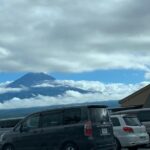
Clear weather makes a real difference. From the observation levels, you may see far across the city and possibly toward Mount Fuji, but visibility is never guaranteed. If the air is hazy, the stop still helps you grasp Tokyo’s scale, though it may feel less rewarding than it would on a crisp day.
For me, Skytree is best treated as an orientation stop, not the emotional heart of the tour. You get the big picture here, then spend the rest of the day meeting Tokyo at ground level.
Tsukiji offers a taste of Tokyo’s food culture
The tour allows about an hour at Tsukiji Fish Market. The market is associated with Tokyo’s seafood trade, and the experience centers on watching buyers and sellers handle fresh fish and other food products.
You should think of this as a lively market visit rather than a sit-down food tour. Lunch is not included, so any meal or snacks are your responsibility. That gives you freedom, but it also means you should not assume the schedule includes a planned restaurant stop.
An hour can work well here because the market area rewards movement and observation. You can look at the displays, watch the trading activity, and use the driver’s recommendations to decide what interests you. If food is a major reason for your Tokyo visit, you may want to ask how much time is available for eating before the day begins.
The route description presents Tsukiji as handling more than 2,000 tons of seafood a day. Regardless of how much of that operation you see during a short visit, the stop adds a useful food-focused counterpoint to the temples, palace grounds, and shopping districts later in the day.
The Imperial Palace brings a quiet pause
After the market, the Imperial Palace offers a very different mood. The grounds occupy the former site of Edo Castle, associated with the shogun before 1868, and are surrounded by wide moats, thick walls, and carefully maintained gardens.
The visit is planned for one hour, and admission is free. This is a good place to slow the pace for a moment. Tokyo’s office towers and busy roads can make the city feel relentless, so the palace grounds provide open space and a more restrained setting.
Do not expect a full palace interior tour from the information provided. The value here is the exterior setting, the old defensive structures, and the contrast between historic Japan and the modern business district around it.
The stop works particularly well for first-time visitors who want more than neon and shopping. You get a glimpse of the political center of old and modern Japan without having to spend half a day at one site.
Senso-ji shows Tokyo’s older face

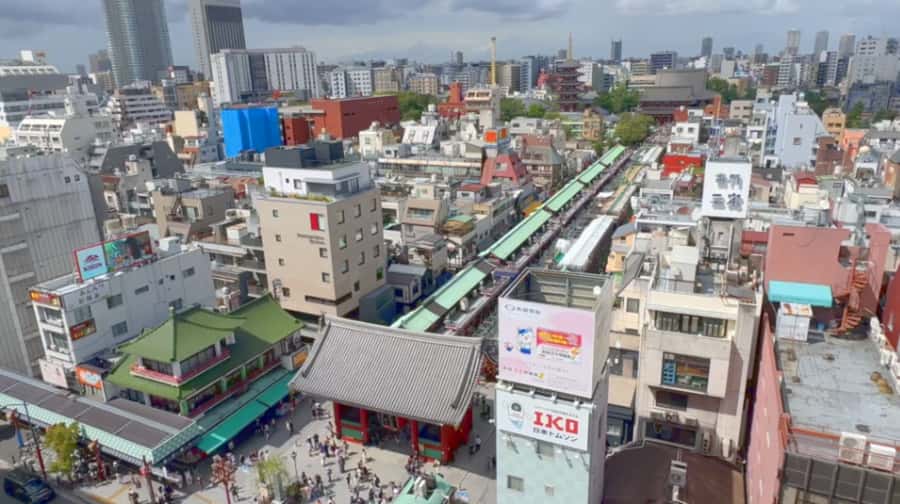
At Senso-ji Temple in Asakusa, the tour shifts to one of Tokyo’s most recognizable Buddhist sites. It is described as the oldest Buddhist temple in the capital, with a five-story pagoda, incense, and broad temple roofs that create a strong sense of earlier Tokyo.
You have about an hour here, and admission is free. That should give you time to take in the main approach, observe the temple architecture, and pause near the incense. Senso-ji is a popular and photographed place, so the experience is more about seeing a living religious site in a busy city than finding solitude.
This is one of the stops where a driver who can give context adds real value. A little explanation about the temple and its customs can help you understand what you are seeing instead of simply snapping a photo and moving on.
Asakusa also gives the day a welcome change of pace. Skytree shows the scale of modern Tokyo, while Senso-ji brings you close to ritual, architecture, and neighborhood life. The two stops are a natural pair, even though the overall tour remains fast-moving.
Other private tours in Tokyo


Meiji Shrine places quiet woodland near Harajuku

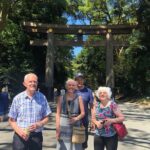
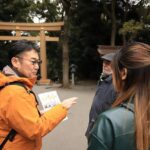
Meiji Jingu is dedicated to the deified spirits of Emperor Meiji and Empress Shoken. The one-hour stop introduces you to an important Shinto shrine setting and gives the itinerary another change in tone.
The shrine is near Harajuku, yet the experience feels separate from the colorful shops and youth culture of Takeshita Street. That contrast is one reason the stop earns its place on a packed city tour. You can move from a busy urban district into a more reflective religious space without leaving central Tokyo.
Admission is free. The schedule does not specify a guided ceremony or a particular ritual, so expect time to walk through the shrine grounds and observe the setting. You can ask the driver for practical advice about how to behave respectfully at the shrine.
I would avoid treating this as just another photo stop. The point is the shift from commercial Tokyo to a place connected with the imperial past and Shinto practice. Even with limited time, it gives the day some balance.
Shibuya Crossing is the tour’s big city moment

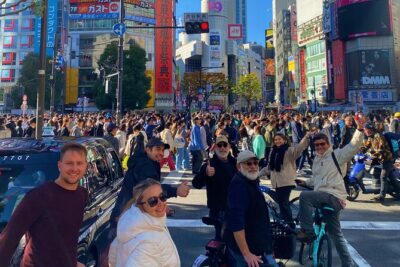
The plan allows two hours in Shibuya, making it the longest scheduled stop. That extra time matters because Shibuya is more than the crossing itself. The intersection is famous for the waves of people moving across it, with estimates of 1,000 to 2,500 people crossing every two minutes during the busiest periods.
You can watch the crossing, take photos, and spend time in the surrounding area. The tour does not include a specific observation deck or restaurant, so your exact use of those two hours will depend on the driver’s recommendations and your own interests.
Shibuya is a strong place to end the main sightseeing portion because it feels unmistakably current. The scale of the crossing, the signs, and the surrounding commercial streets give you a quick reading of Tokyo’s modern energy.
At the same time, the stop can feel less personal than Senso-ji or Meiji Shrine. If you dislike shopping districts or crowded city centers, two hours may be more than you need. If you want to see the Tokyo often shown in films and magazines, the longer pause is welcome.
Harajuku adds color, shopping, and youth culture

The final listed stop is Harajuku, centered on Takeshita Street. From Harajuku Station, the street is lined with shops selling colorful accessories, oversized rainbow cotton candy, leather jackets, and clothing spilling toward the pavement.
The schedule gives you one hour. That is enough for a quick walk and a look at the shops, but not enough for a serious shopping session if you want to browse carefully. It is also a place where your interests matter. You might find the street fun and visually striking, or you might prefer to spend that time elsewhere.
The stop pairs neatly with Meiji Shrine. One side offers religious calm and imperial associations; the other brings fashion, snacks, and youth-oriented retail. Seeing both in succession helps explain why Harajuku has such a distinctive reputation.
The information identifies this stop as 2nd Street, Harajuku, while also describing Takeshita Street as the main artery. Confirm the exact meeting point with your driver on the day so you know how the stop will work within the private route.
What the $365 group price really buys you

The cost is $365 per group of up to five people. At five people, that works out to $73 per person before the Skytree admission fee. For two people, the effective price is $182.50 each, so the value depends heavily on group size.
You are paying for a private air-conditioned vehicle, private transportation, an English-speaking driver, WiFi on board, and hotel pickup and drop-off. You are not paying for lunch or the 3,000-yen Skytree entrance fee.
For a full group, the math is appealing. You can see seven major areas without arranging several train routes or paying separate fares for each person. The tour also reduces the mental work of getting everyone out of the hotel, through stations, and to the next neighborhood.
For a couple, the price is harder to justify if you are comfortable using Tokyo’s rail system. You may see more at a lower cost on your own, though you would spend more time planning and navigating. The private option earns its keep when convenience, limited time, or group coordination matters most.
WiFi on board is a small but useful extra. You can use it to check maps, look up an attraction, or stay connected between stops, though the main benefit remains the private vehicle and driver.
Who will get the most from this Tokyo day
I would recommend this tour most strongly for first-time visitors with one open day in Tokyo. It is also a good fit for families, small groups, and anyone who would rather pay for a vehicle than manage a packed public-transport itinerary.
The tour suits you if your priority is coverage. You will see old temples, a shrine, a market, palace grounds, a tower, a major crossing, and a shopping street. That range is hard to duplicate casually in a single day.
You may want something else if you prefer long museum visits, food tastings, or close study of one neighborhood. The itinerary gives each major stop about an hour, except for two hours in Shibuya. That is enough for a first look, not a full exploration.
The English-speaking driver is another important part of the choice. Adi is specifically praised for clear English, navigation, history, flexibility, and practical recommendations. If you are assigned a different driver, the exact style may vary, but the format gives you a useful person to consult throughout the day.
Book at least 24 hours ahead if your plans might change. You can cancel for a full refund up to that point, but cancellations or changes within 24 hours are not accepted for a refund. The tour also depends on good weather and a minimum number of participants, with a different date or full refund offered if the operator cancels for either reason.
Should you book the Full Day Tokyo Private City Tour?
Book it if you want a comfortable, efficient introduction to Tokyo and can fill most of the vehicle. The route covers the city’s headline sights, and the private format gives you a better chance of seeing them without spending the day studying train transfers.
I would be especially comfortable recommending it to a group of four or five, or to anyone traveling with family members who need easier transportation. The free cancellation window, hotel pickup, onboard WiFi, and driver recommendations add practical value.
Think twice if you are traveling alone or as a couple on a tight budget. You will pay more for convenience, and the rapid schedule may leave you wishing for extra time at Senso-ji, Tsukiji, or Shibuya.
For a first day in Tokyo, though, this is a sensible choice. It gives you a broad map of the city, then leaves you better placed to decide where to return on your own.
FAQ
How long does the Tokyo private city tour last?
The tour lasts approximately 8 to 10 hours, including transportation, hotel pickup, drop-off, and visits to the scheduled stops.
How many people can join the private tour?
The price covers one private group of up to five people. Only your group participates in the activity.
Does the tour include hotel pickup and drop-off?
Yes. Hotel pickup and drop-off in Tokyo are included.
Is transportation provided during the tour?
Yes. The tour includes private transportation in an air-conditioned vehicle.
Is the Tokyo Skytree entrance fee included?
No. The Tokyo Skytree admission fee is not included. The listed fee is 3,000 yen.
Is lunch included?
No. Lunch is not included in the tour price.
Does the vehicle have WiFi?
Yes. WiFi on board is included.
What is the cancellation policy?
You can cancel at least 24 hours before the local start time for a full refund. Cancellations or changes made less than 24 hours before the start time are not refunded or accepted. If poor weather or insufficient participation causes the operator to cancel, you will be offered another date or a full refund.
More Full-Day in Tokyo


More Private Tours in Tokyo
More City Tours in Tokyo


More tours in Tokyo we've reviewed












City Tours, compared.
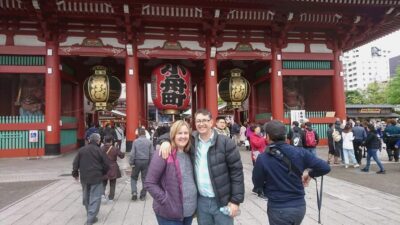 ★ 4.8Tokyo: Private City Highlights Tour with Local GuideFrom $1064 - 8 hours
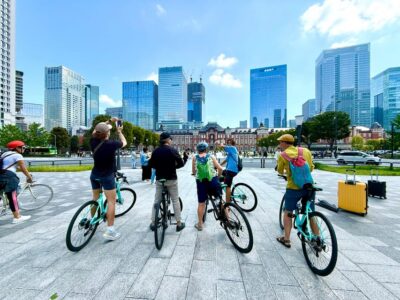 ★ 4.8Tokyo: 3-Hour Bike or E-Bike City Highlights TourFrom $453 hours
 ★ 4.8Tokyo: Sumo Morning Practice Tour at Sumida CityFrom $1162 hours
 ★ 4.5Private Haneda Airport (HND) to Central Tokyo City TransferFrom $119
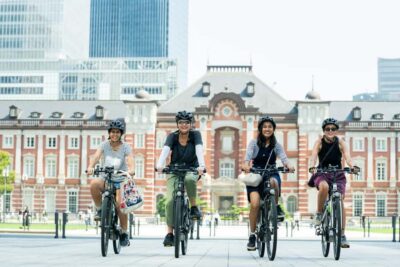 ★ 4.8Tokyo: 3-hour Guided E-Bike Tour of the City’s Hidden GemsFrom $65
 ★ 5.0Tokyo: 3-Hour Bike/E-Bike Tour of the City’s HighlightsFrom $63