Reviewed · MUSEUMS
Private Edo-Tokyo Open Air Architectural Museum Tour
The most striking thing here is the range. In one open-air museum, you move from traditional Japanese rooms and tea spaces to a wartime modern house shaped by Le Corbusier, then on to Western-inspired Art Deco and De Stijl design. The buildings make Tokyo’s past feel physical, not just something you read on a plaque.
In This Article
- A five-hour walk through Tokyo’s changing architecture
- Start with Kunio Maekawa’s modern Japanese house
- See Horiguchi’s 1925 mix of Dutch and Japanese design
- Enter the Mitsui family residence
- Walk through the museum’s traditional homes
- Find the Shitamachi atmosphere near the end
- Step inside the bathhouse and see the old train
- Let the private guide shape the visit
- Is $193 a fair price?
- Practical advice before you go
- Should you book this Tokyo architecture tour?
- FAQ
- How long does the tour last?
- Where is the meeting point?
- How do I identify the guide?
- Is transportation to the museum included?
- Is admission to the Edo-Tokyo Open Air Architectural Museum included?
- Is the Ghibli Museum part of the tour?
- Is the tour conducted in English?
- Should I wear special shoes?
I like the private format, which lets your guide adjust the pace and focus. I also like the train and bus ride from central Tokyo, since it turns the trip into a small lesson in how the city works. The main drawback is that transportation costs about 700 JPY each way and the five-hour visit can feel long if architecture is not your interest.
- Kunio Maekawa’s wartime modern house: See how a Japanese architect trained under Le Corbusier and Antonin Raymond adapted modern design to Tokyo.
- Sutemi Horiguchi’s 1925 residence: Spot Dutch, Art Deco, and De Stijl influences inside rooms that still follow Japanese traditions.
- The Mitsui family home: Enter an elegant residence linked to one of Japan’s wealthiest families.
- A Shitamachi street: Walk among old buildings that recall the visual world of Studio Ghibli films.
- Bathhouse and vintage train: Finish with two memorable pieces of everyday Tokyo life.
- Five hours with a private English-speaking guide: Guides such as Yuichi and Yuki bring architecture and transit context together.
A five-hour walk through Tokyo’s changing architecture
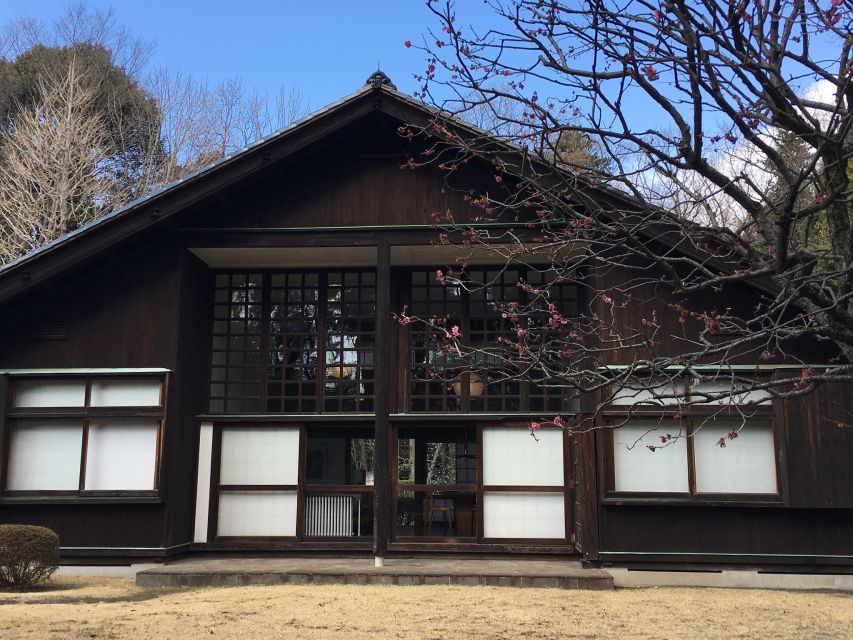
The Edo-Tokyo Open Air Architectural Museum is not a single grand building. It is a collection of relocated and preserved structures from different periods of Japanese life. That makes the visit useful for understanding change: how homes shifted after the end of the samurai era, how Japan absorbed European ideas, and how modern architecture took shape during the Showa period.
With a private guide, you are not left to guess why a roof, hallway, garden, or window matters. The best guides connect design to people and events. Yuichi, for example, has a particular interest in architecture and can shape the tour around traditional rooms, tea spaces, gardens, or modern design. Yuki has also been praised for explaining the subway and bus journey while adding stories about the buildings and their designers.
The museum is outside central Tokyo, so this is not a quick stop between sightseeing districts. Plan on five hours for the full experience, including the ride out and back. That time is worthwhile if you want context rather than a fast photo stop, but it is a poor fit for a packed first-day schedule.
Start with Kunio Maekawa’s modern Japanese house
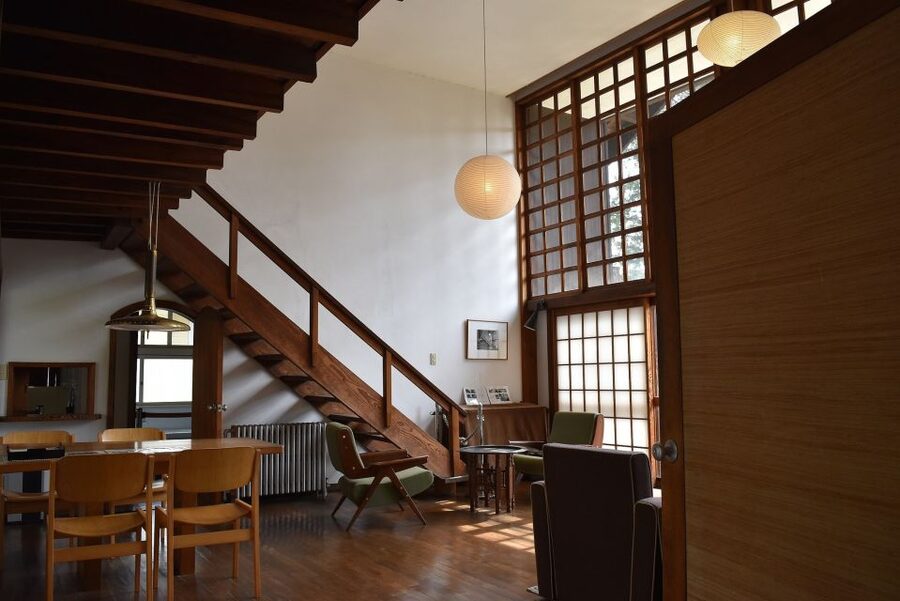
The opening stop focuses on Kunio Maekawa, one of the key figures in modern Japanese architecture. Maekawa worked under Le Corbusier and Antonin Raymond, two major influences on the development of modern design in Japan.
The house was built during the Second World War, which makes its polished design even more interesting. You can look for the way international modernism was adjusted for Japanese living. The building is not simply a European object placed in Tokyo. Its importance lies in the meeting of outside ideas and local needs.
This stop gives the tour a strong opening because it challenges the idea that traditional Japan and modern Japan are separate worlds. Maekawa’s work shows a country working out how to become modern without throwing away its own architectural habits.
If you mainly want wooden farmhouses, tatami rooms, and old neighborhood shops, this building may not be your favorite. Give it time, though. Your guide can explain why Maekawa matters and how his work helped shape modern architecture in Japan.
Other private tours in Tokyo


See Horiguchi’s 1925 mix of Dutch and Japanese design
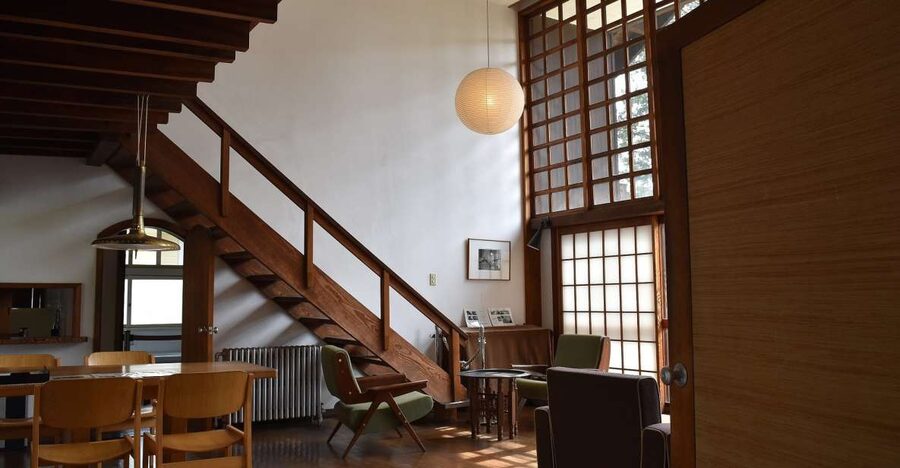
The next major stop is a house designed by Sutemi Horiguchi. Horiguchi introduced Dutch architecture to Japan after returning from Europe, and this residence was built in 1925.
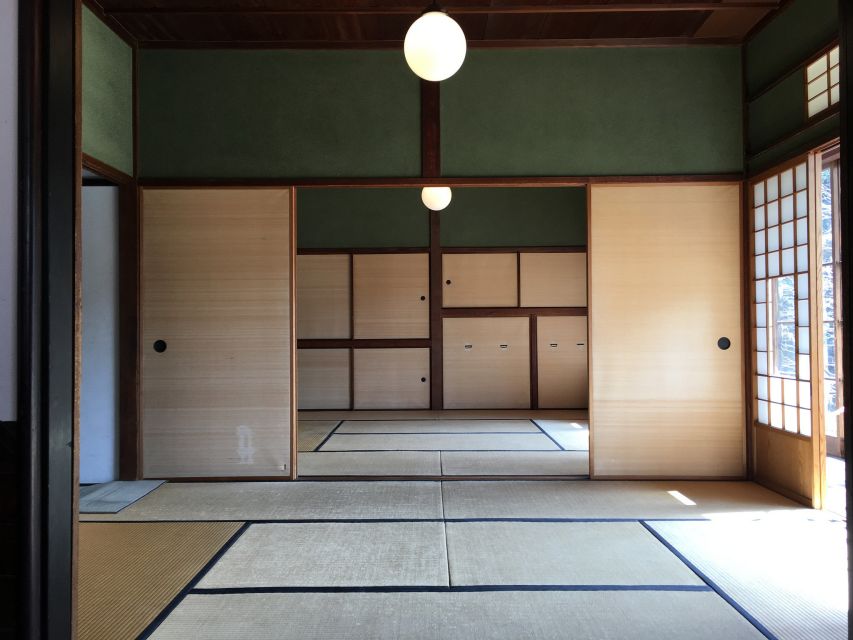
Its appeal comes from the mixture. Art Deco details and De Stijl compositions appear alongside traditional Japanese rooms. You may find strong geometry, carefully arranged surfaces, and a modern European mood sharing space with tatami-based living areas and familiar Japanese proportions.
This is one of the clearest places to see that Western influence was not adopted in a simple copy-and-paste way. Japanese architects selected, adjusted, and combined European ideas with established local forms. The result can feel both restrained and surprising.
Your guide’s explanation matters here. Without context, you might notice the clean lines and unusual decoration but miss the larger story: Japan was looking outward, testing new design languages, and still keeping its own interior customs.
Enter the Mitsui family residence
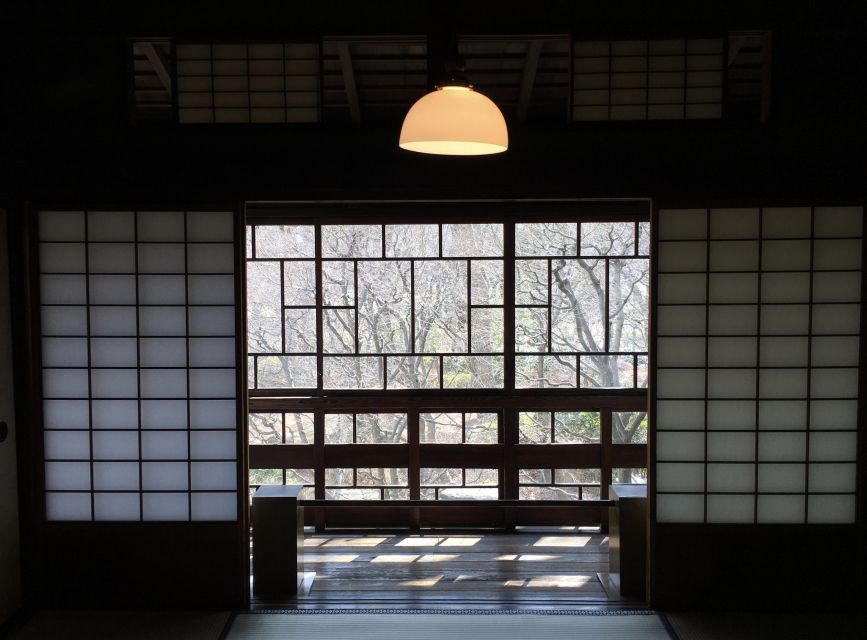
The Mitsui house provides a different kind of architectural lesson. The Mitsui family was said to be one of the wealthiest families in Japan, and the residence reflects that position through its luxurious interior decoration.
This is not just a lesson in rich materials or social status. A large private home also shows how family life, formal entertaining, and ideas about privacy could be arranged inside a Japanese residence. Pay attention to the contrast between public-looking rooms and quieter domestic spaces.
The home adds social context to the architectural story. Maekawa’s house shows professional modernism. Horiguchi’s residence shows European influence. The Mitsui home lets you consider how wealth shaped domestic design.
I would not rush this part. Look closely at the interior finish and room transitions, then ask your guide how the house compares with the more modest traditional residences elsewhere in the museum. A private tour is especially useful here because you can spend more time on the details that catch your eye.
Walk through the museum’s traditional homes
The museum holds different types of traditional Japanese residences from several periods. That variety is one of its biggest strengths. You can see how architecture changed from the end of the samurai era through the Meiji Restoration and into the Showa period.
The buildings help explain Tokyo as a city that repeatedly rebuilt and changed. Instead of learning about these periods as isolated dates, you see differences in layout, materials, decoration, and the relationship between private rooms and shared areas.
Many historic buildings require you to remove your shoes. Wear shoes that slip on and off easily, and choose comfortable socks. This sounds minor, but it matters when you are moving through several structures during a five-hour visit.
The museum setting also gives the tour a calmer rhythm than central Tokyo. You are looking at full buildings rather than fragments. That makes it easier to notice rooflines, entrances, room proportions, gardens, and the way each house meets its surroundings.
Find the Shitamachi atmosphere near the end
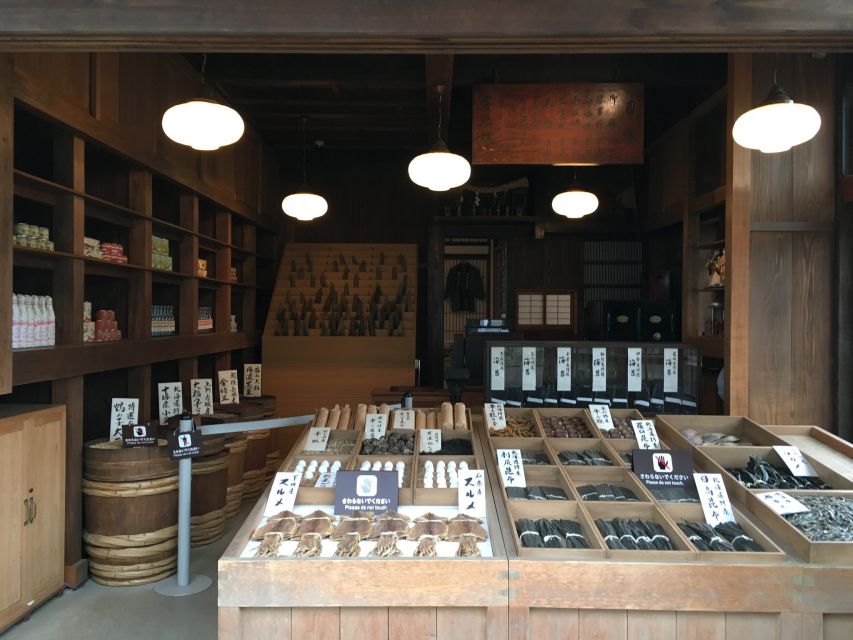
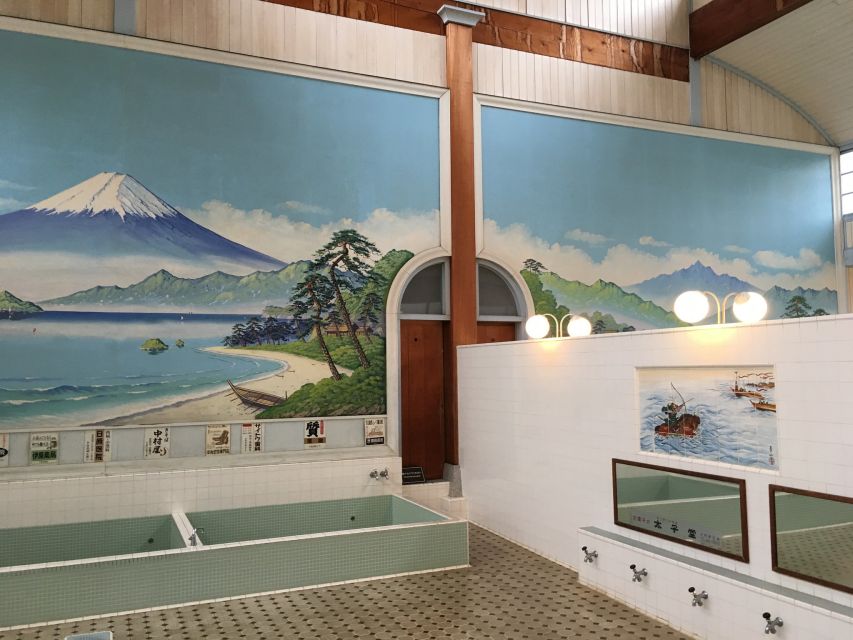
The latter part of the tour moves into an area designed to resemble Shitamachi, the old east Tokyo districts associated with working neighborhoods and everyday city life.
This section is likely to appeal to Studio Ghibli fans. The streets and buildings have the kind of gentle, slightly nostalgic atmosphere that could fit into an animated film. The appeal is not a direct film connection. Instead, it comes from the familiar visual language of old Tokyo: narrow streets, traditional storefronts, wooden structures, and a sense of daily life from another era.
You should keep expectations clear. This is not a visit to the Ghibli Museum, and the tour does not include entry there. The connection is mood and setting, not a film exhibit or official Studio Ghibli attraction.
That distinction will save you from booking the wrong experience. If you want animation art, film displays, or the Ghibli Museum itself, this tour is not the answer. If you want to see the kind of old Tokyo setting that may remind you of those films, this final section adds real charm.
Other museum experiences in Tokyo




Step inside the bathhouse and see the old train
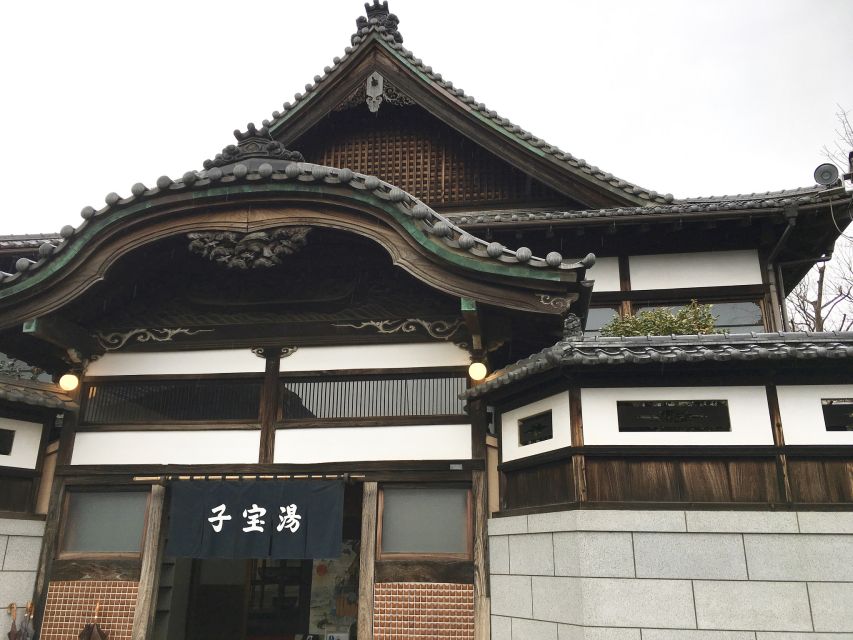
Two memorable objects in this Shitamachi section are a traditional bathhouse and an old train that once ran through Tokyo.
The bathhouse gives you a look at a shared social space rather than a private home. It helps broaden the tour beyond elite residences and architect-designed houses. A public bath is part of the story of how ordinary people used the city, met one another, and maintained daily routines.
The old train adds another practical layer. Tokyo is famous for its modern rail network, so seeing an earlier train inside this historical setting creates a useful link between past and present. It also gives the walking portion a visual finish that younger visitors may enjoy.
These stops are not likely to satisfy someone seeking technical architecture alone. Their value is cultural and atmospheric. They show how people lived, moved, and spent time in Tokyo.
Let the private guide shape the visit
A private group is the main reason to choose this experience over a standard museum visit. You can ask questions as they arise, spend longer on architecture that interests you, and avoid being tied to another group’s pace.
The guides are a major part of the experience. Yuichi has been singled out for excellent English, patience, and a strong interest in architecture. He has also adjusted explanations to suit visitors who wanted more attention on tea rooms and gardens. Yuki has been praised for making the trip itself useful, explaining the subway and buses while placing the museum in the larger story of Tokyo.
Another guide named Yu is also associated with the tour and has a particular passion for Japanese architecture and its links with Europe. Since guide assignment can vary, you should treat these names as examples rather than a guarantee.
The meeting point provided for this activity is Tokyo Station Marunouchi Front Plaza. After leaving through the JR Tokyo Station Marunouchi Central Gates, head toward the center of the station building. Look for the carriage porch with a Japanese flag on each side. The guide waits there with a bag showing an illustration of the Nakagin Capsule Tower.
The transport to Tatemono-en is not included. The journey uses trains and buses and costs about 700 JPY one way. This is worth knowing before you book, especially if you expected a private car. The public transport ride can be part of the fun, but you should allow energy and time for it.
Is $193 a fair price?
At $193 per person, this is not a budget museum visit. You are paying for a private five-hour experience, admission, and an English-speaking licensed guide. Your train and bus fares are extra.
The value depends on how much help you want. If you are happy reading signs and moving through the museum alone, the private format may feel expensive. If you want someone to explain Japanese and European design, compare buildings across periods, manage the transit route, and adjust the discussion to your interests, the price is easier to justify.
The guide can also add value beyond the museum itself. The journey from Tokyo Station becomes a chance to understand the city’s transport system, and the buildings become connected chapters rather than unrelated displays.
This tour makes the most sense for architecture fans, history-minded visitors, Studio Ghibli fans who want an old Tokyo atmosphere, and anyone who finds Tokyo’s trains confusing. It is also a good choice for couples or families who want a flexible private visit.
I would think twice if you have limited time in Tokyo, dislike removing shoes, or want a tour focused only on animation. The five-hour duration is substantial, and the museum sits away from the central sightseeing core.
Practical advice before you go
Meet at the stated Tokyo Station location unless your booking instructions give you a different arrangement. Some tour details may offer another station option, including JR Shinjuku Station, so check your confirmation carefully.
Wear shoes that are easy to remove and put back on. Comfortable footwear matters because you will walk between buildings, use public transport, and enter historic structures without shoes.
Keep about 1,400 JPY available for the approximate round-trip transport fare. Admission is included, but the transit cost is not.
Finally, tell the guide what interests you. Mention tea rooms, gardens, modern architecture, European influence, traditional homes, or animation atmosphere. The private setup works best when you give the guide a clear direction.
Should you book this Tokyo architecture tour?
Book it if you want Tokyo explained through real buildings rather than a list of dates. The strongest parts are the private guiding, the wide period range, and the clear link between Japanese traditions and European design. Guides such as Yuichi, Yuki, and Yu can turn the museum into a personal lesson in how Tokyo changed.
Skip it if you are expecting the Ghibli Museum, a car transfer, or a short central Tokyo attraction. You will pay extra for public transport and spend half a day away from the city center.
For the right visitor, this is a thoughtful and well-paced look at Japan’s architectural story, with a bathhouse, old train, and Ghibli-like street scene to keep the history grounded in everyday life.
FAQ
How long does the tour last?
The tour lasts five hours.
Where is the meeting point?
The listed meeting point is Tokyo Station Marunouchi Front Plaza. After leaving through the JR Tokyo Station Marunouchi Central Gates, go toward the center of the station building and look for the carriage porch with Japanese flags.
How do I identify the guide?
The guide waits with a bag showing an illustration of the Nakagin Capsule Tower.
Is transportation to the museum included?
No. The journey uses trains and buses, and the approximate cost is 700 JPY one way.
Is admission to the Edo-Tokyo Open Air Architectural Museum included?
Yes. The admission fee is included.
Is the Ghibli Museum part of the tour?
No. The tour visits the Edo-Tokyo Open Air Architectural Museum and does not include the Ghibli Museum.
Is the tour conducted in English?
Yes. The tour has an English-speaking licensed guide.
Should I wear special shoes?
You should wear comfortable shoes that are easy to slip on and off because many historic buildings require you to remove your shoes.
More Museum Experiences in Tokyo
More Private Tours in Tokyo



More tours in Tokyo we've reviewed





Museums, compared.
 ★ 4.6Tokyo: teamLab Planets TOKYO Digital Art Museum Entry TicketFrom $251 day
 ★ 4.6Tokyo: Samurai Ninja Museum Guided tour and ExperienceFrom $27
 ★ 5.0Skip the lines Basic Ticket at SAMURAI NINJA MUSEUM TOKYOFrom $28
 ★ 4.5Tokyo Studio Ghibli Museum and Ghibli Film Appreciation TourFrom $193
 ★ 5.0Tokyo Sword Experience – includes Museum Ticket/Ninja ExperienceFrom $84
 ★ 4.8Samurai Ninja Museum Asakusa: Samurai Sword Lesson & TourFrom $632 hours