Reviewed · AKIHABARA & ANIME TOURS
Tokyo Studio Ghibli Museum and Ghibli Film Appreciation Tour
Studio Ghibli fans get more than a museum visit here. You begin with Hotel Gajoen Tokyo, whose ornate design is linked to Ghibli inspiration, then walk among old Tokyo buildings before reaching the small but wonderfully crafted Ghibli Museum in Mitaka. The bus ride gives your guide time to explain Hayao Miyazaki’s creative world and films such as Spirited Away.
In This Article
- Key points before you book
- Why this tour works for Ghibli fans
- Meeting in Shinjuku and setting the scene
- Hotel Gajoen Tokyo: an ornate start and a substantial lunch
- Edo-Tokyo Open Air Architectural Museum: the surprise stop
- Ghibli Museum Mitaka: small, personal, and full of details
- How the day feels in practice
- The guide makes a real difference
- Who should book, and who should skip it
- Should you book this Ghibli day tour?
- FAQ
- What time does the tour start and end?
- Where is the meeting point?
- Is lunch included?
- Is the Ghibli Museum guided?
- What happens on Mondays?
- Can young children join the tour?
I like two things right away: museum admission is bundled with transport, which removes much of the ticket and train-planning hassle, and the buffet lunch at Gajoen gives the day real substance. Guides such as Mika, Miki, Michiko, and Yoko have been praised for their warmth and Ghibli knowledge. The main catch is that the museum is smaller than many people expect, so its two-and-a-half-hour visit can feel long if you mainly want to see the exhibits and shop.
Key points before you book
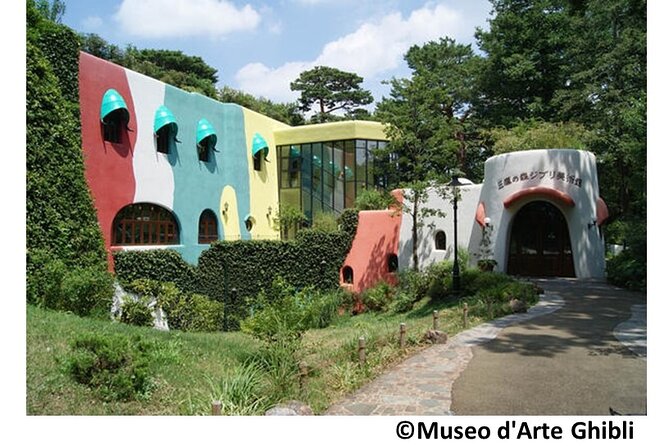
- Ghibli tickets are handled for you: Admission to Ghibli Museum Mitaka is included, a major help when independent tickets are hard to secure.
- The museum is self-guided: Your guide explains the setting on the coach, but does not accompany you through the museum.
- Gajoen is part of the story: The hotel’s decorative architecture is presented as an influence connected with a famous Ghibli film.
- The open-air museum adds historical context: You walk through preserved Tokyo buildings that help connect Ghibli’s fantasy worlds with real Japanese places.
- Lunch is included, but dietary limits matter: It is a buffet, with no vegetarian or allergy-specific meal service.
- Expect a full day: The tour begins at 10:20 a.m. and usually ends near Shinjuku Station at about 7 p.m.
Why this tour works for Ghibli fans
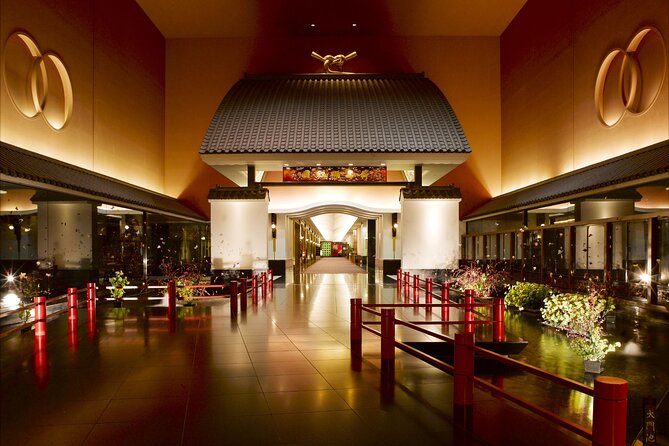
The clever idea here is to build a day around the visual world behind Studio Ghibli, rather than dropping you at the museum and calling it done. Ghibli Museum is the star, but the earlier stops help you notice the studio’s interest in old houses, unusual interiors, hand-built details, and the tension between modern Tokyo and an older Japan.
You will not spend the full day with a guide at your side. Instead, your guide sets the scene on the coach, handles the group’s movements, and helps with practical details. At the museum, you enter on your own and follow your own pace.
That arrangement suits you if you want both context and freedom. It is less ideal if you expect a guided explanation beside every display. The museum does not provide a standard guided tour as part of this experience, so you should be ready to read, look closely, and make your own way through the rooms.
The tour is rated 4.5 out of 5 from 421 ratings, and the most consistent praise centers on the friendly guides, smooth organization, buffet lunch, and the difficulty of obtaining Ghibli tickets independently. The less enthusiastic experiences tend to focus on the museum’s size, the long overall day, and the fact that the architecture museum receives less time than some people want.
A few more Tokyo tours and experiences worth a look



Meeting in Shinjuku and setting the scene
The day starts at 10:20 a.m. near Shinjuku’s Keio Plaza Hotel. Pay close attention to the meeting instructions. The practical meeting spot is the JTB Sunrise Tours office in the hotel’s third-floor lobby, rather than simply somewhere outside the hotel. That distinction has caused confusion, and arriving early gives you time to find the office and check in.
The official address is 2-chōme-2-2 Nishishinjuku, Shinjuku City. You then board an air-conditioned coach for the day. Hotel pickup is not included, so you must make your own way to the meeting point.
The bus matters more than it might seem. Tokyo’s rail system is excellent, but reaching several outlying stops, managing timed museum entry, and coordinating lunch on your own would take planning. Here, your guide can explain Ghibli’s signature style and point out details to watch for before you arrive.
The group can include up to 44 people, so this is not a private or intimate outing. The tradeoff is clear: you give up some flexibility in exchange for a set route, reserved admissions, and transport between stops.
Hotel Gajoen Tokyo: an ornate start and a substantial lunch
Your first stop is Hotel Gajoen Tokyo, with about 90 minutes scheduled for the visit. You will have time for a commemorative photograph and a buffet lunch in a historic, heavily decorated setting.
The hotel is not just a meal stop. Its architecture and interior decoration are part of the Ghibli connection explained by the guide, and the building itself can feel like a real-world cousin to the studio’s more extravagant interiors. One useful tip is to listen to the explanation before deciding that this stop seems unrelated. The connection is not obvious at first glance.
The buffet has been one of the strongest parts of the day for many people. Past descriptions praise its size, desserts, and overall quality, though one less favorable experience found the food mediocre. That difference is worth keeping in mind. A buffet is a practical choice for a mixed group, but it will not suit every palate.
The meal is not designed for special diets. Vegetarian meals and allergy-friendly meals cannot be requested. Each dish has a label with the name and icons for eight food allergens, but you must check the labels yourself before eating. If you have a serious allergy or strict dietary needs, this is an important reason to reconsider the booking.
Edo-Tokyo Open Air Architectural Museum: the surprise stop
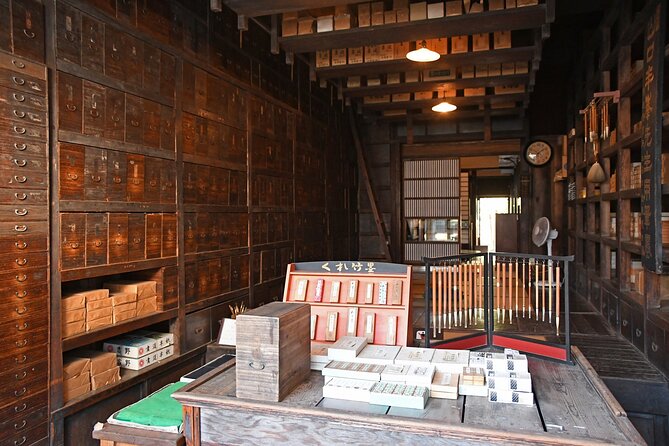
After lunch, you spend about 75 minutes at the Edo-Tokyo Open Air Architectural Museum. This is a collection of historic buildings moved from their original sites, rebuilt or preserved, and arranged as an outdoor museum.
The appeal is easy to understand if you like the everyday settings behind animated films. You walk along streets lined with old structures rather than looking at objects behind glass. The buildings offer a sense of earlier Tokyo, and the setting has an atmosphere that can remind you of Spirited Away.
This stop is often the day’s pleasant surprise. It gives you a physical sense of architecture, streets, and domestic spaces that a film can transform into fantasy. I would not treat it as filler. It helps explain why Ghibli settings often feel lived-in, slightly strange, and full of small visual clues.
The weakness is the schedule. Seventy-five minutes is enough for a useful introduction, but not enough for a slow, thorough look at every building. If old architecture interests you as much as animation, you may wish this stop were longer. The tour gives priority to the Ghibli Museum, which is understandable, but the balance may not suit everyone.
On Mondays, this museum is closed. The tour substitutes Jindai-ji Temple or Takahata Fudoson Temple. Facility problems can also lead to a change in destination, and no refund is provided if an included stop is replaced. Check the day of your booking if the architectural museum is a major reason for choosing the tour.
Ghibli Museum Mitaka: small, personal, and full of details
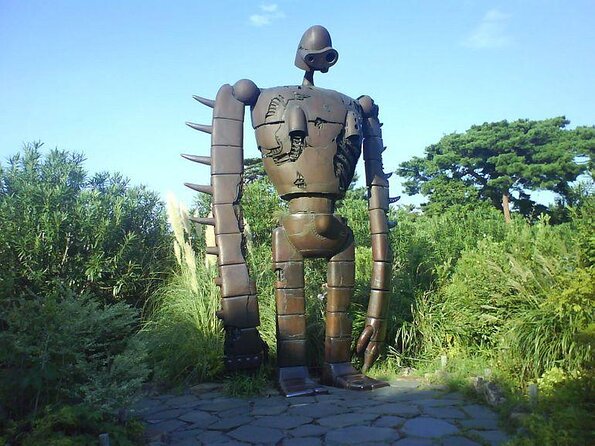
The final major stop is Ghibli Museum Mitaka, with about two and a half hours inside. Once admission procedures are complete, you explore independently.
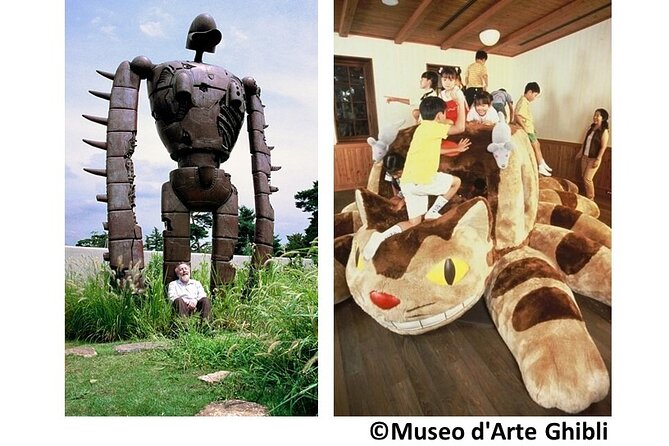
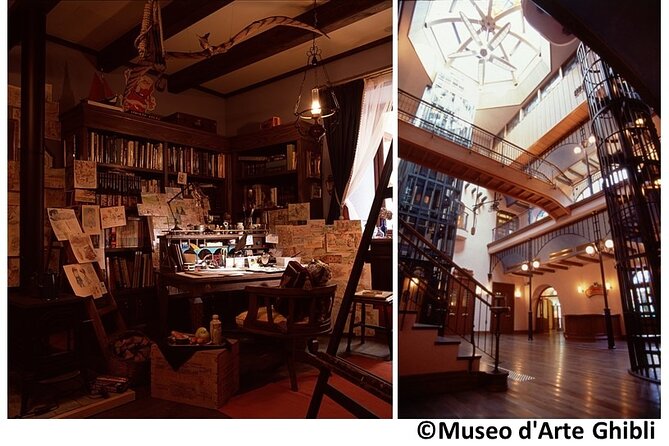
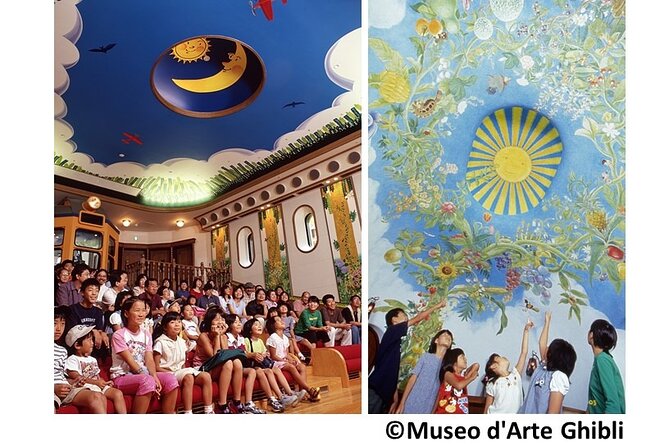
The museum presents animation as a hands-on craft rather than a distant studio product. You can see displays about animation and production methods, visit a reading room, and watch a short original Ghibli film shown only at the museum. A small Studio Ghibli teacup is also handed out on the tour vehicle, giving you a modest keepsake beyond the museum shop.
Do not arrive expecting a giant theme park. The museum is compact, and some rooms may take only a few minutes if you move quickly. The building and displays reward curiosity more than speed, though. Look closely at the rooms, production material, and small visual references. Guides have helped people know what details and Easter eggs to watch for before entering, even though they do not guide you inside.
The 2.5-hour allocation will be perfect for some people and excessive for others. If you want time to watch the film, read the displays, browse the shop, and revisit favorite rooms, the schedule gives you breathing room. If your main goal is a quick look and a few souvenirs, you may be ready to leave after roughly two hours.
You cannot bring a baby stroller into the Ghibli Museum. Families with very young children should plan around that rule, and children three and younger travel free but receive no seat or meal.
Other museum experiences in Tokyo



How the day feels in practice
This is an 8.5-hour outing, not a quick museum transfer. The day includes coach rides, a long lunch stop, an outdoor walking visit, museum entry procedures, and free time inside Ghibli Museum. Traffic can delay the schedule, particularly on the return to Shinjuku.
The fixed plan is helpful in a city where a small mistake can cost time. You do not need to buy separate admission, find the museum on your own, or work out how to connect three distant destinations. The price is $193.03 per person, which is not cheap, but it includes round-trip coach transport, both museum admissions, lunch, a guide, and the souvenir teacup.
I see the value most clearly for a first-time visitor who has struggled to find Ghibli Museum tickets. If you already have easy access to the museum and are comfortable using Tokyo’s trains, you may prefer independent visits and more control over your timing. For everyone else, the package can justify its cost by combining hard-to-arrange admission with a full day of sightseeing.
There is no option to join the group halfway through, and you cannot go directly to individual stops on your own. You may leave the tour at Ghibli Museum, but you must arrange your own onward travel and receive no refund. That can be useful if you want to continue exploring Mitaka, but it removes the return transport included in the normal plan.
The guide makes a real difference
The strongest personal part of the experience is the guide. On a good departure, the guide does more than count heads. You get context about Studio Ghibli, help with photos, directions at each stop, and a friendly bridge between the formal schedule and your own interests.
Mika, Miki, Michiko, and Yoko are among the guides praised for being kind, energetic, informative, and well organized. Michiko in particular was noted for helping the group make the most of its museum time, while Yoko brought clear enthusiasm for Ghibli. Take and JAL were also associated with a safe, well-run day.
Guides are not guaranteed by name, so do not book expecting one particular person. Still, the repeated emphasis on guide attitude suggests that the human side of the tour can shape the experience. A capable guide makes the unusual Gajoen stop make sense and helps you arrive at the museum with a sharper eye.
Who should book, and who should skip it
This tour suits you best if:
- You are a serious Studio Ghibli fan and want help securing museum entry.
- You prefer a coach and fixed schedule to navigating Tokyo connections.
- You like architecture, old buildings, and cultural context alongside animation.
- You want lunch included rather than finding a meal during a tightly scheduled day.
- You are happy to explore the Ghibli Museum independently.
- You can manage a moderate amount of walking and a full day away from central Tokyo.
Think twice if you want only Ghibli Museum. The museum is relatively small, and the tour spends substantial time on lunch, transport, and the two earlier stops. You may find the day too long if your interest in historic buildings is limited.
I would also hesitate if you need vegetarian or allergy-specific food, dislike group tours, or want a private guide inside the museum. The group size can reach 44, and the itinerary cannot be changed for personal preference.
Booking roughly 78 days ahead is common, which tells you something about demand. Since the experience is non-refundable and cannot be amended after booking, confirm your date, meeting point, dietary situation, and family arrangements before paying.
Should you book this Ghibli day tour?
Book it if the hard part for you is getting to Ghibli Museum and securing admission. You receive a full cultural day rather than a bare ticket, and the hotel and architecture museum add useful context that can make the animated worlds feel less separated from real Tokyo.
Skip it if you want a short, focused museum visit or need complete control over meals and timing. My advice is simple: Ghibli fans who value convenience should book early, while independent Tokyo visitors who already have museum tickets may get better value by visiting Mitaka on their own.
FAQ
What time does the tour start and end?
The tour starts at 10:20 a.m. and ends near Shinjuku Station at about 7 p.m. Arrival can be delayed by traffic.
Where is the meeting point?
Meet at the JTB Sunrise Tours Sales Office at the Keio Plaza Hotel area in Shinjuku. The practical meeting location is in the hotel’s third-floor lobby, so do not wait only outside the hotel.
Is lunch included?
Yes. A buffet lunch at Hotel Gajoen Tokyo is included. Vegetarian meals and allergy-friendly meals are not accepted, though dishes are labeled with ingredient and allergen information.
Is the Ghibli Museum guided?
No. Your guide provides information during the coach journey and helps with tour logistics, but you explore the Ghibli Museum independently after entrance procedures.
What happens on Mondays?
The Edo-Tokyo Open Air Architectural Museum is closed on Mondays. The tour substitutes Jindai-ji Temple or Takahata Fudoson Temple.
Can young children join the tour?
Children three and younger are free, but no seat or meal is provided. Anyone under 15, or anyone not yet enrolled in middle school, must be accompanied by a parent or guardian. Written parental permission is required for participants under 18.
More Museum Experiences in Tokyo
More Akihabara & Anime Tours in Tokyo



More tours in Tokyo we've reviewed












Akihabara & Anime Tours, compared.
 ★ 5.0Official Street Go-Kart Tour – AkihabaraFrom $61
 ★ 5.0Tokyo Go Kart: Asakusa, Skytree, and Akihabara **IDP MUST**From $99
 ★ 5.0Akihabara Anime & Game Adventure Walking Tour (Group or Private)From $90
 ★ 4.6Asakusa/Tokyo Bay & Akihabara Go Karting ToursFrom $70
 ★ 4.8Akihabara: Private Anime and Pop Culture TourFrom $953 hours
 ★ 5.0Akihabara Tailor-made Private Tour for Anime FansFrom $132