Reviewed · JDM & CAR CULTURE
Tokyo: Daikoku Car Night & Meet JDM Experience
Tokyo’s car culture comes alive after dark, when tuned cars gather beneath the lights at Daikoku Parking Area. This four-hour outing combines a ride on the C1 and Wangan highways with stops at famous meeting points, plus city views from Rainbow Bridge and Tokyo Tower.
In This Article
- Key points about the Daikoku night drive
- Why Daikoku is the main event
- The C1 and Wangan highways after dark
- Tatsumi and the changing car scene
- Rainbow Bridge adds the Tokyo postcard view
- Tokyo Tower closes the evening
- What the four-hour schedule feels like
- Is $112 a fair price?
- Who will enjoy this most
- Important limits before you book
- My recommendation
- FAQ
- How long is the Tokyo Daikoku car night experience?
- What highways does the tour use?
- Which car meeting areas are included?
- Is hotel pickup included?
- Can I be picked up outside Tokyo’s 23 wards?
- Is airport or port pickup available?
- Is the guide English-speaking?
- Is Tokyo Tower admission included?
- Can I cancel the booking for a full refund?
I like the access to Daikoku and Tatsumi, places that are awkward to reach on your own without a car. I also like the chance to talk with an English-speaking guide about Japan’s auto industry, highway design, and car culture in your own country. The main catch is simple: the cars you see change from night to night, so nobody can promise a particular model or a huge meet.
Key points about the Daikoku night drive
- Cruise Tokyo’s C1 and Wangan highways, the high-speed urban roads at the heart of the experience.
- Visit Daikoku Parking Area and Tatsumi, two major gathering points for Japan’s car scene.
- Ride with an English-speaking driver who can discuss JDM cars, Tokyo traffic, and the Japanese auto industry.
- See everything from classic cars to heavily modified builds, with Saturday nights often offering a busier scene.
- Stop at Rainbow Bridge and Tokyo Tower for city views and photographs.
- Get hotel pickup and drop-off within Tokyo’s 23 wards, with extra charges for pickup beyond that area.
Why Daikoku is the main event
Daikoku Parking Area is the reason most people book this outing. It sits in Yokohama, outside central Tokyo, beside the port and the highways that connect the city with the bay area. In car culture, it is famous as a meeting point where owners gather to show their cars, talk shop, and compare modifications.
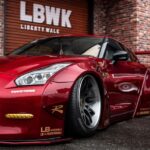
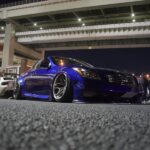
You will not just see one kind of vehicle. The mix can include classic Japanese cars, modern performance cars, imported models, vans, and highly altered machines with unusual bodywork or loud exhausts. The exact selection depends on the night, but that unpredictability is part of the appeal.
The timing matters. Saturday night can be especially active, while a quieter evening may give you more room to inspect cars and speak with your guide. If you have your heart set on seeing a particular Skyline, Supra, RX-7, or other JDM favorite, keep expectations flexible. This is a live meeting point, not a museum with a fixed collection.
You receive time to walk around, take photographs, and look at the cars rather than simply passing through in a vehicle. Bring a camera, but be respectful. Car owners may be happy to show their work, yet the setting is still a public parking area, not a formal exhibition.
A few more Tokyo tours and experiences worth a look
The C1 and Wangan highways after dark
The drive itself is a major part of the experience. Tokyo’s C1 inner loop and Wangan route are known among car fans for their sweeping urban roads, elevated sections, bay views, and connection to the city’s famous night-driving culture.
You will see Tokyo from a different angle than you would on a walking tour. Instead of temple lanes or department stores, you get illuminated buildings, bridges, ramps, port infrastructure, and broad views across the water. The roads also help explain why Tokyo has such a strong connection between cars, engineering, and city life.
Your driver handles the traffic while you look out the window and ask questions. Highways in Tokyo can be complex, with layers of ramps and routes crossing above one another. The guides can explain how the roads work and how they are maintained, which adds useful context to what might otherwise be just a fast ride.
The experience is not described as a driving lesson, and you are not being hired to drive a performance car yourself. You ride as a passenger. That is good news if you want to enjoy the scenery and car spotting without worrying about navigation, toll roads, or Tokyo traffic.
Some outings may include a convoy or several tour vehicles. One evening included a group of tuned cars traveling together, which added to the sense of occasion. Conditions vary, and the tour does not guarantee racing or any particular driving event. You should treat any illegal or unsafe driving as a reason to keep your distance, not as a promised feature.
Tatsumi and the changing car scene
Tatsumi Parking Area provides a second look at Tokyo’s car culture. It is smaller and more tightly connected to the city’s expressway system than Daikoku, so the feel can be different. You might find a quieter stop, a different selection of cars, or a useful contrast between a dedicated car meet and a working highway rest area.
The value of visiting both locations is that you are not relying on one lucky stop. If Daikoku is quiet, Tatsumi may offer another chance to see interesting vehicles. If both are busy, you get two settings in which to watch how Japanese drivers use their cars and social spaces.
The tour’s guides bring personal auto-industry experience to this part of the evening. The company describes its team as having more than 30 years of combined insider industry knowledge and a lifelong focus on cars. Guides named in the booking feedback include Shaon, Michael, Yoshi, Ali, and David, though the person assigned to your vehicle can vary.
That variation affects the tone. Shaon is described as outgoing and conversational, while another guide was quieter but ready to answer questions. Michael was praised for his passion, and Yoshi for explaining the history of the scene. I would book this with the expectation of a friendly English-speaking guide, but not assume every guide will lead the same kind of conversation.
Rainbow Bridge adds the Tokyo postcard view
The route passes Rainbow Bridge for about 10 minutes. This is a short stop or drive-by, not a long sightseeing visit, but it gives you one of the clearest visual links between the highway experience and Tokyo’s waterfront.
At night, the bridge, bay, and surrounding buildings create strong photo opportunities. You may not have a long time to set up a tripod or wait for perfect conditions, so keep your camera ready. Weather has a real effect here. Clouds, rain, or haze can reduce the views, which is why checking the forecast before departure is sensible.
This part also breaks up the car-focused schedule. You get a quick reminder that the tour is not only about modified engines and parking lots. It is also a moving view of Tokyo’s bridges, highways, and waterfront.
Tokyo Tower closes the evening
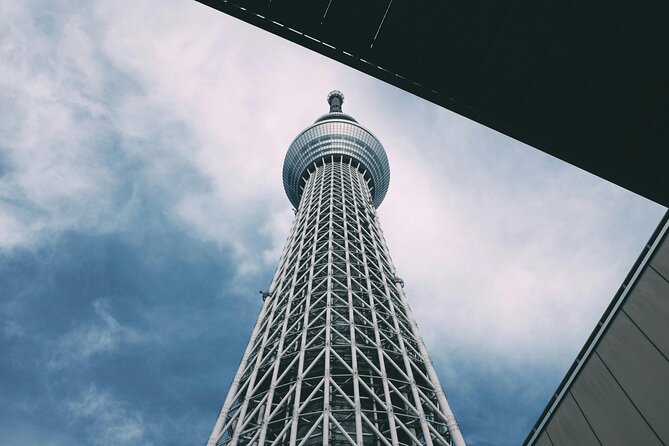
The final sightseeing stop is Tokyo Tower, with roughly 30 minutes for photographs, free time, and a break. The tower gives the evening a classic Tokyo finish and is a useful place to take portraits or city shots after the highway ride.
The tour does not include entry tickets to Tokyo Tower. You can photograph the tower from outside, but if you want to go up, you will need to pay separately. Since the planned stop is short, check the timing before buying an admission ticket. A brief exterior stop may be all that fits comfortably into the four-hour schedule.
This is also a practical chance to pause, stretch your legs, and talk with the guide before returning to your hotel. The itinerary includes a 30-minute break with possible shopping, but food and drinks are not included, so plan to buy anything you need yourself.
A few more Tokyo tours and experiences worth a look


What the four-hour schedule feels like
The experience begins with pickup in Tokyo and ends with drop-off back in the city. The exact order and time on the road can shift with traffic, especially on Tokyo’s highways. Drivers may arrive late because of congestion, so leave some flexibility around dinner plans or another reservation.
The advertised duration is four hours. That is long enough for a proper car-focused evening, but not so long that the tour consumes an entire night. You get a scenic drive, major car meeting points, photography, and conversation without committing to a full-day excursion.
Hotel pickup is included within Tokyo’s 23 wards, including central areas such as Chiyoda, Chuo, Minato, Shibuya, Shinjuku, Taito, and Shinagawa. Pickup outside the 23 wards costs extra, with the stated surcharge ranging from 5,000 to 20,000 yen depending on the area. Airport and port pickup is not available.
You should wait in your hotel lobby 10 minutes before pickup. The driver will wait up to 60 minutes after the scheduled time, but I would not use that as permission to run late. Add Trektide Travels on WhatsApp before the tour so you can communicate with the driver on the day.
Is $112 a fair price?
At $112 per person, this costs more than simply taking public transport to a Tokyo observation point. But public transport will not take you to Daikoku in the same way, and it will not give you a driver who can connect the highways, parking areas, Japanese cars, and local auto culture into one evening.
The price includes hotel pickup and drop-off within the stated area, an English-speaking driver, the JDM tour, and entry to Koto and Daikoku parking lot. It does not cover food, drinks, or Tokyo Tower admission.
I think the value is strongest for visitors who do not have access to a car and who want more than a generic night drive. You are paying for transport to places that are difficult to handle independently, plus the chance to ask questions along the way. If you only want a guaranteed lineup of famous cars, the price may feel less secure because the meeting scene changes.
The high rating, 4.9 from 28 ratings, matches the strongest parts of the experience: punctual pickup, safe-feeling transport, fluent English, friendly guides, and plenty of time for photographs. Those are practical benefits, especially when you are visiting Tokyo for a short stay.
Who will enjoy this most
I would recommend the tour first to car enthusiasts, especially people interested in Japanese performance cars, tuning, motorsport culture, and urban highways. You do not need to know every engine code. The guides can explain the basics, and the evening also works for anyone who enjoys unusual vehicles and Tokyo after dark.
It suits solo visitors because the ride gives you a natural way to meet other car fans and talk with the guide. It also works for couples and small groups who want a shared evening activity that feels different from the usual tower, shrine, and food itinerary.
You should be comfortable spending much of the evening seated in a vehicle. Comfortable shoes are still useful because you will get out at parking areas and sightseeing stops. The activity is wheelchair accessible, but you should confirm the exact vehicle and transfer needs when booking if you use a wheelchair.
The stated age restriction is people over 95 years old, so this is not suitable for that age group. The tour is conducted in English.
Important limits before you book
The biggest uncertainty is the car meet itself. You may see an amazing collection of cars, but the tour cannot control who arrives at Daikoku or Tatsumi. The night, weather, day of the week, and local conditions all matter.
The second issue is the driving style you expect. The tour takes you along famous highways and may place you near other performance cars, but it is not a promise of high-speed driving, street racing, or a particular type of vehicle. Treat the highway portion as a scenic ride with car-culture context.
Finally, do not mistake the Tokyo Tower stop for a tower admission visit. Entry is extra, and the planned stop is only about 30 minutes. For most people, the exterior photographs are the sensible choice.
My recommendation
Book this if you want to see Tokyo’s car culture from inside the scene rather than from a showroom. The strongest reasons are the hard-to-reach Daikoku and Tatsumi stops, the C1 and Wangan ride, hotel pickup, and guides who can discuss both cars and the city around them.
Skip it if you need a fixed schedule, guaranteed access to a specific model, or a fully guided sightseeing tour with long visits at each landmark. For everyone else, $112 is a reasonable price for a specialized four-hour night out, especially on a Saturday when the parking areas may be at their liveliest.
FAQ
How long is the Tokyo Daikoku car night experience?
The experience lasts four hours, including the highway drive, parking-area visits, city viewpoints, and return to Tokyo.
What highways does the tour use?
The tour includes driving on Tokyo’s C1 and Wangan highways.
Which car meeting areas are included?
The experience includes stops at Daikoku Parking Area and Tatsumi Parking Area.
Is hotel pickup included?
Yes. Pickup and drop-off are included from hotels or locations within Tokyo’s 23 wards.
Can I be picked up outside Tokyo’s 23 wards?
Yes, but an extra charge applies. The stated cost ranges from 5,000 to 20,000 yen depending on the area.
Is airport or port pickup available?
No. The tour does not pick up customers from airports or ports.
Is the guide English-speaking?
Yes. The driver and guide service is provided in English.
Is Tokyo Tower admission included?
No. Tokyo Tower entry tickets are not included. Food and drinks are also extra.
Can I cancel the booking for a full refund?
Yes. You can cancel up to 24 hours before the experience for a full refund. You can also reserve now and pay later, subject to the booking terms.
More Evening Experiences in Tokyo
More Night Tours in Tokyo
More JDM & Car Culture in Tokyo
More tours in Tokyo we've reviewed
JDM & Car Culture, compared.
 ★ 4.8Tokyo: Fast & Furious Tokyo Drift 3 Experience (Kaila Yu SP)From $157
 ★ 4.8Tokyo: FAST&FURIOUS EXPERIENCE Daikoku Tokyo Car ClubFrom $157
 ★ 4.8Tokyo Drift: GT-R Car Club R35 Liberty Walk Daikoku meetingFrom $240
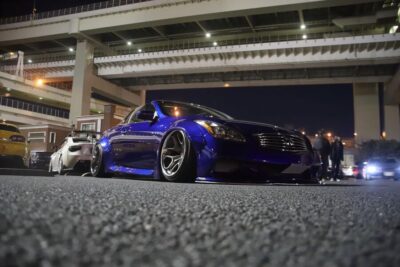 ★ 4.8Tokyo: Daikoku JDM Fast Furious Drift Style Car ExperienceFrom $123
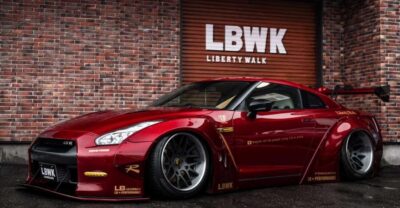 ★ 4.8Tokyo Drift: GO Daikoku Car Meet R34 Skyline Car ClubFrom $246
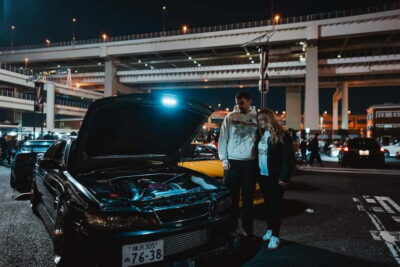 ★ 4.7Tokyo Drift: Daikoku PA Supreme Car Experience 大黒PAFrom $583 hours