Reviewed · NIKKO DAY TRIPS
Nikko, Kegon Waterfall & Chuzenji Lake from Tokyo
Nikko gives you a sharp change of scene from Tokyo: cedar-covered mountains, a sacred red bridge, an ornate shogun’s shrine, and the tall drop of Kegon Falls. I like the air-conditioned bus, which removes the fuss of changing trains and buses, and I like having both cultural sights and mountain scenery in one day. Guides such as Jorge, Melody, Eric, and Bert have earned praise for clear explanations and friendly help.
In This Article
- Key points to know before booking
- Why Nikko makes a worthwhile break from Tokyo
- The early start at Ginza INZ 2
- A quick look at Shinkyo Bridge
- Toshogu Shrine: the day’s strongest stop
- Kegon Falls and the mountain road
- Lake Chuzenji in 30 minutes
- How much sightseeing do you really get?
- Is $89 a good deal?
- What to bring and how to pace yourself
- Who should book this Nikko day trip?
- Final verdict: a convenient first look at Nikko
- FAQ
- Where does the Nikko tour begin?
- Where does the tour finish?
- How long does the experience last?
- What sights are included?
- Is Toshogu Shrine admission included?
- Is lunch included?
- Is the tour available in English?
- How many people can join the tour?
- What happens if the road to Kegon Falls closes?
- Can I cancel for a refund?
The catch is the clock. This is an 11-hour outing, and weekend or holiday traffic can stretch it to 13 hours or more. Nikko is far from Tokyo, so you should book this trip for the convenience and broad overview, not for long, leisurely visits at every stop.
Key points to know before booking
- Toshogu Shrine is the cultural heart of the day, with lavish decoration, Tokugawa history, and a steep climb to the tomb.
- Shinkyo Bridge is usually a passing view, not a dedicated photo stop, so do not count on a long visit there.
- Kegon Falls and Lake Chuzenji depend heavily on weather, especially fog, rain, and mountain visibility.
- Traffic is the biggest risk, with weekends, holidays, and autumn events capable of cutting into sightseeing time.
- The guide makes a major difference, with English and Spanish commentary, practical tips, and help keeping the group on schedule.
- The $89 price is fair for convenience, but less attractive if you are comfortable planning Nikko by public transportation.
Why Nikko makes a worthwhile break from Tokyo
Nikko is not simply another temple stop. It brings together Japan’s political past, mountain worship, forests, waterfalls, and a volcanic lake in one compact region. That variety is the main reason I see value in this excursion.
From Ginza, you leave the city by bus and spend the day moving into the mountains. The change is gradual, which makes the ride part of the experience, though it also means a lot of sitting. You get a guided introduction to the area without having to work out train connections, local buses, shrine admission, and the route up to the lake.
The tour suits you best if you have only one free day and want to see Nikko’s major sights in a single sweep. It is also useful if you prefer having someone explain the setting as you go. Guides including Jorge, Melody, Eric, Bert, Francisco, Bertrand, and Pau have been praised for answering questions, giving food suggestions, explaining Japanese history, and keeping people informed.
Still, this is a fixed group outing of up to 30 people. You will follow the group timetable rather than your own pace. If you want a quiet morning at Toshogu Shrine or a long walk around Lake Chuzenji, plan an independent visit instead.
If you're still narrowing it down, here are other tours in Ginza we've reviewed.

The early start at Ginza INZ 2
The meeting point is Ginza INZ 2, at 2-chome, 10, in Ginza. The outing begins early, around 7:30 a.m., and returns to the same meeting point. Arriving 20 to 30 minutes early is smart, since people line up before departure and an early arrival can help you get a better seat.
The bus is air-conditioned, and the long ride includes stops for food and restrooms. Bring cash and carry a simple breakfast or snack. The breaks are useful, but they may be short, especially on a crowded day. You do not want to spend the first stretch of your mountain visit searching for food.
The stated duration is about 11 hours, with roughly two and a half hours on the way to Nikko and about three hours on the return. Those figures are sensible on a quiet day, but traffic can change everything. Some departures have reached Nikko much later than planned, particularly on Sundays, public holidays, and busy festival dates.
That warning matters more than any small comfort detail. A smooth bus ride is pleasant, but traffic on the approach to Nikko can turn a full day into a very long day. Drivers have been praised for handling the twisting mountain roads carefully, and one account described a driver change when the first driver reached the legal driving limit. That kind of safety decision is reassuring, even if it adds another layer of delay.
A quick look at Shinkyo Bridge
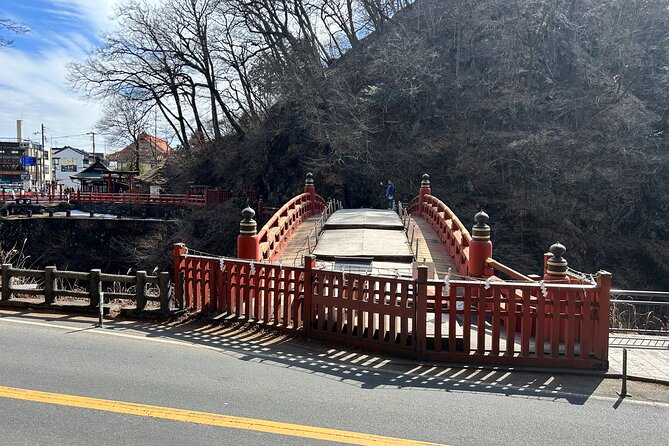
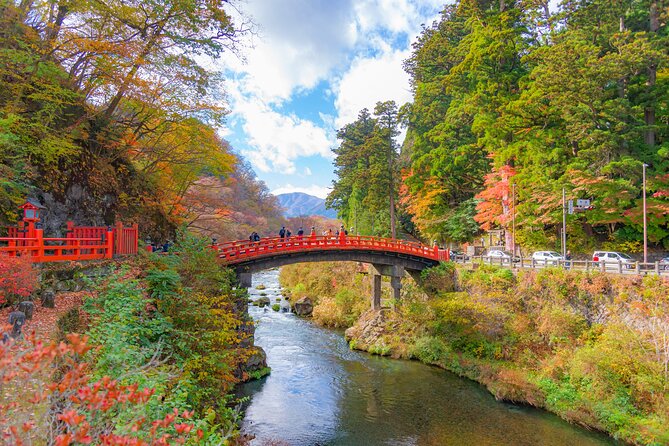
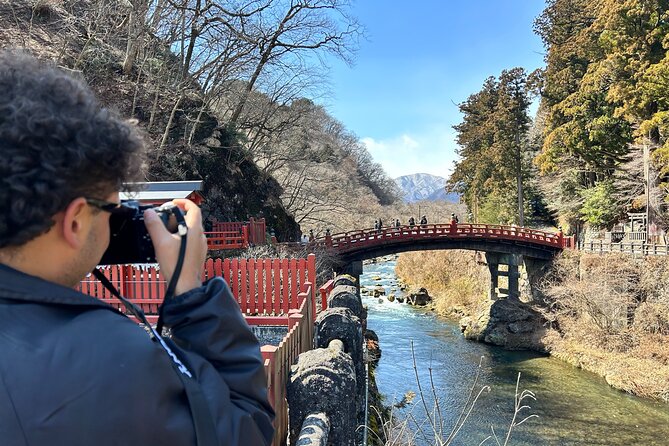
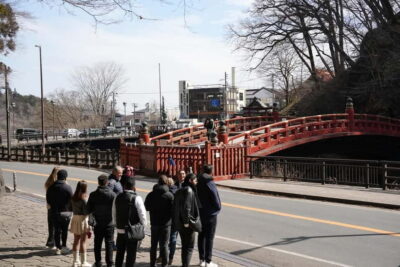
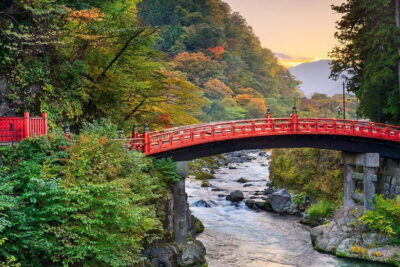
Shinkyo Bridge is one of Nikko’s signature sights. Painted a strong red and crossing the Daiya River, it marks the entrance to the sacred area and makes a fine introduction to the town.
On this outing, you may see the bridge from the bus or get only a short walk-by opportunity. It is not reliably a dedicated photo stop. That is important because the bridge appears prominently in the tour imagery, and you might reasonably expect time to cross it or photograph it at leisure.
If the guide gives the group a chance to stop, use it quickly. If traffic is bad, the bridge may be shortened or skipped to protect time at the main shrine and mountain sites. Think of Shinkyo as a glimpse rather than a full visit.
Toshogu Shrine: the day’s strongest stop
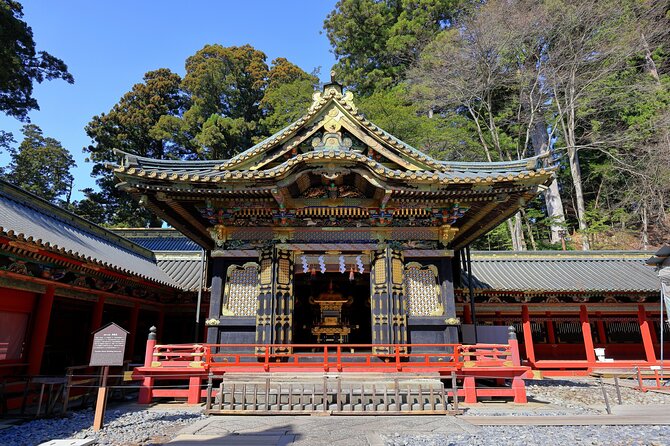
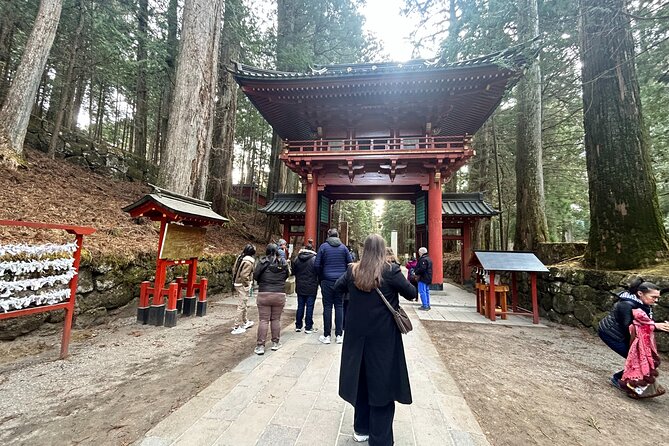
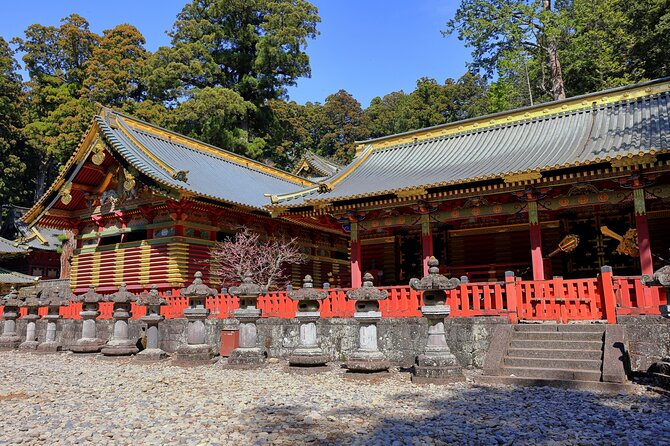
Toshogu Shrine is the part of the day I would prioritize. It is the mausoleum of Tokugawa Ieyasu, the founder of the shogunate that shaped Japan for more than two centuries. The complex is famous for its elaborate carvings, strong colors, and dense decoration, quite different from the spare simplicity associated with many Japanese religious buildings.
You have about two hours and 15 minutes here, including the guided visit and your own time. That sounds generous, but the grounds are large. There is a lot to see, and the famous climb toward Ieyasu’s tomb adds a real physical challenge.
The climb includes more than 200 steps. You do not have to make the ascent if your legs, weather, or schedule argue against it, but it is worth knowing in advance. Wear shoes with good grip and expect plenty of walking. One useful pattern from the day is that the shrine often becomes the unexpected highlight, even for people who originally booked the tour for the waterfall.
The guide’s role is especially valuable here. A good explanation helps you understand why the shrine looks so lavish and how Tokugawa power shaped the site. Guides such as Eric and Francisco have been praised for explaining the temple’s history, while Melody and Bert have been noted for mixing facts with humor and practical direction.
Check the booking option carefully. The Toshogu entrance is included only when the shrine admission option is selected, even though the itinerary presents the shrine as the central stop. If you want to enter the complex, do not assume the basic fare includes that ticket.
One practical weakness is ticket handling. Admission arrangements can be less clear than they should be, so listen carefully when the guide explains entry. Keep your group meeting time in mind, since the shrine is large enough to absorb your entire visit if you are not watching the clock.
Kegon Falls and the mountain road
After Toshogu, the bus takes about 40 minutes toward Kegon Falls. The road climbs into Nikko National Park, and the ride itself gives you a sense of how quickly the setting changes from historic town to mountain country.
Kegon Falls is one of Japan’s best-known waterfalls, dropping dramatically from Lake Chuzenji. You have about an hour and 20 minutes in the area, with a total stop of roughly an hour and a half. The viewing area gives you a strong look at the falls, but visibility can change quickly.
There is an elevator to the lower viewing area, and the wait can eat into your time. If you want to go down, check the line before committing. You need to return to the bus promptly, and waiting too long can leave you rushing back or skipping part of the viewing area.
The waterfall is also weather-sensitive. Fog can erase the view, while rain can make paths and steps unpleasant. If road conditions close the route, the Kegon Falls visit is replaced with a panoramic view of Rinnoji Temple. That is a reasonable safety change, but it means the advertised nature sequence is not guaranteed.
I would rate this stop as worthwhile when the air is clear, especially if you enjoy dramatic mountain scenery. On a gray day, it may feel brief. The experience also depends on your expectations. You are getting a scenic stop, not a long hike or a private viewpoint.



Lake Chuzenji in 30 minutes
Lake Chuzenji was formed by volcanic activity from Mount Nantai. The water, mountain setting, and cooler air provide a calm contrast to the ornate shrine and the noise of the waterfall area.
The scheduled time is only 30 minutes at the observation deck and lakeside area. That is enough for photographs and a short walk, but not enough for a full circuit, a relaxed café visit, or a long period of quiet contemplation. If the weather is cloudy or foggy, the lake can feel like a weak use of limited time.
This stop divides people more than the others. I can see why some passengers find it peaceful and worth the pause, while others feel it offers little beyond a quick view. If you love mountain lakes, you will likely appreciate the breathing room. If Toshogu is your priority, you may wish the schedule gave more time there instead.
The order of stops can change. That may help the operator respond to traffic or weather, but it can also work against you. A foggy morning at the lake may not improve later, and a shifted schedule can make the views less predictable. Mountain weather is part of the deal.
How much sightseeing do you really get?
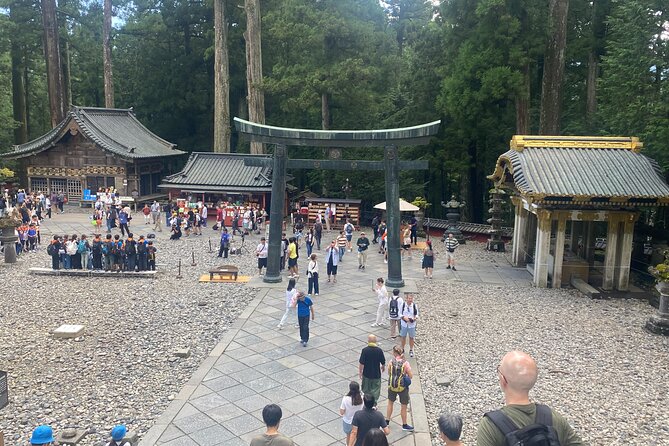
On a normal day, the outline gives you time at four distinct places: a brief look at Shinkyo Bridge, about two hours and 15 minutes at Toshogu, around 90 minutes near Kegon Falls, and 30 minutes at Lake Chuzenji. That is a useful sample of Nikko, but it is not an unhurried exploration.
Traffic changes the balance. When the road takes five hours to Nikko and four or four and a half hours back, the schedule becomes tight. Guides may shorten a stop, move the order around, or drop the bridge view so the group can preserve time elsewhere.
That is why I would avoid booking this on a national holiday, Sunday, or major autumn festival date if you have another option. The sights can be crowded, and the roads can be painfully slow. If your Tokyo stay is short and you have a fixed evening reservation, this is a risky choice.
On the other hand, the tour’s staff seem prepared to make practical adjustments. Guides have helped people find food, choose photo spots, understand the shrine, and keep track of meeting times. That support has real value when the day is crowded and the route is unfamiliar.
Is $89 a good deal?
At $89 per person, the price is reasonable for a long-distance day trip with transport and a bilingual English and Spanish guide. You are paying mainly for simplicity: one meeting point, one bus, a planned route, and no need to coordinate the public transportation up to the mountain area.
The value is strongest if you are staying in central Tokyo, dislike complicated transfers, or want a guide to frame the sights. It is also a practical choice for first-time visitors who want a broad look at Nikko without committing to several days.
The value weakens if you are confident using trains and buses, want to choose your own timing, or care most about a slow visit to Toshogu. The lake stop is short, the bridge may be only a passing view, lunch is not included, and the shrine ticket depends on the selected option.
Think of the fare as payment for transport and structure, with cultural commentary added. It is not a small-group private tour, and the group can reach 30 people. The best guides make the ride and stops much more rewarding, but the quality of the day still depends on traffic, weather, and the guide assigned to your departure.
What to bring and how to pace yourself
Wear comfortable shoes. Toshogu involves substantial walking, and the climb to the tomb is steep. You should also bring layers and rain protection because Nikko’s mountain weather may differ from Tokyo’s.
Pack a breakfast item, snacks, and cash. Lunch is not included, and the food stops may not leave you much time to choose. A small umbrella is useful even though umbrellas may be available on the bus.
Keep your expectations realistic:
- You will cover a lot of ground in one day.
- You will have free time, but it is controlled by the bus schedule.
- The bridge may not receive a proper stop.
- The waterfall and lake can look very different in fog or rain.
- You should arrive early at Ginza INZ 2.
- You should keep the guide’s meeting instructions visible on your phone.
The mobile ticket is convenient, and confirmation is provided at booking. The activity ends back at the Ginza meeting point and is near public transportation. Most people can take part, but the walking and stairs may be tiring.
Who should book this Nikko day trip?
I would book it if you want a simple, all-in-one introduction to Nikko and have only one available day. It works particularly well for first-time visitors who value a comfortable bus, an English or Spanish guide, and a mix of shrine, waterfall, and lake scenery.
I would also consider it if you are traveling with someone who would rather not manage several train and bus connections. Guides such as Jorge, Melody, Eric, and Bert have been praised for being attentive, clear, and willing to answer questions. That personal help can save time and reduce stress.
I would think twice if you are visiting during a Japanese holiday, on a Sunday, or during a large local event. I would also hesitate if your main goal is Toshogu and you want several quiet hours there. An independent day may give you better control.
The cancellation policy is forgiving if you decide early: you can cancel for a full refund at least 24 hours before the start time. Weather-related cancellation offers a new date or full refund. That is useful for a mountain excursion, where conditions can affect both the road and the views.
Final verdict: a convenient first look at Nikko
This is a solid way to see Nikko’s main contrasts in one demanding day. Toshogu is the prize, Kegon Falls can be spectacular in clear weather, and Lake Chuzenji gives the route a peaceful finish. The bus, careful drivers, and helpful guides add genuine convenience.
The main warning is not hidden: Nikko is far from Tokyo, and traffic can swallow hours. Book this tour for access, structure, and a broad introduction. Skip it if you need a relaxed pace or are visiting on a crowded holiday. If you go, arrive early, bring food and rain gear, select the shrine admission option, and protect your time at Toshogu.
FAQ
Where does the Nikko tour begin?
It begins at Ginza INZ 2 in Ginza, Tokyo, at 2-chome, 10, Chuo City, Tokyo 104-0061.
Where does the tour finish?
The bus returns to the Ginza INZ 2 meeting point, where the activity ends.
How long does the experience last?
The scheduled duration is approximately 11 hours. Traffic can make the day longer, especially on weekends, holidays, and busy event dates.
What sights are included?
The route includes Shinkyo Bridge, Nikko Toshogu Shrine, Kegon Falls, and Lake Chuzenji. Shinkyo Bridge may be viewed from the bus or visited only briefly.
Is Toshogu Shrine admission included?
Entrance to Toshogu Temple is included if you select the option that includes the shrine admission. Check the selected booking option before paying.
Is lunch included?
No. Lunch is not included, so bring cash and consider carrying breakfast or snacks for the journey.
Is the tour available in English?
Yes. The experience includes a bilingual guide in English and Spanish.
How many people can join the tour?
The tour has a maximum group size of 30 travelers.
What happens if the road to Kegon Falls closes?
If weather-related road closures prevent the Kegon Falls visit, the tour replaces it with a panoramic visit to Rinnoji Temple.
Can I cancel for a refund?
You can cancel at least 24 hours before the start time for a full refund. Cancellations or changes made less than 24 hours before the start time are not accepted for a refund. If poor weather causes the operator to cancel the experience, you can receive a different date or a full refund.
More tours in Ginza we've reviewed


Nikko Day Trips, compared.
 ★ 4.5Tokyo: Nikko Toshogu Shrine and Kegon Waterfall TourFrom $8410h 30m
 ★ 4.4From Tokyo: Nikko, Toshogu Shrine, Waterfall & Chūzenji LakeFrom $54
 ★ 4.3Nikko: Edo Wonderland Edomura Cultural Theme Park TicketFrom $351 day
 ★ 4.8Tokyo: Nikko World Heritage Private Day Trip Hotel Pick-upFrom $39011 hours - 1 day
From Tokyo: Nikko World Heritage Sight Full Day Private TourFrom $36210 hours
★ 4.8Tokyo: Nikko World Heritage Private Day Trip Hotel Pick-upFrom $39011 hours - 1 day
From Tokyo: Nikko World Heritage Sight Full Day Private TourFrom $36210 hours
 ★ 5.0From Tokyo: Nikko World Heritage Sight Full Day Private TourFrom $461