Reviewed · NIKKO DAY TRIPS
From Tokyo: Nikko World Heritage Sight Full Day Private Tour
Nikko packs ornate shrines, quiet forest paths, mountain views, and a 97-meter waterfall into one long day from Tokyo. The star is Toshogu Shrine, where gold details, dense carvings, the Yomeimon Gate, and the famous sleeping cat reward a slow look.
In This Article
- Key points to know before booking
- Why Nikko makes a strong day trip from Tokyo
- Tokyo pickup and the long ride north
- Shinkyo Bridge, Nikko’s handsome gateway
- Toshogu Shrine and the Tokugawa legacy
- Futarasan Shrine and the quieter side of the shrine district
- Kanmangafuchi Abyss and the Jizo statues
- The road to Lake Chuzenji and Mount Nantai
- Akechidaira Ropeway and the best high view
- Kegon Falls, ice in winter and spray in warmer months
- What the private format does well
- Food, admission, and other costs to plan for
- Is this Nikko private tour worth booking?
- FAQ
- How long does the Nikko tour last?
- Is hotel pickup included?
- How many people can join the private tour?
- Which languages are available?
- Is the Akechidaira Ropeway guaranteed to operate?
- Are meals and entrance fees included?
I like the private van, since Nikko’s main sights are spread across the foothills and Lake Chuzenji area. I also like the flexible guiding style reported with Mirza, Imran, Musa, and other drivers, including photo help, early starts, and route changes when weather closes the ropeway.
The catch is the travel time: about two hours each way, with a packed 10-hour schedule. The mountain roads, walking, stairs, and changing weather can make this a tiring day, especially if you try to fit every stop in.
Key points to know before booking
- Toshogu Shrine brings Nikko’s history to life: See Tokugawa Ieyasu’s lavish memorial in a forest setting.
- A private van saves time and effort: Hotel pickup, highway costs, air conditioning, and Wi-Fi are included.
- The route mixes culture and mountain scenery: Shinkyo Bridge and shrines lead to Lake Chuzenji and Kegon Falls.
- Early departure matters: Leaving around 7:00 can help you see more before crowds build.
- The itinerary can change with conditions: The Akechidaira Ropeway may close in wind or bad weather.
- Plan for extra costs: Food, shrine or attraction admission, optional activities, souvenirs, and insurance are not included.
Why Nikko makes a strong day trip from Tokyo
Nikko feels far removed from Tokyo’s towers and trains. Its shrines sit among tall trees, while the road into the mountains opens onto Lake Chuzenji, Mount Nantai, and Kegon Falls. You get a useful mix of Japanese history and outdoor scenery without changing hotels.
The drawback is distance. A two-hour van ride in each direction leaves roughly six hours for sightseeing, and traffic can affect the day. A private vehicle is especially valuable here because the cultural sites near central Nikko and the highland sights are not within easy walking distance of one another.
At $362 per group of up to six, the price looks most appealing for a family or group that can fill the van. Split six ways, it costs about $60 per person before admission and food. For two people, the per-person cost is much higher, but you are paying for door-to-door transport, a private schedule, a driver-guide, and the ability to adjust the route.
A few more Tokyo tours and experiences worth a look

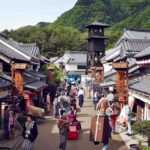
Tokyo pickup and the long ride north
Your day begins with hotel pickup in Tokyo. You are asked to wait in the lobby 10 minutes before the scheduled time, and the driver may wait up to 60 minutes after pickup time. Give the hotel name and address carefully when booking, since this service covers hotels in Tokyo and Nikko.
The vehicle is described as a luxury, air-conditioned van with Wi-Fi. That matters on this route. You can spend the long road sections resting, checking maps, or reviewing what you have seen instead of managing transfers and navigation.
Several guides have earned praise for safe driving, punctuality, photo assistance, and clear explanations. Mirza is frequently identified as a friendly and flexible guide, while Imran is noted for adapting the route, helping families with strollers, and assisting a visitor using a wheelchair and crutches. Musa and Kashif are also named as capable drivers and guides.
Ask for an early start if available. Leaving around 7:00 helped one group see the major sites and return before dark, while another visitor suggested a 6:30 departure during the busy autumn season. Starting early does not remove the drive, but it can give you more breathing room at the shrines.
Shinkyo Bridge, Nikko’s handsome gateway
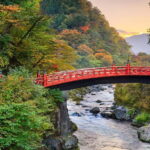
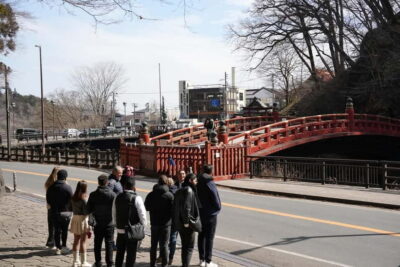
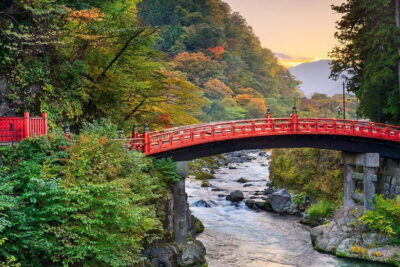
The first sightseeing stop is Shinkyo Bridge, a red wooden bridge crossing the Daiya River. Against the forest, it makes a fine first photograph and gives you an immediate sense that Nikko is both sacred and scenic.
The visit is listed at about 30 minutes, so think of it as a photo stop and short introduction rather than a long bridge walk. Your guide can explain its role as a traditional gateway to the shrine district and point out the river and forest setting.
Autumn brings strong color to the surrounding trees, but the bridge works in other seasons too. In snowy weather, it takes on a quieter character. Keep your shoes practical, since the day includes several walking sections and uneven paths.
Toshogu Shrine and the Tokugawa legacy
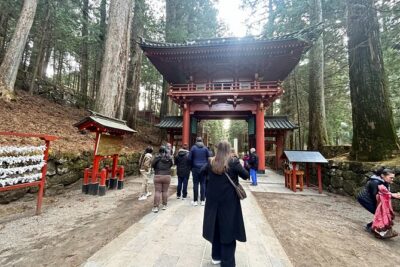
Toshogu is the cultural centerpiece. The shrine honors Tokugawa Ieyasu, founder of the Tokugawa shogunate, and its design is far more ornate than the restrained wooden temples many people associate with Japan.
Look closely at the carvings instead of rushing from gate to gate. The Yomeimon Gate is the showpiece, with elaborate workmanship and layers of decorative detail. The sleeping cat sculpture is smaller and easy to miss, so ask your guide to point it out.
The forest around the shrine helps balance the bright colors and dense ornament. You can move from a highly decorated gate into a quiet stand of trees within a few steps. That contrast is one reason Toshogu feels more than a quick photo stop.
The itinerary allows only about 30 minutes at Toshogu itself, plus time at the nearby Nikko Toshogu Art Museum. That is enough for an overview, but not enough for every building, carving, and museum display at a leisurely pace. If Toshogu is your priority, tell the guide early so the schedule can give it the attention it deserves.
The tour advertises access through a separate entrance, which may help at busy times. Admission fees are not included in the price, and one visitor specifically advised carrying cash for entry fees. Confirm current admission arrangements and costs before the day.
Futarasan Shrine and the quieter side of the shrine district
Nikko Futarasan-jinja provides a useful contrast to Toshogu. The stop is shorter, around 30 minutes, and focuses on a photo visit and guided sightseeing.
This is a good place to ask about the religious traditions of the area. Nikko’s sacred sites reflect the long connection between Buddhist and Shinto practice, and one visitor especially valued explanations about the way those traditions combined over time.
The schedule also mentions the Toshogu Art Museum. Since the day moves forward toward the mountain, do not assume you will circle back later. If a museum display or shrine shop catches your eye, handle it while you are there. A visitor noted that some shops carry items not available at later stops.
Other private tours in Tokyo


Kanmangafuchi Abyss and the Jizo statues
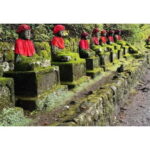
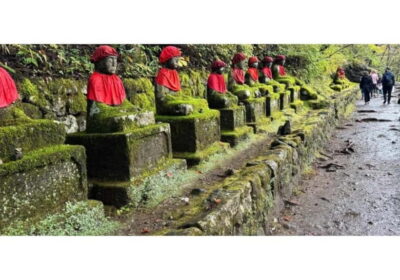
Kanmangafuchi Abyss is one of the most appealing additions to this route. The name sounds dramatic, but the experience is a peaceful walk beside the river, lined with more than 70 Jizo statues.
The statues represent the spirits of children and travelers. Their weathered forms, often wearing red bibs or small coverings, create a quiet and reflective scene. This is not a grand architectural sight like Toshogu. Its appeal comes from the river sounds, trees, and the repetition of the figures along the path.
The path leads toward Jiunji Hondo Temple, described as a small, calm retreat. Allow extra time if this stop matters to you. It is not part of the numbered core itinerary in the same way as the bridge, lake, and waterfall, but guides have added it when conditions or preferences made that possible.
That flexibility is a real advantage of a private tour. When wind closed the ropeway for one group, the guide substituted the abyss and an Imperial Villa. Another guide added Kanmangafuchi at a guest’s request. You should still confirm the day’s route with your guide, since every extra stop has to fit within the 10-hour return schedule.
The road to Lake Chuzenji and Mount Nantai
After the shrine district, the van heads into the mountains toward Lake Chuzenji. The journey is part of the experience, but it also explains why public transport logistics can be inconvenient if you are trying to see all these places in one day.
Lake Chuzenji sits at the foot of Mount Nantai and was formed by volcanic activity. The water, wooded slopes, and mountain backdrop give you a broad change of scenery after the enclosed shrine grounds.
The itinerary allows about 90 minutes here, including walking and guided sightseeing. That is enough to enjoy the shore, take photographs, and have some unhurried time, though it is not a full hiking visit. Boating, picnicking, and additional trails may be available, but optional activities and rentals cost extra.
Weather can change the mood quickly. Summer may be hot and humid, while autumn brings colorful foliage and winter can bring snow and ice. Bring water, sunscreen, a hat, and layers suited to the forecast. The lake and waterfall area can feel very different from Tokyo on the same day.
Akechidaira Ropeway and the best high view
The Akechidaira Ropeway is the route’s main scenic ride. The cabin climbs to an observation area where you can look across Mount Nantai, Lake Chuzenji, and Kegon Falls.
The ride and stop together take about 45 minutes. If visibility is good, this may be the most efficient way to understand Nikko’s mountain setting. You see the lake, peak, and waterfall as parts of one volcanic region rather than isolated stops.
There is an important limitation: the ropeway can close in strong wind or poor weather. Several groups had their plans adjusted for this reason. Do not book this tour solely for the ropeway. The shrine district, lake, waterfall, and Kanmangafuchi Abyss still provide a worthwhile day if the cabin cannot operate.
Kegon Falls, ice in winter and spray in warmer months
Kegon Falls drops 97 meters into a rocky gorge and is one of Nikko’s most memorable natural sights. The viewing area gives you a direct look at the falling water, and the short access walk makes this stop easier than a long mountain hike.
The schedule allows about an hour, with free time and tea or coffee tasting listed. Food and drinks generally are not included, so budget for your own meal, snack, or drink. The area has food options, and one visitor found the allergen information clear.
Winter can be especially striking. The falls may partially or fully freeze, forming an ice display against the rock. Snow and cold also make the paths more demanding, so shoes with good grip and warm clothing are sensible.
In autumn, the trees around the lake and falls add color, while summer offers a greener setting. Rain does not necessarily ruin the stop, but clouds can reduce the mountain views. Your guide can help decide how long to spend at each viewpoint if visibility changes.
What the private format does well
The strongest part of this experience is control over the day. You are not tied to a large group’s pace, and the guide can wait while you take photos, adjust the order, or give more time to a favorite stop.
This works well for families. A guide helped a group traveling with a one-year-old, four-year-old, and seven-year-old manage the stroller and move safely through the sights without constant pressure. It also helped a visitor with mobility needs, though some areas remain difficult because of stairs, slopes, and uneven paths.
The vehicle is a practical advantage for older relatives and children, but do not mistake private transport for a fully accessible tour. The supplier says some areas may not suit people with mobility impairments. Discuss your needs before booking and be specific about walking ability, wheelchairs, crutches, and stairs.
Photography is another useful extra. Guides such as Mirza and Imran have taken photos for their groups and suggested good viewpoints. That can save you from relying only on hurried selfies, though photography help should be treated as a courtesy rather than a formal photo session.
Food, admission, and other costs to plan for
The $362 group price includes hotel pickup and drop-off, the private vehicle, air conditioning, Wi-Fi, highway taxes, guiding, and photography assistance. It does not include meals, snacks, general drinks, souvenirs, insurance, or optional activities such as boating and specific workshops.
Admission charges also need attention. Carry cash for entry fees, particularly if you plan to enter shrine or museum areas. Ask exactly which admissions are covered before departure, since the listed package includes guided visits but does not clearly state that every entrance ticket is included.
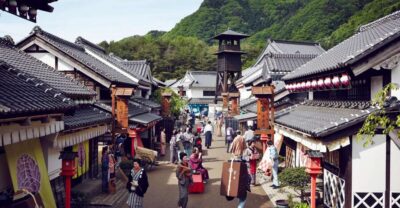
Edo Wonderland appears in the promotional highlights and included cultural activities, but it is not listed among the numbered stops in the day’s route. Treat it as something to confirm before booking, not a guaranteed stop. Adding it would require a major change to a schedule that already includes central Nikko, the mountain road, the lake, and Kegon Falls.
Free cancellation is available up to 24 hours before departure, and you can reserve now and pay later. Those terms help if your Tokyo plans depend on weather, but the ropeway itself can still close on the day.
Is this Nikko private tour worth booking?
I would choose this tour if you want Nikko’s major sights without arranging several train, bus, and local transport connections. It is particularly good for groups of four to six, families with children, older relatives, and anyone who values a flexible pace.
I would hesitate if you dislike long road days, want extended hiking, or prefer to explore one shrine district slowly. The itinerary is ambitious, and Toshogu deserves more than a rushed half hour if architecture and history are your main interests.
Book with an early pickup request, wear sturdy shoes, and tell the guide your top two priorities. If they are Toshogu and the waterfall, protect time for those. If the ropeway closes, ask about Kanmangafuchi Abyss or another nearby substitute. For a group sharing the cost, the door-to-door convenience and route flexibility make this a strong-value way to see Nikko in one day.
FAQ
How long does the Nikko tour last?
The tour lasts approximately 10 hours, including pickup in Tokyo and the return to your hotel.
Is hotel pickup included?
Yes. Free hotel pickup and drop-off are available in Tokyo and Nikko. Provide the hotel name and address when booking, and wait in the lobby 10 minutes before the scheduled pickup.
How many people can join the private tour?
The price covers a private group of up to six people.
Which languages are available?
Live guiding is available in Arabic, English, and Hindi.
Is the Akechidaira Ropeway guaranteed to operate?
No. The ropeway may close because of wind or poor weather conditions.
Are meals and entrance fees included?
Food and drinks are generally not included. Optional activities, souvenirs, insurance, and some admission costs are also extra, so you should budget for them separately.
More Historical Tours in Tokyo


More Private Tours in Tokyo
More Nikko Day Trips in Tokyo
More tours in Tokyo we've reviewed












Nikko Day Trips, compared.
 ★ 4.5Tokyo: Nikko Toshogu Shrine and Kegon Waterfall TourFrom $8410h 30m
 ★ 5.0Nikko, Kegon Waterfall & Chuzenji Lake from TokyoFrom $89
 ★ 4.4From Tokyo: Nikko, Toshogu Shrine, Waterfall & Chūzenji LakeFrom $54
 ★ 4.3Nikko: Edo Wonderland Edomura Cultural Theme Park TicketFrom $351 day
 ★ 4.8Tokyo: Nikko World Heritage Private Day Trip Hotel Pick-upFrom $39011 hours - 1 day
 ★ 5.0From Tokyo: Nikko World Heritage Sight Full Day Private TourFrom $461