Reviewed · WALKING TOURS
BEST OF TOKYO HIGHLIGHTS – WALKING TOUR PART 1
Tokyo reveals its many personalities on this eight-hour walking tour: old Asakusa, market-lined Ueno, quiet Meiji Shrine, playful Harajuku, polished Omotesando, and high-energy Shibuya. You cover a lot of ground, but the day is tied together by short subway rides and a small group capped at 10 people.
In This Article
- Key points to know before booking
- Why this Tokyo route works well
- Asakusa begins with Kaminarimon and Sensoji
- Nakamise-dori gives you your first snack break
- Ueno Park trades crowds for open space
- Ameyoko adds a rougher market edge
- Meiji Shrine offers a quiet hour in Harajuku
- Takeshita Street shows Harajuku at full volume
- Omotesando shifts from playful to polished
- Shibuya ends with the Scramble Crossing
- What the group size and guide style mean
- Practical planning for an eight-hour walking day
- Who should book this Tokyo highlights tour
- Should you book it?
- FAQ
- How long does the tour last?
- Where does the tour begin?
- Where does the tour finish?
- Is this a private tour?
- Is transportation included?
- Can I use the subway pass after the tour?
- Are food and drinks included?
- What languages are available?
- What is the cancellation policy?
I like two things right away. First, the route gives you a useful first-day map of Tokyo rather than confining you to one district. Second, guide Gönül has helped visitors with shrine etiquette, subway routes, Suica cards, train tickets, and last-minute itinerary changes. The main drawback is simple: this is a true walking day, with several hours on your feet and little room for a slow lunch or extended shopping.
Key points to know before booking
- Six very different Tokyo districts in one day: You move from Sensoji’s temple grounds to Shibuya’s crossing, with markets, shrines, fashion, and modern architecture along the way.
- A small shared group: The group can have up to 10 participants, which leaves more room for questions than a large coach outing.
- Subway travel is part of the lesson: A one-day subway pass is provided, and the guide can show you how Tokyo transit works.
- Gönül brings practical local help: Her guiding includes cultural customs, shortcuts, ticket support, and adjusting the pace or focus when something catches your interest.
- Food and shopping are your responsibility: You have time for Nakamise-dori and Ameyoko, but snacks, meals, and purchases are not included.
- Start on time: Meet outside Exit 4 of Asakusa Subway Station 10 minutes early. Late arrivals cannot join and are not refunded.
Why this Tokyo route works well

At $96 per person, this tour is priced less like a simple guided walk and more like a full orientation day. You get eight hours with a local guide, transportation during the tour, access to the listed sights, and a subway pass that remains usable until the final subway service after the tour.
The value depends on how you travel. If you already know Tokyo’s rail system and have a clear plan for each neighborhood, you may prefer to explore alone. If Tokyo is your first stop in Japan, the combination of cultural explanation and transit help can save time and reduce the stress of finding the right platform or station exit.
The route is especially useful at the start of a Tokyo stay. One day introduces you to several parts of the city, then you can return later to the places that suit you best. Kevin, who took the tour early in his Tokyo visit, found the subway guidance useful and received help with Suica cards even though the tour includes a subway pass. That is the sort of small, practical help that can pay off for the rest of your trip.
This is not a bus tour. You walk between sights, climb and descend station routes, and use public transportation between districts. The stated duration is about eight hours, with a possible variation of roughly 30 minutes. Bring comfortable shoes and keep your day flexible.
Other walking tours we've reviewed in Tokyo


Asakusa begins with Kaminarimon and Sensoji
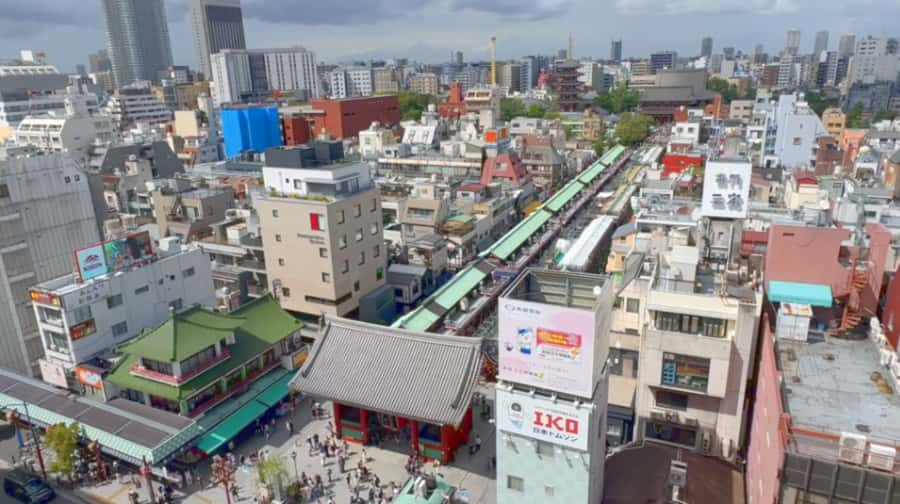
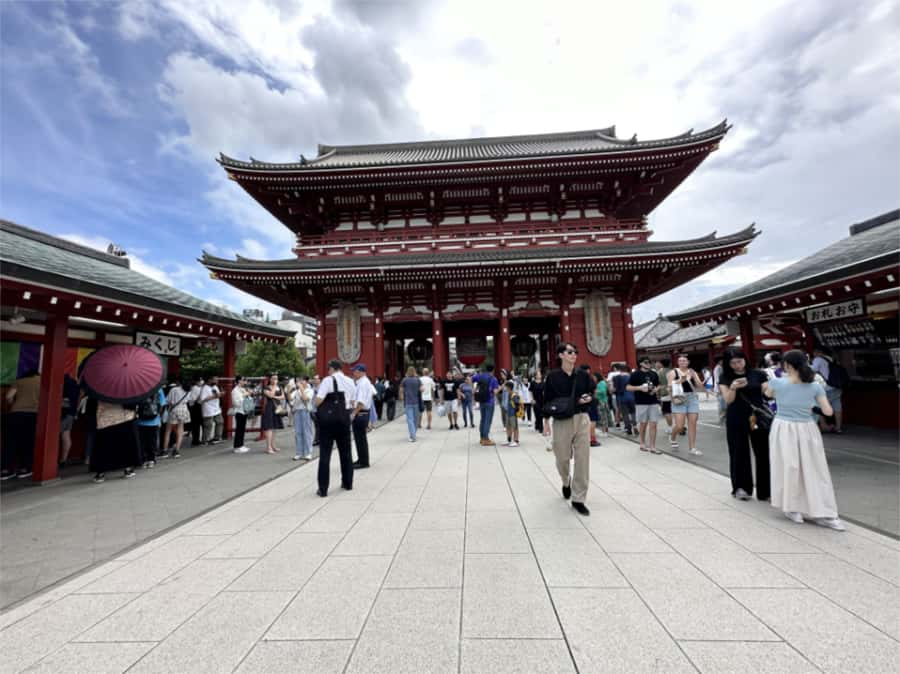
Meet your guide outside Exit 4 of Asakusa Subway Station. The first stop is the Asakusa Culture Tourist Information Center, where you have about 30 minutes for sightseeing and photos. It is a useful opening point because it places you directly in one of Tokyo’s best-known historic districts.
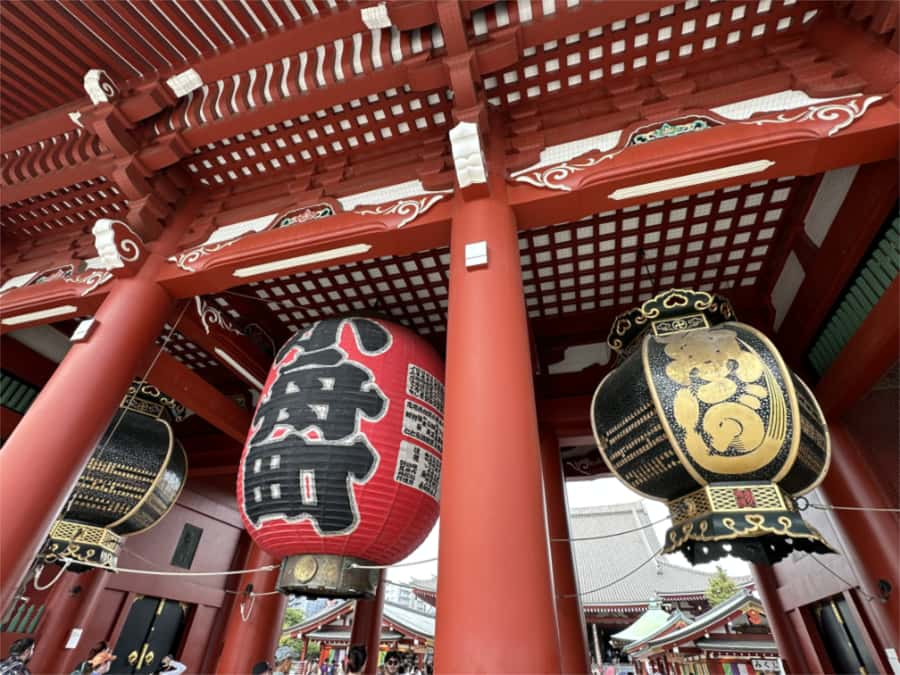
From there, you reach Kaminarimon, the grand gate leading toward Sensoji. The huge red lantern is the visual star, but look closely at the fierce figures on either side. Fujin represents the wind, while Raijin represents thunder. The tour allows about 30 minutes here for photos, a visit, and a first look at the movement of Asakusa.
Next comes Sensoji, Tokyo’s oldest temple, with origins dating to the seventh century. You have another 30 minutes to see the grounds and the main hall, known as the Hondo. This is also where cultural guidance matters. A guide can explain appropriate behavior at a temple and help you understand the difference between a quick photo stop and a respectful visit.
The time at Sensoji is enough for an introduction, but not for a slow, detailed study of every corner. If you want to linger at the temple, browse every shop, or pray without watching the clock, plan a return visit.
Nakamise-dori gives you your first snack break
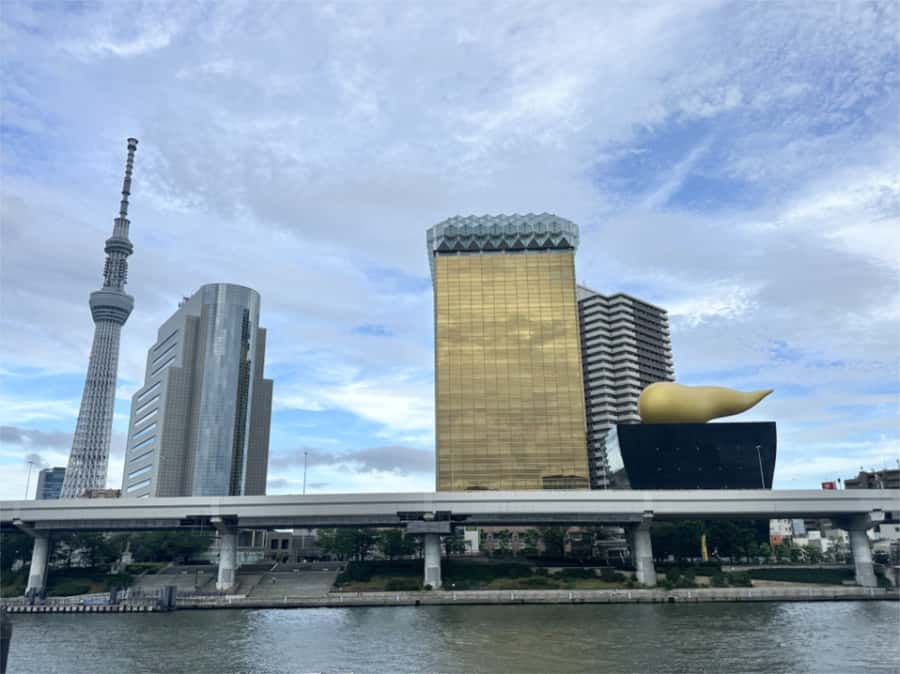
Nakamise Shopping Street leads from Kaminarimon toward Sensoji. The one-hour stop is one of the more flexible parts of the day, combining photos, sightseeing, shopping, and a break.
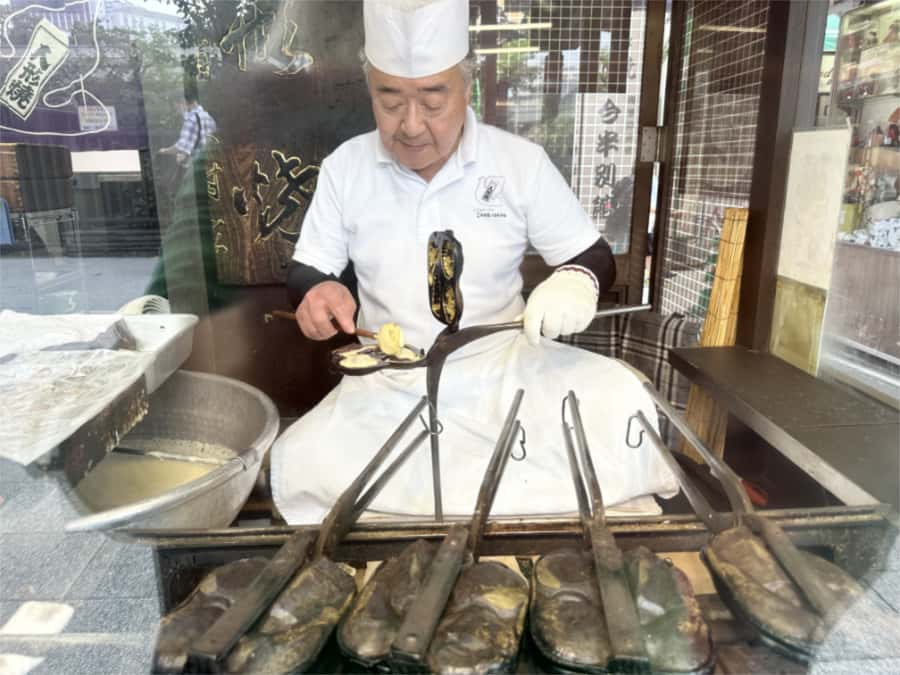
The shops sell souvenirs, crafts, sweets, and other traditional-style goods. You can use this hour to try a snack, look for a small gift, or simply watch the steady flow of people moving toward the temple. Food is not included, so carry some yen or another accepted payment method for anything you want to eat.
This is also a good place to resist buying the first souvenir you see. You have several shopping areas ahead, including Ameyoko and Takeshita Street. A quick look now lets you compare prices and styles later.
Ueno Park trades crowds for open space
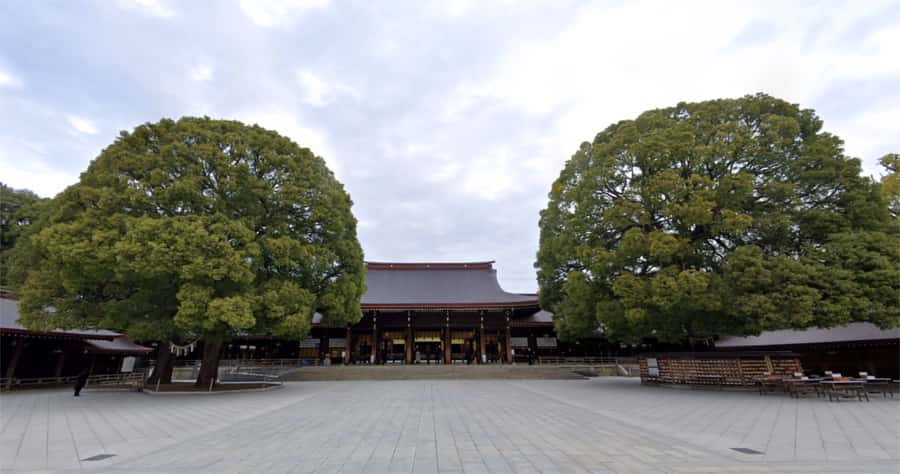
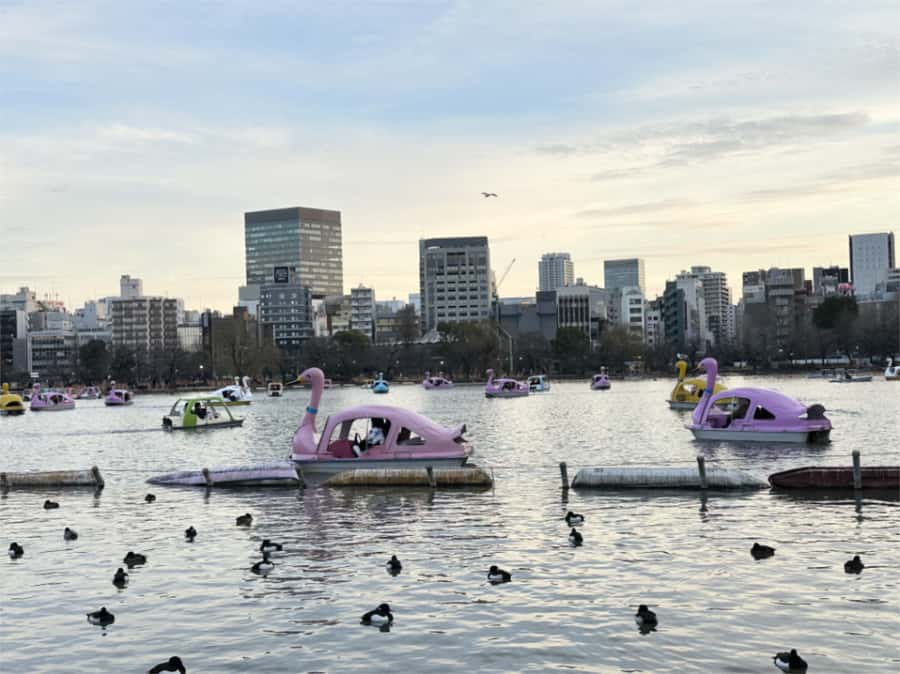
After Asakusa, the group takes the subway for about 10 minutes to Ueno Park. The planned visit lasts around 45 minutes, giving you a change of pace after the temple approach and shopping street.
Ueno Park is a large public park and a calmer setting for a walk. The tour treats it as a place to see another side of Tokyo rather than as a long museum visit. That distinction matters. The schedule does not promise extended time inside museums or other attractions, so you should think of Ueno as an outdoor stop.
The short rail hop also gives you a first lesson in moving around Tokyo. Because the group uses public transportation instead of a private vehicle, you see how the city actually functions. You are not simply dropped at each sight. You learn the rhythm of stations, train connections, and walking routes.
Ameyoko adds a rougher market edge
From Ueno Park, you walk to Ameyoko Shopping District for about 35 minutes. The street market has small shops selling produce, fish, clothes, shoes, cosmetics, and other everyday goods.
Ameyoko feels different from the more polished shopping streets later in the day. It is a useful stop if you want to see Tokyo as a place where people shop for ordinary items, not only as a collection of grand sights and designer buildings. The break also gives you another chance to buy a snack.
Thirty-five minutes passes quickly. You can browse and take in the atmosphere, but this is not enough time for a serious shopping trip. If market food or bargain shopping is high on your list, note the location and come back independently.



Meiji Shrine offers a quiet hour in Harajuku
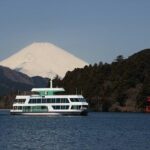
The subway ride from Ueno to the next area takes about 25 minutes. You then spend roughly one hour at Meiji Shrine, a major contrast to the markets and stations.
The walk begins through a large torii gate and continues along a gravel path through a forested setting. Meiji Shrine is dedicated to the deified spirits of Emperor Meiji and Empress Shoken. The setting encourages a slower pace, and the guide can explain shrine customs and proper etiquette before you approach the shrine buildings.
Kevin found this cultural guidance particularly useful, since learning how to behave at shrines and temples can make your visits feel more comfortable and respectful. You may also appreciate having someone explain what you are seeing rather than treating the shrine as a backdrop for photos.
The hour gives you enough time to walk through the grounds and visit the shrine, though the route remains active. Wear shoes that can handle gravel and extended walking. Meiji Shrine is peaceful, but it is not a place where you are likely to sit for a long, private stretch during a group tour.
Takeshita Street shows Harajuku at full volume
Leaving Meiji Shrine brings you into a very different Harajuku. Takeshita Street is known for unusual fashion, kawaii culture, specialty shops, colorful sweets, crepes, and cotton candy.
The planned stop lasts about 45 minutes. That is enough to walk the main stretch, take photos, browse a few shops, and try a crepe if the line and timing work in your favor. Food costs extra, and the tour does not promise a particular shop or treat.
I like the sharp contrast here. Within one part of the city, you move from quiet shrine paths to youth fashion and playful food. The stop is also a reminder that Tokyo cannot be reduced to temples or skyscrapers. Harajuku’s appeal is visual and social, though the narrow shopping street can feel crowded and intense.
If you want to shop for clothing or spend time sampling several sweets, you will need to return another day. The group schedule gives you a taste, not a full afternoon.
Omotesando shifts from playful to polished
The walk from Takeshita Street toward Omotesando takes about 30 minutes. Omotesando is a tree-lined avenue with upscale boutiques and striking modern buildings.
This section is less about traditional sightseeing and more about Tokyo’s design and fashion culture. The route highlights buildings such as Prada and Tokyu Plaza, both known for their bold architectural treatment. You can admire the storefronts and facades while walking toward Omotesando Station.
The contrast with Takeshita Street is the point. Harajuku offers youthful, eccentric style, while Omotesando presents a more polished version of Tokyo shopping. You do not need to buy anything to enjoy this stretch, which makes it a good visual stop for anyone interested in architecture.
Shibuya ends with the Scramble Crossing
A subway ride of about 15 minutes brings you to the final district, Shibuya. The route includes roughly 30 minutes at Shibuya Scramble Square and about 20 minutes at the Hachiko Statue.
The crossing is Tokyo’s famous moment of organized chaos. From the edge, you watch people move across the intersection in several directions when the signals change. It is a fast, public spectacle, and the short stop is enough to see it and take photos.
The tour then brings you to Hachiko, just outside Shibuya Station. The statue honors the Akita dog remembered for waiting at the station for his owner, even after the owner had died. Today it is also a popular meeting point, but the story gives the small statue a more personal meaning.
The final stop ends at Shibuya Station. That is convenient if you want to continue exploring, but it also means the day finishes in one of Tokyo’s busiest areas rather than returning you to Asakusa.
What the group size and guide style mean
The group is limited to 10 people, but this is still a shared tour, not a private experience. That distinction matters if you prefer complete control over timing. The schedule can adjust when something interesting appears, but the guide must still keep the group moving across six districts.
Gönül’s approach appears particularly useful for first-time visitors. She has helped with subway navigation, explained cultural etiquette, pointed out additional places for later visits, and accompanied one participant while buying a train ticket. She also adjusted parts of the route when special events or personal interests changed the plan.
Those details suggest a guide who treats the day as an introduction to Tokyo, not just a checklist. Still, you should tell the guide early if you have a strong interest in food, shopping, architecture, temples, or photography. With only 30 to 60 minutes at most stops, clear priorities help.
English, French, and Turkish guiding are available. The supplied details identify Gönül by name in several experiences, but they do not guarantee that she leads every departure. Check the language and guide details when you book.
Practical planning for an eight-hour walking day
Meet 10 minutes before departure outside Exit 4 of Asakusa Subway Station. The group cannot wait for late arrivals, and a late arrival cannot join or receive a refund. This is one booking rule worth taking seriously, especially if you are still learning Tokyo’s station system.
The one-day subway pass is included and remains valid until the last subway service, so you can continue using it after the tour. It cannot be refunded if lost. Other transportation is not included, and the pass should not be treated as coverage for every possible train or transit service.
Food, drinks, shopping, souvenirs, and a gesture of appreciation for the guide are extra. The itinerary includes natural chances to buy snacks at Nakamise-dori, Ameyoko, and Takeshita Street, but there is no included meal. Keep lunch expectations modest and use the scheduled breaks wisely.
Cancellation is free up to 24 hours before the start, and you can reserve now while paying later. The tour operates for approximately eight hours, with a possible 30-minute variation before or after the estimate.
Who should book this Tokyo highlights tour
I would choose this tour for a first full day in Tokyo, especially if you want orientation more than deep time at one attraction. It suits people who want temples, markets, modern architecture, youth culture, and Shibuya in one organized route.
It is also a good fit if subway travel makes you nervous. The included pass has practical value, but the bigger benefit is learning how to move around the city from someone who can explain the system and help when a ticket or card causes trouble.
I would be more cautious if you dislike group schedules, long walks, crowded shopping streets, or frequent changes of scene. A photographer wanting quiet time at Sensoji or Meiji Shrine may find the stops short. A serious shopper should also plan separate visits to Nakamise-dori, Ameyoko, Takeshita Street, or Omotesando.
Should you book it?
Book it if you want a fast but useful introduction to Tokyo, with a guide who can explain customs and help you get comfortable on the subway. The $96 price is reasonable for eight hours, a small group, site access, and a subway pass, provided you make good use of the guide’s practical advice.
Skip it if you already know Tokyo well or prefer to spend a whole day in one neighborhood. For a first-time visitor who wants to see old Tokyo and modern Tokyo in one sweep, this is a strong orientation day. Just arrive early, wear good shoes, bring money for food, and accept that you will be sampling each district rather than mastering it.
FAQ
How long does the tour last?
The tour lasts approximately eight hours. The actual finish may vary by about 30 minutes before or after the estimated time.
Where does the tour begin?
Meet your guide just outside Exit 4 of Asakusa Subway Station.
Where does the tour finish?
The tour finishes at Shibuya Station.
Is this a private tour?
No. It is a shared group tour with up to 10 participants.
Is transportation included?
A one-day subway pass is provided for each participant. Other transportation is not included, and the pass cannot be refunded if lost.
Can I use the subway pass after the tour?
Yes. The pass remains valid until the last subway service on the day of the tour.
Are food and drinks included?
No. Food and drinks are not included. You have break time at places such as Nakamise Shopping Street, Ameyoko, and Takeshita Street.
What languages are available?
The tour is available with live guiding in English, French, or Turkish.
What is the cancellation policy?
You can cancel up to 24 hours before the tour for a full refund. You can also reserve now and pay later.
More Walking Tours in Tokyo

More tours in Tokyo we've reviewed












Walking Tours, compared.
 ★ 5.0Tokyo Tsukiji Fish Market Food and Culture Walking TourFrom $99
 ★ 4.9Tokyo: Shinjuku Local Bar and Izakaya Guided Walking TourFrom $343 hours
 ★ 5.0Tokyo: Tsukiji Fish Market Food and Walking tourFrom $30
 ★ 4.8Tokyo: Asakusa Walking Tour with Sensoji Temple VisitFrom $222 hours
 ★ 4.9Tokyo: Tsukiji Fish Market Guided Walking TourFrom $222 hours
 ★ 4.7Tokyo Castle & Imperial PalaceーShogun Walking TourFrom $232 hours