Reviewed · SHINJUKU TOURS
Licensed Guide Shinjuku Underground Mall Tour (Tokyo)
Shinjuku’s underground world is only part of the story. This three-hour private tour connects the station’s food halls and department stores with rooftop gardens, shrines, Golden Gai, bus terminals, and some of Tokyo’s best free city views. A licensed guide keeps the route from turning into a maze.
In This Article
- Key points at a glance
- Why this tour makes sense in Shinjuku
- Tokyo from the Metropolitan Government Building observation decks
- Isetan’s rooftop shrine and underground food halls
- Shinjuku Expressway Bus Terminal and station orientation
- Golden Gai: tiny bars and a very different Shinjuku
- Hanazono Shrine and the right way to pray
- The low-ceiling event corner and Shinjuku’s past
- Southern Terrace, Takashimaya, and a penguin statue
- Marui Annex rooftop garden
- What the guide adds to the experience
- Is $32.58 good value for three hours?
- Practical details before you book
- Who should book this Shinjuku tour?
- Final call: a smart first look at Shinjuku
- FAQ
- How much does the Shinjuku Underground Mall Tour cost?
- How long does the tour last?
- What time does the tour start?
- Where does the tour begin?
- Where does the tour end?
- Is this a private tour?
- Is the tour available in all weather?
- Are admission tickets included?
- Can I cancel for a full refund?
I like the small private format, since your group can ask questions and pause when something catches your eye. I also like the mix of practical Tokyo life and local custom: you may taste station specialties, learn basic Japanese manners, and receive a clear lesson on shrine etiquette.
The main drawback is pace. Eight stops in about three hours means short visits, and the tour is not limited to the underground mall. If you want a slow shopping trip or a long meal, this will feel rushed. Also note that the Tokyo Metropolitan Government Building observation decks are closed on the first and third Tuesdays.
Key points at a glance
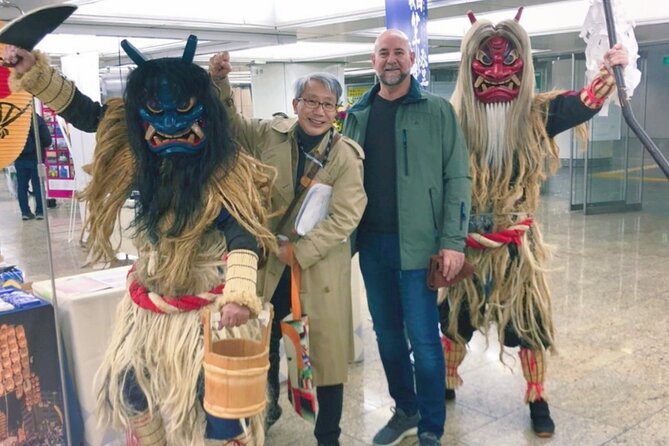
- A rooftop shrine above Isetan: Visit the roof of one of Japan’s long-established department stores, then explore its underground food and shopping levels.
- A private licensed guide: Your group tours alone, with guides such as Nao, Terri, or Shimmy leading the way.
- More than a mall tour: The route includes Golden Gai, Hanazono Shrine, Southern Terrace, and the Tokyo Metropolitan Government Building.
- A useful first look at Shinjuku: You get help with station orientation, shrine customs, food, history, and local neighborhoods.
- Mostly free sights: The observation deck and most listed stops have no admission charge, though Isetan is marked as not included.
- Good in changing weather: Much of the route uses indoor malls and station spaces, with outdoor stops mixed in.
Why this tour makes sense in Shinjuku
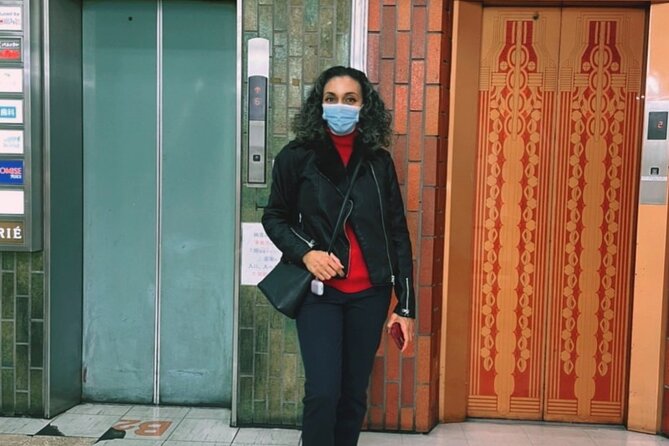
Shinjuku is easy to underestimate. On a map, the station looks like one destination. In person, it is a huge transport and shopping district with department stores, underground passages, bus connections, shrines, bars, rooftops, and several different personalities packed close together.
That is where a guide earns the $32.58 price. You are not simply paying for a list of sights. You are paying for someone to connect places that can feel unrelated and help you understand what you are seeing. The route moves from a government viewpoint to a department store roof, then through entertainment streets, religious sites, and modern shopping areas.
The tour is scheduled for about three hours and starts at 3:30 pm. That timing gives you daylight for the city views and a later look at Shinjuku as the afternoon changes into evening. The exact amount of daylight will vary by season, but the schedule is well suited to seeing both the practical daytime side of the district and its nightlife areas.
The meeting point is the Doutor coffee shop at 1-23-15 Kabukicho, near Yasukuni-dori. You return there at the end. Since the meeting point is near public transportation, it is a sensible base for reaching the tour, but Shinjuku has many exits, so allow time to find the right street and cafe.
A few more Tokyo tours and experiences worth a look
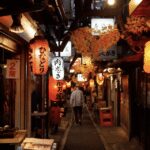
Tokyo from the Metropolitan Government Building observation decks
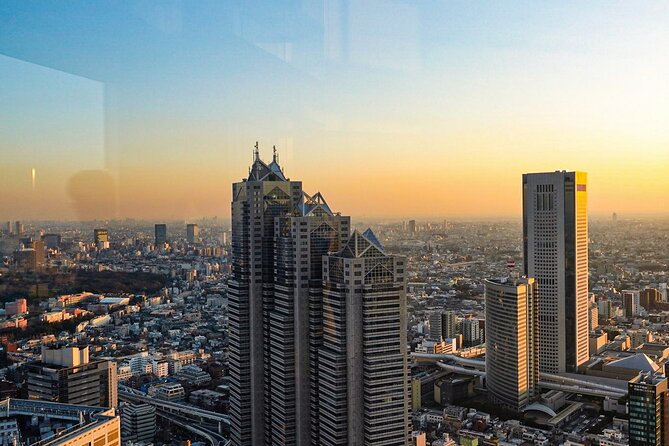
The tour opens at the Tokyo Metropolitan Government Building, where you can look across the city from its observation decks. Admission is free, and a national government-licensed guide-interpreter explains the view.
This is a strong opening because it gives you a sense of Tokyo’s scale before you start walking through Shinjuku. From above, the district’s dense blocks and major roads become easier to place. Later, when you move through the station and shopping streets, you have a better mental map.
The stop is listed at 20 minutes. That is enough for a look and an explanation, but not a long photography session. If the skyline is your main reason for booking, keep your expectations in check. This is an introduction to the view, not a dedicated observation-deck visit.
The building’s observation decks are closed on the first and third Tuesdays. Check the date before booking if this stop matters to you.
Isetan’s rooftop shrine and underground food halls
Isetan Shinjuku is one of the tour’s most unusual stops. The guide takes you to the roof of this established Japanese department store, where you find a shrine in an unexpected setting. The rooftop also offers a city view and a quieter break from the streets below.
This contrast is the point. In Tokyo, a department store can be more than a place to buy clothes. Its upper levels and roof may serve as a garden, rest area, or place of worship, while the basement becomes a serious food destination.
You then go underground to see the food and shopping areas. The tour focuses on unique Shinjuku Station delicacies and items that may be difficult to identify or find without help. A guide can explain what you are looking at and point out local specialties instead of leaving you to guess from unfamiliar labels.
The stop lasts about 30 minutes, making it the longest single visit on the route. Still, you should not expect a relaxed shopping expedition. You will have time to look, taste, and ask questions, but the group must continue.
The listing marks admission at Isetan as not included. The department store itself does not require a sightseeing ticket, but you should be prepared to pay for any food or items you choose to buy. The tour price is therefore best understood as covering the guided experience, not every purchase along the way.
Shinjuku Expressway Bus Terminal and station orientation
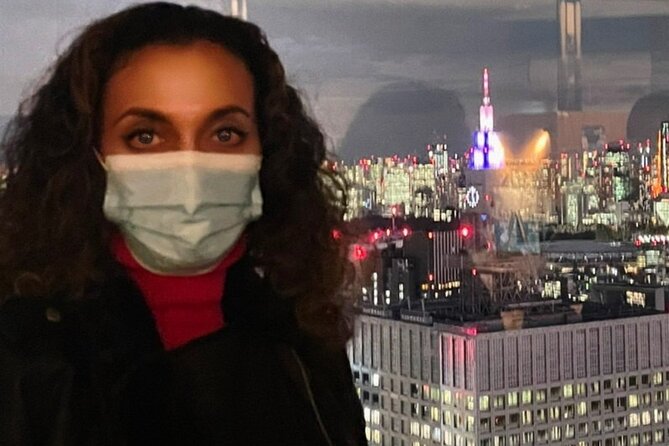
The Shinjuku Expressway Bus Terminal is a 15-minute stop. It is a large transport center with photogenic places to look around.
This part of the route helps explain why Shinjuku can feel confusing even after you have visited more than once. Trains, buses, shopping centers, and pedestrian routes overlap here. Seeing the bus terminal with a guide gives you useful context for future trips, especially if you plan to use highway buses from Tokyo.
The stop is free. It is also brief, so treat it as a quick orientation and photo pause rather than a major attraction. The real value comes from understanding how the transport district fits into the rest of the tour.
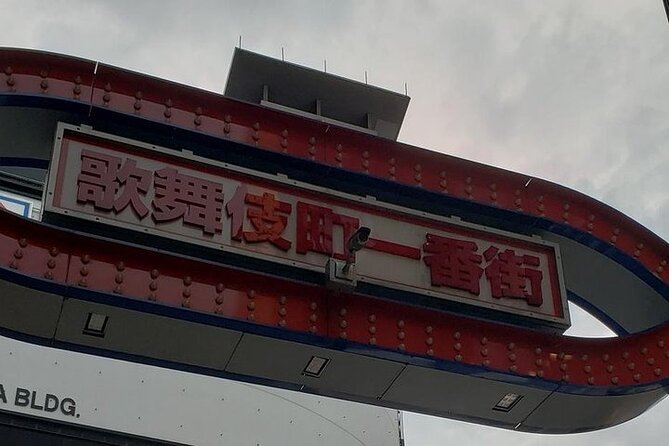
Golden Gai: tiny bars and a very different Shinjuku
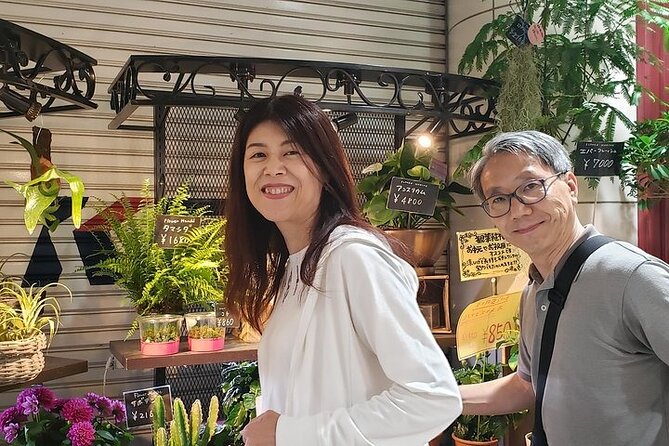
Golden Gai is a compact bar district made up of narrow lanes and small venues. It represents a very different side of Japan from the polished department stores and huge station complexes earlier in the afternoon.
The tour allows about 15 minutes here. That is enough to see the character of the area and learn why it is associated with Shinjuku, but it is not enough for a full bar evening. You should also remember that the stop is a look at the neighborhood, not a promise of entry to every bar.
I like having Golden Gai included because it keeps the tour from becoming a shopping-only outing. You get a quick sense of the district’s older, more intimate scale. The contrast with the wide roads, tall buildings, and station crowds makes the route more interesting.
Other guided tours in Tokyo


Hanazono Shrine and the right way to pray
Hanazono Shrine is the tour’s clearest connection to Shinto practice. The guide explains how to approach the shrine and make an offering, so you are not left wondering what to do at the gate or worship hall.
This is one of the most useful parts for a first visit to Japan. Shrine manners are simple once someone shows you, but the small steps can feel uncertain when you are alone. A guide can also explain the meaning behind the ritual without turning the visit into a dry lecture.
The stop is listed at 15 minutes. That is enough for instruction, a prayer, and a quick look around. One guide, Nao, has also helped a visitor read a fortune paper received at Hanazono Shrine. That detail reflects the kind of personal help you can ask for during a private tour.
The shrine visit also brings some calm after the station and shopping areas. It is a short pause, but an important one.
The low-ceiling event corner and Shinjuku’s past
The event corner in Shinjuku Station’s West Square is a five-minute stop. Its low ceiling is notable because the space used to be a parking lot.
This is a small detail, yet it fits the tour’s larger purpose. Shinjuku keeps changing, and its public spaces often have older uses hidden beneath their current design. You will not spend long here, but the guide’s explanation gives you another clue to how the district has been rebuilt and repurposed.
The stop will matter most to you if you enjoy urban details. If you prefer major landmarks only, five minutes here may seem unnecessary. I see it as a quick piece of local context rather than a headline attraction.
Southern Terrace, Takashimaya, and a penguin statue
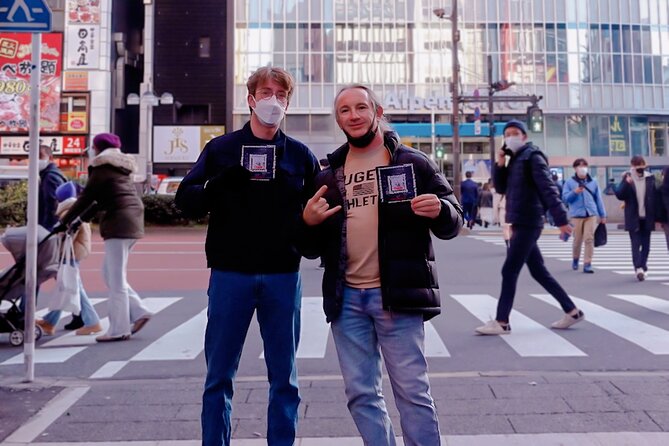
Shinjuku Southern Terrace offers a more open walking area and views toward long-established department stores, including Takashimaya. There is also a penguin statue and a Starbucks, which gives the stop an amusing modern marker.
The 20-minute visit provides a change of pace after the tight station spaces and narrow Golden Gai lanes. You can look around, take photographs, and get a sense of how Shinjuku blends shopping, public space, and everyday city life.
Do not expect a major garden or a long scenic walk. This is a short stop with a few recognizable points. Its strength is variety. The route keeps showing you different ways people use Shinjuku, from commuting and shopping to eating, praying, and meeting friends.
Marui Annex rooftop garden
The final listed stop is the rooftop garden at Shinjuku Marui Annex. The garden is known as a place to relax and enjoy the surroundings.
After several busy station and street stops, a rooftop garden is a sensible finish. It gives you a quieter place to pause before returning to the starting point. The visit lasts about 15 minutes, so it is more of a breather than a full garden outing.
The tour then ends back at the Doutor coffee shop where you began. That makes the finish simple, though you should not assume the guide will escort you to a different hotel or station.
What the guide adds to the experience
The guide is the main reason to choose this tour over exploring Shinjuku on your own. The route includes places you could reach independently, but the value lies in knowing where to look and how to connect the pieces.
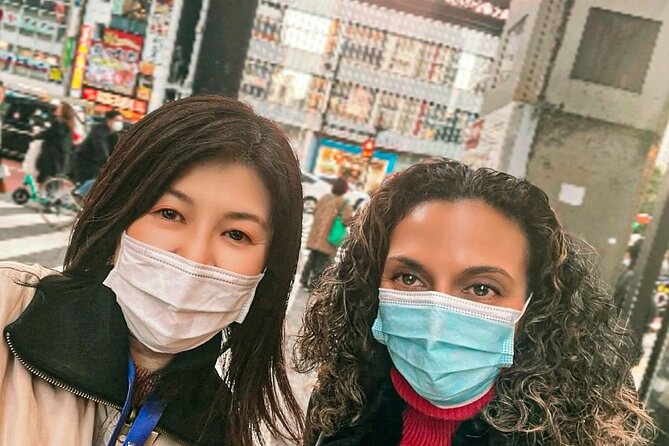
The guides have included Nao, Terri, and Shimmy. Nao is described as enthusiastic and willing to adapt the route, including taking an interested group to see the Godzilla head. Shimmy has been praised for showing lesser-known parts of Tokyo and for being professional and thorough. Terri has taught basic Japanese phrases, manners, customs, and history.
Because this is a private activity, you can ask for clarification without worrying about holding up a large group. You can also express interest in a particular subject, such as food, shrine customs, history, or photography. The route remains fixed enough to cover the main stops, but the personal format gives the guide room to respond to your questions.
The guide may also take photographs for you. That is a practical benefit for couples or solo visitors who want a picture together without handing a camera to a stranger.
Is $32.58 good value for three hours?
At $32.58 per person, this is fairly priced if you want an introduction to Shinjuku rather than a private shopping assistant or food tour with a long tasting menu.
Many stops are free, including the government building observation deck and the outdoor public areas. You are mainly paying for the guide’s time, local interpretation, route planning, and help with customs and station geography. For a first afternoon in Shinjuku, that can save you considerable wandering.
The value is strongest for first-time visitors, families, couples, and anyone uneasy about navigating a huge station district. It is also useful if you want cultural explanation, not just photographs.
The value is weaker if you already know Shinjuku well, speak Japanese comfortably, or want to spend three hours in one underground food hall. The tour covers a lot of ground, so its purpose is orientation and variety.
Practical details before you book
This is a mobile-ticket experience, and confirmation arrives when you book. It operates near public transportation, and most people can participate.
Wear comfortable shoes. The tour moves through station areas, department stores, streets, shrine grounds, and rooftops, so expect a fair amount of walking and changing surroundings even though the duration is only about three hours.
The route works in all seasons and in most weather because several stops are indoors. Outdoor views and shrine visits can still be affected by heat, rain, or cold. One account specifically notes that the tour remained enjoyable in hot weather, but you should dress for the season and carry water when needed.
You can cancel for a full refund up to 24 hours before the 3:30 pm start time. Changes or cancellations made less than 24 hours ahead are not accepted under the stated terms.
Who should book this Shinjuku tour?
I would choose this experience if you are new to Tokyo and want a quick, guided introduction to one of its most confusing districts. It is especially helpful during your first days, when a guide can teach you shrine manners, basic phrases, food customs, and the layout of the station area.
It also suits visitors who like a mixture of famous places and ordinary city details. The government building and Hanazono Shrine give the route clear landmarks, while the bus terminal, rooftop spaces, food halls, and former parking area show how Shinjuku works day to day.
I would skip it if your priority is a long meal, serious shopping, or nightlife. Golden Gai receives only a short visit, and the food portion is part of a wider route rather than the whole focus.
Final call: a smart first look at Shinjuku
Book this tour if you want to understand Shinjuku quickly and prefer a private guide who can explain what you are seeing. The strongest features are the rooftop shrine at Isetan, the food halls, the free city view, and the hands-on lesson at Hanazono Shrine.
Do not book it expecting a slow underground mall crawl. You will move briskly between eight stops, with some visits lasting only five to 15 minutes. For a first orientation at $32.58, that range is the appeal. You see a lot, learn how to navigate the area, and finish with a better idea of where you want to return on your own.
FAQ
How much does the Shinjuku Underground Mall Tour cost?
The listed price is $32.58 per person.
How long does the tour last?
The experience lasts approximately three hours.
What time does the tour start?
The tour starts at 3:30 pm local time.
Where does the tour begin?
You meet at the Doutor coffee shop at 1-23-15 Kabukicho, Shinjuku City, Tokyo 160-0021, Japan.
Where does the tour end?
The activity ends back at the meeting point.
Is this a private tour?
Yes. Only your group participates in the private activity.
Is the tour available in all weather?
The tour is offered as an all-weather activity throughout the year, with indoor and outdoor stops included.
Are admission tickets included?
Admission to the Tokyo Metropolitan Government Building observation decks is free. Isetan is listed as admission not included, and you should pay separately for any purchases or food you choose to buy.
Can I cancel for a full refund?
Yes. You can cancel at least 24 hours before the experience start time for a full refund. Cancellations or changes made less than 24 hours before the start are not accepted.
More Shopping Tours in Tokyo



More Guided Tours in Tokyo
More Shinjuku Tours in Tokyo

More tours in Tokyo we've reviewed



Shinjuku Tours, compared.
 ★ 5.0Tokyo: Shinjuku Food Tour (13 Dishes at 4 Local Eateries)From $86
 ★ 5.0Tokyo Bar Hopping Tour in Shinjuku (All-You-Can-Drink + Dinner)From $106
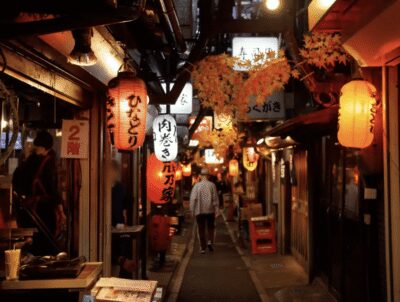 ★ 4.9Tokyo: Shinjuku Local Bar and Izakaya Guided Walking TourFrom $343 hours
 ★ 4.9Tokyo: Shinjuku Food Tour (13 Dishes and 4 Eateries)From $97
 ★ 5.0Tokyo Night Foodie Tour in Shinjuku – Seasonal Sushi, Wagyu BeefFrom $111
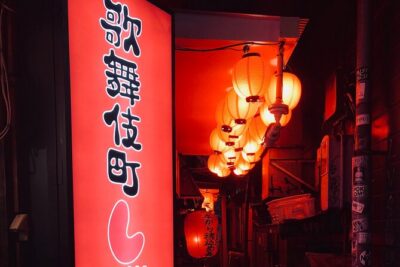 ★ 5.0Tokyo: Shinjuku Local Bar & Izakaya Crawl TourFrom $39