Reviewed · TEA CEREMONY & MATCHA
Kamkura: Private Zazen, Matcha at Bamboo Temple & Mindful Cuisine
Kamakura’s best moments are often quiet ones: a bowl of matcha among tall bamboo, the sound of a temple bell, or a short period of sitting still while a Buddhist priest explains Zen. This day brings those moments together, with zazen at Hokaiji Temple as its central experience.
In This Article
- Key points
- Why Kamakura fits a Zen day
- Hokoku-ji and matcha among the bamboo
- Hokaiji Temple and the sitting practice of zazen
- Shojin ryori, a meal built around restraint
- A local walk through Kamakura after lunch
- What $170 covers, and what it does not
- The timing from an 8:30 start
- Who will enjoy this experience most
- Practical advice before you go
- FAQ
- Where does the experience begin?
- How long does the tour last?
- Is matcha included?
- Is the lunch vegetarian or vegan?
- Is transportation from Tokyo included?
- What should I wear for zazen?
- Should you book this Kamakura Zen day?
I like the mix of culture and calm, especially the bamboo temple and the plant-based shojin ryori lunch. I also like the small group size, capped at 10, and the fact that a guide helps explain the priest’s teaching in English. The main drawback is that the meditation may feel brief if zazen is your chief reason for booking, and winter temple rooms can be cold.
Key points
- Matcha in a bamboo grove: Spend about 50 minutes at Hokoku-ji Temple, with a bowl of matcha served among the bamboo.
- Priest-led zazen: Practice seated Zen meditation at Hokaiji Temple while your guide interprets the explanation into English.
- Shojin ryori lunch: Enjoy a Buddhist vegan meal based on seasonal vegetables, tofu, and other plant-based foods.
- A quieter side of Kamakura: The guide takes you beyond the main sights and points out favorite local places during a 1-hour-20-minute walk.
- A full day from Tokyo: The tour begins at 8:30 a.m. and runs about 8 hours 45 minutes, with an expected return to Shinjuku at 5:15 p.m.
- Small-group format: The maximum is 10 people, though the experience is not private transportation from Tokyo.
Why Kamakura fits a Zen day
Kamakura was a major center of samurai power during the Kamakura period, and Zen temples became closely tied to the ruling clans. You do not need a background in Japanese Buddhism to appreciate that connection. The setting explains why this town feels different from central Tokyo: temple grounds, wooded hills, old lanes, and quiet courtyards are all close together.
This tour uses that setting well. Instead of rushing from one famous monument to another, you spend time with three ideas that work together: stillness through zazen, attention through tea, and simplicity through food.
The pace is not a full silent retreat. You will walk, ride local transportation, talk with your guide, and see parts of Kamakura. Think of it as a guided Zen-themed day rather than a formal monastery stay.
A few more Tokyo tours and experiences worth a look

Hokoku-ji and matcha among the bamboo
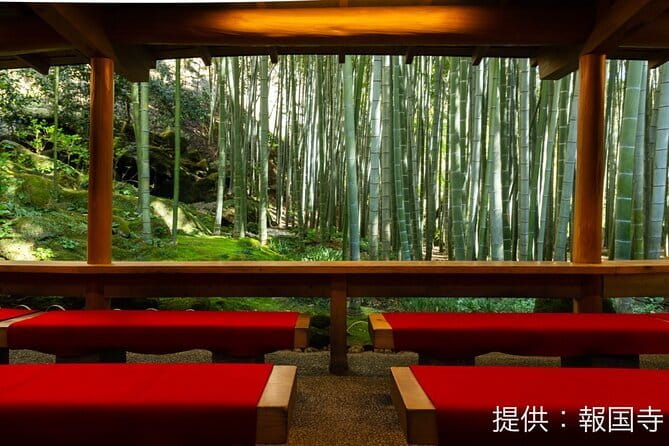
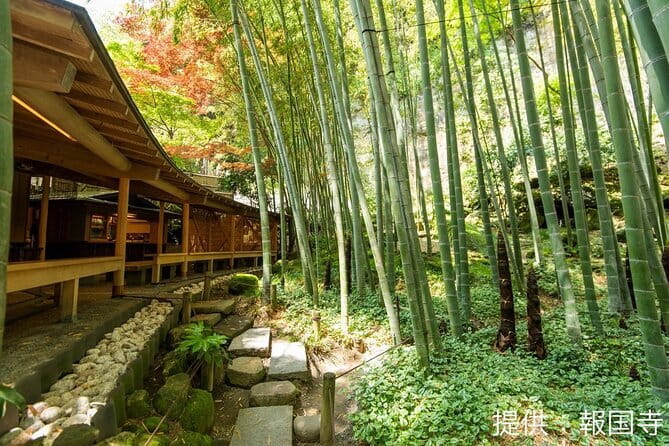
Your first major stop is Hokoku-ji, a historic Zen temple known for its bamboo grove. You have about 50 minutes here, including admission and the matcha service.
The bamboo is the visual star, but the value of this stop comes from the way the garden changes your pace. Tall stalks screen the outside world, and the narrow paths encourage you to look carefully rather than hurry toward the next sight. On a rainy day, the green bamboo can appear even more striking, and the sound of rain adds to the quiet mood.
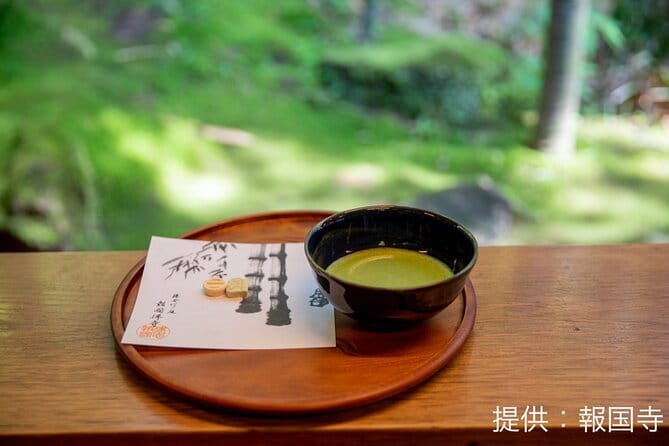
The matcha is served at the temple, along with the atmosphere that makes the drink memorable. This is not simply a café stop with a bamboo-themed backdrop. You sit in a place designed for attention, where the tea gives you a reason to pause and observe.
The service is provided on a non-reservation basis. If the temple becomes too crowded, it may be suspended. That matters because the tea is a key part of the morning, but it is not guaranteed under every condition.
You should also know that Hokoku-ji is popular. An early visit helps, and the tour’s morning start gives you a better chance at a peaceful visit than arriving later in the day. Still, do not expect complete solitude. The bamboo grove is a well-known Kamakura sight.
Hokaiji Temple and the sitting practice of zazen
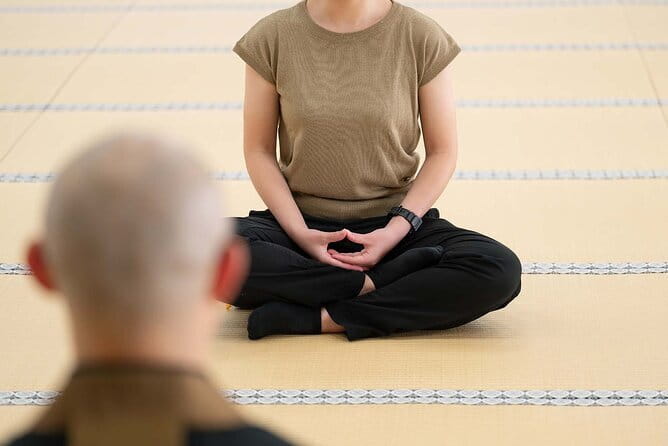
The next stop is Hokaiji Temple, where you practice zazen with a Buddhist priest. Zazen is seated meditation centered on posture, breathing, and awareness. The priest explains the practice, and your guide interprets the teaching into English.
For a first attempt, this arrangement is useful. You are not left to guess what to do, and you get cultural context rather than a generic meditation session. The English interpretation also helps you understand why posture and breath matter in Zen practice.
The scheduled stop lasts about one hour. In practice, the actual sitting portion may feel shorter because the time includes instruction and explanation. That is worth keeping in mind if you already meditate and want a long, silent session. If you are new to zazen, the shorter format may be more approachable and less intimidating.
The temple setting adds something that a hotel wellness class cannot. You are practicing in a religious place with a living connection to Zen, not simply borrowing the word for a relaxation exercise. At the same time, this is an introduction, not an intensive religious training session.
Wear loose-fitting clothing. Short skirts are not recommended, and comfortable clothes make it easier to sit properly. Temple interiors can be chilly, particularly in winter, so bring an extra layer. This is one of those small details that can make the difference between focusing on your breathing and thinking about cold knees.
Shojin ryori, a meal built around restraint
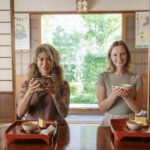
Lunch is shojin ryori, the Buddhist cuisine traditionally associated with temple practice. The meal is vegan-friendly and built around seasonal vegetables, tofu, and other plant-based ingredients.
The point is not heavy seasoning or large portions. Shojin ryori values balance, careful preparation, and respect for ingredients. You may find several small dishes rather than one central entrée, with different textures and simple flavors working together. One description of the meal noted that it was served in attractive lacquerware, which fits the careful presentation associated with this style of cooking.
This is a strong part of the tour for anyone curious about Japanese food beyond sushi, ramen, and tempura. It also gives vegetarians and vegans a clear advantage: the meal is designed around Buddhist vegan cooking rather than adapted at the last moment.
The restaurant has changed beginning in April 2025. If you have read older descriptions of the experience, do not assume the same dining room or exact presentation. The central idea remains shojin ryori, but the venue and details may differ.
Allow about 1 hour 30 minutes for lunch. That generous block gives you time to eat without turning the meal into a rushed stop. It also helps the day feel like a retreat rather than a checklist.
A local walk through Kamakura after lunch
After lunch, you spend about 1 hour 20 minutes exploring Kamakura with your guide. This is where the day widens beyond temple grounds.
The guide shares local history and favorite less-obvious places, helping you understand how the town fits together. You will not simply be pointed toward a famous gate and sent on your way. The walk gives you a chance to ask questions and notice details that are easy to miss when visiting independently.
This part is especially valuable if you have already seen Kamakura’s major sights. One participant who had visited the city several times still found unfamiliar places on the route. That tells you something about the tour’s purpose: it is not only an introduction for first-time visitors, but also a way to see a more personal side of a familiar destination.
The walking portion also keeps the day grounded. After the quiet concentration of zazen and the formal atmosphere of lunch, you return to ordinary streets, local movement, and conversation. Zen here is not presented as an escape from daily life. It is placed within the rhythm of a real Japanese town.
A few more Tokyo tours and experiences worth a look


What $170 covers, and what it does not
The price is $170 per person. That is not a bargain-priced Kamakura outing, but it includes more than a basic temple visit.
Your fee covers:
- Lunch
- Matcha at Hokoku-ji
- Admission to the temples
- Activity fees
- Transportation after meeting at Kamakura Station
- A guide for the day
- English interpretation during the priest’s explanation
Private transportation from Tokyo is not included. You make your own way to the starting point, and the train fare from Kamakura back to Shinjuku is also excluded. The guide can accompany you back toward Shinjuku Station, with the scheduled arrival at about 5:15 p.m., but you pay that return fare yourself.
For me, the value depends on what you would otherwise arrange independently. You could visit Hokoku-ji and walk around Kamakura for much less, especially if you skip organized lunch and meditation. What you cannot easily reproduce is the combination of priest-led zazen, English interpretation, a planned shojin ryori meal, and a guide who connects the stops.
The tour makes the most sense if you want structure and cultural explanation. If you are comfortable navigating Japanese trains, arranging temple visits, and finding a suitable vegan lunch on your own, the price may feel high. If you want a smooth day centered on Zen rather than a collection of separate bookings, it is easier to justify.
The timing from an 8:30 start
The day begins at 8:30 a.m. and lasts about 8 hours 45 minutes. The expected train arrival at Shinjuku is 5:15 p.m.
That makes this a full-day commitment. You should not schedule a tight evening reservation, airport transfer, or show immediately afterward. Traffic and other delays can push the finish later, so leave extra time.
The route uses public transportation from Kamakura Station rather than private vehicles. That keeps the experience connected to the town, but it also means you should be ready for ordinary station transfers and walking. The exact starting instructions should be checked carefully after booking, since the supplied information identifies the meeting point in relation to Kamakura Station rather than giving a full street address.
The listed confirmation window is within 48 hours of booking, subject to availability. The experience also requires a minimum number of participants, so a cancellation for that reason may lead to another date or a full refund. Otherwise, the booking is non-refundable and cannot be changed, so choose your date with care.
Who will enjoy this experience most
I would recommend this day to you if:
- You want a calm cultural experience instead of a fast sightseeing circuit.
- You are curious about Zen but have never tried zazen.
- You value a guide who can explain religious customs in English.
- You enjoy plant-based Japanese food and seasonal presentation.
- You want to see Kamakura beyond the most famous sights.
- You are visiting Tokyo and want a meaningful day trip without planning every detail.
It is also a good choice for solo visitors. The small group gives you company without the scale of a large coach tour, and the structured activities make a solo day feel easy to manage. The experience can also work well for a pair or family group interested in Japanese culture, provided everyone is comfortable sitting quietly and following temple etiquette.
I would hesitate if you want a strenuous meditation retreat, a fully private car, or a guaranteed tea service regardless of crowd levels. I would also think twice if your schedule cannot absorb a late return.
Practical advice before you go

Wear loose clothes that allow you to sit comfortably. Avoid short skirts, and pack a light layer for the temple meditation, especially from late autumn through winter.
Bring enough patience for a popular temple. Hokoku-ji can draw crowds, and the matcha service may pause if the venue becomes too busy. The bamboo grove is still worthwhile, but the quiet mood may come and go.
Plan for a proper lunch, not a quick snack. Shojin ryori is part of the cultural purpose of the day, and the meal lasts about 90 minutes. If you have dietary needs, vegetarian and vegan arrangements can be accommodated, but it is sensible to state them when booking.
Keep your afternoon flexible. The expected finish is clear, but delays are possible. Your return train fare to Shinjuku is separate, so budget for it.
FAQ
Where does the experience begin?
The tour starts at 8:30 a.m. in Kamakura. Transportation and activities are covered from Kamakura Station, but you should confirm the precise meeting instructions after booking.
How long does the tour last?
The experience lasts approximately 8 hours 45 minutes. The planned train arrival at Shinjuku Station is 5:15 p.m., though delays can occur.
Is matcha included?
Yes. A bowl of matcha at Hokoku-ji Temple is included. The service is offered without a reservation and may be suspended if the temple becomes too crowded.
Is the lunch vegetarian or vegan?
The lunch is shojin ryori, Buddhist cuisine based on plant-based ingredients such as seasonal vegetables and tofu. Vegetarian and vegan participants can be accommodated.
Is transportation from Tokyo included?
No. Private transportation is not included. Transportation fees from Kamakura Station are included, while your train fare from Kamakura to Shinjuku is not included.
What should I wear for zazen?
Loose-fitting clothing is best for seated meditation. Short skirts are not recommended, and an extra layer may be useful because temple interiors can feel cold.
Should you book this Kamakura Zen day?
Book it if you want Kamakura to feel slower, more thoughtful, and more personal than a standard temple-hopping day. The combination of bamboo, matcha, priest-led zazen, shojin ryori, and a local walk gives you a well-shaped introduction to Zen culture.
The strongest reasons to go are the authentic temple setting, the English interpretation, and the meal. The main cautions are the price, the separate return fare, the possible suspension of matcha service, and the fact that the meditation may be modest in length.
For a first experience with zazen, I think the format is inviting. For a serious meditation practitioner, it may be only a taste. Either way, you get a full Kamakura day that leaves room for quiet attention, which is a rare and useful change of pace from Tokyo.
More Private Tours in Tokyo



More Temples & Meditation in Tokyo
More Tea Ceremony & Matcha in Tokyo

More tours in Tokyo we've reviewed












Tea Ceremony & Matcha, compared.
 ★ 5.0Matcha Making Class in Tokyo with Authentic Japanese Sweets SetFrom $21
 ★ 5.0Kimono Tea Ceremony at Tokyo, Asakusa MaikoyaFrom $55
 ★ 5.0Tokyo: Traditional Tea Ceremony with a Tea MasterFrom $381 hour
 ★ 4.5Dynamic Tokyo: Tokyo Tower, Tea Experience, Bay Cruise Day TourFrom $99
 ★ 4.9Tokyo: Matcha Making Experience with Mochi Sweets in AsakusaFrom $221 hour
 ★ 4.7Tokyo: Matcha and Kimono ExperienceFrom $57