Reviewed · TEA CEREMONY & MATCHA
Dynamic Tokyo: Tokyo Tower, Tea Experience, Bay Cruise Day Tour
Tokyo reveals itself from several angles on this nine-hour city tour: quiet palace gardens, the bright gate at Senso-ji, a hands-on matcha lesson, a boat ride, and a high view from Tokyo Tower. For a first day in Japan, that is a lot of Tokyo in one well-packed outing.
In This Article
- Key points at a glance
- Why this tour works for a first day in Tokyo
- Meeting at Tokyo Station
- Imperial Palace gardens and the remains of Edo Castle
- Senso-ji, Kaminarimon, and Nakamise
- Making matcha at Kaminari Issa
- Buffet lunch at the Sheraton Grande Tokyo Bay Hotel
- Crossing the Rainbow Bridge and reaching the water
- The cruise beneath 12 Tokyo bridges
- Tokyo Tower at 150 meters
- The guides make the schedule work
- Who should book this day tour?
- Is $99.10 good value?
- Should you book Dynamic Tokyo?
- FAQ
- How long does the tour last?
- Where does the tour start and finish?
- Is lunch included?
- Can vegetarian meals be requested?
- Is the tea stop a formal tea ceremony?
- Which Tokyo Tower ticket is included?
- Is the cruise included?
- How many people can join the tour?
- Can young children join?
- What happens if the weather is poor?
I like the tea and garden stop, which gives you something more personal than a quick photo at a famous landmark. I also like the mix of transportation: coach, walking, boat, and elevator. You are not simply checking off temples from a bus window.
The tradeoff is the pace. You will be moving most of the day, and traffic can delay the schedule. The river cruise is relaxing but less memorable for some people than the temple, tea session, or tower.
Key points at a glance
- A full Tokyo sampler: See the Imperial Palace area, Senso-ji, Nakamise, Tokyo Tower, and the waterfront in one day.
- A hands-on matcha stop: This is a casual tea-making activity at Kaminari Issa, not a formal tea ceremony.
- A substantial lunch: The included Western-style buffet offers international dishes, coffee, and tea at the Sheraton Grande Tokyo Bay Hotel.
- A different view of the city: The boat portion passes under 12 bridges and gives you a break from walking.
- An excellent first-day choice: Guides such as Mina, Aki, Hiro, and Yokosan have earned praise for clear explanations, humor, and personal attention.
- A busy but useful schedule: The tour suits you best if you want orientation and convenience more than long, unhurried visits.
Why this tour works for a first day in Tokyo
Tokyo can feel like several cities stitched together. The Imperial Palace area offers formal gardens and stone walls, Asakusa gives you old temple streets, Odaiba and the bay show off modern development, and Tokyo Tower puts the whole metropolis below you.
This outing links those pieces without asking you to master Tokyo’s train system on day one. An air-conditioned and heated coach handles the longer transfers, while your guide fills the gaps with explanations about Japanese history, daily life, temples, shoguns, and the emperor.
The value comes from that combination. At $99.10 per person, you receive transportation by coach, lunch, the cruise fare, and admission to Tokyo Tower’s 150-meter Main Observatory. You also get a guide for the full day, which matters when you want context rather than a string of unconnected stops.
You should not expect private touring. The maximum group size is 40, and odd-numbered parties may share bus seats with other people. Some outings have been much smaller, which makes the day easier, but group size can vary.
A few more Tokyo tours and experiences worth a look

Meeting at Tokyo Station
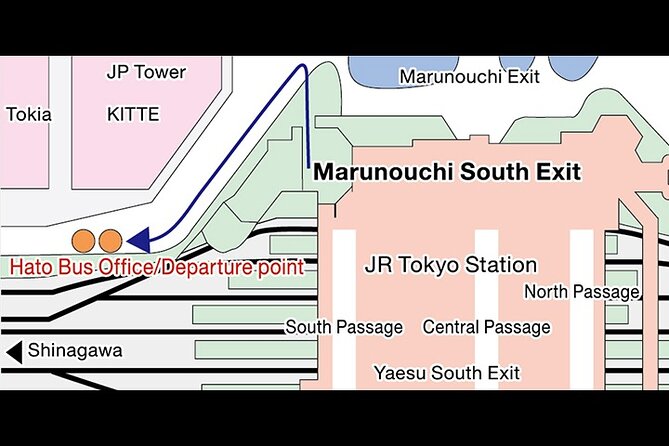
The tour begins and ends near Tokyo Station’s Marunouchi South Entrance. This is a sensible central location, but allow extra time to find the exact meeting point.
The instructions have caused confusion for some people, especially references to a bus station annex. You may need to take an escalator down to collect or confirm your bus ticket. The area around Tokyo Station is large, so do not arrive at the last minute.
The tour finishes near the same general area, although the exact ending time depends on traffic. This gives you a useful chance to continue sightseeing or take a train elsewhere, but you should avoid booking a tight evening reservation.
The day usually starts in the morning and lasts about nine hours. Wear shoes that are easy to walk in. You will handle temple grounds, garden paths, shopping streets, stairs, and the movement involved in boarding the boat and bus.
Imperial Palace gardens and the remains of Edo Castle
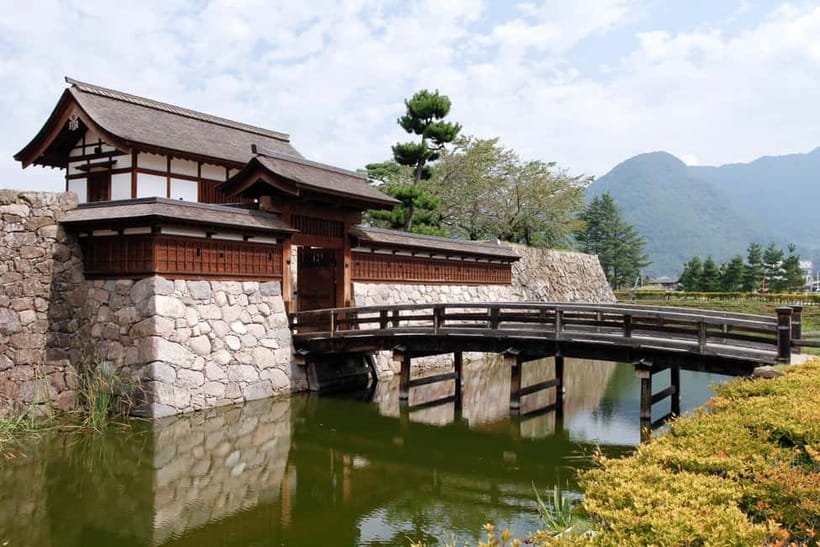
The first stop focuses on the Imperial Palace exterior and garden area. You see Nijubashi Bridge, often called the face of the palace, along with moats, stonework, and the foundations of Edo Castle.
Do not expect to enter the private palace buildings. The appeal here is the contrast between Tokyo’s high-rise center and the carefully maintained grounds around the imperial residence.
The East Garden offers a calmer start to a busy day. You may have time to see the tea pavilion, old stone foundations, and moat. The stop is listed at about 30 minutes, so this is a brief introduction rather than a full garden visit.
That short timing is also the main weakness. If palace gardens are high on your list, you will want to return independently for a longer look. Some people find the stop perfectly adequate for orientation, while others would prefer a simple drive past and more time elsewhere.
Your guide can make this visit more useful by explaining how Edo Castle relates to modern Tokyo and how the imperial and shogunal eras fit together. The tour is at its best when the guide talks during the coach rides, since the short stops alone cannot tell the full story.
Senso-ji, Kaminarimon, and Nakamise
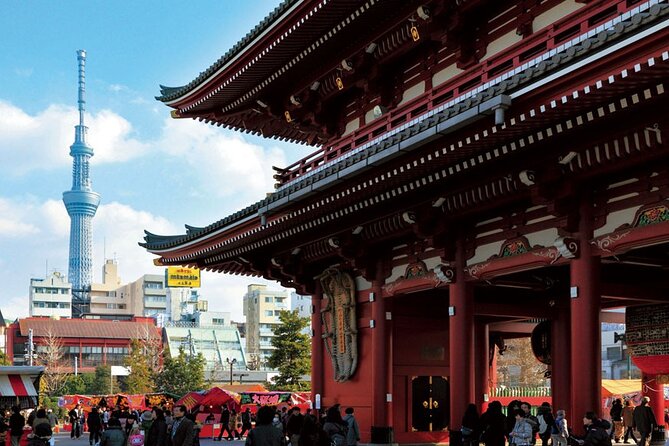
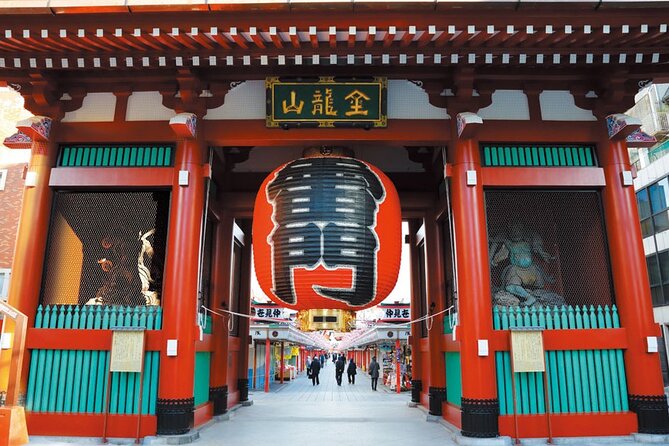
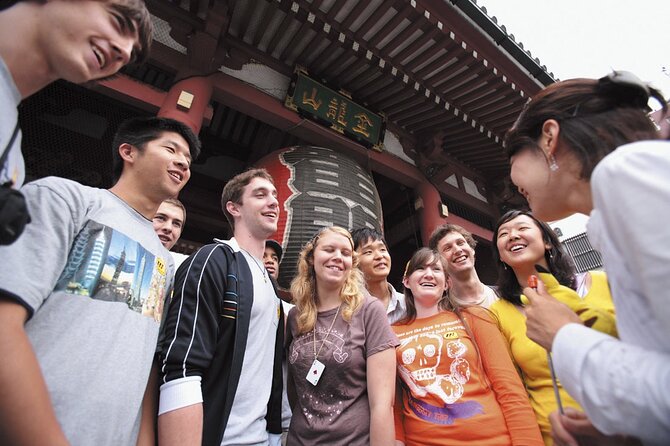
Asakusa provides the most traditional-feeling section of the day. You enter the area around Senso-ji through Kaminarimon, the famous red gate associated with the god of thunder. The temple is Tokyo’s oldest, with a history reaching back nearly 1,300 years.
From the gate, Nakamise leads toward the temple. The street is lined with shops selling snacks, souvenirs, crafts, and other small goods. It is colorful and easy to explore, though much of the merchandise is aimed at sightseers rather than serious shoppers.
The scheduled visit lasts about an hour. That gives you time to walk Nakamise, see the five-story pagoda, visit the temple grounds, and take photographs. It does not give you hours to browse every side street.
I like this stop because it gives you a clear sense of how worship and commerce meet in an old temple district. You can observe the scale of the temple, the incense, the gates, and the steady flow of people without needing to plan the route yourself.
Keep an eye on the clock. The guide may gather the group at a set point, and the area can be crowded. If shopping matters to you, decide in advance if you want snacks, small gifts, or a quick temple visit. You probably will not have time for all three at leisure.
Making matcha at Kaminari Issa
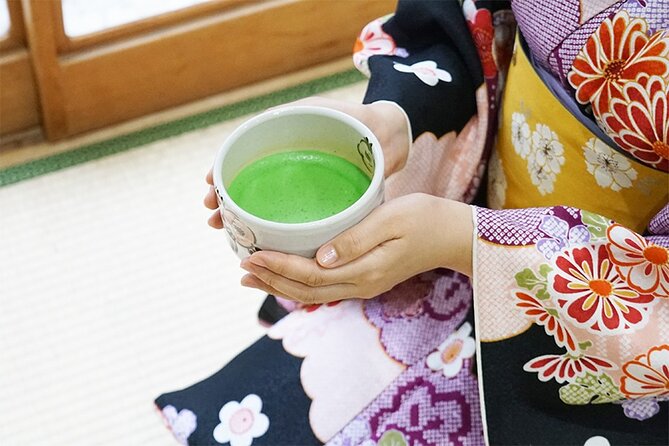
The tea portion is one of the strongest parts of the day, but it is important to understand what you are booking. This is not a formal Japanese tea ceremony with an extended sequence of traditional gestures and etiquette.
At Kaminari Issa, a matcha experience store in Asakusa, you watch a video explaining how to prepare matcha green tea. Then you make your own tea in a casual setting.
That hands-on element is valuable. Instead of only watching an expert, you get a small taste of the care behind whisking and serving matcha. The activity also gives the group a quieter pause after the temple streets.
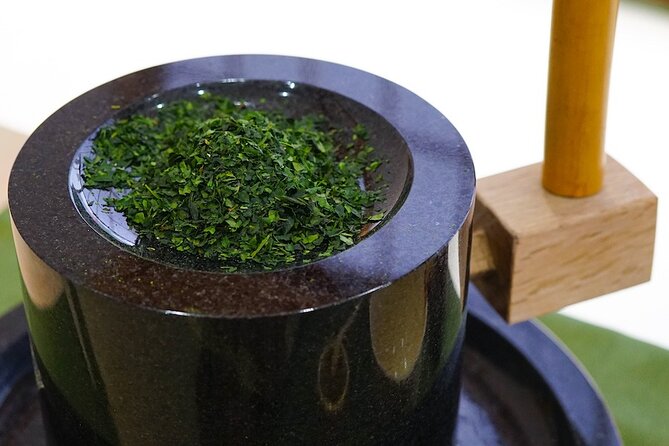
The setting includes a serene garden, bonsai trees, and preserved Edo-era architecture. A particularly memorable detail is the chance to see a bonsai tree said to be about 525 years old. You may want to spend your free minutes looking around the garden rather than staying only inside for the tea preparation.
The stop lasts about an hour. Some groups have wished for more time to explore the garden separately before beginning the tea activity. If you are interested in Japanese gardens, ask your guide where you can use your free time most effectively.
This is the part I would especially recommend to someone who has never visited Japan. It is modest and accessible, but it connects a familiar drink with ideas of precision, practice, and hospitality.
A few more Tokyo tours and experiences worth a look

Buffet lunch at the Sheraton Grande Tokyo Bay Hotel
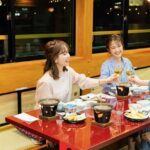
Lunch is included and takes about 1 hour and 10 minutes. The published details place it at the Sheraton Grande Tokyo Bay Hotel in the Odaiba and Tokyo Bay area, with an international buffet, coffee, and tea.
The meal is more substantial than a quick boxed lunch. You can choose from dishes from around the world, and some departures have featured Japanese barbecue-style food, including pork and beef cutlets, vegetables, and dessert. The exact selection can vary.
A buffet is practical for a mixed group because you can choose your own portion and pace. It also avoids the uncertainty of ordering from a menu in a language you may not read easily.
There is one important limitation: vegetarian meal requests cannot be accommodated because the meal is buffet-style. If you have strict dietary needs, check before booking rather than assuming the buffet will solve the problem.
Lunch is also a useful rest stop. Tokyo sightseeing involves more walking and standing than the schedule may suggest, so use the meal to sit down, drink water, and recharge before the waterfront section.
Crossing the Rainbow Bridge and reaching the water
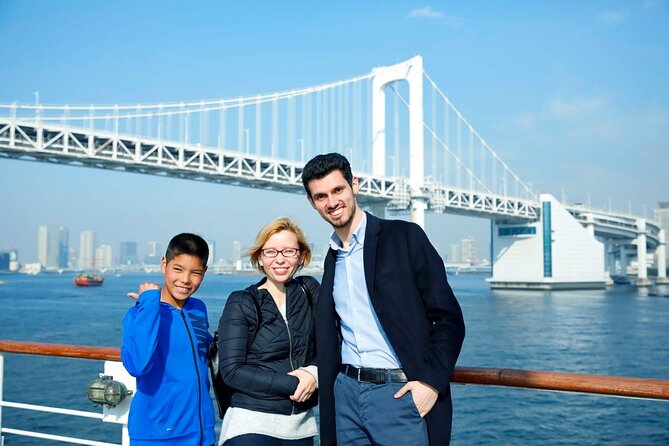
The coach crosses the Rainbow Bridge, linking the central Tokyo side with the bay area. This transfer helps you see how Tokyo has expanded toward reclaimed waterfront districts and large modern developments.
The coach ride also gives your guide time to point out districts and major buildings. Depending on the route and traffic, you may pass areas such as Ginza and the National Diet building.
This part is less about getting off and exploring than about seeing Tokyo in motion. It breaks up the day and connects the older parts of the city with the modern bay.
Traffic is a real factor. Tokyo roads can slow the itinerary, and the order of stops may change. On some days, your arrival times can shift considerably, including the final return to Tokyo Station.
The cruise beneath 12 Tokyo bridges
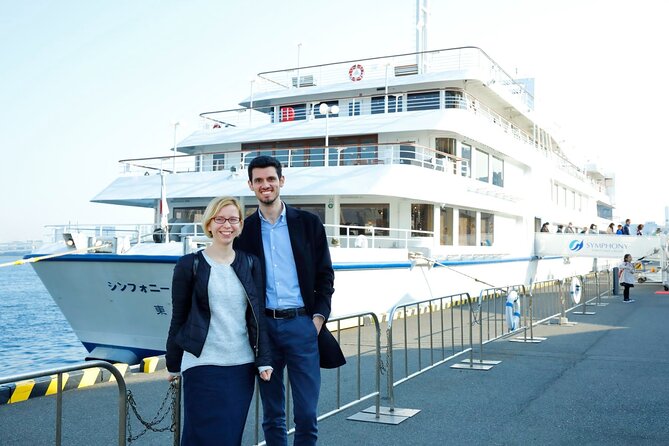
The water segment is described as a Sumida River cruise toward Asakusa, with the listed boat service identified as Symphony Cruise. The scheduled cruise time is 3:00 to 3:50 p.m., though the full stop is listed as about an hour.
You pass beneath 12 bridges and see Tokyo’s architecture from the water. A cup of coffee or tea is included, which makes this a comfortable place to sit after the coach rides and walking.
The cruise is best viewed as a change of pace rather than the central attraction. You get a broad view of the riverbanks, bridges, and waterfront, but the commentary may be limited compared with the explanations you receive from your guide on the bus.
Some people find the boat ride fairly ordinary. I would still keep it in the package because it gives your feet a rest and offers a view you cannot get from the road. If the weather is poor, the boat may remain close to shore, and hot days can make the air conditioning feel inadequate.
If you want the strongest sightseeing time in Asakusa, pay attention to how the boat schedule affects your temple visit. A small group may occasionally catch an earlier cruise and gain extra time near the shrine area, but that is not something to count on.
Tokyo Tower at 150 meters
Tokyo Tower is the final major stop and a fitting finish. The Main Observatory sits 150 meters above the city, or about 492 feet, though the tour description also refers to the observation height as 145 meters in its overview.
From the deck, you get a 360-degree view across the Tokyo metropolitan area. The view is especially useful after a day spent seeing individual districts because you can place the palace, temple neighborhoods, bay, and surrounding buildings in one broad frame.
There is also a transparent-floor lookout window. If you dislike heights, you can skip it. If you enjoy them, it adds a quick jolt to an otherwise calm viewing stop.
The included ticket covers only the Main Observatory. The Special Observatory at 250 meters costs extra and is not part of the package. The 45-minute stop is enough for the included deck, photos, and a quick look around, but not a long tower visit.
Tokyo Tower is not the city’s highest structure, yet it remains one of its most recognizable symbols. Ending here gives the day a clear visual finish, and you can compare the older temple district with the modern city spread below.
The guides make the schedule work
The strongest human element is the guide. Names attached to especially warm and effective departures include Mina, Aki, Hiro, Yokosan, Izumi, Makoto, Miyata-san, Fuji, and Kik Koo.
You should not assume you will receive one particular guide, but the consistent pattern is useful: the guide can make a packed schedule feel orderly rather than frantic. Good guides explain Tokyo between stops, offer practical help, take photos for the group, and add small cultural details such as Japanese counting or everyday customs.
Guide quality matters more on this tour than on a simple transfer because several stops are short. At the palace, a brief explanation gives the stones and bridge meaning. At the tea session, the guide can explain what you are doing without turning a casual activity into something it is not.
English ability can vary by guide, but multiple departures have been praised for clear English, humor, and careful organization. The guide may also explain how to continue from Tokyo Station after the tour, which helps if you are still getting used to Tokyo’s rail system.
Who should book this day tour?
This tour suits you if you have limited time in Tokyo, want a guided introduction, or prefer to avoid planning several complex transfers on your first full day. Families can also benefit from the variety, since the schedule changes often enough to hold attention.
It is a good match if you want:
- Major landmarks without arranging separate tickets
- A cultural activity you can take part in
- A filling lunch included in the price
- A boat ride and observation deck in the same day
- Historical explanations from an English-speaking guide
- A central Tokyo start and finish
You may prefer independent sightseeing if you want to linger at Senso-ji, spend half a day in the Imperial Palace gardens, or choose your own restaurants. The schedule is efficient, not leisurely.
You should also think about mobility. A moderate level of fitness is recommended, and you will walk on uneven or busy surfaces, climb steps, and move between bus, garden, temple, boat, and tower. Children aged five and under may join free without a bus seat. If you need a seat for a young child, book the child rate. Children aged four and five also incur a ¥2,700 meal charge at the restaurant.
The tour uses an environmentally friendly hybrid bus in general, though another vehicle may be substituted for maintenance or other unavoidable reasons. The engine and climate control may be turned off while the bus waits, so be ready for a warm or cool pause depending on the season.
Is $99.10 good value?
I consider the price fair for what is included. Tokyo Tower admission, the cruise, buffet lunch, coach transport, and a full day of guiding would cost more to arrange separately, especially if you value the time saved.
The better question is how you value convenience. You pay for a fixed route and a busy timetable, but you avoid researching opening hours, buying multiple tickets, and finding your way between distant districts.
The tea session and lunch also add value because they are not merely transport links. They give you a cultural activity and a proper break. The cruise is the least essential part, but it rounds out the range of views.
The 90 percent recommendation rate and 4.5 rating from 521 recorded ratings point to a strong overall result, with guide quality repeatedly shaping the day. The main complaints concern meeting-point directions, occasional restaurant coordination, traffic, limited shopping time, and the cruise feeling ordinary.
Should you book Dynamic Tokyo?
Book it if you want to see a lot of Tokyo in one day and you are willing to trade freedom for structure. The palace grounds, Senso-ji, matcha preparation, buffet lunch, river cruise, and Tokyo Tower create a useful first look at the city.
I would especially choose it early in an eight-day stay, then return on later days to the places that deserve more time. I would not choose it for a slow temple day, a serious tea ceremony, or a relaxed garden visit.
Set realistic expectations, arrive early at Tokyo Station, wear comfortable shoes, and leave your evening open in case traffic runs late. With those conditions in mind, this is a practical, good-value introduction to Tokyo, with the matcha garden and the guide’s storytelling likely to be more memorable than the simple checklist suggests.
FAQ
How long does the tour last?
The tour lasts approximately nine hours, beginning in the morning and ending near Tokyo Station’s Marunouchi South Entrance.
Where does the tour start and finish?
It starts at Tokyo Station, 1 Chome-9 Marunouchi, Chiyoda City, Tokyo 100-0005. It ends near the Marunouchi South Entrance of Tokyo Station.
Is lunch included?
Yes. A Western-style international buffet lunch is included, along with coffee or tea.
Can vegetarian meals be requested?
No. The buffet format means vegetarian meal requests cannot be accommodated.
Is the tea stop a formal tea ceremony?
No. The Asakusa stop is a casual matcha-making experience at Kaminari Issa. You watch a preparation video and then make your own tea.
Which Tokyo Tower ticket is included?
Admission to the Main Observatory at 150 meters is included. The Special Observatory at 250 meters requires an additional fee paid separately.
Is the cruise included?
Yes. The Tokyo Bay or Sumida River cruise fare is included, along with one serving of coffee or tea.
How many people can join the tour?
The tour has a maximum capacity of 40 participants.
Can young children join?
Children aged 0 to 5 can participate free, but children in that age range do not receive a bus seat unless you book the child rate. Children aged 4 and 5 also have a ¥2,700 meal charge payable at the restaurant.
What happens if the weather is poor?
The cruise may remain near the shore in poor weather. The itinerary order can also change because of weather, traffic, road conditions, entry limits, or other operational reasons.
More Boat Tours & Cruises in Tokyo
More Bay & River Cruises in Tokyo
More Tea Ceremony & Matcha in Tokyo

More tours in Tokyo we've reviewed












Tea Ceremony & Matcha, compared.
 ★ 5.0Matcha Making Class in Tokyo with Authentic Japanese Sweets SetFrom $21
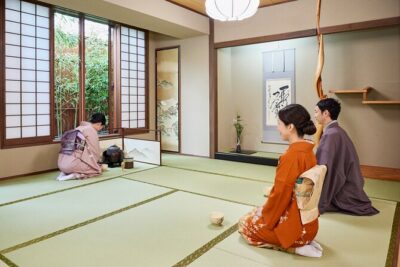 ★ 5.0Kimono Tea Ceremony at Tokyo, Asakusa MaikoyaFrom $55
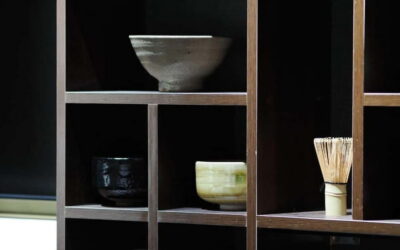 ★ 5.0Tokyo: Traditional Tea Ceremony with a Tea MasterFrom $381 hour
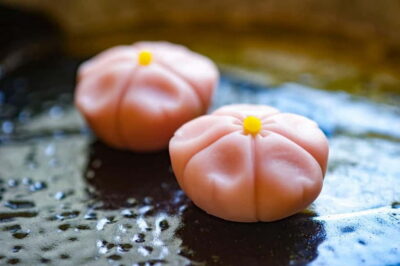 ★ 4.9Tokyo: Matcha Making Experience with Mochi Sweets in AsakusaFrom $221 hour
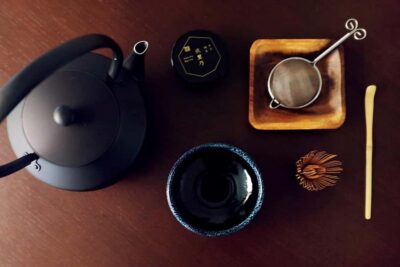 ★ 4.7Tokyo: Matcha and Kimono ExperienceFrom $57
 ★ 4.9Tokyo: Asakusa Kimono Dressing and Matcha ExperienceFrom $562 hours