Reviewed · ASAKUSA TOURS
Tokyo: Asakusa Kimono Dressing and Matcha Experience
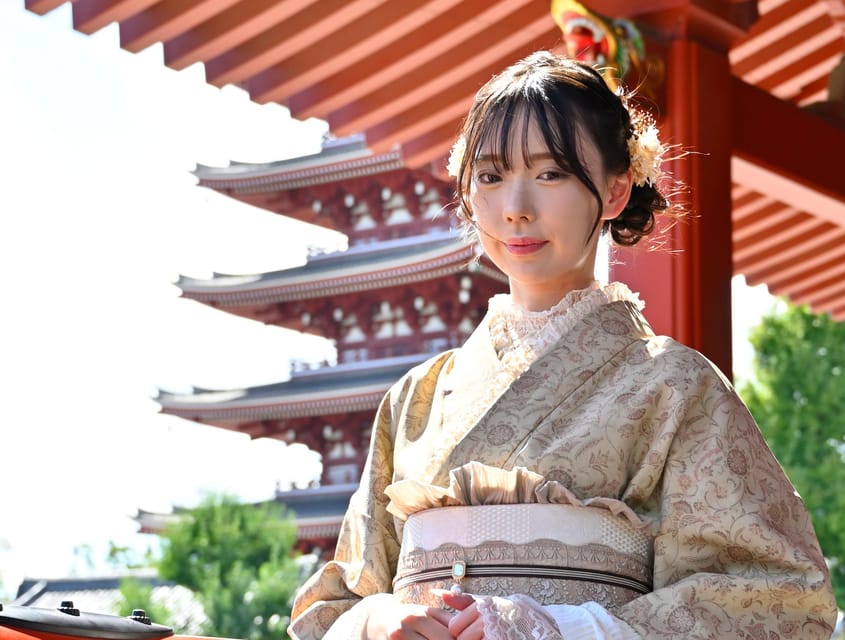
A kimono walk through Asakusa turns a familiar Tokyo sightseeing stop into something more personal. At Kimono Rental Shop YUI, you choose your outfit, have your hair arranged, taste matcha with sweets, and then step into the old district near Sensoji Temple and Kaminarimon Gate. I like the wide choice of styles and the fact that children and wheelchair users can join. I also like having the rest of the day to explore in costume rather than being rushed back after a short photo stop.
In This Article
- Key points at a glance
- Starting near Kaminarimon Gate
- Choosing a kimono or summer yukata
- The dressing process takes patience
- Matcha with a lesson, not a full ceremony
- Walking Sensoji in traditional dress
- The optional 60-minute photo session
- What the $56 price really covers
- Who will enjoy this most
- Practical details before you book
- Should you book the Asakusa kimono experience?
- FAQ
- Where is the kimono rental shop?
- How long does the activity take?
- What time must I return the kimono?
- Is hairstyling included?
- Are children allowed to join?
- Is the activity wheelchair accessible?
- Is a tea ceremony included?
- Is professional photography included?
- Are premium kimono styles included in the price?
- Can I cancel the booking?
The staff, including Yoshi and Tsuyoshi Inaji, are praised for patient help, clear English, and a friendly manner. The main thing to consider is time: dressing and hairstyling can take 45 to 70 minutes, and the layered clothing can feel warm, especially in summer. This is a dress-up and cultural introduction, not a full formal tea ceremony.
Key points at a glance
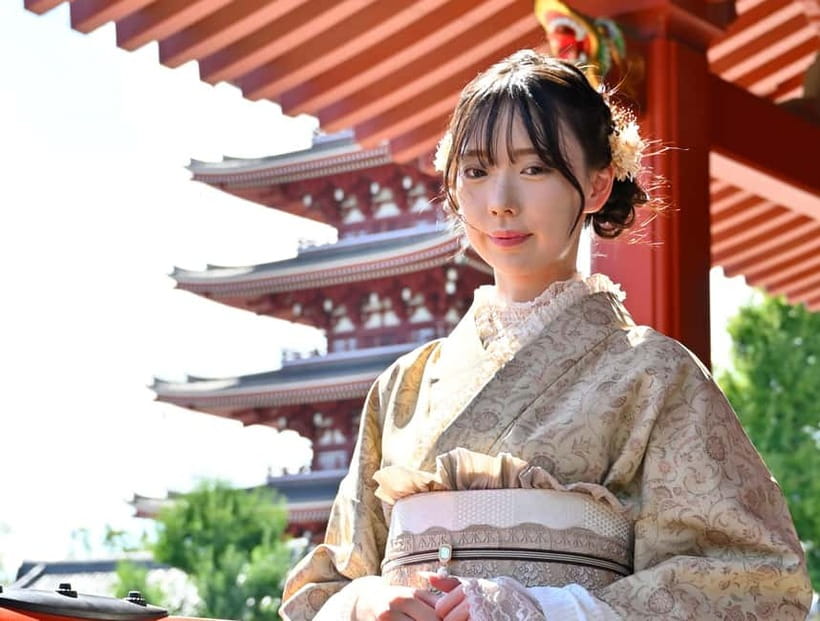
- Four minutes from Asakusa Station: The shop is also only two minutes from Kaminarimon Gate, making it easy to pair with Sensoji.
- Choose more than a costume: Light street kimonos, summer yukata, traditionally made silk pieces, men’s outfits, children’s sizes, and samurai-style clothing may be available, with some premium choices costing extra.
- Hair and finishing touches included: Hairstyling, hair ornaments, geta sandals, and a traditional handbag are part of the standard package. Makeup is not included.
- Matcha is a short lesson: You taste green tea and sweets while learning the traditional way to drink it, but this is not a complete tea ceremony.
- Asakusa becomes your backdrop: You can walk around until 5:30 pm, visiting the temple area and nearby streets at your own pace.
- Photos are optional: A professional photographer can spend 60 minutes around Sensoji and the Sumida River, with edited digital images sent within a week.
Starting near Kaminarimon Gate
The meeting point is convenient. Kimono Rental Shop YUI is about a four-minute walk from Asakusa Station and two minutes from Kaminarimon Gate. Once you reach the building, take the elevator to the second floor.
That location matters because Asakusa is easiest to enjoy on foot. You can arrange this activity before visiting Sensoji, after seeing the temple, or as the centerpiece of an afternoon in the district. You are not being driven from one attraction to another, so there is no wasted transfer time.
The shop operates from 9:30 am to 5:30 pm. Check the available starting times when booking, and leave enough room for dressing, the matcha lesson, photographs, and your own walk. You must return the kimono by 5:30 pm unless you pay for next-day return service.
A few more Tokyo tours and experiences worth a look


Choosing a kimono or summer yukata
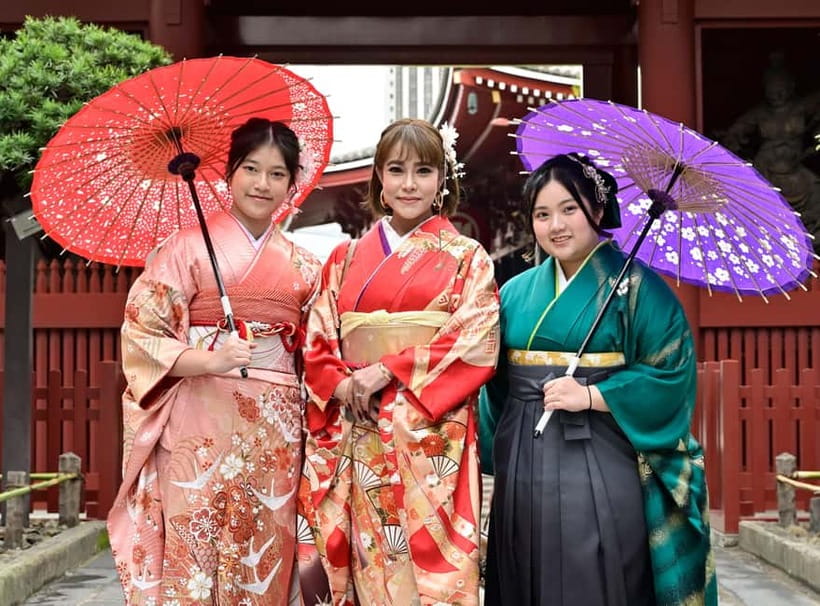
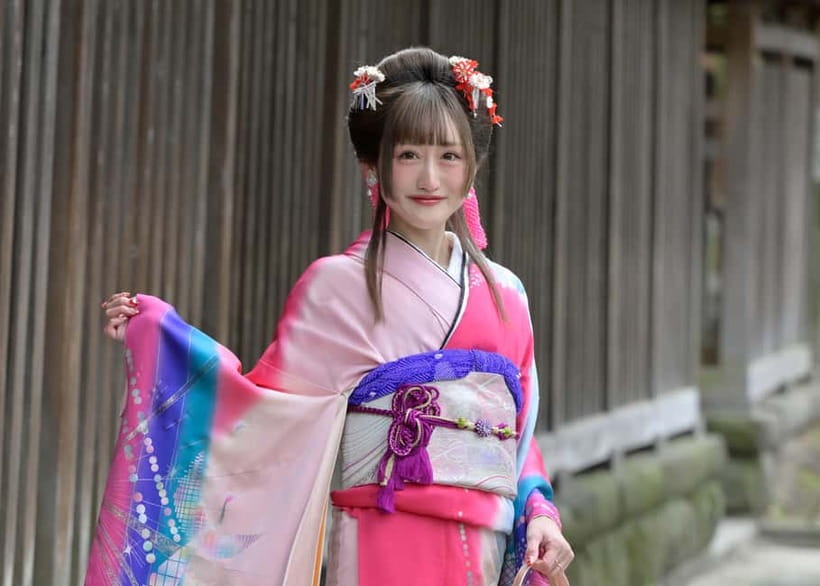
The selection is one of the strongest parts of the experience. You can choose from a broad range of colors and patterns, with options for adults and children. The shop provides both kimono and summer yukata, so you can pick something suited to the season and the look you want.
The difference is useful to understand. A yukata is a lighter summer garment, while a kimono generally involves more layers and a more formal appearance. The shop also offers light kimono intended for street walks, as well as traditionally made silk kimono for more official occasions. Lace kimono, silk kimono, haori hakama, and furisode are available for an additional charge.
You do not need to know the names of the garments or arrive with a plan. Staff help match the outfit with accessories, and the choice can be part of the fun. If you want a formal look, ask about the extra-cost options before getting dressed. The standard price covers the basic rental, but not every item in the shop.
The range appears to work well for different body types. A plus-size participant specifically praised the available choices, and families have used the service with young children. Still, the exact selection depends on what is available on the day, so do not assume every style or size will be in stock.
The dressing process takes patience
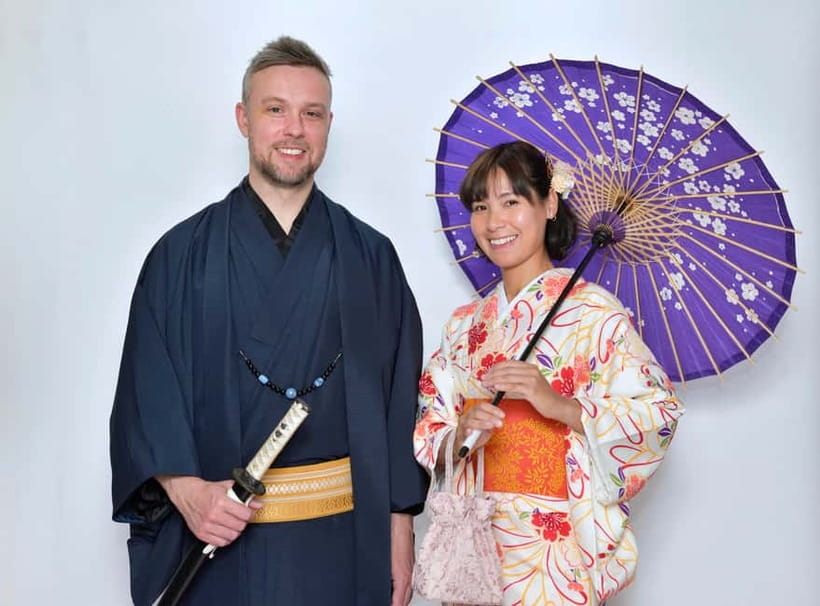
Allow 45 to 70 minutes for dressing and hairstyling. This is not a quick costume change. Staff arrange the layers carefully, secure the garment, add the obi, and finish the outfit with sandals and a handbag.
That care is important for comfort and appearance. A properly arranged kimono lets you walk more easily and keeps the outfit looking neat in photographs. Staff also help with hair accessories and suitable finishing touches. Hairstyling is included, but makeup is not, so arrive ready if you want a complete face of makeup in your pictures.
The experience has received especially strong praise for the staff’s patience. That matters if you are traveling with children, are unfamiliar with Japanese clothing, or need help communicating your preferred hairstyle. Black customers with curly and afro-textured hair described the staff as considerate and willing to make a genuine effort. You may want to show a hairstyle reference image if you have a very specific idea, but the included arrangement is intended to complement the kimono rather than provide a salon service.
The fit is snug by design. Kimono dressing uses layers and ties, and you may feel restricted around the waist. In hot weather, the clothing can become warm, particularly under the summer sun. Wear comfortable underclothes and plan a slower walking pace.
Pregnant women should not book this activity. The fitting process and tight layers are not considered suitable.
Matcha with a lesson, not a full ceremony
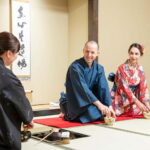
After dressing, you spend about 15 minutes on the matcha experience. The shop owner practices tea ceremony and explains how to drink matcha according to Japanese tradition. You also receive Japanese sweets with the tea.
This short lesson adds meaning to the outfit. Instead of simply posing in traditional clothing, you get a small introduction to the manners behind one part of Japanese culture. You learn that drinking matcha involves more than taking a sip, and the staff explain the process in a welcoming way.
Be clear about what is included. This is not a full tea ceremony, and the activity does not include a complete formal tea ceremony. It is a compact matcha lesson with tea and sweets, well suited to a busy sightseeing day.
The tea portion is also a practical break after the dressing process. It gives you time to settle into the outfit before walking outside. English is available, and Yoshi has been singled out for explaining the tradition in an accessible way. Tsuyoshi Inaji has also been praised for conversation and assistance, which can make the experience easier if you have questions about the clothing or tea.
Walking Sensoji in traditional dress
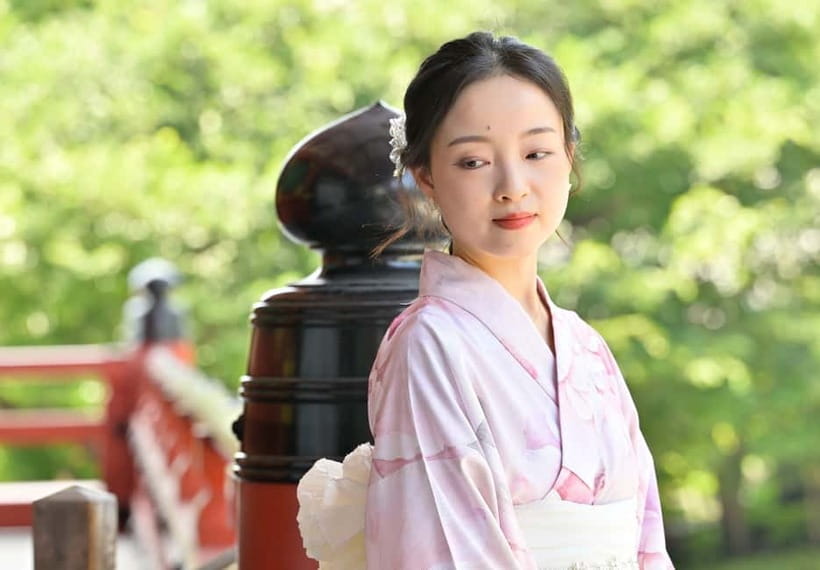
Once you are dressed and have had your tea, you are free to explore Asakusa until 5:30 pm. The nearby Sensoji Temple area offers an obvious first route, with Kaminarimon Gate close to the shop and scenic back streets leading toward the temple.
Walking rather than simply posing in a studio is what gives this activity its appeal. You can take your time, stop for your own phone pictures, and see how the clothing feels as you move through one of Tokyo’s oldest districts. Staff have sometimes helped take quick photographs on visitors’ phones, although you should not treat that as a substitute for the paid photo session.
A kimono changes the pace of sightseeing. Geta, the wooden Japanese sandals, are included, but they may take some getting used to. Watch your step on uneven streets and avoid planning a long-distance walking route. The outfit is best for a focused visit around Asakusa rather than an ambitious day crossing several Tokyo neighborhoods.
Rain does not necessarily ruin the plan. One participant received help with an umbrella on a wet day, but you should still consider the weather when choosing your start time. A rainy walk can be harder in wooden sandals, and the clothing needs to be returned in good condition.
A few more Tokyo tours and experiences worth a look



The optional 60-minute photo session
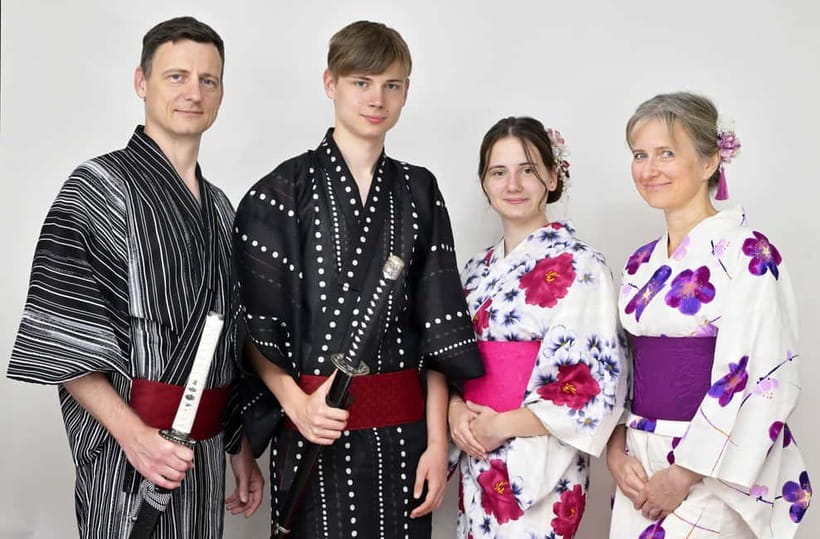
The private photography add-on is the clearest upgrade if you want polished keepsakes. A professional photographer accompanies you for 60 minutes around Sensoji Temple and the Sumida River, pointing out photogenic locations and helping with poses.
That last point is useful if you feel awkward in front of a camera. One participant who had never planned to take formal photographs found the photographer helpful with posing and confidence. You can still take casual phone pictures without paying for the add-on, but the professional session gives you dedicated attention and a more consistent set of images.
The edited photo data is sent for download within a week. Plan accordingly: you will not necessarily receive the finished images before leaving Tokyo. The supplied information does not state the add-on price, so check the current total before confirming.
The photo session is a good choice for couples, families, solo visitors, and anyone marking a special trip. It is less important if your main aim is simply to try a kimono and stroll through Asakusa.
What the $56 price really covers
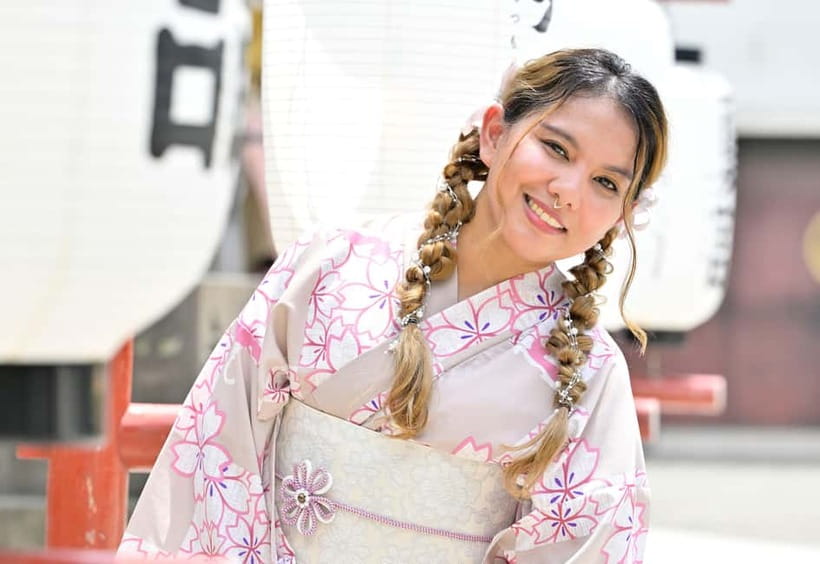
At $56 per person, the standard package includes the kimono or yukata rental, dressing, hairstyling, hair accessories, geta sandals, a handbag, matcha, and sweets. You also keep the outfit for your Asakusa walk until the return deadline.
That is solid value if you planned to rent a kimono anyway. Many dress-up activities offer a short wear period, while this one lets you use the clothing for the rest of the day. The included hairstyling also saves you from arranging a separate appointment.
The price is less attractive if you only want a quick photograph. Dressing can take more than an hour, and the activity is designed as a cultural outing rather than a fast photo booth. Premium garments, makeup, large luggage storage, next-day return, and the professional photo session cost extra.
I would compare the total with your priorities. Pay the base price for the clothing, hair, matcha, and freedom to walk. Add the photography only if professionally edited images matter to you. Ask about premium kimono charges if you want silk, lace, furisode, or haori hakama.
Who will enjoy this most
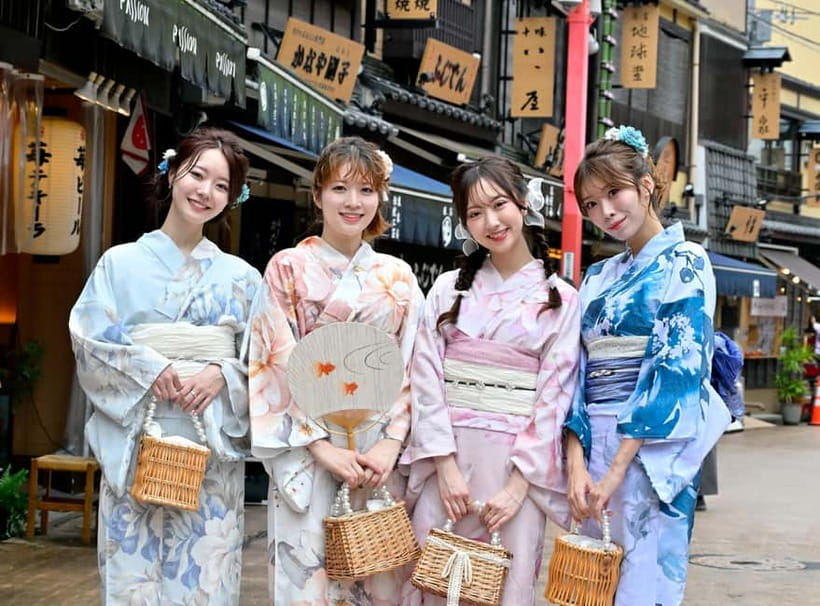
I recommend this for first-time visitors who want more than temple photographs. It is also a good fit for families, couples, solo visitors, and friends who enjoy choosing clothes and creating a shared memory.
Children can participate, and the staff have shown patience with very young children, including a three-year-old. Wheelchair users can join because the activity is listed as wheelchair accessible. You should still consider the comfort of geta and the condition of the streets during the walking portion.
This is not the best match if you dislike tight clothing, hot weather, hairstyling, or being photographed. It also requires a fairly open schedule because dressing takes time. Pregnant women should choose another activity.
The small-group or private format can make the fitting and tea lesson feel more personal. English-speaking host or greeter support is available, though the experience is not presented as a guided walking tour. You explore independently after leaving the shop.
Practical details before you book
Reserve ahead if you need a particular time, especially if you want the photo add-on or are visiting as a larger family group. Free cancellation is available up to 24 hours before the activity for a full refund, and you can reserve now and pay later.
Do not bring large luggage unless you are willing to pay for storage. Makeup is not included, so prepare your own before arriving. Return the outfit no later than 5:30 pm, or arrange the extra-cost next-day return service.
Plan your day around the clothing. Visit the nearby temple, shopping streets, and river area rather than booking a distant attraction immediately afterward. Comfortable preparation, a little patience, and a short walking route will make the experience much more enjoyable.
Should you book the Asakusa kimono experience?
Book it if you want to spend real sightseeing time in traditional clothing, not just put on a costume for ten minutes. The combination of a large outfit selection, included hairstyling, matcha instruction, and several hours to explore Asakusa gives the $56 package useful substance.
I would add the photo session for a birthday, anniversary, family trip, or solo journey where you want professional images. Skip that extra if your phone camera is enough and you mainly want the cultural introduction.
The biggest strengths are the kind staff, careful dressing, flexible exploration time, and convenient location near Kaminarimon. The main cautions are the long fitting period, warmth, limited walking comfort, extra charges for premium clothing and add-ons, and the fact that the tea portion is a short lesson rather than a formal ceremony.
For many visitors, this is one of the more memorable ways to experience Asakusa. It lets you see the district at street level, learn a little about matcha, and enjoy the unusual pleasure of dressing for the place you are visiting.
FAQ
Where is the kimono rental shop?
Kimono Rental Shop YUI is about a four-minute walk from Asakusa Station and two minutes from Kaminarimon Gate. Take the elevator to the second floor of the building.
How long does the activity take?
The listed activity duration is two hours. Dressing and hairstyling usually take 45 to 70 minutes, and the matcha experience takes about 15 minutes. You can then explore Asakusa until 5:30 pm before returning the kimono.
What time must I return the kimono?
The kimono must be returned no later than 5:30 pm. Next-day return service is available for an additional cost.
Is hairstyling included?
Yes. Hairstyling, hair accessories, footwear, and a traditional handbag are included. Makeup is not included.
Are children allowed to join?
Yes. Kimono and yukata rentals are available for adults and children.
Is the activity wheelchair accessible?
Yes. The activity is listed as wheelchair accessible.
Is a tea ceremony included?
No. The package includes matcha, sweets, and a short lesson on the traditional way to drink matcha. A full tea ceremony is not included.
Is professional photography included?
Professional photography is an optional add-on. The session lasts 60 minutes around Sensoji Temple and the Sumida River, and edited photo data is sent within a week.
Are premium kimono styles included in the price?
Some styles cost extra. Lace kimono, silk kimono, haori hakama, and furisode are available for an additional charge.
Can I cancel the booking?
You can cancel up to 24 hours in advance for a full refund. Reserve now and pay later is also available.
More Tea Ceremony & Matcha in Tokyo
More Asakusa Tours in Tokyo
More tours in Tokyo we've reviewed












Asakusa Tours, compared.
 ★ 4.8Tokyo: Japanese Dance Cabaret Theater Asakusa-Kaguwa TicketFrom $492 hours
 ★ 4.7Tokyo: Meiji Shrine, Asakusa, Skytree Bus Tour and CruiseFrom $12210 hours
 ★ 4.9Tokyo: Roll and Authentic Sushi Making Class in AsakusaFrom $581h 40m
 ★ 4.8Tokyo: Asakusa Walking Tour with Sensoji Temple VisitFrom $222 hours
 ★ 5.0Tokyo Asakusa Rickshaw TourFrom $42
 ★ 4.5Tokyo Panoramic 1 Day: Meiji Shrine, Asakusa, Odaiba and SKYTREE®From $85