Reviewed · TEA CEREMONY & MATCHA
Matcha Making Class in Tokyo with Authentic Japanese Sweets Set
The best part of this one-hour Asakusa class is that you do not just watch a tea ceremony. You make the matcha yourself, from measuring the powder to whisking it into a smooth cup, then enjoy it with traditional Japanese sweets. Hosts such as Rino, Shuri, Nama, and Hiya explain the process in clear English.
In This Article
- Key points at a glance
- Finding the class near Kaminarimon
- What happens during the one-hour lesson
- Learning how good matcha should taste
- Japanese sweets make the tasting complete
- A relaxed alternative to a formal tea ceremony
- The hosts make a real difference
- How the price compares with other Tokyo activities
- Who should book this matcha class
- How to fit it into an Asakusa day
- The final call
- FAQ
- How long does the matcha class last?
- How much does the class cost?
- Where does the class meet?
- Where does the activity end?
- Is the class taught in English?
- What is included in the price?
- Are Japanese sweets included?
- Do I need previous tea ceremony experience?
- Is hotel transportation included?
- Can I cancel for a full refund?
I like the hands-on teaching, especially the small tips for choosing good matcha and getting the texture right at home. I also like the relaxed tone. This is a cultural lesson without the strict formality of a full tea ceremony, so children and first-time visitors can join in.
The main thing to consider is the group size. The class can hold up to 30 people, though some sessions are much smaller. At busy times, the experience may feel more like a lively workshop than a quiet private tea ritual.
Key points at a glance
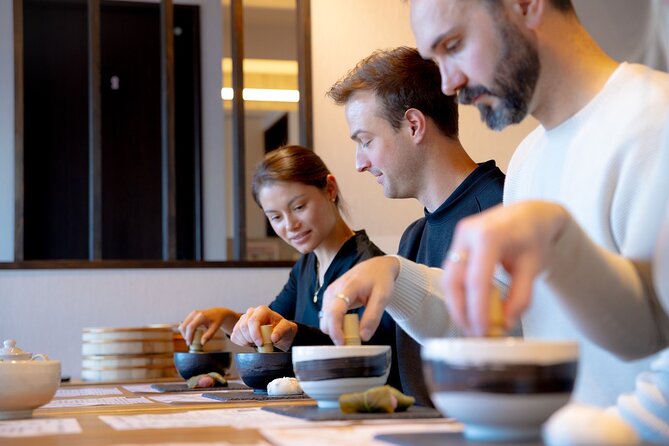
- Whisk your own matcha: Use traditional tools and get guidance at each stage.
- Learn how quality differs: The lesson covers how matcha is grown and how to spot better powder.
- Taste seasonal sweets: Japanese confections balance matcha’s earthy, slightly bitter flavor.
- Meet English-speaking hosts: Rino, Shuri, Nama, Hiya, and other instructors lead the sessions.
- Stay in Asakusa: The class takes place near Kaminarimon, in one of Tokyo’s most traditional areas.
- Keep it short and useful: The hour-long format fits neatly into a day of sightseeing.
Matcha can look simple. Green powder, hot water, bamboo whisk. But a good cup depends on small details: how you measure the tea, how you add the water, and how you move the whisk.
This class gives you a chance to learn those details without committing to a long formal ceremony. You sit with an English-speaking host, hear about matcha and its place in Japanese culture, then prepare the tea yourself. The format is friendly and direct. You get a useful skill, a sweet tasting, and a short break from Tokyo’s busy streets.
At about $21.89 per person, the price is modest for a guided cultural activity in central Tokyo. You are paying for instruction, matcha, Japanese sweets, and the chance to use traditional tea-making tools. It is not a full-scale tea ceremony with elaborate etiquette, a historic tea house, or a lengthy performance. That distinction matters. If you want a practical introduction, the price is strong. If you want a highly formal ceremony, you should choose a different kind of experience.
Finding the class near Kaminarimon
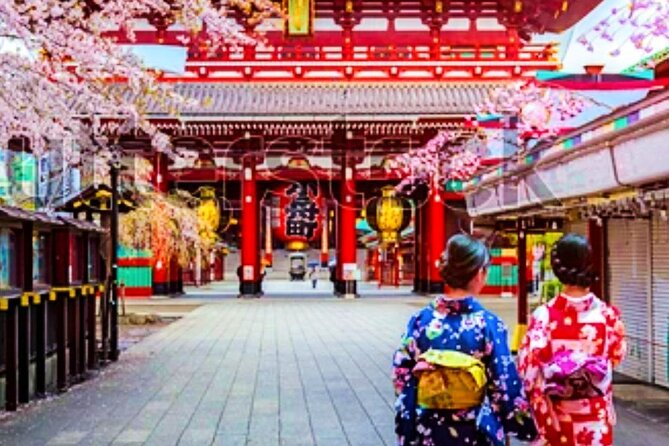
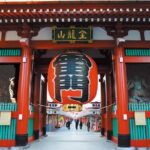
The meeting point is Matcha Making Tokyo, at 2-chome-17-9 Kaminarimon in Taito City. The address places you in Asakusa, a district known for old Tokyo atmosphere, temples, traditional shops, and the Kaminarimon area.
The location is near public transportation, which helps when you are fitting the class between visits to Sensoji Temple and other Asakusa sights. You receive a mobile ticket, and confirmation comes at booking. Since the class ends where it begins, you do not need to arrange a separate ride afterward.
Allow a little extra time to find the entrance. One useful detail from the class setting is that the activity may take place in an upstairs nook of the café. In that arrangement, you sit on the floor in traditional style, which adds to the mood but may not suit everyone. The supplied information does not give a specific accessibility description, so check directly if you need seating or mobility arrangements. Service animals are allowed.
A few more Tokyo tours and experiences worth a look
What happens during the one-hour lesson
The class begins with an introduction to matcha. You learn how the tea is made, how it differs from ordinary green tea, and why the powder has a central role in Japanese food culture.
The teaching uses clear explanations and, in at least some sessions, visual material on an iPad. That is helpful because matcha production can be hard to picture from words alone. You may see images showing how the tea is grown and processed before it reaches the bowl.
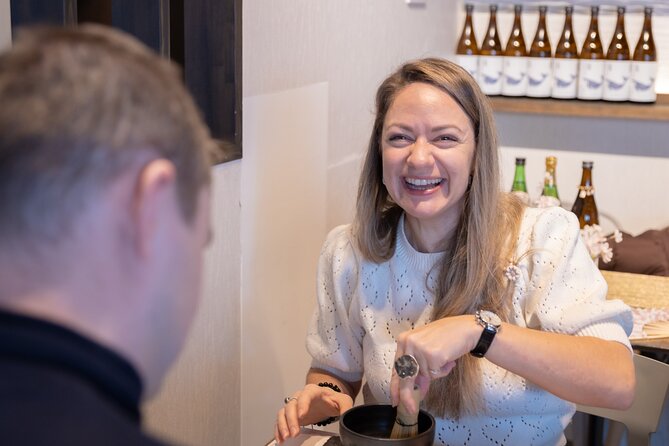
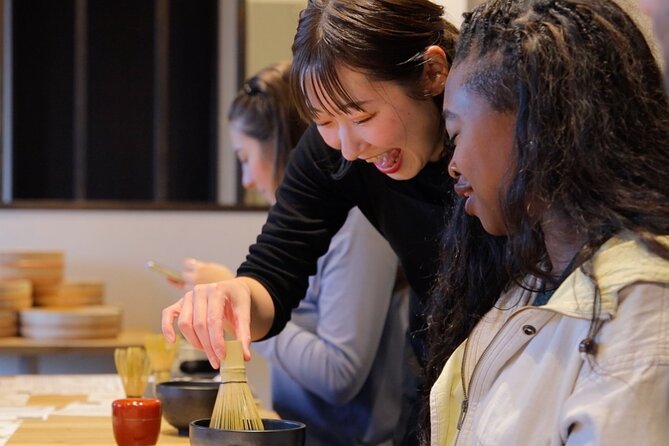
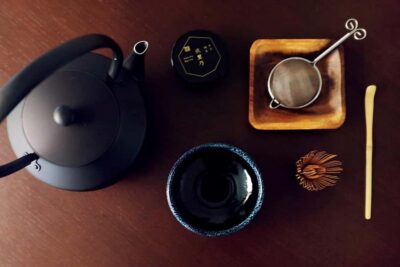
The instructor then explains how to prepare the tea. You work with traditional tools, including the bamboo whisk, and follow the process step by step. The host demonstrates the movement before you try it. If your first attempt is too thin, too foamy, or uneven, you get a chance to adjust your technique.
This personal help is one of the strongest parts of the class. You are not left to copy a demonstration from across the room. The instructors move through the group, offer one-to-one guidance, and help you build confidence with the whisk.
The goal is not to turn you into a tea master in 60 minutes. It is to show you the basic method well enough that you understand what you are doing. You leave with practical advice for making matcha at home, including the small tricks that can make the difference between a chalky cup and a smooth one.
Learning how good matcha should taste
Matcha has a reputation for being bitter. The class helps explain why that is not the whole story.
You learn how to spot higher-quality powder and how preparation affects the final taste. A well-made cup can be smooth, savory, and gently sweet, while poor technique can leave the tea harsh or lumpy. Several class descriptions specifically note that the matcha tasted smooth rather than bitter, which is useful for anyone who has only tried sweetened matcha drinks.
The lesson also gives you a better way to think about matcha outside Japan. Cafés often use the powder in lattes, cakes, and ice cream. Those are enjoyable, but they can hide the tea itself. Here, you taste matcha in a more traditional form, with water and no milk to soften its character.
That makes the experience especially useful if you are curious about the ingredient rather than simply looking for a pretty green drink. You learn what the tea tastes like on its own and how Japanese sweets are meant to complement it.
Japanese sweets make the tasting complete
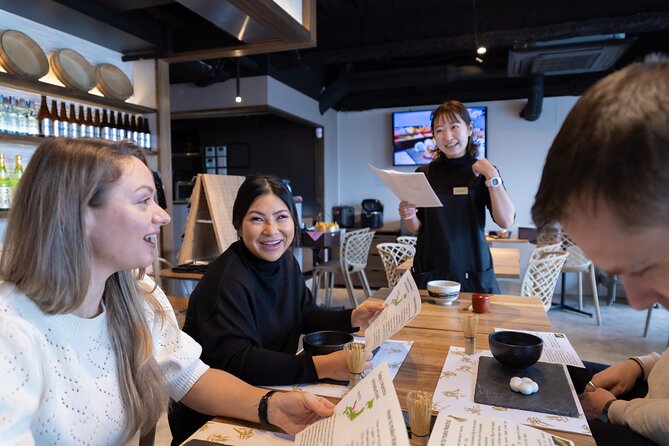
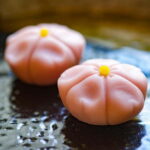
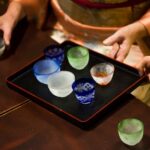
After preparing the tea, you enjoy it with a set of seasonal Japanese sweets. The sweets are not just an extra snack. Their sweetness provides a counterpoint to matcha’s earthy flavor and helps you understand the pairing.
The exact sweets can vary by season, so you should not expect one fixed menu. That seasonal approach is part of the appeal. Japanese confectionery often pays close attention to color, shape, and the time of year. Even a small sweet can be designed to balance the taste and mood of the tea.
The portion is best viewed as a tasting rather than a meal. If you arrive hungry, have lunch or a snack before class. The experience is about learning and savoring, not filling up.
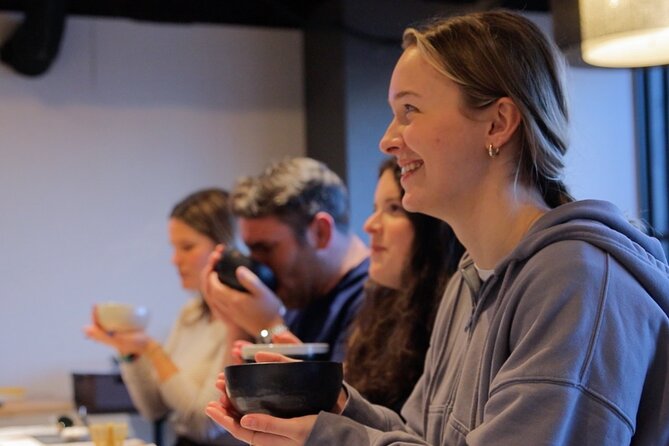
This is also the point when the class becomes social. You drink the matcha you made, compare the results with the people beside you, and ask questions. Hosts have also helped with group photos, making it easy to record the moment without interrupting the lesson.
A relaxed alternative to a formal tea ceremony
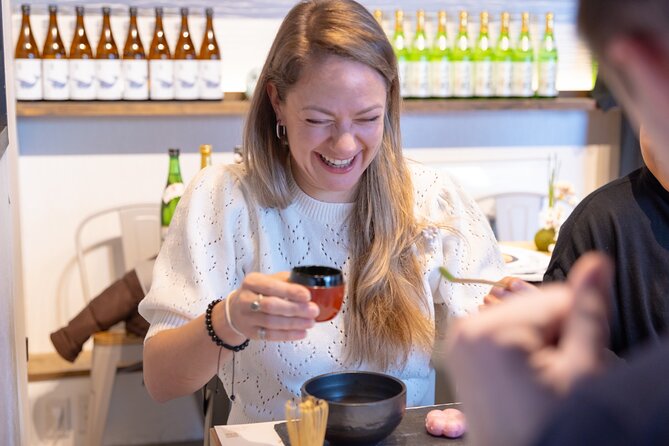
A formal Japanese tea ceremony can be beautiful, but it may feel quiet, exact, and difficult to follow if you do not know the customs. This class takes a modern approach.
You still learn about ceremony and traditional preparation, but you are encouraged to take part. The teaching is interactive rather than ceremonial. The hosts explain the reasons behind the steps, answer questions, and keep the mood light.
That balance suits many visitors. You get cultural context without needing prior knowledge of tea etiquette. Families with children have found the activity easy to follow, and children as young as six have been able to take part in the hands-on work according to the supplied experience details.
The relaxed approach does mean that the setting may not feel silent or formal. A larger group, or another cooking class taking place nearby, can add background noise. One class setting was described as especially quiet because the matcha group was small and a larger sushi class was not running at the same time. Your atmosphere may depend on the schedule.
A few more Tokyo tours and experiences worth a look



The hosts make a real difference
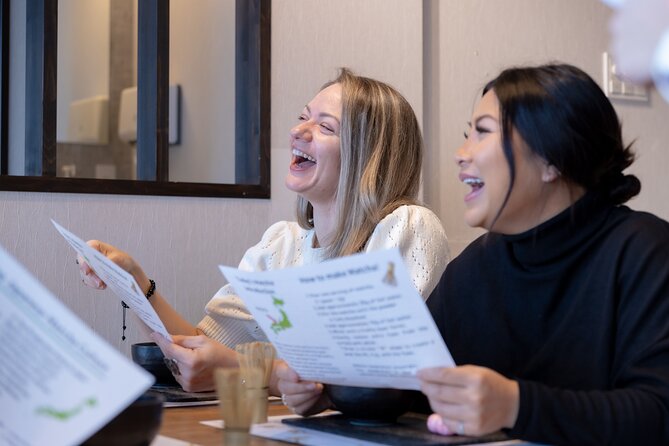
The class is led by English-speaking hosts, and the instructor can vary. Rino is praised for making the lesson interactive and for explaining the origins and history of matcha. Shuri is described as patient, kind, passionate, and comfortable speaking English. Nama is noted for leading an engaging and educational session. Hiya has explained matcha history and helped participants learn how to identify good powder.
These details matter because the class depends more on teaching than on sightseeing. The room itself is simple. The value comes from how well the host explains the process and brings people into the activity.
The personal style also helps if you are unsure about the etiquette. You can ask questions without feeling that you are interrupting a serious performance. Hosts have been accommodating when participants arrived a few minutes late, though you should still aim to arrive on time so you do not miss the introduction.
One especially appealing feature is the conversation around Japanese culture beyond tea. Depending on your host and group, the discussion may touch on food, customs, and personal experiences in Japan. The amount of conversation will vary, but the format leaves room for it.
How the price compares with other Tokyo activities
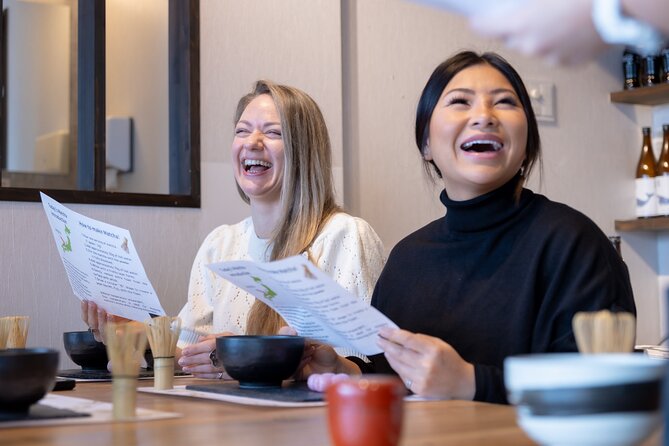
At $21.89 per person, this is a low-cost way to add a cultural activity to your Tokyo schedule. The fee includes an English-speaking instructor, matcha, and Japanese sweets. There is no hotel pickup or drop-off, but the central Asakusa location makes that less important.
The value is strongest if you care about participation. A passive tea tasting might cost less, but it would not teach you how to whisk the tea. A formal ceremony might offer more ritual, but usually with less freedom to handle the tools and make your own cup.
You also get a compact experience. At roughly one hour, it does not consume half your day. You can place it between sightseeing stops, use it as a calm morning activity, or schedule it when you need an indoor break.
The limit is depth. You will learn the foundation, not every detail of Japanese tea practice. You should book it for an accessible introduction, not for professional culinary training.
Who should book this matcha class
I would put this class high on the list for:
- First-time visitors who want a simple introduction to Japanese tea
- Families looking for an activity children can understand and join
- Couples or friends who want a shared food experience
- Visitors staying in or sightseeing around Asakusa
- Anyone curious about making matcha at home
- People who prefer a relaxed workshop to a formal ceremony
- Food-focused visitors who want to taste seasonal Japanese sweets
It may be less suitable if you want a private lesson, a completely silent setting, or a full traditional tea ceremony with strict etiquette. The maximum group size is 30, so ask about the expected class size if a quiet setting is important to you.
The class is also not a substitute for a meal. Think of the sweets as a carefully chosen accompaniment to the tea.
How to fit it into an Asakusa day
The class works well as part of a larger Asakusa itinerary. Since it begins and ends at the same address, you can continue sightseeing without arranging transport between venues.
Pair it with time around Kaminarimon and Sensoji Temple, then use the matcha class as a slower indoor stop. You can also schedule the class early in your trip. The lesson gives you enough background to recognize matcha in cafés, shops, and desserts during the rest of your visit.
A mobile ticket keeps the arrival process simple. Still, Asakusa has many streets and several busy sightseeing areas, so do not cut your arrival too close. If you book, keep the confirmation available on your phone and check the local start time carefully.
Free cancellation is available when you cancel at least 24 hours before the start. Cancellations or changes made within 24 hours are not refunded or accepted, so this is worth noting before you finalize a packed Tokyo schedule.
The final call
I would book this class if you want to do something cultural rather than simply look at it. The one-hour format, reasonable price, English instruction, traditional tools, and seasonal sweets make it an easy addition to an Asakusa day.
The strongest reason to choose it is the practical teaching. You learn how matcha is made, how to judge the powder, and how to whisk your own cup. The main caution is that the experience can vary with the instructor and group size, and it is more relaxed workshop than formal ceremony.
For families, first-time matcha drinkers, and anyone with limited time in Tokyo, this is a smart pick. If your priority is solemn ritual and complete quiet, choose a formal tea ceremony instead.
FAQ
How long does the matcha class last?
The experience lasts approximately one hour.
How much does the class cost?
The listed price is $21.89 per person.
Where does the class meet?
It meets at Matcha Making Tokyo, 2-chome-17-9 Kaminarimon, Taito City, Tokyo 111-0034, Japan.
Where does the activity end?
The class ends back at the meeting point.
Is the class taught in English?
Yes. An English-speaking instructor is included.
What is included in the price?
The price includes the English-speaking instructor, matcha, and Japanese sweets.
Are Japanese sweets included?
Yes. You receive a set of seasonal Japanese sweets to enjoy with the matcha.
Do I need previous tea ceremony experience?
No. The activity is designed for beginners, and no prior tea ceremony experience is required.
Is hotel transportation included?
No. Hotel pickup and drop-off are not included.
Can I cancel for a full refund?
Yes, if you cancel at least 24 hours before the experience start time. Cancellations or changes made less than 24 hours in advance are not accepted, and the amount paid is not refunded.
More Workshops & Classes in Tokyo

More Dessert Tours in Tokyo
More Tea Ceremony & Matcha in Tokyo


More tours in Tokyo we've reviewed



Tea Ceremony & Matcha, compared.
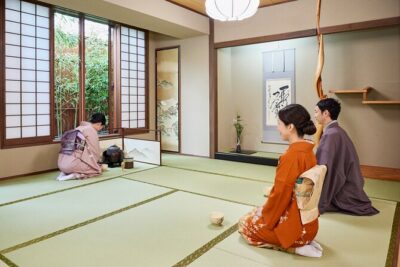 ★ 5.0Kimono Tea Ceremony at Tokyo, Asakusa MaikoyaFrom $55
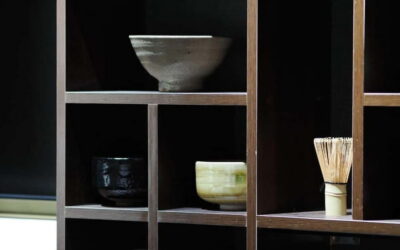 ★ 5.0Tokyo: Traditional Tea Ceremony with a Tea MasterFrom $381 hour
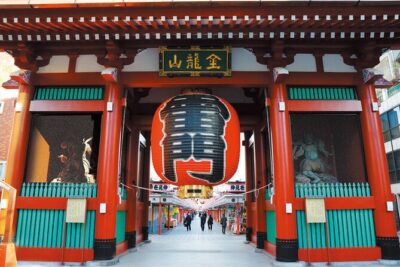 ★ 4.5Dynamic Tokyo: Tokyo Tower, Tea Experience, Bay Cruise Day TourFrom $99
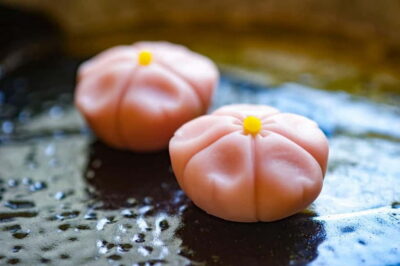 ★ 4.9Tokyo: Matcha Making Experience with Mochi Sweets in AsakusaFrom $221 hour
 ★ 4.7Tokyo: Matcha and Kimono ExperienceFrom $57
 ★ 4.9Tokyo: Asakusa Kimono Dressing and Matcha ExperienceFrom $562 hours