
Reviewed · SHIBUYA TOURS
Private Mochi Sweets Making class near Shibuya area
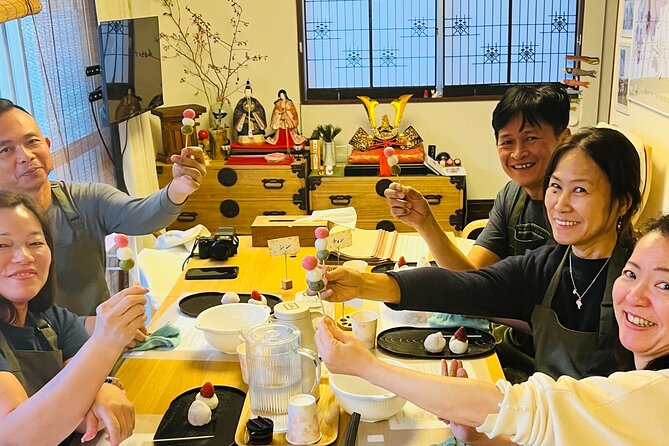
Mochi tastes better when you make it yourself, especially in Sakura’s home in Sangenjaya, a local neighborhood near Shibuya. You’ll shape fruit daifuku and dango by hand, learn why these sweets matter in Japan, then eat your work with green tea or matcha.
In This Article
- Key points to know before booking
- Making mochi in a real Tokyo home
- The opening lesson: why mochi matters
- Fruit daifuku: soft dough and careful shaping
- Dango and the pleasure of simple food
- Tea, tasting, and a take-home bag
- Why the small group size matters
- Sangenjaya adds a local Tokyo angle
- Is $79.28 a fair price?
- What the strongest praise tells you
- A few practical cautions
- Who should book this mochi class?
- Should you book Sakura’s mochi class?
- FAQ
- Where does the mochi-making class take place?
- How long does the experience last?
- What sweets will I make?
- Is tea included?
- How many people can join?
- Is the class suitable for people with dog allergies or limited mobility?
I like the warm, personal setting and the fact that you do every step yourself rather than watch a quick cooking show. I also like the small maximum of eight, which gives Sakura time to help children and beginners. The main consideration is practical: the class is upstairs, requires stairs, and there is a dog in the home, so it may not suit anyone with a dog allergy.
Key points to know before booking
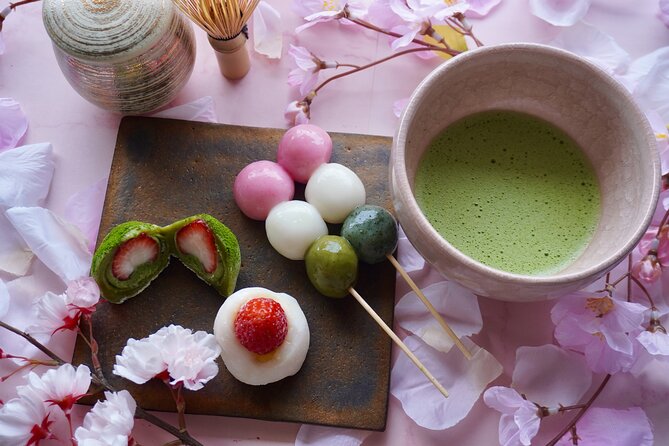
- Make several sweets by hand: The class covers fruit daifuku and dango, with hands-on instruction from start to finish.
- Meet Sakura in her own home: This is a home-based cultural experience, not a commercial kitchen or staged food demonstration.
- Learn the meaning behind mochi: Sakura explains how mochi fits into Japanese customs, celebrations, and everyday food culture.
- Good for families: Sakura has taught children patiently, and young participants can take part in the shaping and tasting.
- Enjoy tea with your creations: Japanese green tea or matcha is included, with decaffeinated black tea available for those avoiding caffeine.
- Plan around the setting: The venue is on the second floor, and a household dog is present.
Making mochi in a real Tokyo home

The most appealing part of this experience is the setting. Instead of meeting in a large studio filled with cooking stations, you go to Sakura’s home at 1-chōme-11-13 Sangenjaya, in Setagaya City. Sangenjaya has a more residential feel than central Shibuya, and the class gives you a reason to see a quieter side of Tokyo.
You can expect the activity to last about two hours. The group can include up to eight people, though some bookings may be much smaller. That matters because mochi is a tactile food. The texture changes as you work with it, and small mistakes are easier to fix when the instructor can watch what you are doing.
Sakura has taught more than 1,000 people from over 35 countries in her home. She has also taught in Switzerland as a guest instructor. Those details suggest a class built around clear explanations and repeated practice, not a recipe tossed at you once and forgotten.
You are welcomed into an ordinary Japanese household, complete with a resident dog. The dog has become part of the friendly atmosphere for many people, but you should take the allergy warning seriously. This is not a pet-free cooking school.
A few more Tokyo tours and experiences worth a look


The opening lesson: why mochi matters
The class begins with an introduction to mochi and Japanese sweets. Sakura explains the cultural role of mochi and dango, including the occasions when people eat them and how they connect to Japanese traditions.
This opening talk gives the food some context. Mochi is not simply a chewy dessert found in convenience stores. It appears in seasonal customs, celebrations, offerings, and family cooking. Dango also has its own place in Japanese food culture, and learning the difference between the sweets helps you understand what you are making.
The introduction is especially useful if you are unfamiliar with wagashi, the broad Japanese term for traditional sweets. You do not need prior cooking experience, and the lesson is designed to be easy to follow. Sakura teaches in English, according to the class information and feedback provided, so communication should be manageable for English-speaking participants.
I like that the cultural explanation comes before the cooking. You learn what the food means, then handle the ingredients with a better sense of place. The talk is described as brief, so it should not take over the activity.
Fruit daifuku: soft dough and careful shaping
One of the main projects is fruit daifuku. The exact fruit can vary, but strawberry daifuku is specifically featured in the class details and cooking feedback. This sweet pairs tender mochi with fruit and filling, creating a combination of chewiness, sweetness, and fresh flavor.
The important skill is shaping. Mochi dough is soft and sticky, and wrapping the filling neatly takes patience. Sakura guides you through the process rather than simply preparing the difficult parts herself. You should expect to use your hands, follow her pace, and make a few imperfect pieces along the way.
That hands-on work is the point. A demonstration can show you what daifuku looks like, but making one teaches you how thin the outer layer should be and how to close it without exposing the filling. Sakura’s experience with beginners and children is useful here because the technique can feel awkward at first.
The class information says the sweets contain no gluten, alcohol, or additives. That is helpful for people checking ingredients, though you should still tell the provider about any personal allergy or dietary concern before booking. The available details do not promise a fully allergy-free kitchen or list every ingredient.
Dango and the pleasure of simple food
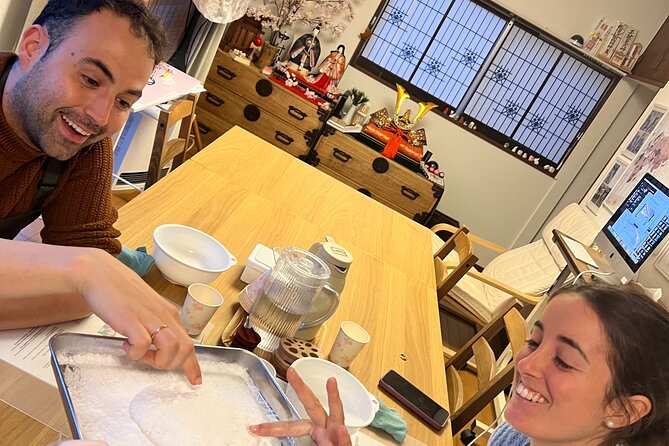
You also make dango, the smooth, round dumplings often served on a skewer or with a sweet sauce. Compared with filled daifuku, dango gives you a different lesson in Japanese sweets. The focus is on forming even pieces and getting the texture right.
The class has included more than one type of dango, and some sessions have also covered dango haiku. That cultural touch makes the activity more than a basic recipe lesson. You get a look at the playful side of Japanese food traditions as well as the cooking itself.
Dango uses familiar ingredients, and the class information says the recipes can be recreated with ingredients readily available abroad. This is one of the strongest practical benefits. You are not just eating something you can find only in Tokyo. You leave with techniques you can try at home, provided you can find the needed ingredients.
The process should appeal to families and groups of friends because everyone can participate at the same table. Parents may appreciate that children can shape the dough instead of waiting through a long lecture. Sakura has raised two children and is described as gentle and effective with young learners, an advantage for families with children.
Tea, tasting, and a take-home bag
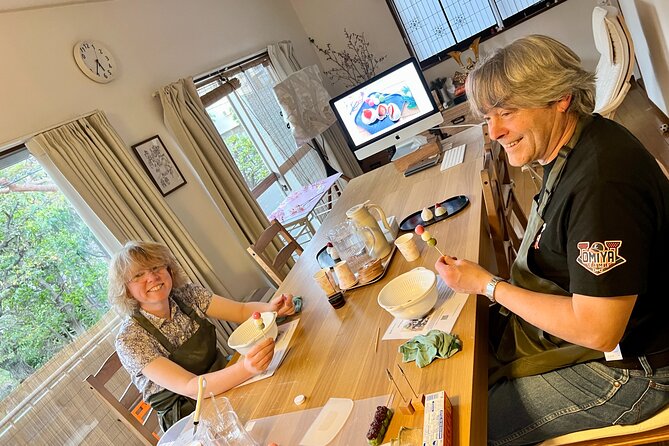
After making the sweets, you eat them with Japanese green tea or matcha. Decaffeinated black tea is available if you do not want caffeine. Coffee is also listed among the included drink options, though the main pairing is Japanese tea.
This tasting time gives the class a relaxed finish. You can see how the sweets taste when fresh, compare the daifuku and dango, and ask Sakura questions while you eat. It also gives you a chance to appreciate the texture, which is best understood immediately after preparation.
A take-out bag is included. That is a small feature, but it is useful. Mochi is filling, and children in particular may not finish everything during the class. Several families found that their children ate most of what they made, but the bag gives you a way to carry leftovers back to your accommodation.
Aprons are available for rent. If you are concerned about clothing, ask about the apron arrangement when confirming your booking. The class takes place in a home, so normal care around food and clothing is sensible.
Other private tours in Tokyo




Why the small group size matters
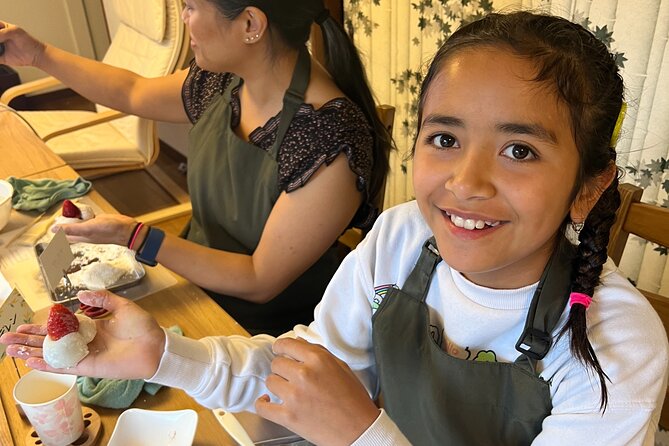
The maximum group size is eight. That is small enough for personal help, though your actual group may depend on the booking arrangement and group discounts. Some people have taken the class as a couple or with only their own family, while larger family groups have also attended.
For this kind of activity, a small group is worth paying attention to. Mochi making involves timing, pressure, and texture. If you are struggling to seal daifuku or make even dango, you want the instructor to notice. A crowded class would make that harder.
The class also works for mixed ages. Families with children as young as eight and nine have found the activity suitable, while teenagers, adults, and older family members can take part as well. The instructions are meant for beginners, and there is no need to arrive with cooking skills.
This is also a good option for a group looking for something everyone can do together. One person is not stuck taking photographs while the rest of the group cooks. Each participant shapes and prepares the sweets, then eats the results.
Sangenjaya adds a local Tokyo angle
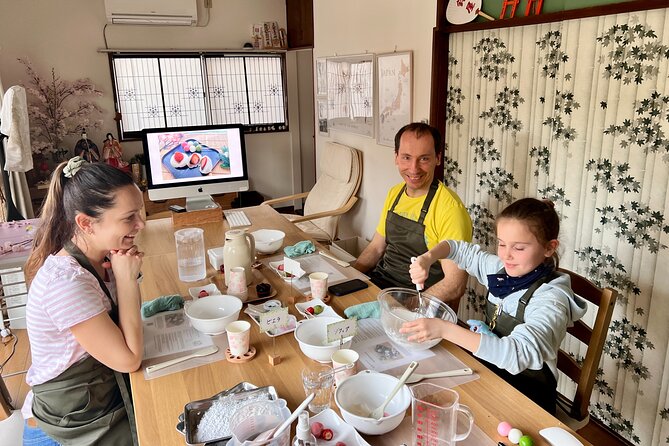
The meeting point is in Sangenjaya, not in the middle of a major sightseeing district. That is part of the appeal. The class lets you pair a food activity with a look at a residential neighborhood in Setagaya City.
The home is described as easy to reach by public transportation and located in a pleasant area with streets worth exploring before or after the lesson. You can build in time to wander nearby, but do not treat the class as a guided neighborhood tour. The stated activity begins and ends at the home, and no private transportation is included.
The location is near Shibuya, but it is not the same as meeting directly at Shibuya Crossing. Allow time to reach Sangenjaya and follow the meeting instructions carefully. The class ends back at the starting point, making it simple to continue your day from there.
One limitation is the stairs. The venue is on the second floor, and you need to climb them. Service animals are allowed, but a dog already lives in the home. Those details make the activity less suitable for anyone who needs step-free access or has a dog allergy.
Is $79.28 a fair price?
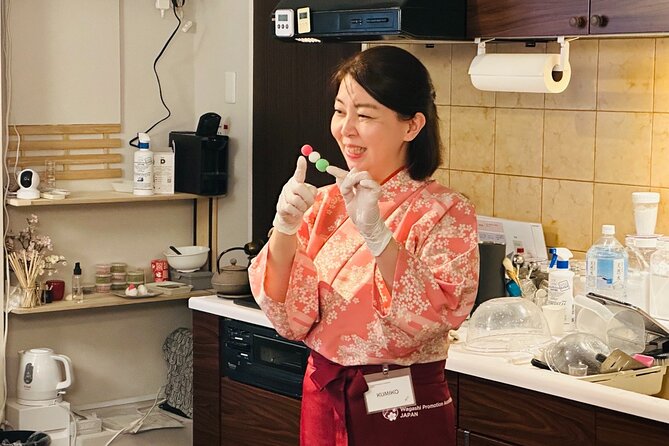
At $79.28 per person, this is not the cheapest way to eat mochi in Tokyo. You can buy finished daifuku and dango for far less. The price makes sense only if you want the instruction, cultural explanation, personal setting, and hands-on work.
You are paying for about two hours with an experienced instructor, ingredients, tea or matcha, and a take-home bag. Aprons are available for rent, and group discounts may reduce the per-person cost for larger bookings. The class does not include transport, brunch, bottled water, soda, or alcoholic drinks, but none of those are central to the experience.
I would compare this with other cooking classes by asking what you will remember afterward. A shop-based tasting gives you food. This class gives you a method you can repeat at home, plus an understanding of why the sweets matter in Japan.
The value is strongest for families, couples, small groups, and anyone who enjoys food activities more than passive sightseeing. It is less compelling if you only want to sample premium sweets or if your schedule is too tight for a two-hour appointment.
What the strongest praise tells you
The consistent praise centers on Sakura’s manner as a teacher. People describe her as kind, patient, friendly, and clear. Those qualities matter more than polished equipment in a class where beginners need reassurance.
The home setting also receives strong approval. You are not placed in a generic room designed only for short activities. You enter a Japanese household and have time for conversation, which adds a personal connection to the cooking.
Families are another clear match. Children have enjoyed the shaping and eating, and teenagers have found the class engaging. One group used it as a team-building activity for colleagues from Singapore, Korea, and Australia, with Sakura explaining both the food and the cultural customs around it.
The tea service and homemade results are also important. You eat what you prepare, and the sweets are fresh. The take-home bag extends the experience beyond the final cup of tea.
A few practical cautions
The home setting brings charm, but it also means you should expect a personal household rather than a fully commercial venue. A dog is present, and the class is upstairs. These are not minor details if you have allergies or mobility concerns.
The class requires a minimum number of participants. If that minimum is not met, the activity can be canceled and you will be offered another date, another experience, or a full refund. Poor weather can also lead to cancellation under the stated terms.
You can cancel for a full refund up to 24 hours before the start time. Cancellations or changes made less than 24 hours before the experience are not refundable or accepted, so leave some flexibility in your Tokyo schedule.
Confirmation is sent within 48 hours of booking, subject to availability. Since the class has drawn regular bookings and has a maximum of eight people, it makes sense to reserve ahead if you need a particular day.
Who should book this mochi class?
You should consider it if you want:
- A food activity where you make every item yourself
- A small, personal setting instead of a large cooking studio
- A family-friendly class with patient instruction
- A cultural explanation alongside the recipe
- A chance to see Sangenjaya and a quieter Tokyo neighborhood
- Recipes and techniques you can try at home
- Tea, matcha, and fresh sweets included in the session
You may want a different activity if you have a dog allergy, cannot climb stairs, or prefer a formal commercial kitchen. You should also skip it if you are looking only for a quick tasting, since the cultural talk and preparation are central to the two-hour format.
Should you book Sakura’s mochi class?
I would book this class if you want a warm, useful connection with Japanese food culture and have room for two hours in your Shibuya-area plans. Sakura’s patient instruction and home setting are the main reasons to choose it over simply buying mochi at a shop.
The best fit is a family, couple, or small group that enjoys doing things together. You will leave with fresh sweets, tea, practical techniques, and a better understanding of why mochi and dango are part of Japanese life.
Check the stairs and dog situation first. If those work for you, the $79.28 price is reasonable for a private-style, hands-on lesson with an experienced local teacher and ingredients included.
FAQ
Where does the mochi-making class take place?
The class meets at 1-chōme-11-13 Sangenjaya, Setagaya City, Tokyo 154-0024, Japan. It is near public transportation and close to the Shibuya area.
How long does the experience last?
The class lasts approximately two hours. It begins and ends at the same meeting point.
What sweets will I make?
You will learn to make fruit daifuku and dango by hand. Strawberry daifuku and more than one type of dango have been included in the class format.
Is tea included?
Yes. Japanese green tea or matcha is served. Decaffeinated black tea is available for people who do not want caffeine, and coffee is also listed as an included drink option.
How many people can join?
The maximum group size is eight people. Group discounts are available.
Is the class suitable for people with dog allergies or limited mobility?
A dog lives in the instructor’s home, so the class is not recommended for anyone with a dog allergy. The venue is on the second floor and requires climbing stairs.
More Dessert Tours in Tokyo




More Private Tours in Tokyo
More Shibuya Tours in Tokyo



More tours in Tokyo we've reviewed












Shibuya Tours, compared.
 ★ 5.0Official Street Go-Kart in ShibuyaFrom $76
 ★ 5.0Shibuya Meltdown Nightlife Tour: All-You-Can-Drink Bar HoppingFrom $106
 ★ 4.9Tokyo: Street Kart Experience in ShibuyaFrom $99
 ★ 5.0Shibuya Official Street Go-Kart in Shibuya AnnexFrom $69
 ★ 5.0Tokyo: Shibuya Food Tour (13 dishes and 4 Eateries)From $77
 ★ 5.0Best of Shibuya Food TourFrom $217


