Reviewed · TEA CEREMONY & MATCHA
Japanese Traditional Sweets making and Tea Ceremony
The best part of this 95-minute Tokyo experience is that you do not just eat wagashi, Japan’s traditional sweets. You shape two of them yourself, starting with colored bean paste and finishing with seasonal flower or fruit designs. Then you prepare Uji matcha and taste your work with the tea.
In This Article
- Key points at a glance
- What this Tokyo wagashi class actually offers
- Starting with seasonal nerikiri
- Trying the second sweet, kinton nerikiri
- The 55-minute break and the change of pace
- Preparing Uji matcha after the demonstration
- Why the sweet and tea pairing works
- What the $18 price includes
- Language, timing, and practical planning
- Who will enjoy this activity most
- Should you book the Japanese sweets and tea ceremony?
- FAQ
- Where does the Japanese sweets and tea ceremony take place?
- How long does the experience last?
- How much does the activity cost?
- How many sweets will I make?
- What is nerikiri?
- What ingredients are used?
- Is English instruction available?
- Can I take the sweets home?
- Is a completion certificate available?
- What is the cancellation policy?
I like the use of Kyoto-made white and red bean paste, rather than a generic substitute. I also like the tidy price: at $18 per person, you get a hands-on food activity, a matcha demonstration, and a tea ceremony without giving up half a day.
The main thing to consider is the language. The instructor teaches in Japanese, with English translation provided as much as possible. Demonstrations help, but one recent participant found the class hard to hear when the room was crowded and the instructor continued before everyone had caught up.
Key points at a glance

- Make two seasonal nerikiri sweets, including a flower-shaped sweet and a kinton-style nerikiri.
- Use Kyoto-produced bean paste from long-established shops.
- Prepare single-origin Uji matcha after watching a matcha-grinding demonstration.
- Taste your handmade sweets with your own tea, a useful lesson in how bitter matcha balances sweet bean paste.
- Plan 95 minutes from start to room departure, with the making portion taking place before the tea ceremony.
- Expect Japanese instruction, supported by visual demonstrations and English assistance when requested.
What this Tokyo wagashi class actually offers

This experience at AN TOKYO Japanese Culture Experience gives you a small but satisfying look at two linked parts of Japanese food culture: wagashi and matcha.
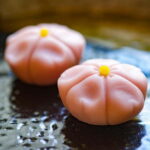
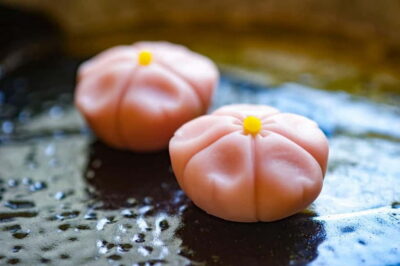
Wagashi are traditional Japanese sweets, often made with bean paste and shaped to reflect the season. Here, the featured sweet is nerikiri, a refined confection made from colored white bean paste. It can look delicate and complicated, but the class breaks the work into simple stages: color the paste, shape it, and add the details.
You make two sweets during the session. One is flower-shaped, while the other is a kinton nerikiri. Kinton sweets have a more textured appearance, giving you a second style to try rather than repeating the same design twice.
After the sweets are ready, the focus shifts to matcha. You watch a demonstration of matcha grinding and then prepare your own tea using Uji matcha. At the end, you eat the sweets with the tea you made.
That final pairing is more than a snack. The sweet bean paste softens matcha’s bitter edge, while the tea keeps the sweets from tasting heavy. If you have only tried matcha in a sweet drink or dessert, this gives you a clearer sense of how it is used in a tea setting.
A few more Tokyo tours and experiences worth a look

Starting with seasonal nerikiri
The class begins with an explanation of Japanese traditional sweets. This opening matters because nerikiri is not simply colored dough. Its shapes connect to seasonal flowers, fruits, and natural forms, so the design is part of the appeal.
You start by coloring the white bean paste. This is the point where you can make choices about tone and appearance, though the activity remains guided rather than completely free-form. The instructor shows the techniques, and you follow along with your own portion.
The paste comes from long-established Kyoto shops. That gives the class a useful food connection: you are handling a traditional ingredient with a known place in Japanese confectionery, not merely making a craft project with sugar.
The flower-shaped nerikiri is likely to be the more immediately recognizable piece. You shape the paste into a smooth form and work toward a seasonal flower design. The result depends on patience and finger control, so do not expect your first attempt to look exactly like the instructor’s.
That is part of the fun. The class lets you express some creativity, but it is still structured enough for beginners. You are not left to guess how to form the sweet.
Trying the second sweet, kinton nerikiri

The second piece is kinton nerikiri. Its appearance differs from the flower-shaped sweet, giving you a chance to practice another way of working with bean paste.
The description does not specify the exact seasonal design used on every date. That is worth keeping in mind because the activity matches its sweets to the season. Your shapes may therefore differ depending on when you attend.
I like this seasonal approach. It keeps the class tied to the Japanese calendar and gives you something different if you return at another time of year. It also means you should not book expecting one fixed design shown in a photograph.
The two sweets are prepared before the tea portion begins. The schedule puts the first 55 minutes toward explanations and sweet-making, followed by a short break. That is a comfortable rhythm. You get enough time to work carefully without spending the entire class on one small confection.
A takeaway box costs an additional 100 yen. If you want to carry your sweets away rather than eat them during the activity, bring that small extra cost into your plans.
The 55-minute break and the change of pace
The schedule includes a break at about the 55-minute mark. This divides the experience into two clear halves: making sweets first, then learning about tea.
That pause is useful after the hands-on work. You can look at your finished sweets, reset your attention, and prepare for the matcha portion. The class is not a rushed sequence of instructions with no breathing room.
The tea explanation begins at about 65 minutes. The exact amount of English help can vary, so listen closely and watch the instructor’s hands. Visual teaching is especially important here. A recent participant found that the instructor’s demonstrations made the techniques understandable even when English was limited.
Still, room conditions matter. One participant reported that the instructor was difficult to hear in a crowded session and moved on before everyone had finished. If you need repeated verbal explanation, ask for English support in advance and arrive ready to follow the visual steps closely.
Preparing Uji matcha after the demonstration

The matcha portion uses Uji matcha, a tea associated with Uji in Kyoto and valued for its distinctive flavor. The experience describes it as single-origin special matcha, giving the tea a clear identity rather than treating it as an anonymous green powder.
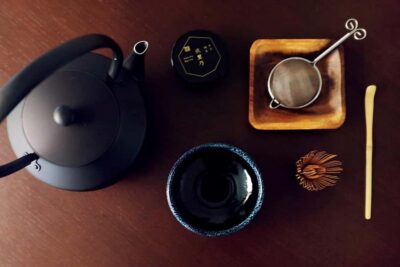
You first watch a matcha-grinding demonstration. You then prepare your own tea for the tasting. This hands-on step adds substance to the ceremony. You are not only watching a host whisk a bowl while you sit quietly.
The schedule calls this a tea-ceremony experience, but the available details do not describe every formal movement or rule of a full traditional tea gathering. Think of it as an introduction to the preparation and etiquette of matcha, joined to a sweets workshop.
That format suits first-time visitors. You learn enough to understand the basic relationship between tea and wagashi without committing several hours to a formal cultural program. If you already study tea ceremony in detail, you may find the presentation introductory.
A few more Tokyo tours and experiences worth a look



Why the sweet and tea pairing works
Once the tea is ready, you eat the two sweets you made and drink your matcha. This is the payoff, but it also gives the class its main lesson.
Nerikiri is sweet, smooth, and bean-based. Matcha has a strong, often bitter taste. Put together, the flavors balance each other. The bean paste makes the tea easier to approach, while the tea keeps the sweets from becoming too sugary.
This pairing also changes how you think about Japanese sweets. Wagashi are often designed to be eaten with tea, not separately as a quick dessert. The sweetness has a job: it prepares your palate for the tea.
You get picture time at about 85 minutes, followed by eating and drinking time before leaving at 95 minutes. Take photographs before you eat if you want a clear record of your finished designs. The sweets are the sort of food that looks best immediately after you finish shaping it.
What the $18 price includes
At $18 per person, this is a good-value cultural activity for a short Tokyo schedule. You get the ingredient-based workshop, two handmade sweets, matcha preparation, and the tea-ceremony experience.
The price is especially reasonable if you want participation rather than a demonstration alone. You spend much of the first part handling the paste and shaping the sweets, then prepare the drink that accompanies them.
The extras are modest but clear. A box for taking sweets away costs 100 yen. A completion certificate costs 300 yen. If you want a nominative certificate, provide names in advance. Otherwise, the name space will be left blank.
The low price also comes with limits. This is not described as a private class, and the group can feel crowded. The experience may work best when you are comfortable learning by watching and copying.
Language, timing, and practical planning
The instructor language is Japanese. English translation is available as much as possible, and you can contact the operator if you would like English support added.
I would contact AN TOKYO before booking if language is a major concern, especially for children or anyone who prefers detailed spoken instruction. The demonstrations are helpful, but they do not replace every verbal explanation.
The operation hours are 10:00 to 17:00. Reservations received after 17:00 are processed the next day. The meeting point is AN TOKYO Japanese Culture Experience at the listed coordinates, 35.6916541, 139.7715022.
Build in enough time to reach the meeting point. The event will not be held for late arrivals, and the operator does not compensate you for travel expenses if you cancel. A delay can therefore cost more than the activity itself.
The experience lasts 95 minutes, but plan beyond that if you want to take photographs, purchase a sweet box, or ask questions. The published end point is room departure at the 95-minute mark.
Children under two who sit on a parent’s lap are free. Anyone who does not participate cannot enter the experience, so this is not a good choice for a family member who wants to watch from the side.
Who will enjoy this activity most
I would recommend this class to first-time visitors who want an affordable cultural activity with something to eat at the end. It suits you if you like working with your hands, trying traditional foods, and taking home a skill rather than only a photograph.
It also works well for couples, friends, and families with older children who can follow a demonstration. The sweets are small, the class is under two hours, and the seasonal designs give the activity a creative angle.
Food lovers will appreciate the Kyoto bean paste and Uji matcha. The class gives you a practical way to compare sweet and bitter flavors, and it explains why these foods are commonly served together.
You may want a different activity if you need fluent English throughout, dislike group instruction, or want a highly formal tea ceremony with detailed ritual. The class is a friendly introduction, not a long ceremonial study.
Should you book the Japanese sweets and tea ceremony?
Book it if you want hands-on Japanese culture at a low price. The two sweets, Kyoto bean paste, Uji matcha, and 95-minute format make this an efficient choice for a Tokyo itinerary.
Before booking, contact the operator about English support and be strict about arrival time. If you can learn through demonstrations and accept that your nerikiri may look a little less polished than the instructor’s, you will get a useful introduction to wagashi and matcha without spending a large sum.
FAQ
Where does the Japanese sweets and tea ceremony take place?
The activity takes place at AN TOKYO Japanese Culture Experience in Tokyo. The listed coordinates are 35.6916541, 139.7715022.
How long does the experience last?
The full experience lasts 95 minutes, including the sweets workshop, break, tea activity, photographs, eating, drinking, and room departure.
How much does the activity cost?
The listed price is $18 per person.
How many sweets will I make?
You will make two Japanese sweets matching the season. The scheduled types are a flower-shaped nerikiri and a kinton nerikiri.
What is nerikiri?
Nerikiri is a high-grade Japanese sweet made from colored white bean paste. It is shaped to resemble seasonal flowers, fruits, and other natural forms.
What ingredients are used?
The class uses white and red bean paste produced by long-established shops in Kyoto. The tea is single-origin Uji matcha.
Is English instruction available?
The instructor’s language is Japanese. English translation is provided as much as possible, and you can contact the operator if you would like to request additional English support.
Can I take the sweets home?
A sweets take-out box is available for an additional 100 yen.
Is a completion certificate available?
Yes. A completion certificate costs 300 yen. For a certificate with your name, provide the names in advance. Otherwise, the name space will be left blank.
What is the cancellation policy?
You can cancel up to 24 hours in advance for a full refund. Changes made after a cancellation fee has been incurred may involve an additional specified fee.
More Dessert Tours in Tokyo
More Tea Ceremony & Matcha in Tokyo


More tours in Tokyo we've reviewed












Tea Ceremony & Matcha, compared.
 ★ 5.0Matcha Making Class in Tokyo with Authentic Japanese Sweets SetFrom $21
 ★ 5.0Kimono Tea Ceremony at Tokyo, Asakusa MaikoyaFrom $55
 ★ 5.0Tokyo: Traditional Tea Ceremony with a Tea MasterFrom $381 hour
 ★ 4.5Dynamic Tokyo: Tokyo Tower, Tea Experience, Bay Cruise Day TourFrom $99
 ★ 4.9Tokyo: Matcha Making Experience with Mochi Sweets in AsakusaFrom $221 hour
 ★ 4.7Tokyo: Matcha and Kimono ExperienceFrom $57