Reviewed · TSUKIJI MARKET TOURS
Tokyo : Tsukiji Fish Market 90min walking tour
Tsukiji is not a single market hall waiting to be crossed in a straight line. It is a maze of more than 400 small shops, food counters, and backstreets. This 90-minute walking tour gives you a useful head start, taking you to seasonal specialties and local shops you might pass without noticing.
In This Article
- Key points to know before you book
- Why Tsukiji is best explored with a guide
- Meeting at Hongwan-ji Temple or Bon Marche
- Finding the best shops in a 400-shop maze
- Meeting local shopkeepers and trying free samples
- The 90-minute route and what it gives you
- What the history and culture explanation adds
- Making the $42 price worthwhile
- Who will enjoy this market walk most
- How to use your free time afterward
- Should you book the Tsukiji walking tour?
- FAQ
- How long is the Tsukiji Fish Market tour?
- What is included in the tour?
- Is food included in the $42 price?
- Where does the tour start?
- Where does the tour finish?
- Is the tour conducted in English?
- How large is the group?
- What should I bring to the market?
I like the personal introductions to shopkeepers, and I like that guides such as Yuki and Miki are praised for being warm, helpful, and clear. The tour also includes free food samples, though your food purchases are extra, and the samples change from day to day.
The main drawback is that 90 minutes goes quickly in a market this large. You will get an excellent orientation, but you should plan to stay afterward if you want a full meal, serious shopping, or a slower look at the stalls.
Key points to know before you book

- More than 400 shops: A guide helps you sort through Tsukiji Outer Market instead of wandering without a plan.
- Free samples, paid food: Sampling is included when available, but meals, snacks, and drinks are not.
- Yuki and Miki are named guides: Their friendly, informative approach is a strong part of the experience when they lead your group.
- Small groups of up to 10: The group size suits questions and short introductions at local shops.
- 90 minutes, then free time: The guided portion is compact, but you finish near the market so you can continue exploring.
- Bring cash and good shoes: Many local shops take cash only, and the tour includes a moderate amount of walking.
Why Tsukiji is best explored with a guide

The famous wholesale fish market moved to Toyosu, but Tsukiji still has its Outer Market, a dense food district where small shops continue to sell seafood, Japanese ingredients, kitchen goods, snacks, and prepared foods. The appeal here is not one grand sight. It is the concentration of tiny places packed into narrow lanes.
That layout can be fun for an experienced market browser, but it can also be confusing. With hundreds of businesses close together, you may spend your entire visit choosing where to stop. A guide gives you a route and a reason to pause.
I see the tour as an introduction rather than a complete Tsukiji visit. You get a local guide, a short cultural explanation, a few samples, and recommendations. Then you can return to the stalls that caught your eye and spend your money with a better sense of what you are looking at.
The small-group limit of 10 matters here. Narrow lanes and compact shops are easier to manage with a small party than with a large crowd. You also have a better chance to ask questions, hear the English explanation, and keep up when the group moves between stops.
A few more Chuo City tours and experiences worth a look

Meeting at Hongwan-ji Temple or Bon Marche
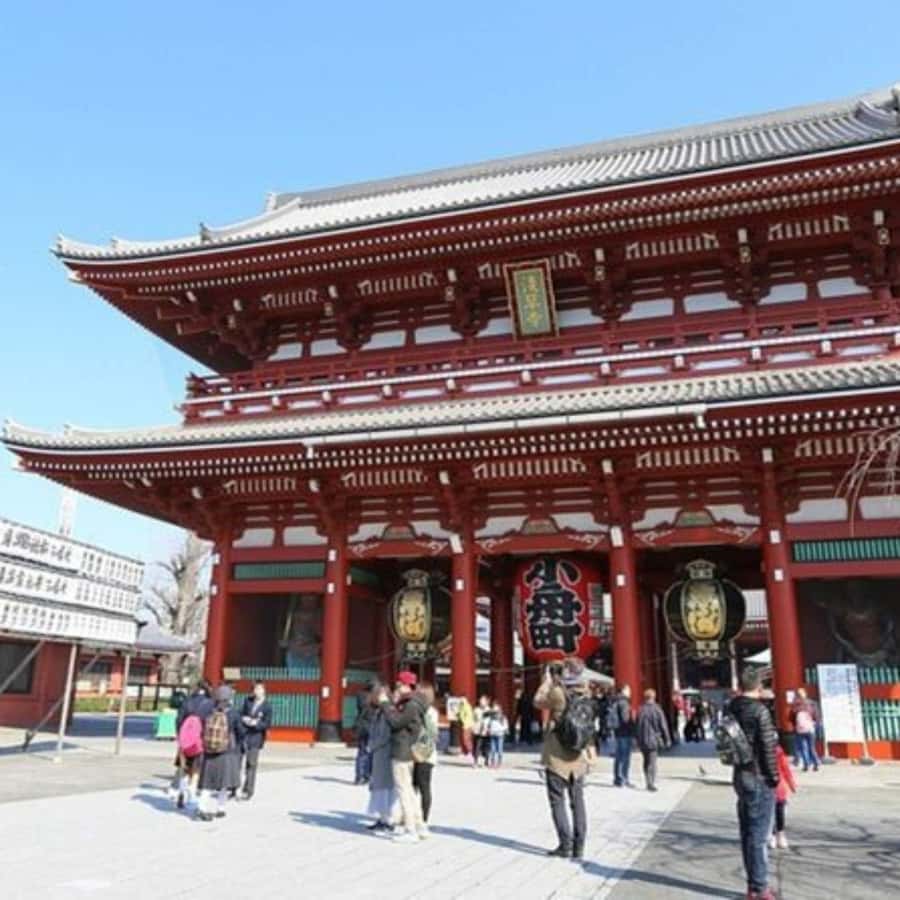
Your meeting point depends on the option you book. The listed starting locations are Tsukiji Hongwan-ji Temple or the Tsukiji Bon Marche souvenir corner. The tour ends back at one of those meeting points.
Hongwan-ji Temple gives you a clear landmark in the area, while the Bon Marche location places you closer to the market shops. Check the exact meeting point before you leave your hotel. A market visit can begin poorly if you are already hunting for the meeting place in unfamiliar streets.
The guide meets you and begins the walk into the Outer Market. Wear shoes that can handle steady walking and uneven, crowded market paths. Comfortable clothing is the sensible choice, since this is an active walking tour rather than a seated tasting.
The tour operates rain or shine, so bring suitable weather protection. The experience is not wheelchair accessible, and it includes a moderate amount of walking. Children under 3 are not suited to this activity.
Finding the best shops in a 400-shop maze

The core of the experience is the guided walk through Tsukiji Outer Market. The guide points out shops and seasonal offerings, then explains what makes each stop worth your attention.
Seasonal food is an important part of the route. The exact items available can change with the day and the season, so you should not expect a fixed tasting menu. That is part of the market experience, but it also means the tour will not be identical every time.
A useful guide does more than point at seafood. You can ask what a food is, how it is used, and where to buy it. The tour description promises recommendations for both shopping and dining, which makes it useful even if you plan to return later without the group.
The backstreets are especially valuable. The main market lanes can be easy to spot, but smaller side streets and less obvious storefronts are where a local introduction helps most. You are not simply following a guide past signs. You are being shown how to read the market.
Keep your expectations practical. This is not a private shopping trip, and the guide cannot spend a long time at every stall. The goal is to show you a selection of worthwhile stops and help you get your bearings quickly.
Meeting local shopkeepers and trying free samples

One of the tour’s nicest features is the chance to receive introductions to local shopkeepers. You can meet people connected to the stores you visit, hear recommendations, and get a more personal sense of the market.
The free samples are a bonus, not a meal. The available samples vary by day, and food and drinks are not included in the price. You should bring cash for anything you decide to buy during or after the tour.
This distinction matters. At $42 per person, the fee pays for the guide, route planning, English assistance, and local introductions. It does not cover a succession of full-size tastings. If you want to eat your way through Tsukiji, budget separately for snacks, meals, and souvenirs.
I like this setup because it keeps the tasting flexible. You can try what is offered, then choose your own purchases instead of being locked into a set menu. The tradeoff is that you cannot judge the tour by the amount of food alone.
Guides such as Yuki and Miki are praised for being especially friendly and helpful. Miki is also noted for introducing a wide range of foods and explaining them clearly. If one of these guides leads your group, you can expect the personal side of the tour to be a real strength. Guide assignment is not guaranteed, so book this for the market experience rather than for a specific person.
The 90-minute route and what it gives you

The official guided portion lasts 90 minutes. That is enough time for a focused introduction, but not enough to cover every corner of Tsukiji.
The walk begins at one of the two listed meeting points, continues through the Outer Market, and returns to the starting area near Hongwan-ji Temple or Bon Marche. This simple route is useful because you finish in a familiar spot and can continue exploring without needing another transfer.
During the walk, expect three kinds of information:
- The guide explains the market’s history and cultural role.
- You visit selected shops and learn about seasonal offerings.
- You receive tips for food, shopping, and further exploration.
The route is not described as a visit to the former wholesale auction area. Instead, it focuses on the Outer Market, where shops remain open to the public. That makes the tour a good fit if you want food culture and local shopping rather than a behind-the-scenes wholesale operation.
The short format works well early in a Tokyo schedule. You can use the guide to learn what interests you, then return later in the day or during your stay. It also suits visitors who want a market introduction without giving up half a day.
The booking page lists a total duration range of 1.5 to 4 hours because available starting times vary, but the guided activity itself is 90 minutes. Read the selected time carefully so you know when to arrive.


What the history and culture explanation adds

Tsukiji is more than a place to buy breakfast. It is tied to Tokyo’s food culture, the handling of seafood, Japanese cooking, and the traditions of specialist shops. The guide provides context while you walk, so the market becomes easier to understand as a working district rather than a collection of colorful stalls.
That context is useful when you see unfamiliar ingredients. A product that looks ordinary at first may have a specific role in Japanese cooking or a seasonal connection. A brief explanation can turn a random purchase into something you understand and remember.
The tour also gives you a better sense of how to behave in a market. You are moving through working shops, not a theme park built only for sightseeing. Follow the guide, keep your group together, and be mindful when taking photographs. The activity specifically suggests bringing a camera, but pictures should not get in the way of shopkeepers or other customers.
The cultural talk is likely to be brief because the group is walking and stopping at shops. If you want a long historical lecture, this is not the right format. If you want useful context tied directly to food and local businesses, the balance makes sense.
Making the $42 price worthwhile

At $42 per person, this is not the cheapest way to walk through Tsukiji. You can enter the Outer Market on your own without paying admission. The value comes from what you might otherwise miss: selected shops, local contacts, English explanations, and a ready-made route through a complicated area.
The price makes the most sense for a first visit. If you already know Tsukiji well, speak Japanese, or enjoy spending hours exploring without a plan, you may prefer to go independently. You would have more control over your pace and would not be limited to the group route.
For a first-time visitor, the fee can save time and reduce guesswork. A guide can introduce foods you would not think to try and point out shops that do not announce themselves clearly to an outsider. One useful recommendation may be worth more than the cost of wandering into several uninteresting stops.
Remember to add a food budget. Purchases are not included, and many local places accept cash only. Bring enough yen for anything you want to eat or take home, while keeping your spending flexible because the available foods change.
Free cancellation up to 24 hours before the tour and the option to reserve now and pay later also help if your Tokyo schedule is still shifting. These are booking conveniences, not reasons by themselves to choose the tour, but they reduce the risk of fitting it into a busy visit.
Who will enjoy this market walk most
I would recommend this experience to first-time visitors to Tsukiji, food-focused visitors, and anyone who prefers a local guide when entering a confusing market. It is also useful for solo visitors who want a small social setting and a few easy introductions.
The tour suits you if you want:
- A short orientation rather than a full-day food tour
- English explanations while you shop and sample
- Help finding seasonal foods
- Recommendations for returning on your own
- A small group instead of a large organized crowd
It may be less suitable if you want a guaranteed meal, unlimited tastings, a private guide, or a very slow photography walk. The 90-minute schedule keeps the activity moving, and your own food and drink costs are separate.
Families with very young children should take note of the age restriction. Children under 3 are not suitable, and the walking pace plus narrow market lanes may be tiring for anyone who has difficulty walking.
How to use your free time afterward

The tour ends back at the starting area, so do not rush away once the guide says goodbye. This is when the tour’s recommendations become most useful.
Return to a shop you liked, buy a snack, or continue looking through the Outer Market at your own pace. You may also want to use the guide’s dining suggestions while the route is still fresh in your mind.
Because samples vary, your post-tour plan should remain open. You might find that one small taste leads you toward a purchase you had not considered. You might also decide that you would rather sit down for a larger meal elsewhere. The important point is that the tour gives you information without controlling the rest of your visit.
Bring a camera, but keep cash ready. Comfortable shoes matter more than a stylish outfit here. A small bag is also practical for carrying purchases, though the activity details do not specify storage or delivery services, so do not assume a shop will hold your items.
Should you book the Tsukiji walking tour?
Book it if you want a friendly, English-speaking guide to help you make sense of Tsukiji’s 400-plus shops, find seasonal foods, and get a few local introductions. The strongest part is the combination of practical guidance and personal contact, especially when guides such as Yuki or Miki lead the walk.
Skip it if you already know the market well or want a food tour where every tasting is included. At $42, the fee is for orientation and access to local know-how, not for a prepaid feast.
For most first visits, I think the tour is a sensible way to start. Use the 90 minutes to learn the market, then stay on for your own meal and shopping. That gives you both structure and freedom, which is the right balance for Tsukiji.
FAQ
How long is the Tsukiji Fish Market tour?
The guided walking tour lasts 90 minutes. Available booking times may show a total duration range of 1.5 to 4 hours, so check the selected starting time when booking.
What is included in the tour?
The tour includes a 90-minute guided walk, an English-speaking assistant, shopping and dining recommendations, local introductions, and samples of local foods when available.
Is food included in the $42 price?
No. Food and drinks are not included. The guide may offer free samples, but the samples vary by day, and you pay separately for anything you buy.
Where does the tour start?
The meeting point depends on the option you book. The listed starting locations are Tsukiji Hongwan-ji Temple and the Tsukiji Bon Marche souvenir corner.
Where does the tour finish?
The activity ends back at the meeting point area. The listed drop-off locations are Tsukiji Hongwan-ji Temple and the Tsukiji Bon Marche souvenir corner.
Is the tour conducted in English?
Yes. The activity includes an English-speaking live guide or assistant.
How large is the group?
This is a small-group tour limited to 10 participants.
What should I bring to the market?
Bring comfortable shoes, comfortable clothing, a camera, and cash. Many local spots accept cash only.
More Shopping Tours in Chuo City
More Tsukiji Market Tours in Chuo City
More tours in Chuo City we've reviewed
Tsukiji Market Tours, compared.
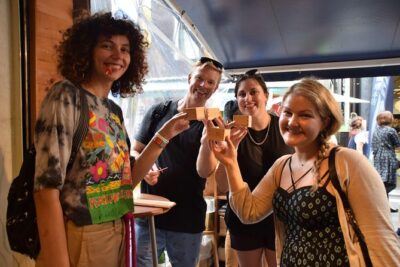 ★ 5.0Tokyo Tsukiji Fish Market Food and Culture Walking TourFrom $99
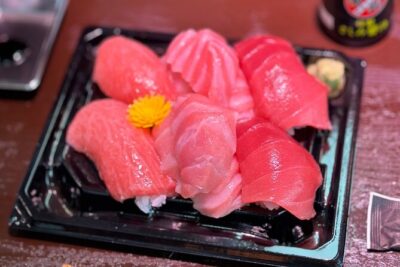 ★ 5.0Tokyo: Tsukiji Fish Market Food and Walking tourFrom $30
 ★ 4.9Tokyo: Tsukiji Fish Market Guided Walking TourFrom $222 hours
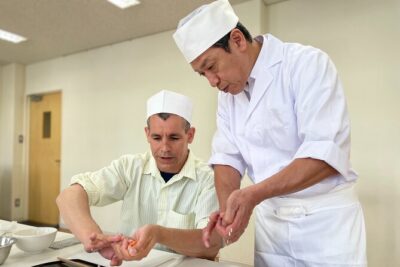 ★ 5.0Tokyo Sushi Making Class in Tsukiji with Professional ChefFrom $49
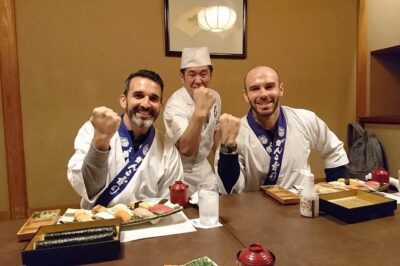 ★ 5.0Tsukiji Fish Market Guided Tour and Sushi Making with Pro ChefFrom $104
★ 4.7Tokyo: Tsukiji Fish Market Food and Culture Walking TourFrom $963 hours
★ 5.0Tsukiji Fish Market Guided Tour and Sushi Making with Pro ChefFrom $104
★ 4.7Tokyo: Tsukiji Fish Market Food and Culture Walking TourFrom $963 hours