Reviewed · TOKYO FOOD TOURS
Tokyo Old Fish Market Food Tour – Tsukiji Fish Market
Tsukiji is best understood with your appetite switched on. This 2.5-hour food walk takes you through the market’s seafood counters and small food stalls, with stops for tuna sushi, sashimi, fish cake, egg roll, dashi soup, green tea, and other local bites. It is less about sightseeing from the sidelines and more about learning what you are eating.
In This Article
- Key Points Before You Book
- Why Tsukiji Works Better With a Guide
- Meeting at LAWSON Tsukiji 4 Chome Store
- Two and a Half Hours of Market Eating
- Tuna, Sashimi, and the Value of Small Tastings
- Meeting Vendors and Seeing the Market as a Workplace
- What the Outer Market Adds
- Is $73 a Fair Price?
- Group Size, Accessibility, and Timing
- Who Will Enjoy This Tsukiji Food Walk?
- Should You Book the Tsukiji Tour?
- FAQ
- How long does the Tsukiji Fish Market food tour last?
- Where does the tour begin?
- Where does the tour finish?
- What food and drinks are included?
- Is the tour conducted in English?
- How many people are in the group?
I like the small group of six or fewer, which gives you a better chance to hear the guide and move through the market without feeling like part of a parade. I also like the human side of the tour: guides such as Loc and Keiko explain the market, speak with vendors, and help you notice the difference between a quick snack and a food with a place in Japanese cooking.
The main consideration is the price. At $73 per person, this is not the cheapest way to eat around Tsukiji, especially since the tour lasts only two and a half hours. You are paying for the guide, the food selection, and the context, so it makes the most sense if you want a clear introduction rather than simply hunting for the lowest-cost breakfast.
Key Points Before You Book
- Tuna sushi and sashimi are central tastings: Seafood is the heart of the morning, with several prepared samples included.
- The food goes beyond raw fish: Fish cake, egg roll, dashi soup, green tea, and other snacks add variety.
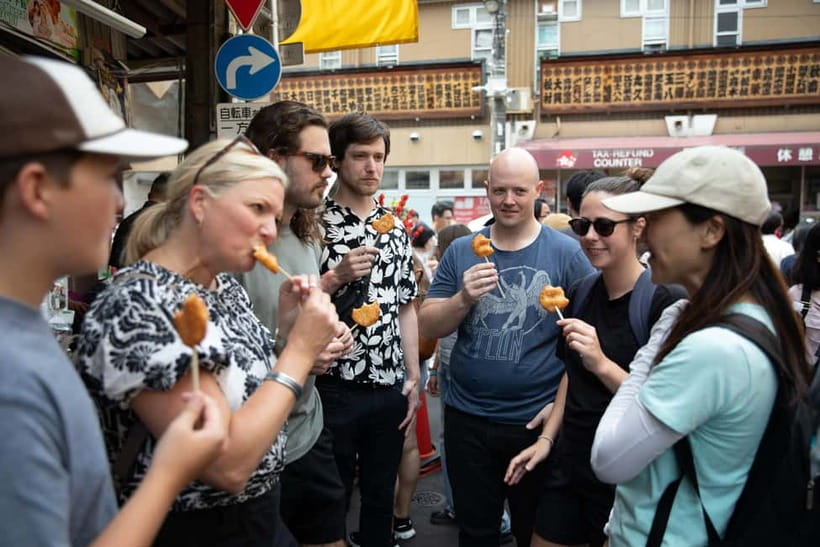
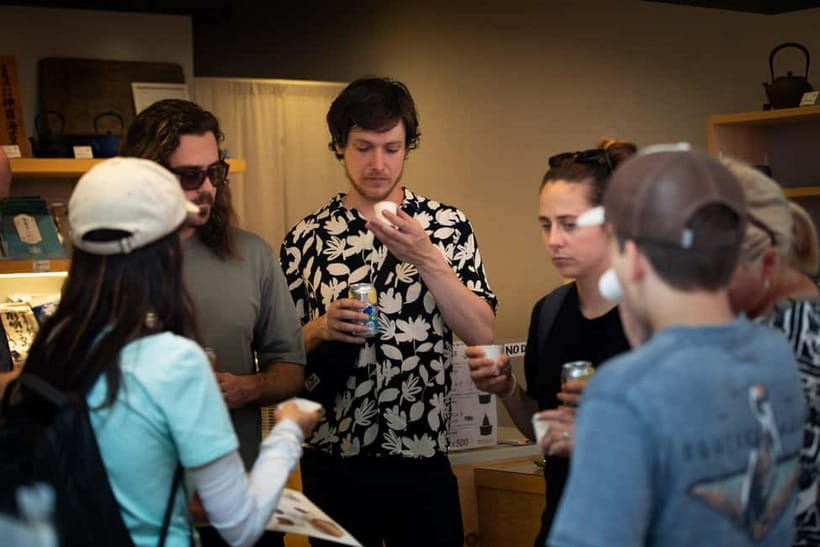
- The group is limited to six: This is useful in a crowded market and makes questions easier.
- Loc and Keiko are named guides: Both are praised for clear explanations, friendly manners, and a good pace.
- The walk begins at a LAWSON store near Tsukiji: Arrive 10 minutes early and look for the guide holding a board.
- The route finishes around Tsukiji Outer Market: The booking information also says the activity ends back at the meeting point, so confirm the exact finish point when you reserve.
Why Tsukiji Works Better With a Guide
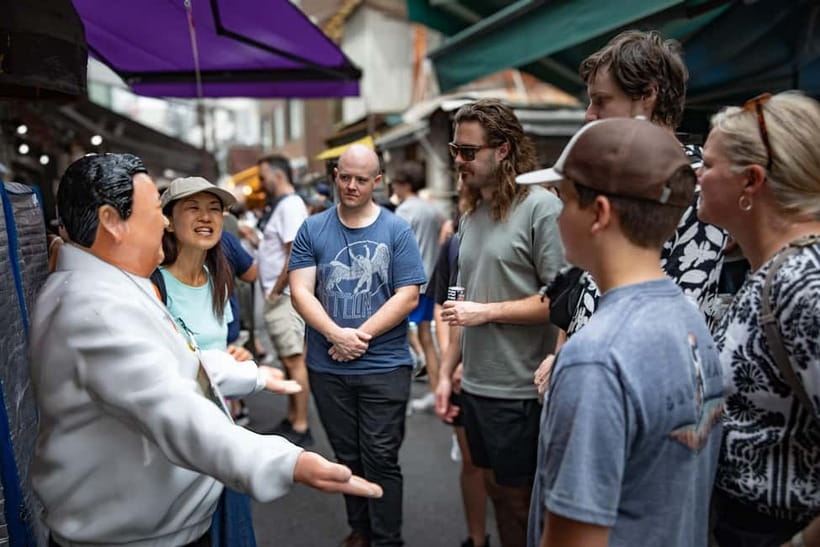
Tsukiji is not just one market hall with a neat entrance and a simple route. The experience centers on the Tsukiji Outer Market, where food shops, seafood sellers, prepared-food counters, and small stalls sit close together. Without local help, you can still eat well, but you may not know what you are seeing or which specialties are worth your time.
The guide gives the market a story. You learn about Tsukiji’s past, the daily work of vendors, and the way seafood, tea, soup stock, and prepared foods fit into Japanese eating habits. That background matters because many market foods are small and unfamiliar. A bite of fish cake or a cup of dashi becomes more interesting when you understand what it is and why it appears on the counter.
I also value the chance to speak with local vendors. The tour is designed to include contact with the people who sell and prepare the food, rather than treating the market as a backdrop for a string of tastings. You get a closer look at the craft behind the food and a better sense of how the market functions.
The setting can be crowded and active. That is part of the appeal, but it also means you should stay close to your guide and expect to walk at the pace of the group. A small party helps, yet Tsukiji remains a working food market, not a quiet museum.
A few more Chuo City tours and experiences worth a look
Meeting at LAWSON Tsukiji 4 Chome Store
Your starting point is the LAWSON Tsukiji 4 Chome Store. The guide holds a board, and you should arrive 10 minutes before the scheduled start. That early arrival is worth taking seriously, since a market tour depends on staying together from the first turn.
The meeting point is practical, but the information does not specify a station exit or detailed walking directions. Use the exact address and map provided when booking rather than relying on a last-minute guess. Give yourself extra time if this is your first visit to the area.
The tour is offered with a live English-speaking guide. Guides Loc and Keiko are specifically praised for their clear explanations, friendly style, and sensible pace. Those traits matter here. The market offers plenty to look at, but a guide who explains without rushing helps you enjoy the food instead of trying to keep up with a speech.
Two and a Half Hours of Market Eating
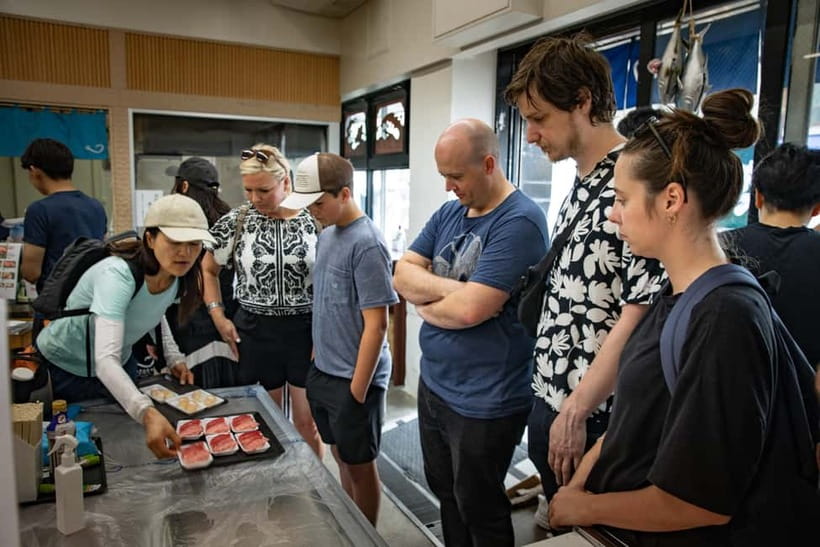
The main market visit lasts about two hours within the total 2.5-hour activity. You can expect a moving breakfast or brunch rather than a single sit-down meal. The group visits several vendors and stops for a selection of foods chosen to show different parts of Japanese market cooking.
The route begins with the atmosphere of Tsukiji itself: seafood counters, food displays, aromas, and vendors at work. Your guide explains the market’s background while pointing out different fish, beef, tea, and prepared foods. One especially useful part of the experience is learning how to recognize what you are looking at. Even if you do not remember every Japanese term, you leave with a better sense of the market’s range.
The food list gives the tour a good spread:
- Tuna sushi
- Sashimi
- Fish cake
- Egg roll
- Dashi soup
- Green tea
- Additional snacks and specialties
That mix is important. A seafood tour built only around raw fish can become repetitive, especially at breakfast. Here, the egg roll brings a soft, savory contrast. Fish cake shows another side of the market. Dashi gives you a taste of the soup stock that supports so much Japanese cooking, while green tea provides a simple pause between samples.
You should not expect a printed menu or a restaurant-style tasting sequence unless the guide provides one on the day. The experience is tied to what vendors are offering and to the guide’s chosen stops. That can make the food feel more connected to the market, though it also means the exact selection may vary.
Tuna, Sashimi, and the Value of Small Tastings
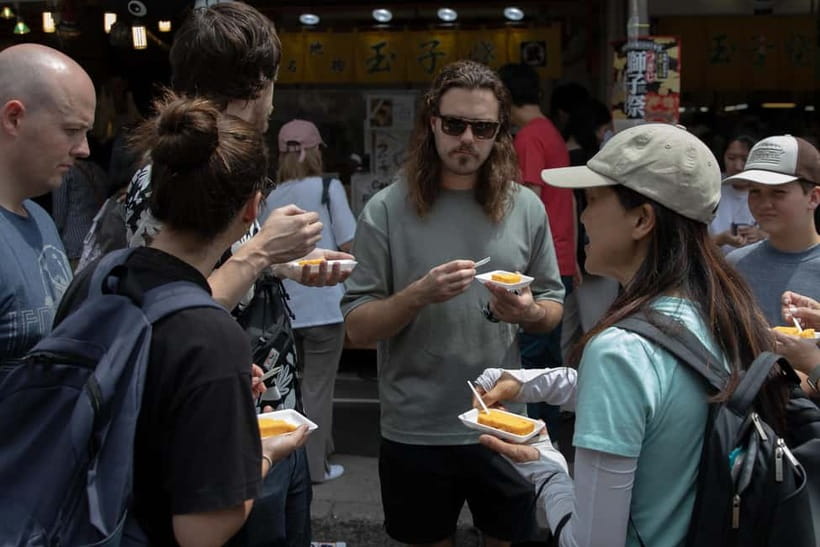
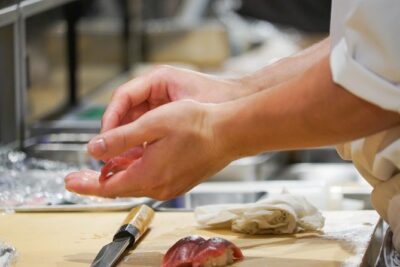
The included tuna sushi and sashimi are likely to be the main draw for many people booking this tour. They give you a direct taste of the seafood culture that makes Tsukiji famous. The guide’s explanations help you pay attention to texture, preparation, and freshness instead of simply eating a piece and moving on.
The value here is not only the amount of food. One person described the tour as filling, and that is useful to know if you are considering it as breakfast or brunch. The combination of seafood, soup, egg roll, fish cake, tea, and other samples can add up to a substantial morning meal.
Still, you should think of the food as a series of tastings rather than a guarantee of unlimited eating. The advertised selection includes specific items and says there is more, but it does not promise a fixed number of portions or a set weight of food. If you have a large appetite, plan to buy something extra at the market afterward.
The tour also suits people who want to try seafood with a guide nearby. If you are unsure about raw fish, the wider menu gives you alternatives, though the experience is clearly centered on Japanese seafood. Anyone with food allergies or strict dietary needs should ask for details before booking, since the available information does not list allergy arrangements or substitutions.
Meeting Vendors and Seeing the Market as a Workplace
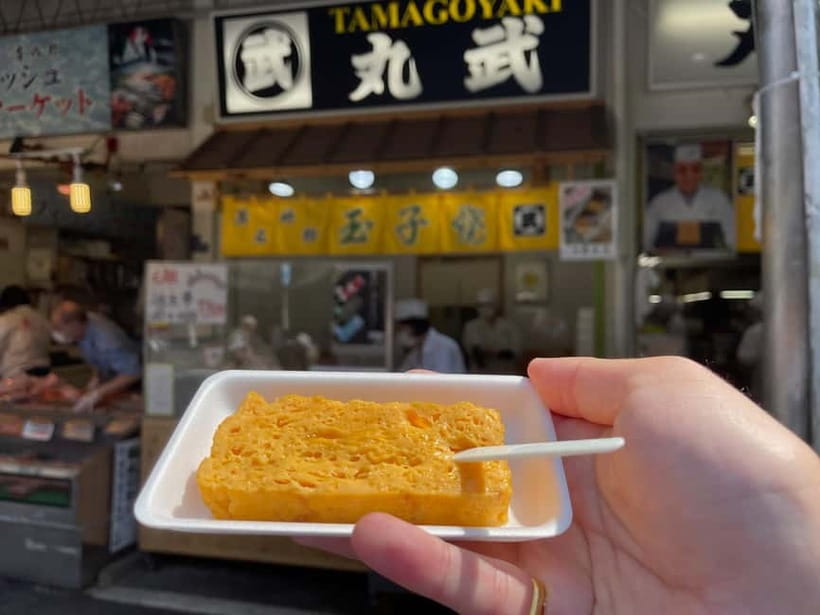
A good market tour should do more than move you from one snack to another. This one aims to show the people behind the counters and explain their work. You may hear about the daily routine of vendors, the handling of fish, tea sellers, and the history of the market itself.
That local contact is one of the better reasons to choose a guided walk instead of eating alone. You can ask questions and gain context that a menu board cannot provide. The guide also acts as a bridge when a stall is busy or when a food needs explanation.
The pace matters. One of the strongest compliments directed at guide Loc was that he offered a lot of information while keeping the walk at a comfortable speed. That is exactly what I want in a food tour. You need enough explanation to understand the food, but not so much that the next sample becomes cold or the group blocks a narrow passage.
Guide Keiko is also praised for being personable and well informed. With a group this small, the guide’s manner has a direct effect on the morning. A warm guide can make it easier to ask basic questions, especially if this is your first food tour in Japan.


What the Outer Market Adds
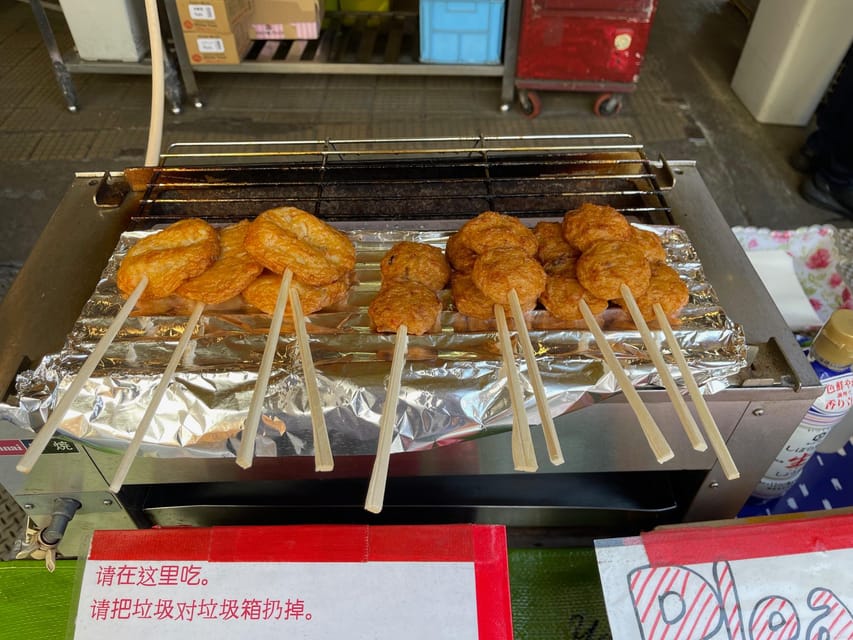
The final part of the route takes you through Tsukiji Outer Market. This is where the tour’s food focus makes the most sense. The market offers a broad view of Japanese ingredients and prepared food, and you can continue looking after the official tasting portion ends.
The information lists Tsukiji Outer Market as the finish location, while the meeting details say the activity ends back at the meeting point. Since those descriptions do not match perfectly, confirm the exact end point when you book. Either way, you should remain in the area afterward if your schedule allows. The market is useful for browsing, buying souvenirs, or having another snack.
Do not treat the end of the tour as a formal restaurant dessert course. The attraction is the market itself and the chance to continue exploring. Your guide should leave you with enough food knowledge to make better choices on your own.
That makes the tour a strong first morning in Tokyo. You can use what you learn later when ordering sushi, selecting tea, or recognizing dashi-based dishes elsewhere in Japan. The experience gives you a food vocabulary, not just a full stomach.
Is $73 a Fair Price?
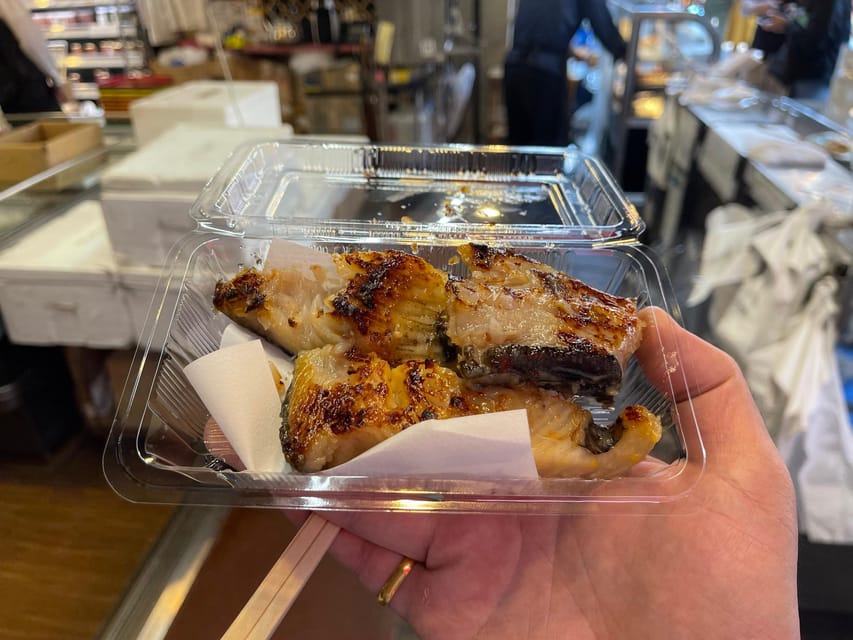
At $73 per person, this tour sits in the paid guided-experience category rather than the casual breakfast category. You could spend less by choosing your own food stalls and skipping the guide. You would also lose the organized route, explanations, vendor interaction, and help choosing what to sample.
I see the price as reasonable for three types of visitors. First, it works for a first-time visitor who wants an easy introduction to Tsukiji without making every decision alone. Second, it suits people who care about food culture and want more than a quick plate of sushi. Third, it helps anyone traveling alone or in a pair who values a small social setting.
The price is less attractive if you already know Tsukiji well, speak Japanese comfortably, or prefer to browse slowly and choose every bite yourself. You may find more value by eating independently and putting the $73 toward several meals.
The food matters, but the guide is the real difference between this tour and a self-guided visit. Loc and Keiko receive the strongest praise for clear explanations, good pacing, and a friendly approach. If the guide assigned to your date brings that same level of care, the fee buys structure and understanding as much as it buys food.
Group Size, Accessibility, and Timing
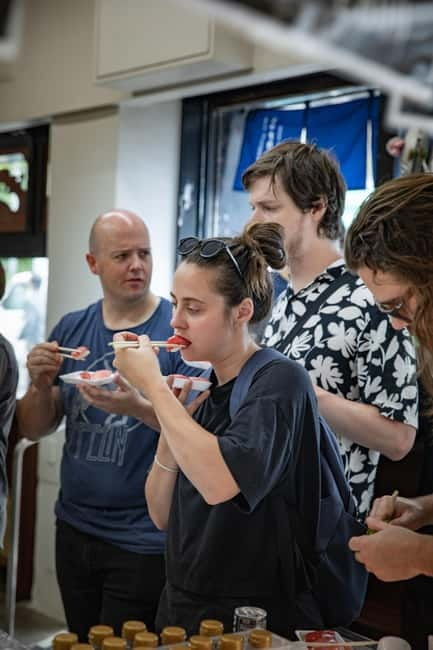
The group is limited to six participants. That is a real advantage in a market where narrow spaces and busy counters can make large groups awkward. You should be able to hear the guide more easily and ask questions without waiting for a crowd to move.
The activity is listed as wheelchair accessible. Since the tour takes place in an active food market, it is still sensible to confirm the route and any specific mobility needs before booking. The provided information does not describe surfaces, seating, restroom access, or the exact walking distance.
The total duration is 2.5 hours, with starting times shown during the availability check. A morning slot is especially logical because the itinerary is built around breakfast and brunch. You should avoid scheduling a major timed attraction immediately afterward until you know the precise finishing point and have allowed time to leave the market.
Free cancellation is available up to 24 hours before the start for a full refund. You can also reserve now and pay later, which helps if your Tokyo schedule is still changing. These policies make the tour easier to fit into a busy trip, but the important practical step remains the same: arrive 10 minutes early.
Who Will Enjoy This Tsukiji Food Walk?
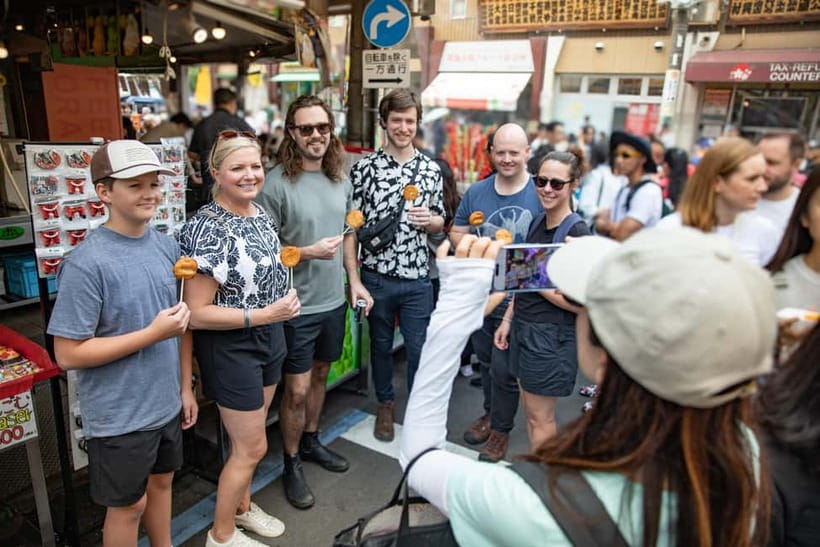
I would recommend this experience to first-time Tokyo visitors who want a guided introduction to Japanese market food. It also suits curious eaters who want to try sashimi, dashi, tea, and other foods while receiving plain explanations in English.
Families and mixed groups may appreciate the range of samples. Raw seafood is included, but the fish cake, egg roll, soup, tea, and other foods give the tasting some balance. The small group can also feel less tiring than a large organized excursion.
Food-focused visitors should book if they want local stories and vendor contact. You will probably enjoy the morning more if you ask questions and pay attention to how the guide links ingredients to Japanese cooking.
I would be more cautious if you need a fixed menu, guaranteed dietary substitutions, a long sit-down meal, or a detailed promise about the number of tastings. Those details are not provided. This is a guided market walk with included food, not a formal cooking class or a reservation at a sushi restaurant.
Should You Book the Tsukiji Tour?
Book it if you want a compact, food-led introduction to Tsukiji with an English-speaking guide and a group of six or fewer. The strongest reasons are the broad tasting list, the chance to learn from vendors, and the clear, friendly guiding associated with Loc and Keiko.
Skip it if you would rather explore alone, spend less, or control every food choice. At $73, the tour needs to deliver more than snacks, and its value depends on how much you want the explanations and market access organized for you.
For most first visits, I think the tour makes a sensible Tokyo morning. You get a full range of tastes, a better understanding of the market, and enough time afterward to keep exploring Tsukiji Outer Market on your own.
FAQ
How long does the Tsukiji Fish Market food tour last?
The activity lasts 2.5 hours. The market visit itself is listed as about two hours, with the full activity including the meeting and finish arrangements.
Where does the tour begin?
The meeting point is LAWSON Tsukiji 4 Chome Store. The guide will be holding a board, and you should arrive 10 minutes before the start time.
Where does the tour finish?
The route is listed as finishing at Tsukiji Outer Market. The meeting information also says the activity ends back at the meeting point, so confirm the exact finishing location when booking.
What food and drinks are included?
Included tastings are tuna sushi, fish cake, egg roll, sashimi, dashi soup, green tea, and additional items.
Is the tour conducted in English?
Yes. The activity includes a live English-speaking tour guide.
How many people are in the group?
The tour is limited to six participants, making it a small-group experience.
More Food Experiences in Chuo City
More Tokyo Food Tours in Chuo City
More Tsukiji Market Tours in Chuo City
More tours in Chuo City we've reviewed
Tokyo Food Tours, compared.
 ★ 5.0Tokyo: Shinjuku Food Tour (13 Dishes at 4 Local Eateries)From $86
 ★ 4.9Tokyo: Shinjuku Food Tour (13 Dishes and 4 Eateries)From $97
 ★ 5.0Tokyo Night Foodie Tour in Shinjuku – Seasonal Sushi, Wagyu BeefFrom $111
 ★ 5.0Eat and Drink Like a Local: Tokyo Ueno Food Tour-Taverns&RamenFrom $95
 ★ 5.0Tokyo: Shibuya Food Tour (13 dishes and 4 Eateries)From $77
Tokyo: Shinjuku Food Tour – 15 Dishes, 3 Drinks, 4 EateriesFrom $723 hours
★ 5.0Tokyo: Shibuya Food Tour (13 dishes and 4 Eateries)From $77
Tokyo: Shinjuku Food Tour – 15 Dishes, 3 Drinks, 4 EateriesFrom $723 hours