Reviewed · TOKYO FOOD TOURS
Tokyo: Shinjuku Food Tour – 15 Dishes, 3 Drinks, 4 Eateries
Shinjuku after dark is best understood one small plate at a time. This three-hour food walk takes you through Golden Gai, Omoide Yokocho, and Kabukicho, pairing 15 Japanese dishes with three drinks at four local eateries. You get more than dinner: you get a practical introduction to where and how Tokyo eats.
In This Article
- Key points at a glance
- Why Shinjuku works so well for a food walk
- Four eateries and 15 dishes make a serious dinner
- Golden Gai: narrow lanes and small-scale dining
- Omoide Yokocho: old Tokyo atmosphere beside the station
- Kabukicho: food, nightlife, and neighborhood stories
- Three drinks, with one detail to confirm
- The guide can make or break the evening
- What the three-hour pace feels like
- Is $72 good value for Shinjuku?
- Who should book this food tour?
- Should you book it?
- FAQ
- How long does the Shinjuku food tour last?
- How many dishes are included?
- How many drinks are included?
- How many eateries does the tour visit?
- Which Shinjuku areas are included?
- What language is the tour conducted in?
- Where is the meeting point?
- What should I bring?
I especially like the wide food range, from sashimi and tonkatsu to gyoza and Okinawan dishes, and the way the guide adds neighborhood stories between stops. Guides such as Riki, Emma, Dai, Shane, and Yin have earned praise for warmth, clear explanations, and keeping the group together. The main caution is simple: portions can be very generous, and one stop requires a steep set of stairs with no lift.
Key points at a glance
- Four eateries in three famous Shinjuku areas: You move beyond one restaurant and see Golden Gai, Omoide Yokocho, and Kabukicho along the way.
- A full dinner, not a token tasting: Fifteen dishes are included, with many people finding the food plentiful enough to be hard to finish.
- Three drinks are part of the plan: Alcoholic and nonalcoholic choices are available, though one recent booking received only two drinks.
- Local guidance makes the difference: Guides including Riki, Emma, Dai, Shane, Yin, and Will explain food, customs, and the streets around you.
- A useful first-night orientation: The route helps you get your bearings in Shinjuku while taking the guesswork out of ordering.
- Bring cash and wear sensible shoes: You will walk through narrow streets, and at least one restaurant has stairs without an elevator.
Why Shinjuku works so well for a food walk
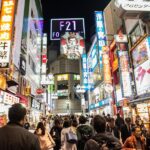
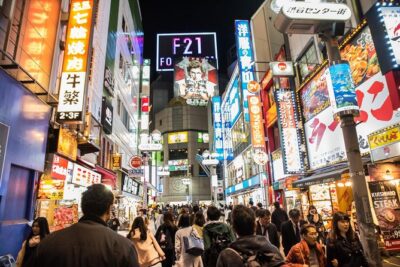
Shinjuku can feel like several cities stacked together. There are giant station exits, glowing entertainment streets, tiny drinking lanes, office towers, and old-fashioned restaurants tucked into spaces you could easily miss.
That mix gives this tour its purpose. You are not simply sitting down for a meal. You are moving through the food districts that give Shinjuku its character, then stopping often enough to taste the place properly.
I like this approach for a first or second evening in Tokyo. Japanese menus can be hard to read, ordering customs are not always obvious, and small restaurants may have limited seating. A guide removes much of that friction, while still taking you into places that feel distinctly local rather than polished for international visitors.
The meeting point is in front of the blue AOKI sign near the Starbucks at Nishi-Shinjuku’s west exit. Shinjuku Station is large and confusing, so give yourself extra time to find the correct exit. Once the group meets, the evening unfolds on foot and returns to the α 107 Building area.
A few more Tokyo tours and experiences worth a look
Four eateries and 15 dishes make a serious dinner
The strongest feature here is quantity with variety. The package includes 15 dishes, enough for a full meal, plus three drinks. You are not paying for a quick sample and then hunting down dinner afterward.
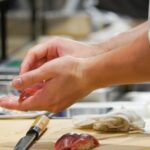
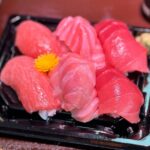
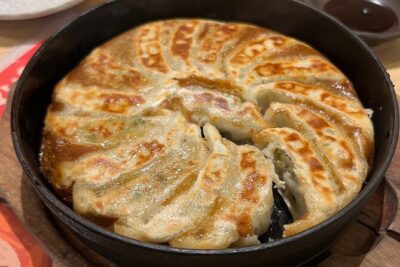
The exact menu can vary, but the food examples give you a good sense of the range. You might taste tender sashimi, crisp tonkatsu, pan-fried gyoza, and other Japanese comfort foods. One evening included Okinawan food, adding a regional turn to the meal instead of keeping every dish within the most familiar Tokyo categories.
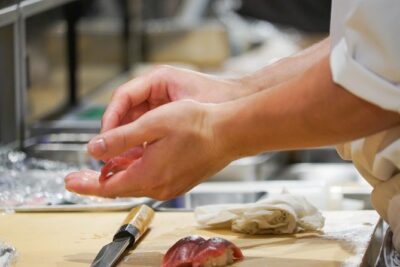
That variety matters because Japanese food is not one single style. Sashimi shows off freshness and clean flavors. Tonkatsu brings a crunchy coating and hearty weight. Gyoza offers browned edges, savory filling, and a more casual restaurant feel. Together, the dishes help you compare textures and cooking methods rather than simply eat several versions of the same thing.
The four stops also spread the meal out. You eat a little, walk a little, then sit down again. This keeps the experience social and gives the guide room to explain what is on the table.
Still, come hungry. Several people have found the portions so generous that finishing everything became difficult, especially at the final stop. That is good value, but it is not a light grazing tour. If you have a small appetite, pace yourself early and leave room for the later dishes.
Golden Gai: narrow lanes and small-scale dining
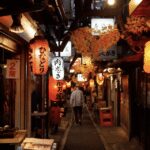
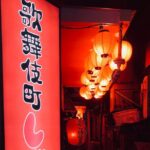
Golden Gai is one of Shinjuku’s most recognizable night districts, made up of narrow lanes and tiny bars packed into a compact area. The tour spends about an hour in this part of Shinjuku, combining food with a guided walk.
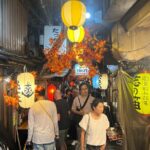
The appeal is the scale. Instead of the broad avenues and giant signs around the station, you see a maze of small spaces where atmosphere matters as much as the menu. Lanterns, signs, and tightly packed buildings create a setting that feels unlike a standard restaurant district.
Your guide can provide context about the area and explain the food as it arrives. This is especially useful if you are new to izakaya-style dining, where a meal often means ordering several shared dishes alongside drinks.
Golden Gai can also be tight and crowded. You should expect compact restaurants and limited seating rather than roomy tables. That is part of the charm, but it may not suit you if you want a quiet, spacious dinner or need lots of room to move.
The stop works best when you treat it as a glimpse into Shinjuku’s evening life, not as a sightseeing photo stop. The food gives you a reason to stay, and the narrow streets give the meal a memorable setting.
Omoide Yokocho: old Tokyo atmosphere beside the station
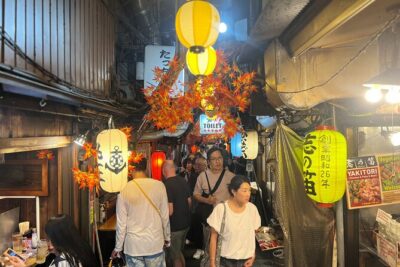
Omoide Yokocho offers another change of mood. This well-known lane near Shinjuku Station is lined with small eateries and traditional-looking food stalls. The route includes both dinner and a guided walk here, allowing you to see how quickly the modern station district gives way to a more intimate dining scene.
The name is often linked with memories, and the atmosphere fits. The lane feels compact, informal, and focused on food. You might find grilled specialties, small plates, and other dishes designed for sharing, though the precise offerings are not fixed in the tour details.
This stop is valuable because it shows you how Japanese dining often works in real life. You are not moving through a formal sequence of courses. You are sampling several foods, taking cues from the people around you, and learning how different dishes fit together over an evening.
A guide is particularly useful here because the lanes can be easy to pass without understanding what makes them special. You may notice a restaurant, but not know what to order or how to approach it. The guide handles that introduction and keeps the group on schedule.
As with Golden Gai, seating may be close and the walkways narrow. If you prefer a relaxed meal with plenty of personal space, this may feel busy. If you enjoy compact food streets and a little bustle, it is one of the most memorable parts of the route.
Kabukicho: food, nightlife, and neighborhood stories
The final major area is Kabukicho, Shinjuku’s famous entertainment district. The tour gives you roughly an hour here, mixing more food with a guided look at the streets and their background.
Kabukicho is best approached with context. Bright signs and nightlife venues can make the area seem confusing at first, especially after dark. Guides such as Thierry and Shane have been praised for explaining its past and present while leading groups between restaurants.
That commentary adds real value. You are not just eating in a famous district. You are learning how the area fits into Shinjuku and how food, nightlife, and local streets overlap.
The restaurant selection here may provide another change in flavor and mood. Since the tour visits four eateries across the evening, you are likely to notice contrasts in setting and style. One stop may feel like a casual izakaya, another like a specialty restaurant, and another may introduce a regional food tradition.
The hour-long schedule also keeps Kabukicho from becoming an aimless walk. You have a clear reason for being there, and the food stops give structure to the sightseeing.
A few more Tokyo tours and experiences worth a look

Three drinks, with one detail to confirm
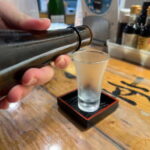
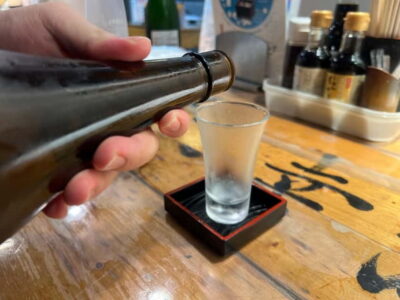
Three drinks are included, with alcoholic and nonalcoholic options. Sake and beer are specifically mentioned, making the drinks a natural part of the meal rather than an afterthought.
I like that the tour gives you a chance to try Japanese drinks alongside the food. A small pour of sake can taste quite different with sashimi than with fried or grilled dishes. Beer, meanwhile, fits easily with gyoza, tonkatsu, and other savory foods.
The experience is not limited to alcohol. Nonalcoholic choices are available, so you can take part without drinking. If you do choose alcohol, remember that the tour includes a substantial amount of food and several stops, so a measured pace makes sense.
There is one practical wrinkle. One recent booking received two drinks rather than the three advertised, specifically one sake and one beer. I would confirm the drink arrangement with the guide at the start, especially if that part of the package matters to you.
The guide can make or break the evening
A food tour depends heavily on the person leading it. Here, the guide is expected to explain the dishes, share local food culture, and point out details in the surrounding streets.
The strongest guide feedback centers on warmth, clear communication, and attention to the group. Emma has been praised for being welcoming and patient when people became lost. Dai adjusted the walking pace for a slower walker and also helped with photos. Riki was noted for friendly banter, a quality that can make a solo traveler feel more at ease.
Other guides, including Shane W, Yin, Will, Fu, Aiko, Han, and Kei, have been praised for food explanations, local background, and keeping the evening enjoyable. Since guide assignments can vary, you should not book expecting one particular person unless the provider confirms it.
The English-language guiding is important. You will be able to ask why a dish is prepared a certain way, what ingredients you are tasting, and how a neighborhood developed. That turns dinner into something you can use for the rest of your Japan trip.
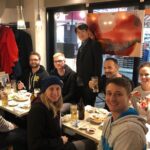
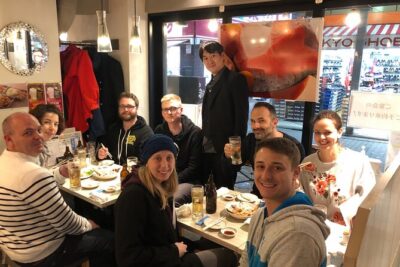
The social side is another plus. You share food with people from different countries, and the stops naturally create conversation. If you are traveling alone, this can be an easy way to meet people without committing to a full-day group excursion.
What the three-hour pace feels like
The tour runs for three hours, with approximately one hour allocated to each of Golden Gai, Omoide Yokocho, and Kabukicho. That does not mean you spend a full sixty minutes seated in each area. Time is divided between walking, eating, explanations, and moving to the next restaurant.
The pace is active but manageable for most people who are comfortable walking around city streets. You will be on your feet, crossing through narrow lanes, and entering several eateries. Wear shoes that feel good for an evening walk.
One restaurant has a steep set of stairs and no lift. This is the clearest physical limitation in the available information. If stairs are difficult for you, ask about the route before booking.
The schedule also rewards punctuality. One guide was specifically praised for keeping the group on time and finding seats for everyone. That matters because small restaurants cannot always absorb a late, scattered group.
Is $72 good value for Shinjuku?
At $72 per person, the tour is not the cheapest way to eat in Tokyo. You could certainly spend less by choosing one casual restaurant and ordering selectively.
The comparison changes once you count what is included: 15 dishes, three drinks, four eateries, a three-hour city walk, and an English-speaking guide. You are also paying for access to small restaurants that may be difficult to choose or navigate on your own.
The food quantity is a major part of the value. Several experiences included more than enough for a full dinner, and some people could not finish the later dishes. If you arrive hungry and enjoy trying many foods, the price looks fair.
The value is lower if you want only a small tasting, dislike group dining, or already feel confident ordering in Shinjuku. You may prefer spending the money on one restaurant where you can linger.
For a first night in the city, I think the orientation adds enough to justify the cost. You leave with a better sense of Shinjuku’s food districts and a list of dishes and areas to revisit.
Who should book this food tour?
This suits you best if you want a full dinner, enjoy trying unfamiliar dishes, and like learning as you walk. It is also a strong choice for solo visitors, couples, and friends who want a social evening without planning every stop.
It works well early in a Tokyo trip. The route introduces several parts of Shinjuku, while the guide helps explain food customs and restaurant etiquette. You can use that experience later when you eat on your own.
You should think twice if you need a quiet setting, have very limited mobility, or prefer to control every dish and dining time. Narrow eateries, shared food, a fixed route, and stairs are all part of the deal.
Food allergies and dietary needs should be raised before or at the start of the tour. One guide made accommodations for allergies, but the available details do not promise that every restriction can be handled.
Bring cash, as requested. Keep your meeting directions handy, and allow extra time to reach the blue AOKI sign near Starbucks at the Nishi-Shinjuku west exit.
Should you book it?
I would book this tour if you want Shinjuku to feel less like a wall of neon and more like a neighborhood where people eat, drink, and meet. The combination of 15 substantial dishes, four eateries, three drinks, and local guidance gives you a lot in three hours.
Book it especially for your first evening in Shinjuku, when a guide can handle the choices and show you streets you might otherwise miss. Skip it if you want a slow private dinner or a small, carefully controlled tasting. For most curious eaters, $72 is a reasonable price for a full meal and a useful introduction to Tokyo food culture.
FAQ
How long does the Shinjuku food tour last?
The tour lasts three hours.
How many dishes are included?
The experience includes 15 Japanese dishes, described as enough for a full meal.
How many drinks are included?
Three drinks are included, with alcoholic and nonalcoholic options. Sake and beer are specifically mentioned.
How many eateries does the tour visit?
The tour visits four local eateries.
Which Shinjuku areas are included?
The route includes Golden Gai, Omoide Yokocho, and Kabukicho.
What language is the tour conducted in?
The live guide conducts the tour in English.
Where is the meeting point?
Meet in front of the blue AOKI sign near the Starbucks at Nishi-Shinjuku’s west exit. The tour returns to the α 107 Building area.
What should I bring?
Bring cash. You should also wear comfortable shoes because the experience includes walking through Shinjuku.
More Food Experiences in Tokyo
More Tokyo Food Tours in Tokyo
More Shinjuku Tours in Tokyo
More tours in Tokyo we've reviewed












Tokyo Food Tours, compared.
 ★ 5.0Tokyo: Shinjuku Food Tour (13 Dishes at 4 Local Eateries)From $86
 ★ 4.9Tokyo: Shinjuku Food Tour (13 Dishes and 4 Eateries)From $97
 ★ 5.0Tokyo Night Foodie Tour in Shinjuku – Seasonal Sushi, Wagyu BeefFrom $111
 ★ 5.0Eat and Drink Like a Local: Tokyo Ueno Food Tour-Taverns&RamenFrom $95
 ★ 5.0Tokyo: Shibuya Food Tour (13 dishes and 4 Eateries)From $77
 ★ 5.0Best of Shibuya Food TourFrom $217