Reviewed · NIKKO DAY TRIPS
Nikko Full-Day Private Walking Tour with Government-Licensed Guide (Tokyo DEP.)
Nikko packs grand shrines, mountain water, old villas, and quiet walking paths into one long day from Tokyo. The best part of this private, custom route is that you choose three or four sights rather than being pushed through every stop on a fixed schedule.
In This Article
- Key points to know before you book
- Why Nikko works best with a flexible full-day plan
- From Asakusa to the mountain temples
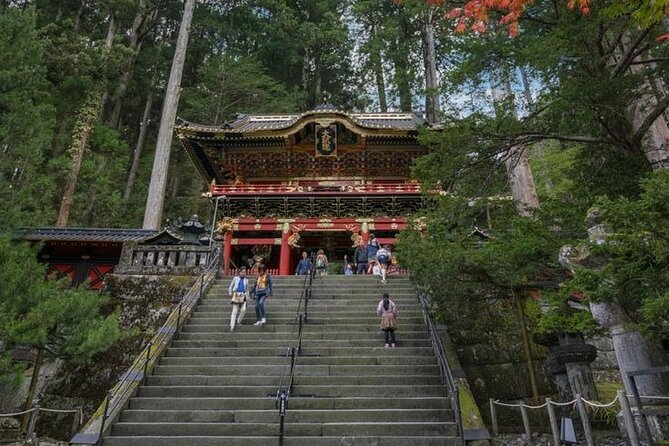
- Toshogu Shrine, where Nikko turns grand
- Rinnoji, Taiyuin, and Futarasan Shrine
- Kegon Falls and Lake Chuzenji
- Senjogahara and the outdoor side of Nikko
- Gardens, villas, and quieter historic stops
- Bridges and viewpoints worth weighing
- What the private guide adds
- Is $224.02 per person a fair price?
- Who should book this Nikko day?
- FAQ
- How long does the Nikko private tour last?
- Where do I meet the guide?
- Does the tour include hotel pickup?
- Is transportation to Nikko included?
- How many sights can I choose?
- Are entrance tickets included?
- Is lunch included?
- Is this a group tour?
- What happens if I need to cancel?
- Should you book it?
I like the guide’s role in sorting out a complicated day, especially when you want both culture and nature. I also like the chance to request a guide such as Seizo, Yoshii, Kazu, Yuki, Nobu, or Mari, when available. The main catch is cost: at $224.02 per person, you still pay for transport, entrance tickets, and lunch.
Key points to know before you book

- Pick three or four Nikko sights: Choose from temples, shrines, waterfalls, lakes, gardens, and historic buildings.
- Private group only: Your guide works with your party, so the pace and interests are yours.
- Tokyo to Nikko transport costs extra: The Nikko All Area Pass is listed at 4,520 yen per person, and private transport is not included.
- A guide helps with a tricky day: Roads, buses, mountain sites, and shrine complexes can take time to coordinate.
- Nature and culture fit together: Toshogu, Kegon Falls, Lake Chuzenji, and Kanmangafuchi Abyss offer very different views of Nikko.
- Meet on foot in Tokyo: The stated meeting point is Asakusa Station, with a hotel or other Tokyo drop-off afterward.
Why Nikko works best with a flexible full-day plan

Nikko is not one compact attraction. Its famous shrines sit near the town center, while Kegon Falls and Lake Chuzenji are higher in the mountains. Senjogahara, Akechidaira, and Kirifuri Waterfall add still more distance.
That spread is the reason a private guide can be useful. You can focus on religious art and Japanese history, choose a nature-heavy day, or split the time between both. A guide can also adjust the order around your interests and the time available.
The experience lasts about nine hours, but that does not mean nine hours of sightseeing. You must allow for the journey from Tokyo, local transport, walking, and possible lines or delays. The supplied plan gives each possible stop 30 minutes, but you choose only three or four of the fourteen choices. In practical terms, this is a focused day, not a checklist tour.
The walking element matters. You meet the guide on foot in the designated Tokyo area, and private transportation is not included. If you want the guide to arrange a smooth day using trains and local buses, say so when discussing your choices. The guide can handle navigation, but you pay your own fares.
A few more Tokyo tours and experiences worth a look

From Asakusa to the mountain temples
The meeting point is listed at Asakusa Station, at 1 Chome-4 Hanakawado in Taito City. Your guide will drop you at your hotel or another location in Tokyo at the end. The details describe a walking meeting rather than a private vehicle pickup, so confirm the exact meeting instructions before the day begins.
This is important because Nikko is far enough from central Tokyo that a late start can shrink your time there. Contact the guide ahead of time with your priorities. Yusuke, for example, was praised for checking preferences before the trip and suggesting changes. Nobu was also noted for building a full-day plan in advance and handling the transport links efficiently.
You should tell the guide if you care most about the ornate shrines, easy walking, waterfalls, gardens, or mountain views. Also mention mobility concerns, weather, and the season. Snow made some paths less comfortable on one winter visit, and autumn foliage can bring extra crowds and slower roads.
Toshogu Shrine, where Nikko turns grand
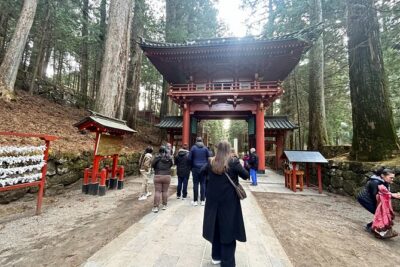
Nikko Toshogu is the obvious cultural centerpiece. It is the mausoleum of Tokugawa Ieyasu, founder of the Tokugawa shogunate, and the complex nearby includes several important shrines and temples.
This is where the famous idea that you should not call something magnificent until seeing Nikko begins to make sense. Expect elaborate decoration, layered religious meaning, and a strong sense of how political power and faith were presented in early modern Japan.
A guide adds real value here. The details can be overwhelming if you simply walk from gate to gate. Ask for help identifying the stories and symbols behind the carvings, and allow time for the scale of the complex to register. The stated visit time is 30 minutes, which is brief for anyone who wants to linger.
Admission is not included. Toshogu can be a strong choice for a first visit, but it may not suit you if you want a quiet, nature-focused day or dislike ornate religious sites.
Rinnoji, Taiyuin, and Futarasan Shrine

Nikko’s central religious district offers three different experiences, and your guide can help you decide how much of it belongs in your day.
Rinnoji is Nikko’s key Buddhist temple, founded by Shodo Shonin, the monk who brought Buddhism to Nikko in the eighth century. Its main building, Sanbutsudo, gives the temple a different mood from the bright decoration at Toshogu. Admission costs extra.
Taiyuin is the mausoleum of Tokugawa Iemitsu, Ieyasu’s grandson and the third Tokugawa shogun. Its layout and decoration resemble Toshogu, but the complex has its own character and a quieter feel. Admission is not included.
Futarasan Shrine was founded in 782 by Shodo Shonin and is much older than Toshogu. It belongs to the same wider sacred area, but its age and simpler presence make it a useful contrast to the later shogunal monuments. Admission to the shrine is listed as free.
You do not need to visit all three. If religious history is your main interest, combine Toshogu with Rinnoji or Taiyuin. If you want a broader sense of Nikko, choose one major paid site and use your remaining time outdoors.
Kegon Falls and Lake Chuzenji

Kegon Falls is Nikko’s best-known waterfall. Water from Lake Chuzenji drops 97 meters to the rocks below, creating the kind of forceful natural view that gives the mountain area its drama.
A special lift takes you toward the waterfall viewpoint, but the admission fee is extra. The supplied timing allows 30 minutes, so check with your guide how much of that time will go to transport, the lift, and viewing. If the falls are a priority, do not fill the day with too many central temple stops.
Lake Chuzenji is the largest lake in Tochigi, framed by about 25 kilometers of surrounding nature. It became a summer resort for foreign residents in the late nineteenth and early twentieth centuries, and French and other foreign villas remain part of the area’s story.
The lake is a good choice if you want open views and mountain air after time among shrine buildings. It also works well beside Kegon Falls because the two sights are close in theme and setting. The drawback is distance from central Nikko. Mountain roads and local transport can consume a large part of the day, particularly during busy foliage season.
Other walking tours we've reviewed in Tokyo


Senjogahara and the outdoor side of Nikko

Senjogahara means battlefield, referring to a legend in which the gods of Mount Nantai and Mount Akagi fought over neighboring lakes. The field gives you a quieter, more open side of Nikko than the shrine district.
The appeal is not a single monument. It is the chance to walk through a broad natural area and hear the local legend connected to the place. Admission is free. Ask how much walking the chosen route involves, since this is a walking tour and conditions can change with weather.
Kirifuri Waterfall offers another nature option. This two-tiered waterfall drops 75 meters below the Kirifuri Highlands, a few kilometers northeast of the central temples and shrines. Admission is not included.
Kanmangafuchi Abyss is closer to central Nikko and may be the easiest outdoor choice to pair with the heritage area. An eruption of Mount Nantai formed the gorge, which runs for only a few hundred meters and has a pleasant riverside walking trail. Admission is free.
I would pick Kanmangafuchi Abyss if you want nature without committing the day to a long mountain excursion. It also received special attention from Seizo, who enjoyed visiting it with a couple he guided. Senjogahara is better for a larger outdoor setting, while Kirifuri gives you a waterfall without the Lake Chuzenji route.
Gardens, villas, and quieter historic stops

Nikko Botanical Garden is owned and maintained by the University of Tokyo and operates as a branch of Koishikawa Botanical Garden. It offers a more measured, plant-focused break from the major shrines. Admission is extra.
Tamozawa Imperial Villa Memorial Park is one of the most distinctive choices on the list. The 106-room building combines traditional Edo architecture with early modern Meiji design. It was built in Nikko in 1899 using parts of a residence from elsewhere.
This is a fine pick if you enjoy buildings, domestic spaces, and the way Japan changed while preserving older forms. It is less about dramatic scenery and more about rooms, structure, and imperial-era detail. Admission costs extra.
The Kanaya Hotel History House tells the story of the building that preceded the celebrated Kanaya Hotel. It is open to the public and gives you a smaller historical stop than Toshogu or Tamozawa.
These sites can make the day feel less crowded and more personal. They are especially useful if you have already seen Japan’s major temple complexes or prefer architecture to large ceremonial grounds.
Bridges and viewpoints worth weighing

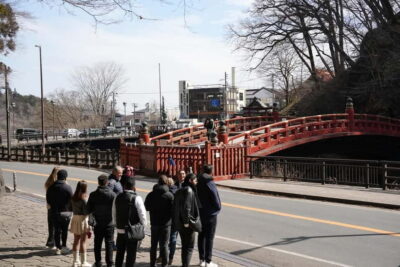
Shinkyo Bridge marks the entrance to Nikko’s shrines and temples and technically belongs to Futarasan Shrine. It is ranked among Japan’s three finest bridges and makes an easy visual introduction to the sacred district.
Admission is listed as free, though the short stop may not justify choosing it over a larger site if your time is tight. It works best as part of a walking route through central Nikko, not as the main reason for a full-day trip.
Akechidaira Observation Area, near the top of the Irohazaka Slope, offers broad views over the winding road and a dramatic mountain setting. The ropeway is closed for maintenance from January 16, 2026, through August 31, 2027. Admission is not included.
That closure is a practical planning point. You may still be able to visit the observation area, but do not book this choice expecting a ropeway ride during that period. Ask the guide what access and viewing options are available on your date.
What the private guide adds
The strongest part of this experience is not simply having someone point out buildings. It is having a person shape a realistic day around your interests.
The guides named in the feedback received repeated praise for being punctual, organized, polite, and easy to spend a full day with. Yoshii was singled out for making a family feel comfortable and for explaining Nikko’s history and culture clearly. Yuki was described as pleasant company and well informed. Kazu was fluent in English and French and helped make the cultural background accessible.
Nobu’s transport planning is particularly relevant because Nikko requires choices. You cannot treat the mountain waterfalls, the lake, and the central temples as if they were all next door. A guide who contacts you in advance can help you avoid wasting the best part of the day on a poor combination of stops.
Still, the guide cannot remove every limitation. You pay your own transport fares, and the tour does not include a private car. The guide’s admission is covered only for sights listed among the choices, while your own entrance fees remain extra. Confirm the exact cost of every paid stop you select.
Is $224.02 per person a fair price?
At $224.02 per person, this is not a budget day trip. The value improves if you are traveling as a private family or small group and care about personal attention, language help, and a route built around your interests.
The price does not cover your transportation, private vehicle, entrance fees, lunch, or personal expenses. The listed Nikko All Area Pass costs 4,520 yen per person, so add that to your planning if it fits your route. A private car is not included, either.
You are paying mainly for the licensed local English-speaking guide and the time spent planning and guiding your day. If you are comfortable researching train connections, choosing sites, and navigating on your own, a self-guided visit will likely cost less. If your time in Japan is limited or your group has mixed interests, the private format may justify the higher cost.
Group discounts are offered, and only your party participates. That makes the per-person price easier to assess for families or friends than for a solo visitor.
Who should book this Nikko day?
I would choose this tour if you want Nikko’s major cultural sights but also hope to see a waterfall, lake, gorge, or garden. It suits families, couples, and small groups that prefer an adjustable pace to a fixed coach schedule.
It is also a strong option if you want help in English, or possibly French with a suitable guide, and prefer asking questions as you go. The guides can explain both historical subjects and practical details, such as how to use the train.
You should think twice if you want a slow, extended walk at every stop. Three or four locations in nine hours, with Tokyo travel and local transport, requires choices. You also need to budget beyond the advertised price.
Free cancellation is available up to 24 hours before the start time. Changes or cancellations inside that window are not accepted for a refund. Most people can take part, service animals are allowed, and the experience is near public transportation, but remember that the meeting itself is on foot.
FAQ
How long does the Nikko private tour last?
The experience lasts approximately nine hours, including the day’s travel and visits.
Where do I meet the guide?
The stated starting point is Asakusa Station at 1 Chome-4 Hanakawado, Taito City, Tokyo 111-0033, Japan. The meeting is on foot within the designated Tokyo area.
Does the tour include hotel pickup?
The tour information describes hotel pickup and a drop-off at your hotel or another place in Tokyo. The included details also specify that you meet the guide on foot, so confirm the exact pickup arrangement before departure.
Is transportation to Nikko included?
No. Transportation fees are extra, and private transportation is not included. The Nikko All Area Pass is listed at 4,520 yen per person.
How many sights can I choose?
The tour includes a custom plan featuring three or four sites selected from the available choices.
Are entrance tickets included?
No. Entrance fees are generally extra. The guide’s entry fees are covered only for sights included in the stated selection.
Is lunch included?
No. Lunch and other personal expenses are not included.
Is this a group tour?
No. It is a private activity for your group only. Group discounts are offered.
What happens if I need to cancel?
You can cancel for a full refund up to 24 hours before the experience start time. Cancellations or changes made less than 24 hours before the start time are not accepted for a refund.
Should you book it?
Book this Nikko private walking tour if you want a guide to connect the temples, shrines, and mountain scenery into one sensible day. Send your preferred sights in advance, and be clear about how much walking and transport you are comfortable with.
My best advice is to choose one or two cultural stops and one or two nature stops. Toshogu with Kegon Falls and Lake Chuzenji makes a grand first visit, while Toshogu with Kanmangafuchi Abyss and Tamozawa Villa gives you a less rushed central-Nikko day.
Skip it if your priority is the lowest possible cost or a private vehicle. For everyone else, the combination of a licensed guide, a private group, and a flexible choice of three or four sights makes the higher price easier to defend.
More Guided Tours in Tokyo

More Walking Tours in Tokyo
More Nikko Day Trips in Tokyo
More tours in Tokyo we've reviewed
Nikko Day Trips, compared.
 ★ 4.5Tokyo: Nikko Toshogu Shrine and Kegon Waterfall TourFrom $8410h 30m
 ★ 5.0Nikko, Kegon Waterfall & Chuzenji Lake from TokyoFrom $89
 ★ 4.4From Tokyo: Nikko, Toshogu Shrine, Waterfall & Chūzenji LakeFrom $54
 ★ 4.3Nikko: Edo Wonderland Edomura Cultural Theme Park TicketFrom $351 day
 ★ 4.8Tokyo: Nikko World Heritage Private Day Trip Hotel Pick-upFrom $39011 hours - 1 day
From Tokyo: Nikko World Heritage Sight Full Day Private TourFrom $36210 hours
★ 4.8Tokyo: Nikko World Heritage Private Day Trip Hotel Pick-upFrom $39011 hours - 1 day
From Tokyo: Nikko World Heritage Sight Full Day Private TourFrom $36210 hours