Reviewed · NIKKO DAY TRIPS
From Tokyo: Nikko, Toshogu Shrine, Waterfall & Chūzenji Lake
Nikko gives you three very different Japanese experiences in one long day: Toshogu Shrine’s lavish gates and carvings, Kegon Falls thundering down a mountain gorge, and quiet Lake Chuzenji beneath Mount Nantai. The trip starts in Ginza, so you can reach the meeting point easily by subway or train before leaving Tokyo behind.
In This Article
- Key points to know before booking
- Why this Nikko day trip works from Tokyo
- Meeting in Ginza and leaving Tokyo
- A first look at Shinkyo Bridge
- Toshogu Shrine, the cultural heart of the day
- Kegon Falls and the practical lunch break
- Lake Chuzenji under Mount Nantai
- The long ride back to Ginza
- What the guides add to the experience
- What to bring and how to pace yourself
- Who should book this Nikko tour?
- Should you book it?
- FAQ
- How long is the Nikko day trip from Tokyo?
- Where does the tour start?
- How early should I arrive?
- Is lunch included?
- Is the Kegon Falls elevator included?
- What happens if the road to Kegon Falls closes?
- What languages are available?
- Is the tour wheelchair accessible?
I like the way transportation, the Toshogu entrance, and a bilingual guide are bundled into the $54 price. I also like the mix of culture and scenery: you get cedar forests and shogun-era architecture before heading higher into the mountains. The catch is the schedule. With roughly five hours on the bus in total, this is a full day, and traffic or weather can shorten time at the mountain stops.
Key points to know before booking
- Toshogu Shrine gets the most time: Allow about 2 hours and 15 minutes to see its decorated gates, cedar setting, and famous wise monkeys.
- Kegon Falls is viewed from an observation platform: The extra elevator ride closer to the base costs more and is not included.
- Lake Chuzenji is a short scenic pause: You get about 40 minutes by the shore, enough for photos and a walk, but not a full lakeside outing.
- The bus ride is part of the experience: Expect about 2.5 hours to Nikko and just over 3 hours back to Ginza.
- The guide team adds practical value: Guides such as Antonio, Paula, Beru, Fran, and Manu have been praised for history, cultural tips, and help with questions.
- Weather can change the plan: Road closures may replace Kegon Falls with a stop outside Rinnoji Temple.
Why this Nikko day trip works from Tokyo
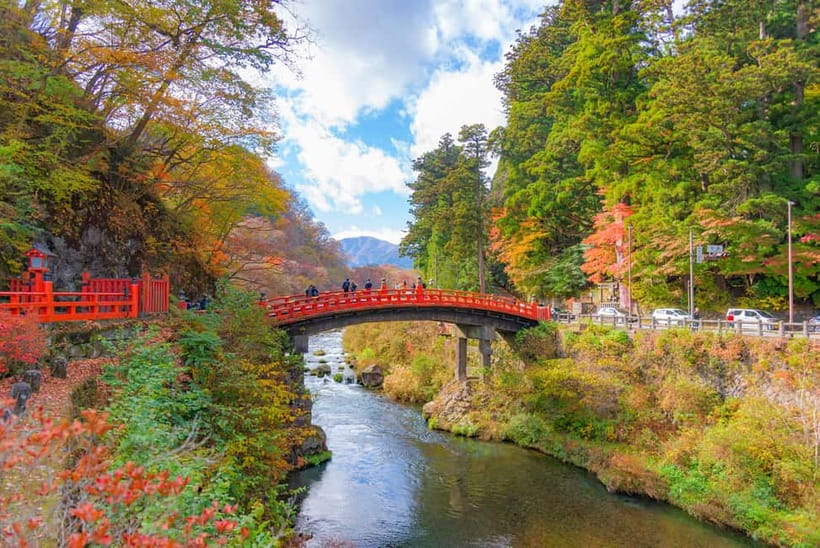
Nikko is far enough from Tokyo to feel like a real change of scene, but it can be visited without changing hotels. This tour removes the hardest part of the outing: working out connections, mountain roads, shrine admission, and the order of stops.
The price is $54 per person. That is good value if you want a guided day with transport and Toshogu Shrine entry included. Lunch is not included, and the Kegon Falls elevator costs extra, so keep some money aside. Even with those additions, the basic price covers the two expenses that matter most: getting there and entering Nikko’s main historic site.
The tradeoff is time. This is not a leisurely stay in Nikko. You will see the best-known sights, but you will not have much room for side streets, smaller temples, or an unplanned café stop. I would choose this outing if you have one free day in Tokyo and want a broad introduction to Nikko. If you have several days in the area, traveling independently and staying overnight would give you a slower visit.
A few more Tokyo tours and experiences worth a look

Meeting in Ginza and leaving Tokyo
The group meets at Ginza Inz 2, across from Tokyo Hands. Ginza Station Exit C9 and the Central Exit of JR Yurakucho Station are the useful approaches. Arrive at least 10 minutes early for check-in, since the coach will not wait for a last-minute arrival.
The first bus section lasts about 2.5 hours. That sounds long, but it is the price of making Nikko a day trip from central Tokyo. You can use the ride to rest, watch the city thin into greener surroundings, and listen to the guide’s introduction to the day.
The coach is air-conditioned, which matters in a schedule this long. Still, bring water and wear comfortable shoes. The shrine grounds involve walking, and the waterfall and lake stops can feel cooler or more exposed than Tokyo, especially in unsettled weather.
A first look at Shinkyo Bridge
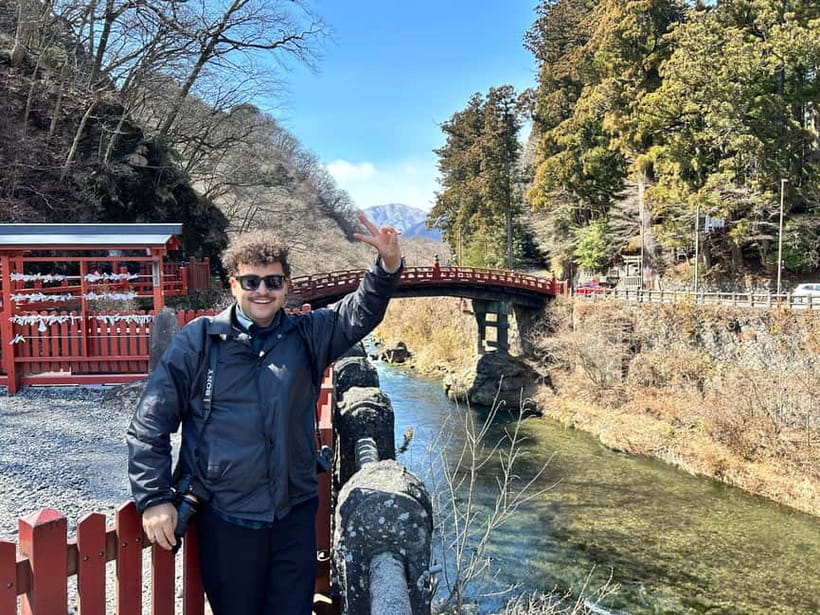
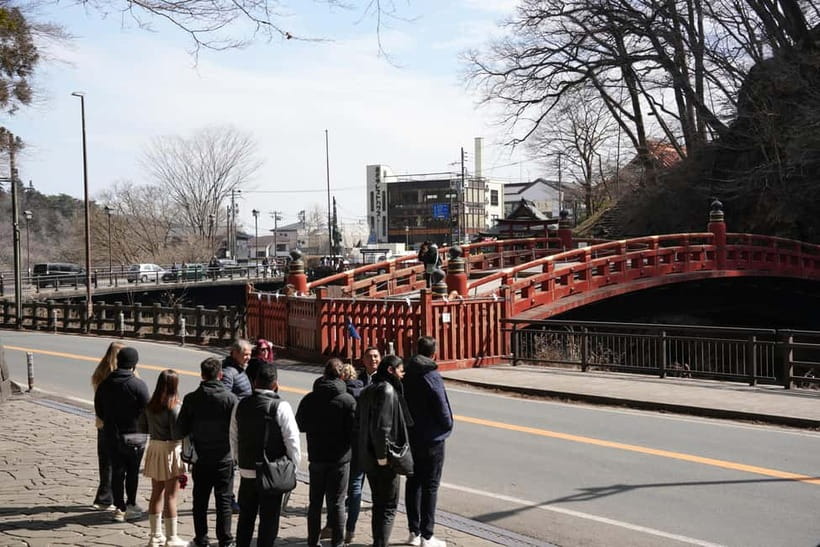
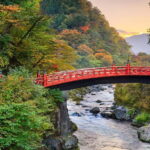
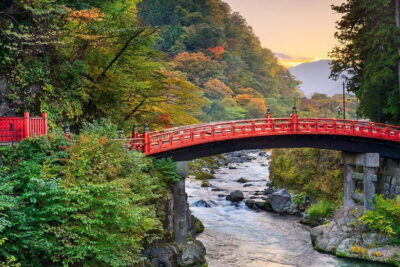
Before the main shrine visit, the route offers a scenic view of Shinkyo Bridge. Its red structure crosses the Daiya River at the entrance to Nikko’s sacred district, making it one of the area’s most recognizable sights.
This is primarily a panoramic bus view rather than a long independent stop. That distinction matters if you hope to walk onto the bridge or spend time photographing it from different angles. Have your camera ready, but treat this part as a preview of Nikko rather than a full visit.
The bridge is a useful introduction because it sets up the contrast that defines the day. Nikko’s religious sites are not isolated monuments in a city square. They are tied to rivers, mountain roads, tall cedar trees, and the surrounding hills.
Toshogu Shrine, the cultural heart of the day
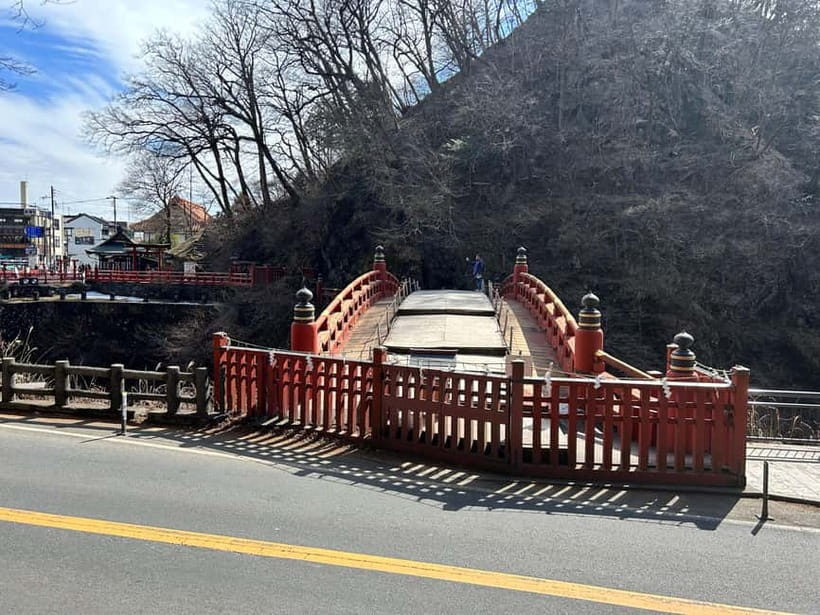
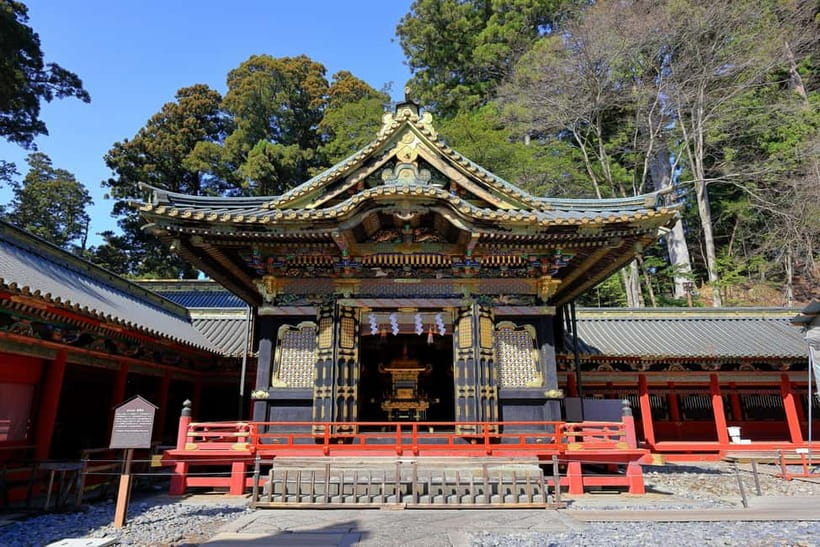
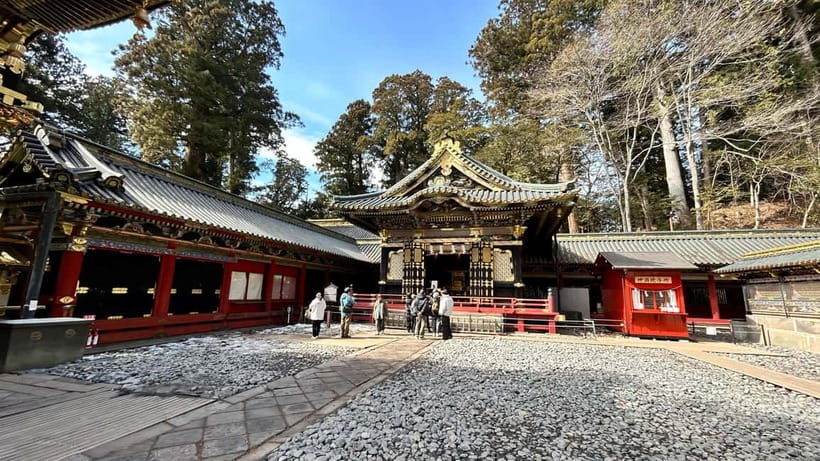
The tour allows about 2 hours and 15 minutes at Toshogu Shrine, including the guided visit. This is the stop that justifies choosing Nikko over a simple nature excursion.
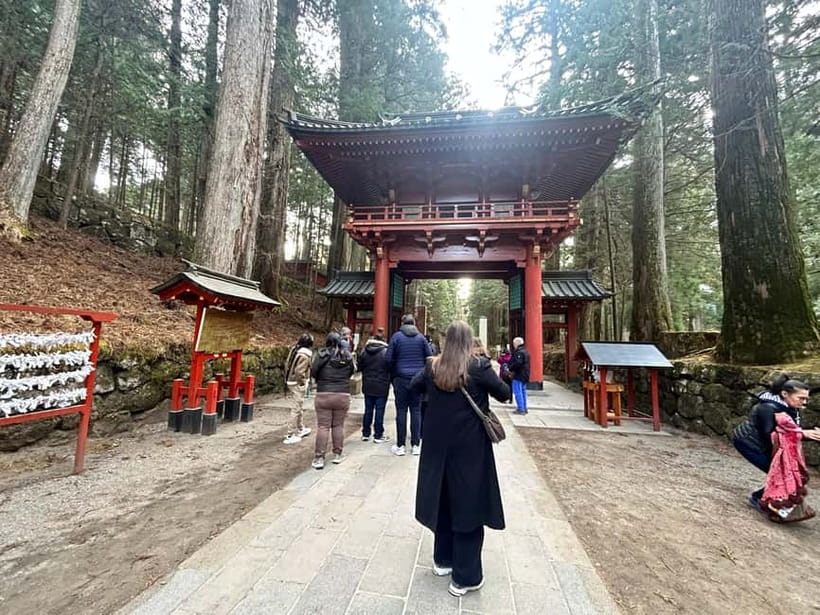
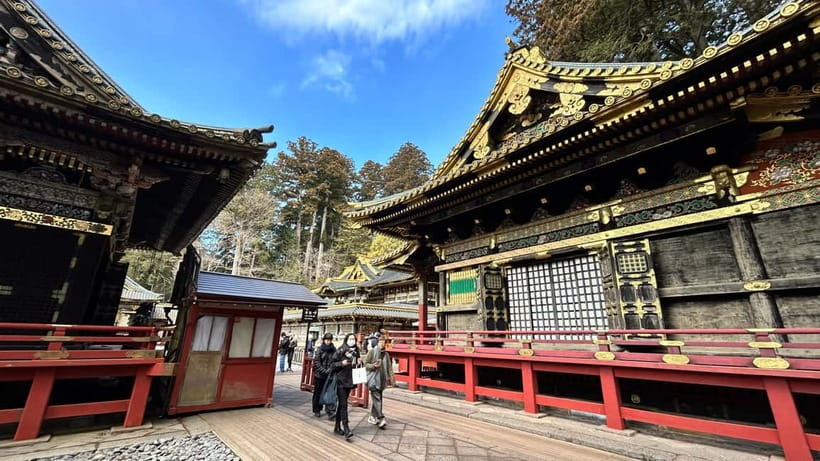
Toshogu is a UNESCO World Heritage Site and a memorial to Tokugawa Ieyasu, the founder of the Tokugawa shogunate. You do not need to be a specialist in Japanese history to appreciate the place. The visual impact comes first: detailed carvings, gold accents, decorated gates, and a forest of mature cedar trees.
The famous three wise monkeys are among the details you will likely seek out. They represent the familiar principle of seeing no evil, hearing no evil, and speaking no evil. The carvings are small compared with the shrine’s larger gates and buildings, so a guide can help you spot them and explain why they matter.
I like that the tour gives Toshogu more time than the other stops. You can follow the guide through the key sections, then use some free time for photographs and a closer look at the walkways. Guides including Fran H, Manu, Paula, Antonio, Beru, and others have been praised for explaining the shrine clearly and answering questions about Japanese customs.
Do not expect a quiet, empty temple visit. Toshogu is one of Nikko’s best-known sites, and the ornate buildings reward patience. The forest helps soften the noise, but this is still a popular stop with a fixed departure time.
You should also wear shoes that work well for extended walking. The tour is not suitable for wheelchair users, and the schedule is better for people who can manage uneven or demanding routes without special assistance.
Kegon Falls and the practical lunch break
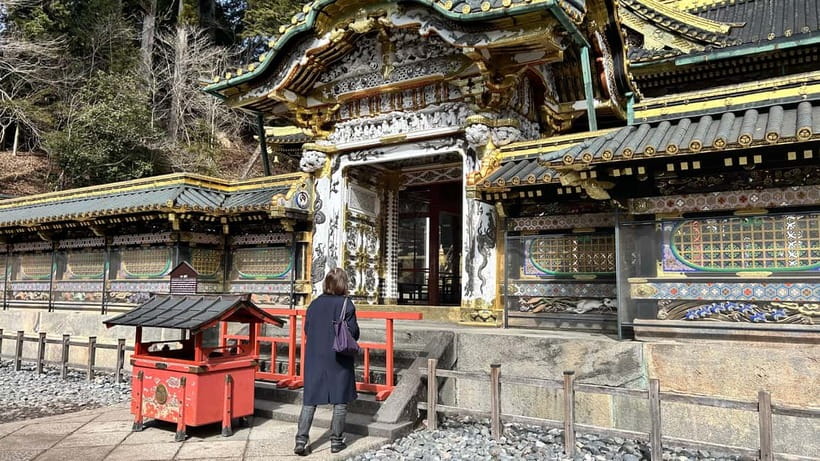
After Toshogu, the coach takes about 30 minutes toward the mountain area. The next scheduled section combines Kegon Falls, lunch, and free time for about 85 minutes.
Kegon Falls drops nearly 100 meters into a rocky gorge. From the observation platform, you can see the waterfall without paying extra for the elevator. This included viewing area is enough for a strong first impression, especially when water is moving heavily or mist hangs around the cliffs.
The elevator takes you closer to the water, but it is optional and not included in the tour price. If you want to use it, your free time must cover the elevator visit, photographs, and lunch. I would decide quickly after arriving, because 85 minutes can disappear once food and queues enter the picture.
Lunch is also on your own. The schedule does not provide a set meal, so you can choose a local Japanese restaurant during the free period. The advantage is flexibility. The drawback is that you must manage your own meal within a short window, and the waterfall visit competes with it for time.
This is the part of the day where planning helps. If Kegon Falls is your priority, take your photos first and then eat. If you care more about trying a particular dish, ask your guide for practical suggestions and keep an eye on the meeting time. Several guides have been praised for giving food, shopping, and transport advice beyond the formal sightseeing.
Weather can change this stop. Mountain roads may close because of rain, snow, or other conditions. When that happens, Kegon Falls is replaced by a stop in front of Rinnoji Temple, with no entry included. That is a meaningful substitution: you still get another Nikko landmark, but you will not see the waterfall or use its elevator.
A few more Tokyo tours and experiences worth a look



Lake Chuzenji under Mount Nantai
A short 10-minute bus ride brings you to Lake Chuzenji. The lake sits at the foot of Mount Nantai and was formed by volcanic activity. Forested slopes, open water, and changing mountain weather give this stop a calmer feel after the shrine and waterfall.
You have about 40 minutes here. That is enough to stroll along part of the shore, take photographs, and pause beside the water. It is not enough for a substantial hike or a full circuit of the lake, so keep expectations realistic.
The views can change quickly. Fog may soften the mountain outline, while a break in the clouds can reveal the lake in a completely different mood. Bring a hat, sunscreen, and a camera, but also pack a light layer if you are visiting when the mountain air is cool.
The lake is a good final sightseeing stop because it asks less of you. There are no elaborate gates to study and no steep waterfall elevator decision. You can simply walk, look, and let the day slow down before the long return ride.
The long ride back to Ginza
The return journey is scheduled for about 3 hours and 10 minutes. Traffic can make any Tokyo-area day trip less predictable, particularly on busy weekends or holiday periods. The tour staff’s time management matters here, and several guides have been praised for keeping the group organized despite difficult road conditions.
The ride back is not just dead time if you use it well. Guides such as Ethan, Paula, Beru, Vanessa, Antonio, and Fran have been praised for answering individual questions and offering practical suggestions for the rest of a Japan trip. The guide may also explain useful Japanese phrases and everyday customs, which can make the coach ride more worthwhile.
You return to Ginza Inz 2, the same place where the day began. That is convenient if you have dinner plans in central Tokyo, though the exact arrival time can be affected by traffic and road conditions.
What the guides add to the experience
This is a bilingual tour in English and Spanish. The guide team can vary, but named guides praised for their friendly and helpful approach include Antonio, Paula, Raul, George, Thomas, Fran, Manu, Beru, Luana, Ethan, and Vanessa.
The strongest value of a guided trip here is not simply hearing dates. It is learning how to read the sites. At Toshogu, a guide can point out the wise monkeys, explain the connection with the Tokugawa shogunate, and place the shrine within Japanese culture.
The guides have also been praised for clear instructions, humor, and help with questions. That matters on a tightly timed day. You need to know where to meet, how long you have, and what to prioritize at each stop.
The experience is not dependent on one particular guide, but the guide makes a real difference. If you prefer to wander silently and set your own pace, a private or independent visit may suit you better. If you want cultural context and do not want to navigate mountain transport, this format is useful.
What to bring and how to pace yourself
Pack light, but bring the basics:
- Comfortable walking shoes
- Water
- A hat
- Sunscreen
- A camera
- A layer suitable for cooler mountain conditions
Your most important resource is time. Toshogu receives the longest visit, while Kegon Falls and Lake Chuzenji are shorter. Do not spend the whole shrine stop taking pictures at the first gate, and do not assume the lake stop allows enough time for a long walk.
The tour offers free cancellation up to 24 hours before departure and allows you to reserve now and pay later. That is helpful when your Tokyo schedule is still shifting. The activity ends back at the meeting point, and the listed duration is 11 hours.
Who should book this Nikko tour?
I would recommend it to a first-time Japan visitor staying in Tokyo who wants to see Nikko in one day without managing trains, buses, and mountain roads. It is also a good fit if you value a guide who can explain shrine details and answer broader questions about Japan.
Families with older children may appreciate the variety. The shrine, waterfall, and lake prevent the day from feeling like one long temple visit. People who enjoy photography will also find plenty to work with, from Shinkyo Bridge and cedar trees to misty water and mountain views.
I would hesitate if you dislike long coach journeys or need generous time at each site. You should also think twice if Kegon Falls is essential to your plan, since road closures can force a replacement stop. And if you use a wheelchair, this activity is specifically not suitable.
Should you book it?
Book this tour if you want Nikko’s main cultural and natural sights in one organized day and consider the $54 price fair for transport, a bilingual guide, and Toshogu admission. The day is efficient, but it is not slow.
Skip it in favor of an overnight stay if you want quiet temple time, longer walks around Lake Chuzenji, or freedom to linger over lunch. For most people with only a few days in Tokyo, though, this is a sensible way to reach one of the Kanto region’s most rewarding day-trip destinations.
FAQ
How long is the Nikko day trip from Tokyo?
The activity lasts 11 hours. The outbound coach journey is about 2.5 hours, and the return journey is scheduled for about 3.17 hours.
Where does the tour start?
The meeting point is Ginza Inz 2, across the street from Tokyo Hands. You can reach it from Ginza Station Exit C9 or the Central Exit of JR Yurakucho Station.
How early should I arrive?
Arrive at least 10 minutes before the departure time for check-in.
Is lunch included?
No. Lunch is not included, but the schedule provides free time for you to eat at a local restaurant in Nikko.
Is the Kegon Falls elevator included?
No. The elevator that takes you closer to the waterfall costs extra. You can view Kegon Falls from the observation platform without using the elevator.
What happens if the road to Kegon Falls closes?
The waterfall visit may be replaced with a stop in front of Rinnoji Temple. Entry to Rinnoji Temple is not included.
What languages are available?
The tour has live guides in English and Spanish.
Is the tour wheelchair accessible?
No. The activity is not suitable for wheelchair users.
More Temples & Meditation in Tokyo
More Nikko Day Trips in Tokyo
More tours in Tokyo we've reviewed












Nikko Day Trips, compared.
 ★ 4.5Tokyo: Nikko Toshogu Shrine and Kegon Waterfall TourFrom $8410h 30m
 ★ 5.0Nikko, Kegon Waterfall & Chuzenji Lake from TokyoFrom $89
 ★ 4.3Nikko: Edo Wonderland Edomura Cultural Theme Park TicketFrom $351 day
 ★ 4.8Tokyo: Nikko World Heritage Private Day Trip Hotel Pick-upFrom $39011 hours - 1 day
From Tokyo: Nikko World Heritage Sight Full Day Private TourFrom $36210 hours
★ 4.8Tokyo: Nikko World Heritage Private Day Trip Hotel Pick-upFrom $39011 hours - 1 day
From Tokyo: Nikko World Heritage Sight Full Day Private TourFrom $36210 hours
 ★ 5.0From Tokyo: Nikko World Heritage Sight Full Day Private TourFrom $461