Reviewed · PRIVATE CAR WITH DRIVER
Tokyo Private Tour by Vehicle with English-Speaking Chauffeur
Tokyo is a huge city with famous sights scattered across many districts. This private driving tour gives you a practical way to connect Senso-ji, Tsukiji, Meiji Shrine, Shibuya, and Harajuku in one day, without learning the rail system or changing trains with tired feet.
In This Article
- Key points to know before booking
- A smart way to connect Tokyo’s far-flung sights
- Senso-ji: Tokyo’s best first glimpse of old Asakusa
- Tokyo Skytree: a high view with an extra ticket
- Tsukiji Outer Market: plan lunch around the stalls
- Imperial Palace East Gardens: a quieter break in the middle
- Meiji Jingu: forest paths and Shinto tradition
- Takeshita Street: Tokyo youth culture in a short walk
- Shibuya Crossing: Tokyo’s famous moving picture
- What the private car adds to the price
- The chauffeur makes or breaks the day
- Who should book this Tokyo tour?
- Should you book it?
- FAQ
- How long does the Tokyo private tour last?
- How many people can join the private tour?
- What is the price of the tour?
- Is hotel pickup included?
- Is Tokyo Skytree admission included?
- Is the tour led by a walking guide?
- Which Tokyo sights are included?
- Can the itinerary be customized?
- What is included besides transportation?
I like the flexible route, which lets you swap stops or linger longer when a place catches your interest. I also like the comfort of a private car, hotel pickup, bottled water, and pocket Wi-Fi, especially for families, older adults, or anyone working with limited time.
The main drawback is that your chauffeur is not a walking guide. You receive explanations between destinations and at the sights, but the depth of on-site history depends on your individual driver. Admission to Tokyo Skytree is also extra, and the full-day price is a serious one.
Key points to know before booking
- Six major Tokyo districts in one day: Connect Asakusa, Skytree, Tsukiji, the Imperial Palace area, Harajuku, and Shibuya without handling the city’s complex rail network.
- Private vehicle for up to four people: The listed price is $468.91 per group, not per person, so the value improves when four people share it.
- Flexible sightseeing with named chauffeurs: Drivers including Moshe, Oriol, Richard, Mattia, and Sam have been praised for adjusting routes and offering personal recommendations.
- Useful for a first Tokyo day: You can see the headline sights first, then return later by train to the neighborhoods you liked best.
- Skytree tickets cost extra: The tower stop includes time to visit, but admission is not part of the tour price.
- Good comfort, limited walking commentary: The car, water, hotel transfers, and pocket Wi-Fi are included, but this is not a traditional guided walking tour.
A smart way to connect Tokyo’s far-flung sights
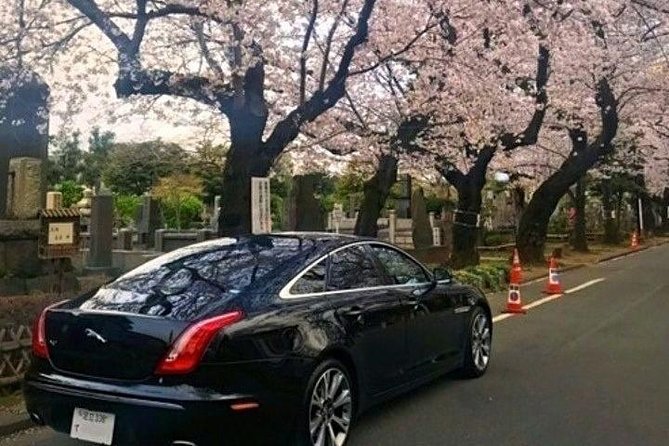
Tokyo does not reveal itself in one compact historic center. Senso-ji is in Asakusa, Tsukiji lies farther south, Meiji Shrine and Takeshita Street are in Harajuku, and Shibuya is another district altogether. On public transport, these are manageable trips, but several transfers and station walks can eat into a short visit.
This tour handles the movement by private car. Your driver takes you from sight to sight and gives relevant information while you travel. That arrangement lets you spend your energy looking around instead of studying maps, checking train platforms, or finding a taxi after each stop.
You can follow the planned sightseeing route or shape the day around your own interests. Several driver names appear in the experience, including Moshe, Oriol, Richard, Mattia, Shlomo Moshe, and Sam. The strongest pattern in the feedback is not one fixed script, but the ability of good drivers to adjust the day.
One chauffeur, Sam, created an offbeat route with quiet neighborhoods, a cemetery, shrines, gardens, and several train rides. That is a useful reminder: you do not have to accept only the standard highlights. If you have already seen the major temples, ask for a more local mix.
Other private tours in Tokyo

Senso-ji: Tokyo’s best first glimpse of old Asakusa
The day begins with about an hour at Senso-ji, Tokyo’s oldest and most prominent Buddhist temple. Its long history, striking entrance, and central place in Asakusa make it one of the city’s essential stops.
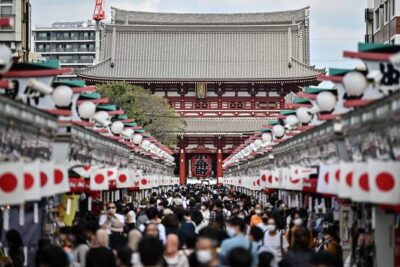
Give yourself time to look beyond the main photo point. The approach to the temple is part of the experience, with traditional-style shops and food stalls leading toward the main buildings. The setting is lively and highly visited, so it can feel more like a major city attraction than a quiet religious site.
Your chauffeur can explain the basics during the drive and help you understand what you are seeing. Still, remember that the driver is not scheduled as a walking guide. If you want detailed information about Buddhist symbols, rituals, or architecture, ask questions in advance and plan to read the posted material at the temple.
The stop is free, and one hour is enough for a solid visit. If you want time for snacks, shopping, and a slower look at the grounds, tell your driver early. The flexible format should make that possible, but every extra minute here affects later stops.
Tokyo Skytree: a high view with an extra ticket
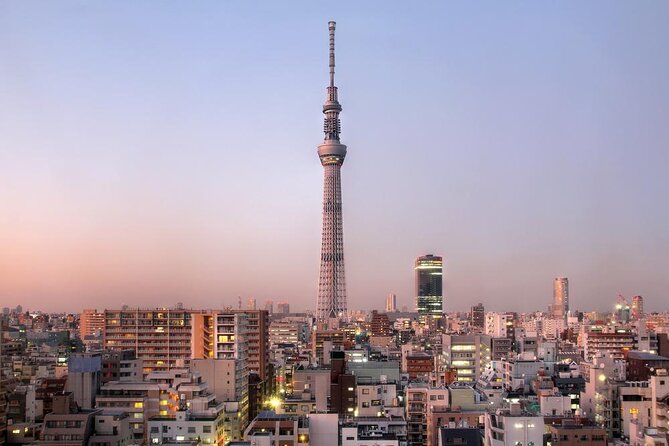
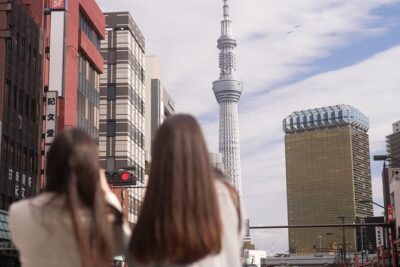
Tokyo Skytree receives about 80 minutes. At 634 meters, it rises far above the city and offers a broad view across Tokyo. On a clear day, the height helps you understand the scale of the city in a way that street-level sightseeing cannot.
Admission is not included, so add the ticket cost to your planning. You should also think about the weather. A cloudy or hazy day can reduce the value of paying for a high observation deck, though the tower remains an impressive sight from below.
The timing listed for Skytree includes more than a quick photo stop, but it is still not an open-ended visit. If the view is a top priority, say so when you book or meet your driver. If you would rather save money and spend more time in neighborhoods, Skytree is an easy place to shorten.
The private car is especially useful here because Skytree and Senso-ji are close enough to pair naturally, yet the move between them can still be less tiring by vehicle. You get an early contrast between old Asakusa and modern Tokyo’s vertical scale.
Tsukiji Outer Market: plan lunch around the stalls
The tour allows about 90 minutes at Tsukiji Outer Market. This is the food-focused portion of the day, with seafood stalls, prepared dishes, street food, and restaurants serving raw and cooked fish.
Tsukiji is called the fish market, but you should think of it as a food district rather than the old wholesale market itself. The outer market is where you can browse, snack, and make lunch part of the sightseeing. It is a good place to tell your driver what you actually want: sushi, cooked seafood, a quick bite, or time to browse.
Lunch is not included. Driver recommendations can be useful, and several accounts praise restaurant suggestions, but you should still ask about the expected price before sitting down. One person found the proposed lunch too much like a tourist trap and chose to continue touring instead.
That criticism is worth taking seriously. A private chauffeur can save you time, but a recommendation is still a recommendation, not a guarantee of value. If you prefer to choose for yourself, use the 90-minute stop to inspect menus and prices before ordering.
Tsukiji can also be a demanding stop for anyone sensitive to crowds, heat, or standing. The private car gives you a place to rest between areas, but the market itself is experienced on foot. Wear comfortable shoes and keep your meal plans flexible.
Imperial Palace East Gardens: a quieter break in the middle
The route includes the Imperial Palace East Gardens, the former site of the innermost defenses of Edo Castle. The gardens provide a change of pace after Asakusa, Skytree, and Tsukiji.
This is the stop to use for a calmer look at Tokyo’s past. The gardens connect the modern capital with the era when Edo Castle was the center of political power. You may find remnants and open green spaces rather than a preserved castle interior, so set your expectations accordingly.
The supplied schedule does not give a separate duration for this stop. That matters because the day already contains six named sightseeing areas, with roughly seven hours and ten minutes of listed stop time before traffic and transfers. Ask your chauffeur how long the East Gardens visit will be and which other stop may need shortening.
The garden stop is also subject to opening conditions. One person reported that some attractions were closed during the day, so check the current status when planning. Your driver can help adjust the route if a site is unavailable, but you should not assume every listed place will operate normally on every date.
A few more Tokyo tours and experiences worth a look
Meiji Jingu: forest paths and Shinto tradition
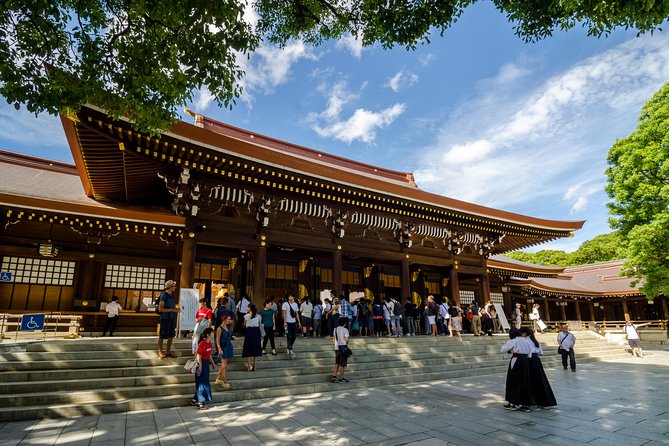
Meiji Jingu receives about 80 minutes. Dedicated to Emperor Meiji and Empress Shoken, the shrine was completed in 1920 and is one of Tokyo’s best-known Shinto sites.
The approach feels very different from the city streets around Harajuku. Tall trees and broad paths create a peaceful setting, even though the shrine is a major stop. It is a valuable pause in a busy day, especially if you have been moving through crowded shopping streets and traffic.
Your chauffeur will explain the shrine and its background while driving. At the grounds, you can take your time with the gates, approach, and main shrine area. Be respectful of worshippers, follow posted rules, and remember that this is an active religious site rather than only a sightseeing backdrop.
One especially unusual moment described by a guest was seeing the emperor’s car near the shrine. That is not something you can plan on, but it shows how the site can feel connected to present-day Japan as well as the past.
The 80-minute allocation is reasonable for a first visit. If you want a slower walk through the forest or more time for shrine customs, let your driver know. Meiji Jingu is one of the stops most likely to feel rushed if the day starts late.
Takeshita Street: Tokyo youth culture in a short walk
Takeshita Street in Harajuku gets about 65 minutes. The narrow shopping street is associated with youth fashion, colorful street art, vintage clothing, cosplay shops, and quick snacks.
This is not the place for a quiet stroll. It is noisy, crowded, commercial, and intentionally playful. That makes it a useful counterpoint to Meiji Jingu, which is only a short distance away but feels like another world.
You will have enough time for a look around and perhaps a purchase or snack, but not a full Harajuku shopping session. If fashion, specialty stores, or street food are central to your plans, ask whether you can trade time from another stop.
The vehicle can drop you near the area, but the street itself must be explored on foot. That is an important distinction for anyone traveling with limited mobility. The tour can reduce the long transfers and provide a comfortable ride, but it cannot remove the walking required at temples, markets, shrines, and shopping streets.
Shibuya Crossing: Tokyo’s famous moving picture
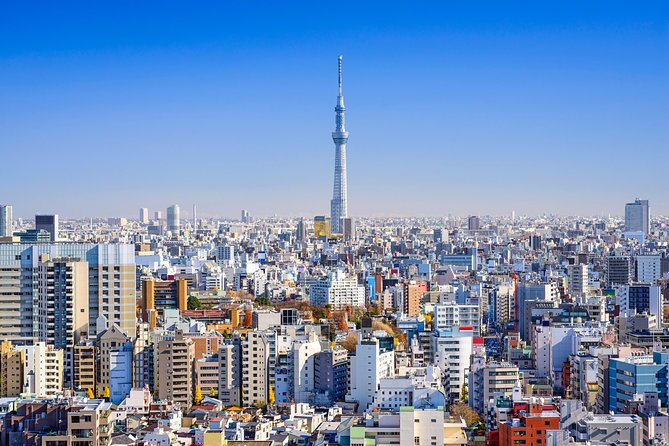
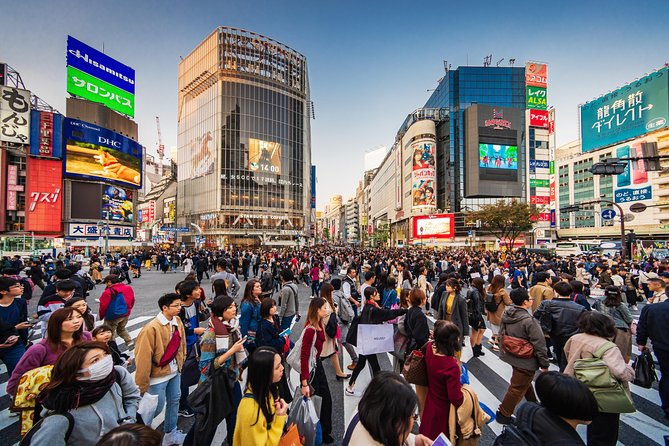
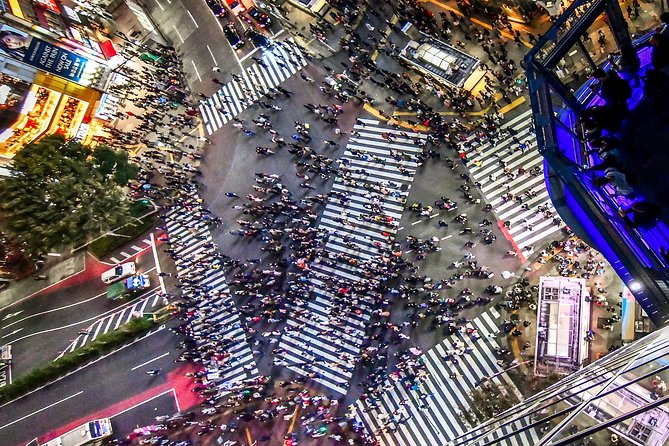
The final named stop is Shibuya Crossing, with about 50 minutes. The intersection is famous for the waves of pedestrians crossing in every direction when the traffic lights stop the cars.
Fifty minutes is generous for crossing, taking photographs, and looking down from a nearby viewpoint if your driver suggests one. It also gives you time to absorb the surrounding district rather than treating the crossing as a ten-second photo stop.
Shibuya is most effective when you let yourself watch the scene. Cross once, find a place to observe, and notice how quickly the streets shift from stillness to motion. The experience is less about a single monument and more about Tokyo’s urban rhythm.
Because this is the last listed stop, ask about the return time and traffic before lingering. Tokyo traffic can be slow, and the tour is advertised as lasting approximately seven to nine hours. Your driver may extend or adjust the route in some cases, but you should not assume unlimited extra time.
What the private car adds to the price
The listed cost is $468.91 per group of up to four people. Divided four ways, that is about $117 per person before Skytree admission and personal meals. For two people, the same vehicle becomes a much more expensive way to tour.
The value depends on what you are buying. You are paying for a private vehicle, hotel pickup and drop-off, an English-speaking chauffeur, a flexible route, bottled water, and pocket Wi-Fi. You are also buying time and reduced stress in a city where the most famous sights are spread across multiple districts.
I would consider this a strong value for four people with only one full day in Tokyo, for a family with older parents, or for anyone finishing a hotel stay before an evening flight. One family specifically used the service after checking out and appreciated being able to spend the final hours sightseeing without worrying about luggage, timing, or multiple taxis.
I would be more cautious if you are a confident rail user, traveling alone, or staying in Tokyo for a week. Tokyo’s trains are efficient, and using them costs far less. In that case, a private car may feel like a luxury rather than a practical necessity.
The car comfort received repeated praise, including clean, roomy vehicles suitable for four people. Safe driving also comes up often. Those details matter after several days of walking and train rides, but vehicle type is not specified, so do not book expecting a particular luxury model.
The chauffeur makes or breaks the day
The best part of this format is the human flexibility. Moshe is repeatedly described as friendly, clear in English, and generous with information about Japanese history, culture, and daily life. Oriol is praised for fluent English and Spanish, route planning, and making sure specific interests fit into the day.
Richard is noted for being accommodating, while Mattia is praised for safe driving and useful explanations. Sam created a more unusual route, including local neighborhoods, a cemetery, shrines, gardens, and train practice. These examples show why it is worth stating your priorities clearly.
Tell the operator what matters most before the day begins:
- Traditional temples and shrines
- Food and restaurant recommendations
- Shopping and youth fashion
- Gardens and quieter neighborhoods
- Views from Skytree
- Easy sightseeing for someone who cannot walk far
- A first-day overview of Tokyo
The experience includes a multilingual guide possibility, so English ability may vary by individual. The strongest comments describe excellent English, but the listed service is an English-speaking chauffeur rather than a dedicated historian. If detailed interpretation is your top priority, confirm the guiding arrangement before booking.
There is also a small professional concern to keep in mind. Two comments describe drivers expressing opinions about politics or other ethnic groups. The provider responded by saying guides should remain neutral and focus on an enjoyable, informative day. Most of the feedback is positive, but you can reasonably expect conversation styles to differ from driver to driver.
Who should book this Tokyo tour?
You should consider it if you have only one or two days in Tokyo and want the major sights without learning the rail network first. It is also a good fit for families, groups of friends, older adults, and people who value door-to-door comfort.
It works well as a first-day orientation. After seeing the city with a chauffeur, you can return to favorite districts by train with a better sense of where they fit. The route can also help you decide which neighborhoods deserve a second visit.
I would not choose it mainly for detailed temple interpretation or a slow food tour. The day is broad rather than specialist, and your time at each site is limited. It is also a poor fit if you dislike fixed sightseeing days or prefer to spend several hours in one neighborhood.
Pickup and drop-off are included, and the stated meeting point is the ANA InterContinental Tokyo in Akasaka. The activity returns to the meeting point, so confirm the pickup arrangement if you are staying elsewhere. Most people can participate, but the stops involve walking, standing, and crowds.
Free cancellation is available if you cancel at least 24 hours before the start time. Changes or cancellations inside that window are not accepted for a refund.
Should you book it?
Book this tour if you want to cover a large section of Tokyo in one comfortable, private day and you are willing to pay for convenience. Four people sharing the $468.91 group price get the clearest value, especially when hotel pickup, water, Wi-Fi, and route flexibility matter.
Before booking, ask about the chauffeur’s English level, vehicle, exact pickup point, Skytree ticket plans, and the time allotted for the Imperial Palace East Gardens. Set your priorities early, and use the flexible format to replace a stop that does not interest you.
Skip it if your budget is tight or you are happy using trains. For everyone else, particularly families and short-stay visitors, this is an efficient way to get a first look at Tokyo without spending the entire day navigating stations.
FAQ
How long does the Tokyo private tour last?
The experience lasts approximately 7 to 9 hours. The total time includes driving between locations as well as sightseeing.
How many people can join the private tour?
The listed price covers one private group of up to four people. Only your group participates in the activity.
What is the price of the tour?
The listed price is $468.91 per group of up to four people. Personal expenses, meals, and Tokyo Skytree admission are not included.
Is hotel pickup included?
Yes. Hotel pickup and hotel drop-off are included. The stated meeting point is the ANA InterContinental Tokyo in Akasaka, so confirm the exact arrangement for your hotel.
Is Tokyo Skytree admission included?
No. The Skytree stop is included, but the admission ticket is not.
Is the tour led by a walking guide?
No. The service includes a chauffeur who provides relevant information while driving between destinations. A separate walking guide is not included.
Which Tokyo sights are included?
The planned route includes Senso-ji Temple, Tokyo Skytree, Tsukiji Outer Market, the Imperial Palace East Gardens, Meiji Jingu Shrine, Shibuya Crossing, and Takeshita Street.
Can the itinerary be customized?
Yes. You can choose the planned route or create a customized day with your English-speaking chauffeur, depending on your interests and available time.
What is included besides transportation?
The tour includes bottled water, hotel pickup and drop-off, a private vehicle, an English-speaking chauffeur, and pocket Wi-Fi. Meals, admission to Skytree, and a walking guide are not included.
More Private Car with Driver in Tokyo
More Private Tours in Tokyo
More tours in Tokyo we've reviewed












Private Car with Driver, compared.
 ★ 5.0Tokyo Private Sightseeing Tour by Car- English speaking chauffeurFrom $268
Mt FUJI Day Tour with Private Car and English Speaking GuideFrom $440
★ 5.0Tokyo Private Sightseeing Tour by Car- English speaking chauffeurFrom $268
Mt FUJI Day Tour with Private Car and English Speaking GuideFrom $440
 ★ 5.0Private Car Tour to Mt. Fuji Lake Kawaguchiko or HakoneFrom $1,286
 ★ 5.0Tokyo Private Driving Tour by Car/Van with English ChauffeurFrom $320
 ★ 5.0Mt Fuji Exclusive Tour with Private Car English GuideFrom $445
 ★ 5.0Tokyo Private Customizable Tour with English Speaking ChauffeurFrom $273