Reviewed · CRAFT WORKSHOPS
Authentic Pure Gold Kintsugi Workshop with Master Taku in Tokyo
A broken plate becomes the star of this Tokyo workshop. At TNCA Minami-Aoyama Studio, Master Taku teaches you to repair handmade pottery with real urushi lacquer and pure gold powder, turning a flaw into the most striking part of the piece.
In This Article
- Key points to know before booking
- What makes this kintsugi workshop different
- Arriving at TNCA Minami-Aoyama Studio
- Meeting Master Taku and learning the craft
- Option A: traditional lacquer and pure gold
- Option B: black plate with a gold finish
- Option C: yobitsugi and decorative missing pieces
- What you actually take home
- Why the pace works well during a Tokyo trip
- Is $142.60 a fair price?
- Practical details that can make the class easier
- What the strongest feedback tells you
- Who should book this workshop?
- FAQ
- Where does the kintsugi workshop take place?
- How long does the workshop last?
- What does the price include?
- Can I take my finished plate home?
- How many people can join the class?
- Can I cancel for a refund?
I like two things right away: you make a souvenir instead of buying one, and the group is limited to five people, so the instruction can stay personal. The session also offers a welcome pause from temples, trains, and crowded sightseeing streets.
The main caution is practical: the $142.60 price is not small for a two-hour activity, and the booking is non-refundable. The studio can also be a little hard to find, so allow time to reach Minami-Aoyama.
Key points to know before booking
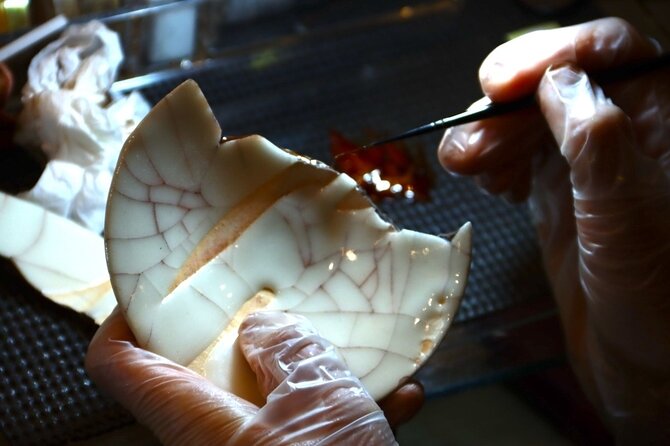
- Authentic materials: You use natural urushi lacquer and pure gold powder rather than a modern imitation method.
- Three project choices: Pick a traditional gold repair, a black plate with gold, or a decorative yobitsugi repair for missing sections.
- Take-home pottery: The plate you work on is included and goes home with you that day.
- Smallest of small groups: The maximum is five people, which helps when you need a careful demonstration or a second look.
- Master Taku’s studio: The workshop takes place at TNCA Minami-Aoyama Studio, in the Omotesando area of Tokyo.
- A mindful souvenir: This is hands-on, calm, and creative rather than a quick demonstration followed by a shop stop.
What makes this kintsugi workshop different
Kintsugi is often explained as the Japanese art of repairing broken pottery with visible seams. That description is accurate, but it misses the point of the finished object. The crack is not hidden. It becomes part of the design.
Here, the repair uses urushi, a natural Japanese lacquer, with pure gold powder. The materials matter. You are not simply drawing gold lines onto an intact plate. You are working with a traditional restoration method under the direction of a ceramic artist.
The pottery is handmade by Master Taku, and the pieces are prepared with a rustic lacquer finish before the lesson. That gives the vessel a worn, earthy character from the beginning. Your repair then adds another layer of personality.
The workshop is also tied to the ideas of wabi and sabi. You do not need to know those terms before arriving. In simple language, they relate to beauty in imperfection, age, simplicity, and change. The activity gives those ideas a physical form you can hold.
A few more Tokyo tours and experiences worth a look
Arriving at TNCA Minami-Aoyama Studio
The meeting point is TNCA Minami-Aoyama Studio, 3-chome-8-2 Minamiaoyama, Minato City, Tokyo 107-0062. The studio is near public transportation, but finding the entrance may take a little care. One participant arrived late after getting lost, so I would not cut your timing close.
This is in Minami-Aoyama, an area associated with design, fashion, and polished Tokyo style. That setting fits the workshop well. You are not heading to a large tourist attraction or a staged cultural center. You are going to a working pottery studio connected with a practicing artist.
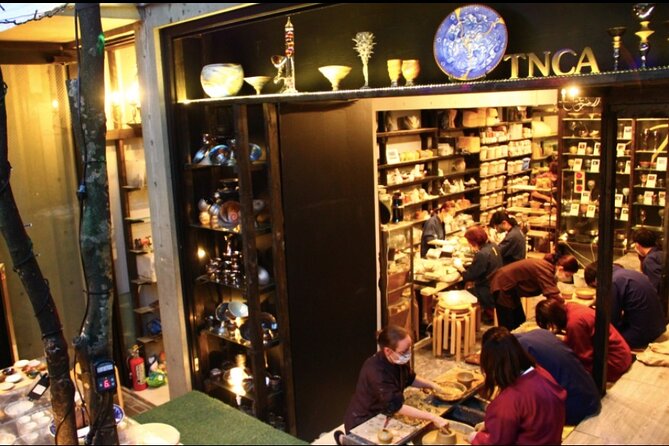
Once inside, expect a compact class rather than a large production. The group size is capped at five, and that changes the feel of the lesson. You can see the demonstration clearly, ask for help without calling across a room, and get advice as your gold line develops.
The class ends at the same studio. There is no hotel pickup, transportation between stops, meal, or drink included. That is not a problem for most people, since the activity is short and has one meeting point, but you should plan your route before setting out.
Meeting Master Taku and learning the craft
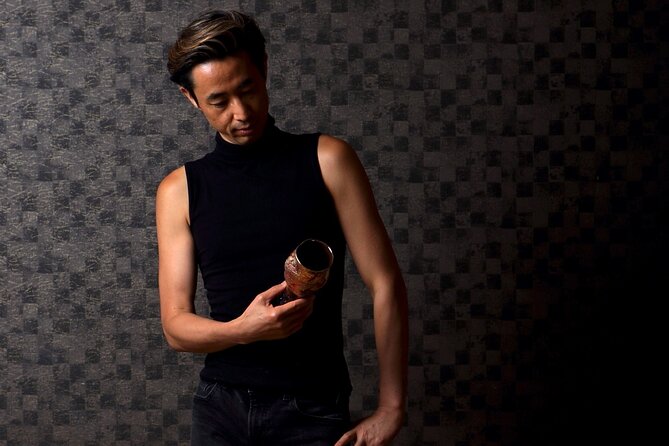
Taku Nakano is a ceramist who runs a pottery studio in Omotesando. His approach is built around making an object more beautiful and more robust than before it broke. That idea gives the class a stronger purpose than simply decorating a plate.
Master Taku teaches the process and explains the background of kintsugi. His English is described as good, and the instruction is presented at a pace that works for beginners. You do not need prior pottery or repair experience.
The teaching style is one of the strongest reasons to consider this activity. The instructor is patient, calm, and encouraging, with clear steps for the whole group. Junko has also assisted with the authentic kintsugi class, helping participants repair their plates at a comfortable pace.
That support matters because kintsugi looks easier than it is. A gold seam that appears casual and organic still requires control. You will want to understand how much lacquer to use, where to place the powder, and how to make the repair look intentional rather than messy.
This is also a good activity for families and couples. A parent and daughter enjoyed the class together, and a couple completed the workshop with three other people. The small group makes it social without turning it into a noisy group event.
Option A: traditional lacquer and pure gold
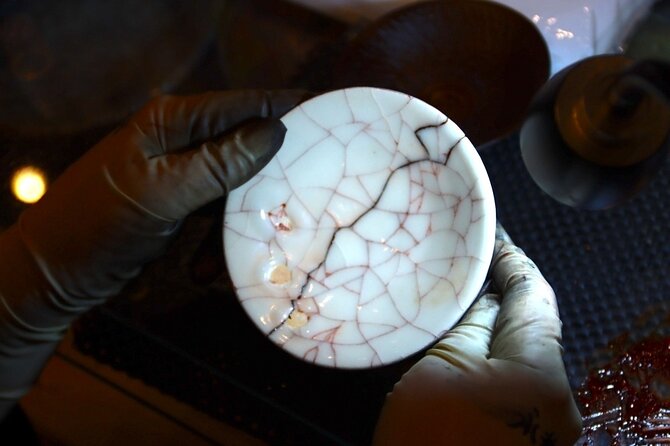
Option A is the fullest version of the workshop. Called shuurushi kannyuzome kintsugi, it lasts about 110 minutes and uses natural lacquer with pure gold.
This is the choice I would make if you want the most direct introduction to traditional kintsugi. You work on the handmade plate, follow the repair process, and finish with a gold-accented object that carries the evidence of its restoration.
The 110-minute schedule gives you more room than the shorter options. That extra time can matter if you are new to the craft, want careful guidance, or prefer not to rush the final details. It also leaves more space for the cultural explanation behind the technique.
The phrase authentic is important here, but it should not be treated as a promise of a full professional apprenticeship. You are learning the essence of the technique in a short workshop. The value is in the direct contact with traditional materials and expert instruction, not in mastering every stage of professional ceramic restoration.
Option B: black plate with a gold finish
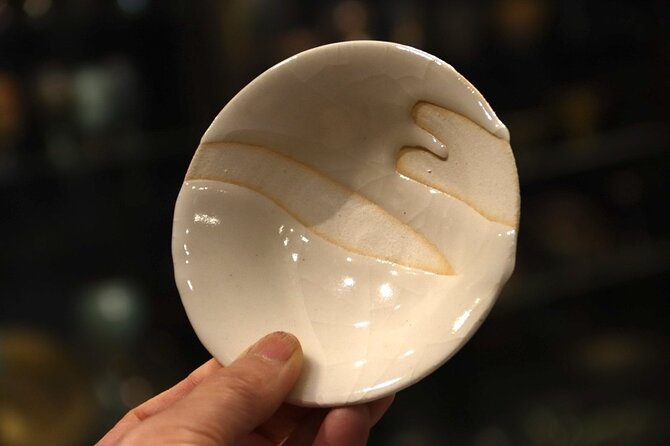
Option B is called Black and Gold Shikkokurai and lasts about 90 minutes. The method is the same as Option A, but the starting plate is black.
This version suits you if you prefer a sharper, more modern look. Gold against black produces a strong contrast, while the traditional repair method stays the same. The choice is mainly visual, so think about the object you would actually want to display or use at home.
The shorter schedule makes this a tidy fit between other Tokyo plans. Still, do not treat 90 minutes as a quick stop. You are handling real lacquer and gold powder, receiving instruction, and creating a finished plate. Give yourself time to arrive, settle in, and complete the work without watching the clock.
A few more Tokyo tours and experiences worth a look



Option C: yobitsugi and decorative missing pieces
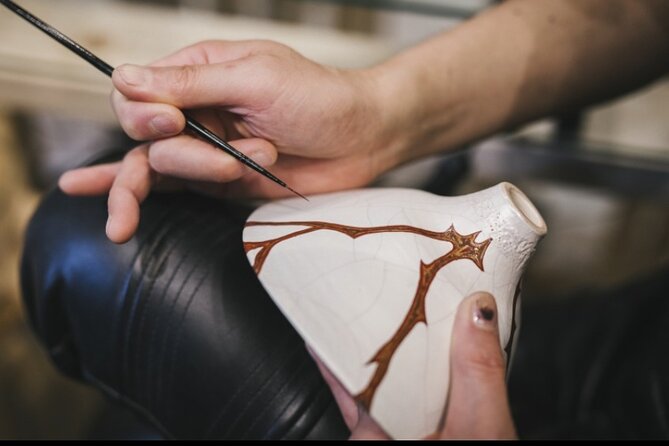
Option C offers a simple introduction to yobitsugi, described as one of the highest techniques among kintsugi methods. Instead of only tracing a break, you attach different decorations and materials to areas where part of the pottery is missing.
This option is appealing if you like a more decorative result. A missing section becomes an opportunity to add something new, rather than a gap that must be disguised. You still work with the idea of repair, but the final object can have a more assembled and artistic character.
At about 90 minutes, it matches Option B for time. It may also be the best pick for someone who wants a more unusual souvenir than a standard gold crack repair. If you are drawn to visible design choices and mixed materials, ask about this option when selecting your class.
What you actually take home
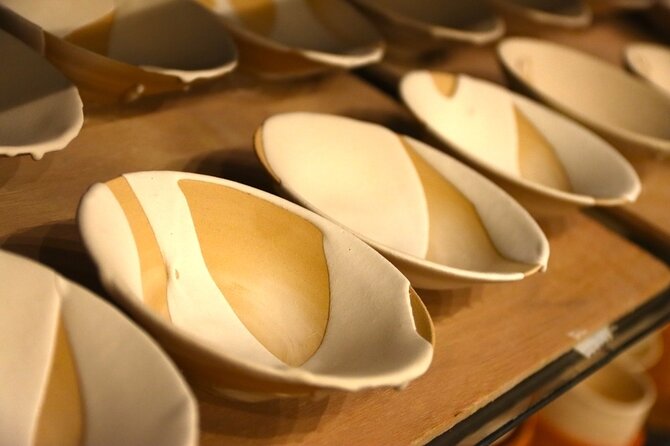
The plate is included in the lesson, along with all equipment and materials. You are not asked to bring a broken heirloom from home, which makes the activity easier to fit into a Japan trip.
That also avoids a common worry. You do not have to hand over a personal object with family meaning while learning a new technique. Instead, you begin with pottery selected for the class and create your own connection to it during the session.
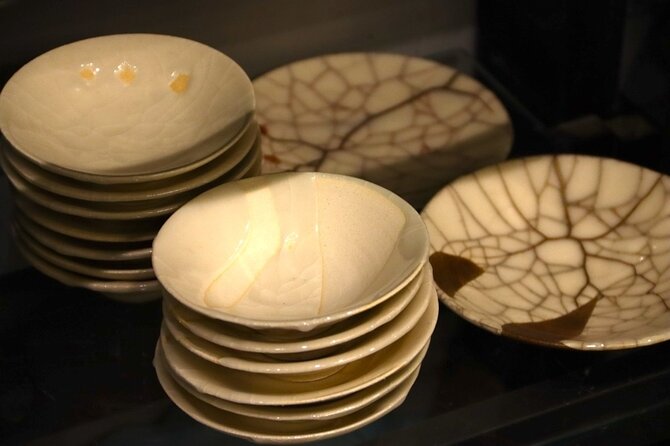
You can take the finished plate home on the day. That is a real advantage over craft activities that require shipping or several days of drying. You will need to pack it carefully with the rest of your souvenirs, but you leave with something you made rather than something pulled from a shop shelf.
The result may not look like a professional artist’s finished work. That is part of the appeal. Small variations show your hand, and the gold seam records your first attempt at the craft. The instructor’s help keeps the project achievable, but the plate remains yours.
Why the pace works well during a Tokyo trip
Two hours is long enough to feel substantial but short enough to fit into a busy itinerary. You can place the workshop between sightseeing plans in Minato, or use it as a quieter part of a day in Tokyo.
The activity asks you to slow down. Instead of moving through another museum room or rushing to the next station, you focus on a small object and a sequence of careful actions. Many people find that kind of concentration refreshing after several days of city touring.
You should not book it if you want constant movement or a major sightseeing view. There is no parade of landmarks here. The attraction is the studio, the craft, and the chance to make something under an artist’s guidance.
It is especially well suited to you if you enjoy ceramics, Japanese design, creative workshops, or meaningful souvenirs. It also gives couples, parents and children, and solo visitors a shared task without requiring a high level of artistic skill.
Is $142.60 a fair price?
At $142.60 per person, this is a premium short activity. You are paying more than you would for a basic craft class, so the details need to matter to you.
The price includes the lesson, all taxes and handling charges, every required tool and material, and the plate you take home. The most important value comes from the use of real urushi lacquer and pure gold powder, plus instruction from Master Taku or an assistant working in his studio.
I see the cost as reasonable for someone who specifically wants authentic kintsugi and a small class. It is less compelling if you simply want a cheap handmade souvenir. Tokyo has plenty of shopping, and a store-bought ceramic object will cost less and take no class time.
The small group helps justify the price. With no more than five people, the instructor can correct your technique and guide the finish. You are buying personal attention as much as pottery.
There is also a non-refundable cancellation rule. You cannot change or cancel for a refund, so confirm your Tokyo schedule before paying. If the minimum number of participants is not reached and the provider cancels, you are offered another date or experience, or a full refund.
Practical details that can make the class easier
Your confirmation arrives within 48 hours of booking, subject to availability. Since the workshop is popular and had more than 10 bookings in the previous month, do not assume your preferred time is open until it is confirmed.
The mobile ticket is convenient. Keep it easy to reach on your phone as you make your way to the studio.
Most people can participate, and the group is limited to five. The supplied information does not give a detailed accessibility description, so contact the provider if you have mobility, sensory, or other access needs that require specific arrangements.
The workshop includes no food or drink. That is simple to manage, since the session lasts 90 or 110 minutes, but plan a meal or snack before or after. The activity ends where it begins, so your next stop is entirely up to you.
Wear something you can work comfortably in, and handle the finished plate with care on the way back to your accommodation. The class uses natural lacquer and gold powder, so follow the instructor’s directions closely rather than treating it like a casual painting session.
What the strongest feedback tells you
The most consistent praise centers on the teaching. The instructors are described as clear, patient, friendly, and calm. That is exactly what you want in a craft lesson where small movements affect the final result.
The class also has an emotional side. Repairing an object can feel cathartic because the work is slow and focused. You leave with a physical reminder of the process, not just a photo from a cultural activity.
English support is another practical strength. Master Taku speaks good English, and the steps are explained clearly enough for first-time participants. Junko has also helped guide the authentic class.
One useful warning comes through as well: the studio may be difficult to locate. Build in extra time, especially if you are unfamiliar with Minami-Aoyama or are arriving from another part of Tokyo.
Who should book this workshop?
Book it if you want to make something personal, prefer a small class, and care about using traditional materials. It is a particularly good fit for ceramic lovers, design-minded visitors, couples, families, and anyone who wants a quiet break from sightseeing.
Choose Option A if authenticity and extra working time matter most. Choose Option B if you want a black-and-gold plate with a more polished look. Choose Option C if the idea of adding decorations to missing sections appeals to your creative side.
Skip it if the price feels high for a two-hour activity, if your schedule may change, or if you want a major Tokyo attraction rather than a studio workshop. The non-refundable terms make firm planning important.
For the right person, this is a thoughtful souvenir and a rare chance to practice real kintsugi in Tokyo with guidance from a working ceramist. You do not just watch a craft. You leave with the result of your own hands.
FAQ
Where does the kintsugi workshop take place?
The workshop takes place at TNCA Minami-Aoyama Studio, 3-chome-8-2 Minamiaoyama, Minato City, Tokyo 107-0062, Japan. The studio is near public transportation.
How long does the workshop last?
Option A lasts about 110 minutes. Options B and C last about 90 minutes. The general activity duration is approximately two hours.
What does the price include?
The $142.60 per person price includes the lesson, all taxes, fees and handling charges, the equipment and materials needed, and the plate used in the class.
Can I take my finished plate home?
Yes. The plate you use for the lesson is included, and you can take it home on the day of the workshop.
How many people can join the class?
The activity has a maximum of five participants.
Can I cancel for a refund?
No. The experience is non-refundable and cannot be changed for any reason. If the provider cancels because the minimum number of participants is not reached, you will be offered another date or experience, or a full refund.
More Workshops & Classes in Tokyo
More Craft Workshops in Tokyo
More tours in Tokyo we've reviewed












Craft Workshops, compared.
 ★ 4.8Chopstick Making Workshop in GinzaFrom $251 hour
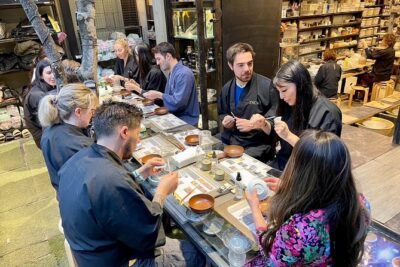 ★ 5.0Kintsugi Experience: Art of Golden Joinery in TokyoFrom $59
Tokyo: Shinjuku Chopstick Making ClassFrom $121 hour
★ 5.0Kintsugi Experience: Art of Golden Joinery in TokyoFrom $59
Tokyo: Shinjuku Chopstick Making ClassFrom $121 hour
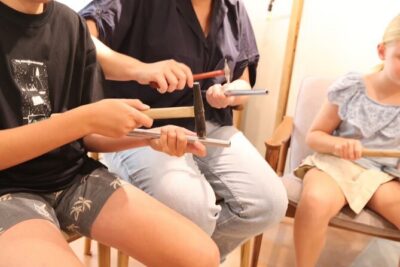 ★ 5.0Private Craft Your Own Ring Handmade Experience in Asakusa, TokyoFrom $21
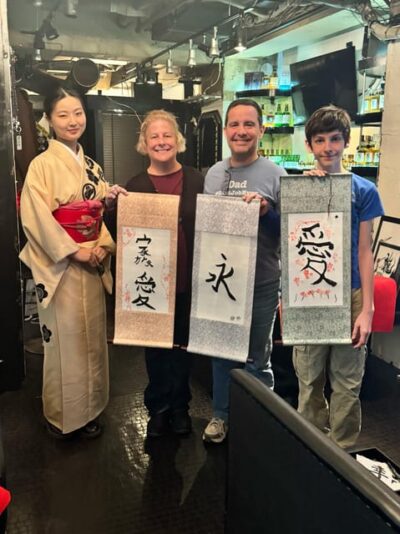 ★ 5.0Tokyo: Calligraphy on Kanji Fan & Scroll with DrinkFrom $531h 20m
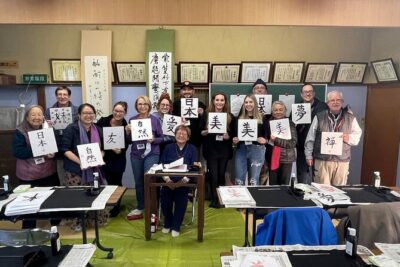 ★ 5.0Let’s experience calligraphy in YANAKA, Taito-ku, TOKYO !!From $75