Reviewed · SHIBUYA TOURS
Highlights & Hidden Gems of the Shibuya District Private Tour
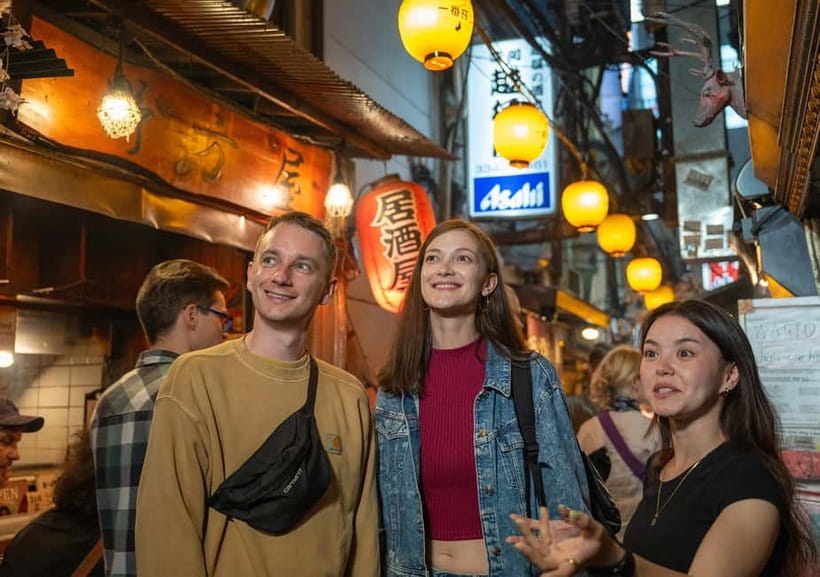
The best part of this tour is the freedom to see Shibuya at your own pace rather than follow a fixed group route. Your local guide can connect the famous Hachiko Statue and Shibuya Crossing with quieter corners, shopping streets, local customs, and small details you could easily miss alone. I especially like the one-to-one format and the chance to shape the visit around food, anime, traditional arts, or first-time Tokyo basics.
In This Article
- Key points to know before booking
- Why a private Shibuya walk can be worth the money
- Starting near Dogenzaka in Shibuya
- Hachiko Statue and the meaning behind the meeting place
- Shibuya Crossing beyond the photograph
- Meiji Jingu Shrine, a quieter side of Tokyo
- Local streets, shopping, and details you might miss
- The included snack and what you still pay for
- Guides who add the most value
- Walking, timing, and who should book
- Should you book this Shibuya private tour?
- FAQ
- How long does the Highlights and Hidden Gems of the Shibuya District Private Tour last?
- Where does the tour start?
- Where does the tour end?
- Is this a private tour?
- What is included in the price?
- Are food, drinks, and attraction tickets included?
- Can I cancel for a full refund?
I also like that the route includes Meiji Jingu Shrine, giving you a calm cultural counterpoint to Shibuya’s neon and crowds. Guides such as Gulay, RamKy, Sheilina Toh, Carlos, and Sena have been praised for clear English, flexibility, train help, and practical restaurant or shopping advice. The main drawback is the price: at $142.70 per person for about three hours, this is best value for a small party that wants personal help, not for budget-minded visitors happy to explore with a guidebook.
Key points to know before booking

- Private pacing: Only your party and a local guide take part, so the route can be adjusted to your interests.
- Four-part Tokyo sampler: The experience covers Shibuya, Hachiko, Shibuya Crossing, and Meiji Jingu Shrine in roughly three hours.
- One local taste included: You receive one local drink or snack, while other food, drinks, and attraction tickets cost extra.
- Strong guide element: Gulay, RamKy, Sheilina Toh, Carlos, and others have been praised for cultural explanations, English skills, and practical Tokyo advice.
- Useful first-day choice: The walk can help you understand the area, use the subway, handle a Suica card, and plan later meals and visits.
- Moderate walking required: The tour uses public urban spaces and is near public transportation, but you should be comfortable walking for several hours.
Why a private Shibuya walk can be worth the money

Shibuya is easy to recognize and surprisingly hard to understand. You can find the famous crossing, take a photo, and leave without learning much about the district around it. A private guide changes the purpose of the visit from ticking off sights to making sense of the streets, signs, habits, shops, shrines, and people around you.
The private setup is the key value. You are not waiting for a large group to gather or stopping for a long explanation that does not interest you. If your group cares about Japanese pop culture, the guide can lean toward anime and local fandoms. If you prefer traditional customs, shrines, clothing, and history, the route can give those subjects more time.
This matters most in a city as large as Tokyo. A good guide can help you get your bearings quickly, explain how different parts of the city fit together, and suggest ideas for the rest of your stay. Several guides have also helped visitors understand the subway and Suica card, which can be a major benefit on a first visit.
At $142.70 per person, the cost makes more sense for a couple, family, or small group splitting the value of private attention. Group discounts are available, but the exact saving depends on your booking. For one person, the price is harder to justify unless you have limited time, feel uneasy navigating Tokyo, or want a route built around very specific interests.
A few more Tokyo tours and experiences worth a look


Starting near Dogenzaka in Shibuya
The meeting point is at 2 Chome Dogenzaka, Shibuya, Tokyo 150-0043. This places you in the heart of one of Tokyo’s most recognizable city districts, near the streets where shopping, entertainment, restaurants, and commuter life overlap.
Beginning here gives your guide room to set the tone for the walk. You can explain what you want to see, tell the guide about your interests, and ask for help with the rest of your Tokyo plans. That flexibility has been one of the strongest features of the experience. Guides have adjusted routes for visitors with short layovers, helped locate particular shopping items, and suggested ramen and other places to eat.
Do not expect hotel pickup as a standard inclusion. You make your own way to the meeting point, and the activity ends back there. The location is near public transportation, but you should allow time to find the correct station exit and meeting place, especially if this is your first day in Tokyo.
The tour lasts about three hours. That is enough time for a useful introduction, but not enough for long visits inside many attractions or a full tour of every neighborhood named. Think of it as a focused orientation walk with selected stops.
Hachiko Statue and the meaning behind the meeting place
The Hachiko Statue is one of the clearest starting points for understanding modern Shibuya. The bronze dog is tied to the story of Hachiko, who became known for waiting for his deceased owner. Your guide can explain the story and show you why this small statue has become such a popular meeting point.
The statue is not a large monument that takes a long time to view. Its value comes from the story, the location, and the way it connects to daily life in Shibuya. With a guide, you get more than a quick photograph. You can place Hachiko within the district’s social rhythm, where people meet, pass through, shop, and head into the surrounding streets.
This is also a practical place to begin learning how Tokyo works. Your guide can help you identify the surrounding area and point out where later walks or shopping trips may take you. If you are traveling with children, the Hachiko story gives the tour an easy human starting point before the pace moves into busy city streets.
Shibuya Crossing beyond the photograph

Shibuya Crossing is the tour’s big visual moment. When the traffic stops, streams of pedestrians move through the intersection from several directions. It is a quick event, but it helps explain the scale and energy of Tokyo better than a photograph alone.
Your guide can add the local context that a self-guided stop lacks. You may learn how the crossing fits into the surrounding district, where people shop and meet, and why the area has become such a familiar symbol of Tokyo. The experience is not simply about crossing the road. It is about watching how a major city organizes movement.
The crossing can also be one of the more crowded parts of the walk. If you prefer quiet streets, this section may feel hectic. The private format helps because your guide can keep the pace comfortable and spend less time here if the crowds are not your thing.
I would treat the crossing as one piece of the afternoon rather than the main reason to book. You can see it without paying for a tour. The guide earns the fee by helping you connect it with the surrounding streets and by adding useful local explanations.
Meiji Jingu Shrine, a quieter side of Tokyo

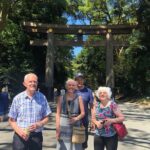
Meiji Jingu Shrine provides a sharp change of mood. It is a Shinto shrine dedicated to the divine souls of Emperor Meiji and Empress Shoken. After the noise and movement of Shibuya, the shrine offers a chance to consider Japanese religious customs, national history, and the role of ceremonial places in the city.
The shrine is not included as a ticketed attraction, and admission is listed as free. The important benefit here is interpretation. Your guide can explain what you are seeing and help you understand the customs connected with a Shinto shrine instead of leaving you to guess from signs or imitate other visitors.
The stop is planned for about 30 minutes. That is enough for an introduction, but you should not expect a slow, detailed examination of every part of the shrine grounds. If Meiji Jingu is a major priority for you, ask your guide early how much time can be given to it within the three-hour schedule.
This contrast between shrine and crossing is one of the tour’s best design choices. In a short span, you see two very different sides of Tokyo: one shaped by crowds, shopping, and modern city life, and another shaped by ritual and quiet observation.
Other private tours in Tokyo


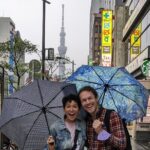
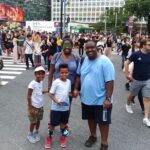
Local streets, shopping, and details you might miss

The broad route is described as Shibuya and the Kinza districts, with big attractions mixed with less obvious places. The exact local stops can vary because this is a private experience. That is useful if you want something beyond the standard Tokyo checklist.
The guides have pointed out subjects such as Harajuku clothing, kimono, Japanese sweets, unusual candies, local habits, and small cultural details. One guide helped a family find Kit Kats, while another ended the walk with a ramen recommendation. These are modest details, but they can make a short tour practical rather than purely academic.
Some routes have also included Cat Street and Omotesando, with time for shopping and people watching. These areas suit visitors interested in fashion, design, youth culture, and the way Tokyo blends global styles with distinctly Japanese tastes. If you prefer traditional arts or anime, say so before the walk begins. The tour is designed to be adjusted, and the guide cannot tailor it if you keep your interests to yourself.
The phrase hidden gems can sometimes promise more than a short city walk can deliver. Here, it is best understood as local context and overlooked details rather than secret attractions known only to residents. You may pass places you would otherwise walk by, but the route is still built around well-known parts of Tokyo.
The included snack and what you still pay for

One local drink or tasting is included. This is a pleasant way to sample something connected with the area without committing to a full meal. It also gives your guide a natural opening to explain local food habits or recommend places for later.
Other food and drinks are not included. Tickets for optional attractions are also extra, although the listed stops themselves do not require admission tickets. Keep this in mind if you want to turn the walk into a longer shopping or food outing.
The snack should be treated as a small bonus, not a food tour. If eating is central to your plans, tell the guide in advance and ask what can fit into the route. The supplied information confirms one tasting, but it does not promise a series of restaurant visits or a full meal.
Guides who add the most value

The strongest part of this experience is the guide, and the individual guide matters. Gulay receives repeated praise for being flexible, friendly, and well informed about Tokyo’s sights, customs, food, and neighborhoods. She has helped visitors with exchange errands, shopping requests, restaurant suggestions, and shrine explanations.
RamKy is noted for history, Japanese phrases, train navigation, and thoughtful planning for visitors with very limited time. That makes him a particularly good match for a solo visitor or someone on a short layover. Sheilina Toh has been praised for quickly adapting a tour for a group of five women and finding local details that suited them.
Carlos is noted for fluent English and a clear explanation of Hachiko and Shibuya. Sena is described as passionate and strong at explaining the background of the places visited. Other guides, including Glenda, have also been praised for making visitors feel comfortable and at home.
You cannot assume that one specific guide will be assigned unless you arrange that directly. The practical lesson is to share your interests, walking needs, food preferences, and time limits when booking or in your pre-tour communication. The guide can then use the private format well.
Walking, timing, and who should book
You need a moderate level of physical fitness. This is a walking tour through urban districts, with time spent moving between public spaces and standing at sights. The information does not give a detailed accessibility plan, so contact the provider before booking if stairs, long walking distances, or mobility limits are a concern.
The tour suits first-time visitors especially well. You get a quick introduction to Shibuya, a major shrine, a famous Tokyo story, and practical advice for getting around. It also works for a family or small group that wants to avoid the rigid pace of a large tour.
It is less suited to someone seeking a deep museum visit, a long shrine ceremony, or a full food itinerary. Three hours passes quickly, and the route may give you an overview rather than enough time to linger at every stop.
Free cancellation is available up to 24 hours before the start time for a full refund. Changes or cancellations made less than 24 hours before the start time are not accepted for a refund, and the cut-off uses local Tokyo time.
Should you book this Shibuya private tour?
I would book this tour early in a Tokyo stay if you want help understanding the city, using public transportation, and choosing what to do next. It is also a smart choice for a small group with different interests, since the guide can balance shopping, culture, food, history, and pop culture.
The price is high for a three-hour walk, so compare it with what personal guidance is worth to you. If you are confident on Tokyo’s trains and happy to visit Hachiko, the crossing, and Meiji Jingu independently, save the money. If you want a friendly local guide, flexible pacing, cultural explanation, and practical help on your first day, the private format can make the cost worthwhile.
FAQ
How long does the Highlights and Hidden Gems of the Shibuya District Private Tour last?
The tour lasts approximately three hours.
Where does the tour start?
It starts at 2 Chome Dogenzaka, Shibuya, Tokyo 150-0043, Japan.
Where does the tour end?
The activity ends back at the meeting point.
Is this a private tour?
Yes. Only your group and your local guide participate.
What is included in the price?
The price includes the private tour, a local guide, one local drink or tasting, and carbon-emissions offsetting.
Are food, drinks, and attraction tickets included?
Only one local drink or tasting is included. Other food and beverages are not included, and optional attraction tickets must be paid for separately.
Can I cancel for a full refund?
Yes. You can cancel at least 24 hours before the experience start time for a full refund. Cancellations or changes made less than 24 hours before the start time are not accepted for a refund.
More Private Tours in Tokyo
More Shibuya Tours in Tokyo
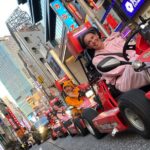

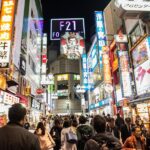
More tours in Tokyo we've reviewed












Shibuya Tours, compared.
 ★ 5.0Official Street Go-Kart in ShibuyaFrom $76
 ★ 5.0Shibuya Meltdown Nightlife Tour: All-You-Can-Drink Bar HoppingFrom $106
 ★ 4.9Tokyo: Street Kart Experience in ShibuyaFrom $99
 ★ 5.0Shibuya Official Street Go-Kart in Shibuya AnnexFrom $69
 ★ 5.0Tokyo: Shibuya Food Tour (13 dishes and 4 Eateries)From $77
 ★ 5.0Best of Shibuya Food TourFrom $217