Reviewed · TEMPLES & MEDITATION
Tokyo Zen Meditation at Private Temple with Monk
A monk welcomes you into Kinryu-ji Temple, a 400-year-old Buddhist temple in Asakusa that is not normally open to the general public. In 90 minutes, you learn the basics of Zen, practice seated meditation, enjoy matcha and sweets, and speak directly with the monk through an English-speaking guide.
In This Article
- Key points to know before booking
- Entering a private temple in Asakusa
- What happens during the 90-minute session
- Calligraphy, sutra copying, and prayer
- Meeting the monk and asking direct questions
- Matcha tea and a calm finish
- Why the English guide matters
- Is $56.16 good value?
- Timing, group size, and the meeting point
- Who will enjoy this experience most
- Should you book the Tokyo Zen meditation experience?
- FAQ
- Where does the meditation experience take place?
- How long does the experience last?
- What activities are included?
- Do I need to speak Japanese?
- Will I be able to speak with the monk?
- Is transportation included?
- How many people can join the activity?
- Can most people participate?
- What is the cancellation policy?
I like the small, personal setting and the chance to ask real questions instead of simply watching a staged cultural show. I also like the mix of quiet meditation, calligraphy, prayer, and tea, which gives you several ways to connect with Japanese Buddhist customs.
The main caution is practical: the meeting address has caused confusion for at least some participants, with the wrong nearby FamilyMart appearing in directions. Confirm the exact spot before you go, and arrive early.
Key points to know before booking
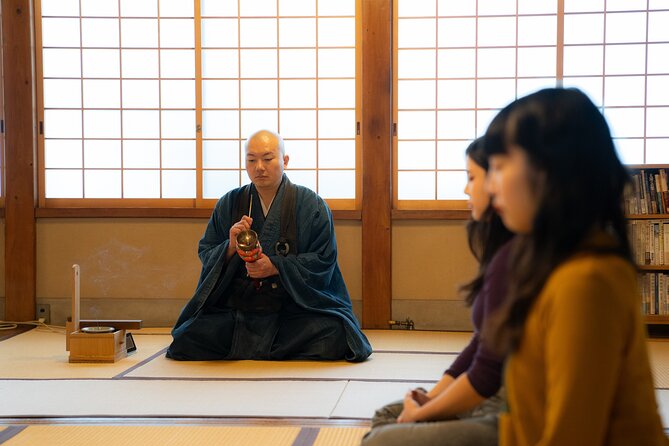
- A private look inside Kinryu-ji: You visit a temple in Asakusa that is not open to the general public.
- A real conversation with a monk: The session includes time for questions about Zen, Buddhism, meditation, and Japanese customs.
- More than meditation: Depending on the flow, you may practice calligraphy or sutra copying, learn how to pray, and take part in a short tea ceremony.
- English support throughout: An English-speaking guide helps explain the monk’s teachings and cultural details.
- A compact 90-minute activity: It fits neatly into a Tokyo sightseeing day without taking up half your schedule.
- Check the meeting point carefully: The listed starting address is near public transportation, but exact directions deserve a double-check.
Entering a private temple in Asakusa
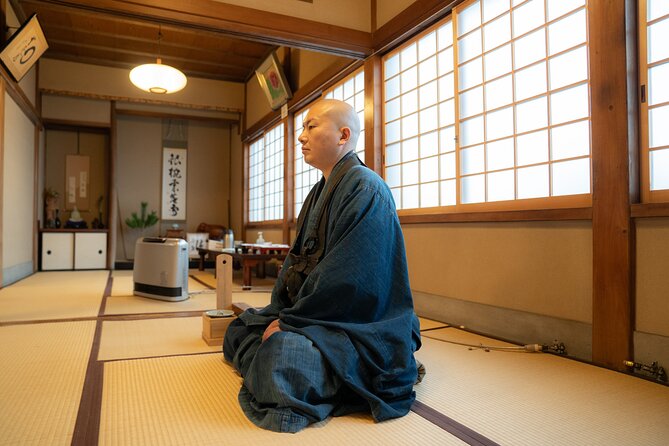
Asakusa is known for Senso-ji, souvenir streets, rickshaws, and crowds around Kaminarimon Gate. This experience takes you into a quieter corner of the same district, to Kinryu-ji Temple near the meeting point at 2-chome Kotobuki in Taito City.
The appeal is not grand architecture on the scale of Kyoto’s famous temples. It is the access. You are entering a working Buddhist temple that is not open to the general public, with a monk there to explain what you are seeing and doing.
That difference matters. At a major sightseeing temple, you can observe a ceremony or take a quick photograph, but you may not know what the rituals mean. Here, the guide gives you the basic cultural setting before the monk teaches meditation and answers questions.
I would not book this expecting a long temple tour. The focus is a small group activity inside the temple, not a survey of Asakusa’s religious sites. The group can reach up to 15 people, so the experience is intimate compared with a large bus tour, though it may not feel like a private session for just you and your companions.
A few more Tokyo tours and experiences worth a look

What happens during the 90-minute session
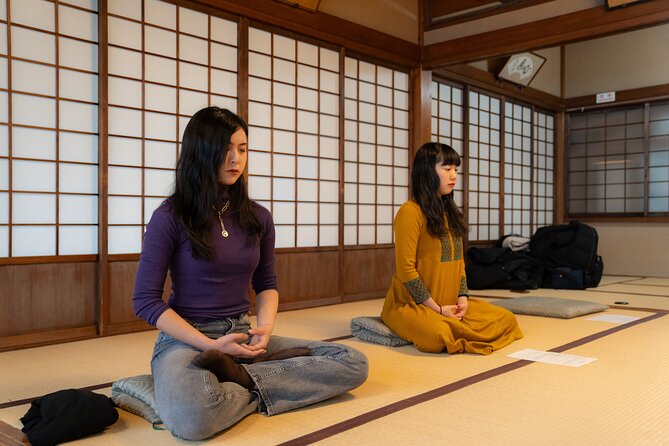
The experience begins with a short introduction to Japanese culture and Zen. Your guide helps bridge the language gap, then the monk explains zazen, the seated meditation practice associated with Zen Buddhism.
You learn the basic principles and techniques before trying the meditation yourself. The supplied details do not promise a long silent retreat, and the total activity lasts only about an hour and a half. Think of it as a practical first meeting with Zen, not a full religious course.
That short format is useful if you are curious but unsure about meditation. You get enough instruction to understand posture, breathing, and the purpose of the practice without committing to a full morning of silence. Several sessions have also included instruction in breathing and meditation customs.
The meditation may be the quietest part of your Tokyo trip. It gives you a break from packed trains, neon streets, and constant sightseeing. At the same time, anyone expecting a profound transformation in 90 minutes should keep expectations sensible. The value is in learning directly from a monk and trying the practice in its cultural setting.
Calligraphy, sutra copying, and prayer
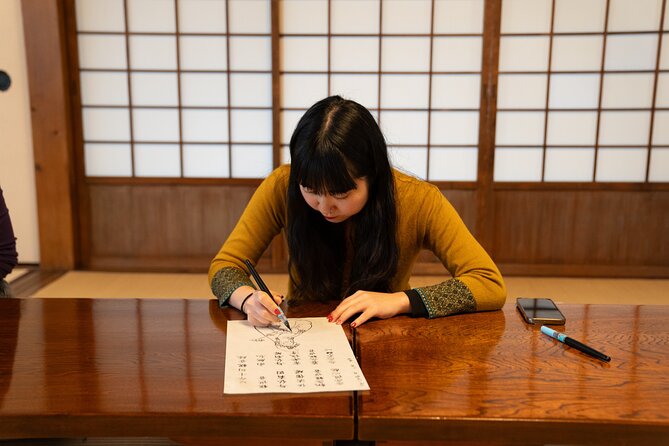
The experience can include a calligraphy activity or copying Buddhist sutras. This is a welcome addition because it gives you something active to do after seated meditation.
Writing slowly can help you pay attention to brush movement and form. It also shows that Zen practice is not limited to sitting with your eyes closed. The reviews supplied for this activity describe calligraphy, sutra tracing, and formal prayer as parts of the session, although the exact order may vary.
You may also learn how to pray at the temple. This is especially useful if you have visited Japanese temples but felt unsure about the correct customs. The guide or monk can explain what you are doing rather than leaving you to copy strangers at a distance.
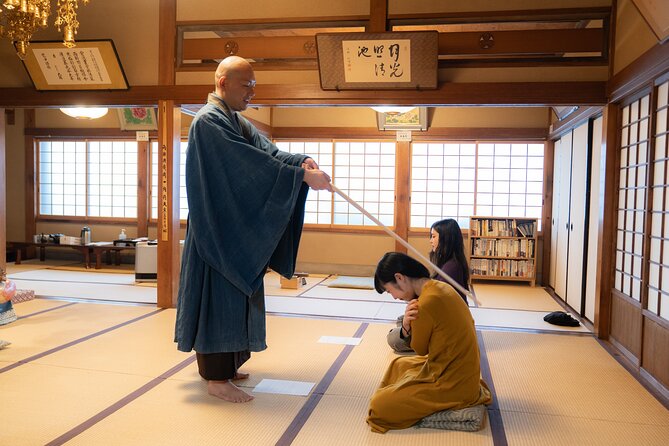
One unusual detail mentioned in the feedback is the traditional use of a monk’s warning stick, known as a kyosaku, during meditation. Some participants had the chance to experience this and have a photograph taken. Do not assume it is included for every session, and ask the monk or guide if you are curious. It is not something to treat as a novelty without understanding its purpose.
Calligraphy and prayer also make this activity a good choice for mixed groups. A friend or family member who is less interested in sitting meditation still has a cultural activity to enjoy.
Meeting the monk and asking direct questions
The strongest part of the experience is the conversation. After the meditation and cultural activities, you have time for free discussion with the monk.
Questions do not have to stay narrowly focused on meditation. The monk is described as open to questions about Buddhism, customs, daily practice, and other subjects. The English-speaking guide helps interpret the conversation, so you do not need to speak Japanese or know anything about Zen before arriving.
Guides named in the feedback include Kazu and Tamami. Kazu is described as warm and helpful, while Tamami is praised for her clear explanations, upbeat manner, and help taking photographs. Guide assignments can change, but the important point is that English assistance is part of the experience.
This exchange gives the tour more substance than a demonstration. You can ask why meditation is practiced in a certain way, what a temple ritual means, or how Zen fits into Japanese life. The monk is also described as humorous and approachable, which should help first-time visitors relax.
Keep in mind that this is an introduction, not a private theological consultation. With as many as 15 participants, the time for individual questions may be limited. If you have something specific you want to ask, think about it before you arrive.
Matcha tea and a calm finish
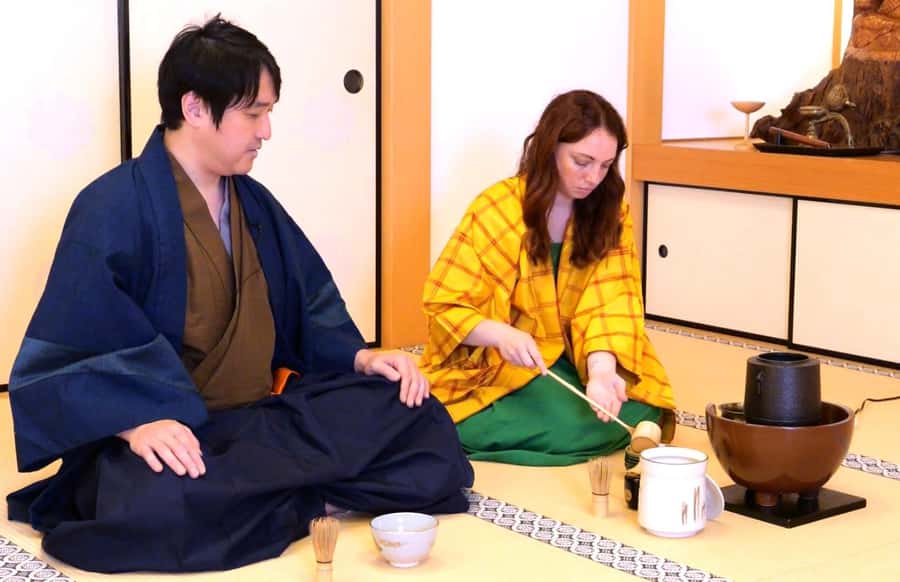
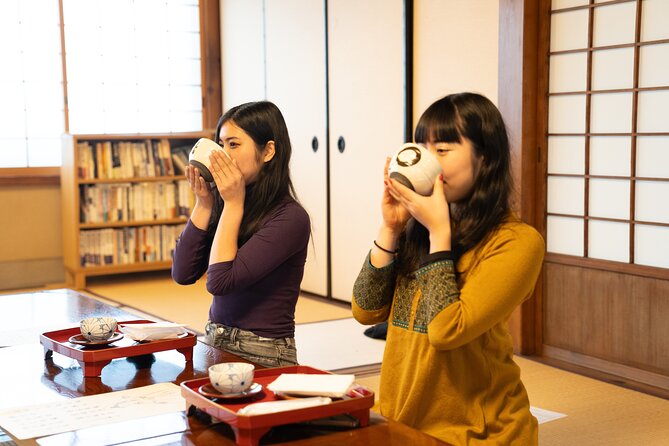
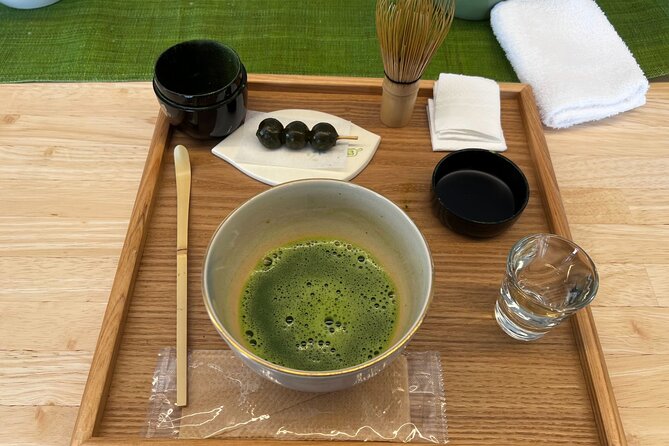
The session ends with matcha tea and sweets. The tea ceremony is described as short rather than a formal, extended tea-school lesson, but it rounds out the visit well.
You get to see how tea fits into Japanese hospitality and temple culture. The pace slows again after the discussion, and the sweets give the group a simple shared ending. For many people, this may be their first chance to connect meditation, conversation, and tea in one setting.
I like this final section because it avoids making the activity feel like a lecture. You sit, drink tea, and continue talking. The monk remains available for questions, so the experience ends with conversation rather than a rushed exit.
If you are a serious student of tea ceremony, you should not book this as a specialist tea lesson. The main subject is Zen meditation, with matcha included as part of a wider cultural visit.
Other private tours in Tokyo

Why the English guide matters
The monk’s teachings are central, but the English-speaking guide is just as important for many visitors. Zen concepts can be difficult to explain through gestures alone, and ritual details can be easy to misread.
A good interpreter does more than translate sentences. The guide gives context, keeps the schedule moving, explains etiquette, and helps you ask questions. Feedback highlights both Kazu and Tamami for making people feel welcome and for explaining the activities clearly.
This support also makes the experience suitable for beginners. You do not need to understand Buddhist vocabulary, know how to kneel or pray, or have meditated before. The session is designed to teach the basic ideas and let you try them.
The trade-off is that interpretation can add a small pause between the monk’s words and your understanding. That is normal in a bilingual activity, and the value of having access to the monk outweighs the slight loss of spontaneity.
Is $56.16 good value?
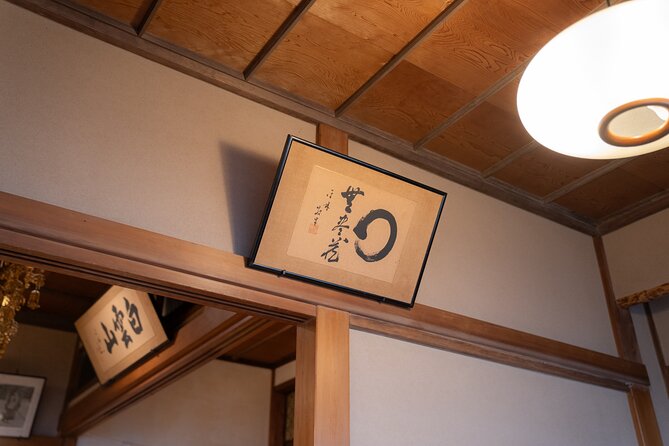
At $56.16 per person, this is not the cheapest cultural activity in Tokyo. You can visit many temples for free or for a small entrance fee. But the price here pays for access, instruction, interpretation, and a structured meeting with a monk.
Your admission, Zen experience, matcha tea, English-speaking guide, and photographs with the monk are included. Private transportation is not included, so you make your own way to the meeting point. Since the activity is near public transportation and lasts only 90 minutes, that is a fair arrangement for most visitors.
The price makes the most sense if you value personal access. You are not paying simply to look at a temple building. You are paying for a guided explanation, meditation instruction, conversation, tea, and cultural activities in a place that normally does not receive general visitors.
For a family or couple, the cost may feel reasonable because the session combines several experiences. For someone who only wants a quick look at a temple, it may feel high. I would compare it with the cost of a standard guided activity, then ask whether speaking with a monk is worth the extra money for you.
Timing, group size, and the meeting point
The activity lasts approximately one hour and 30 minutes and ends back at the meeting point. That makes it easy to pair with other Asakusa sights, but allow extra time for finding the starting location.
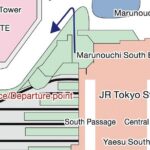
The stated meeting point is Japan, 111-0042 Tokyo, Taito City, Kotobuki, 2-chome 1-13, at Kairaku Building. It is near public transportation, but the directions deserve care. One participant reported being sent toward the wrong FamilyMart, so contact Travel Japan Together Tokyo before the day of the activity if the location looks unclear.
A group of up to 15 people keeps the cost below that of a one-on-one lesson, but the monk’s attention will be shared. If you want a very quiet, personal meditation session, ask about the expected group size when booking.
Most people can participate, according to the supplied activity information. No special meditation background is required. The confirmation arrives at booking, and free cancellation is available up to 24 hours before the start time. Changes or cancellations inside that window are not accepted for a refund.
Who will enjoy this experience most
I would recommend this to you if you want a cultural activity with real participation rather than another sightseeing stop. It suits first-time visitors to Japan, people curious about Buddhism, and anyone who wants a calm pause in a busy Tokyo itinerary.
Families can also enjoy it, especially if different members prefer different activities. One person can focus on meditation, another on calligraphy, and everyone can join the tea and questions.
It is less suitable if you want a long period of silent meditation, an advanced Zen lesson, or a detailed architectural tour of Asakusa. It is also not the right pick if you need private transportation arranged for you.
Bring an open mind and a few questions. Wear something that lets you sit comfortably, though no special equipment is listed as necessary. The guide and monk provide the instruction, and the activity is built for people who may know little about Zen.
Should you book the Tokyo Zen meditation experience?
Book it if you want access to a lesser-seen side of Tokyo and like the idea of learning directly from a monk. The combination of meditation, calligraphy, prayer, matcha, and open conversation gives the 90 minutes a good balance.
I especially recommend it for a first visit to Japan when you want cultural context, not just photographs. Confirm the meeting point, allow time to find the building, and remember that the session is an introduction rather than a full retreat.
If that sounds right, $56.16 is a reasonable price for the access and English support. If you only want to see a temple or drink matcha, spend less elsewhere. If you want to sit, learn, ask questions, and take part, this is a thoughtful choice in Asakusa.
FAQ
Where does the meditation experience take place?
It takes place at Kinryu-ji Temple in Asakusa, Tokyo. The temple has a history spanning more than 400 years and is not open to the general public.
How long does the experience last?
The activity lasts approximately one hour and 30 minutes.
What activities are included?
The experience includes Zen meditation instruction and practice, an English-speaking guide, entrance to the temple, matcha tea, and photographs with the monk. Sessions may also include calligraphy or sutra copying, prayer instruction, and discussion.
Do I need to speak Japanese?
No. An English-speaking guide provides support, and the experience is designed to be accessible even if you do not speak Japanese.
Will I be able to speak with the monk?
Yes. The experience includes free talk and time to ask the monk questions about Zen, meditation, Buddhism, and related customs.
Is transportation included?
No. Private transportation is not included. You travel to the meeting point yourself, which is near public transportation.
How many people can join the activity?
The maximum group size is 15 people.
Can most people participate?
The activity information states that most people can participate. No previous meditation experience is required.
What is the cancellation policy?
You can cancel up to 24 hours before the experience begins for a full refund. Cancellations or changes made less than 24 hours before the start time are not accepted for a refund.
More Private Tours in Tokyo
More Temples & Meditation in Tokyo
More tours in Tokyo we've reviewed












Temples & Meditation, compared.
 ★ 4.7Tokyo: Meiji Shrine, Asakusa, Skytree Bus Tour and CruiseFrom $12210 hours
 ★ 4.8Tokyo: Asakusa Walking Tour with Sensoji Temple VisitFrom $222 hours
 ★ 4.5Tokyo: Kamakura & Enoshima Day Trip including Temple TicketsFrom $589 hours - 570 minutes
 ★ 4.5Tokyo: Nikko Toshogu Shrine and Kegon Waterfall TourFrom $8410h 30m
 ★ 4.5Tokyo Panoramic 1 Day: Meiji Shrine, Asakusa, Odaiba and SKYTREE®From $85
 ★ 5.0Asakusa Senso-ji Temple and Old Tokyo Walking TourFrom $20
![[1 Group Only] Tokyo Shinjuku Food Tour for Family - Starting at Shinjuku 3 Chome with okonomiyaki](https://tokyoezine.com/wp-content/uploads/2026/08/1-group-only-tokyo-shinjuku-food-tour-for-family.jpg)