Reviewed · ASAKUSA TOURS
Tokyo: Meiji Shrine, Asakusa, Skytree Bus Tour and Cruise
Tokyo is a huge city, and this 10-hour coach tour tackles its classic sights in one ambitious sweep. You move from the forested grounds of Meiji Shrine to the old streets of Asakusa, then up Tokyo Skytree before finishing near Odaiba. It is a practical way to get your bearings fast.
In This Article
- Key points to know before booking
- One long day, from Shinjuku to Tokyo Bay
- Meiji Shrine, Tokyo’s forested first stop
- The Imperial Palace and the remains of Edo Castle
- Asakusa, matcha, and a practical Japanese lunch
- Tokyo Skytree and the 350-meter view
- Odaiba and the Tokyo Bay cruise
- What the bus adds to the day
- Is $122 good value for Tokyo?
- Walking, weather, and who should book
- Should you book this Tokyo day tour?
- FAQ
- How long does the Tokyo sightseeing tour last?
- Where does the tour start?
- Is hotel pickup and drop-off included?
- Is lunch included?
- Can I request a vegetarian or gluten-free meal?
- What food restrictions should I know about?
- Is the Tokyo Bay cruise guaranteed?
- Which languages are available?
- Is the tour suitable for people with mobility impairments?
I like the mix of old and new Tokyo, and I like having an air-conditioned bus between long walks and distant districts. Guides such as Aya, Sora, Yuty, Tsubasa, and Hiro have been praised for clear explanations, humor, and useful tips. The main drawback is the pace: expect around 11,000 steps, and the day can feel packed.
Key points to know before booking
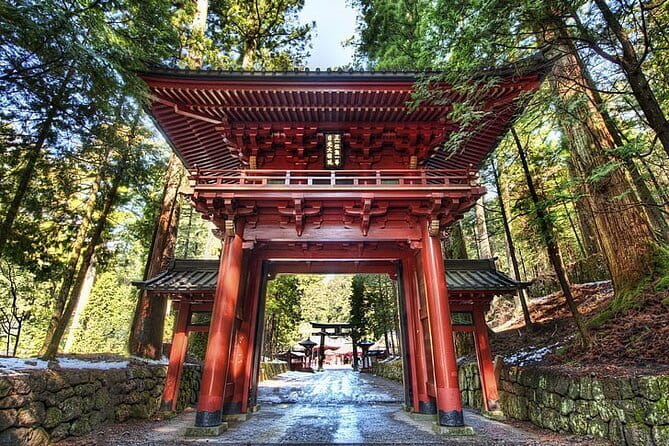
- Meiji Shrine begins the day quietly: Walk beneath tall trees to one of Tokyo’s most important Shinto sites.
- Asakusa gives you two cultural stops: Try Uji matcha, then explore Nakamise Avenue and Senso-ji’s Kaminarimon Gate area.
- Lunch is optional but useful: The set meal features Japanese fried chicken and tofu, with vegetarian and gluten-free choices available if requested in advance.
- Tokyo Skytree is the visual high point: Skip-the-line entry takes you to the 350-meter Tembo Deck.
- The cruise is not guaranteed: On Tuesdays, the program includes Hamarikyu Gardens or the Fukagawa Edo Museum instead, and high tide or maintenance can also change the boat ride.
- This suits active first-time visitors: You will see a lot, but the tour is not designed for people with mobility limitations or those who prefer a leisurely pace.
One long day, from Shinjuku to Tokyo Bay
The tour starts at a central meeting point, with options connected to Matsuya Ginza or the Love statue in Shinjuku, depending on the booking choice. Check your exact pickup location carefully. The listed finish is near Tokyo Mode Gakuen, so this is not a hotel pickup and drop-off service.
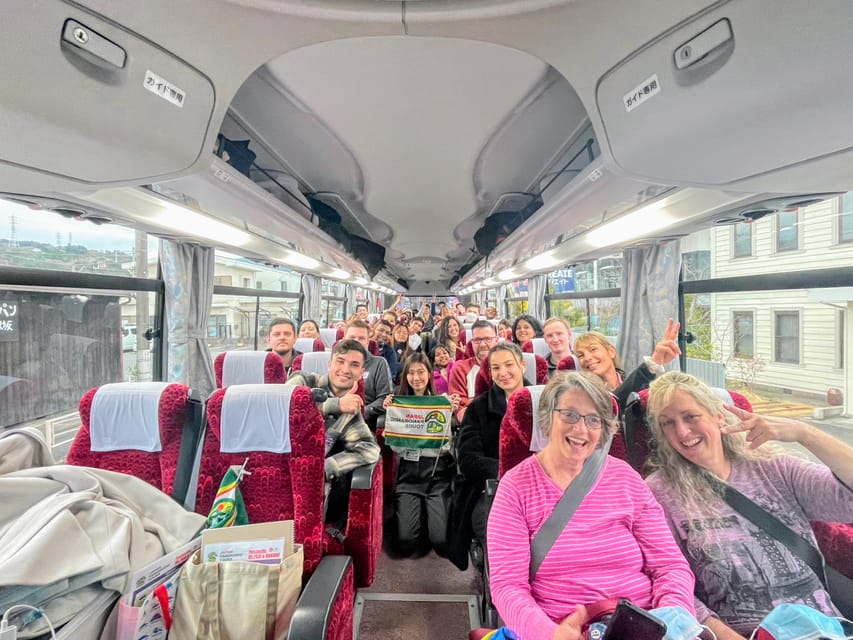
The coach is air-conditioned and has Wi-Fi. That matters in Tokyo, especially in hot, humid weather or after several hours on your feet. You also get an English-speaking guide throughout the day, plus audio headsets in Spanish, French, Italian, German, Portuguese, and Ukrainian.
The route covers roughly 18 sights and activities, though some are viewed from the bus rather than visited on foot. Traffic, weather, and operating conditions can change the order. Think of this as a well-organized introduction to Tokyo, not a slow study of each neighborhood.
A few more Tokyo tours and experiences worth a look
Meiji Shrine, Tokyo’s forested first stop
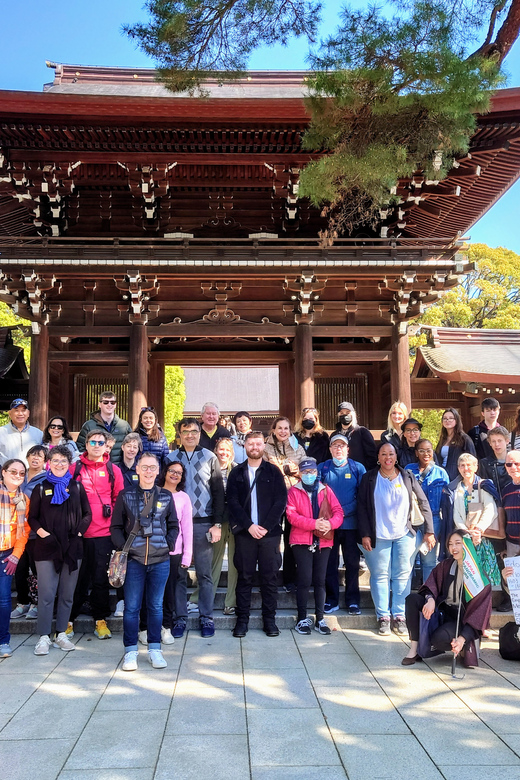
Meiji Shrine is a strong place to begin. Built for Emperor Meiji, the shrine sits inside a broad forest that makes the surrounding city feel far away. The contrast is striking: only a short distance away are Harajuku’s fashion shops and Omotesando’s polished avenues.
You have about an hour here, including the walk through the grounds. Wear shoes you can comfortably use on uneven paths. This is one of the places where the tour’s walking requirement becomes clear.
Your guide can explain basic Shinto customs, including how to behave at a shrine and how to pray. That practical cultural advice is valuable because the rituals can otherwise seem mysterious. You are not simply looking at a gate and taking a photograph.
After Meiji Shrine, the bus passes Harajuku and Omotesando. You will not have dedicated shopping time here, but the drive gives you a quick view of Tokyo’s shift from sacred woodland to high-end retail streets.
The coach also passes the National Diet Building, Japan’s parliament, with its symmetrical 1936 design. This is a sightseeing drive rather than a formal visit, but it helps connect the city’s political center with its religious and commercial districts.
The Imperial Palace and the remains of Edo Castle
The next stop is the Imperial Palace area, where Japan’s imperial family lives. The grounds also occupy the former site of Edo Castle, linking modern Tokyo with the city’s earlier political power.
You get about 30 minutes, and the exact visit may be the East Garden or Niju-bashi Bridge in the Outer Garden. These are different experiences. The East Garden offers traditional garden scenery and remnants tied to the old castle. Niju-bashi gives you a familiar palace photograph and a look at one of the area’s best-known bridges.
Do not expect a full palace tour. The stop is short, so it works best as an introduction. If you want extensive gardens or a long historical visit, you would need to return independently.
The bus route then heads through Akihabara and Ueno before reaching Kappabashi, the famous kitchenware street. From the coach, you may see shops filled with Japanese dishes, knives, restaurant supplies, and remarkably lifelike plastic food models. It is a fun reminder that Tokyo’s character is found in working commercial districts as much as in major monuments.
Asakusa, matcha, and a practical Japanese lunch
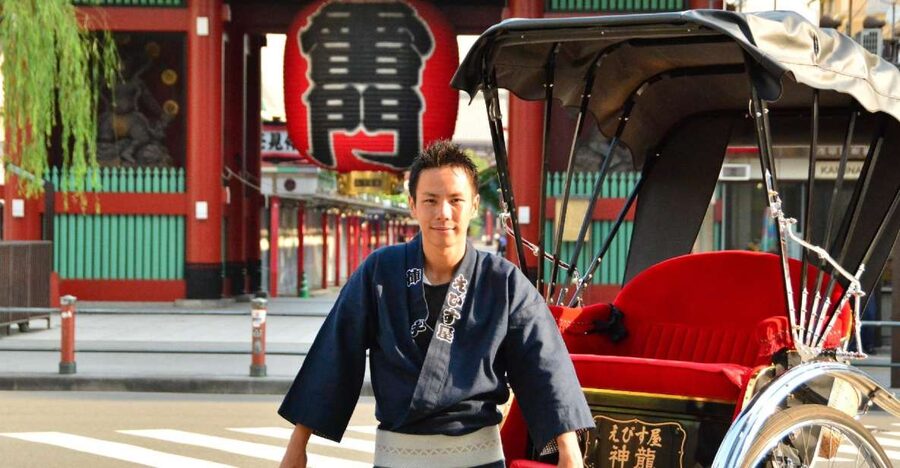
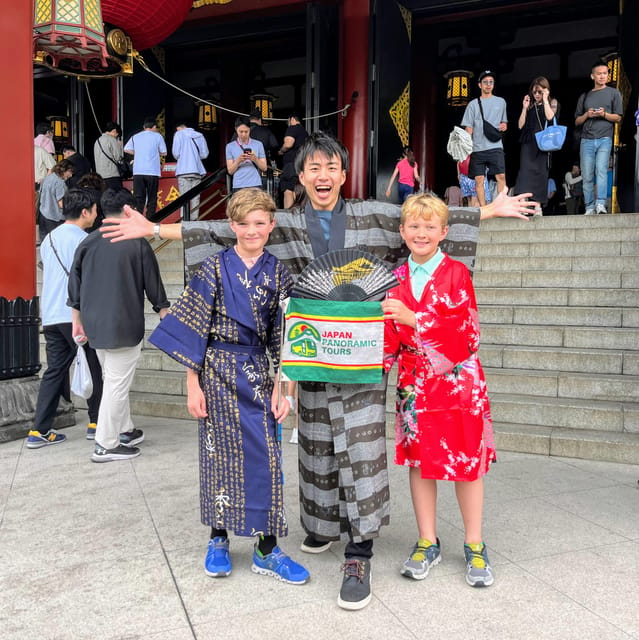
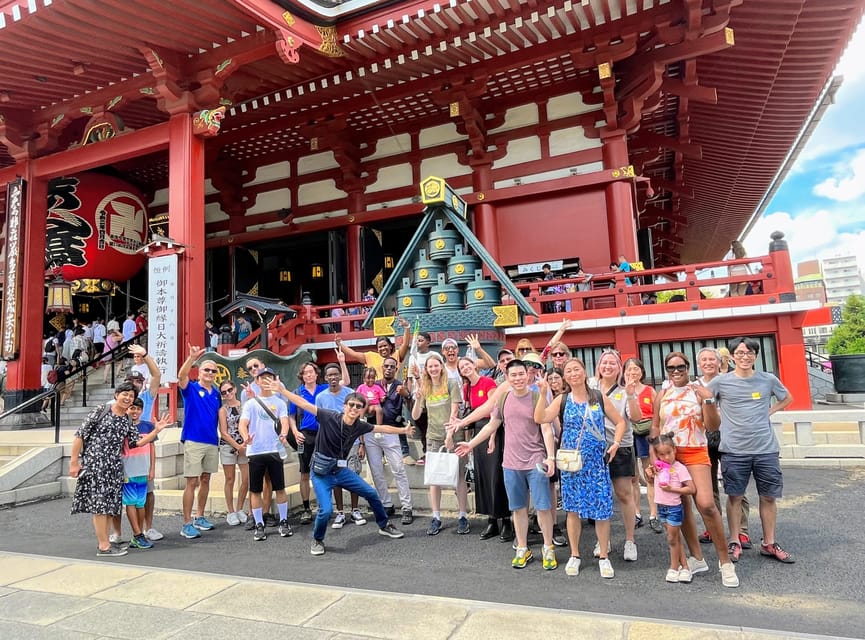
Asakusa is the tour’s main traditional neighborhood stop. The centerpiece is the approach to Senso-ji, with the large red lantern at Kaminarimon Gate and Nakamise Avenue leading toward the temple area.
You have time for photographs and shopping along Nakamise. The street is lined with souvenir shops and traditional snacks, so this is a good point to buy small gifts. The free time is about an hour, but it is shared with a matcha experience and, if selected, lunch.
The matcha tasting uses first-flush tea from Uji, Kyoto. You can choose a not-bitter premium matcha drink, matcha gelato, or matcha beer. The experience is brief, but it gives you a chance to try a distinctly Japanese flavor without committing to a formal tea ceremony.
Lunch is an izakaya-style set meal built around karaage, or Japanese fried chicken, and tofu. A soft drink is included when lunch is selected. The tofu uses locally produced soybeans and is made at the shop each day, which gives the meal a more local feel than a generic group buffet.
I would add lunch if you want convenience and a scheduled taste of everyday Japanese food. Some diners have found the meal less impressive than the rest of the day, so food-focused visitors may prefer to eat independently in Asakusa.
Vegetarian and gluten-free meals are available when requested at booking. The gluten-free option includes grilled chicken, rice, and tofu. The standard meal contains no pork, seafood, nuts, or crustaceans, but the dashi stock includes fish broth. Muslim-friendly, allergy-friendly, and lactose-free meals are not available, and anyone with a serious allergy is advised to book without lunch.
Tokyo Skytree and the 350-meter view
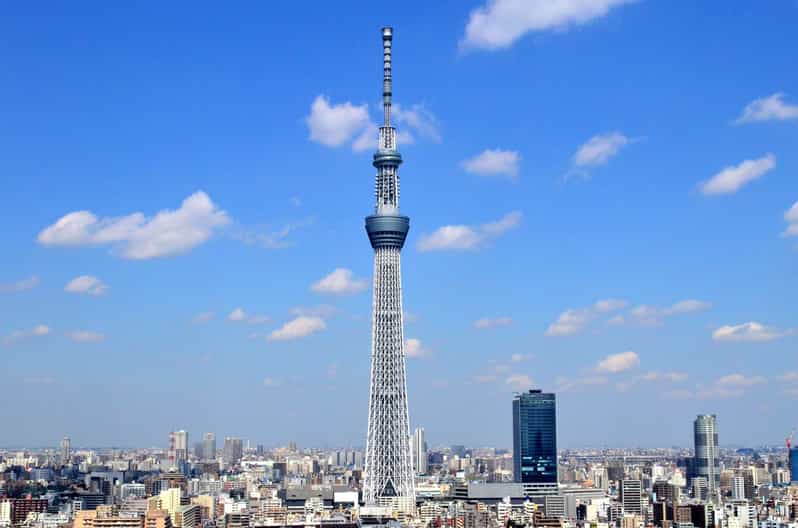
After Asakusa, the bus takes you to Tokyo Skytree and the Sora-machi shopping complex. The included admission is for the Tembo Deck at 350 meters, with skip-the-line access.
This is likely the day’s biggest visual payoff. From the observation deck, you can see how enormous Tokyo really is, with districts spreading far beyond the central sights visited earlier. On a clear day, the height gives you a useful sense of the city’s scale that is hard to get from street level.
You have about 90 minutes here. That is enough to enjoy the deck and look around Sora-machi, but the stop may feel long if you are more interested in historic neighborhoods than modern retail complexes. One useful planning point comes from the tour’s pacing: some people would prefer more time at Meiji Shrine and less at Skytree.
The elevator ride and viewing areas can be busy, even with priority admission. The skip-the-line benefit reduces one part of the wait, but it does not turn the observation deck into a private visit. Keep the timing in mind, especially if you want to shop.
A few more Tokyo tours and experiences worth a look
Odaiba and the Tokyo Bay cruise
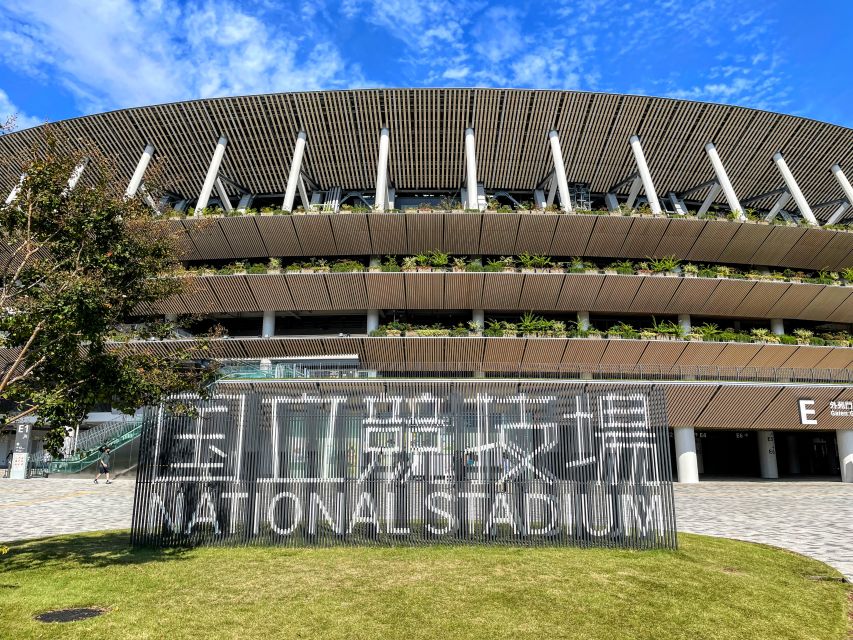
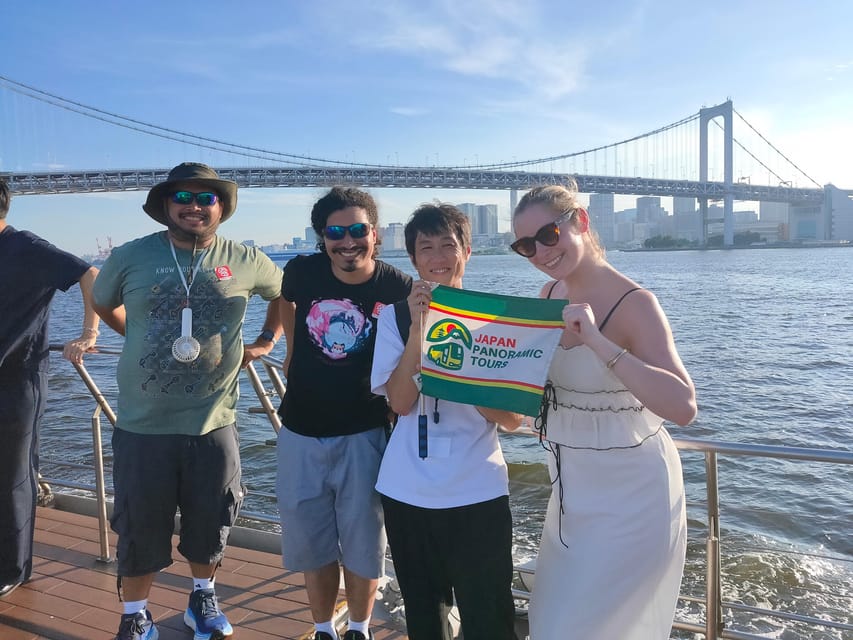
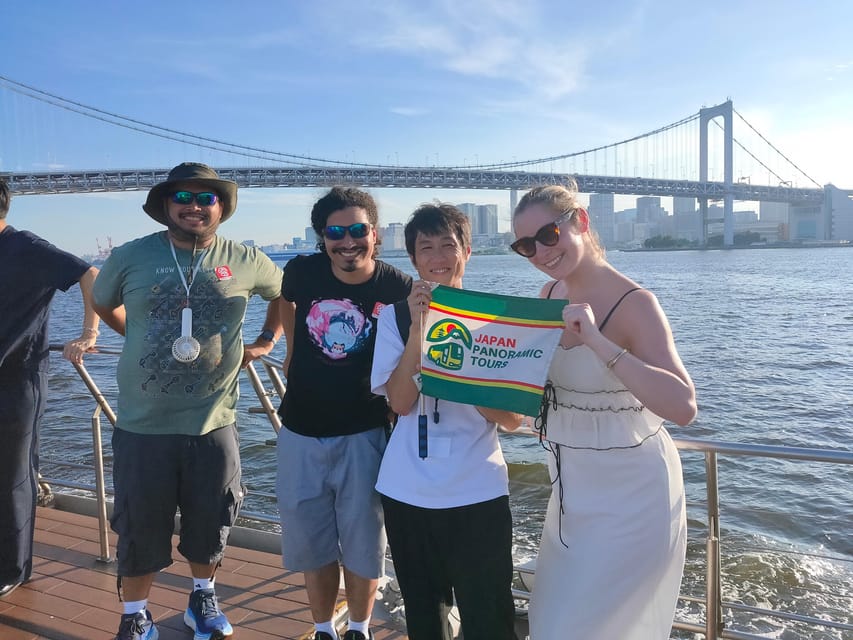
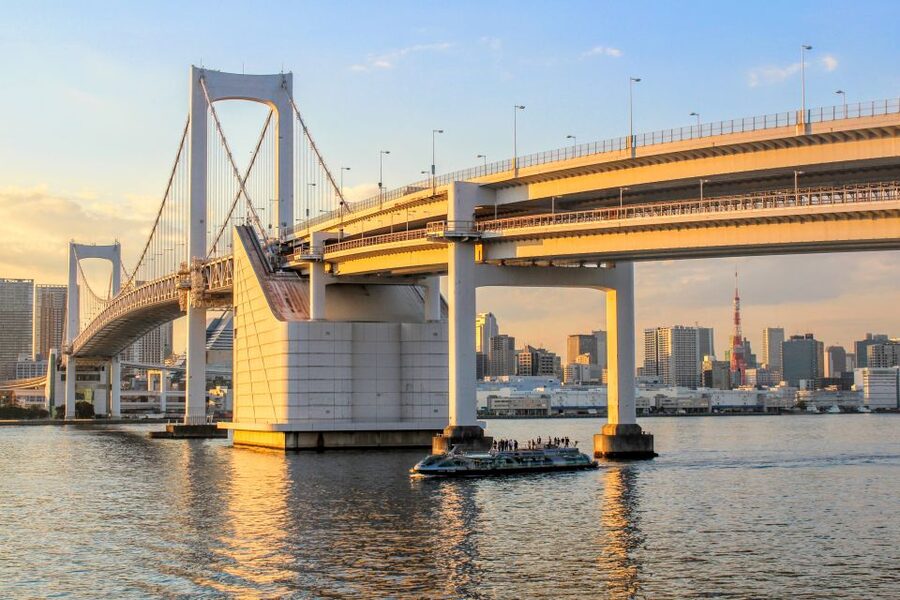
The final planned activity is a short Tokyo Bay cruise from the Odaiba area. The ride lasts around 15 to 20 minutes and passes beneath Rainbow Bridge, with views toward Tokyo’s waterfront towers.
The boat trip is a pleasant change after a full day of temples, gardens, streets, and observation decks. If scheduled near sunset, the light can make the closing stretch especially attractive. It is not a long sightseeing cruise, so treat it as a brief waterfront view rather than a full harbor excursion.
The cruise may not operate because of high tide or technical maintenance. On Tuesdays, the cruise is generally replaced by either Hamarikyu Gardens or the Fukagawa Edo Museum. The tour also lists those sites as Tuesday inclusions. A change can happen for operational reasons on other days as well, and no refund is provided if the boat ride is replaced.
Hamarikyu Gardens offers a more traditional setting beside modern Tokyo, while the Fukagawa Edo Museum focuses on an older period of the city. Both alternatives fit the tour’s theme, but they are not interchangeable with a boat ride. If the cruise is the main reason you are booking, check the operating schedule before paying.
What the bus adds to the day
Tokyo’s rail system is excellent, but covering Meiji Shrine, the Imperial Palace, Asakusa, Skytree, and Odaiba independently in one day takes careful planning and several transfers. The coach removes much of that work.
You can rest between stops, hear explanations as you pass Kabukicho, Akihabara, Ueno, and Kappabashi, and avoid repeatedly finding platforms in unfamiliar stations. The driver handles the cross-city movement while your guide keeps the group on schedule.
The tradeoff is reduced freedom. You cannot linger when a place captures your attention, and traffic can eat into the planned time. The bus may also drop you near areas rather than directly at each attraction, so expect walking at both ends of several visits.
The guides are a major part of the experience. Aya, Sora, Yuty, Tsubasa, Hiro, Yui, Lisa, Levin, and Lovely are among the guides associated with especially strong feedback. The most useful qualities are not just facts about Tokyo, but clear directions, help with shrine customs, restaurant suggestions, shopping advice, and patience when the group is slow to gather.
A multilingual audio guide is available in several languages, but the live tour language is English. If you do not follow spoken English comfortably, the headset may help, though you should confirm how much of the tour is covered in your language.
Is $122 good value for Tokyo?
At $122 per person, this is not a cheap sightseeing outing. It becomes better value when you count the included transportation, English guide, Skytree Tembo Deck admission, matcha experience, Wi-Fi, and the cruise when it operates.
Lunch costs extra unless you select it. Adding it in advance is usually wiser than deciding on the day, since same-day additions cost more. The included meal can save you the trouble of finding a restaurant during a tight schedule, but it is not the strongest reason to book.
For a first day in Tokyo, I can see the value. You get a broad orientation and can mark places to revisit later. If you already know the city or prefer to spend two hours in one neighborhood, the price may feel high for a day that gives you limited independent time.
The strongest value is time saved. You are paying to connect distant sights without managing the route yourself. The weakest value is depth, since each major stop is necessarily brief.
Walking, weather, and who should book
Bring comfortable shoes. The tour includes shrine paths, temple approaches, shopping streets, gardens or museum corridors, observation-deck movement, and transfers between the bus and attractions. Several people have recorded more than 11,000 steps, so do not treat this as a coach ride with occasional photographs.
Hot weather can make the walking tiring, although the air-conditioned bus provides regular relief. Rain can slow the route and affect the cruise. The program may change because of weather, traffic, closures, or other operating issues.
This is a good fit for you if:
- You have only one or two days in Tokyo.
- You want the major sights explained in English.
- You value an air-conditioned coach over independent train connections.
- You enjoy a full day with a clear schedule.
- You want both traditional sites and modern Tokyo in one outing.
It is a weaker fit if you use a wheelchair, have serious mobility limitations, dislike group schedules, or want long meals and unhurried photography. The experience is specifically marked as unsuitable for people with mobility impairments, and luggage, wheelchairs, and strollers must be loaded and unloaded by you.
Free cancellation is available up to 24 hours before the tour, and you can reserve now and pay later. That flexibility helps if your Tokyo plans are still shifting, but it does not remove the need to check the meeting point and meal choice carefully.
Should you book this Tokyo day tour?
Book it if you want a broad, guided introduction to Tokyo and accept a fast pace. The combination of Meiji Shrine, Asakusa, matcha, Skytree, and a possible Bay cruise gives you a solid first look at the city’s major contrasts.
I would choose the lunch option if you want a simple, scheduled meal, and I would request vegetarian or gluten-free food in advance. I would also prepare for plenty of walking and treat the cruise as a bonus rather than a promise.
Skip it if your ideal Tokyo day means lingering at Meiji Shrine, browsing every Asakusa shop, or spending half a day at Skytree. For everyone else, especially first-time visitors with limited time, the tour offers an efficient route, strong cultural guidance, and a practical way to get your bearings before exploring Tokyo on your own.
FAQ
How long does the Tokyo sightseeing tour last?
The tour lasts 10 hours. The route begins in central Tokyo and finishes near Tokyo Mode Gakuen.
Where does the tour start?
The meeting point depends on the option booked. Pickup options include Matsuya Ginza and the Love statue in Shinjuku. Check the exact location shown with your booking.
Is hotel pickup and drop-off included?
No. Hotel pickup and drop-off are not included. You must reach the selected meeting point and manage your own luggage, wheelchair, or stroller loading and unloading.
Is lunch included?
Lunch is included only if you select the lunch option. The meal is a set dish with Japanese fried chicken, tofu, and a soft drink.
Can I request a vegetarian or gluten-free meal?
Yes. You must state the number of vegetarian or gluten-free meals when booking. The gluten-free meal includes grilled chicken, rice, and tofu.
What food restrictions should I know about?
The standard meal contains no pork, seafood, nuts, or crustaceans, but the dashi stock contains fish broth. Muslim-friendly, allergy-friendly, and lactose-free meals are not available. If you have a serious allergy, book without lunch.
Is the Tokyo Bay cruise guaranteed?
No. The cruise can be replaced because of high tide or technical maintenance. On Tuesdays, the program includes Hamarikyu Gardens or the Fukagawa Edo Museum instead. No refund is provided when the cruise is replaced.
Which languages are available?
The live tour guide speaks English. Audio headsets are available in Spanish, French, Italian, German, Portuguese, and Ukrainian.
Is the tour suitable for people with mobility impairments?
No. The experience is marked as unsuitable for people with mobility impairments, and the day involves substantial walking. Comfortable shoes are recommended.
More Tickets & Passes in Tokyo
More Bay & River Cruises in Tokyo
More Asakusa Tours in Tokyo

More tours in Tokyo we've reviewed












Asakusa Tours, compared.
 ★ 4.8Tokyo: Japanese Dance Cabaret Theater Asakusa-Kaguwa TicketFrom $492 hours
 ★ 4.9Tokyo: Roll and Authentic Sushi Making Class in AsakusaFrom $581h 40m
 ★ 4.8Tokyo: Asakusa Walking Tour with Sensoji Temple VisitFrom $222 hours
 ★ 5.0Tokyo Asakusa Rickshaw TourFrom $42
 ★ 4.5Tokyo Panoramic 1 Day: Meiji Shrine, Asakusa, Odaiba and SKYTREE®From $85
 ★ 5.0Tokyo Go Kart: Asakusa, Skytree, and Akihabara **IDP MUST**From $99