Reviewed · MT FUJI DAY TRIPS
Tokyo: Hakone Fuji Day Tour w/ Cruise, Cable Car, Volcano
Hakone gives you three very different views of the Fuji area in one long day: from a pirate boat on Lake Ashi, from the Hakone Ropeway, and from the steaming slopes of Owakudani. I like that the tour includes both major transport tickets, so you can focus on the scenery instead of sorting out separate fares. I also like the choice between an hour at a hot spring and time at Gotemba Premium Outlets.
In This Article
- Key points
- Why This Hakone Day Trip Works From Tokyo
- Getting to Hakone by Coach
- Lake Ashi and the Decorated Pirate Boat
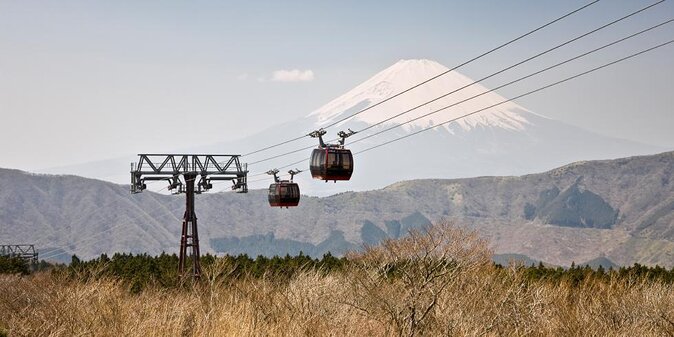
- Riding the Hakone Ropeway Above the Valley
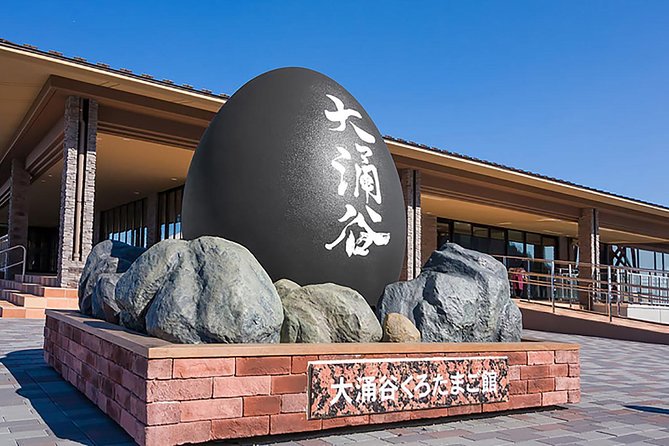
- Owakudani, Sulfur Steam, and the Seven-Year Egg
- Choosing Between Gotemba Outlets and a Fuji-View Onsen
- Gotemba Premium Outlets
- Gotemba Onsen Kaikan
- Mount Fuji: Treat the View as a Bonus
- Guides, Group Feel, and the Pace of the Day
- Is $98 Good Value?
- Who Should Book This Tour?
- Final Verdict: A Broad and Useful Hakone Introduction
- FAQ
- How long does the Hakone tour last?
- What is included in the tour price?
- Is food included?
- Can I choose an onsen instead of the outlet mall?
- Are the hot spring ticket and towel included?
- Is Mount Fuji guaranteed to be visible?
The catch is simple: Mount Fuji needs clear weather, and clouds can hide it all day. Traffic can also turn the two-hour bus rides into longer stretches, while the shopping stop may feel too long if you mainly came for Hakone’s nature.
Key points
- Lake Ashi pirate boat: A 30-minute cruise gives you a relaxed introduction to Hakone, with possible Fuji views across the water.
- Hakone Ropeway: Ride above the mountain slopes toward Owakudani, adding a second angle on the area without a hard hike.
- Owakudani black eggs: See sulfurous steam rising from the Great Boiling Valley and try Kuro Tamago, said to add seven years to your life.
- Two afternoon choices: Spend around two hours at Gotemba Premium Outlets, or use part of the time for an onsen, with some schedules allowing both.
- Comfortable transport: The air-conditioned coach is a real asset after several sightseeing stops, and some buses have phone charging ports.
- Weather matters: Fuji sightings are never guaranteed, and the cruise or ropeway can change if strong wind closes them.
Why This Hakone Day Trip Works From Tokyo
For $98, this is a practical way to reach several Hakone sights without buying separate transport tickets or piecing together a complicated route. Your day includes the coach, Lake Ashi cruise, Hakone Ropeway, and a guide who handles the movement between them.
You should think of it as a broad introduction rather than a slow, deep visit to Hakone. The schedule covers the lake, mountain, volcanic valley, and a final leisure stop, but you will not have hours to wander each place.
The day lasts about 10 hours and is planned to return to Tokyo around 6:00 PM. That makes it a good fit if you have one spare day in Tokyo and want to see countryside, mountains, and hot spring culture without changing hotels.
The transport is one of the strongest parts. Several people found the coach comfortable, and some vehicles have charging ports. That matters because the outward and return drives can each take about two hours, with traffic sometimes making them longer.
A few more Tokyo tours and experiences worth a look
Getting to Hakone by Coach
The exact departure point depends on the option you book. The supplied details list Matsuoka Central Building at 2-chōme-2-1 Yaesu, while the tour is also described as departing from Shinjuku. Confirm your meeting point carefully before the morning of the trip.
Do not cut it close. One person had trouble identifying the correct bus because several coaches were gathered at the meeting area and suggested allowing at least 30 minutes to find the right one. Large luggage is not allowed, and only one hand-carry bag is permitted, so arrive with a small day bag rather than a suitcase.
The guide speaks English or Chinese, depending on the group and assigned guide. Guides named Tina, Jeff, Vicky, Jax, Lisa, and others have led recent departures, but you cannot assume a particular person will be assigned to your bus. English ability can vary, so if cultural explanation is especially important to you, listen closely during the first briefing and ask questions when the bus is stopped.
The long drive is not wasted time. You pass from Tokyo’s dense streets toward the open mountain area, and the guide may explain the day’s order, meeting times, and local points of interest. Still, rush-hour traffic is a real part of the bargain. The route is convenient, not magically fast.
Lake Ashi and the Decorated Pirate Boat
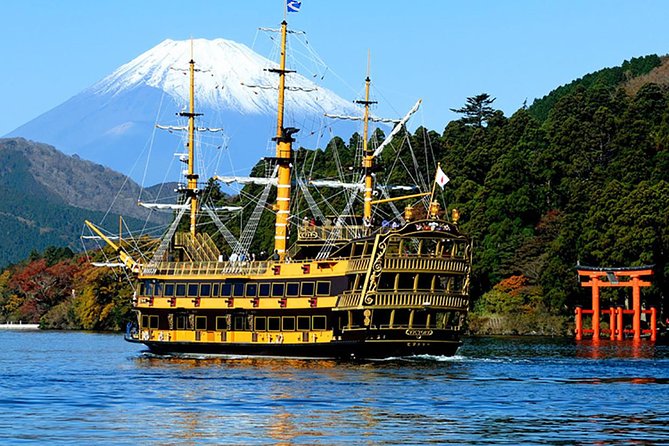
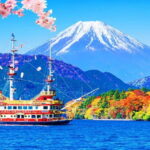
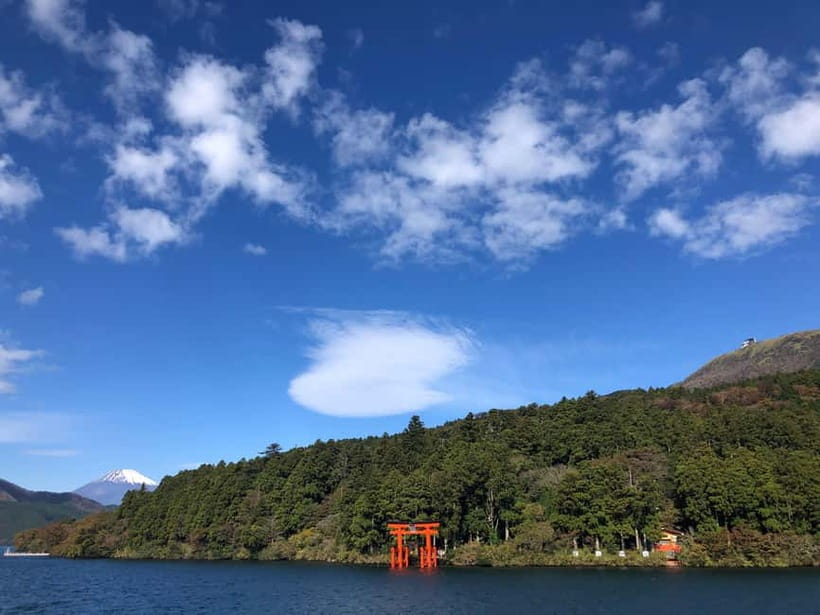
The first major sight is Lake Ashi, known locally as Ashinoko. The boat ride lasts about 30 minutes and uses a fanciful pirate-ship design, which gives the crossing a playful feel rather than making it a plain transport transfer.
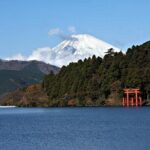
I like this stop because it lets you see Hakone from a seated position before the more exposed mountain sections. On a clear day, you may catch Mount Fuji beyond the lake, with the water and surrounding greenery framing the view. The boat itself is also a fun photo subject.
Keep your expectations tied to the weather. Clouds, rain, and wind can block Fuji, even when the rest of the trip runs normally. One person saw the peak appear briefly from the clouds near the end of the boat ride, which is a good reminder to keep looking instead of assuming the view is lost.
The cruise is short, so you will not have time for a full lakeside exploration. It is best understood as a scenic chapter in a fast-moving day. If you want a quiet morning by Lake Ashi, this schedule will feel rushed. If you want a taste of the lake without planning ferry routes yourself, it works well.
Riding the Hakone Ropeway Above the Valley
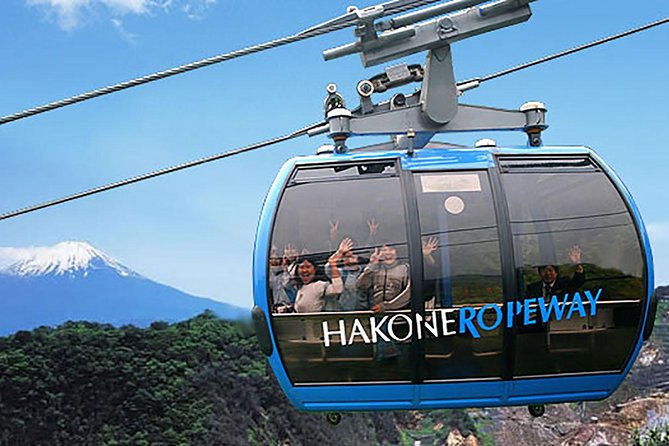
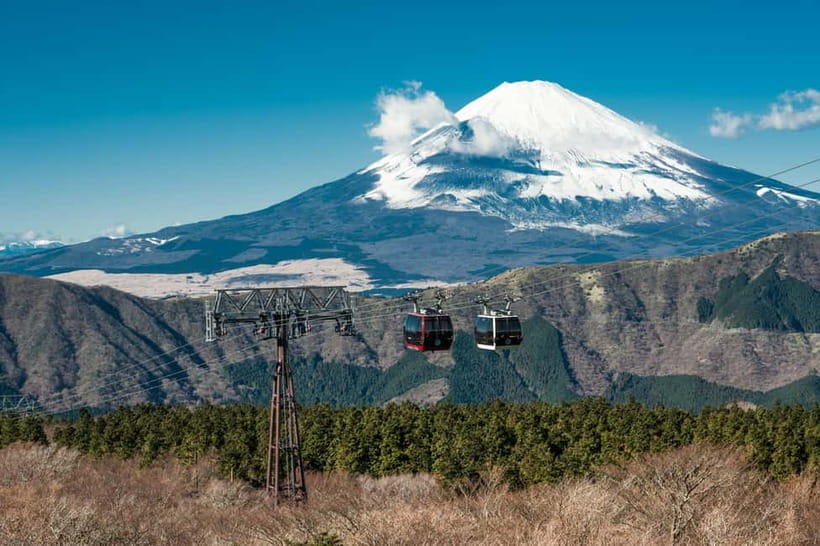
After the boat, you take the Hakone Ropeway for about 20 minutes. The ride changes the pace and gives you a view from above, with the cabins carrying you toward the volcanic area around Owakudani.
This is not a mountain hike. That makes it useful for visitors who want high views but do not want to spend the day climbing. You should still wear comfortable shoes and clothes because the stops involve walking, standing, and moving through busy sightseeing areas.
On a clear day, the ropeway can offer impressive views toward Fuji and the surrounding peaks. In poor weather, clouds may cover the mountain, but the ride still serves as a scenic link to Owakudani. Strong wind can affect operations, and the route may change if the ropeway closes.
Do not treat the cable car as a guaranteed Fuji viewpoint. The view depends on the weather and the position of the cloud cover. Several departures had enjoyable ropeway rides despite seeing little or none of Fuji, so the ride itself should be part of your expectation.
Owakudani, Sulfur Steam, and the Seven-Year Egg
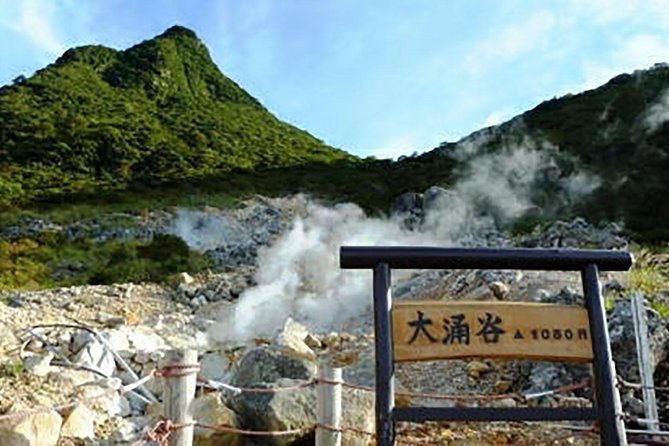
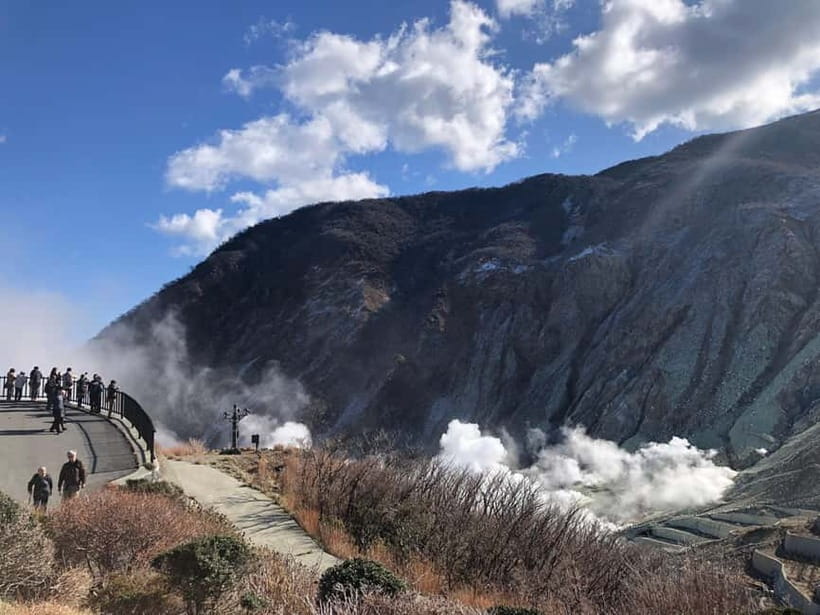
Owakudani, or the Great Boiling Valley, is the day’s most unusual stop. A volcanic eruption about 4,000 years ago formed the area, and white sulfurous steam still escapes from the ground. You will have about 75 minutes for sightseeing, photographs, food, and shopping.
This is where the tour feels most distinct from a standard Fuji photo trip. The air, ground, and smell remind you that this is a volcanic zone, not simply a mountain resort. Conditions can change, and access may be adjusted if the site is not operating normally.
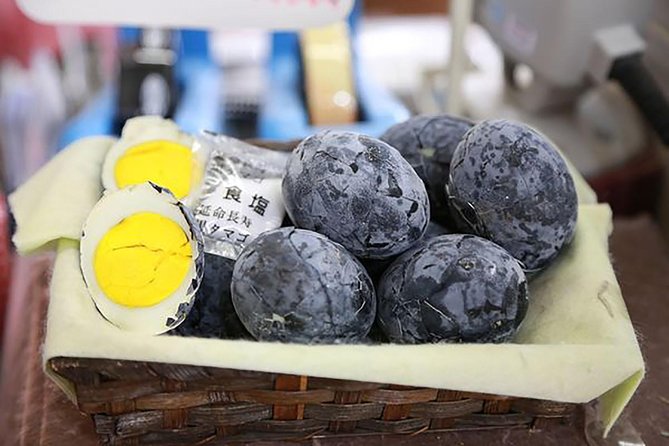
The famous snack is Kuro Tamago, an egg boiled in the area’s mineral-rich hot water, which turns the shell black. Local legend says eating one adds seven years to your life. You can also find black-themed foods such as black ramen and black ice cream, according to the day’s available vendors.
The 75-minute stop is enough to sample the food, see the steam, and take photos, but it is not generous if you want a long meal or a careful walk around every viewing area. I would make the egg and the main volcanic viewpoint priorities, then use any remaining time for shopping.
People with heart or respiratory conditions should take the tour’s warning seriously. Owakudani is a sulfurous volcanic environment, and this is not the right excursion for anyone advised to avoid such conditions.
A few more Tokyo tours and experiences worth a look
Choosing Between Gotemba Outlets and a Fuji-View Onsen
The afternoon gives the tour its biggest decision. You can visit Gotemba Premium Outlets for around two hours, or spend time at Gotemba Onsen Kaikan for roughly one hour. Some people split the afternoon, using an hour for the hot spring and an hour for shopping, but the exact arrangement should be confirmed with your guide.
Gotemba Premium Outlets
Gotemba is one of Japan’s largest outlet centers, and Mount Fuji can appear behind the shops on a clear day. It is a sensible choice if you enjoy brand shopping, want a change from sightseeing, or are looking for genuine discounts.
Do not assume every item is a bargain. One person found the shops high-end rather than especially cheap, while another enjoyed finding good deals. Your experience depends on the brands you want and how much time you are willing to spend browsing.
Two hours sounds generous, but the center is large. If shopping is your main goal, plan your priorities before you arrive. If it is simply a backup for a cloudy Fuji day, the stop may feel long.
Gotemba Onsen Kaikan
The hot spring option is more restful. After a full morning of walking, standing, and riding, soaking in warm water can make the return coach much easier. A Fuji view is possible from the onsen, but it depends on weather and the specific bathing area.
The hot spring ticket and towel are not included. You also need to follow normal Japanese bathing customs, including washing before entering the shared bath. The supplied information does not give detailed rules for every facility, so ask the guide for help before paying.
Some guides have helped arrange private onsen rooms, which can be useful if you want more privacy or are unsure about shared bathing. One important caution: a private onsen does not automatically guarantee a Fuji view. Ask what kind of view is available before booking.
If you have sore feet from several days in Japan, I would choose the onsen. If you are traveling with shoppers or want souvenirs, the outlet stop may be the better fit. The split option is especially appealing because it gives you a short taste of both, though an hour is brief for each.
Mount Fuji: Treat the View as a Bonus
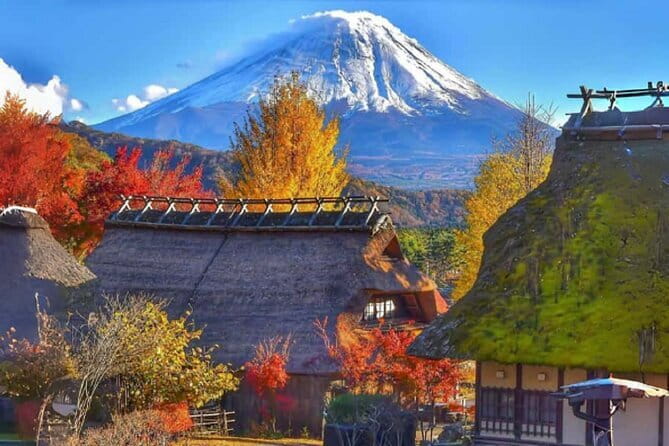
The name of the tour may make Fuji the main promise, but no day trip can control the clouds. The mountain is often hidden in humid or rainy conditions, and summer and typhoon-season weather can be especially unreliable. Even on a sunny day at one stop, the peak may remain covered from another.
For the best chance, choose a day with a clear forecast and keep your camera ready during the boat, ropeway, Owakudani, and Gotemba sections. Fuji may appear for only a few minutes. Several departures had memorable brief glimpses rather than a clear view all day.
If seeing the mountain is your top priority, you may prefer a trip focused on Fuji Station or the Kawaguchiko area. This Hakone tour is stronger if you want Fuji plus a lake cruise, ropeway, volcanic scenery, and a choice of shopping or bathing.
That distinction is important. You are paying for a full regional outing, not a guaranteed photograph of the summit.
Guides, Group Feel, and the Pace of the Day
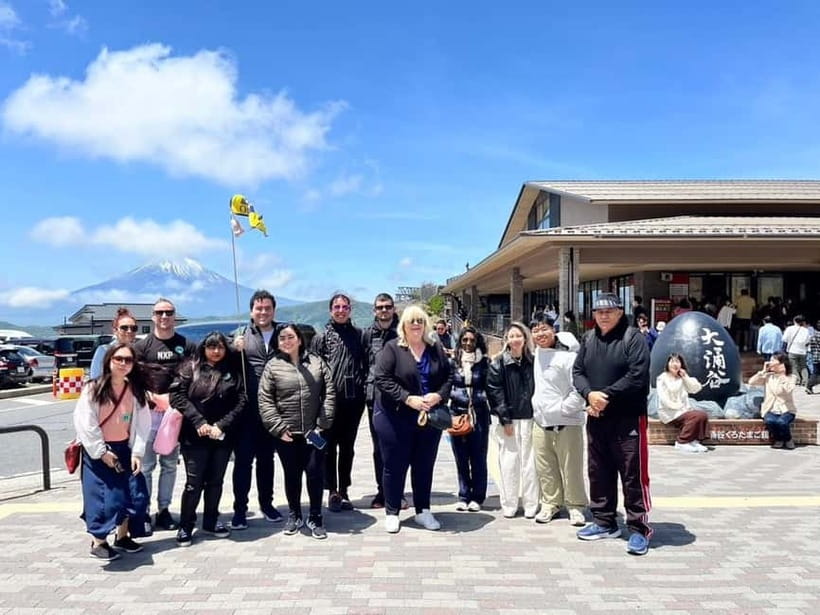
The group size can be relatively small, which helps when the guide gives meeting instructions or helps arrange the onsen. Tina received especially strong praise for explaining clearly in English and Japanese, helping with food suggestions, and keeping the day moving. Jeff, Vicky, Lisa, Jax, and several other guides were also described as friendly, organized, and helpful.
The guide is more useful here than on a simple sightseeing bus. You must move between a boat, ropeway, volcanic valley, coach, and afternoon option while keeping track of departure times. A good guide reduces the chance of missing the bus and can help you decide how to use the final hours.
The level of cultural explanation may vary. Some guides explain Hakone, Fuji, local legends, and customs in detail. Others focus more on practical instructions. If you want more background, ask direct questions rather than waiting for a long lecture.
The pace is active but not extreme. You are not hiking all day, yet you should expect repeated boarding, walking, standing, and quick visits. Comfortable shoes are essential. Warm clothing is wise because mountain conditions can feel cooler than Tokyo, even when the city is mild.
Is $98 Good Value?
At $98 per person, the tour offers solid value if you plan to use the included cruise, ropeway, coach, and guide. Booking these pieces separately would take more planning, and the coach removes the need to navigate Hakone’s transfers on your own.
The value drops if you dislike shopping and cannot use the onsen option. Gotemba takes a large part of the afternoon, and the hot spring requires an extra ticket and towel. You should also count food and drinks as additional costs.
I see the price as fair for a first Hakone visit. You get a lot of variety in 10 hours, though you trade away the freedom to linger. The best value comes from treating the tour as an overview and choosing your afternoon stop before the day begins.
Free cancellation is available up to 24 hours before departure, and you can reserve now and pay later. There is no refund for a no-show or late arrival, so allow extra time for the meeting point.
Who Should Book This Tour?
I would recommend it to first-time visitors based in Tokyo who want Hakone’s main highlights without managing the route themselves. It also suits solo visitors and families who value a comfortable coach, a clear schedule, and several different activities in one day.
It is a good match for you if you like:
- Scenic transport as much as the final viewpoints
- Short visits to several major sights
- Volcanic scenery and unusual local food
- A choice between shopping and a hot spring
- Guided help in English or Chinese
I would hesitate if you want a long, quiet stay in Hakone, dislike outlet shopping, or need a guaranteed Fuji photograph. It is also a poor fit for anyone with heart or respiratory concerns that make a sulfurous volcanic area unsuitable.
Strong wind can close the cruise or ropeway, serious traffic can change the timetable, and poor weather can force cancellation with notice by 2:00 PM the day before. If a normal sightseeing stop is closed, the itinerary may change without a refund.
Final Verdict: A Broad and Useful Hakone Introduction
This is a busy day, but it is a well-chosen busy day. The pirate boat, ropeway, Owakudani steam, black egg, and afternoon onsen or outlet visit give you a real sense of Hakone’s range.
I would book it for the combination of transport and variety, not for Fuji alone. Choose the onsen if relaxation matters more than shopping, bring warm layers, arrive early at the meeting point, and keep your expectations flexible when clouds gather.
If Mount Fuji appears, the day can be spectacular. If it stays hidden, you still have a lake cruise, a mountain ride, and one of Japan’s strangest volcanic valleys to enjoy.
FAQ
How long does the Hakone tour last?
The tour lasts about 10 hours and is scheduled to return to Tokyo around 6:00 PM. Road conditions can make the travel time and exact schedule longer or later.
What is included in the tour price?
The price includes the sightseeing cruise on Lake Ashi, the Hakone Ropeway ticket, transportation in an air-conditioned bus, and a guide.
Is food included?
No. Food and drinks are not included, so you should budget separately for items such as the Owakudani black egg, other local foods, and drinks.
Can I choose an onsen instead of the outlet mall?
Yes. The afternoon choice is generally between Gotemba Premium Outlets and a hot spring in Hakone. Some schedules may allow you to spend part of the time at each, but confirm the arrangement with your guide.
Are the hot spring ticket and towel included?
No. The hot spring admission ticket and towel cost extra. Personal expenses are also not included.
Is Mount Fuji guaranteed to be visible?
No. Fuji visibility depends on the weather, and clouds, rain, or wind can hide the mountain. The cruise and ropeway may also change if strong wind causes them to close.
More Bay & River Cruises in Tokyo
More Hakone Day Trips in Tokyo
More Mt Fuji Day Trips in Tokyo
More tours in Tokyo we've reviewed












Mt Fuji Day Trips, compared.
 ★ 5.0Mt Fuji and Hakone 1-Day Bus Tour Return by Bullet TrainFrom $163
 ★ 4.0Mt Fuji & Hakone Cruise, Drum Show Bullet Train 1 Day from TokyoFrom $149
 ★ 4.4Tokyo Mt Fuji 5th St & Hakone Cruise Bus Tour w/Bullet TrainFrom $15410 hours
 ★ 4.5From Tokyo: Mount Fuji Full-Day Sightseeing TripFrom $6810 hours
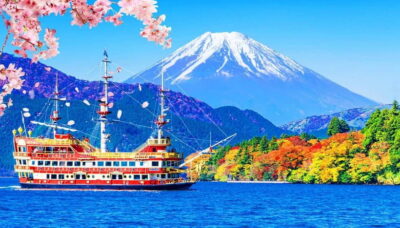 ★ 4.7Tokyo: Mt. Fuji Tour, Hakone Ropeway, Owakudani, Lake AshiFrom $5410 hours
 ★ 4.4Tokyo:Mt.Fuji,Kawaguchiko Oishi Park,Arakurayama Sengen ParkFrom $5410 hours