Reviewed · MT FUJI DAY TRIPS
From Tokyo: Mount Fuji Full-Day Sightseeing Trip
Mount Fuji is best seen from several angles, and this $68 full-day bus tour does exactly that. You’ll photograph the mountain over Lake Kawaguchiko, frame it behind Chureito Pagoda, taste spring water at Oshino Hakkai, and head as high as road conditions allow.
In This Article
- Key points at a glance
- Why this Fuji day trip works from Tokyo
- Oishi Park puts lake and mountain in one frame
- Arakurayama Sengen Park and the Chureito Pagoda view
- Oshino Hakkai brings water, food, and village scenery
- Mount Fuji 5th Station reaches the high point
- The guide can make or break a long coach day
- Bus comfort and the real cost of traffic
- What the day feels like on foot
- Weather decides how much Fuji you see
- What is included, and what is not
- Who should book this Mount Fuji tour
- Should you book it?
- FAQ
- How long does the Mount Fuji tour last?
- Where does the tour start?
- Which languages are available?
- Is food included in the price?
- Will the tour definitely visit Mount Fuji 5th Station?
- Is the tea ceremony included?
- Is much walking required?
- Can I bring luggage?
I like the smart variety of stops and the friendly guides, with Sophie, Evita, Annie, Catherine, and others praised for clear explanations and good humor. I also like that entry fees and transport are included, making the price easy to understand.
The catch is the road. Tokyo to Fuji can take two hours each way, and traffic may add another two or three hours to your return. Clear views are never guaranteed, and the 5th Station may be replaced by a lower stop in winter or bad weather.
Key points at a glance
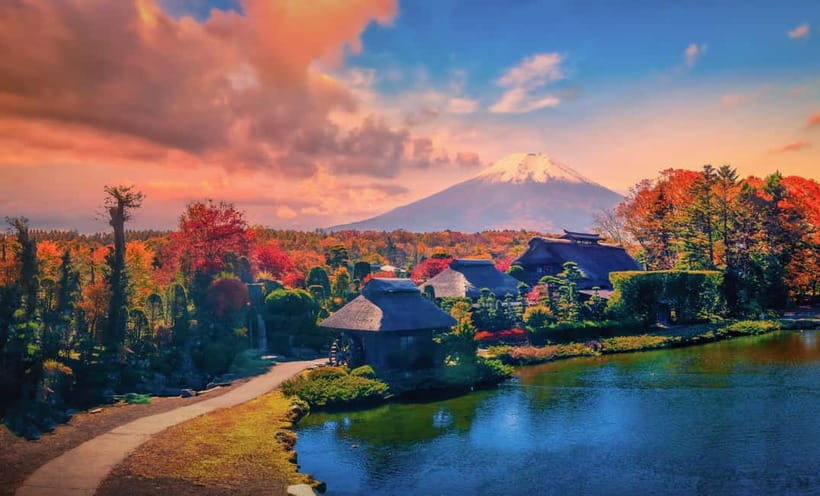
- Four very different Fuji viewpoints: See the mountain beside a lake, above a pagoda, near traditional spring ponds, and from the mountain itself.
- A full 10-hour day from Tokyo: The bus removes the need to piece together several regional trains and local connections.
- Chureito Pagoda requires effort: The famous view involves a steep walk and more than 400 steps for the classic photo.
- Oshino Hakkai adds village atmosphere: You can see its eight spring-fed ponds, taste Fuji water, and buy lunch or snacks.
- The 5th Station depends on conditions: At about 2,300 meters, it offers a close view of Fuji but can be cold, cloudy, or inaccessible.
- Guides are a major part of the value: English, Mandarin, and Cantonese support is available, though the tour leader mainly accompanies and organizes the group.
Why this Fuji day trip works from Tokyo
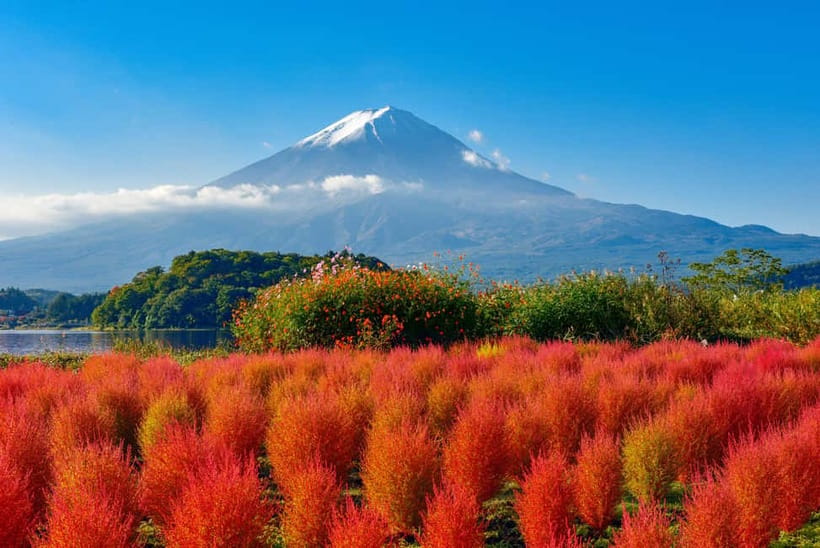
If your Japan trip is based in Tokyo, Mount Fuji can be awkward to visit independently. You need to choose a train or bus, work out local transport around the Fuji Five Lakes area, and keep an eye on changing mountain access. This tour gives you a seat on an air-conditioned coach and four major stops in one long day.
At $68 per person, the value is strongest if you want broad coverage rather than a slow visit to one village. Transport, sightseeing entry fees, and a guide are included. You still pay for lunch, drinks, and souvenirs, but there is no need to buy several separate regional tickets.
The day is not leisurely in the traditional sense. You spend about two hours on the coach in each direction, then move between photo stops and short visits. Still, the changes of scene keep the day from feeling like one repeated lookout.
A current rating of 4.5 from 4,970 reviews suggests a dependable sightseeing product, but your enjoyment will depend heavily on visibility and traffic. Fuji is a shy subject. You can do everything right and still get a cloud where the summit should be.
A few more Tokyo tours and experiences worth a look
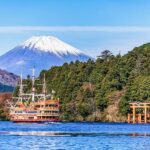
Oishi Park puts lake and mountain in one frame
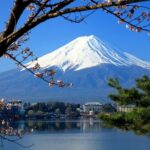
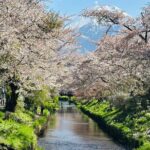
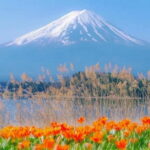
The first main stop is Oishi Park beside Lake Kawaguchiko. You get roughly 30 minutes for photographs and a short visit, so this is a place to get your camera ready before leaving the bus.
The appeal is simple: Lake Kawaguchiko gives you a broad foreground, while Mount Fuji rises beyond it when the weather cooperates. This is one of the best locations for a classic Fuji composition because the lake gives the mountain scale and a clean sense of place.
Thirty minutes is enough for photos and a quick look around, but not for a long walk. If you want a reflection shot, pay attention to the guide’s directions and move quickly. Lines for toilets, drinks, or snacks can eat into a short stop.
The park is especially attractive during flower seasons, but those periods also bring heavy crowds. Weekends can slow the coach and make the whole day longer. I’d treat this first stop as a focused photo visit, not a chance to settle in for breakfast.
Arakurayama Sengen Park and the Chureito Pagoda view
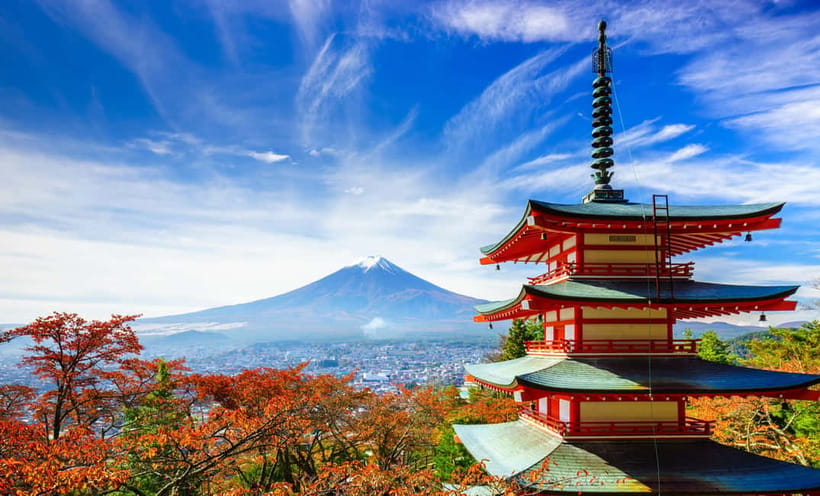
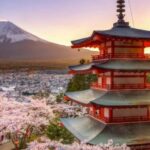
The next stop is Arakurayama Sengen Park in Fujiyoshida. This is the view many people picture when they think of Mount Fuji in Japan: the five-storied Chureito Pagoda in the foreground, with the mountain behind it.
You’ll have about 75 minutes for the park, pagoda, and nearby streets. The famous lookout requires a climb of more than 400 steps. That makes this the most physically demanding section of the day, especially if you are walking slowly or carrying a heavy camera bag.
The effort pays off when Fuji is visible. The pagoda adds a distinctly Japanese shape to the scene, while the city below gives the photograph depth. In spring, cherry blossoms make the view even more striking, though blossom season is also one of the busiest times for roads and walkways.
Build in time for the climb. You do not want to spend the entire stop rushing up the stairs, taking one photo, and hurrying back down. At the same time, the group has a set departure, so this is not a place to wander without checking the meeting time.
The nearby Hikawa Clock Shop is also included as a visit and free-time stop. Its street view toward Fuji has become popular for photographs. This part can feel more urban than the park, but it gives you another angle and a chance to walk through Fujiyoshida rather than only visit a mountain lookout.
Oshino Hakkai brings water, food, and village scenery
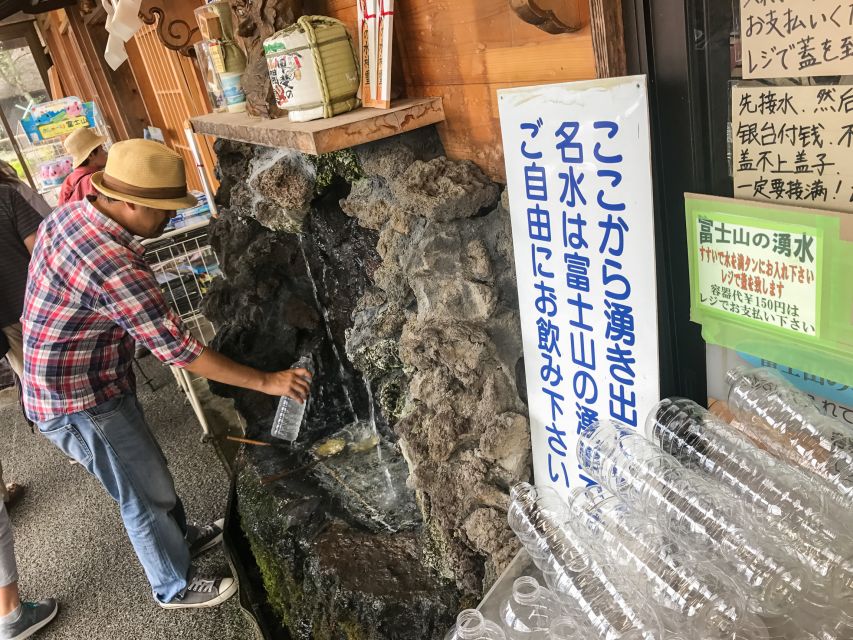
Oshino Hakkai is the most distinctive stop for travelers who want more than mountain photographs. The area is known for eight clear ponds fed by Mount Fuji’s underground water. You can taste the water and see the ponds as you walk through the site.
The visit lasts about 80 minutes and includes time for lunch. Food and drinks are not part of the tour price, so plan to pay separately. This is also a useful place for small souvenirs and snacks, although queues may form when several coaches arrive together.
Oshino Hakkai gives the day a stronger cultural and local feel. The water is not just a scenic detail. It connects the village to Fuji’s snow and rain, and it helps explain why this area has long been valued as a water source and pilgrimage stop.
Do not expect a silent rural retreat. It is a popular sightseeing area, and the short visit means you need to choose your priorities. You can eat, use the restroom, photograph the ponds, sample the water, and browse, but you may not have time to do all of these at a relaxed pace.
I’d use the first few minutes to follow the guide’s orientation, then decide what matters most. If photographs are your priority, take them before sitting down for lunch. If you are hungry, eat early rather than waiting until the final minutes.
Mount Fuji 5th Station reaches the high point
The final Fuji stop is the 5th Station, about 2,300 meters above sea level. This is the highest point on the standard route and gives you the closest road access to the upper mountain included in the tour.
The stop lasts around 40 minutes. You can take photographs, look toward the summit, buy souvenirs, and try special mountain foods. The air can feel cold even in seasons that are warm in Tokyo, so bring an extra layer.
The 5th Station is not a guarantee of a better view. Clouds can sit around the mountain, and conditions can change quickly. One group reached the station while Fuji was visible, then watched clouds cover it just minutes later. Going promptly when the guide calls you is a good idea.
In winter, the road may not reach the 5th Station. The replacement can be the 4th Station, Mt. Fuji 1st Station, or Yamanakako Hananomiyako Park. The winter program may also include a diamond Fuji sunset view, depending on conditions and the day’s route.
That flexibility is practical, but it means the exact final stop is not fixed. If standing at the 5th Station is essential to you, understand that weather and traffic control the mountain road.
A few more Tokyo tours and experiences worth a look

The guide can make or break a long coach day
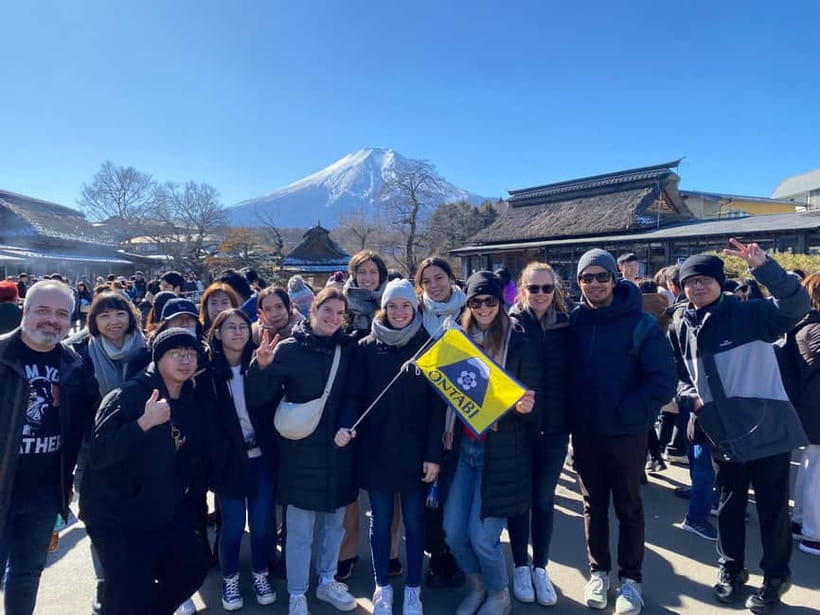
The guide is more than someone who checks names on a list. During a 10-hour day, clear instructions matter. You need to know where to meet, how long you have, and which path to take back to the coach.
Guides named Sophie, Evita, Annie, Catherine, Tina, Shao, Jack, Sheila, and Itsuki received especially warm praise in the feedback provided for this tour. Their reported strengths include clear English, useful cultural facts, humor, help with photographs, and good timing when the weather changed.
The language options are English, Mandarin, and Cantonese. The tour leader mainly accompanies the group throughout the day, so do not expect a private guide or an in-depth lecture at every attraction. You get general explanations, practical help, and cultural context while moving between stops.
One point deserves balance: some people enjoy frequent commentary, while others find too many examples tiring on a long bus ride. If you prefer quiet travel, you may find the guide’s ongoing announcements a little much. A small portable speaker may be used so the whole group can hear instructions.
Bus comfort and the real cost of traffic
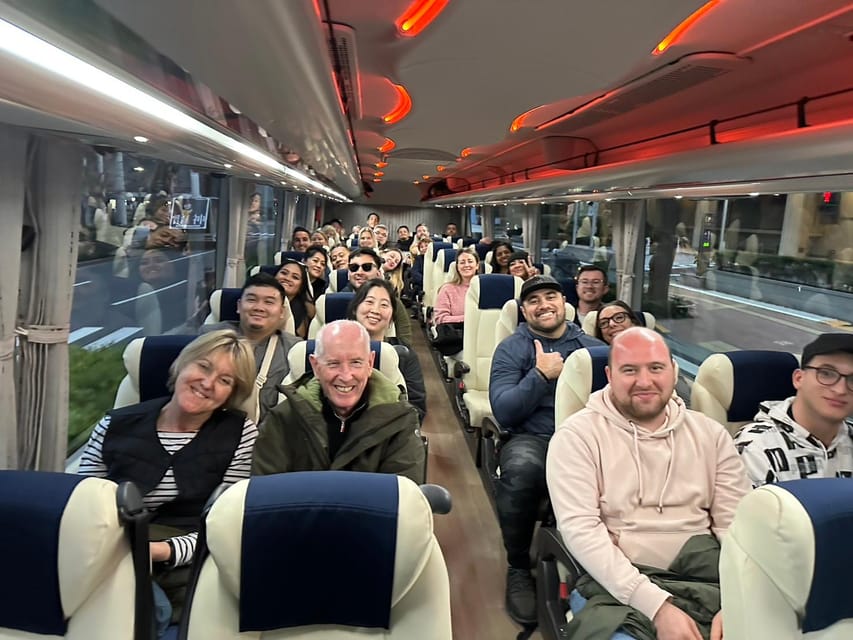
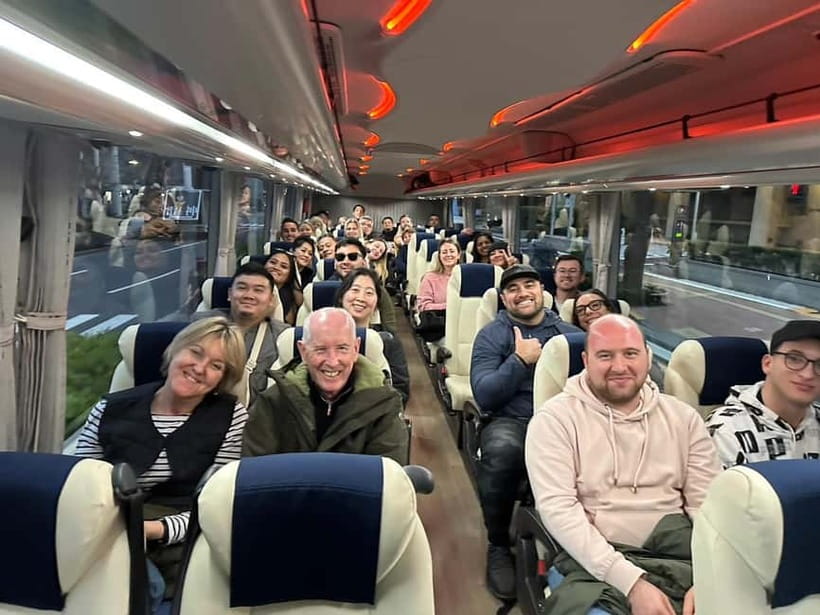
The coach is air-conditioned and described as a clean, modern three-star safety bus. Several recent comments called it comfortable, clean, warm in cold weather, and pleasant for the long drive. One comment found the coach less comfortable, so I would keep expectations practical rather than luxurious.
The main issue is traffic. The outward journey is listed at about two hours, and the return is also about two hours under normal conditions. Crowds, flower season, weekends, road conditions, and mountain access can stretch the day considerably. A two or three-hour delay on arrival back in Tokyo is possible.
That matters if you have a restaurant booking, theater ticket, airport transfer, or evening train. I would not schedule anything fixed soon after the advertised return. The coach is convenient, but convenience does not make the Tokyo to Fuji corridor immune to congestion.
Meeting points are offered around Shinjuku and Tokyo Station, but the exact point depends on the option booked. Check the confirmation carefully. One pickup point has been difficult to find, especially for people using the wrong underground exit, and the drop-off area may not be right beside your hotel.
Large bags and luggage are not allowed. Bring only what you can comfortably carry during the stair climb and village walks.
What the day feels like on foot
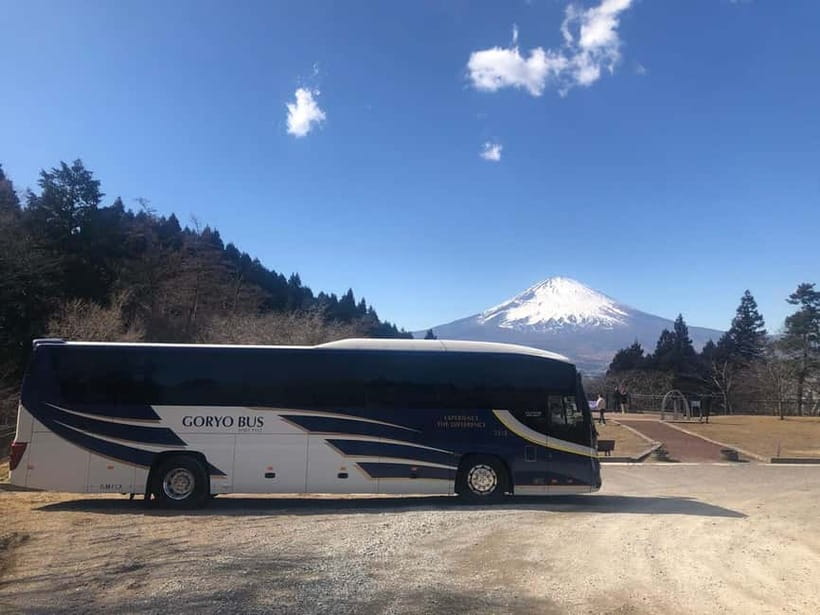
This is not a sit-back-and-see-it-all excursion. You walk through parks, along village paths, around viewpoints, and up the Chureito steps. One recent participant specifically advised being ready to walk a lot, and that is sound advice.
The pace is usually organized rather than frantic, but the group cannot wait indefinitely at every viewpoint. Older visitors or anyone with slower mobility should consider the stairs and uneven walking sections carefully. The schedule may be manageable, yet the climb at Arakurayama can still be strenuous.
Wear shoes you trust and keep your day bag light. You will want both hands free for railings, photographs, and the occasional snack. Since the 5th Station can be cold, your clothing should work for both Tokyo and high mountain air.
At each stop, choose one main goal. At Oishi Park, photograph the lake and Fuji. At Arakurayama, make the pagoda view your priority. At Oshino Hakkai, choose between lunch, ponds, and shopping before time disappears.
Weather decides how much Fuji you see
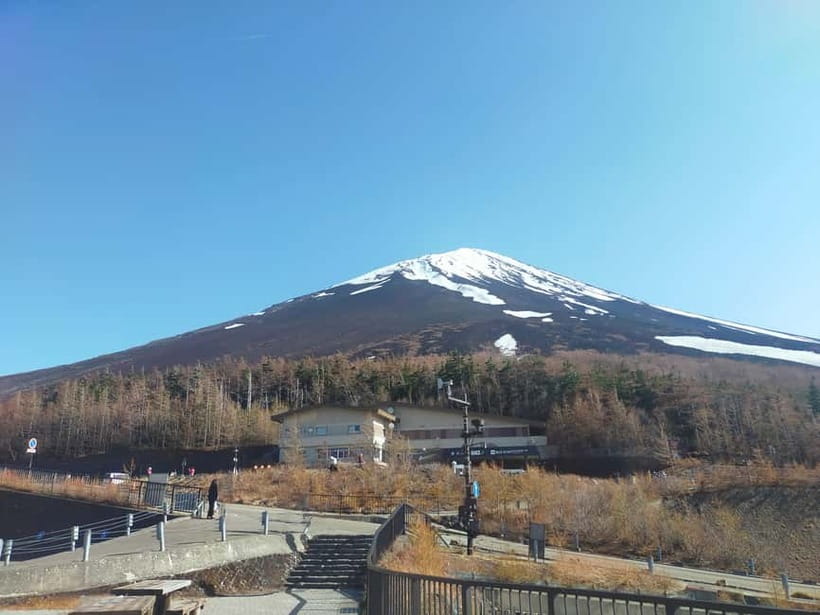
The tour’s greatest strength is also its biggest risk: it takes you to several excellent viewing areas, but it cannot control the sky. Fuji may be visible at one stop and hidden by clouds at the next.
This is why the multiple viewpoints help. A cloudy lake view does not necessarily mean a cloudy pagoda view. Guides may adjust the order, taking you to the mountain sooner when a brief clear spell appears.
Still, you should book this as a day in the Fuji region, not as a guaranteed summit photograph. Even on a cloudy day, Oshino Hakkai, the pagoda, and the surrounding towns remain worthwhile. But if your only goal is a clear Fuji portrait, the risk may feel significant.
Spring cherry blossoms and autumn weekends can be attractive and crowded. Winter often brings crisp visibility but may limit access to the 5th Station. Summer can offer a different mountain atmosphere, yet weather can still obscure the summit.
What is included, and what is not
The $68 price includes pickup and drop-off from the designated Tokyo area, coach transport, entry fees for the sightseeing stops, and a professional guide. That is a fair deal for anyone who values an organized route and does not want to arrange regional transport.
You pay separately for lunch, drinks, snacks, and souvenirs. Oshino Hakkai and the 5th Station both offer opportunities to spend money, but you are not locked into a meal package.
Do not assume the tea ceremony shown in promotional video material belongs to this tour. The tea ceremony is part of a different Mount Fuji tour that also includes outlet shopping. If you specifically want tea, shopping, or a hot spring option, check the exact product before paying.
Cancellation is flexible up to 24 hours before departure for a full refund, and you can reserve now and pay later. If the tour is canceled, notice is promised by at least 2 PM the day before. Weather and other force majeure events can also change or cancel the route.
Who should book this Mount Fuji tour
I’d recommend it to a first-time Japan visitor who wants to see the major Fuji viewpoints in one day from Tokyo. Families can benefit from the simple transport plan, provided children stay with an adult and everyone is ready for walking.
It also suits photographers who want variety. You may come home with a lake composition, a pagoda frame, a village scene, and a high mountain view rather than four versions of the same lookout.
You should think twice if you dislike long bus rides, fixed departure times, crowds, or uncertain return times. Independent visitors who want a slow lunch, extended shrine time, or a quiet lakeside walk may prefer to stay overnight in the Fuji area.
Should you book it?
Book this tour if you want maximum Fuji coverage for a modest price and accept that weather and traffic are part of the deal. The route is varied, the transport is straightforward, and strong guides can turn a busy day into an enjoyable one.
Skip it if a clear summit view is non-negotiable or if you need to be back in Tokyo at a precise hour. For everyone else, this is a practical introduction to Mount Fuji, with enough scenery, village life, and Japanese culture to justify the long day.
FAQ
How long does the Mount Fuji tour last?
The tour lasts 10 hours, though traffic and road conditions can delay the return to Tokyo by two or three hours.
Where does the tour start?
Pickup options are available around Shinjuku and Tokyo Station. The exact meeting point may vary according to the option you book.
Which languages are available?
The tour offers live guiding in English, Mandarin, and Cantonese.
Is food included in the price?
No. Food and drinks are not included. You have time to buy lunch at Oshino Hakkai and purchase food or drinks at other stops.
Will the tour definitely visit Mount Fuji 5th Station?
Not always. If the road is closed because of weather or traffic, the route may change to the 4th Station, Mt. Fuji 1st Station, or Yamanakako Hananomiyako Park.
Is the tea ceremony included?
No. The tea ceremony shown in the video belongs to a different Mount Fuji tour. Check the selected tour carefully if you want a tea ceremony, outlet shopping, or a hot spring visit.
Is much walking required?
Yes. The day includes walking at parks, villages, and viewpoints. Arakurayama Sengen Park also involves more than 400 steps to reach the classic Chureito Pagoda view.
Can I bring luggage?
Large bags and luggage are not allowed. Children must be accompanied by an adult, and unaccompanied minors cannot join.
More Full-Day in Tokyo
More Mt Fuji Day Trips in Tokyo
More tours in Tokyo we've reviewed












Mt Fuji Day Trips, compared.
 ★ 5.0Mt Fuji and Hakone 1-Day Bus Tour Return by Bullet TrainFrom $163
 ★ 4.0Mt Fuji & Hakone Cruise, Drum Show Bullet Train 1 Day from TokyoFrom $149
 ★ 4.4Tokyo Mt Fuji 5th St & Hakone Cruise Bus Tour w/Bullet TrainFrom $15410 hours
 ★ 4.7Tokyo: Mt. Fuji Tour, Hakone Ropeway, Owakudani, Lake AshiFrom $5410 hours
 ★ 4.4Tokyo:Mt.Fuji,Kawaguchiko Oishi Park,Arakurayama Sengen ParkFrom $5410 hours
 ★ 4.2Tokyo: Mt. Fuji 5th Station & Hakone Cruise 1-Day Bus TourFrom $12911 hours