Reviewed · PRIVATE
Free Choice of Itineraries Tokyo Private Tour
Tokyo is a city of separate worlds, and this private tour lets you choose four of them in one day. You might start with tuna stalls and grilled seafood at Tsukiji, then move to Senso-ji, Tokyo Skytree, Shibuya, or a quiet garden. The guide meets you in your hotel lobby and handles the route by public transport.
In This Article
- Key points to know before booking
- Four choices, not a rushed checklist of 13
- Tsukiji Outer Market and Senso-ji: Tokyo through food and faith
- Tokyo Skytree and Tokyo Tower: two different city views
- Ueno Zoo and the animal cafes
- Shibuya Crossing and Meiji Jingu
- Shinjuku Gyoen, Hama Rikyu, and the Imperial Palace East Gardens
- Akihabara Maid Cafe: Tokyo pop culture with a meal
- Why the private public-transport format matters
- Guide Yoki and the value of local explanation
- Who should choose this tour?
- Is the $191.14 price worth it?
- Should you book this Tokyo private tour?
- FAQ
- How many destinations can I choose?
- How long does the private tour last?
- Does the tour include hotel pickup?
- Is public transportation included?
- Are admission fees included?
- Is this a private tour?
I like the freedom to shape the day around your own interests, and I like having a private guide explain what you are seeing instead of simply moving from one photo stop to the next. Guide Yoki earned special praise for making the Imperial Palace, Skytree, and Outer Market interesting through Japanese history. The main drawback is cost: at $191.14 per person, you still pay your own train fares, food, and admission fees, so the value improves with a larger group or when you want expert help navigating Tokyo.
Key points to know before booking
- Choose four destinations: Pick from 13 options, including Tsukiji, Senso-ji, Shibuya, Meiji Jingu, Tokyo Tower, gardens, cafes, and the Imperial Palace East Gardens.
- Private eight-hour format: Only your group joins the tour, so your day is more personal than a fixed sightseeing bus route.
- Public transport is part of the experience: The guide accompanies you on Tokyo’s trains and other public transit, while your own fares are extra.
- Hotel-lobby pickup is included: You begin with a meeting at your hotel rather than finding a separate city meeting point.
- Admission fees are separate: Skytree, Tokyo Tower, Ueno Zoo, Shinjuku Gyoen, the animal cafes, Maid Cafe, Hama Rikyu Gardens, and the Imperial Palace gardens charge extra.
- Best for first-time visitors: This works especially well if you want a broad introduction to Tokyo but do not want to plan every transfer yourself.
Four choices, not a rushed checklist of 13
The central idea is simple: you select four destinations from the full list after booking. The long list is not a promise that you will see every place in one day. It is a menu for building a route that matches your interests.
That distinction matters. Four stops can fill eight hours once you add train rides, meals, queues, and time to look around. I would not try to combine far-apart sights with several paid attractions unless you are comfortable spending much of the day in transit.
Your choices can also create a theme. Food lovers can pair Tsukiji Outer Market with Senso-ji, Hama Rikyu Gardens, and a Maid Cafe. First-time Tokyo visitors might choose Meiji Jingu, Shibuya Crossing, Tokyo Tower, and the Imperial Palace East Gardens. Families may prefer Ueno Zoo, Skytree, Senso-ji, and Shinjuku Gyoen.
When you reply to the booking email, give the operator your four preferred sites. Do this promptly. It is the important step that turns a standard list into a private plan.
Other private tours in Tokyo


Tsukiji Outer Market and Senso-ji: Tokyo through food and faith
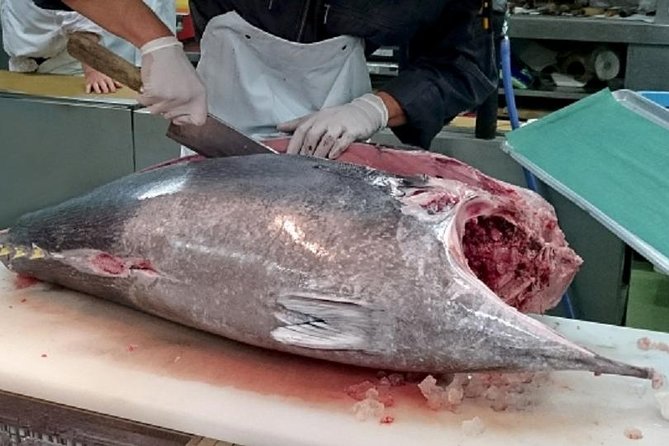
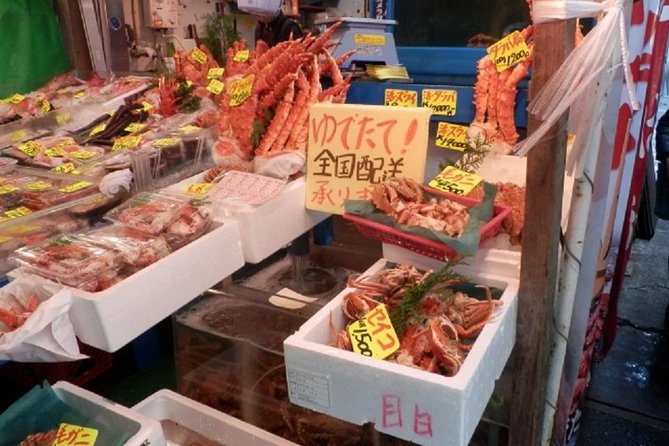
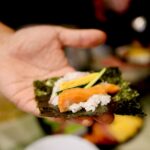
Tsukiji Jogai Market is the most useful choice if you want to eat your way into Tokyo. The outer market is lined with wholesale and retail shops, restaurants, seafood counters, and stalls selling traditional Japanese foods. A one-hour visit gives you time to look, choose a snack, or make breakfast or lunch part of the tour.
Food and drinks are not included, so carry a separate budget for this stop. The guide can help give the market context, but the appeal is also simple: you get to see ingredients and dishes in the setting where they are sold, rather than in a staged cultural display.
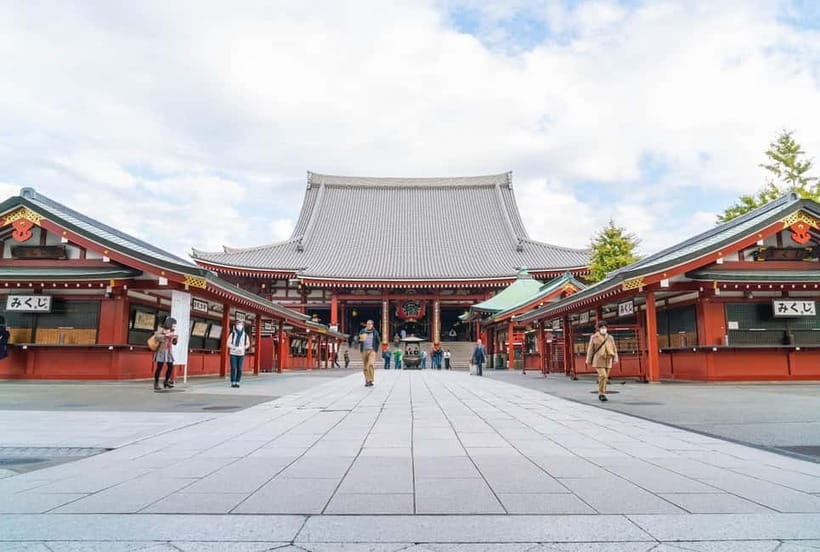
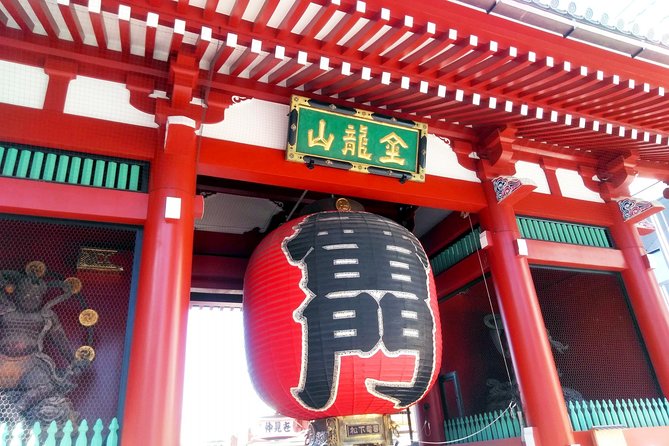
Senso-ji offers a sharp change of mood. This popular Buddhist temple complex includes the five-story pagoda and Hozo-mon Gate, also called the Treasure-House Gate. The listed visit is one hour, enough for a first look at the grounds and the main structures.
I like these two stops together because they show different sides of old Tokyo. Tsukiji is practical and sensory. Senso-ji is ceremonial and architectural. If this is your first visit, this pairing gives you more cultural range than choosing two observation towers.
Tokyo Skytree and Tokyo Tower: two different city views
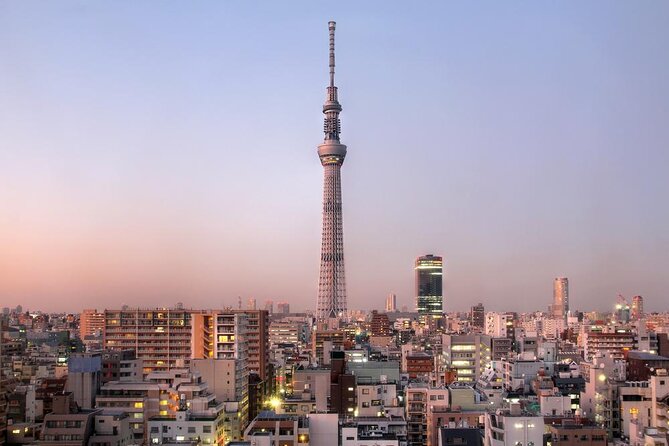
Tokyo Skytree reaches 634 meters and has observation levels at about 340 and 450 meters. On a clear day, you might see Mount Fuji. There is also a cafe on the observation deck, so you can pause with tea instead of treating the view as a quick elevator ride and photo.
The one-hour stop does not include admission for you or the guide. That extra cost matters at $191.14 per person, especially if you choose several paid sites. Skytree is best for visitors who want a high modern viewpoint and do not mind paying separately for it.
Tokyo Tower offers a different kind of city experience. Built in 1958, the 333-meter radio tower has a view cafe and Tower Jingu Shrine. Its lighting changes by season, with white Landmark Light in summer and orange in winter. A second lighting style, Diamond Veil, sends light outward from the tower.
The tower visit also lasts about an hour, with admission extra. I would pick Skytree for height and wide views, and Tokyo Tower for its older Tokyo identity and night lighting. Choosing both on the same eight-hour tour may feel repetitive unless towers are your main interest.
Ueno Zoo and the animal cafes

Ueno Zoo opened in 1882 and is described as Japan’s first zoo. It houses around 400 animal species, including the Sumatra tiger, with areas devoted to giant pandas, Japanese wild birds, sika deer, Japanese serow deer, gorillas, and other animals.
The suggested visit lasts two and a half hours, much longer than most other stops. That makes Ueno Zoo a major part of your day, not a quick add-on. Admission is extra for you and the guide, and you should choose it only if your group genuinely wants a zoo visit.
Tokyo’s animal cafes offer a much shorter, more unusual stop. Owl Cafe Tokyo Akiba Fukurou gives you time with owls in a room designed with classical music and chandelier lighting. The listing presents the setting as a calm break from ordinary sightseeing, but admission is separate.
The Hedgehog Cafe HARRY in Harajuku offers drinks and time with hedgehogs. It does not serve lunch or dinner, so treat it as an activity rather than a meal. Some hedgehogs may be active while others sleep in your hands, which means the experience can vary from animal to animal.
I would check the group’s comfort with animal cafes before selecting one. They are distinctive Tokyo experiences, but they will not suit everyone. Ueno Zoo is the better choice if you want a longer, more traditional animal visit.
Shibuya Crossing and Meiji Jingu
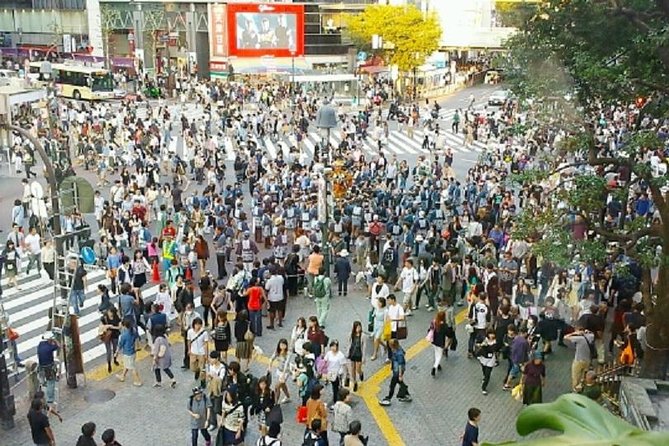
Shibuya Crossing takes only about 30 minutes on the suggested schedule. At the light change, large crowds cross at once, creating one of Tokyo’s most recognizable street scenes. The attraction is not a monument with an admission gate. It is the coordinated movement of the city itself.
This is an easy choice for a first visit because it takes little time and pairs well with a nearby destination such as Meiji Jingu. Still, do not expect the stop to fill an hour. The real value comes from seeing the crossing in context, then moving on.
Meiji Jingu Shrine was built in 1920 and is dedicated to Emperor Meiji and Empress Shoken. It is visited by worshippers and sightseers throughout the year. You might also see a traditional Japanese wedding ceremony, though that depends on the day.
The one-hour stop lets you experience a major shrine without making the entire day about religious sites. I especially like the contrast between Shibuya’s traffic and Meiji Jingu’s quieter grounds. Select both if you want to compare Tokyo’s modern public life with a formal Shinto setting.

Shinjuku Gyoen, Hama Rikyu, and the Imperial Palace East Gardens
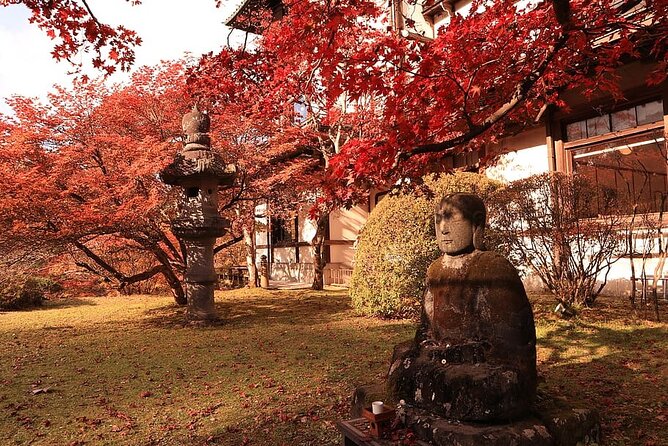
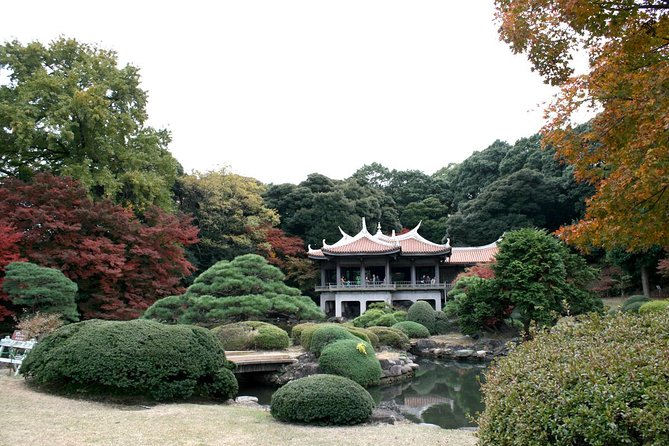
Shinjuku Gyoen National Garden brings seasonal scenery and several garden styles into the day. It combines a formal garden, a landscaped garden, and a Japanese garden, with more than 10,000 trees and historic buildings connected to its former use as an imperial garden.
The suggested visit is one hour, and admission is extra. This is a good choice when you need a slower hour between crowded districts. The garden also helps explain how imperial spaces were shaped during the Meiji period.
Hama Rikyu Gardens gives you another historic garden, this time around Shioiri Pond and a seawater moat linked to Tokyo Bay. The 250,165-square-meter park was once a villa of the Tokugawa shogun family and opened to the public in 1946.
You pay admission for this stop, and the planned visit is one hour. Hama Rikyu is especially useful if you want a garden near the modern city, with water and old estate design set against Tokyo’s tall buildings. Do not select both Hama Rikyu and Shinjuku Gyoen unless gardens are a priority, since their roles in the day overlap.
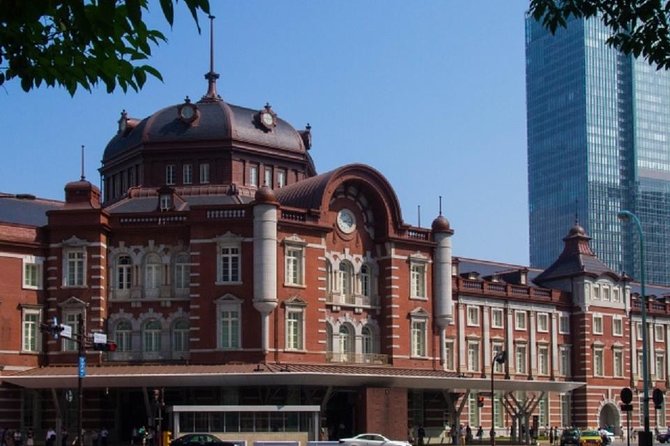
The East Gardens of the Imperial Palace occupy the former Edo Castle grounds in Chiyoda Ward. The palace compound includes the Emperor and Empress’s residences, palace buildings, and the Imperial Household Agency. The East Gardens focus on the accessible castle remains and formal grounds, while Nijubashi Bridge is another well-known palace sight.
The suggested visit is one hour, with admission extra. I would choose this stop for a first visit if you want Tokyo’s political and imperial story, particularly with a guide who can connect the present-day palace area to the Tokugawa period.
Akihabara Maid Cafe: Tokyo pop culture with a meal
At-home cafe Akihabara Main offers a very different hour. You can order food or a cafe latte while maid staff perform, sing, and dance. They may draw pictures with ketchup on an omelet or with chocolate on a latte.
Admission is not included, and food and drinks are also your responsibility. This is best for people who specifically want a taste of Akihabara’s themed cafe culture. It is not a neutral sightseeing stop, and some groups may find the performance style less appealing than a temple, market, or garden.
The private format helps here because you can choose the experience without forcing an entire bus group to participate. I would pair the Maid Cafe with Senso-ji or the Imperial Palace East Gardens for a strong contrast between traditional and modern Tokyo.
Why the private public-transport format matters
Tokyo’s public transport system is a useful part of the day, not just a way to get from one sight to another. Your guide accompanies your group on public transportation, and the tour begins at your hotel lobby. That removes much of the initial planning work.
Your own public-transport fares are not included. The inclusion also specifies transport to and from the destinations for the guides, while customers pay their own fares. Admissions for both customers and guides are extra as well.
This cost structure is worth understanding before you book. The $191.14 price buys a private guide and a custom day, not an all-inclusive ticket. If you choose Skytree, Tokyo Tower, Ueno Zoo, a garden, and a cafe, the added fees can become significant.
On the other hand, a private group can make the price reasonable when divided among several people, and the guide’s time is reserved for your party. The format also suits anyone who would rather ask questions and adjust the pace than follow a fixed group schedule.
Guide Yoki and the value of local explanation
Guide Yoki is specifically associated with a successful day covering the Imperial Palace, Skytree, and Outer Market. His strength is explaining Japanese history in a way that connects separate Tokyo sights, rather than treating each stop as an isolated photo opportunity.
That matters most at the palace and Senso-ji, where a building or gate means more when you understand its role. It also helps at Tsukiji, where the food stalls are easy to enjoy but harder to place within Tokyo’s changing city life without some context.
The tour has an overall rating of 4 out of 5 from three reviews, a small sample that should not be treated as a guarantee. I would book this for the guide-led explanation and planning help, not because every possible stop is included.
Who should choose this tour?
I see this tour working best for:
- First-time visitors who want four major Tokyo experiences in one day
- Families or friends who want a private pace
- Visitors who are comfortable using public transportation
- People who have a clear list of interests but do not want to plan every route
- Groups that want a guide to explain temples, markets, gardens, and imperial sites
- Returning visitors who want to build a day around a specific theme
It is less suitable if you want a low-cost tour with all admissions and transport covered. It is also not ideal if you prefer to spend a full day in one district, since the value comes from combining selected destinations.
The tour is near public transportation, and most people can participate. Confirmation is normally received at booking, but bookings made within two days of travel may take up to 48 hours and remain subject to availability.
You can cancel without penalty up to 24 hours before the local start time. Changes or cancellations inside that window are not accepted for a refund.
Is the $191.14 price worth it?
I would judge the price by the group, not by the individual number alone. For one person, it is a high cost once you add meals, fares, and admissions. For a private group, the guide’s time and route planning can make the fee more practical.
The strongest value comes when you choose destinations that are hard to connect on your own, such as Tsukiji, the Imperial Palace, Skytree, and Meiji Jingu. The weakest value comes when you choose only free sights that are close to one another and need little explanation.
I would also remember that the day is approximately eight hours, not eight hours at each destination. The listed visit lengths are planning guides: Ueno Zoo takes about two and a half hours, Shibuya about 30 minutes, and most other stops about an hour. Travel time fills the spaces between them.
Should you book this Tokyo private tour?
Book it if you want a flexible day with a private English-speaking guide, hotel-lobby pickup, and a choice of four very different Tokyo sights. Guide Yoki’s ability to connect places such as the palace, Skytree, and Outer Market adds real value for a first visit.
Before paying, decide on four destinations, estimate the extra admission and transport costs, and avoid choosing too many distant stops. If you want a personal introduction to Tokyo and prefer help over rigid sightseeing, this is a sensible choice. If your priority is the lowest possible price, use Tokyo’s excellent public transport and visit the free sights independently.
FAQ
How many destinations can I choose?
You can choose four destinations from the available list of 13 Tokyo attractions and activities.
How long does the private tour last?
The tour lasts approximately eight hours.
Does the tour include hotel pickup?
Yes. The guide meets you in your hotel lobby.
Is public transportation included?
Public transportation for the customer is not included. The tour uses public transport, and you pay your own fares. The guide’s public transportation to and from the destinations is included.
Are admission fees included?
No. Admission fees for customers and guides are not included. Food and drinks are also not included.
Is this a private tour?
Yes. Only your group participates in the private tour or activity.
More Private Tours in Tokyo
More tours in Tokyo we've reviewed
Private, compared.
 ★ 5.0Tokyo 6hr Private Tour with Government-Licensed GuideFrom $155
 ★ 5.0Private Tour to Mt. Fuji and Hakone (Fully Licenced Operator)From $497
 ★ 5.0Tokyo Customized Private Tour (Must See Places in 1 Day)From $145
 ★ 4.8Tokyo: Private City Highlights Tour with Local GuideFrom $1064 - 8 hours
 ★ 5.0Private Custom Tour: Tokyo in a DayFrom $159
 ★ 5.0Tokyo 4hr Private Tour with Government-Licensed GuideFrom $109