Reviewed · CRAFT WORKSHOPS
Kintsugi Experience: Art of Golden Joinery in Tokyo
Kintsugi turns a broken plate into a record of its past, tracing the cracks with gold instead of hiding them. In Tokyo’s Minami-Aoyama neighborhood, you learn the basic technique, hear the ideas behind it, and leave with your own repaired plate.
In This Article
- Key points to know before you go
- What kintsugi means beyond the gold lines
- Arriving at the Minami-Aoyama studio
- Putting on a samue and meeting your teacher
- Repairing your supplied ceramic plate
- Why the souvenir has real value
- What the teaching is like for beginners
- Getting the most from the one-hour format
- Who should book this Tokyo workshop
- Is $59.69 a fair price?
- Should you book the Kintsugi Experience?
- FAQ
- Where does the kintsugi class take place?
- How long does the experience last?
- What do I make during the class?
- Can I bring my own broken pottery?
- Can I take my finished plate home?
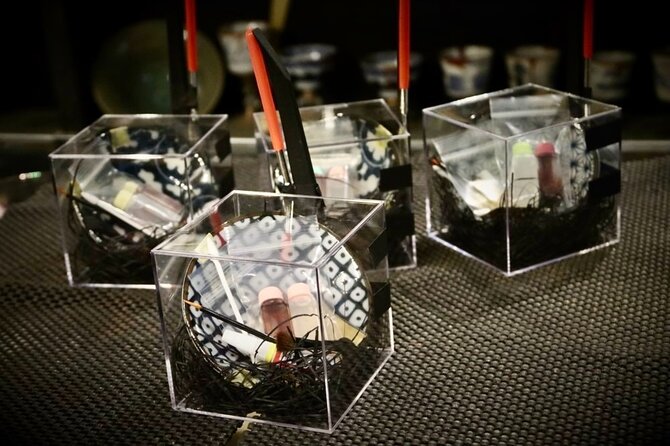
- Is equipment included?
- Will the class be taught in English?
- Can children attend?
- Can I cancel or change my booking?
I like the hands-on format and the fact that every tool and material is supplied. I also like the patient, encouraging instruction, clear demonstrations, and chance to meet Master Taku in the 11:00 class. The main catch is that the experience is strictly non-refundable, so check your date, time, and route before booking.
Key points to know before you go
- Repair a plate you can take home: The studio supplies one ceramic plate for your project, so you do not need to risk bringing a treasured bowl from home.
- Learn the meaning behind the gold: The class explains kintsugi as a way to respect an object’s history rather than discard it after damage.
- Expect a short, focused workshop: The lesson lasts about one hour, making it easy to fit into a Tokyo sightseeing day.
- Work in a small studio setting: The class is described as capped at 10 people, although the formal maximum listed for the activity is 20.
- Wear a samue: You put on a traditional Japanese craftsperson’s garment before beginning the work.
- Plan the arrival carefully: The Minami-Aoyama studio can be difficult to find, and late or mistaken bookings can be costly.
What kintsugi means beyond the gold lines

Kintsugi is often introduced as the Japanese art of repairing broken pottery with lacquer mixed with gold. That description is accurate, but it misses the reason the craft has such appeal.
The repair does not pretend the break never happened. The crack becomes part of the object’s story. Instead of treating damage as a reason to throw something away, kintsugi gives the object another life and makes its history visible.
That idea is the heart of this workshop. You are not simply decorating a plate. You are learning why a repaired object can be valued more, not less, because it has been used, broken, and restored.
The class also introduces related Japanese aesthetic ideas, including wabi-sabi, the appreciation of imperfection and change. You will not become a master artisan in one hour, but you will come away with a practical first look at the thinking behind the craft.
That balance of philosophy and making is one of the strongest parts of the experience. A pottery demonstration would be pleasant enough. Here, the object you create carries a clear cultural idea with it.
A few more Tokyo tours and experiences worth a look

Arriving at the Minami-Aoyama studio
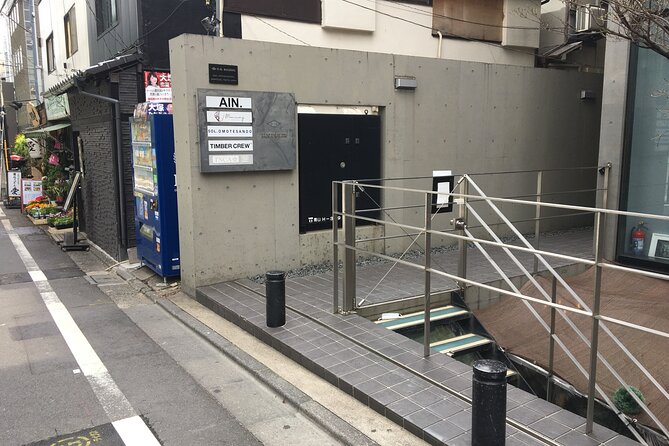
You make your own way to TNCA Minami-Aoyama Studio at 3-chome-8-2 Minamiaoyama, Minato City, Tokyo. The activity begins and ends at this same studio, with Omotesando listed as the itinerary stop.
The studio is near public transportation, but I would not leave the directions until the last minute. The address is in a city area where a short walk can involve several turns, and finding the correct entrance may take longer than expected. One useful practical tip is to use the metro as your main route and allow extra time to get your bearings.
Arriving early matters for more than simple politeness. The class is short, and the first few minutes cover introductions and preparation. If you arrive just before the start, you may feel rushed and have less time to settle in. The teaching team appears to put real care into the lesson, but the experience works best when you arrive ready rather than scrambling through the door.
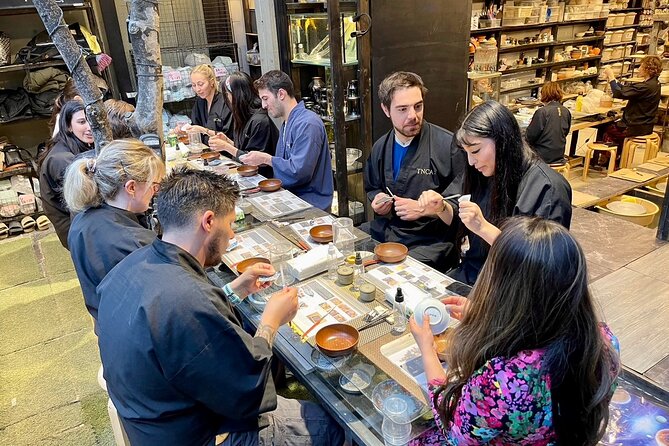
The studio is described as small and intimate. That setting suits kintsugi, which requires close attention to a small piece of pottery rather than a large production line atmosphere.
Children under six cannot enter the atelier because of the establishment’s safety rules. Most older participants can take part, but the activity is best for anyone who can sit, listen to instructions, and work carefully with the supplied materials.
Putting on a samue and meeting your teacher
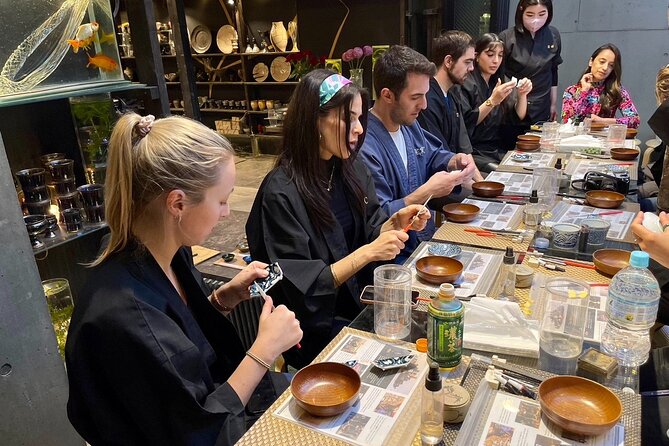
After arrival, you meet the instructor and the rest of the class. The workshop provides a samue, a traditional garment associated with Japanese craftspeople. It is a small detail, but it helps mark a change from sightseeing mode to workshop mode.
The 11:00 class may include Master Taku, while other sessions are led by his staff. The teaching team is described as friendly, patient, and encouraging. One especially useful feature is personal attention: the instructor checks each person’s work and offers help without taking over the project.
That matters for beginners. You do not need an artistic background, and the class is designed for people trying kintsugi for the first time. Clear instructions, video examples, and demonstrations help make the steps easy to copy.
The language barrier should not be a major concern. The instructor has been described as Japanese and fluent in English, and the workshop is presented as accessible to non-Japanese speakers. Still, this is a practical craft lesson, so watching closely is just as important as listening.
The small-group setup gives the lesson a more personal feel. The experience description says no more than 10 people, while the additional information gives a maximum of 20 for the activity. Since those figures differ, check the session details when booking if group size is especially important to you.
Repairing your supplied ceramic plate
The studio supplies a ceramic plate, and you use it for the lesson and take it home afterward. Personal items are not allowed, so do not bring your favorite broken cup or family heirloom expecting to repair it.
This rule is sensible. A first attempt at kintsugi should be made on a studio-provided piece, not an object with sentimental value. You get the pleasure of making something personal without the worry of causing further damage to an irreplaceable item.
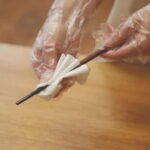
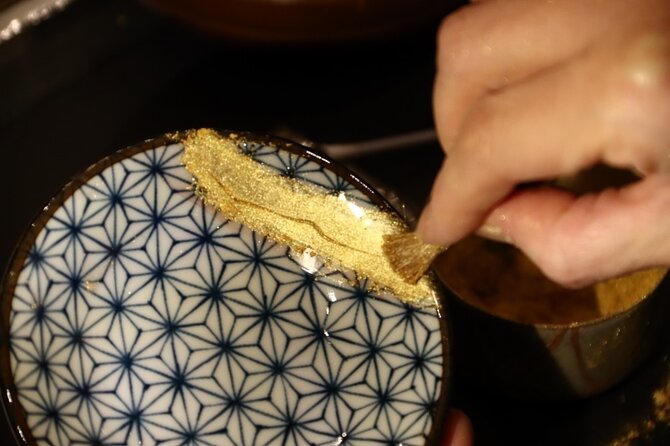
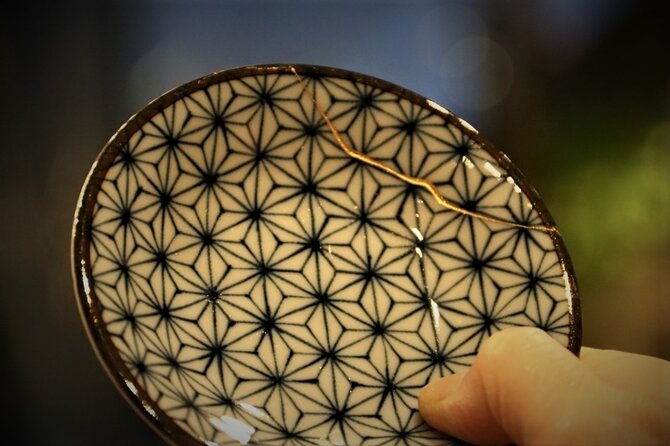
The basic process involves repairing the damaged plate with lacquer mixed with gold. The teacher guides you through the technique step by step, and the staff are available when you need help. The work is simple enough for beginners, but it still rewards patience and concentration.
I like the way the class gives you room to make the piece your own. The final result is not a factory-perfect object, and that is part of the point. Your lines, joins, and small variations become evidence that you made it.
The experience lasts about one hour. That is enough time for a clear introduction and a finished souvenir, but not enough for a long, slow study of traditional ceramics. Think of it as a well-organized first lesson, not a professional apprenticeship.
The short length makes this an easy addition to a Tokyo itinerary. You can place it between sightseeing stops in the Omotesando area without giving up half a day. On the other hand, anyone hoping for an extended studio session or a chance to repair several objects will find the format limited.
Why the souvenir has real value
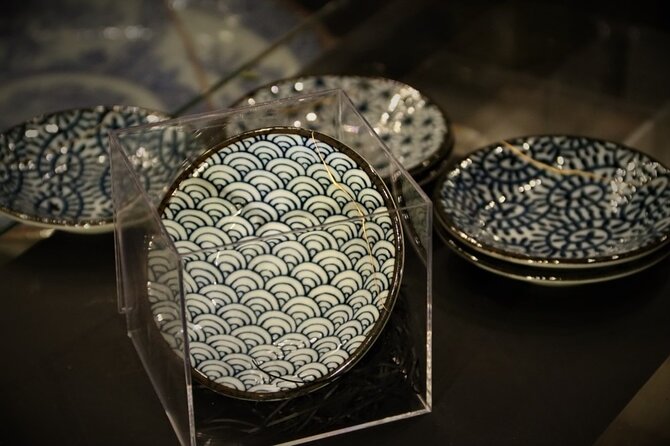
Tokyo is full of shops selling attractive souvenirs. A repaired plate made by your own hands has a different kind of value.
The plate gives you a physical reminder of the class, but it also recalls the idea at the center of kintsugi. You take home an object that is intentionally marked, visibly repaired, and connected to a specific hour in Japan.
The finished pieces are small enough to be practical souvenirs, and the workshop takes care with packaging for the journey home. You should still handle the plate with care after class, especially while carrying it through stations and packing it in luggage.
Do not expect a museum-quality antique or a piece made by Master Taku for you. This is your own beginner work. That is exactly why it works as a keepsake. The uneven parts show where you learned.
The souvenir also gives the activity better value than a lecture alone. At $59.69 per person, the fee includes the lesson, ceramic plate, equipment, taxes, fees, and handling charges. Food, drinks, and transport are not included.
For an hour-long activity, the price is not the cheapest cultural stop in Tokyo. Yet you are paying for instruction, materials, a studio setting, and an object to bring home. If you already enjoy ceramics, crafts, or thoughtful souvenirs, that package is easier to justify than a short attraction with no lasting memento.






What the teaching is like for beginners
You do not need to consider yourself artistic to enjoy this class. The work is broken into manageable steps, and the instructor demonstrates what to do before you try it.
That structure is important because kintsugi looks more difficult than it feels once the process is explained. The teacher’s role is not simply to give a talk, but to watch your progress and offer practical guidance. The strongest praise for the workshop focuses on kindness, patience, clear directions, and encouragement.
The class can also be surprisingly calming. You spend the hour concentrating on small movements and the shape of each repair. That makes it a good change of pace after Tokyo’s crowded streets, busy stations, and long list of sights.
The humor and friendly tone help keep the workshop from feeling stiff. At the same time, the cultural explanation gives the activity more substance than a casual craft project.
If you prefer to work alone, you should know that this is a group lesson. The atmosphere is social, and you share the studio and teacher’s attention with other people. The capped format helps, but the experience is not a private class unless your booking specifically confirms one.
Getting the most from the one-hour format
Before booking, decide what you want from the experience. If your goal is to understand the basic idea of kintsugi and make a small souvenir, one hour is a good fit. If you want detailed instruction in traditional restoration, you need a longer course.
A few simple choices can improve the experience:
- Check the date and start time twice before paying.
- Study the route to Minami-Aoyama in advance.
- Arrive early enough to find the studio without stress.
- Wear something suitable for a hands-on craft session.
- Bring room in your luggage for the finished plate.
- Do not bring a personal ceramic item for repair.
- Listen to the cultural explanation as carefully as the technical steps.
The booking policy deserves special attention. The experience is non-refundable and cannot be changed for any reason. A mistaken date or time can mean paying again, so this is not a booking to make casually while your itinerary is still shifting.
If the minimum number of participants is not reached and the activity is canceled, you are offered another date or experience, or a full refund. That is different from changing your mind or making a booking error, which is not covered.
Who should book this Tokyo workshop
I would choose this for people who like creative activities, Japanese crafts, and souvenirs with a story. It also suits couples, friends, and parent-child pairs looking for something quieter than another major sightseeing stop.
You do not need prior pottery skills. The lesson is built for beginners, and the instructions are accessible to English speakers. It is also a good choice if you want an activity that gives you a closer look at Japanese ideas through making rather than only looking.
This may not suit you if you dislike structured group classes, have very little patience for careful handwork, or want to bring a special broken object from home. It is also a poor match for anyone with an uncertain schedule because the strict cancellation policy leaves no room for a date change.
Families should note the under-six restriction. Children who are old enough to enter may still need to be comfortable following instructions in a small atelier, but the supplied information confirms that most participants can take part.
Is $59.69 a fair price?
The price is reasonable if you value the full package rather than measuring the activity by time alone.
At $59.69, you receive approximately one hour of instruction, all materials and equipment, a supplied ceramic plate, and a finished object to carry home. Taxes and handling charges are included, so there should not be a separate activity fee waiting at the studio.
The fee is less appealing if you only want a quick demonstration. In that case, one hour may feel short for the cost. The value improves if you care about the philosophy, want personal guidance, and would otherwise buy a souvenir in Tokyo.
The very high overall rating of 4.9 from 467 ratings and a 98 percent recommendation rate also indicate strong satisfaction with the format. Still, those numbers do not remove the practical weaknesses: the location may take preparation to find, the class has a fixed start, and the booking cannot be changed or refunded.
Should you book the Kintsugi Experience?
Book it if you want a compact, thoughtful Tokyo activity that combines Japanese culture, simple craft, and a souvenir you make yourself. The patient instruction, English accessibility, supplied materials, and chance to meet Master Taku in the 11:00 class make it especially appealing for first-time crafters.
Skip it if your schedule is unsettled, you want to repair your own pottery, or you expect a long technical course. Check the route and booking details carefully, then arrive early. For the right person, this is a satisfying hour that leaves you with more than a plate: it gives you a new way to look at broken things.
FAQ
Where does the kintsugi class take place?
The class takes place at TNCA Minami-Aoyama Studio, 3-chome-8-2 Minamiaoyama, Minato City, Tokyo 107-0062, Japan.
How long does the experience last?
The lesson lasts approximately one hour.
What do I make during the class?
You repair one ceramic plate supplied by the studio using the kintsugi technique, with lacquer mixed with gold.
Can I bring my own broken pottery?
No. Personal items are not allowed for the lesson. The studio provides the plate you will repair.
Can I take my finished plate home?
Yes. The supplied plate is included in the experience and is yours to take home after the lesson.
Is equipment included?
Yes. The lesson fee includes all necessary equipment, as well as the plate and all taxes, fees, and handling charges.
Will the class be taught in English?
The experience is described as accessible to non-Japanese speakers. The instructor has been described as Japanese and speaking very good English.
Can children attend?
Children under six cannot enter the atelier because of the establishment’s safety rules. The additional information says most participants can take part.
Can I cancel or change my booking?
No. The experience is non-refundable and cannot be changed for any reason. If the activity is canceled because the minimum number of participants is not reached, you are offered another date or experience, or a full refund.
More Craft Workshops in Tokyo
More tours in Tokyo we've reviewed












Craft Workshops, compared.
 ★ 4.8Chopstick Making Workshop in GinzaFrom $251 hour
Tokyo: Shinjuku Chopstick Making ClassFrom $121 hour
★ 4.8Chopstick Making Workshop in GinzaFrom $251 hour
Tokyo: Shinjuku Chopstick Making ClassFrom $121 hour
 ★ 5.0Private Craft Your Own Ring Handmade Experience in Asakusa, TokyoFrom $21
 ★ 5.0Authentic Pure Gold Kintsugi Workshop with Master Taku in TokyoFrom $142
 ★ 5.0Tokyo: Calligraphy on Kanji Fan & Scroll with DrinkFrom $531h 20m
 ★ 5.0Let’s experience calligraphy in YANAKA, Taito-ku, TOKYO !!From $75