Reviewed · SUMO EXPERIENCES
Tokyo Sumo Entertainment Show with Chicken Hot Pot and Photo
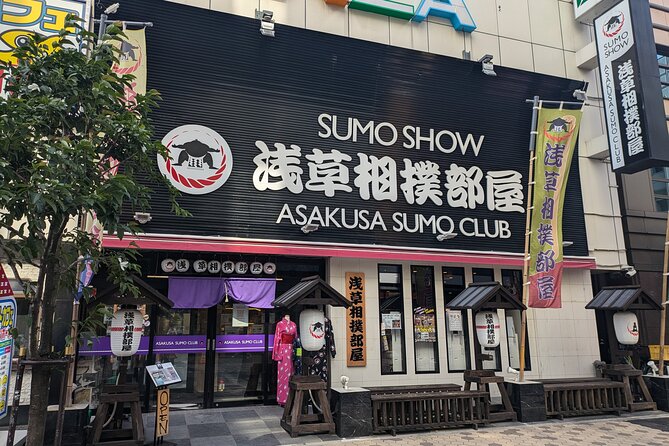
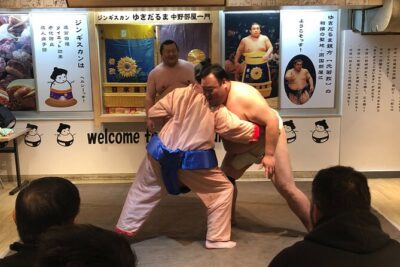
At the Asakusa Sumo Club, the action takes place around a real dohyo, or sumo ring, so you sit close to the demonstrations rather than watch from a distant stadium seat. A geisha dance opens the evening, then MC Mikey uses bilingual commentary, jokes, and clear explanations to show how sumo works.
In This Article
- Key points
- What the Two-Hour Asakusa Evening Includes
- Entering the Dohyo in the Center of the Room
- Geisha Dance and Bilingual Commentary Set the Tone
- Watching Retired Wrestlers Demonstrate Real Techniques
- Chanko-Nabe and Japanese Side Dishes During the Show
- The Ring Challenge Depends on a Lottery
- Photos, a Gift, and the Final Moments
- Who Will Enjoy This Sumo Show Most?
- Is $106.12 a Fair Price?
- Timing, Transport, and Booking Details
- Should You Book the Asakusa Sumo Club?
- FAQ
- How long does the Tokyo Sumo Entertainment Show last?
- Where does the show take place?
- Is dinner included?
- Is a drink included?
- Can I enter the sumo ring?
- Are vegetarian and vegan meals available?
I like two things right away: the meal is served during the performance, and the show gives you several ways to take part, from wrestler photos to a possible bout in the ring. The main thing to understand is that this is a lively entertainment show with retired wrestlers, not a formal tournament or a visit to an active sumo stable.
Key points
- A real dohyo anchors the show: Tiered seating keeps the ring visible, with close-up demonstrations and playful matches.
- MC Mikey keeps the rules clear: Bilingual explanations cover sumo customs, techniques, and combat rules without requiring prior knowledge.
- Dinner is part of the performance: You receive chicken chanko-nabe, Japanese side dishes, and a complimentary drink, with additional drinks available to buy.
- Audience participation is central: You might be chosen by lottery to enter the ring for a friendly sumo challenge.
- The experience suits families: Children can join selected activities, dress up, and possibly wrestle with the performers.
- Plan for show-style sumo: Retired wrestlers provide real strength and technique, but the mood is comic, social, and built for a broad audience.
What the Two-Hour Asakusa Evening Includes
This experience packs dinner, cultural explanation, live performance, and photos into about two hours. That makes it a useful choice when you want one easy evening activity rather than a long lecture or a full night at a sporting event.
You meet at 2-chōme-10-12 Asakusa, in Tokyo’s Taito City, and finish back at the same place. The venue is near public transportation, which matters in Asakusa, where you may already be visiting Senso-ji, Nakamise-dori, or the Sumida River area.
The listed price is $106.12 per person. That is not a cheap dinner, but you are paying for a staged cultural experience, a meal, a drink, access to retired sumo wrestlers, photographs, and an included gift. I see the strongest value here for families, first-time visitors to Japan, and anyone who wants an entertaining introduction to sumo without planning around a tournament schedule.
If you already know sumo well, the value is less certain. You will not be watching official bouts between active rikishi, and the wrestling is only one part of the evening. The show works best when you treat it as dinner theater with real sumo skills, not as a substitute for the sport’s major competitions.
If you're still narrowing it down, here are other tours in Asakusa we've reviewed.

Entering the Dohyo in the Center of the Room
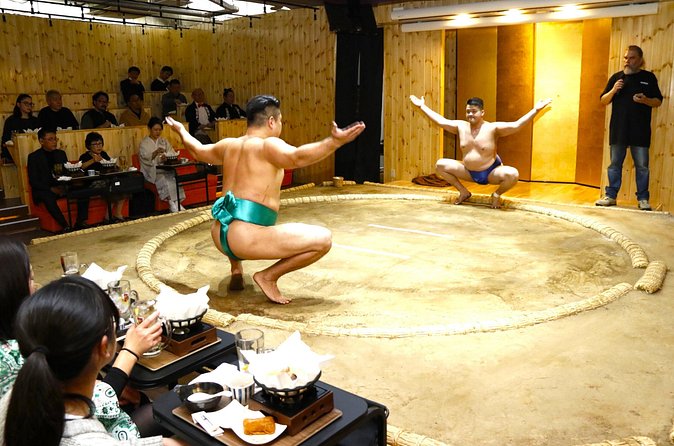
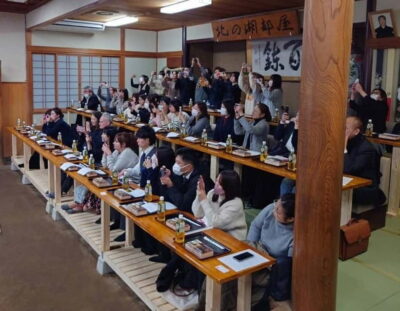
The ring is the focus from the moment the show begins. Seating is arranged on tiered levels around it, so sightlines are generally good, though front-row seats remain the most desirable.
One practical tip is simple: arrive early if sitting close to the action matters to you. The seating arrangement means you should be able to follow the ring from different levels, but the front row gives you a more immediate view of footwork, throws, demonstrations, and audience interaction.
The setting helps explain why sumo feels different from many other sports. The dohyo is not just a platform for wrestling. It is the space where ritual, posture, balance, force, and ceremony come together. The show presents those ideas in a friendly format rather than expecting you to know the difference between a push-out, a belt throw, or the other techniques before you arrive.
The venue can accommodate up to 60 people. That is large enough for a lively room, yet still small enough for the ring to feel close. If you prefer quiet observation, the frequent crowd participation may feel like a lot. If you enjoy being called on, cheering, and laughing with the people around you, the format gives you plenty to do.
Geisha Dance and Bilingual Commentary Set the Tone
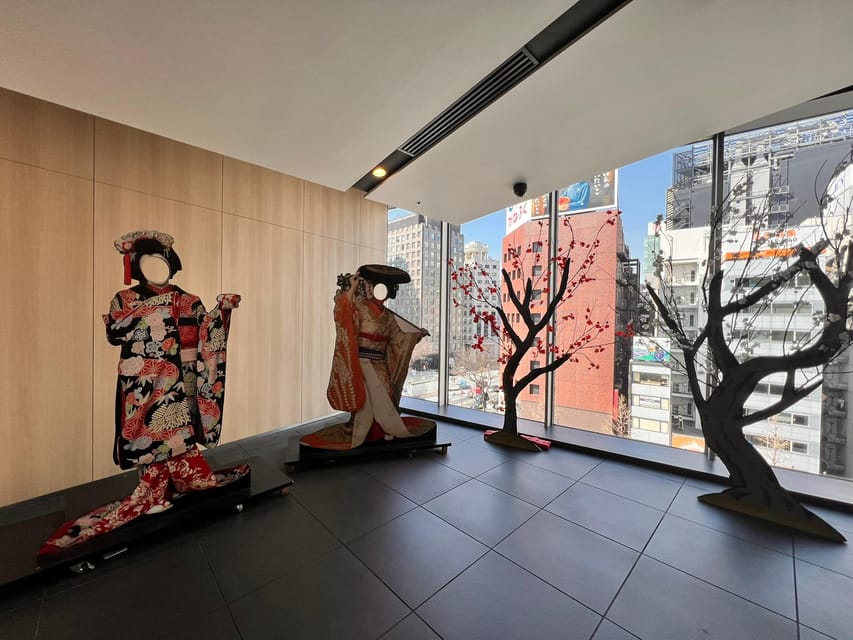
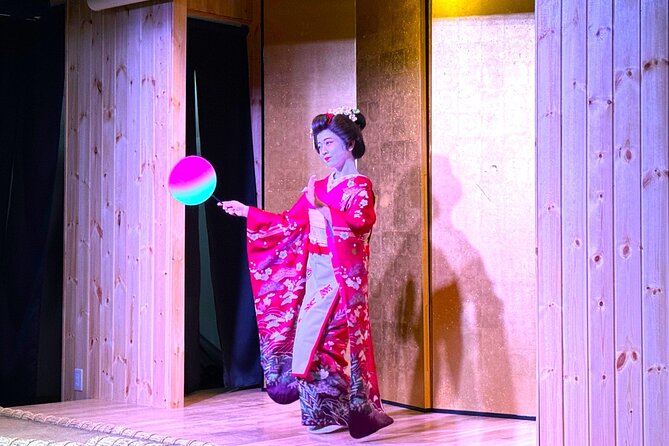
The evening starts with a graceful geisha dance, a change of pace from the comedy and physical action that follow. It gives the program a traditional opening and reminds you that the experience is presenting more than a wrestling match.
After that, the bilingual commentary explains sumo’s heritage, rules, and customs in accessible English and Japanese. MC Mikey is repeatedly praised for keeping the room involved and making the information easy to follow. His role is important because sumo can seem full of unfamiliar terms and formal gestures when you first encounter it.
I like this teaching style for beginners. Instead of asking you to absorb a long historical talk, the show connects each explanation to something happening in the ring. You see a move, hear why it matters, and then watch the wrestlers use it in a demonstration or comic bout.
The tone is playful. Some of the humor can feel cheesy, especially if you prefer serious sports presentation. That is part of the bargain here. The show chooses clarity and laughter over solemn ceremony, so you should expect a polished stage performance rather than a quiet cultural lecture.
Watching Retired Wrestlers Demonstrate Real Techniques
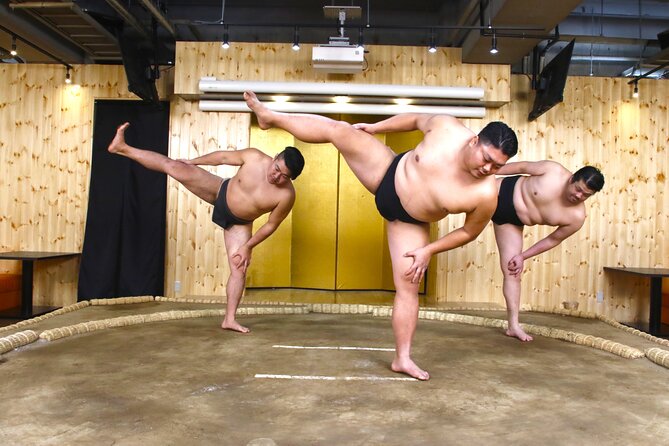
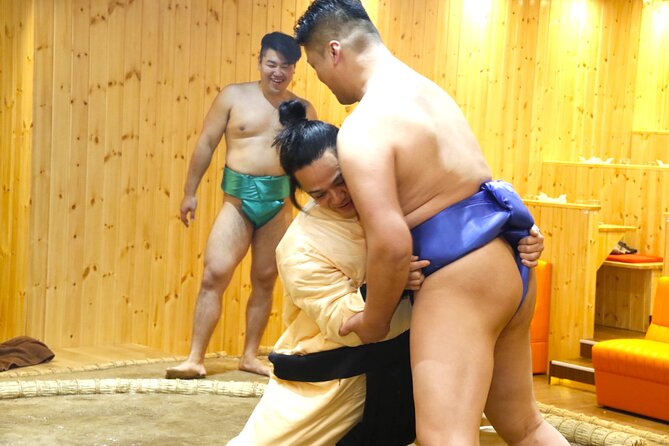
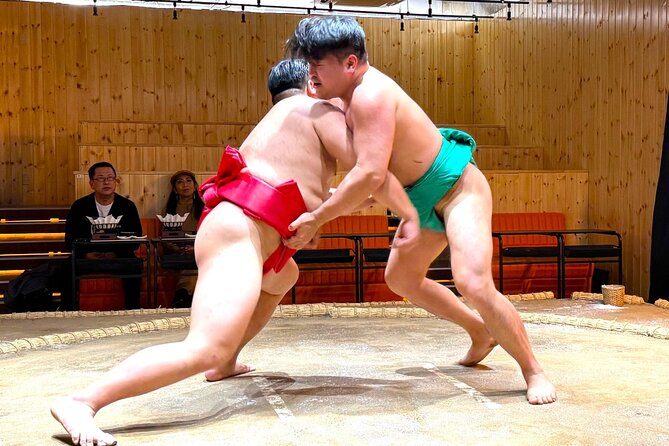
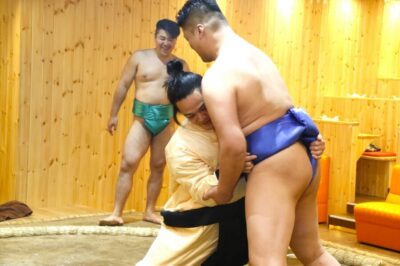
The wrestlers are retired sumo performers. They demonstrate traditional techniques, training moves, and playful matches at close range. They may look slimmer than the huge figures associated with top-level professional sumo, but that should not be mistaken for a lack of strength.
The physical demonstrations are one of the best reasons to book. You can see how much balance and timing matter, not just size. Sumo is often reduced to two large bodies pushing forward, but a good demonstration shows the importance of stance, grip, foot placement, and the ability to unbalance an opponent.
The show does not present a long series of serious bouts. One useful way to think about it is as a guided demonstration with wrestling highlights. Some performances include a match between two retired wrestlers, while other sections focus on instruction, humor, or audience involvement.
That balance will please a first-time viewer more than a serious sumo follower. If your goal is to study full competitive matches, you should attend an official tournament or seek out formal training at an active sumo stable elsewhere in Tokyo. This venue is not meant to replace either option.
For most people, the shorter demonstrations are a strength. You receive enough action to understand the sport, but the pace changes often enough to hold a child’s attention. The result is closer to a live cultural show than a sports broadcast.
Chanko-Nabe and Japanese Side Dishes During the Show
Dinner is served around the ring, so you do not lose the evening by sitting down for a separate meal. The main dish is chicken chanko-nabe, the hearty hot pot commonly associated with sumo wrestlers, along with a variety of Japanese side dishes.
The all-you-can-eat format adds value, especially for families or anyone arriving hungry after a day of sightseeing. Food is delivered during the show, and the meal is designed to keep the entertainment moving rather than interrupt it.
I would keep expectations sensible. Many people find the chanko-nabe filling and tasty, with one serving plus dessert enough for a full meal. Other diners find the food merely fine or less appealing than expected. Food quality can be a personal matter, but the format clearly favors convenience and fun over fine dining.
You also receive a complimentary drink. Additional drinks can be purchased during the demonstrations, so the included beverage is best seen as a useful part of the package rather than an unlimited drinks plan.
Vegetarian and vegan meals are available if you request them at least two days ahead. That detail matters because the standard meal centers on chicken hot pot. Do not wait until the evening itself to ask for a special meal.
The dinner works particularly well for parents. Children can eat while watching the ring, and the show’s activity keeps the meal from feeling like a formal restaurant sitting. Adults who want a refined Japanese dinner should choose a different venue, but families looking for an easy meal-and-show combination get a practical package.
A few more Asakusa tours and experiences worth a look
The Ring Challenge Depends on a Lottery
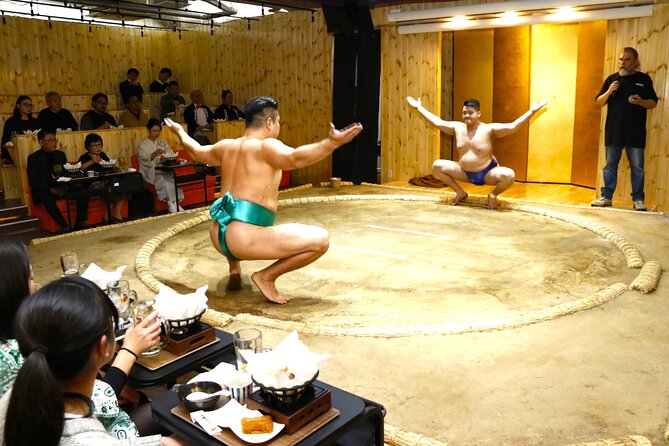
The audience participation is not a guaranteed part for every person. Selected participants are chosen by lottery for a friendly bout in the dohyo. That uncertainty is part of the fun, but you should not book on the assumption that you or your child will wrestle.
Children may also take part in selected stage activities, including dressing up as sumo. The chance to see a family member in the ring can become the evening’s biggest memory, but it depends on selection and the flow of the program.
The bouts are playful rather than competitive. You are not being asked to match a professional wrestler in an official contest. Still, the performers bring genuine experience and physical power, which makes even a comic challenge feel exciting.
If you are shy, you can enjoy the show without volunteering. The MC and wrestlers direct plenty of energy toward the audience, but participation does not mean everyone must step into the ring. If you are eager to join, listen for the instructions and be ready when names are selected.
Photos, a Gift, and the Final Moments
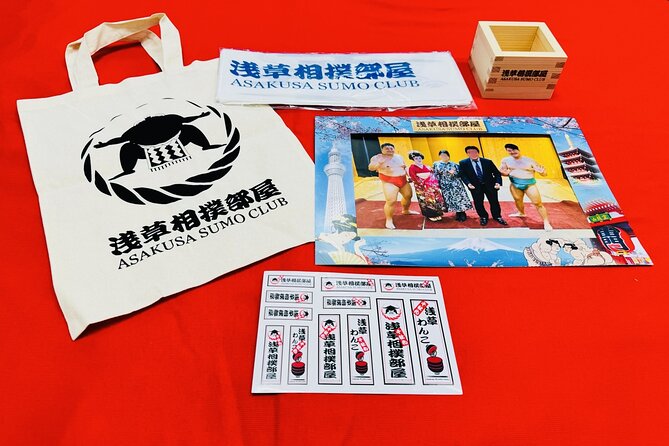
At the end, you can take photos with the wrestlers and receive a gift to take home. This gives the evening a clear closing moment and lets you meet the performers outside the action of the ring.
The photo opportunity is appealing, especially for families and children. It also gives you a record of the experience beyond dinner and the show. One practical caution: the photo area’s lighting may not be ideal, so do not expect a studio-quality portrait.
That small issue is worth knowing before you arrive. If the lighting is uneven, you may want to take your own photos during the permitted photo period if possible. The value is in meeting the wrestlers and marking the occasion, not in receiving a polished professional photograph.
The gift adds a pleasant final touch. Its exact contents are not specified, so consider it a souvenir rather than a promised particular item.
Who Will Enjoy This Sumo Show Most?
I would recommend this experience most strongly to:
- Families with children who enjoy interactive entertainment
- First-time visitors who want a clear introduction to sumo
- Couples or friends looking for a light evening activity in Asakusa
- People who want dinner included with a cultural show
- Solo visitors who are comfortable joining a shared audience setting
The format is easy for beginners because the rules are explained in English and Japanese. You do not need previous sumo knowledge, and the combination of food, comedy, dance, and wrestling keeps the evening varied.
It is less suited to serious sumo followers seeking formal competition, active wrestlers, or a quiet look at daily training. The performers are retired, and the show is built around interaction and humor. One audience member compared the style to professional wrestling entertainment, which is a fair warning if you prefer an unembellished sporting event.
The experience also depends on your sense of humor. Some people love the banter and find the audience participation highly entertaining. Others may find parts of the presentation a little silly. I would choose it for a relaxed night of cultural entertainment, not for a solemn lesson in Japanese tradition.
Is $106.12 a Fair Price?
At $106.12, the cost is easiest to justify when you use most of what is included. You receive roughly two hours of entertainment, a chicken hot pot meal with side dishes, a complimentary drink, sumo demonstrations, a possible ring challenge, wrestler photos, and a take-home gift.
A normal meal in Tokyo can cost much less, so the food alone does not make this a bargain. The added value comes from the setting and access. You sit around a real dohyo, watch retired wrestlers at close range, and receive explanations that help you understand what you are seeing.
For a family, the package can be more efficient than arranging dinner and a separate cultural activity. For an adult who only wants to watch serious sumo, it may feel expensive because the wrestling portion is limited and staged for entertainment.
My value test is this: if you want a dependable, English-friendly introduction with a meal already arranged, the price is reasonable. If you want authenticity in the strictest sense, spend your money on an official tournament ticket or a visit to an active sumo stable, if available to you. Those are different experiences, not direct replacements.
Timing, Transport, and Booking Details
The activity lasts about two hours and begins and ends at 2-chōme-10-12 Asakusa, Taito City, Tokyo 111-0032. It is near public transportation, and the mobile ticket makes entry simple once you have booked.
Confirmation is provided at booking. The maximum group size is 60 people, so the room can be lively without reaching the scale of a major theater.
Free cancellation is available if you cancel at least 24 hours before the local start time. Cancellations or changes made less than 24 hours ahead are not accepted for a refund.
Vegetarian and vegan meals require a request at least two days in advance. Most people can participate, but anyone planning to enter the ring should remember that the wrestling challenge is selected by lottery and is not guaranteed.
Should You Book the Asakusa Sumo Club?
Book this show if you want fun, food, and a first look at sumo in one compact evening. The clear bilingual commentary, memorable setting, family-friendly activities, and close-up demonstrations make it especially useful for first-time visitors to Japan.
Skip it if you want formal sumo training, long competitive matches, or a high-end dinner. The show is intentionally social and theatrical, and the meal receives mixed opinions.
For the right audience, it is a strong Tokyo night out. Arrive early if front-row seating matters, request dietary meals at least two days ahead, and think of the event as an interactive cultural performance. That way, you can enjoy the jokes, the ring action, and the chance to meet retired wrestlers without expecting a tournament.
FAQ
How long does the Tokyo Sumo Entertainment Show last?
The experience lasts approximately two hours.
Where does the show take place?
It takes place at the Asakusa Sumo Club at 2-chōme-10-12 Asakusa, Taito City, Tokyo 111-0032, Japan. The activity ends at the same meeting point.
Is dinner included?
Yes. The meal includes all-you-can-eat chicken chanko-nabe and a variety of Japanese side dishes.
Is a drink included?
Yes. One complimentary drink is included. You can buy additional drinks during the demonstrations.
Can I enter the sumo ring?
You might be able to enter the ring for a friendly bout, but participants are chosen by lottery, so participation is not guaranteed.
Are vegetarian and vegan meals available?
Yes. Vegetarian and vegan meals are available if you request them at least two days in advance.
More Shows & Performances in Asakusa
More tours in Asakusa we've reviewed






Sumo Experiences, compared.
 ★ 4.8Tokyo: Sumo Show Experience with Chicken Hot Pot and a PhotoFrom $1032 hours
 ★ 4.8Tokyo: Sumo Show and Dining ExperienceFrom $7990 minutes - 2 hours
 ★ 5.0the SUMO showFrom $89
 ★ 4.6Tokyo: Sumo Tournament Tour with Chair Seat TicketsFrom $141
 ★ 5.0Tokyo Grand Sumo Tournament Viewing Tour with TicketsFrom $124
 ★ 5.0Tokyo Sumo Wrestling Tournament ExperienceFrom $124