Reviewed · ASAKUSA TOURS
Goshuin Collecting tour at Asakusa Local Temples & Shrines, Tokyo
Asakusa’s famous Sensō-ji is only the beginning. This private walk takes you from Tokyo’s best-known temple into smaller sacred places, including a love-themed cat shrine, a temple linked with family harmony, and a miniature Mount Fuji made from volcanic lava. The main purpose is collecting goshuin, the artistic temple and shrine stamps that turn a sightseeing day into a personal record of your visit.
In This Article
- Key points at a glance
- Why goshuin makes this Asakusa walk different
- Starting at Sensō-ji and Kaminarimon
- Imado Shrine and the lucky cat connection
- Matsuchiyama Shoden and the meaning of daikon
- Asakusa Fuji Sengen-jinja and a miniature Mount Fuji
- What the private format adds
- Walking, timing, and what to bring
- Is $140 good value for three people?
- Who will enjoy this tour most?
- Booking, weather, and cancellation details
- Should you book the Asakusa goshuin walk?
- FAQ
- How long does the goshuin tour last?
- How many people can join the private tour?
- Are goshuin and goshuin-cho included in the price?
- Where does the tour start and finish?
- Does the tour require much walking?
- Can I cancel for a full refund?
I like the way this tour combines major sights with quieter stops, and I like having a guide beside me when I need help understanding worship customs or locating a stamp counter. Guide Kayukawa-san has been especially helpful with photos and patient explanations. The main drawback is the amount of walking, with only short visits at three of the four stops, and goshuin books, stamps, and amulets cost extra.
Key points at a glance
- Four very different sacred sites: See Sensō-ji, a love-themed shrine, a temple with daikon symbolism, and a small Fuji-zuka mound.
- A private experience for up to three people: Your group receives the guide’s attention without sharing the walk with strangers.
- Goshuin collecting is the central theme: Stamp fees, a goshuin-cho book, and amulets are not included, so bring extra money.
- A quieter side of Asakusa: The route moves beyond the main temple approach to smaller sites with cats, gardens, and local traditions.
- A three-hour walking tour: Good shoes, water, and rain gear matter, especially because the route requires a moderate level of fitness.
- Flexible cultural moments: A ceremony at Asakusa Shrine may add something special, although the exact experience depends on the day.
Why goshuin makes this Asakusa walk different
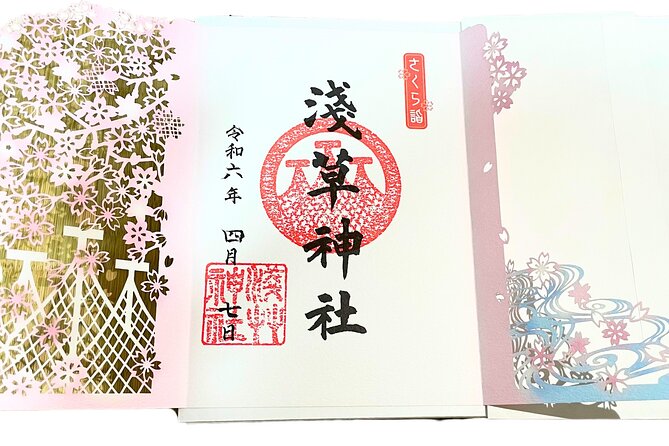
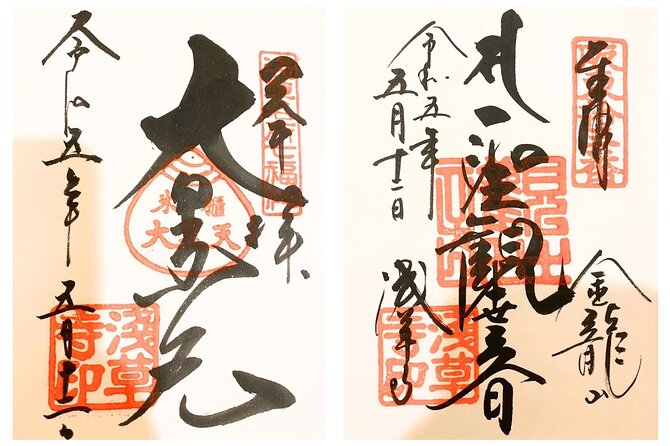
A goshuin is more than a souvenir stamp. It is a handwritten record connected with a temple or shrine, usually placed in a dedicated goshuin-cho book. Designs and calligraphy vary from site to site, which makes collecting them feel more personal than buying the same postcard at every stop.
You should treat the book with respect. Goshuin are connected with worship, not simply a game of collecting logos. Your guide can help you understand where to make a visit and how to request a stamp, which is useful if you are unfamiliar with Japanese temple and shrine customs.
The tour price is $140 per group of up to three people. That works out differently depending on the size of your party. For three people, it is about $47 per person before stamp fees. For one person, it is a much higher price, but you are paying for a private guide rather than a shared group walk.
The extra cost of each goshuin, the goshuin-cho, and any omamori amulets is not included. If collecting several stamps is your main goal, budget for those separately and consider bringing cash in Japanese yen. The supplied information does not state the exact price of each stamp, so do not assume they are covered by the booking fee.
A few more Asakusa tours and experiences worth a look

Starting at Sensō-ji and Kaminarimon
The tour begins at 1-chōme-1-3 Asakusa, close to the famous Sensō-ji area. This is a busy part of Tokyo, so give yourself time to find the meeting point. One guide had to contact a party and help them locate the start, a useful reminder to check your phone before arrival and keep the mobile ticket easy to access.
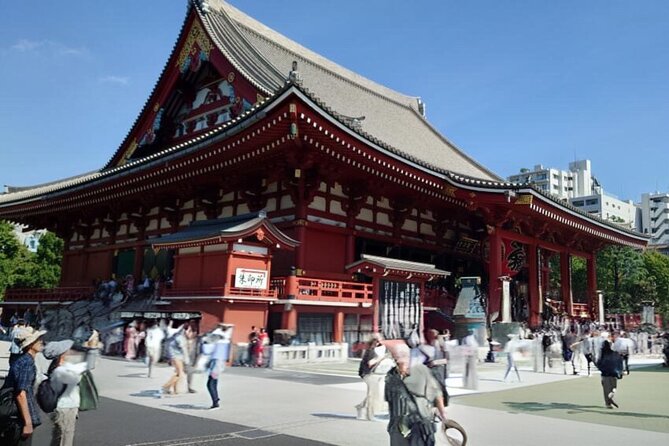
Sensō-ji is the large opening chapter of the walk. You will see the temple, Asakusa Shrine, and Nakamise-dori, the traditional shopping street leading toward the temple grounds. This section can feel lively and crowded, but it gives you the visual vocabulary for the rest of the tour: gateways, incense, worship spaces, souvenir stalls, and the daily rhythm of a major Japanese religious site.
The temple also has a connection with Tokugawa Ieyasu, who prayed here for victory. That detail adds political and historical context to what might otherwise seem like a quick photo stop. Your guide can explain how the temple and shrine differ, and why both matter within the same district.
You have about an hour here, the longest scheduled stop. That is helpful because Sensō-ji is not a place to rush. You may need time to take photographs, observe a ceremony if one is taking place, and handle your first goshuin request without feeling hurried.
A ceremony can change the mood completely. During one visit, a ceremony at Asakusa Shrine gave the guide a chance to explain what was happening. It is not something the tour can promise, but it shows why a guided visit can be more useful than simply walking through with a camera.
Imado Shrine and the lucky cat connection
From the grand scale of Sensō-ji, the route shifts to Imado Shrine. The scheduled visit is about 15 minutes, so think of this as a focused stop rather than a long exploration.
Imado is linked with love and lucky cats. The shrine has cat decorations and a lucky cat associated with prayers for romance. The cat theme gives the visit a lighter, more playful character, but it still connects to a familiar Japanese tradition of seeking good fortune through symbolic figures.
The site has also been used as a filming location for a Japanese drama. That may appeal to you if you enjoy seeing places connected with popular culture, though the main reason to stop is the shrine’s atmosphere and goshuin.
Cat lovers will find plenty to notice. The grounds may include cat decorations and, according to the experience information, actual cats can sometimes be present. Do not plan the whole visit around seeing one, since animals move freely and their appearance cannot be guaranteed. If cats are around, give them space and follow any shrine rules.
The short timing is both a strength and a weakness. You can see the key features without spending a large part of the tour at one small shrine, but 15 minutes may feel brief if you want to photograph every cat design or sit quietly. If you are collecting the stamp, listen carefully for the guide’s instructions so the visit stays smooth.
Matsuchiyama Shoden and the meaning of daikon
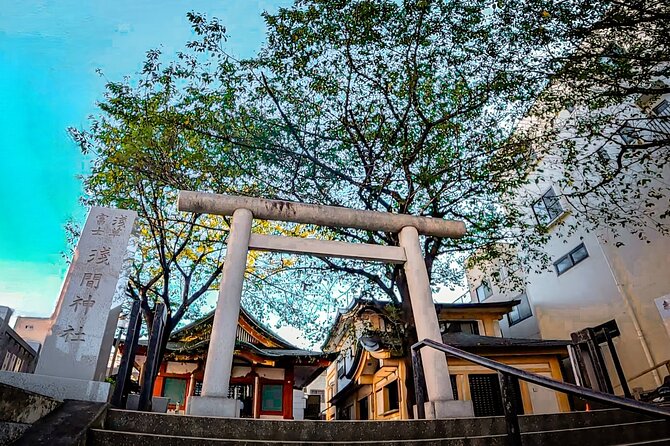
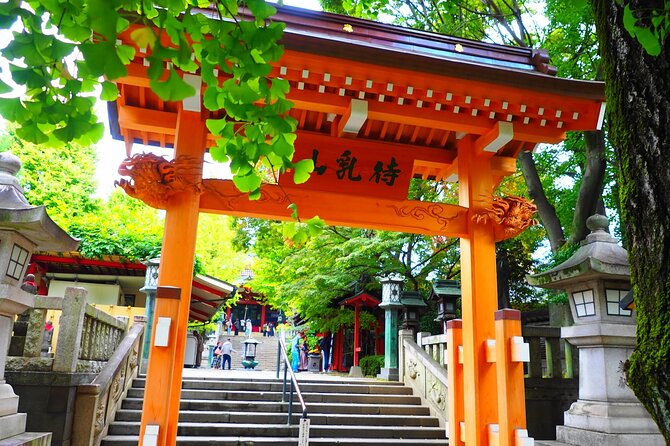
Matsuchiyama Shoden Honryuin brings another change in tone. This temple includes a Japanese garden and is known for its distinctive daikon symbol. The white radish represents family harmony and good health, giving the stop a clear theme that your guide can explain as you look around.
The daikon detail is easy to miss if you arrive without context. That is one reason I see value in this tour. A small object or decoration can seem random when you are on your own, while a local explanation connects it to beliefs about home life and well-being.
The stop lasts about 15 minutes. You may also find that free daikon is occasionally offered, though this is not guaranteed and depends on the temple. It is a charming local detail, but you should regard it as a bonus rather than part of what you are paying for.
The garden makes this a good pause after the busier Sensō-ji district. The supplied information does not promise a long garden visit, seasonal flowers, or a particular type of scenery, so keep your expectations modest. You are coming for the temple’s symbols, atmosphere, and goshuin, not for a full garden tour.
Asakusa Fuji Sengen-jinja and a miniature Mount Fuji
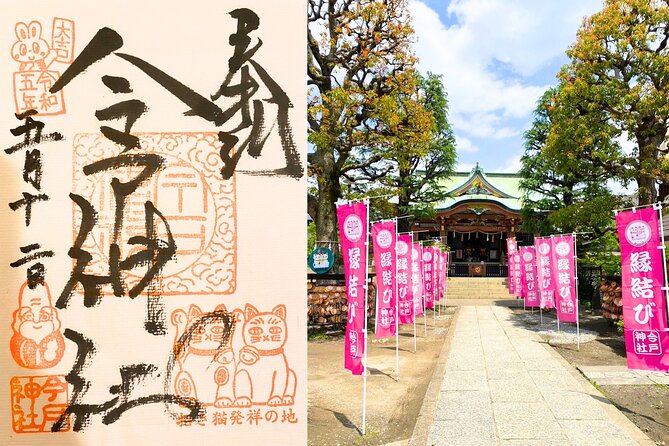
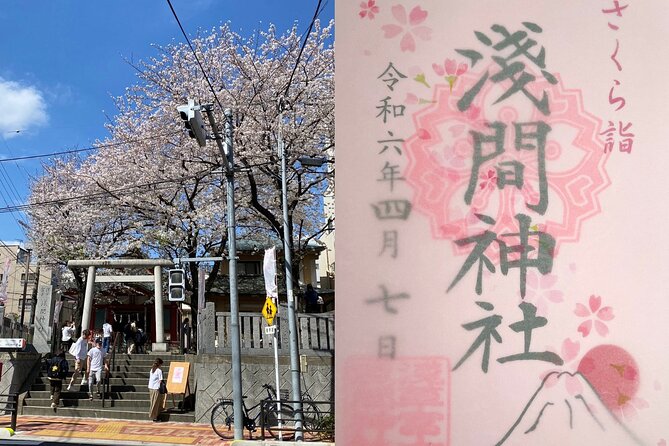
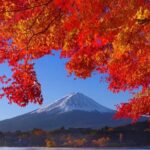
The final stop is Asakusa Fuji Sengen-jinja Shrine, where a small Fuji-zuka offers a symbolic way to climb Mount Fuji. The mound is built with lava from the real Mount Fuji, and visitors can make a compact pilgrimage here while receiving the blessings associated with the larger mountain.
This is a clever example of how Japanese religious practice can bring a distant place into a local neighborhood. You do not need to travel to Mount Fuji to take part in this symbolic climb, which makes the shrine memorable even though the site itself is small.
Again, you have about 15 minutes. That is enough to see the Fuji-zuka and learn why it exists, but it is not enough for a long, unhurried visit. If you like quiet shrines and small-scale details, you may wish the tour allowed more time at this stop.
The four sites work well together because each has a distinct character. Sensō-ji offers scale and fame. Imado adds cats and romance. Matsuchiyama Shoden introduces daikon symbolism and a garden. Asakusa Fuji Sengen-jinja connects the neighborhood with Mount Fuji through its lava-built mound.





What the private format adds
This is a private tour for your group only, with a maximum of three people. That matters most when you have questions or want help with goshuin. You are not waiting for a large group to catch up, and the guide can focus on your interests.
The small format also helps with practical tasks. One guide was praised for taking photos, and another helped a party that had trouble finding the meeting point. These are modest services, but they can make a difference during a short visit when you want to spend your time looking rather than managing directions.
The experience does not promise a named guide for every booking. Kayukawa-san is specifically associated with one reported visit, so you may or may not meet that guide. You can expect a professional guide, but explanations may vary. One experience had some unanswered questions and limited translation help, so visitors who want detailed historical interpretation should keep that possibility in mind.
That balance is important. The tour seems best suited to people who want a friendly cultural escort and help collecting stamps, not to someone seeking an academic lecture at every site. Ask questions as you go, and be specific about what interests you, whether that is religious practice, local legends, cats, or Japanese history.
Walking, timing, and what to bring
The full experience lasts about three hours and ends back at the meeting point. The listed stop times add up to about one hour and 45 minutes, leaving the rest for walking, transitions, explanations, worship, and goshuin purchases.
You should expect a real walking tour rather than a vehicle-based sightseeing trip. The activity calls for moderate physical fitness and warns that significant walking is involved. Wear comfortable shoes and bring water. Rain gear is also sensible because the experience depends on good weather.
The mobile ticket is convenient, but it does not remove the need to prepare. Confirm the meeting point before you leave, keep your phone charged, and arrive with enough time to orient yourself. Since the tour starts and finishes in the same area, you can continue exploring Asakusa afterward if you still have energy.
Respectful behavior matters at every stop. Keep voices low around worship areas, follow instructions about photography, and remember that these are functioning temples and shrines rather than museum sets. Your guide can help you avoid awkward mistakes, but basic care and attention remain your responsibility.
Is $140 good value for three people?
The price makes the most sense for a small group. At the maximum of three people, you receive a private walk through four sites for roughly the cost of a higher-end individual guided activity, while sharing the fee among your party.
The value comes from access and interpretation rather than admission savings. Entry to the listed sites is free, so you are paying for the guide’s time, route planning, cultural explanations, help with goshuin, photography assistance, and the ease of moving between places that may not be obvious on a first visit.
For a solo visitor, the price requires more thought. You may prefer exploring Asakusa independently and buying a goshuin book on your own. For two or three people who care about collecting stamps, the private format is easier to justify.
Remember the add-ons. Goshuin, goshuin-cho books, and omamori amulets are separate purchases. If your priority is collecting several stamps, those costs can affect your final budget.
Who will enjoy this tour most?
I would recommend this experience to you if goshuin collecting is a main reason for visiting Asakusa. It is also a good match if you want more than Sensō-ji but do not know which smaller temples and shrines to choose.
Couples may enjoy the love theme at Imado Shrine, while families and small friend groups may appreciate the private setting and short, varied stops. Cat lovers have an extra reason to be interested, since Imado includes cat imagery and may have cats on the grounds.
You should think twice if you dislike walking, need a slow pace, or want long visits at each location. The final three stops are short, and the route requires enough stamina for several hours on foot.
This may not be the best choice if your only goal is major sightseeing. Sensō-ji is easy to visit independently, and the smaller sites may not justify a private guide for someone who is uninterested in goshuin or local religious customs.
Booking, weather, and cancellation details
Confirmation is sent within 48 hours of booking, subject to availability. The tour is near public transportation, begins and ends at the stated Asakusa meeting point, and service animals are allowed.
Free cancellation is available up to 24 hours before the start time for a full refund. Changes or cancellations made less than 24 hours in advance are not accepted for a refund. Cutoff times use local Tokyo time.
The experience requires good weather. If poor weather cancels it, you can receive a different date or a full refund. A minimum number of participants is also required, and if that minimum is not reached, you will be offered another date or experience, or a full refund.
Should you book the Asakusa goshuin walk?
Book it if you want a personal goshuin collection, prefer a private guide, and are curious about the smaller religious sites beyond Sensō-ji. The best parts are the variety of symbols, the chance to see a ceremony if timing allows, and the practical help with photos, directions, and stamp collecting.
Skip it if you want a relaxed, stationary visit or if paying separately for every goshuin will frustrate you. For the right audience, this is a focused way to connect four very different Asakusa sites in three hours. Bring water, comfortable shoes, rain gear, and an open mind about the quiet details that make local temples and shrines worth visiting.
FAQ
How long does the goshuin tour last?
The tour lasts approximately three hours and returns to the original meeting point in Asakusa.
How many people can join the private tour?
The price covers one private group of up to three people. Only your group participates.
Are goshuin and goshuin-cho included in the price?
No. Goshuin, goshuin-cho stamp books, and omamori amulets are not included and must be purchased separately.
Where does the tour start and finish?
The tour starts at 1-chōme-1-3 Asakusa, Taito City, Tokyo 111-0032, Japan, and ends back at the same meeting point.
Does the tour require much walking?
Yes. The experience requires significant walking and a moderate level of physical fitness. Bring sufficient water, rain gear, and other necessary items.
Can I cancel for a full refund?
You can cancel at least 24 hours before the experience start time for a full refund. Cancellations or changes made less than 24 hours in advance are not accepted for a refund.
More Asakusa Tours in Asakusa
More tours in Asakusa we've reviewed







Asakusa Tours, compared.
 ★ 4.8Tokyo: Japanese Dance Cabaret Theater Asakusa-Kaguwa TicketFrom $492 hours
 ★ 4.7Tokyo: Meiji Shrine, Asakusa, Skytree Bus Tour and CruiseFrom $12210 hours
 ★ 4.9Tokyo: Roll and Authentic Sushi Making Class in AsakusaFrom $581h 40m
 ★ 4.8Tokyo: Asakusa Walking Tour with Sensoji Temple VisitFrom $222 hours
 ★ 5.0Tokyo Asakusa Rickshaw TourFrom $42
 ★ 4.5Tokyo Panoramic 1 Day: Meiji Shrine, Asakusa, Odaiba and SKYTREE®From $85