Reviewed · ASAKUSA TOURS
Tokyo: Asakusa & Sensoji ー Oldest Temple Walking Tour (2hrs)
Asakusa gives you old Tokyo in a compact, easy-to-walk package. In two hours, this small-group tour takes you through the Thunder Gate, Sensoji Temple, food streets, retro drinking lanes, traditional shops, and a local supermarket. The temple is the main event, but the surrounding streets give the visit its flavor.
In This Article
- Key points at a glance
- Why Asakusa works so well for a short walking tour
- Meeting at Kaminarimon, where the story begins
- Nakamise Street, souvenirs and snacks in one long approach
- Sensoji Temple, where customs become part of the visit
- Yogodo, koi and rows of Jizo statues
- Matcha sweets at Kaminari Issa
- Local lanes, melon bread and Edo-style storefronts
- Hoppy Street and Asakusa’s daytime drinking culture
- Knife craftsmanship and practical souvenirs
- The guides make the difference
- Who should book this Asakusa walk?
- Should you book it?
- FAQ
- How long does the Asakusa and Sensoji tour last?
- What is the tour price?
- Where does the tour meet?
- Where does the tour finish?
- Is Sensoji Temple included?
- Is food tasting included?
- How large is the tour group?
- Can I cancel for a full refund?
I like the clear local guidance around Sensoji, where a guide can explain temple customs instead of leaving you to guess. I also like the mix of sights: matcha sweets, melon bread, sword shops, kimono stores, knife craftsmanship, and ordinary Japanese groceries. The main caution is simple: food tasting may not always happen as described, so do not book this solely for a guaranteed meal or snack package.
Key points at a glance
- Kaminarimon sets the scene: Learn what the Thunder Gate represents before entering the temple district.
- Sensoji is hands-on: You can draw a fortune, wash your hands, use incense smoke for purification, and make a traditional prayer.
- The route goes beyond the temple: Hoppy Street, retro Edo-style lanes, snack stands, and local storefronts show another side of Asakusa.
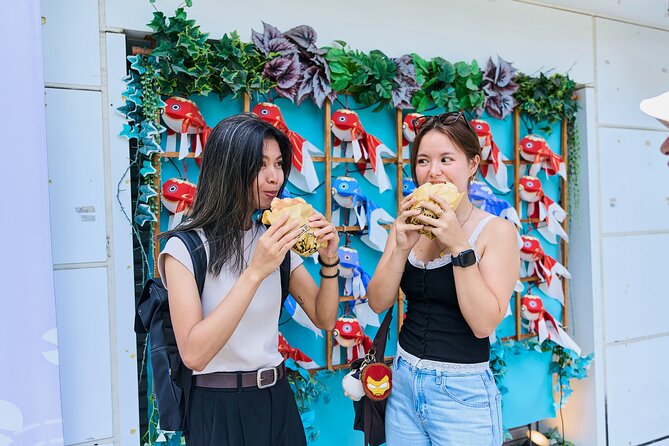
- Food is part of the walk: Look for melon bread, menchi-katsu, skewers, matcha desserts, and seasonal sweets.
- Specialty shops add character: The route can include a professional knife shop, sword stores, kimono shops, and a ninja gear shop.
- The group stays manageable: The maximum size is 15 people, and several guides have earned praise for making the walk personal and easy to follow.
Why Asakusa works so well for a short walking tour
Tokyo can feel enormous. Asakusa is one of the better districts for finding a strong sense of place without spending half the day on trains. Sensoji anchors the area, but the streets around it still serve local daily life, from small food stalls to neighborhood groceries.
This tour is not just a temple visit. It connects religious customs with food, shopping, craft, and old-fashioned entertainment. That matters because Sensoji can be crowded and confusing, especially around Nakamise Street. A guide helps you understand what you are seeing and points out details you could easily pass by.
The tour costs $19.90 per person. That is a modest price for two hours with a local guide, especially if you are new to Tokyo and want an introduction to Asakusa before exploring on your own. You are not paying for an entrance ticket, since the listed stops are free. You are paying for orientation, explanations, and local suggestions.
The value depends on your style. If you prefer to wander silently and set your own pace, you may find the schedule too structured. If you want someone to explain temple manners, identify foods, and steer you toward useful shops, the price is reasonable.
A few more Asakusa tours and experiences worth a look

Meeting at Kaminarimon, where the story begins
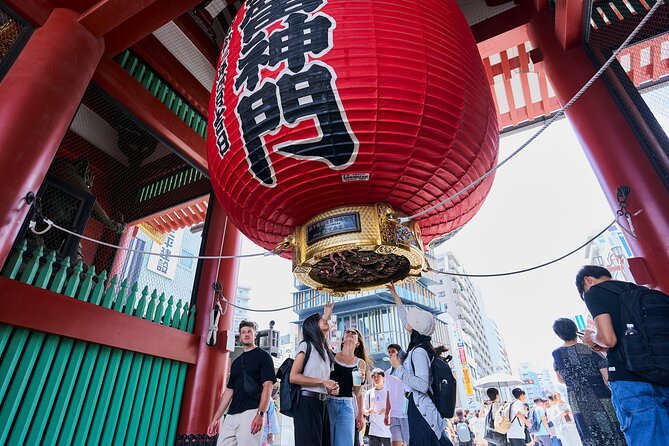
The meeting point is Kaminarimon Police Box at 1-chome-3-1 Asakusa. The gate itself is the proper opening chapter, not just a place to meet. Your guide explains its formal name, its history, and the meaning of the large features that make it one of Tokyo’s best-known entrances.
You get about 20 minutes here. That is enough time to take in the gate and hear the basic story before moving into the shopping street. Since the area is near public transportation, it is practical to reach, though you should allow time to find the exact police box in the busy temple district.
This first stop also helps with orientation. Once you pass the gate, Nakamise stretches ahead toward Sensoji. Knowing where the temple sits and how the approach works makes it easier to return later for another look.
Nakamise Street, souvenirs and snacks in one long approach
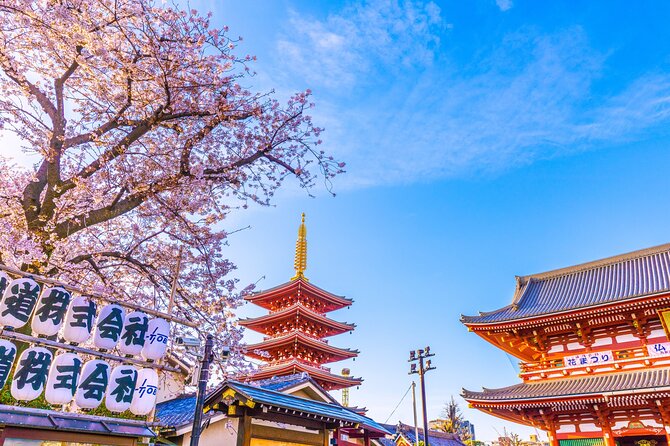
Nakamise is lined with souvenir shops and food stalls. Some shops sell traditional items, while others focus on easy gifts and edible treats. The tour allows roughly 20 minutes here, so you will have time to look around, but not enough for a slow, detailed shopping trip at every store.
I would use this part of the walk to note things you want to buy later. Prices and products vary, and you may want to compare before spending. The guide can point out local specialties and explain what certain snacks are, which is useful if Japanese food names are new to you.
Street food is part of the tour’s appeal, but the practical detail matters: the experience includes food-related stops and tasting is advertised, yet one account specifically found that the promised tasting did not take place. Treat food sampling as a possibility rather than the central guarantee. You can still browse, ask for recommendations, and buy snacks if you wish.
Sensoji Temple, where customs become part of the visit
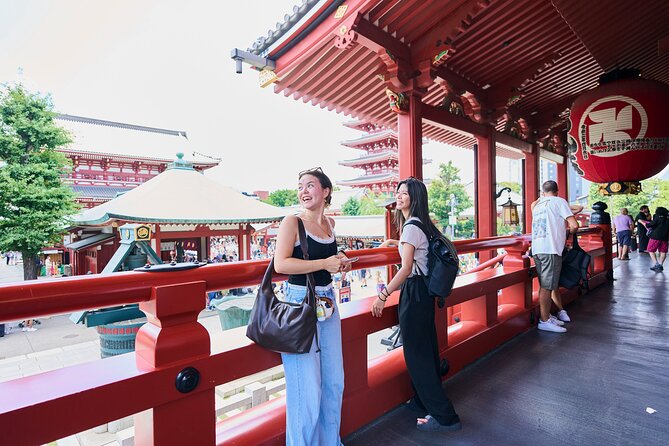
Sensoji is Tokyo’s oldest temple and the main reason to choose this walk. The visit is not limited to looking at the main hall from outside. You can take part in several familiar Japanese temple customs.
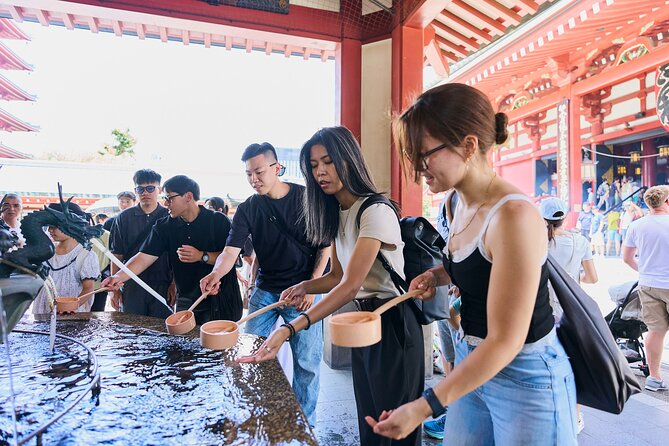
You may draw a fortune, purify your hands with water, use incense smoke, and offer a traditional prayer. A guide is especially useful here because these actions can feel unclear when you are seeing them for the first time. You will get a better sense of what each step means and how to take part respectfully.
The tour allows about 20 minutes at Sensoji. That is enough for a guided introduction and the main customs, but it is not an unhurried temple study. If you want time for detailed photographs, a quiet look at the architecture, or a full visit to nearby grounds, plan to return on your own.
One unusual feature of this area is the close presence of Buddhist and Shinto sites. The tour presents this as a rare place where the two traditions coexist. For visitors trying to understand Japanese religious life, this is more useful than a simple list of dates and names. You see how different traditions share the same neighborhood and how ordinary people use these places.
Yogodo, koi and rows of Jizo statues
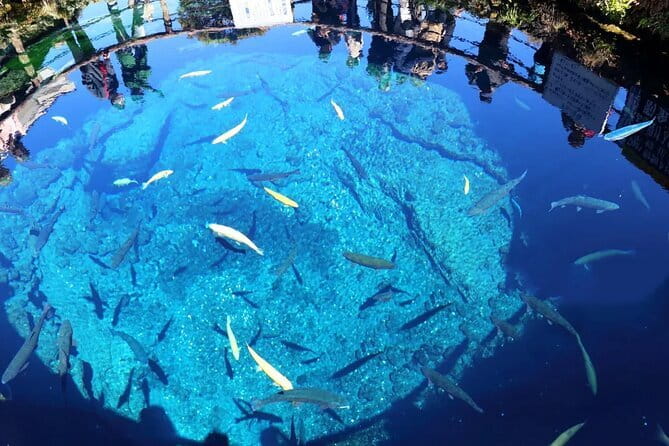
The brief stop at Sensoji Yogodo lasts about five minutes. It includes a goshuin desk, a pond with koi, and rows of Jizo statues connected to a well-known story. This is also a popular photo spot.
The short timing tells you what to expect. This is a focused introduction, not a long side visit. If you collect temple seals, you may want to ask about the goshuin desk and return later if you need more time. The koi pond and statues offer a calmer change from the main approach, and the setting can make a good pause for photographs.



Matcha sweets at Kaminari Issa
Kaminari Issa is a local sweets shop with a strong matcha focus. Possible treats include matcha soft serve, matcha truffles, and seasonal desserts. The stop is listed at about five minutes, so this is a quick taste or shopping pause rather than a formal dessert break.
Matcha can range from mild and creamy to sharply bitter. If you already enjoy green tea flavors, this stop may be one of the more appealing food moments on the route. If you do not, ask your guide which option is easiest to start with.
Again, keep the tasting detail flexible. The route includes the sweets shop, but the exact food provided may depend on the guide and circumstances. The safest expectation is that you will be shown a place to browse and may have the chance to buy or try something.
Local lanes, melon bread and Edo-style storefronts
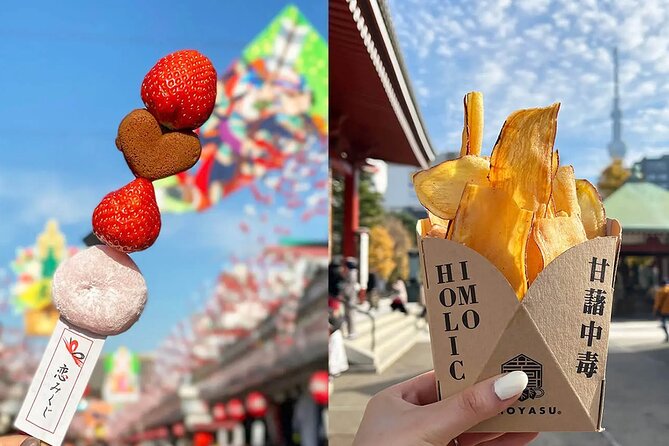
After the temple grounds, the walk shifts from major sights to smaller streets. You may pass snack stands, souvenir stores, traditional storefronts, and the famous melon bread sold in the area. These lanes make the tour feel less like a temple checklist and more like a neighborhood walk.
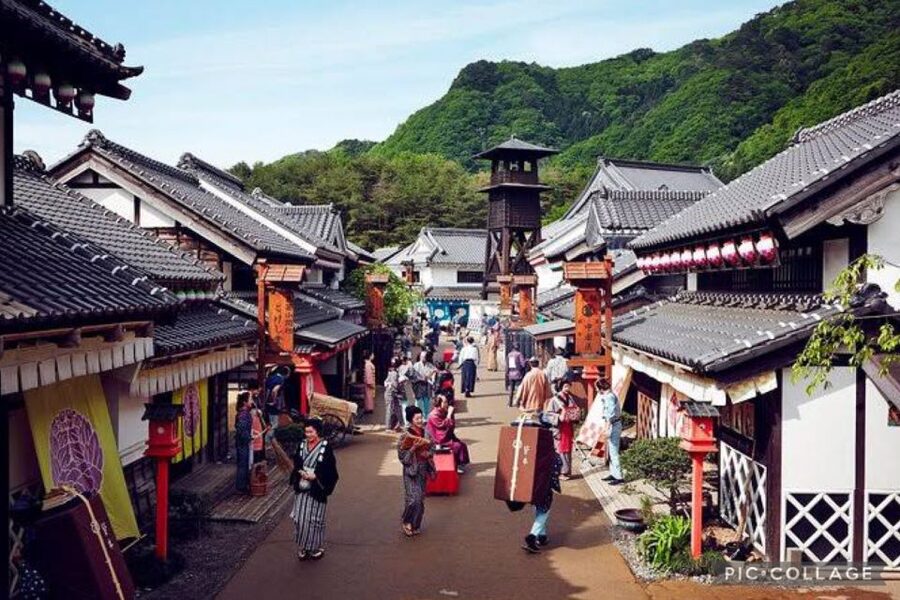
Another section is styled after old Edo, with playful shop fronts, retro touches, unusual vending machines, and food such as menchi-katsu and skewers. Menchi-katsu is a fried minced-meat cutlet, a useful name to know before you see it on a sign.
These stops are valuable because they show how Asakusa uses its past. The Edo references are not confined to a museum display. They appear in shop designs, food, crafts, and the way the streets are presented to people walking through the district.
The drawback is that shop visits can vary in depth. A two-hour walk cannot cover every lane or allow long shopping time. Think of the tour as a guided sampler. Write down places you want to revisit afterward.
Hoppy Street and Asakusa’s daytime drinking culture
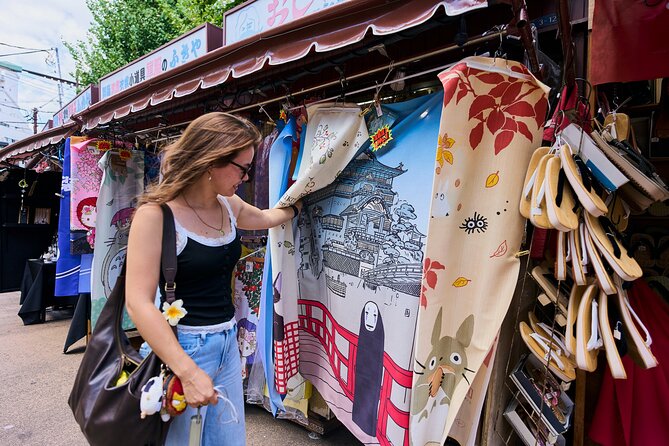
Hoppy Street offers a look at locals enjoying daytime drinks. The street is also associated with old-style shops, including sword stores and kimono shops that have continued operating in Asakusa.
You get about 10 minutes here, so you will observe more than linger over a drink. That is fine for a first visit. Hoppy Street gives you a glimpse of a social side of Asakusa that can be missed if you stay only around the temple gate and souvenir avenue.
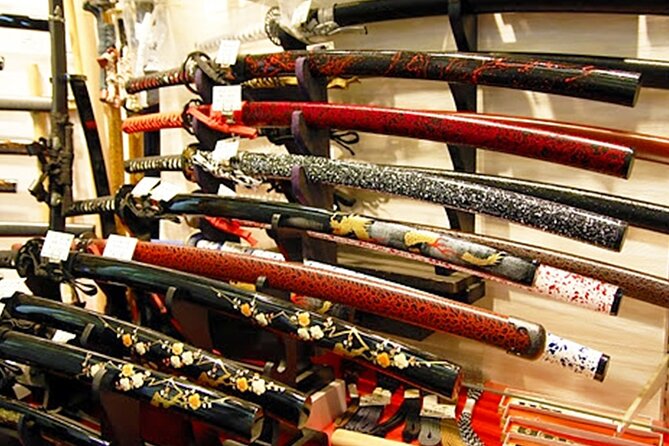
The sword and kimono shops are particularly interesting for anyone drawn to Japanese craft and historical clothing. The tour may also introduce a samurai sword and ninja gear store. Do not expect a long demonstration or a specialist shopping consultation within the standard route, but the guide can help you notice these stores and decide if you want to return.
Knife craftsmanship and practical souvenirs
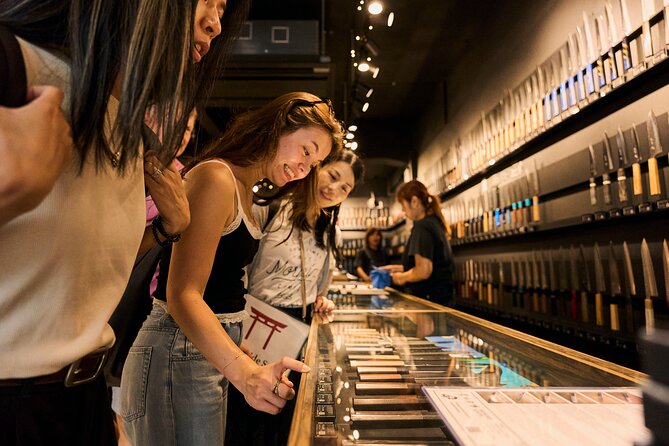
A local knife shop may be included if you are interested. You might see traditional sharpening in action, and Japanese kitchen knives are known for precise cutting and careful workmanship.
This is one of the tour’s more useful shopping angles. A knife is a serious purchase, not an impulse souvenir, and a guide can help you understand why the shop matters. Still, the available information does not promise a full demonstration every time, so regard it as an optional introduction.
The final stop is Ozeki Asakusa Kaminarimon Grocery and Supermarket. Here you can browse everyday Japanese foods and look for unusual souvenirs. I like this ending because it shifts your attention from tourist goods to things people actually buy for home use.
A supermarket can be a better place for edible gifts than a dedicated souvenir shop. You may find products that are easier to pack, compare, and use later. The stop lasts about 10 minutes, so make a quick list before you arrive if you want to shop.
The guides make the difference
The tour has used several guides, including Keiko, Yui, Josh, Nono, Nanami, Naruto, Aiko, and Naoto. Individual guide quality matters on a walking tour, and the strongest pattern is clear: the best guides explain local customs, adjust to the group, and keep the pace comfortable.
Keiko is noted for adding small touches for children, including handwritten cards with food items to try and stickers. Yui is praised for detailed temple explanations and food suggestions. Josh is described as a local who speaks English well and brings strong knowledge of the area.
Nono is a good name to remember if you are traveling tired or with a child. She adjusted the walk for a mother and daughter who were jet-lagged and not feeling well. Naoto is described as professional, fun, and well suited to a personalized walk. Nanami is praised for bringing attention to authentic restaurants and interactive shrine experiences.
You cannot select a particular guide from the information provided, so treat these names as examples of the style you may receive rather than a promise. The small-group limit of 15 helps, and one booking even ran with only one participant rather than being canceled. That suggests some flexibility, though private treatment is not guaranteed.
Who should book this Asakusa walk?
I would recommend it to first-time Tokyo visitors, families, curious food shoppers, and anyone who wants cultural context without a full-day commitment. It is also a good first activity after arriving in Tokyo because the route is relatively focused and includes practical food ideas for later.
The walk suits people who enjoy learning as they go. You will hear about the temple, see local customs, inspect shops, and receive suggestions for what to eat. It is less suitable if you want a long temple meditation, a guaranteed tasting menu, or extensive time inside every shop.
The route is not described as strenuous, and one account specifically praised it for offering useful information without too much walking. Most people can participate. Since the group can reach 15 people, ask questions early if you want detailed help with food or shopping.
You receive a mobile ticket, confirmation at booking, and free cancellation up to 24 hours before the start time. Within 24 hours, changes are not accepted and the payment is not refunded. Those terms are standard enough, but note them before booking if your Tokyo schedule is uncertain.
Should you book it?
Book this tour if you want a friendly introduction to Sensoji and the streets around it, with food, shopping, and local customs folded into the same two-hour walk. At $19.90, the main value is the guide’s explanation and neighborhood knowledge, not admission tickets or elaborate food service.
Skip it if you already know Asakusa well or want to explore entirely at your own pace. Also book with realistic food expectations. The route includes food stops and recommendations, but the tasting element may not appear every time.
For most first visits, this is a sensible way to get your bearings fast, learn how to behave at Sensoji, and leave with a short list of places worth revisiting.
FAQ
How long does the Asakusa and Sensoji tour last?
The walking tour lasts approximately two hours.
What is the tour price?
The price is $19.90 per person.
Where does the tour meet?
It begins at Kaminarimon Police Box, 1-chome-3-1 Asakusa, Taito City, Tokyo 111-0032, Japan.
Where does the tour finish?
The activity ends back at the meeting point.
Is Sensoji Temple included?
Yes. The route includes Sensoji Temple, Tokyo’s oldest temple, with time for temple customs such as drawing a fortune, purifying your hands, using incense smoke, and praying.
Is food tasting included?
Food stops and tasting are described as part of the experience, but the exact tasting may vary. One account noted that the expected food tasting did not take place, so you should not treat it as guaranteed.
How large is the tour group?
The maximum group size is 15 people.
Can I cancel for a full refund?
Yes, if you cancel at least 24 hours before the experience start time. Cancellations within 24 hours are not refunded, and changes within that period are not accepted.
More Walking Tours in Asakusa
More Temples & Meditation in Asakusa
More Asakusa Tours in Asakusa

More tours in Asakusa we've reviewed





Asakusa Tours, compared.
 ★ 4.8Tokyo: Japanese Dance Cabaret Theater Asakusa-Kaguwa TicketFrom $492 hours
 ★ 4.7Tokyo: Meiji Shrine, Asakusa, Skytree Bus Tour and CruiseFrom $12210 hours
 ★ 4.9Tokyo: Roll and Authentic Sushi Making Class in AsakusaFrom $581h 40m
 ★ 4.8Tokyo: Asakusa Walking Tour with Sensoji Temple VisitFrom $222 hours
 ★ 5.0Tokyo Asakusa Rickshaw TourFrom $42
 ★ 4.5Tokyo Panoramic 1 Day: Meiji Shrine, Asakusa, Odaiba and SKYTREE®From $85